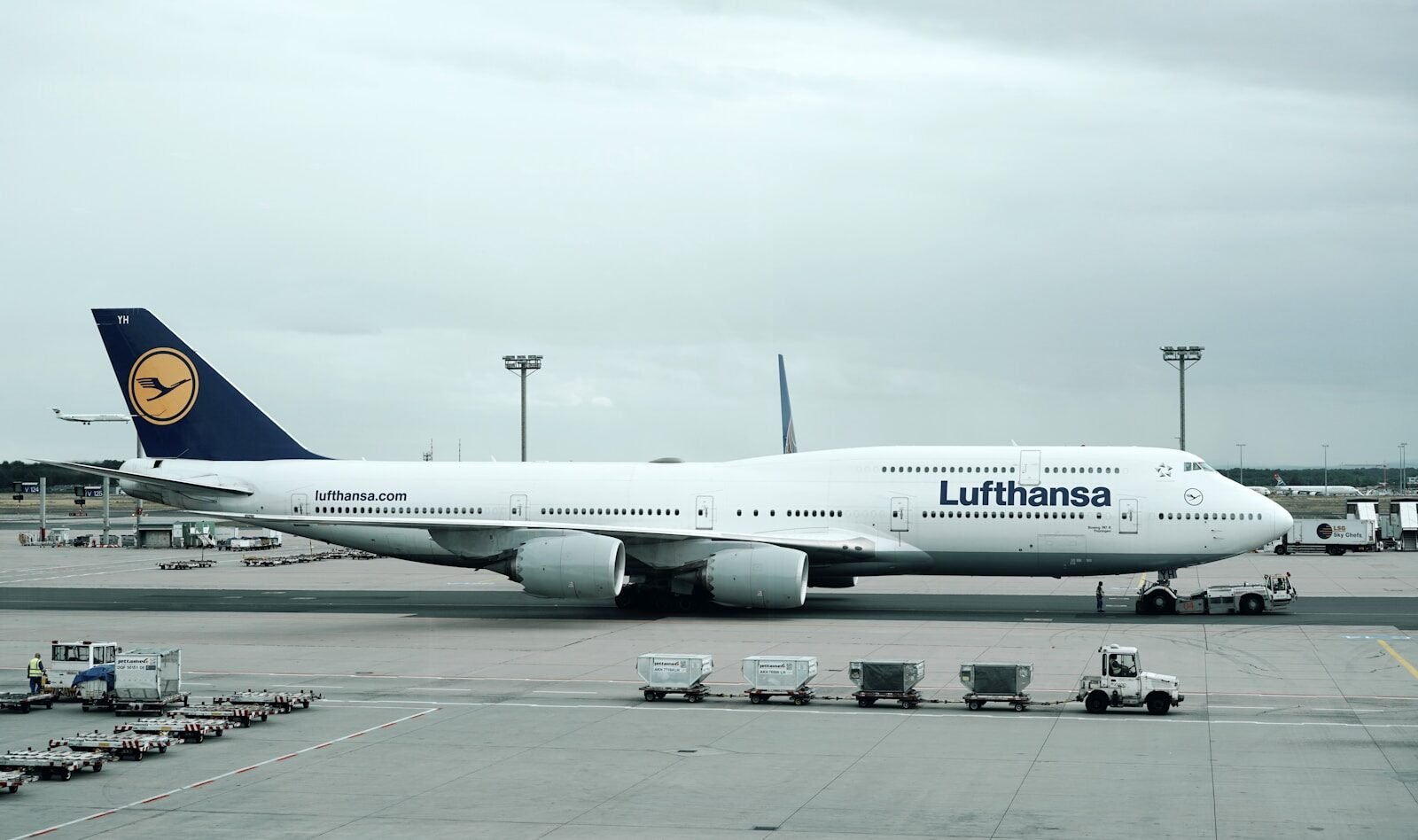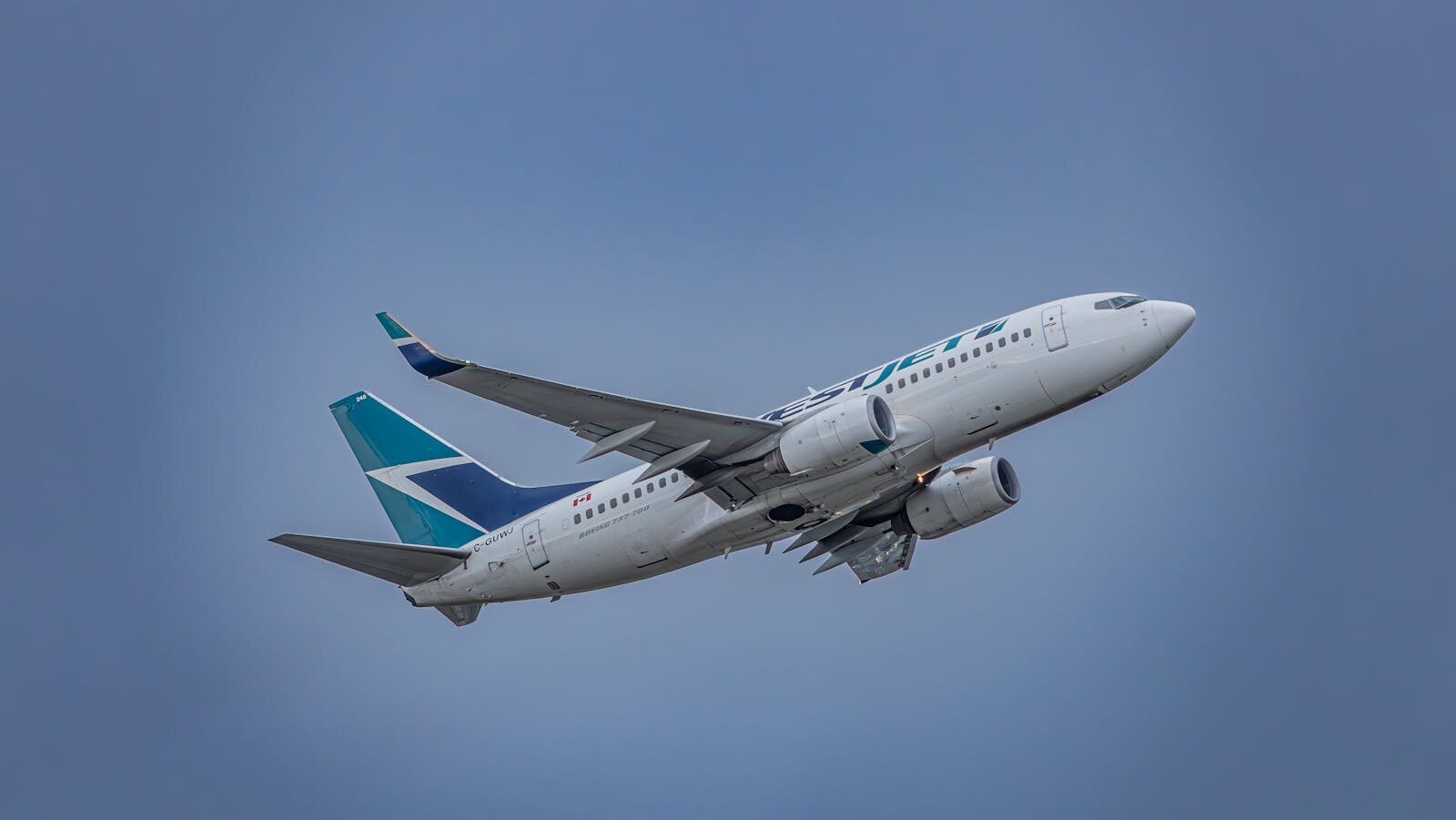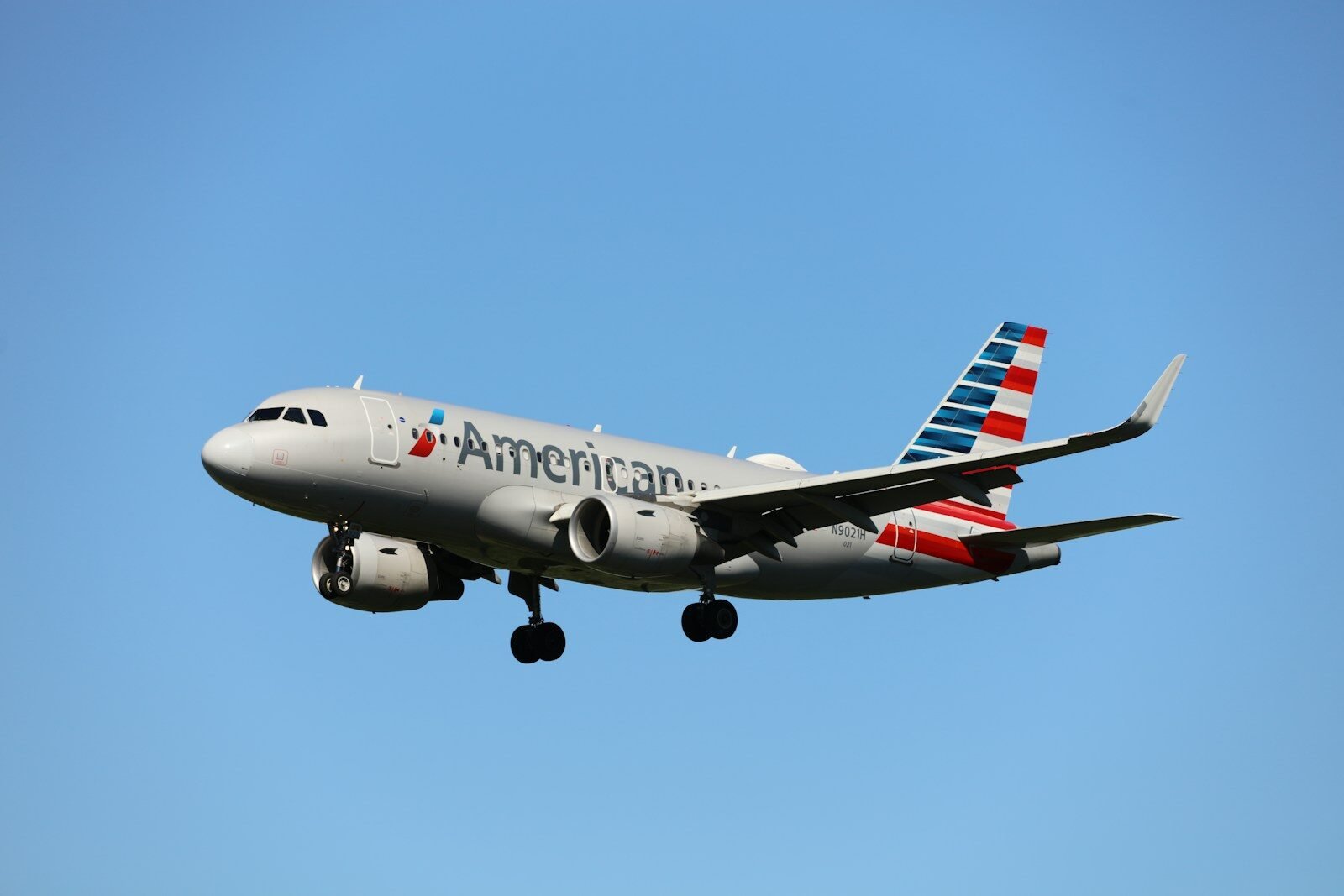
Author: Adityan Pillai

  • Boeing Ordered to Pay $49.5M: All About the 7-Year Legal War, Complete Timeline and Information

    Boeing Ordered to Pay $49.5M: All About the 7-Year Legal War, Complete Timeline and Information

    The legal saga involving the Boeing 737 MAX has finally reached a massive milestone with a $49.5 million judgment awarded to the family of a victim from the 2019 Ethiopian Airlines crash. For those who follow the aviation industry, this is not just another headline about a settlement. It is a moment of accountability that has been seven years in the making.

    This case serves as a stark reminder of the technical failures, corporate decisions, and regulatory oversights that led to one of the darkest periods in modern commercial flight history. For pilots, frequent flyers, and airline employees, the details of this legal battle reveal a lot about how safety culture and aircraft certification have changed since the 737 MAX was first grounded.

    The Tragic Origins of the 737 MAX Litigation

    To understand why a court ordered Boeing to pay such a significant sum, we have to look back at the aircraft itself. The 737 MAX was designed to be a more fuel efficient version of the 737 Next Generation. To accommodate larger engines, Boeing had to mount them further forward and higher up on the wing. This change altered the aerodynamic profile of the jet, giving it a tendency to pitch upward under certain conditions.

    To fix this without requiring expensive simulator training for pilots, the company implemented a software system called the Maneuvering Characteristics Augmentation System, or MCAS. This software was designed to automatically push the nose down if it sensed a stall. However, the system relied on a single sensor. When that sensor failed on Lion Air Flight 610 and later on Ethiopian Airlines Flight 302, the pilots found themselves in a desperate struggle against their own aircraft. The resulting crashes led to the worldwide grounding of the entire fleet and a series of lawsuits that are still being settled in courtrooms today.

    A Timeline of the Seven Year Battle Against Boeing

    The road to this $49.5 million award started immediately after the crash of Ethiopian Airlines Flight 302 in March 2019. While the Lion Air crash in Indonesia had already raised red flags, the second accident confirmed that something was fundamentally wrong with the 737 MAX flight control logic. Families from all over the world, representing various nationalities and walks of life, joined together to seek answers.

    Early in the process, Boeing admitted liability for the compensatory damages resulting from the crashes. This was a strategic legal move intended to avoid a discovery process where internal emails and documents might be aired in front of a jury.

    By admitting liability, the focus of the trials shifted purely to the value of the lives lost and the grief experienced by the families. This specific $49.5 million case involved the family of a young woman who died in the Ethiopian crash. The jury spent weeks listening to testimony about her life, her potential, and the massive void her death left behind. It took years of depositions, expert testimony, and emotional hearings to reach this point.

    Why the Aviation Industry is Closely Following the Boeing Verdicts

    Airlines like Southwest, United, and American Airlines have thousands of 737 MAX aircraft in their fleets or on order. For these operators, the stability of Boeing is vital for their long term route planning and fleet renewal strategies. However, the constant stream of legal losses and settlements impacts the manufacturer’s ability to focus on future projects like the rumored 797 or a clean sheet replacement for the 737 line.

    From a pilot’s perspective, these legal outcomes highlight the importance of transparency in cockpit systems. The 737 MAX was initially marketed as a plane that didn’t need new training. We now know that was a mistake. Today, every MAX pilot undergoes extensive simulator sessions specifically focused on MCAS and runaway stabilizer trim scenarios. The $49.5 million payout is a financial figure, but for the aviation community, it represents the cost of ignoring the fundamental principles of human factors and systems redundancy.

    The Impact on Global Aviation Safety and Regulation

    The fallout from these legal battles forced the Federal Aviation Administration and other global regulators like EASA to change how they certify new planes. Previously, Boeing employees were often given the authority to sign off on their own work on behalf of the FAA. This practice, known as Organization Designation Authorization, came under heavy fire during the 737 MAX investigations.

    Now, the FAA has taken a much more hands-on approach. We see this with the delayed certification of the 777X and the 737 MAX 7 and MAX 10 variants. Regulators are no longer taking the manufacturer’s word at face value. They are looking deeper into the code and the physical components of the aircraft. This shift ensures that the next generation of planes will be safer, even if it means they take longer to reach the departure gates at major airports like O’Hare or Heathrow.

    What Comes Next for the 737 MAX and Its Passengers

    Despite the heavy legal fees and the negative press, the 737 MAX is currently the workhorse of many domestic and international routes. It is a quiet, fuel efficient jet that passengers generally find comfortable. Most travelers today likely board a MAX without even realizing it, as the aircraft has logged millions of flight hours since its return to service.

    The $49.5 million judgment is a significant individual win for a grieving family, but Boeing still faces other pending cases. Some families are pushing for the right to seek punitive damages, which would go beyond compensation and actually punish the company for its conduct. If a judge allows punitive damages in future trials, the financial hit to the company could jump from millions to billions. This keeps the aviation world on edge as we watch the legal system slowly grind toward a final resolution for all parties involved.

    Why This Matters for Travelers

    For the average person booking a flight, these headlines can feel distant, but they directly affect the cost of your ticket and the safety of your journey. When a major manufacturer faces massive legal payouts, it affects their bottom line, which can influence everything from research and development budgets to the price of spare parts for airlines.

    More importantly, these cases ensure that safety is never again treated as a secondary concern to profit or delivery schedules. The transparency demanded by the lawyers and families in these 737 MAX cases has led to better pilot training manuals and more robust aircraft systems. When you sit down in your seat and the flight crew begins their pre-flight checks, you are benefiting from the hard-won lessons of this seven year legal war. The sky is safer today because people refused to let these failures go unnoticed.

  • Why US Airlines Are Investing Billions Into AI Operations in 2026

    Why US Airlines Are Investing Billions Into AI Operations in 2026

    The sound of a jet engine starting up at a gate in O’Hare or Hartsfield-Jackson is a familiar one, but the technology managing that flight has changed more in the last two years than in the previous two decades. As we move through 2026, a massive financial shift is occurring within the industry. Major US airlines are no longer just buying new fuel-efficient aircraft or upgrading cabin interiors. They are pouring billions of dollars into artificial intelligence to run the backbone of their operations.For the average traveler, this might seem like a corporate trend that stays behind the scenes. However, the reality is that AI is now the primary tool used to prevent the massive travel meltdowns that plagued the early 2020s. Carriers like United, Delta, and American are finding that they can no longer manage the complexity of modern global networks using traditional software and human intuition alone. The sky has become too crowded, the weather too unpredictable, and the labor market too tight to rely on old-school methods.

    The Operational Logic Behind US Airlines Spending

    To understand why the price tag for these upgrades has reached the billions, one has to look at the sheer scale of a major hub operation. On any given day, an airline might have 4,000 flights in the air, thousands of crew members scattered across different time zones, and dozens of aircraft requiring unplanned maintenance. One thunderstorm over Dallas can ripple across the entire country, causing a domino effect of cancellations that costs an airline millions in lost revenue and passenger compensation.US airlines are using AI to build predictive models that see these problems before they happen. Instead of reacting to a storm once it hits, AI systems are now simulating weather patterns and air traffic constraints forty-eight hours in advance. This allows dispatchers to move aircraft and crews into position before the first raindrop falls. By spending money on these digital brains, carriers are essentially buying insurance against the operational chaos that destroys their profit margins.

    How US Airlines Are Solving the Maintenance Puzzle

    Maintenance is perhaps the most expensive and frustrating part of running a fleet. When a Boeing 737 Max or an Airbus A321neo has a technical fault at the gate, it doesn’t just delay that one flight. It ruins the schedule for every passenger booked on that plane for the rest of the day. Historically, maintenance was either scheduled based on time or reactive when something broke.By 2026, US airlines have shifted toward a model of predictive health monitoring. Every modern engine, from the CFM LEAP to the Pratt & Whitney GTF, generates terabytes of data during every flight. AI algorithms analyze this data in real-time to find tiny anomalies in temperature, vibration, or pressure that a human technician would never notice. If the AI detects that a fuel pump might fail in ten days, the airline can schedule a replacement during a routine overnight stop at a hub like Charlotte or Denver. This prevents the dreaded mechanical delay that occurs while passengers are already sitting at the gate.

    Fuel Efficiency and the Bottom Line for US Airlines

    Fuel remains the largest variable expense for any carrier. Even a 1% reduction in fuel burn across a massive fleet can result in hundreds of millions of dollars in savings annually. This is where AI is delivering its most immediate return on investment. Flight planning was once a relatively static process. A pilot would receive a flight plan based on standard routes and projected winds, and they would follow it as closely as possible.Today, AI-driven flight path optimization is much more fluid. These systems analyze real-time wind data, air temperature, and air traffic congestion to suggest altitude and speed changes every few minutes. By finding the “sweet spot” in the atmosphere where drag is lowest, US airlines are significantly cutting their carbon footprint and their fuel bills. This isn’t just about saving money; it is about surviving in an era where environmental regulations are becoming stricter and fuel prices remain volatile.

    Staffing and Crew Scheduling Challenges

    The human element of aviation is incredibly difficult to manage. Pilots and flight attendants are subject to strict legal limits on how many hours they can work. When a flight is delayed, a crew might “time out,” meaning they are legally unable to fly the next leg of their journey. Finding a replacement crew in a different city is a logistical nightmare that used to take human schedulers hours to solve.US airlines have integrated AI into their crew management systems to handle these “what if” scenarios. The software can instantly look at the locations, certifications, and remaining legal work hours of tens of thousands of employees to find the most efficient way to get a reserve crew to a gate. It minimizes the time a plane sits empty while waiting for a pilot, which has been a major pain point for travelers over the last few years.

    Improving the Ground Game at Busy Hubs

    The most congested part of any journey is often the time spent on the tarmac. Whether it is waiting for a gate to open or sitting in a long line for de-icing, ground operations are a major source of delay. US airlines are using AI-powered computer vision at airport gates to track every second of the “turn” process. Cameras monitor when the fuel truck arrives, when the catering is finished, and when the last bag is loaded.By analyzing this data, airlines can identify bottlenecks that humans might miss. If the data shows that baggage loading is consistently taking five minutes longer at a specific terminal in Newark, the airline can investigate why and fix the problem. These small gains in efficiency add up. If an airline can save five minutes on every flight turn, it can effectively add more flights to its schedule without buying a single new aircraft.

    What Passengers Should Expect

    While much of this investment is hidden in data centers and operations rooms, the impact on the passenger experience is becoming clear. We are entering an era of more reliable schedules. While technology cannot stop the wind from blowing or the snow from falling, it is making the industry much better at handling those disruptions.Passengers in 2026 are seeing fewer “mystery delays” where a plane is sitting at the gate but no one seems to know why. Communication has become more proactive. Instead of finding out your flight is canceled when you arrive at the airport, AI-driven customer service tools are often rebooking passengers and sending them new boarding passes before they even leave for the terminal. The goal for US airlines is to make the experience as predictable as possible, even when the world around the airplane is not.

    FAQ

    Are US airlines using AI to replace pilots? No. The current investment in AI is focused on operations, scheduling, maintenance, and flight path optimization. Pilots remain essential for safety and decision-making in the cockpit. AI acts as a support tool to help them fly

    Will AI make my flight tickets cheaper? While AI helps airlines save money on fuel and maintenance, ticket prices are still largely driven by demand and competition. However, by reducing the costs associated with delays and cancellations, airlines can keep their operating costs lower, which helps prevent drastic fare hikes.

    How does AI help with lost luggage? Many airlines are using AI to track the movement of bags through sorting systems at major hubs. By predicting when a bag is likely to miss a connection due to a delay, the system can alert ground crews to prioritize specific luggage, reducing the chances of a bag being left behind.

    Does AI assist in flight safety? Yes. By predicting mechanical issues before they happen and providing pilots with better data on weather and turbulence, AI contributes significantly to the overall safety of the flight.

    Which US airlines are leading in AI technology? Delta, United, and American have all made public commitments to multi-billion dollar tech refreshes. Smaller carriers like JetBlue and Alaska are also investing heavily in specific areas like fuel optimization and gate management.

    Why This Matters for Travelers

    The massive shift in spending toward artificial intelligence represents a coming-of-age for the aviation industry. For decades, airlines were essentially transportation companies that happened to use computers. In 2026, they have transformed into tech companies that happen to fly airplanes. This distinction is important because it changes how they solve problems.

    For the traveler, this means a more resilient system. We are moving away from the era of “fragile” aviation where a single computer glitch or a bad storm could shut down a carrier for a week. By using AI to manage the incredible complexity of the skies, US airlines are finally building the infrastructure needed to match the demands of modern travel. The billions spent today are the reason why your flight tomorrow is more likely to leave on time.

  • Lufthansa Goes Big in Italy: Mega-Deal to Take 90% Control of ITA Airways

    Lufthansa Goes Big in Italy: Mega-Deal to Take 90% Control of ITA Airways


    For years, the European aviation sector has watched the slow motion transformation of Italy’s national carrier with a mix of curiosity and skepticism. The story of Alitalia, with its decades of financial turbulence and multiple rescue attempts, finally reached its end in 2021. From its remnants rose ITA Airways, a leaner and more focused airline that was always destined to find a powerful partner. That partner has arrived in the form of the Lufthansa Group, which is now moving to take a commanding 90 percent stake in the Italian airline.

    This transition is not just a corporate merger; it is a seismic shift in how passengers will travel across the Mediterranean and beyond. For the Lufthansa Group, adding Italy to its portfolio alongside its core hubs in Frankfurt, Munich, Zurich, Vienna, and Brussels creates a massive aviation powerhouse. Italy is one of the most important markets in the world for both business and leisure travel. By securing a majority stake in the flagship carrier, the German aviation giant is positioning itself to capture a larger share of the lucrative North Atlantic and South American traffic that flows through Rome and Milan.

    The Financial Mechanics of the Lufthansa Deal

    The journey toward 90 percent control has been a calculated, multi stage process. In early 2025, the German group acquired an initial 41 percent minority stake for 325 million euros. This provided the necessary capital for ITA Airways to begin its modernization while allowing both parties to test the waters of operational integration. Following a strong financial performance in 2025, where the Italian airline reported its first annual net profit of 209 million euros, the decision was made to accelerate the takeover.

    In May 2026, the supervisory board gave the green light to exercise an option to purchase an additional 49 percent stake. This second block of shares also costs 325 million euros, bringing the total investment to 650 million euros for a 90 percent ownership position. The Italian government, through the Ministry of Economy and Finance, will retain the remaining 10 percent for now. There is already a clear path for the final 10 percent to be handed over by 2028, which would make the airline a wholly owned subsidiary.

    This financial structure was designed to satisfy European Union regulators who were wary of a sudden monopoly. By breaking the acquisition into phases, the parties were able to demonstrate that competition would remain healthy. Even with this majority control, the deal still requires the final stamp of approval from the European Commission and the United States Department of Justice, with a full closing expected in the first quarter of 2027.

    Fleet Strategy and the Italian Hub Experience

    One of the most exciting aspects for aviation enthusiasts is the evolution of the ITA Airways fleet under the guidance of the Lufthansa Group. Unlike the aging and inefficient fleet that plagued its predecessor, the new airline has focused on the latest generation of Airbus aircraft. The current lineup includes the agile A220 for short hauls, the fuel efficient A320neo family, and the flagship A350-900 and A330neo for long distance routes.

    Lufthansa plans to use this modern fleet to turn Rome Fiumicino into a premier southern hub. While Frankfurt and Munich often struggle with capacity constraints and winter weather delays, Rome offers a reliable alternative for travelers heading to the Southern Hemisphere. The group intends to coordinate schedules so that a passenger flying from New York or Buenos Aires can easily connect through Rome to destinations across Africa and the Middle East.

    Operational integration is already moving at a record pace. The airline has officially joined the Miles and More loyalty program, replacing the old Volare scheme. This means frequent travelers can now earn and redeem miles across a vast network of carriers including SWISS, Austrian Airlines, and Brussels Airlines. Furthermore, the Italian carrier has officially transitioned into the Star Alliance, ending its long standing ties with the SkyTeam alliance. This shift opens up dozens of new codeshare opportunities and provides premium passengers with access to a global network of lounges.

    Cargo Synergies and Operational Efficiency

    While passengers see the blue livery and the polished service, much of the value in this deal lies in the belly of the aircraft. Lufthansa Cargo has already begun marketing the cargo capacity of the Italian fleet. This adds the equivalent capacity of three Boeing 777 freighters to the group’s logistics network. In an era where global supply chains are constantly under pressure, having a strong cargo presence in Southern Europe is a major strategic advantage.

    Behind the scenes, the integration involves unifying booking systems, sales platforms, and fare structures. The goal is for a traveler to view the Italian airline as a natural extension of the German parent company. If you book a flight on the Lufthansa website, you might find yourself on an ITA Airways jet for one leg and a SWISS flight for the next, with the experience feeling consistent throughout. This level of coordination helps reduce overhead costs, as the group can negotiate better prices for fuel, maintenance, and aircraft parts due to its massive scale.

    Why This Matters for Travelers

    For the average passenger, the most immediate benefit of the 90 percent takeover is more choice and better reliability. Italy has historically been a fragmented market with a heavy presence of low cost carriers. While budget airlines are great for point to point travel, they lack the connectivity of a major network. With the backing of a larger group, the Italian national carrier can offer more frequent flights to secondary cities and better protection when things go wrong.

    If a flight is cancelled in Rome, the airline now has the resources of the entire group to find alternative routing for its passengers. You could be rerouted through Munich or Zurich rather than waiting a day for the next direct flight. Additionally, the investment in the cabin product is expected to continue. The Italian airline is already known for its excellent catering and stylish interiors, and with the German group’s focus on premium service, we can expect the long haul business class and premium economy offerings to remain highly competitive.

    Frequent flyers will also appreciate the seamless nature of the loyalty program. Being able to use Italian flights to reach elite status within the Star Alliance ecosystem is a huge draw for business travelers who frequently visit Milan or Rome. The access to the group’s lounges, such as the Senator Lounges in Germany or the Alpine Lounges in Switzerland, adds a layer of comfort that was previously missing for many Italian travelers.

    The Future of the Mediterranean Skies

    The acquisition of a 90 percent stake in the Italian flagship is a clear signal that the era of small, struggling national carriers in Europe is ending. Consolidation is the new reality. As the Lufthansa Group cements its position in Italy, other major players like Air France-KLM and International Airlines Group are looking for their own opportunities to expand. This competition is generally good for the industry, as it forces airlines to modernize their fleets and improve their service to stay relevant.

    Looking ahead to 2027 and beyond, the focus will be on fully realizing the potential of the Rome hub. We can expect to see new routes to untapped markets in Asia and a further strengthening of the South American network. The blue aircraft with the green, white, and red accents on the tail will become a much more common sight at airports around the world.

    While the ghost of Alitalia’s financial woes may still linger in the minds of some, the current trajectory is undeniably positive. With a stable owner, a modern fleet, and a clear strategic mission, the Italian national carrier is finally ready to compete on the world stage. The 90 percent control by the German aviation giant marks the beginning of a new chapter where the beauty of Italian hospitality meets the precision of German management.

  • Mystery Surrounds Fatal Frontier Airlines Runway Incident: Identity Withheld After Denver Runway Death

    Mystery Surrounds Fatal Frontier Airlines Runway Incident: Identity Withheld After Denver Runway Death

    The aviation community and the public are currently processing a deeply unsettling event that took place at Denver International Airport. Late on a Friday night, what should have been a standard departure turned into a tragic scene that has left investigators searching for answers. A person was struck and killed by a Frontier Airlines plane as it was accelerating for takeoff, leading to an emergency situation that forced over two hundred people to flee the aircraft. As the investigation enters its first full week, the mystery of who the individual was and how they managed to reach a secure runway remains the central focus of local and federal authorities.+1

    The Details of the Collision on Runway 17L

    The event occurred around 11:19 p.m. as Frontier Airlines flight 4345 was beginning its journey to Los Angeles International Airport. The aircraft, an Airbus A321, was carrying 224 passengers and seven crew members when the pilots felt a sudden, significant impact. According to reports from the flight deck, the crew realized immediately that they had struck something on the runway. The pilot quickly notified the control tower, stating that they were stopping the plane and reporting an engine fire.+2

    The collision was violent enough to be felt throughout the cabin. Passengers described a jarring sensation that felt like the plane had momentarily left the ground before slamming back down. In the moments following the impact, the cabin began to fill with smoke, and sparks were seen flying from one of the engines. This sparked immediate panic among the travelers, many of whom feared the plane might explode. The flight crew made the decision to initiate an emergency evacuation right there on the tarmac.

    Why This Unprecedented Breach Occurred

    One of the biggest questions surrounding this Frontier Airlines incident is how a pedestrian managed to get onto one of the busiest runways in the United States. Early reports from airport officials and the Department of Transportation indicate that the individual was a trespasser. This person reportedly jumped a perimeter fence and entered the airfield.Surveillance data suggests the individual was on the airport grounds for only about two minutes before being struck by the accelerating jet.+2

    Denver International Airport is a massive facility with miles of security fencing, lighting, and patrol units. Despite these measures, the trespasser was able to scale the barrier and reach the high speed takeoff zone of Runway 17L. The U.S. Transportation Secretary described the act as a deliberate breach by someone who ran directly into the path of the Frontier Airlines flight. Why this person chose to enter the airfield remains unknown, as they were not an employee and had no authorized reason to be near the active runways.+1

    Why This Tragedy Matters for Aviation Safety

    This event is more than just a localized accident; it represents a significant concern for the entire aviation industry. While most safety discussions focus on mechanical failures or pilot error, this Frontier Airlines collision highlights a vulnerability in ground security. If a single person can reach a runway in two minutes, it raises alarms about the potential for more coordinated or malicious breaches.

    Furthermore, the aftermath of the collision revealed challenges in emergency procedures. While the flight crew worked to keep everyone calm, the evacuation via emergency slides was described by some passengers as chaotic. Reports indicate that twelve people suffered minor injuries during the exit, with five requiring hospitalization. Some passengers expressed frustration at being left on the cold tarmac for an extended period after fleeing the smoke filled cabin. These details are now being scrutinized to see if current evacuation protocols are sufficient for incidents involving high speed collisions during the takeoff roll.

    What Happens Next in the Investigation

    The National Transportation Safety Board has stepped in to lead the inquiry into the operational aspects of the flight.Their team is currently gathering data from the aircraft’s flight recorders and interviewing the Frontier Airlines crew. They want to understand the exact timeline from the moment of impact to the deployment of the emergency slides. They are also looking closely at the engine fire and smoke reported by the pilots to determine if it was a direct result of the collision or a secondary mechanical failure triggered by the emergency braking.

    Simultaneously, the Denver Police Department and the Transportation Security Administration are focusing on the security lapse. They are reviewing every inch of the perimeter fence to find the exact point of entry and determine if any sensors failed to alert security personnel. The Denver Office of the Medical Examiner is also working to confirm the identity of the person killed. Once the family is notified, their name will be released, which may provide more clues about the motivation behind their presence on the runway.+1

    Understanding the Operational Impact

    From an expert perspective, this incident is a rare “black swan” event in aviation. Pilots are trained for bird strikes and mechanical issues during takeoff, but hitting a person at high speed is an incredibly traumatic and difficult scenario to manage. The pilots of the Frontier Airlines flight had to make a split second decision to abort a takeoff at a speed where stopping is often more dangerous than continuing. By choosing to stop, they likely prevented the aircraft from becoming airborne with a damaged engine and unknown structural integrity.

    The presence of smoke in the cabin suggests that debris or fluids from the collision may have been ingested into the engine or the air conditioning system. This explains why the evacuation was so urgent. For Frontier Airlines, the focus now shifts to supporting the crew and passengers while cooperating with a multi-agency probe. This case will likely lead to a nationwide review of airport perimeter security, specifically focusing on how to detect and stop trespassers before they can ever reach an active taxiway or runway.

    A Focus on Future Prevention

    As the community mourns the loss of life and the trauma experienced by those on board, the goal for the coming months will be prevention. Security experts suggest that thermal imaging and advanced ground radar might need to be expanded to cover more of the airport’s outer boundaries. While the actions of one person caused this tragedy, the industry must ensure that a single breach cannot lead to such a catastrophic outcome again. For now, the Frontier Airlines aircraft remains out of service as a piece of evidence in an investigation that has shaken the city of Denver and the wider world of travel.

  • Turkish Airlines Kathmandu Incident: What Happened After Landing?

    Turkish Airlines Kathmandu Incident: What Happened After Landing?

    The safety of air travel often relies on a mix of high technology and the quick thinking of ground crews. This was put to the test recently at Tribhuvan International Airport in Kathmandu. On a Monday morning that began like any other, a Turkish Airlines flight arriving from Istanbul turned into a scene of urgent emergency action. The event reminded the world of the unique challenges faced by pilots landing in the high altitude terrain of Nepal. This article looks at the details of the Turkish Airlines event, the reasons behind it, and what it teaches the aviation industry about safety in mountainous regions.

    The Morning Of The Incident

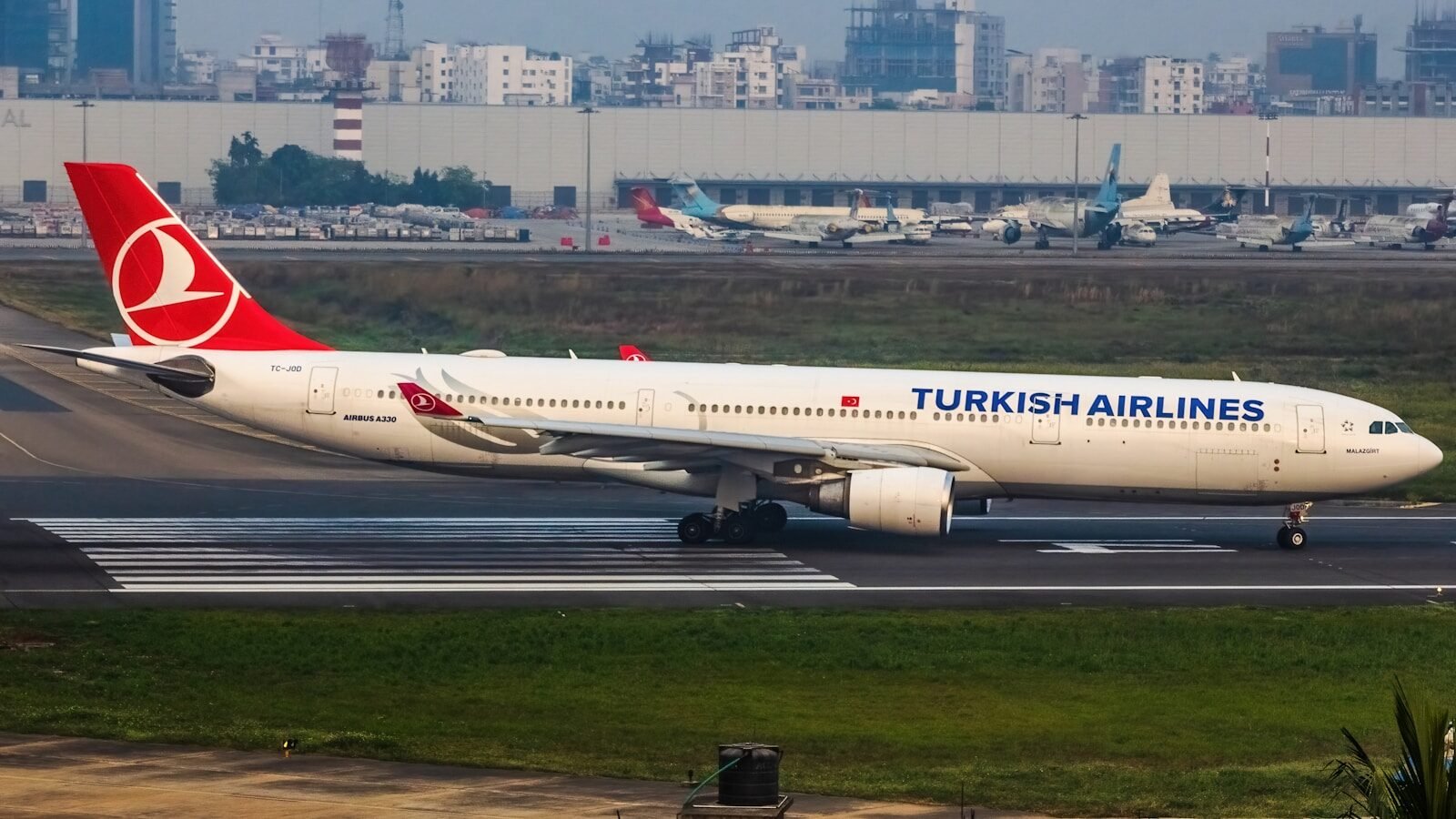
    The event took place at approximately 6:45 am on May 11, 2026. Turkish Airlines flight TK726 was completing its journey from Istanbul to Kathmandu. On board the Airbus A330 were 277 passengers and 11 crew members. As the aircraft made contact with the runway, observers and airport staff noticed smoke and flames coming from the right rear landing gear. The sight of fire during the high speed landing roll triggered an immediate response from the airport fire department.

    As soon as the plane came to a halt, the flight crew initiated emergency evacuation procedures. Passengers were directed to leave the aircraft using the emergency inflatable slides. While the evacuation was happening, fire engines reached the scene and began dousing the landing gear with water and foam to prevent the flames from spreading to the rest of the plane. Thankfully, all 288 people on board were evacuated safely. While a few passengers reported minor scrapes from the slides, there were no serious injuries. The airport was forced to shut down its only runway for over an hour, causing delays for several other international flights that were circling the valley or diverted to other cities.

    Understanding Why The Fire Started

    Initial reports from the Civil Aviation Authority of Nepal suggest that the fire was linked to a tyre burst during the touchdown. When a tyre on a large aircraft like the Airbus A330 bursts at high speeds, the friction between the metal wheel and the runway surface can generate intense heat. This heat often ignites hydraulic fluids or the rubber remains of the tyre itself. In the case of this Turkish Airlines flight, the quick arrival of the fire crews was the only thing that stopped a small wheel fire from becoming a much larger disaster.

    There are several factors that might contribute to such an occurrence. The runway at Kathmandu is known for being demanding due to its length and the atmospheric pressure at high altitudes. If the Turkish Airlines aircraft had to brake harder than usual due to weather or runway conditions, the braking system might have reached temperatures high enough to trigger a fire. Technical teams are currently looking into whether there was a mechanical failure in the braking system or if the tyre itself had a structural weakness.

    The Significance Of The Event For Nepal

    This is not the first time Turkish Airlines has faced a difficult landing in Kathmandu. Back in 2015, another Turkish Airlines aircraft skidded off the slippery runway in dense fog. That incident shut the airport down for several days and required specialized equipment from abroad to move the plane. Because Kathmandu has only one runway for both domestic and international flights, any minor issue with a Turkish Airlines flight or any other carrier can paralyze the entire country’s air link to the world.

    The latest event matters because it highlights the narrow margin for error at Tribhuvan International Airport. It raises questions about whether the airport needs better runway maintenance or if airlines need to adjust their landing protocols for this specific location. For Turkish Airlines, maintaining a strong safety record is vital, and this incident will lead to a thorough internal review of their operations in high altitude environments.

    Looking Toward The Future Of Flight Safety

    In the days following the event, the focus has shifted to the technical inspection of the aircraft. The Turkish Airlines Airbus A330 was moved to a hangar where experts from the airline and the aviation authority are examining the landing gear. They will look at the flight data recorder to see exactly how the plane touched down and how the brakes were applied.

    Going forward, we can expect to see more rigorous checks for flights heading into Kathmandu. Turkish Airlines might implement new training modules for pilots that specifically focus on managing brake temperatures during descents into Nepal. Furthermore, the local aviation authorities are under pressure to improve the emergency response times and perhaps look into expanding the taxiway areas so that a disabled aircraft does not block the entire runway for other travelers.

    Analysis Of The Aviation Challenges In Nepal

    Navigating the skies over Nepal is a task that requires immense skill and preparation. The terrain is some of the most difficult in the world, and the weather can change in a matter of minutes. When we analyze the Turkish Airlines situation, we see a combination of environmental pressure and mechanical stress. The landing gear of an aircraft is its most stressed component during the final seconds of a flight, and in a place like Kathmandu, those stresses are magnified.

    From an expert perspective, the successful evacuation of the Turkish Airlines flight is a testament to the crew’s training. The decision to use slides is never taken lightly, as it carries a risk of minor injury, but it is the right call when fire is present. The fact that the fire was contained so quickly shows that the airport has improved its emergency readiness since the 2015 mishap. However, the recurring nature of these incidents suggests that the aviation industry must continue to respect the unique physics of flying in the Himalayas.

    Moving Beyond The Emergency

    As the investigation continues, the primary goal for all parties is to ensure that such a fire does not happen again. For the passengers who were on that Turkish Airlines flight, the experience was undoubtedly frightening, yet the outcome was the best possible under the circumstances. The aircraft will likely be repaired and returned to service after a full certification of its landing systems.

    For the broader traveling public, this event serves as a reminder of the complexity of international aviation. Every time a Turkish Airlines jet lands safely in a challenging environment, it is the result of thousands of hours of maintenance and training. While the fire on the runway was a dramatic moment, the efficiency of the rescue operation proves that safety protocols are working. The industry will take the lessons learned from this Monday morning in Kathmandu and use them to make the next flight even safer for everyone involved.

  • American Airlines Hits $341 Million Fuel Spike: Q1 Losses Deepen Despite Record Revenue

    American Airlines Hits $341 Million Fuel Spike: Q1 Losses Deepen Despite Record Revenue

    The start of the year is usually a time for fresh beginnings, but for American Airlines, it has been a period of conflicting financial signals. On one hand, the carrier managed to pull in record breaking revenue, showing that people are flying more than ever. On the other hand, a massive jump in fuel costs has turned those gains into a significant loss. Specifically, a 341 million dollar spike in fuel expenses has overshadowed the operational successes, leaving the airline with a deep deficit for the first quarter.

    This situation highlights a paradox in the modern aviation industry. Even when a company like American Airlines fills its planes and brings in more cash than it ever has before during this time of year, external factors like global energy prices can still pull the rug out from under them. It is a reminder that in the airline business, the top line revenue is only half of the story.

    Breaking Down the Financial Numbers

    When we look at what happened during this quarter, the numbers tell a story of high demand met by even higher costs. American Airlines reported record revenue, which should have been a cause for celebration. Travelers are returning to the skies in droves, opting for both domestic hops and international adventures. This surge in ticket sales proved that the appetite for travel remains incredibly strong despite general economic concerns.

    However, the bottom line was hit by a net loss that widened significantly compared to previous expectations. The primary culprit was the fuel bill. Aviation fuel is one of the largest expenses for any carrier, and American Airlines saw its costs in this category jump by 341 million dollars. When you add that kind of weight to the balance sheet, it becomes very difficult to remain in the black, regardless of how many seats you sell.

    Why the Fuel Bill Surged So High

    The question of why this happened comes down to a mix of global market volatility and supply chain issues. Energy markets have been restless, influenced by geopolitical tensions and shifts in production levels from oil exporting nations. For American Airlines, these macro trends translate directly into the price per gallon paid at the pump. Unlike some of its competitors, American Airlines does not engage in extensive fuel hedging, which is a practice where companies lock in prices in advance to protect themselves from sudden spikes.

    While skipping hedging can save money when oil prices are falling, it leaves the company fully exposed when prices climb. This quarter, that exposure cost them dearly. Additionally, refinery maintenance and regional supply constraints contributed to the higher costs. Because American Airlines operates such a massive fleet, even a small increase in the price of a gallon of jet fuel ripples through the entire organization, resulting in the multi million dollar hit we are seeing now.

    The Significance of the Record Revenue

    It is important not to overlook the fact that American Airlines achieved record revenue during this period. This matters because it proves that the brand still has immense pulling power. If the airline were losing money because people stopped flying, that would indicate a fundamental problem with the business model or the brand reputation. Instead, the problem is an expense problem, not a demand problem.

    The record revenue shows that the strategic shifts American Airlines has made, such as focusing on its primary hubs and expanding its loyalty program, are working. People are choosing American Airlines over others, and they are willing to pay for the experience. For investors and industry watchers, this is a silver lining. It suggests that if the airline can get its operational costs under control, the potential for massive profit is sitting right there on the surface.

    Why This Loss Matters for the Industry

    The struggles of American Airlines serve as a bellwether for the rest of the aviation sector. When one of the biggest players in the world takes a hit like this, it sends a message to the entire market. It reminds everyone that the recovery of the airline industry is still fragile and tied heavily to things that airline executives cannot control.

    Furthermore, this loss matters because it might influence how American Airlines handles its pricing in the coming months. To recoup the 341 million dollars lost to fuel, the company may have to look at increasing ticket prices or adding more fees. This affects the average traveler who is already dealing with inflation in other parts of their life. If American Airlines raises prices, other carriers often follow suit, leading to a general increase in the cost of travel across the board.

    The Road Ahead for the Carrier

    Looking at what happens next, American Airlines is likely to double down on efficiency. You can expect the company to accelerate the retirement of older, less fuel efficient planes in favor of modern aircraft that burn less kerosene. While these new planes require a lot of capital upfront, they are the best long term defense against volatile fuel markets.

    There will also be a renewed focus on the premium travel segment. Since American Airlines is seeing that people are willing to spend money, they will likely try to upsell more passengers into business and first class seats where the profit margins are much higher. By squeezing more value out of every gallon of fuel burned, the airline hopes to offset the higher costs and return to profitability by the next quarter.

    Expert Analysis of the Strategy

    From an analytical perspective, the current state of American Airlines reflects a high stakes gamble on market conditions. The decision to remain unhedged on fuel is a specific choice that defines their financial profile. While it allows them to be more agile and benefit from price drops faster than others, it also creates the kind of volatility we saw this quarter. Analysts will be watching closely to see if the leadership at American Airlines decides to change this policy or if they will continue to ride the waves of the open market.

    Another point of interest is the labor landscape. American Airlines has recently finalized new contracts with several of its workgroups, including pilots. These contracts involve significant pay raises, which adds another layer of fixed costs to the business. When you combine higher labor costs with a 341 million dollar fuel spike, the margin for error becomes razor thin. The management team at American Airlines will need to be near perfect in their execution over the summer travel season to make up for this rocky start to the year.

    Final Perspective on the Quarterly Results

    The story of the first quarter for American Airlines is one of missed opportunities due to external pressures. It is hard to find fault with a sales team that delivers record revenue, yet it is equally hard to ignore a widening loss. The aviation world is a business of pennies, where the difference between a great year and a disastrous one is often found in the small fluctuations of commodity prices.

    For American Airlines, the path forward is clear but difficult. They must find a way to maintain the momentum in ticket sales while insulating themselves from the next inevitable rise in energy prices. The resilience of the American traveler is currently the company’s greatest asset. As long as the demand stays high, American Airlines has a fighting chance to turn these record revenues into the record profits that shareholders are looking for. The coming months will be a true test of whether the largest airline in the world can navigate these turbulent financial skies.

  • Why Regional Airlines Are Under Pressure in the US Aviation Market?

    Why Regional Airlines Are Under Pressure in the US Aviation Market?

    The landscape of US Aviation is undergoing a seismic shift that many casual travelers might not notice until their local flight is canceled. While major international carriers are reporting record revenues and packed cabins, the smaller partners that connect rural America to global hubs are struggling to keep their planes in the air. These regional airlines act as the essential nervous system for the country, yet they are currently facing a series of pressures that threaten the very existence of short haul flying.

    To understand the gravity of the situation, one must look at how the industry is structured. Most people buy a ticket from a major brand, but the actual flight is often operated by a regional partner. These smaller companies are now caught in a vice between rising operational costs and a severe lack of qualified personnel. The result is a domestic network that is becoming increasingly fragile.

    What Happened to the Regional Network

    Over the past few years, the regional sector has seen a dramatic contraction. Hundreds of regional jets have been parked in desert storage not because they are broken, but because there is no one to fly them. Many small and mid sized cities across the United States have lost their scheduled service entirely. This is a massive blow to local economies that rely on US Aviation to bring in business and tourism.

    The statistics are jarring. Nearly three quarters of US airports have seen a decrease in flight frequency, and dozens have been cut off from the national grid completely. Major carriers have been forced to terminate contracts with regional partners that simply cannot meet their flight schedules. This has led to a consolidation of the market where only the strongest or most well capitalized regional players can survive.

    Why the Pressure Reached a Breaking Point

    The primary driver behind this crisis is a profound shortage of experienced pilots. While there has been a lot of talk about a general lack of pilots, the real issue is a lack of captains. In US Aviation, a pilot must move from the right seat to the left seat after gaining a specific amount of flight time. However, major airlines have been hiring away regional captains at an unprecedented rate. This leaves the regional carriers with plenty of new first officers but nobody with enough experience to legally lead the flight.

    Financial pressures have also intensified. Because the supply of pilots is so low, regional airlines have had to double or even triple their starting pay to attract talent. While this is great for the pilots, it has destroyed the traditional business model of the regional airline. These companies used to win contracts by being the lowest cost provider for major brands. Now that their labor costs are skyrocketing, that advantage has vanished. Fuel prices and the rising cost of aircraft parts have only added more weight to an already heavy burden.

    Why the Regional Struggle Matters to Everyone

    You might think that if you only fly between big cities like New York and Los Angeles, this does not affect you. That is a mistake. The health of the entire US Aviation ecosystem depends on the regional feed. When a regional airline fails or cuts a route, it stops delivering passengers to the big hubs. This means the large planes flying international routes have fewer people to fill their seats, which eventually leads to higher ticket prices for everyone.

    For residents in smaller communities, the impact is even more personal. When a city loses its air connection, it loses its link to the global economy. Businesses are less likely to open offices in towns that require a four hour drive to the nearest major airport. This creates a cycle of economic decline in rural areas, making the regional airline crisis a matter of national infrastructure rather than just a corporate problem.

    The Operational Reality for Major Hubs

    The pressure on regional carriers also creates a domino effect at large airports. To compensate for fewer regional flights, major airlines are using larger planes on routes that used to be served by small jets. While this moves more people, it reduces the frequency of flights. Instead of having five options to fly to a hub throughout the day, a traveler might only have two. This lack of flexibility makes US Aviation less convenient for the business traveler who needs specific timing for meetings and connections.

    Furthermore, the congestion at major hubs is actually getting worse. As airlines move away from small 50 seat jets and toward larger 150 seat aircraft, every flight requires more gate space and more ground crew. This shift is putting a strain on airport infrastructure that was designed for a different mix of aircraft sizes.

    What Happens Next for Domestic Travel

    Looking ahead, the regional airline industry will likely look very different than it does today. We are seeing a move toward “wholly owned” subsidiaries. Major airlines are realizing that they cannot leave their regional feed to chance, so they are buying up their partners to have more control over the pilot pipeline and scheduling. This means less competition among regional providers and more direct control by the big players in US Aviation.

    Technology may eventually offer a solution, but it is years away. There is significant investment in electric and hybrid aircraft designed for short hops. These planes would be cheaper to operate and quieter for local communities. However, until these new technologies are certified and produced at scale, the industry must find a way to make the current fossil fuel based model work under intense financial strain.

    An In Depth Analysis of the Path Forward

    The survival of the regional sector depends on a fundamental rethink of how we train and retain aviation professionals. The current pathway for a pilot in US Aviation is long and expensive, often saddling young aviators with six figures of debt before they ever earn a paycheck. For the regional model to stabilize, there must be a more streamlined way to move people from flight school to the captain’s chair without the constant threat of them being poached by larger carriers the moment they gain experience.

    There is also a growing discussion about the role of government subsidies. The Essential Air Service program already helps fund flights to very remote areas, but some argue this needs to be expanded to prevent a total collapse of service to mid sized America. Without some form of intervention or a drastic shift in how major airlines support their partners, the map of US Aviation will continue to shrink. The next few years will determine if we remain a country where every major town has a flight or if air travel becomes a luxury reserved only for those living in the largest metropolitan centers.

    Navigating the Changing Skies

    The current friction in the market is a wake up call for the entire industry. It highlights that no part of the aviation chain exists in a vacuum. When the small players suffer, the giants eventually feel the pain as well. The coming years will require creative scheduling, better career paths for crew members, and perhaps a new definition of what it means to provide regional service. While the challenges are significant, the necessity of these flights ensures that the industry will find a way to adapt, even if the journey is a bit bumpy.

  • Why Ryanair Loves The Boeing 737 MAX?

    Why Ryanair Loves The Boeing 737 MAX?

    The aviation industry is often a game of razor-thin margins and massive logistical puzzles. In this high-stakes environment, Ryanair has carved out a dominant position by sticking to a very specific playbook. Central to that strategy is a deep-seated commitment to a single aircraft family. While other airlines juggle various models from different manufacturers, Ryanair has doubled down on its partnership with Boeing. This loyalty is not just about tradition; it is a calculated business move that hinges on the efficiency of one particular jet. By understanding why Ryanair loves the Boeing 737 MAX, we can see how the airline plans to dominate European skies for the next decade.

    A Massive Investment In The Gamechanger Fleet

    The relationship between Ryanair and the Boeing 737 MAX has been a saga of patience and bold financial bets. It began years ago when the airline placed a massive order for a special version of the jet, which they eventually dubbed the Gamechanger. This specific model, known technically as the 737-8-200, was designed with Ryanair’s feedback in mind. It features additional exit doors that allow for a higher passenger count than the standard version of the plane.

    Throughout the early 2020s, despite global grounding issues and delivery delays that affected the entire industry, Ryanair stayed the course. They did not cancel their orders or switch to competitors like Airbus. Instead, they used the downtime to negotiate better deals and prepare their infrastructure. As of 2026, the airline has successfully integrated hundreds of these aircraft into its fleet. This massive influx of new technology has allowed them to retire older, less efficient planes and expand their reach into new markets across Europe and North Africa.

    The Financial Logic Of More Seats And Less Fuel

    To understand the motivation behind this partnership, you have to look at the math that governs low-cost flying. The Boeing 737 MAX offers a combination of features that perfectly align with Ryanair’s ultra-low-cost carrier model. The primary driver is seating capacity. While the older 737-800 models carried 189 passengers, the new MAX 8-200 variant carries 197. Adding eight seats to every single flight might sound small, but when you operate thousands of flights a day, those extra tickets represent a massive boost in potential revenue without adding significant costs.

    Furthermore, the technical improvements in the MAX series provide substantial savings on the airline’s biggest expense: fuel. The advanced Leap-1B engines and aerodynamic winglets allow the plane to burn roughly 16% less fuel per seat compared to previous generations. Additionally, the aircraft is significantly quieter, which helps the airline avoid high noise-related landing fees at major European airports. This combination of more seats and lower operating costs creates a unit cost advantage that is incredibly difficult for competitors to match.

    Why Technical Standardization Is The Secret Weapon

    The reason why Ryanair loves the Boeing 737 MAX so much is that it provides a protective shield against economic volatility. When fuel prices spike or inflation hits the travel sector, Ryanair’s lower cost base allows them to keep ticket prices lower than anyone else. This keeps their planes full while legacy carriers struggle to break even. For the passenger, this means the continuation of affordable fares that have made air travel accessible to millions.

    Operational simplicity is another major factor. By sticking almost exclusively to the Boeing 737 family, Ryanair saves a fortune on administrative and maintenance costs. Their pilots only need to be trained on one primary cockpit layout. Their engineers only need to stock parts for one type of engine and airframe. If a flight in London is canceled due to a mechanical issue, any spare aircraft in the vicinity can step in because every plane in the fleet operates the same way. This level of standardization is the secret sauce that keeps their massive operation running like clockwork.

    Preparing For The Arrival Of The MAX 10

    The story does not end with the current fleet. Ryanair has already moved toward the next phase of its growth by placing orders for the even larger Boeing 737 MAX 10. These aircraft are expected to start arriving in early 2027 and will carry up to 228 passengers. This will further lower the cost per seat, allowing Ryanair to squeeze even more efficiency out of its busiest routes.

    As the airline moves toward its goal of carrying 300 million passengers annually by 2034, the Boeing 737 MAX will be the workhorse that gets them there. We are likely to see Ryanair expand further into primary airports where they previously could not compete, using the quietness and efficiency of the MAX to win over local regulators and slot coordinators. The airline is also focusing heavily on sustainability goals, and the reduced carbon footprint of these new jets is central to their environmental strategy and compliance with tightening European laws.

    How This Strategy Reshapes The European Sky

    Looking at this from a strategic perspective, the bond between these two companies is a rare example of perfect corporate synergy. Ryanair provides Boeing with a reliable, high-volume customer that can weather industry storms, while Boeing provides Ryanair with a customized tool built for maximum profit. The decision to brand the aircraft as the Gamechanger was a smart move to focus on the modern interior and environmental benefits.

    The most impressive part of this strategy is how it creates a barrier around Ryanair’s business. Most airlines have to choose between being a premium carrier with high costs or a budget carrier with limited reach. Ryanair is using the MAX to be a budget carrier that can afford to fly into expensive, high-demand airports because their per-seat cost is so much lower than the airline in the next gate. As long as they maintain this technical edge, their position as the leader of European travel seems virtually unshakeable.

  • US Air Force KC-135R Vanishes Over Strait of Hormuz Following Emergency Squawk and Massive GPS Jamming

    US Air Force KC-135R Vanishes Over Strait of Hormuz Following Emergency Squawk and Massive GPS Jamming

    The maritime and aerial corridors of the Middle East are no strangers to tension, but the events unfolding over the Strait of Hormuz today have sent ripples through the global defense community. A US Air Force KC-135R, the venerable workhorse of aerial refueling, has vanished from flight tracking screens following a series of alarming technical developments. The aircraft was operating in one of the most heavily monitored pieces of airspace on the planet when it suddenly broadcasted a code 7700, which is the international signal for a general emergency. Almost immediately after this signal was sent, the transponder data blinked out, leaving analysts and military observers scrambling for answers.

    Before the signal went dark, the US Air Force KC-135R was seen on a steady descent. Flight data suggests the aircraft was making a deliberate move toward Qatar, where several major regional airbases are located. However, the descent was not a standard landing pattern. The suddenness of the emergency squawk combined with the loss of tracking data suggests a critical failure or an external intervention. What makes this situation particularly volatile is the environmental context of the flight. Reports from maritime vessels and civilian aircraft in the vicinity indicate a massive spike in electronic interference.

    Breaking Down the Sequence of the US Air Force KC-135R Incident

    The timeline of the disappearance began during a routine mission. The US Air Force KC-135R was positioned to support regional operations, likely providing fuel to fighter jets patrolling the area. At approximately one hour ago, the aircraft started to deviate from its assigned altitude. Aviation enthusiasts and professionals using open source intelligence tools noted that the aircraft changed its transponder code to 7700. In the world of aviation, this code tells air traffic control that the pilot is facing an urgent situation that requires immediate priority.

    Shortly after the emergency was declared, the aircraft began a rapid but seemingly controlled descent. It was heading on a southwesterly path, aiming for the safety of Qatari airspace. Then, the data stopped. In many cases, a loss of signal at high altitude suggests a catastrophic mechanical event, but in this specific region, a signal loss can also be the result of intense electronic warfare. The fact that the US Air Force KC-135R was last seen heading toward a friendly landing site provides a glimmer of hope that the crew was attempting to manage a forced landing or an emergency arrival, but the lack of official confirmation from Central Command keeps the world on edge.

    Factors Contributing to the Sudden Signal Failure

    While a mechanical malfunction is always a possibility for any aging airframe, the presence of localized electronic disruptions adds a layer of mystery. The Strait of Hormuz is a known hotspot for GPS spoofing and AIS jamming. On the day the US Air Force KC-135R went missing, multiple reports surfaced regarding powerful regional level jamming. GPS spoofing is a technique where a fake signal is sent to an aircraft, making its navigation system believe it is in a different location. This can cause the autopilot to behave erratically or lead the pilots to make manual corrections based on false data.

    If the US Air Force KC-135R was caught in a web of spoofed signals, the crew might have been fighting their own instruments. Furthermore, AIS jamming, which affects the automated identification systems of ships in the water below, suggests a wide area electronic attack. This type of interference is often used by regional actors to mask the movement of vessels or to harass foreign military assets. If the jamming was powerful enough to knock out the transponder of the US Air Force KC-135R, it would explain why the flight tracking vanished while the aircraft was still at an altitude that should have been visible to ground based receivers.

    Global Significance of the Disappearance in the Strait

    The Strait of Hormuz is perhaps the most sensitive maritime chokepoint in the world. Approximately twenty percent of the worlds petroleum passes through this narrow stretch of water. When a high value asset like the US Air Force KC-135R faces an emergency in this area, it is never just a local aviation issue. It becomes a geopolitical flashpoint. The aircraft is a critical component of the American power projection strategy. Without the refueling capabilities provided by the US Air Force KC-135R, the range and endurance of tactical aircraft in the region are severely limited.

    The loss of contact also raises questions about the safety of international flight paths. If GPS jamming is now potent enough to interfere with military grade hardware like the navigation systems on a US Air Force KC-135R, civilian airliners are at even greater risk. This incident forces a reassessment of how air power is managed in contested environments. It also puts pressure on diplomatic channels. If the aircraft was forced down or crashed due to external interference, the response from Washington would likely be swift and significant.

    Anticipated Developments and Search Efforts

    In the coming hours, the primary focus will be on search and rescue operations. Military vessels and aircraft from the Fifth Fleet are likely already converging on the last known coordinates of the US Air Force KC-135R. Because the aircraft was heading toward Qatar, authorities in Doha will be checking their primary radar systems. Primary radar does not rely on a transponder signal from the plane. Instead, it bounces radio waves off the skin of the aircraft. This data will be vital in determining if the US Air Force KC-135R reached land or if it went into the water.

    Public statements from the Department of Defense will be monitored closely for any mention of hostile intent. If the US Air Force KC-135R managed to land safely, there will be a detailed investigation into the source of the electronic interference. Technicians will examine the flight data recorders to see exactly how the navigation systems responded to the jamming. If the aircraft is not found at a friendly base, the situation shifts from an emergency landing to a recovery mission in potentially hostile waters.

    Examining the Technical and Tactical Reality

    From an expert perspective, the combination of a 7700 squawk and immediate signal loss is highly unusual. Usually, an aircraft with a mechanical problem maintains its transponder signal until it reaches a very low altitude or hits the ground. The disappearance of the US Air Force KC-135R from tracking screens while still at a descent altitude strongly points toward the massive GPS jamming reported in the area. Electronic warfare systems can “blind” the transponders that report an aircraft’s position to the outside world, even if the plane is still flying.

    The US Air Force KC-135R is an older airframe, but it has been updated with modern avionics. These systems are generally robust, but they are not invincible against state level jamming technology. If the pilots of the US Air Force KC-135R realized their navigation was being compromised, they would likely have transitioned to manual flight controls and used visual references or inertial navigation to find their way to Qatar. The “emergency” might not have been a fire or engine failure, but a total loss of situational awareness caused by the electronic environment.

    Assessing the Potential Outcomes of the Mission

    The world is currently waiting for a single piece of information: a tail number on a runway in Qatar. If the US Air Force KC-135R appears there, the incident will be remembered as a terrifying example of modern electronic warfare. It would serve as a wake up call regarding the vulnerability of support aircraft in the Middle East. However, if the silence continues, the implications are far more somber. The US Air Force KC-135R carries a crew of at least three people, and their safety is the immediate priority for everyone following the story.

    Regardless of the final result, the flight of this US Air Force KC-135R has highlighted a major shift in regional dynamics. The ability to disrupt a military flight through signal interference is a powerful tool that changes the rules of engagement. As more information surfaces about the descent of the US Air Force KC-135R and the nature of the jamming over the Strait, the international community will be watching to see how the United States balances the need for security with the reality of an increasingly contested electromagnetic spectrum.

  • Belo Horizonte Plane Crash in Brazil: Investigation, Casualties, What We Know

    Belo Horizonte Plane Crash in Brazil: Investigation, Casualties, What We Know

    The morning sky over Minas Gerais turned into a scene of chaos and heartbreak when a small plane came down in a residential area of Belo Horizonte. This event has sent shockwaves through the local community and the wider aviation world. It is a stark reminder of the risks that come with urban flight paths and the thin line between a routine takeoff and a sudden disaster.

    The Sequence of Events in the Belo Horizonte Plane Crash

    The flight began at Pampulha Airport, a hub well known for its proximity to densely populated neighborhoods. Shortly after the wheels left the ground, witnesses reported hearing a sputtering sound from the engine. The aircraft, a small private model, struggled to gain the necessary altitude to clear the surrounding structures. People on the ground watched in horror as the plane banked sharply, a move that many experts believe was a desperate attempt by the pilot to find a clear patch of land or a street for an emergency landing.

    Unfortunately, the plane did not make it to an open space. It struck a residential building, specifically hitting the area near the rooftop and the upper floor stairwell. The impact was followed by a loud explosion and a plume of thick black smoke that could be seen from miles away. Emergency responders from the local fire department and medical teams arrived within minutes to find a scene of total devastation. The wreckage was tangled with the building structure, making the rescue efforts incredibly dangerous and difficult.

    The toll of the Belo Horizonte plane crash was immediate. Two individuals on board, identified as the pilot and the co-pilot, lost their lives in the crash. Two other passengers were pulled from the burning metal in critical condition and rushed to the nearest trauma center. Residents of the building were evacuated quickly, and while many were treated for shock and minor smoke inhalation, the physical damage to their homes will take months to repair.

    Uncovering Why the Belo Horizonte Plane Crash Occurred

    Whenever an aircraft goes down, the first question everyone asks is why. Investigating the Belo Horizonte plane crash requires a meticulous look at several different factors. The primary focus for the aeronautical authorities is currently on mechanical failure. The reports of engine trouble immediately after takeoff suggest that the plane may have lost power at the most critical phase of flight, which is the initial climb.

    Weather conditions at the time were reportedly clear, which largely rules out heavy rain or wind shear as a primary cause. This leaves the maintenance history of the aircraft under the microscope. Investigators are currently sifting through logbooks to see when the engine was last serviced and if there were any recurring issues with this specific tail number. There is also the possibility of fuel contamination, a silent killer in general aviation that can cause engines to quit without warning.

    Another angle being looked at is the weight and balance of the plane. Small aircraft are very sensitive to how much fuel and cargo they carry. If the plane was even slightly over its maximum takeoff weight, it would have had a much harder time recovering from an engine sputter. The final report will take months to complete, but the early evidence points toward a catastrophic technical malfunction that left the crew with almost no time to react.

    Why the Belo Horizonte Plane Crash Matters to the Public

    This tragedy is not just a local news story; it carries significant weight for urban planning and aviation safety across Brazil. Belo Horizonte is a city where the airport is surrounded by homes, schools, and businesses. The Belo Horizonte plane crash has reignited a fierce debate about whether airports like Pampulha should continue to handle certain types of traffic or if stricter flight paths should be enforced to protect the people living below.

    For the residents of the city, this is a matter of basic safety. Living under a flight path always carries a small amount of risk, but seeing a plane actually hit a building makes that risk feel very real and very personal. It raises questions about the value of human life versus the convenience of having an airport close to the city center.

    Furthermore, the Belo Horizonte plane crash highlights the challenges faced by general aviation in Brazil. Unlike large commercial airlines that have massive budgets for maintenance and safety, smaller private operators sometimes struggle with the rising costs of parts and specialized labor. This crash serves as a wake-up call for the entire industry to double down on safety protocols and pilot training for emergency procedures in urban environments.

    Looking Ahead After the Belo Horizonte Plane Crash

    In the wake of such an event, the immediate priority is support for the victims and their families. The two survivors face a long road to recovery, and the families of the deceased pilots are searching for answers. Meanwhile, the structural integrity of the building involved must be assessed. Engineers are on site to determine if the impact caused permanent damage to the foundation or if the upper floors can be safely rebuilt.

    On the regulatory side, we can expect a temporary shift in how flights are handled at Pampulha Airport. There may be new restrictions on takeoff weights or even a temporary ban on certain types of private aircraft until the preliminary findings of the investigation are released. The Brazilian Air Force, which usually handles these investigations, will be under pressure to provide a transparent and thorough account of what went wrong.

    The local government is also likely to hold public hearings. People are angry and scared, and they want to know what is being done to prevent a repeat of the Belo Horizonte plane crash. These meetings will likely involve discussions about zoning laws and perhaps even the long term future of the airport itself.

    Professional Perspectives on the Belo Horizonte Plane Crash

    Aviation analysts often look at these incidents through the lens of a Swiss Cheese model, where multiple small failures line up to create a disaster. In the Belo Horizonte plane crash, it was likely a combination of a mechanical glitch, a low altitude environment, and a lack of emergency landing spots. Pilots are trained to always have a place to go if the engine fails, but in a dense city like this, those places are few and far between.

    One expert noted that the pilot likely did everything possible to avoid a direct hit on a more crowded part of the building. By hitting the stairwell area, the damage to the living quarters was somewhat limited compared to what could have happened if the plane had flown directly into the center of the structure. This split second decision making is what pilots are paid for, even if the outcome was still tragic.

    The focus now shifts to the black box data and the wreckage recovery. Because the plane was small, it might not have carried a flight data recorder like a large jet, so the investigation will rely heavily on physical evidence and radio transcripts. Every bolt and wire will be checked for signs of fatigue or heat damage.

    The Long Path to Safety and Recovery

    The community will eventually heal, but the memory of the Belo Horizonte plane crash will remain in the skyline of the city for a long time. It is a reminder that while flying is generally very safe, there is no room for error when things go wrong in a crowded area. The lessons learned from this crash will hopefully lead to better maintenance, smarter urban planning, and ultimately, a safer sky for everyone.

    As the investigation continues, the focus remains on the bravery of the first responders and the resilience of the neighbors who rushed to help. The stories of people helping each other during the fire show the best of the human spirit in the face of a terrible accident. Moving forward, the goal must be to ensure that no other family has to wake up to the sound of a plane coming down in their neighborhood.