Author: Adityan Pillai

  • Fact Check: India Plane Crash? Viral Videos of Chhattisgarh ‘Accident’ Debunked by Officials

    Fact Check: India Plane Crash? Viral Videos of Chhattisgarh ‘Accident’ Debunked by Officials

    The internet can be a whirlwind of fast-moving information, and sometimes that speed leads to the spread of total fiction. On Monday, social media platforms were flooded with panicked reports regarding a supposed India plane crash in the Jashpur district of Chhattisgarh. Grainy footage showing plumes of smoke rising from a remote hilly area sent shockwaves through local communities and aviation enthusiasts alike. However, following a rigorous investigation by state authorities and aviation experts, the Chhattisgarh government has officially dismissed these reports as entirely fake.

    The Origin of the Jashpur Aviation Rumors

    The chaos began early in the day when videos started circulating on WhatsApp and X, formerly known as Twitter. These clips depicted a thick column of dark smoke billowing from the dense forests of the Narayanpur hills. Within minutes, captions began appearing alongside the footage claiming that a small private charter or a Cessna Caravan aircraft had gone down after striking a tree.

    The narrative grew more specific by the hour. Some unofficial sources even went as far as claiming that two pilots had lost their lives in the accident. Because Jashpur is located near the borders of Jharkhand and Odisha, the possibility of a cross-border flight going missing felt plausible to many people. This regional proximity helped the rumor of an India plane crash gain traction far beyond the immediate area, eventually reaching international audiences who were monitoring news from the subcontinent.

    Official Denial from Jashpur District Authorities

    As the panic reached a fever pitch, the local administration took immediate action to verify the claims. Jashpur District Collector Rohit Vyas personally addressed the situation to prevent further public hysteria. Speaking to local news agencies and through official government channels, Vyas stated that there was absolutely no evidence to support the claims of an India plane crash in the region.

    The Collector explained that as soon as the reports surfaced, the administration contacted the nearest Air Traffic Control centers. If a plane had actually gone down, there would be a missing flight plan or a loss of signal on radar. However, all regional airports and aviation hubs reported that all scheduled and private flights were accounted for. There were no distress signals recorded and no reports of overdue aircraft in the entire airspace covering Chhattisgarh and its neighboring states.

    Using Technology to Debunk the Hoax

    To be certain that a wreckage was not hidden in the difficult terrain of the Narayanpur hills, the state government deployed drone surveillance teams. Local police and forest department officials also conducted a ground search in the specific areas highlighted in the viral videos.

    The findings from the drone footage were definitive. Instead of finding twisted metal or an aviation disaster site, the cameras found the remains of a localized forest fire. Forest fires are common in this part of India during the warmer months, and the specific way the smoke was rising through the trees created a visual illusion that many onlookers misinterpreted as a crash site. By using high-resolution aerial imagery, the authorities were able to prove that the supposed India plane crash was nothing more than a natural occurrence combined with a healthy dose of internet speculation.

    The Role of Misinformation in Modern Aviation

    This incident serves as a stark reminder of how easily a localized event can be transformed into a national crisis through the lens of a smartphone. The Jashpur hoax gained steam because it played on the inherent fears people have regarding air travel safety. When people saw smoke in the hills, they did not immediately think of a brush fire. Instead, they jumped to the most dramatic conclusion possible.

    The rapid spread of the India plane crash keyword across search engines and social media trends shows how algorithms can inadvertently promote falsehoods. Once a few accounts with high follower counts shared the smoke footage with a misleading caption, the story became self-sustaining. It took several hours of active communication from government officials to reel the narrative back in and present the boring truth of a forest fire over the exciting lie of a tragedy.

    Coordination with Aviation Departments

    Beyond the local police and the District Collector, the investigation involved the Directorate General of Civil Aviation and regional airport authorities. These bodies are responsible for tracking every single movement in the sky. Their records are the ultimate source of truth when it comes to any potential India plane crash.

    The Jashpur police department confirmed that they checked with the Ranchi and Raipur airports specifically. These are the two most likely hubs for any charter flight passing over Jashpur. Both facilities confirmed that no private jets, government planes, or commercial airliners were missing from their logs. Without a missing tail number or a pilot who failed to check in, the story of the crash had no structural integrity.

    Why the Public Believed the Fake Reports

    There are several reasons why the public was so quick to accept the news of an India plane crash without waiting for a formal statement. First, the geography of Jashpur is rugged and characterized by valleys and hills. In such terrain, a crash could theoretically happen without immediate witnesses on the ground. This element of isolation makes the idea of a hidden wreckage seem believable.

    Second, the quality of the video footage was poor. In the world of breaking news, low-quality video often lends a sense of “raw” authenticity to a story. Viewers assume that because the footage looks unpolished, it must be a real-time capture of a disaster. In this case, the lack of clarity worked in favor of the hoax, allowing people to project their fears onto a simple plume of smoke.

    Protecting the Public from News Fatigue

    When fake reports of an India plane crash go viral, they cause more than just temporary panic. They contribute to a sense of news fatigue where the public becomes skeptical of real emergencies. If every forest fire is reported as a disaster, then the day a real incident occurs, people may not take the warnings seriously.

    The Chhattisgarh government has urged citizens to verify information with official handles before sharing it. In this instance, the quick response from the office of Rohit Vyas was instrumental in stopping the spread of the lie. By providing a clear explanation of the forest fire and the lack of missing aircraft, they were able to calm the situation before it led to unnecessary resource allocation or further distress for families of frequent fliers.

    Verifying the Facts Before Sharing

    As of late Monday, the situation in Jashpur is back to normal. The smoke has cleared, and the forest department is monitoring the area to ensure the fire does not spread. There is no wreckage, there are no victims, and there was never an India plane crash in the district today. The story has been officially moved into the category of “fake news” by all relevant state and federal departments.

    For those following aviation news, it is always best to check with the Ministry of Civil Aviation or reputable news bureaus that cite specific government sources. The Jashpur incident is a classic example of how a combination of natural phenomena and social media speed can create a disaster out of thin air. Moving forward, the focus remains on forest fire management rather than accident investigation in the Chhattisgarh region.

  • A 45-Minute Flight Turned Into a 4-Hour Nightmare: What Really Happened on FLY91 IC3401

    A 45-Minute Flight Turned Into a 4-Hour Nightmare: What Really Happened on FLY91 IC3401

    Travelers boarding the afternoon service from Hyderabad to Hubballi on Sunday expected a routine hop across the Deccan plateau. The flight, operated by the regional carrier FLY91, was supposed to take about ninety minutes from takeoff to touchdown. Instead, the passengers on flight IC3401 found themselves trapped in a high altitude drama that lasted nearly four hours. What began as a standard trip turned into a stressful experience of circling through heavy clouds and facing intense turbulence before finally touching down hundreds of kilometers away from their intended destination.

    The regional aviation sector in India has grown rapidly, offering quick connections between smaller cities. However,nature does not always follow a flight schedule. When FLY91 flight IC3401 departed at 3:00 PM, the skies over Telangana seemed clear enough for a safe journey. As the ATR 72 600 aircraft approached Northern Karnataka, the situation on the ground and in the air changed drastically. This was the start of a long afternoon that many on board will likely never forget.

    Trapped in the Clouds Above Hubballi

    As the aircraft reached the vicinity of Hubballi Airport, the flight crew encountered severe weather. Strong crosswinds and thick cloud cover made a safe landing impossible. For the twenty two passengers on board, the first sign of trouble was the sound of the engines and the sensation of the plane banking into a holding pattern rather than descending toward the runway. While circling is a standard aviation procedure, the duration of this particular hold was unusual for such a short route.

    The pilots of FLY91 maintained a holding pattern for nearly an hour, hoping for a break in the storm. During this time,the small turboprop aircraft was buffeted by turbulence. Inside the cabin, the atmosphere shifted from quiet boredom to visible distress. Videos later shared on social media showed passengers clutching their seats, with some seen crying or praying as the plane shook. The uncertainty of when they would land added to a growing sense of panic.

    Communication Gaps and Rising Passenger Anxiety

    One of the biggest challenges during an in flight emergency or delay is the flow of information. On flight IC3401,passengers expressed frustration with what they described as a lack of clear updates from the crew. While the pilots eventually informed the cabin that they were holding and asked for patience, the sight of the ground remaining out of reach for so long led to desperate pleas from those on board.

    In some of the footage captured during the four hour ordeal, passengers could be heard asking the crew to simply divert to Bengaluru. They argued that the weather in the state capital was better and that the fuel could be put to better use by heading to a major airport rather than circling endlessly over smaller towns like Mundgod and Shivamogga. This tension between passenger expectations and cockpit decisions is a common theme in modern aviation, but on this FLY91 service, it reached a breaking point as the clock ticked past the scheduled landing time of 4:30 PM.

    The Final Decision to Divert to Bengaluru

    After circling for a significant amount of time and realizing that the crosswinds at Hubballi were not subsiding, the cockpit crew made the call to divert. The safety of the aircraft and everyone on board is the primary responsibility of the pilot, and landing in unstable wind conditions poses a massive risk. The decision was made to head south toward Kempegowda International Airport in Bengaluru.

    By the time the FLY91 aircraft finally touched the tarmac in Bengaluru, it was roughly 7:30 PM. A journey that was meant to end in the afternoon had stretched well into the evening. The passengers had spent nearly three and a half hours in the air for a distance that usually takes less than half that time. While everyone was safe, the exhaustion and emotional toll were evident as they exited the plane.

    FLY91 Responds to Claims of Technical Snags

    In the aftermath of the incident, various reports began to circulate suggesting that the plane had suffered a technical failure. Some news outlets claimed that a mechanical issue prevented the landing, adding to the narrative of a nightmare flight. However, the airline was quick to issue a formal statement to clarify the facts. According to FLY91, there was absolutely no technical snag involved in flight IC3401.

    The airline emphasized that the diversion was a textbook application of standard operating procedures. They explained that the pilots followed industry best practices by choosing not to force a landing in dangerous weather. The statement highlighted that the crew is highly trained for exactly these types of weather disruptions. FLY91 maintained that at no point was the safety of the passengers compromised, and the decision to divert was made out of an abundance of caution.

    The Long Journey Back to Hubballi

    Landing in Bengaluru was not the end of the story for the stranded travelers. After the weather in Hubballi finally cleared up later that night, the same aircraft was prepared for a return leg. For the passengers who still needed to reach their original destination, it meant another flight late in the evening. The aircraft eventually took off from Bengaluru and arrived in Hubballi around 11:00 PM.

    The total travel time for a 414 kilometer trip had expanded to eight hours if you count the time spent on the ground in Bengaluru. For a regional airline like FLY91, which prides itself on efficiency and connecting underserved routes, such an event is a significant operational hurdle. It serves as a reminder that even with modern technology, the monsoon and pre monsoon weather patterns in India can still dictate the terms of travel.

    Understanding the Challenges of Regional Aviation

    The incident involving FLY91 highlights some of the unique difficulties faced by regional carriers. Smaller aircraft like the ATR 72 used on this route are more susceptible to the effects of turbulence and crosswinds compared to larger jets.Additionally, smaller regional airports often have less advanced landing systems, meaning pilots must rely more on visual cues and strictly adhere to weather minimums.

    When weather hits, these flights are often the first to be diverted or cancelled. For passengers, this means that while regional flying is convenient, it carries a slightly higher risk of weather related delays. The airline has to balance the cost of diversion, which includes extra fuel and landing fees, against the safety of the operation. In this case, the crew of the FLY91 flight chose the safest path, even if it was the most inconvenient for the people in the cabin.

    Lessons Learned From the IC3401 Incident

    As the dust settles on this mid air scare, there are several takeaways for both travelers and the aviation industry. For FLY91, the focus will likely remain on improving how they communicate during periods of extended holding. When passengers can see the flight path on their phones or realize they are circling the same patch of land for an hour, the lack of frequent, detailed updates can lead to the kind of panic seen on Sunday.

    For travelers, it is a lesson in the unpredictability of regional air travel. Packing extra essentials in a carry on bag and staying calm during turbulence are small steps that can help during a stressful diversion. While the four hour experience was undoubtedly frightening for those on board IC3401, the fact remains that the aviation system worked as intended.The aircraft landed safely, the technical integrity of the plane remained intact, and the pilots made a difficult choice to avoid a potentially dangerous landing.

    Moving Forward After the Hubballi Scare

    In the days following the event, operations at Hubballi Airport have returned to normal, and FLY91 continues its daily schedule across its network. The airline has defended its safety record and the professionalism of its staff. While social media videos often capture the most dramatic moments of a flight, they rarely show the hours of training and the complex calculations that pilots perform to ensure that every passenger reaches the ground in one piece.

    This incident will likely be remembered as a case study in passenger psychology and weather management. As more people take to the skies for short distance travel, the industry must find ways to manage expectations when nature interferes. For the twenty two people who were on that FLY91 flight, the four hours spent in the air may have felt like a nightmare, but in the world of aviation, a safe landing at a different airport is always better than a risky one at the destination.

  • Contract Crisis: Why the London Route Has Become a Battleground for American Airlines Crew

    Contract Crisis: Why the London Route Has Become a Battleground for American Airlines Crew

    The route between the United States and London Heathrow has long been a crown jewel for American Airlines, serving as a primary artery for transatlantic business and luxury travel. However, in recent months, this prestigious corridor has shifted from a flagship success story into a primary source of friction between the company and its frontline workers.What was once a coveted assignment for flight attendants has turned into a logistical headache that is pushing labor relations to a breaking point.

    At the heart of the issue is a complex mix of operational failures and a stagnant contract that many employees feel no longer reflects the reality of their work. While passengers might only see a few minor changes to their meal service, the people working in the aisles are dealing with a transformed environment that is significantly more taxing. This friction has led to formal grievances and a growing sense of unrest among the crew members who keep the planes moving.

    The Catering Crisis at London Heathrow

    The spark that ignited the current fire started with a sudden and mysterious breakdown in catering operations at London Heathrow. Earlier this year, American Airlines abruptly ended its relationship with a long-term catering partner at the airport. While the airline has been quiet about the specific reasons for the split, reports surfaced regarding hygiene concerns and substandard facilities.

    Without a reliable partner on the ground in London, American Airlines had to pivot quickly. The solution was a practice known as double catering. This means that a plane leaving a city like New York or Dallas carries enough food,beverages, and supplies for both the flight to London and the return flight back to the United States. While this might sound like a simple logistical fix, it has created a domino effect of problems for the staff on board.

    The Physical Strain of Double Catering

    Aircraft are marvels of engineering, but they have very limited space. Every inch of a galley is carefully planned to hold exactly what is needed for a single journey. When American Airlines requires its crews to pack two flights worth of provisions into one, the physical workspace becomes a crowded obstacle course. Flight attendants are now tasked with managing overflowing carts and finding creative ways to store heavy equipment that would normally be offloaded upon arrival.

    The workload has increased because the organization of these supplies is no longer standard. Crews must spend extra time sorting through items to ensure they do not accidentally serve food meant for the return leg. This added layer of complexity comes at a time when flight attendants are already stretched thin. The physical toll of moving heavy containers in a cramped environment for over seven hours is substantial, and many workers feel that American Airlines is asking them to perform extra labor without any additional pay.

    A Struggle for Fair Compensation

    The Association of Professional Flight Attendants, which represents the crew members at American Airlines, has been vocal about the need for a resolution. They argue that the current situation represents a material change in working conditions. In the world of airline labor, a change in duties usually requires a change in pay, but the company and the union have not yet seen eye to eye on this.

    Union leaders have filed a formal notice of dispute, claiming that the extra effort required to manage the catering mess is a violation of the spirit of their agreement. They are calling for a temporary pay override or a bonus for anyone working the London route until the catering situation is fully resolved. For many employees, this is not just about the money; it is about respect. They feel that American Airlines is prioritizing its bottom line over the well-being of the people who represent the brand to the public.

    The Impact on Passenger Service

    While the crew bears the brunt of the logistical burden, the passengers are starting to notice the cracks as well. When an American Airlines flight is double catered, the menu often becomes limited. To ensure food safety over a long period,certain items like fresh seafood or complex salads are often removed from the menu and replaced with simpler, more shelf-stable options.

    Flight attendants are the ones who have to explain these changes to frustrated passengers who have paid thousands of dollars for a premium experience. Managing customer expectations while navigating a disorganized galley adds a level of emotional labor that is hard to quantify. When a traveler cannot get their preferred meal, the flight attendant becomes the face of the failure, even though the decisions were made at a corporate level in Texas.

    Fatigue and Scheduling Challenges

    The London route is notoriously demanding because of the time zone shifts and the overnight nature of the flights.Crew members at American Airlines already battle significant fatigue when flying to Europe. The current catering crisis has exacerbated this by extending the amount of time they spend on their feet and increasing the mental load of the job.

    When a crew is exhausted, the margin for error shrinks. Safety is always the top priority in aviation, and a tired crew is a safety risk. The union has raised concerns that the added stress of the London route could lead to burnout, which would further complicate the airline’s ability to staff its flights. If the London route continues to be a battleground,American Airlines may find it increasingly difficult to convince its most experienced crew members to bid for those trips.

    The Role of Management and Leadership

    There is a growing perception among the staff that the leadership at American Airlines is out of touch with the daily realities of the cabin. The decision to cut ties with a major caterer without a seamless transition plan is seen by many as a significant oversight. While the airline has worked to find temporary solutions, such as partnering with other carriers to share catering space, the fixes have been slow to reach the frontline.

    The frustration has reached a point where some union members have expressed a lack of confidence in the current leadership. They feel that the company is more focused on competing with other major carriers than on maintaining a healthy relationship with its own workforce. For American Airlines to move past this crisis, it will need to demonstrate a willingness to listen to the concerns of its employees and take concrete steps to alleviate the pressure.

    Looking Toward a Long Term Solution

    The situation on the London route is a microcosm of a larger struggle within the airline industry. As carriers push for more efficiency and higher profits, the people responsible for delivering the service often feel left behind. At American Airlines, the London catering issue has become a symbol of a broader need for a new, modern contract that addresses the realities of flying in 2026.

    A resolution will likely require both sides to make concessions. The airline needs to stabilize its operations at Heathrow to move away from the double catering model, and the union needs to see a clear commitment to fair pay for the extra work being performed. Until then, the tension is likely to remain high, and the London route will continue to be a focal point for labor disputes.

    Navigating the Path to a Resolution

    For the passengers who rely on American Airlines to get them across the Atlantic, the hope is for a swift end to the drama. A smooth flight depends on a motivated and well-supported crew. As the dispute continues, the industry will be watching closely to see how the largest airline in the world handles this internal friction.

    The resolution of this conflict will set a precedent for how the airline handles future operational hiccups. If American Airlines can find a way to fairly compensate its workers and fix the logistical issues in London, it can restore the prestige of its flagship route. If not, the battle over the London corridor may be just the beginning of a much larger struggle for the future of the airline’s labor relations. At the end of the day, the success of the airline depends on the harmony between the people in the boardroom and the people in the sky.

  • FAA’s New SMART System: How AI is Predicting Air Traffic Before Takeoff

    FAA’s New SMART System: How AI is Predicting Air Traffic Before Takeoff

    The skies above the United States are becoming more crowded every year, making the job of managing those flight paths increasingly complex. To meet this challenge, the Federal Aviation Administration is turning to cutting-edge technology to rethink how we move planes from point A to point B. A recent report from The Air Current has shed light on a secretive project within the Federal Aviation Administration known as the SMART system. Short for Strategic Management of Airspace Routing Trajectories, this initiative is designed to move air traffic control from a reactive model to a predictive one.

    For decades, the Federal Aviation Administration has relied on the skill and quick thinking of human controllers to manage the flow of traffic. While these professionals are world-class, the current system often requires them to solve problems as they happen or just a few minutes before they become critical. The SMART system aims to change that dynamic by using artificial intelligence to look much further down the road. By analyzing massive amounts of data in real time, the Federal Aviation Administration wants to spot potential bottlenecks and flight path conflicts before a pilot even pushes back from the gate.


    The Shift from Reactive to Predictive Air Traffic Control

    Historically, the Federal Aviation Administration has operated on a timeline where controllers typically look about fifteen minutes into the future to identify potential issues. While this works for immediate safety, it does not do much to prevent the massive traffic jams that lead to hours of delays during peak travel times. The introduction of the SMART system represents a fundamental shift in philosophy for the Federal Aviation Administration.

    Instead of waiting for a conflict to appear on a radar screen, the Federal Aviation Administration will use SMART to simulate thousands of possible scenarios across the national airspace. This allows the agency to identify where too many planes are headed for the same patch of sky or which airports are about to be overwhelmed by arrivals. Secretary Sean Duffy recently noted that this new tool could give controllers a heads-up on potential issues between ninety minutes and two hours before they actually occur. This extra time allows for small, subtle adjustments to flight paths that can prevent a major backup from ever forming.


    Understanding the Strategic Management of Airspace Routing Trajectories

    The technical name for this project, Strategic Management of Airspace Routing Trajectories, tells you exactly what the Federal Aviation Administration is trying to achieve. It is about “strategic” planning rather than “tactical” reactions.Today, if a storm rolls in or a runway closes, the Federal Aviation Administration often has to hold planes on the ground or put them in circling patterns, which burns fuel and frustrates passengers.

    With SMART, the Federal Aviation Administration can model 4D trajectories, which account for latitude, longitude,altitude, and time. By looking at these four dimensions, the system can see exactly where every aircraft will be at any given moment. If the AI detects that two flight paths will get too close to each other two hours from now, it can suggest a slightly different route for one of those planes while it is still sitting on the tarmac. This proactive approach by the Federal Aviation Administration is expected to significantly reduce the “stop-and-go” nature of modern air travel.


    Key Players in the Race to Build the SMART System

    Developing a system this advanced is no small feat, and the Federal Aviation Administration is looking to the private sector to provide the underlying technology. Three major companies are currently in the running to build the SMART system for the Federal Aviation Administration: Palantir, Thales, and Airspace Intelligence. Each of these firms brings a different strength to the table.

    Palantir is well known for its work with large government agencies, specializing in “big data” and finding patterns in messy information. Thales has a long history of working with the Federal Aviation Administration on traditional air traffic control hardware and software, making them a safe and experienced choice. Airspace Intelligence is the newcomer in the group, but they have already made waves with their Flyways platform, which helps airlines optimize their routes to save fuel. The Federal Aviation Administration will have to decide which of these partners can best integrate AI into the high-stakes environment of air traffic management.


    Solving the Congestion Crisis Before Takeoff

    One of the most frustrating experiences for any traveler is sitting in a plane on the runway for an hour because of “traffic.” This happens because the Federal Aviation Administration current systems sometimes realize too late that there are more planes in the air than the destination airport can handle. By the time the issue is spotted, the only solution is to stop more planes from taking off.

    The SMART system aims to eliminate this “reactive” grounding. Because the Federal Aviation Administration will be able to see the congestion building two hours in advance, they can spread out the departures or adjust the cruising speeds of planes already in the air. This smoothing effect means that the flow of traffic remains steady. For the Federal Aviation Administration, this isn’t just about convenience; it is about safety. When the flow of traffic is predictable and steady, the workload on individual controllers is more manageable, reducing the risk of human error during busy shifts.


    Modernizing the Aging Air Traffic Infrastructure

    The push for the SMART system comes at a time when the Federal Aviation Administration is under immense pressure to modernize its entire infrastructure. Many of the systems currently in use by the Federal Aviation Administration were designed for a world with far fewer flights and much simpler technology. Secretary Duffy has been vocal about the need for the Federal Aviation Administration to move at a faster pace to keep up with the demands of the 21st century.

    The SMART system is a key part of a larger $32.5 billion modernization program led by the Federal Aviation Administration. This effort includes replacing hundreds of outdated radar systems, moving to cloud-based data storage,and hiring thousands of new air traffic controllers. By layering AI on top of these hardware upgrades, the Federal Aviation Administration hopes to create a “brand new” air traffic control system that is flexible enough to handle not just traditional airliners, but also the coming wave of drones and air taxis.


    Benefits for Airlines and the Environment

    While the Federal Aviation Administration primary focus is always safety, the SMART system offers massive benefits for the environment and airline bottom lines. When planes are forced to circle in “holding patterns” or fly longer routes because of poor planning, they burn a tremendous amount of fuel. This adds to the carbon footprint of the aviation industry and drives up ticket prices for consumers.

    By using the SMART system to find the most efficient routes, the Federal Aviation Administration can help airlines cut down on unnecessary fuel burn. Even a small one percent improvement in routing efficiency across the thousands of flights managed by the Federal Aviation Administration every day would lead to millions of gallons of saved fuel. This makes the SMART system a rare “win-win” for both the Federal Aviation Administration and the commercial aviation industry.


    Looking Ahead to Implementation and Beyond

    The timeline for this project is surprisingly aggressive. According to reports, the Federal Aviation Administration hopes to have the SMART system operational in some capacity by the end of this year. This is a much faster rollout than typical government technology projects, which can often take a decade or more to reach the field. It signals a new sense of urgency within the Federal Aviation Administration to embrace digital transformation.

    As the Federal Aviation Administration moves forward, the success of the SMART system will depend on how well the AI can work alongside human controllers. The goal is not to replace the people in the tower but to give them better tools to do their jobs. In the future, we may look back at this moment as the point when the Federal Aviation Administration officially moved the needle from managing the present to predicting the future, ensuring that the American skies remain the safest and most efficient in the world.

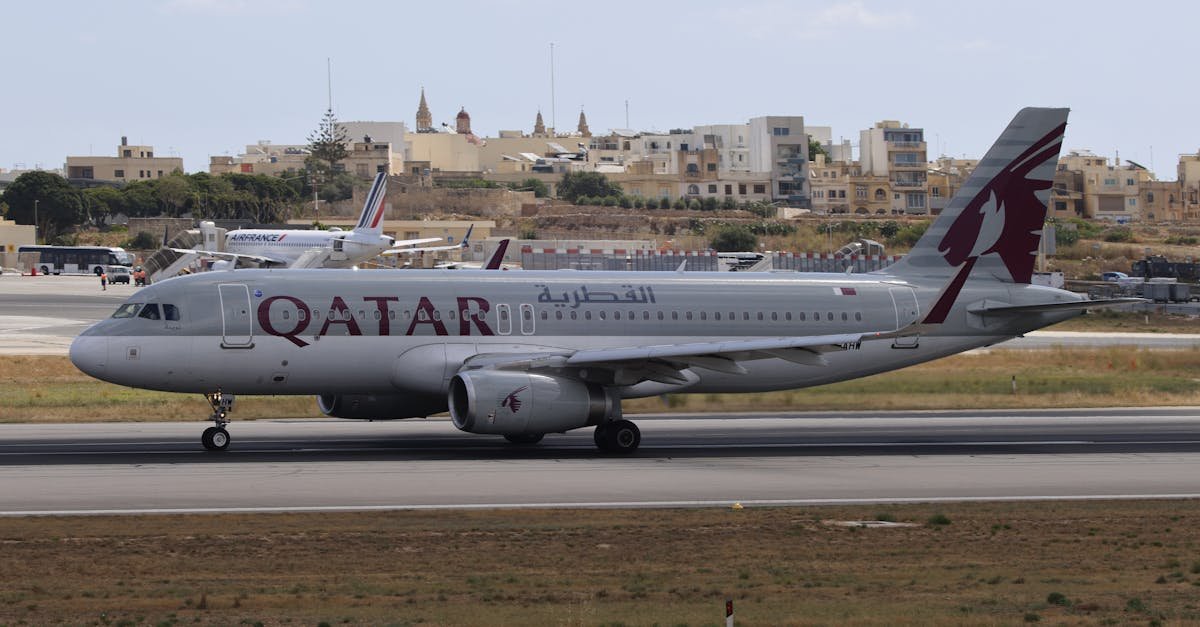
  • Qatar Airways Restores Atlanta & Boston Hubs in Massive 150-Destination Summer Push

    Qatar Airways Restores Atlanta & Boston Hubs in Massive 150-Destination Summer Push

    The global aviation landscape is witnessing a major shift as Qatar Airways prepares for a massive summer season. Starting June 16, 2026, the airline is officially resuming its highly anticipated flights to Atlanta and Boston. This move marks a significant recovery milestone after a period of operational adjustments due to regional airspace restrictions. For travelers in the United States, this announcement means more than just a few extra flights. It signifies the return of premium international travel options connecting the heart of the American South and the New England coast to over 150 destinations worldwide.

    The decision by Qatar Airways to prioritize these two American hubs highlights the strategic importance of the United States market. Atlanta, home to one of the busiest airports on the planet, serves as a massive gateway for both business and leisure traffic. Meanwhile, Boston remains a critical center for education, healthcare, and technology. By restoring these routes, Qatar Airways is ensuring that passengers from these regions have seamless access to the Middle East, Africa, and Asia through its award winning hub at Hamad International Airport in Doha.

    Understanding the Summer 2026 Flight Schedule

    The updated schedule for the summer of 2026 is designed to maximize convenience for passengers. Qatar Airways has meticulously planned the timing of these flights to ensure they align with peak travel demands. The resumption of service to Atlanta and Boston is part of a broader network restoration that includes other major global cities like Osaka, Adelaide, Auckland, Brussels, and Prague. This expansive growth allows the airline to maintain its position as a leading global carrier.

    Travelers booking flights for the summer season can expect a high frequency of service. The airline is committed to providing consistent and reliable options for those planning long distance trips. With the June 16 start date, families planning summer vacations and business professionals attending international conferences will have the flexibility they need. Qatar Airways has built a reputation for punctuality and service excellence, and the 2026 summer push is expected to uphold those high standards across all 150 destinations in the network.

    Flexibility and Freedom for Affected Passengers

    One of the most notable aspects of this announcement is the generous rebooking policy. Qatar Airways understands that previous airspace closures and flight suspensions caused significant disruption for many travelers. To address this, the airline is offering fee free rebooking for passengers who were impacted by the recent changes. This policy remains in effect through October 31, 2026, providing a wide window for travelers to reorganize their plans without financial penalty.

    This level of flexibility is relatively rare in the airline industry and demonstrates a strong commitment to customer satisfaction. Passengers can move their travel dates or even adjust their routes within the network to better suit their current needs. By removing the stress of rebooking fees, Qatar Airways is rebuilding trust with its loyal customer base. It shows that the airline values the long term relationship with its passengers over short term revenue from change fees.

    The Strategic Importance of the Atlanta Gateway

    Atlanta is often referred to as the gateway to the world, and for good reason. By reintroducing flights from Hartsfield Jackson Atlanta International Airport, Qatar Airways is tapping into a massive pool of travelers from across the Southeast. This route is particularly popular for those heading to destinations in India, Pakistan, and various parts of Africa. The connection through Doha provides a much more efficient alternative to traditional European layovers.

    The return to Atlanta also benefits the local economy. International flights bring in tourism, support cargo operations, and facilitate international business partnerships. Qatar Airways plays a vital role in this ecosystem by providing high quality cargo capacity alongside its passenger service. Whether it is moving perishable goods or high value technology, the reliability of the Qatar Airways cargo network is a major asset for businesses operating out of Georgia.

    Boston Connectivity and the New England Market

    Boston Logan International Airport serves as the primary jumping off point for travelers in Massachusetts and the surrounding New England states. The resumption of Qatar Airways flights to Boston is a welcome sight for the academic and scientific communities in the area. With dozens of world class universities and research institutions, there is a constant flow of students, professors, and researchers traveling between Boston and international destinations.

    The Boston to Doha route is famous for its comfort and efficiency. Passengers can enjoy the latest in flight entertainment and dining while crossing the Atlantic. Once they arrive in Doha, the transit experience at Hamad International Airport is designed to be as smooth as possible. For those traveling from Boston to places like Bangkok, Nairobi, or Mumbai, the streamlined connection offered by Qatar Airways remains one of the most popular choices in the market.

    Exploring 150 Destinations Across the Globe

    While the return to the United States is a headline story, the sheer scale of the Qatar Airways network is what truly sets it apart. Serving over 150 destinations means that a traveler in Atlanta can reach almost any corner of the globe with just one stop. This summer push includes a heavy focus on leisure destinations that are popular during the warmer months. From the historic streets of Prague to the scenic landscapes of New Zealand, the options are nearly limitless.

    The airline has also focused on expanding its footprint in Asia and Australia. The resumption of flights to Osaka and Adelaide provides critical links for trade and tourism. In Europe, the return to Brussels strengthens ties with the political heart of the continent. Every new route added or restored by Qatar Airways is a piece of a larger puzzle designed to make global travel more accessible and comfortable for everyone.

    Experience the Award Winning Service in the Skies

    What makes Qatar Airways stand out in a crowded market is the quality of the on board experience. Even on the longest flights from the United States to Doha, passengers are treated to a level of hospitality that has earned the airline numerous accolades. From the spacious seating in economy class to the revolutionary Qsuite in business class, every detail is carefully considered. The airline consistently wins awards for being the best in the world, and this summer 2026 expansion allows more people to experience that quality firsthand.

    The dining experience on Qatar Airways is another highlight. Menus are often designed by world renowned chefs and feature fresh, high quality ingredients. Passengers can enjoy a wide range of international cuisines, catering to various dietary preferences and cultural tastes. Combined with an extensive selection of movies, music, and games on the Oryx One entertainment system, the hours spent in the air pass by quickly and enjoyably.

    Looking Ahead to a Bright Future of Travel

    The restoration of flights to Atlanta and Boston is just the beginning of a new chapter for Qatar Airways. As the airline continues to navigate the complexities of global aviation, its focus remains on innovation and growth. By investing in newer, more fuel efficient aircraft and expanding its route map, the carrier is preparing for the future of sustainable and efficient travel. The 2026 summer schedule is a testament to the resilience of the aviation industry and the enduring desire of people to explore the world.

    As June 16 approaches, the excitement among travelers and aviation enthusiasts is palpable. The return of these key routes signifies a move toward more stable and predictable international travel. With the added security of fee free rebooking and the promise of a vast global network, Qatar Airways is well positioned to lead the way this summer. Travelers can look forward to a season of discovery, connection, and world class service as they take to the skies once again.

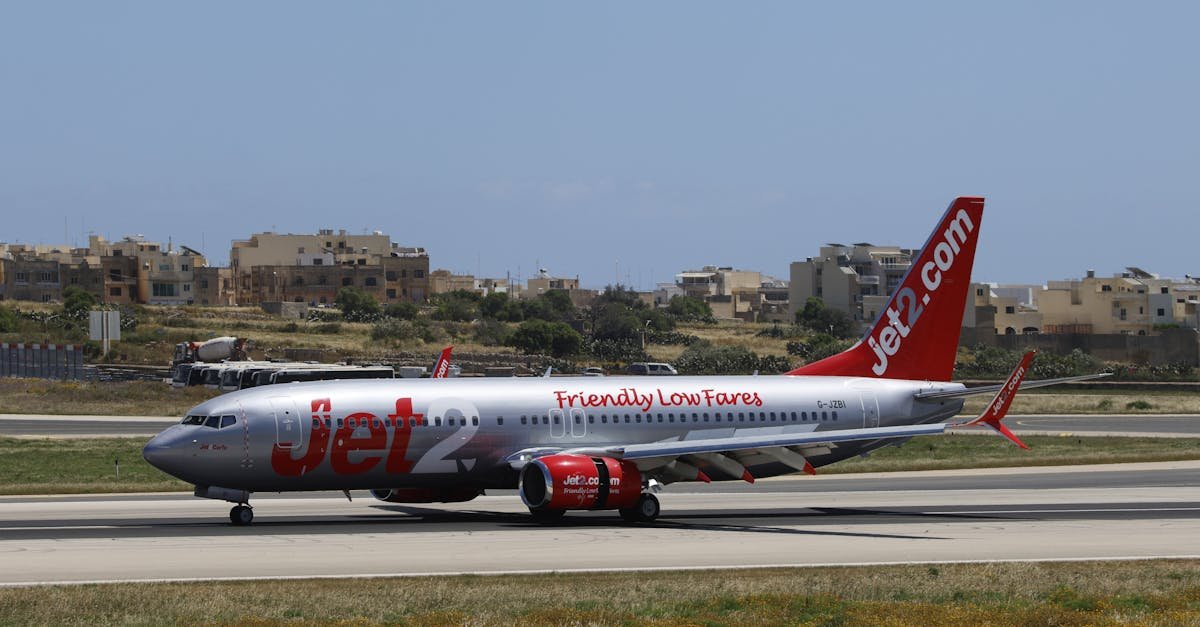
  • Jet2 Mid-Air Scare: Why the Bournemouth–Gran Canaria Flight Landed in Faro

    Jet2 Mid-Air Scare: Why the Bournemouth–Gran Canaria Flight Landed in Faro

    The aviation world is currently focused on a recent incident involving a Jet2 flight that departed from Bournemouth Airport. What started as a standard holiday journey for hundreds of sun seekers quickly turned into a high stakes mid air emergency. This event has sparked significant conversation regarding airline safety protocols and the rapid response of flight crews when faced with unexpected technical failures. This report provides a comprehensive look at the timeline of the Jet2 diversion, the technical signals involved, and the subsequent steps taken to ensure passenger safety.

    The Departure from Bournemouth and Initial Flight Path

    On a scheduled service from Bournemouth Airport, Jet2 flight LS1301 took off with its destination set for Gran Canaria in the Canary Islands. The aircraft involved was a Boeing 737 800, a workhorse of the Jet2 fleet known for its reliability on medium haul European routes. For the first portion of the flight, everything appeared normal. Passengers were settling into their seats, and the cabin crew began their standard in flight service.

    The aircraft climbed to its cruising altitude and began its journey south across the Atlantic coastline. Data from flight tracking software shows that the Jet2 plane followed its planned corridor for a significant duration before an anomaly was detected by the flight deck. It was during this stable phase of the flight that the situation changed rapidly, forcing the pilots to prioritize safety over the original flight plan.

    Smoke in the Cabin and the Decision to Divert

    The primary cause of the emergency was the detection of smoke within the passenger cabin. In the world of aviation, smoke or fire is treated with the highest level of urgency because of how quickly conditions can deteriorate in a pressurized environment at thirty thousand feet. Passengers on board the Jet2 flight reported a noticeable odor and a light haze, which immediately signaled that something was wrong with the air conditioning or electrical systems.

    The flight crew acted with remarkable speed. Upon confirming the presence of smoke, the pilots initiated a rapid descent. This is a standard safety maneuver designed to get the aircraft to a lower altitude where the air is thicker and the pressure is easier to manage. While this descent can feel jarring to those on board, it is a controlled and necessary action to protect everyone on the Jet2 aircraft.

    Understanding the Squawk 7700 Emergency Signal

    As the Jet2 pilots began their descent, they transmitted a Squawk 7700 code. For those unfamiliar with aviation terminology, a Squawk code is a four digit number that pilots enter into their transponder to communicate with air traffic control. While most codes are for routine identification, 7700 is the international signal for a general emergency.

    By using this code, the Jet2 crew instantly notified every air traffic controller in the vicinity that they required priority handling. It effectively clears the path for the aircraft, allowing it to take the most direct route to the nearest suitable airport regardless of existing traffic patterns. In this instance, the proximity of the Portuguese coast made Faro Airport the most logical and safest choice for the Jet2 diversion.

    Safe Landing at Faro Airport in Portugal

    Faro Airport is a major hub in the Algarve region and is well equipped to handle emergency arrivals. As the Jet2 Boeing 737 approached the runway, ground crews and emergency services were already in position. Fire engines and medical teams lined the taxiways, a standard precautionary measure for any report involving smoke in the cabin.

    The Jet2 pilots executed a safe landing, bringing the plane to a halt on the tarmac. Once the aircraft was stationary, the decision was made to disembark the passengers via the stairs rather than using emergency slides, as the immediate threat of fire had not materialized into an active blaze. This orderly evacuation ensured that no injuries were reported during the process, and the passengers were moved into the terminal building to await further instructions from Jet2 representatives.

    Passenger Experiences During the Mid Air Scare

    For the holidaymakers on board, the experience was understandably stressful. Many people described the smell of smoke as being similar to burning plastic or electrical insulation. The sudden change in the pitch of the engines and the steep angle of the descent added to the tension in the cabin. However, many travelers praised the Jet2 cabin crew for their calm demeanor and clear communication during the descent.

    In the hours following the landing in Portugal, Jet2 provided updates to the passengers. Being stranded in a different country than your intended destination is a major disruption to any holiday, but the focus remained on the fact that the emergency was handled without any loss of life or physical harm. The airline coordinated ground staff at Faro to assist with food, water, and information while a recovery plan was put into motion.

    Technical Investigation and the Role of Maintenance

    Whenever a Jet2 aircraft or any commercial plane experiences smoke in the cabin, a rigorous investigation follows. Engineers at Faro Airport began inspecting the Boeing 737 800 almost immediately after it was cleared by the fire department. These investigations typically look at the auxiliary power unit, the air conditioning packs, and the wiring looms that run beneath the cabin floor.

    While a specific cause for this Jet2 incident will be detailed in a formal report by aviation authorities, common culprits for such events include a faulty fan motor in the ventilation system or a minor electrical short. Jet2 maintains a strict servicing schedule for its fleet, and this investigation will help determine if the issue was an isolated component failure or something that requires a broader check across other aircraft in the fleet.

    Jet2 Response and Replacement Flight Arrangements

    One of the strengths of a large carrier like Jet2 is its ability to mobilize resources during an operational breakdown. To minimize the delay for the passengers heading to Gran Canaria, the airline dispatched a standby aircraft to Faro. This replacement plane allowed the travelers to continue their journey on the same day, albeit several hours behind schedule.

    The company issued a statement apologizing for the disruption while emphasizing that the safety of passengers and crew is always the absolute priority. By quickly arranging a second flight, Jet2 managed to salvage the holidays of hundreds of people who might otherwise have been stuck in Portugal overnight. This logistical response is a critical part of maintaining customer trust after a frightening mechanical event.

    Looking Ahead at Flight Safety and Reliability

    Incidents like the Jet2 smoke emergency serve as a reminder of the complex systems required to keep modern aviation running smoothly. While a diversion is inconvenient and scary, it is actually a sign that the safety systems are working exactly as intended. The combination of vigilant crews, automated emergency signals, and well coordinated ground responses ensures that even when things go wrong, the outcome remains safe.

    For travelers flying out of Bournemouth or any other regional airport, the news of this diversion might cause some anxiety. However, aviation remains the safest form of long distance travel. The fact that the Jet2 crew was able to land the plane safely in a third country without any injuries proves that the training and protocols in place are effective.

    Final Summary of the Jet2 Diversion Event

    The Jet2 flight from Bournemouth to Gran Canaria will be remembered by those on board as a dramatic start to their vacation. From the first scent of smoke to the emergency landing in Faro, the event lasted less than an hour but required decades of combined experience from the pilots and air traffic controllers to manage correctly. As the technical investigation continues, the focus stays on the resilience of the aviation industry and the commitment of Jet2 to passenger welfare. All passengers eventually reached their destination, turning a potential disaster into a well managed technical detour.

  • Delta Pilot’s Confused Response to Fetty Wap Reference Goes Viral

    Delta Pilot’s Confused Response to Fetty Wap Reference Goes Viral

    The world of aviation is usually defined by strict protocols and standardized communication. Pilots and air traffic controllers spend their days speaking a coded language of altitudes and waypoints designed to keep the skies safe. Every now and then, however, a moment of human personality breaks through the static. That is exactly what happened during a recent exchange involving Delta flight 1738. The audio of this interaction has since taken the internet by storm, proving that even at thirty thousand feet, pop culture remains unavoidable.

    The Call Sign That Started It All

    In the world of commercial aviation, every flight is assigned a specific number for tracking and identification. For this particular Delta crew, the number was 1738. To most people, this is just a four digit sequence. To anyone who listened to the radio in 2015, however, those four digits are synonymous with one of the biggest hits of the decade.

    The number 1738 was the signature opening line for the artist Fetty Wap and his crew, the Remy Boyz. It became a cultural phenomenon, appearing in the intro of the massive hit song Trap Queen. While the song is nearly a decade old, the association remains burned into the minds of millions. When the air traffic controller saw the Delta flight number appear on his screen, he clearly could not let the opportunity pass by without making a comment.

    A Cultural Gap in the Cockpit

    The interaction began when the Delta aircraft checked in on the frequency. Air traffic control is responsible for guiding these massive machines through crowded airspace, but there are often brief lulls in the action. During one of these quiet moments, the controller decided to test the musical knowledge of the Delta pilot. He asked if the pilot had a moment for a quick question.

    After the Delta captain gave the green light, the controller dropped the name Fetty Wap. There was a brief pause, a moment of digital silence that signaled the punchline was falling flat. The Delta pilot eventually responded with a polite but firm admission that he had no idea who the controller was talking about. It was a classic case of a generational divide playing out over a high tech communication system.

    The controller, realizing the joke had not landed, laughed and briefly explained that the flight number 1738 was a famous lyric. Despite the explanation, the Delta pilot remained focused on his job, offering a simple and professional apology for not being in the loop. The business of flying a Delta jet took priority over the history of mid 2010s hip hop.

    Why the Interaction Resonated Online

    Once the audio clip of the Delta exchange was posted to social media, it spread rapidly across platforms like TikTok and Twitter. People found the contrast between the enthusiastic controller and the stoic Delta pilot to be incredibly relatable. It mirrored the everyday experience of a younger person trying to explain an internet meme or a pop song to an older colleague who just wants to finish their shift.

    The Delta pilot became an accidental hero for those who appreciate the no nonsense professionalism of the aviation industry. On the other hand, the controller was praised for bringing a bit of levity to a high pressure environment. The humor comes from the fact that while the controller was having a lighthearted moment, the Delta crew was likely busy cross checking instruments and managing the complex systems of their aircraft.

    The Professionalism of Delta Crews

    While the internet laughed at the confusion, the exchange actually highlighted the discipline expected of a Delta aviator. The pilot did not get distracted or try to fake his way through the conversation. He stayed professional, acknowledged the comment, and immediately steered the conversation back to the necessary flight clearances.

    This level of focus is what passengers expect when they board a Delta flight. While it is fun to imagine pilots having deep conversations about music, their primary responsibility is the safety of the hundreds of souls on board. The Delta pilot demonstrated that while he might not be up to date on rap hits from 2015, he is certainly up to date on his navigation charts and communication procedures.

    Aviation Humor and Frequency Etiquette

    Air traffic control frequencies are strictly regulated by the government. Using the radio for anything other than official business is generally discouraged. However, there has always been a tradition of “frequency fun” within the industry. On holidays or during late night shifts when traffic is light, controllers and Delta pilots often share a joke or a friendly greeting.

    The Fetty Wap incident falls into this category of harmless banter. It did not interfere with the safety of the Delta flight, nor did it cause any delays. Instead, it provided a rare glimpse into the human side of a very technical job. These moments help build a rapport between the people on the ground and the people in the air. When a Delta pilot knows they are working with a controller who has a sense of humor, it can actually make for a more relaxed and efficient working environment.

    The Lasting Legacy of 1738

    It is unlikely that the number 1738 will ever lose its association with Fetty Wap. As long as that Delta flight number exists, there will likely be another controller somewhere in the world tempted to ask the same question. For the music fans watching from the sidelines, it serves as a reminder of how deeply pop culture can penetrate even the most serious industries.

    The Delta pilot may never go home and look up the song Trap Queen, but he has certainly earned a spot in the archives of viral aviation history. This event joins a long list of funny cockpit recordings that remind us that the people flying Delta planes are just like us. They might not get every joke, and they might not know every song on the charts, but they are human beings doing their best in a demanding world.

    Looking at the Human Side of the Skies

    As technology continues to advance, much of the communication between aircraft and the ground is becoming automated. Digital data links are slowly replacing voice commands in many parts of the world. This means that the chance for a Delta pilot to have a spontaneous laugh with a controller is becoming rarer.

    The popularity of this specific Delta story proves that people still crave that human connection. We like knowing that there is a real person behind the microphone, someone who can find a reason to smile even during a routine flight. The viral success of this audio clip ensures that for at least a few days, everyone was thinking about that one Delta flight and the pilot who was just a little bit too busy to be a rap fan.

    In the end, the Delta pilot did exactly what he was supposed to do. He kept the plane on course, maintained a professional tone, and got his passengers to their destination. He might have missed out on a joke about a rapper from New Jersey, but he didn’t miss a single beat when it came to his duties. That balance of personality and precision is exactly what makes the world of aviation so fascinating to the public. The sky is a vast place, but it seems there is always enough room for a quick laugh between a controller and a Delta crew.

  • American Airlines Breaks Silence on Potential United Merger: Here’s the Official Word

    American Airlines Breaks Silence on Potential United Merger: Here’s the Official Word

    American Airlines has officially responded to the wave of rumors regarding a potential merger with United Airlines,putting an end to days of industry speculation. The airline released a clear and firm statement late Friday, confirming that it is not currently participating in or considering any such deal. This news comes after reports suggested that leadership at United Airlines had approached government officials to explore the possibility of a massive consolidation within the aviation sector.

    The official word from American Airlines clarifies that they are not engaged in any discussions and have zero interest in merging with their long-standing competitor. This stance is rooted in concerns about market competition and the impact such a massive shift would have on passengers. By speaking out now, American Airlines has drawn a definitive line in the sand, choosing to prioritize its own strategic path rather than pursuing a merger that would fundamentally rewrite the rules of the sky.

    The Origin of the United Merger Rumors

    The chatter started earlier this week when news leaked that Scott Kirby, the chief executive of United Airlines, had reportedly pitched the idea of a merger to the administration. These discussions apparently took place behind closed doors, suggesting that the industry might be ready for another major round of consolidation. Given that American Airlines and United are two of the largest players in the global aviation market, even the whisper of a tie-up was enough to send shockwaves through the financial markets and travel circles.

    Industry insiders spent much of the week debating whether such a move was even feasible. Many looked toward the current political climate and regulatory landscape to see if a deal of this magnitude could survive legal challenges.While United seemed to be testing the waters, American Airlines remained quiet for several days before finally delivering its blunt rejection of the concept. The delay in the response led some to wonder if American Airlines was weighing the benefits, but the final statement left no room for ambiguity.

    Why American Airlines Rejects the Idea

    In its formal communication, American Airlines highlighted that a merger with United would be bad for the competitive nature of the industry. The airline pointed out that combining these two massive networks would likely lead to fewer choices for travelers and could potentially drive up ticket prices across the board. American Airlines expressed that maintaining a healthy, competitive environment is essential for the long term health of the aviation sector.

    Furthermore, American Airlines noted that such a deal would be inconsistent with its understanding of antitrust laws and the current administration’s approach to business oversight. By aligning its rejection with federal policy, American Airlines signaled that it does not believe a merger of this scale would ever receive the necessary green light from regulators. Instead of spending years in courtrooms fighting for a deal that might never happen, American Airlines is choosing to focus on its own operations and growth.

    Impact on the Aviation Competitive Landscape

    The US airline industry is already dominated by a small group of major carriers, often referred to as the Big Four. If American Airlines were to merge with United, it would create a behemoth that dwarfs every other competitor in the world. This combined entity would control an unprecedented number of gates, flight paths, and slots at major international hubs like Chicago, Dallas, and New York.

    For smaller airlines and low cost carriers, the prospect of an American Airlines and United merger was particularly alarming. A giant of that size would have immense power to set prices and dictate market trends, making it difficult for smaller companies to survive. By walking away from the table, American Airlines has essentially preserved the current balance of power, ensuring that the marketplace remains fragmented enough to allow for continued competition.

    Regulatory Hurdles and Legal Barriers

    Even if American Airlines had been interested, the path to a merger would have been incredibly difficult. Antitrust regulators have become increasingly skeptical of large scale mergers in recent years, especially those that involve vital infrastructure like air travel. A deal between American Airlines and United would have triggered intense scrutiny from the Department of Justice and various state attorneys general.

    Legal experts suggested that the combined airline would have been forced to give up a significant number of its most valuable routes and airport assets to win approval. Such concessions might have stripped away the very benefits that would make a merger attractive in the first place. American Airlines likely realized that the juice was not worth the squeeze, recognizing that the legal battle alone could take years and cost millions in fees without any guarantee of success.

    Strategic Focus on Internal Growth

    Rather than looking outward for growth through acquisitions, American Airlines is doubling down on its internal goals.The company stated that its primary focus remains on executing its own strategic objectives. This includes modernizing its fleet, improving the customer experience, and strengthening its financial position after the turbulent years following the global pandemic.

    American Airlines has been working hard to streamline its operations and improve its reliability. By focusing on its own strengths, American Airlines aims to win over more customers and build a more resilient business model. This internal focus allows the company to move faster and adapt to market changes without the massive distraction that comes with integrating another airline’s employees, technology, and aircraft.

    Customer and Labor Union Perspectives

    Passengers generally view airline mergers with a degree of skepticism, often associating them with higher prices and reduced service quality. The firm “no” from American Airlines is likely to be welcomed by traveler advocacy groups who were worried about the loss of a major competitor. Keeping American Airlines and United as separate entities ensures that both companies must continue to compete for the loyalty of the flying public.

    Labor unions also play a massive role in these decisions. Merging two of the largest workforces in the world is a logistical nightmare that involves reconciling different seniority lists, pay scales, and benefit packages. The pilots’ union at American Airlines had previously expressed some intrigue regarding the rumors, mainly as a way to see improvements in management performance. However, the official stance from American Airlines now provides clarity for thousands of employees who were worried about their job security and future under a new corporate structure.

    Future of Industry Consolidation

    While American Airlines has closed the door on a United deal, it doesn’t mean that consolidation in the industry is dead.The airline mentioned that changes in the broader marketplace might still be necessary. This suggests that while a mega merger of the two largest carriers is off the table, smaller acquisitions or strategic partnerships could still happen in the future.

    The aviation industry is constantly evolving, and companies are always looking for ways to gain an edge. American Airlines will continue to evaluate its position in the market and look for opportunities that align with its long term vision. For now, however, that vision does not include a partnership with United.

    Standing Strong in a Shifting Market

    The decision by American Airlines to break its silence and reject the merger talk is a sign of confidence. It shows that the leadership team believes in the current path of American Airlines and sees a future where they can succeed as an independent entity. In a world where bigger is often seen as better, American Airlines is betting on its ability to compete on its own terms.

    The aviation world will undoubtedly keep a close eye on both companies as they navigate the remainder of the year. For travelers, the immediate takeaway is that the status quo remains. You will still see American Airlines and United competing for your business at the airport, which is exactly how the leadership at American Airlines believes it should be. By shutting down these rumors, American Airlines has provided the stability and clarity that the market, the employees, and the customers needed.

  • FACT CHECK: Did an IAF Su-30 Really Crash at Pune Airport?

    FACT CHECK: Did an IAF Su-30 Really Crash at Pune Airport?

    The internet has been buzzing with rumors and alarming headlines about a major disaster at one of India’s busiest aviation hubs. If you follow social media news, you might have seen reports claiming that an IAF Su-30 has crashed at Pune Airport. These posts often come with dramatic images and claims of total destruction. However, the reality of the situation is quite different from the viral rumors. While a serious aviation event did take place, calling it a crash is a significant exaggeration that ignores the actual facts of the incident.

    To understand what really happened, we have to look at the timeline of events that unfolded on the night of April 17, 2026. This was not a mid-air disaster or a tragic accident involving loss of life. Instead, it was a technical emergency that occurred during a routine landing. The distinction between a crash and a technical incident is vital for public safety and for preventing unnecessary panic among travelers who use the Pune facility daily.

    What Exactly Happened on the Pune Runway

    The incident occurred late Friday night, specifically around 10:25 PM. An IAF Su-30 was in the process of landing at the Lohegaon Air Force Station, which shares its runway with the Pune International Airport. During the touchdown, the aircraft suffered what experts call an undercarriage failure. In simpler terms, the landing gear of the fighter jet did not function correctly. This led to a very rough landing, often referred to in aviation circles as a hard landing.

    Because the landing gear failed to support the weight and speed of the jet properly, the IAF Su-30 became stuck right in the middle of the only available runway. When a massive fighter jet is immobilized on a single-runway strip, everything else comes to a standstill. Reports from the scene indicated that a small fire broke out due to the friction of the hard landing, but the airport’s emergency fire services were on standby and extinguished the flames almost immediately.

    Safety Status of the Pilots and Ground Staff

    The most important takeaway from this event is that there were no casualties. The Indian Air Force quickly issued a statement through their official channels to clarify that the aircrew members were safe. The two pilots on board the IAF Su-30 were able to exit the aircraft without major injuries. This is a testament to their training and the safety protocols built into these advanced machines.

    Furthermore, there was no damage to any civilian aircraft or airport buildings. Since the event happened on the runway away from the passenger terminals, the risk to the public was kept at a minimum. While the sight of emergency vehicles and flashing lights caused worry for passengers waiting in the terminal, the actual danger was contained to the runway area.

    READ MORE: Fact Check: Is the Mexico Plane Fire Real? Guadalajara Airport Chaos After the Death of El Mencho

    Massive Disruption to Civilian Flight Schedules

    While the pilots were safe, the logistics at the airport turned into a nightmare for thousands of travelers. Because the IAF Su-30 was stuck on the runway, no other planes could take off or land. Pune Airport operates as a civil enclave, meaning the military controls the runway while the Airport Authority of India manages the passenger side.

    At least 32 incoming flights had to be diverted to other cities. Planes that were supposed to land in Pune were sent to Surat, Mumbai, Goa, and even as far as Chennai. This caused a massive ripple effect across the country. Passengers at other airports waiting for their return flights from Pune found themselves stranded as airlines began a series of cancellations. Many people spent the night at the terminal, waiting for updates on when the IAF Su-30 would be moved and the runway cleared for use.

    The Technical Challenge of Clearing the Runway

    Moving a heavy fighter jet like the IAF Su-30 is not as simple as towing a broken-down car. The aircraft is a sophisticated piece of machinery packed with fuel and sensitive electronics. Since the landing gear was damaged, the ground crews could not simply roll it away. They had to bring in specialized heavy-duty cranes and machinery to lift and stabilize the jet before it could be moved to a taxiway.

    Recovery teams worked through the night under floodlights. They had to be extremely careful not to cause further damage to the aircraft or the runway surface itself. Any gouge or crack in the tarmac could pose a danger to commercial airliners that land at high speeds. This meticulous process took several hours, leading to a Notice to Airmen (NOTAM) that initially shut down the airport until early Saturday morning.

    Resumption of Normal Operations

    After the IAF Su-30 was successfully moved to a secure hangar, the runway underwent a thorough inspection. Engineers checked for debris and damage to the lighting systems. Once they gave the all-clear, operations began to resume in a phased manner. Departure flights were given priority starting around 7:30 AM on Saturday, with arrivals following shortly after.

    Even though the runway reopened, the backlog of flights meant that delays continued throughout the day. Airlines worked overtime to rearrange schedules and find seats for the thousands of passengers who missed their original flights.It took nearly 12 hours for the rhythm of the airport to return to anything resembling normal.

    Why These Incidents Are Investigated

    Every time an IAF Su-30 or any other military aircraft is involved in such an event, a formal Court of Inquiry is ordered. This is a standard procedure to find out exactly why the landing gear failed. Was it a mechanical part that broke? Was it a sensor error? Or were there environmental factors at play?

    By investigating these technical snags, the air force can prevent similar issues from happening in the future. These jets are the backbone of India’s air defense, and keeping them in top shape is a national priority. The findings of such inquiries are usually kept within the defense department, but they lead to updates in maintenance and pilot training programs.

    Clarifying the Difference Between a Crash and a Snag

    It is easy to see how a headline about a crash gets more clicks than a story about a technical snag. However, using the word crash implies a level of destruction and tragedy that simply did not happen here. A crash usually involves an aircraft falling from the sky or being destroyed beyond repair. In the case of the IAF Su-30 in Pune, the jet remained largely intact and the crew walked away.

    Misinformation can lead to unnecessary fear for families of service members and travelers alike. By looking at the official statements from the Ministry of Defence and the Airport Director, we see a story of a technical failure that was handled with professional precision. The quick response of the rescue teams prevented a bad situation from becoming a disaster.

    Final Word on the Viral Claims

    If you see a post claiming that an IAF Su-30 crashed and caused multiple deaths at Pune Airport, you can confidently say that those claims are false. The facts show a landing gear malfunction that resulted in a blocked runway and a lot of frustrated travelers, but no loss of life and no destroyed jet.

    The Pune Airport is now fully functional, and the IAF Su-30 involved in the incident is being inspected by experts to get it back into the air. While the night of April 17 was certainly stressful for those at the airport, it serves as a reminder of how quickly emergency teams can react to keep the skies safe. Always check official sources before sharing sensational news about military incidents.

  • 15-Bottle Binge Sparks Ryanair Crew Assault: Mid-Air Terror Ends in Emergency Landing

    15-Bottle Binge Sparks Ryanair Crew Assault: Mid-Air Terror Ends in Emergency Landing

    The safety of modern air travel relies on a silent contract between passengers and crew. However, that contract was shattered during a recent Ryanair flight when a single passenger turned a routine journey into a scene of absolute chaos. Witnesses describe a terrifying sequence of events that began with a massive intake of alcohol and ended with a violent physical assault on the cabin crew. This incident has reignited the fierce debate surrounding alcohol sales in airports and the protection of frontline aviation workers who are increasingly facing dangerous levels of air rage.

    The Breakdown of the Massive Alcohol Intake

    The trouble reportedly began long before the seatbelt sign was extinguished. According to fellow travelers, the passenger in question managed to consume fifteen miniature bottles of alcohol in a remarkably short window of time. While it remains unclear whether these were purchased entirely on the Ryanair flight or smuggled on board in a carry-on bag, the sheer volume of spirits consumed made a volatile situation inevitable.

    Alcohol affects the body differently at high altitudes because of the lower oxygen levels in the cabin. One drink at thirty thousand feet often feels like two on the ground. By the time this passenger had finished his fifteenth bottle, his behavior had shifted from loud and boisterous to outright aggressive. Crew members attempted to intervene by cutting off the service, but the damage was already done. The level of intoxication reached a point where rational communication was no longer possible, setting the stage for a mid-air confrontation that would leave the staff and other passengers fearing for their safety.

    The Moment the Situation Turned Violent

    As the Ryanair cabin crew attempted to de-escalate the growing tension, the passenger’s verbal abuse quickly turned into physical aggression. Witnesses say the individual began shouting obscenities at anyone who walked past, eventually focusing his rage on a specific crew member who was trying to collect empty bottles. In a sudden burst of violence, the passenger lunged at the staff member.

    The assault was described by onlookers as a nightmare. There was no room to escape in the narrow aisles of the aircraft. The crew member was reportedly struck multiple times before other passengers stepped in to help restrain the individual. For those sitting in the nearby rows, the sound of the scuffle and the screams of the staff created a sense of pure panic. Ryanair staff are trained to handle difficult customers, but nobody expects to be physically attacked while simply performing their job duties in a confined space.

    The Response of the Crew and Fellow Passengers

    In the face of extreme danger, the Ryanair team followed their emergency protocols with impressive speed. While one group of flight attendants looked after their injured colleague, others worked with brave passengers to keep the aggressor pinned down. On a crowded flight, a violent individual is a threat to the balance and safety of the entire cabin.

    The pilots were immediately notified of the security breach. When an assault occurs on a plane, the captain has the ultimate authority to divert the aircraft to the nearest suitable airport. Given the severity of the injuries and the continued threat posed by the intoxicated man, the decision was made to declare an emergency. The flight path was altered immediately as the crew prepared the cabin for an unscheduled landing. Passengers were told to remain in their seats as the aircraft descended rapidly toward a diversion airport where police were already waiting on the tarmac.

    Grounding the Threat and the Arrest Process

    As the Ryanair plane touched down, the atmosphere inside the cabin was one of heavy silence and relief. Local law enforcement officers boarded the plane through the front door almost immediately after the engines were shut down. The passenger, who was still reportedly shouting and struggling against his restraints, was handcuffed and dragged off the aircraft in full view of the other travelers.

    The arrest was just the beginning of the legal process. In many jurisdictions, assaulting a flight crew member is a serious federal offense that carries heavy prison time and massive fines. Beyond the criminal charges, the individual now faces the prospect of being banned for life from future travel. The delay caused by the emergency landing also resulted in significant financial costs, including extra fuel, landing fees, and compensation for the hundreds of other passengers whose travel plans were ruined by one person’s inability to control their drinking.

    The Lasting Impact on the Cabin Crew

    While the physical bruises might heal, the psychological impact of a mid-air assault is often long-lasting. Cabin crew members go to work expecting to deal with delays or grumpy passengers, but they should never have to fear for their lives. This specific Ryanair incident has highlighted the vulnerability of staff who work in an environment where they cannot simply walk away from a threat.

    Many aviation experts are now calling for stricter psychological support for crew members who survive such attacks. The trauma of being trapped in a metal tube miles above the earth with a violent attacker is a unique form of stress. There is also a growing demand for the industry to provide better self-defense training and more authority for crews to use physical restraints much earlier in a conflict before an assault can actually take place.

    The Debate Over Airport Alcohol Sales

    This horror story has once again put the spotlight on the availability of alcohol before and during flights. Critics argue that airports are part of the problem, as many bars serve passengers who are already clearly intoxicated before they ever board a Ryanair aircraft. When these individuals reach the gate, the gate agents are often under pressure to keep the boarding process moving quickly, which means some high-risk passengers slip through the cracks.

    There are proposals currently being discussed that would limit the amount of alcohol a passenger can buy at duty-free or in airport lounges. Some even suggest a digital tracking system where your boarding pass is scanned every time you buy a drink, preventing anyone from reaching a dangerous level of intoxication before their flight. Until the source of the problem is addressed on the ground, crews in the air will continue to be the ones who pay the price for a passenger’s 15-bottle binge.

    Protecting the Future of Commercial Aviation

    If the industry does not take drastic action, these types of incidents could become even more common. The goal for any airline is to provide a safe and efficient service, but that goal is undermined every time a passenger chooses to act with total disregard for the law. Every Ryanair flight carries families, children, and elderly people who deserve a peaceful journey.

    The conversation is shifting toward a zero-tolerance policy across the entire aviation sector. This would involve not just heavy fines, but also a universal no-fly list that would prevent violent offenders from booking a seat on any airline, not just the one they attacked. By making the consequences of air rage life-altering, the industry hopes to deter future incidents of mid-air terror.

    Moving Toward Safer Skies for Everyone

    The road to recovery for the victims of this attack will be a long one, but the incident serves as a vital wake-up call. We must prioritize the safety of the men and women who work in our skies. Whether it is through stricter legislation, better airport monitoring, or more robust security measures on board, change is clearly necessary. No amount of profit from alcohol sales is worth the safety of a human being. As the investigation into this specific Ryanair assault continues, the hope is that it leads to meaningful reform that ensures no other crew member has to face a 15-bottle rampage ever again. Safety must always come before service, and the right to a safe workplace must be protected at any cost.