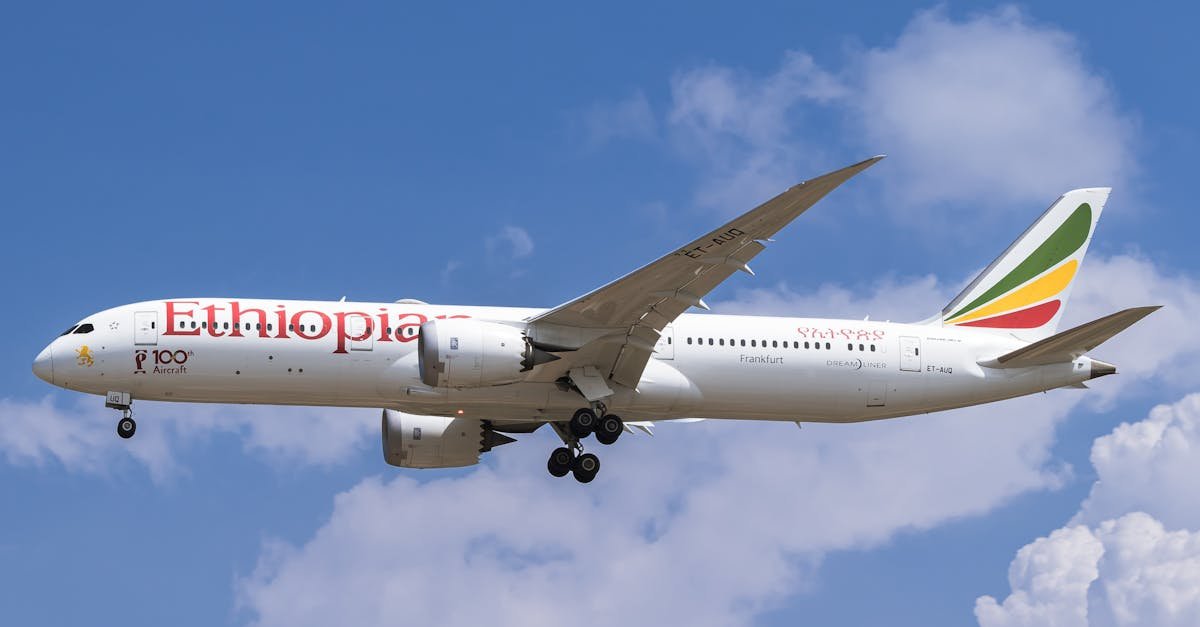
The landscape of international aviation is shifting as two major flag carriers announce significant expansions to their long haul fleets. Boeing recently secured substantial commitments from El Al Israel Airlines and Ethiopian Airlines, both of which are doubling down on the Boeing 787 Dreamliner family. These deals represent a major vote of confidence in American aerospace manufacturing at a time when global travel demand is reaching new heights. For passengers and investors alike, these orders signal a future defined by longer routes, better fuel efficiency, and a more comfortable cabin experience.
El Al Expands Its Reach with the Boeing 787
El Al Israel Airlines has officially moved to strengthen its position as a dominant player in the Middle Eastern and North American markets. The airline recently announced a massive commitment to acquire up to 12 more Boeing 787 aircraft. This deal is valued at approximately $1.5 billion and serves as a cornerstone of the airline’s strategy to modernize its entire operation. By choosing the Boeing 787, El Al is ensuring that its long distance routes to cities like New York, Los Angeles, and Tokyo remain competitive and cost effective.
The specific breakdown of this order shows a mix of growth and technical upgrades. El Al is exercising options for six Boeing 787-9 models, which have already become the workhorse of its current long haul fleet. Perhaps more interesting is the decision to convert previous options into four of the larger Boeing 787-10 variants. These planes are scheduled for delivery between 2030 and 2032. The Boeing 787-10 offers significantly more passenger capacity, allowing the airline to maximize revenue on its most popular high demand routes without needing to add extra flight slots at congested airports.
Ethiopian Airlines Strengthens Its African Leadership
Not to be outdone, Ethiopian Airlines is also moving forward with an aggressive expansion plan. As the largest airline group in Africa, Ethiopian has a reputation for maintaining one of the youngest and most efficient fleets in the sky. The carrier recently finalized an agreement to add nine more Boeing 787-9 aircraft to its existing lineup. This order is part of a larger roadmap known as Vision 2040, which aims to position Ethiopian Airlines among the top twenty global carriers within the next fifteen years.
For Ethiopian Airlines, the Boeing 787 is not just a plane but a tool for geographic expansion. The airline operates out of its hub in Addis Ababa, a city located at a high altitude that can make takeoffs challenging for older aircraft. The advanced carbon fiber construction and powerful engines of the Boeing 787 allow it to perform exceptionally well in these environments. With these new planes, Ethiopian plans to launch more direct flights to destinations in Asia and the Americas, further cementing its role as the primary gateway to the African continent.
The Technical Edge of the Boeing 787 Dreamliner
There is a reason why both of these airlines are returning to the same aircraft family. The Boeing 787 is designed with a focus on efficiency that older aluminum planes simply cannot match. Because the fuselage is made primarily of composite materials, the aircraft is lighter and more resistant to corrosion. This allows for a 20 to 25 percent reduction in fuel consumption and carbon emissions compared to the planes it typically replaces. In an era where sustainability is becoming a top priority for the aviation industry, the Boeing 787 provides a clear path toward greener flying.
Beyond the environmental benefits, the Boeing 787 offers a superior experience for the people sitting in the cabin. The composite frame allows the cabin to be pressurized at a lower altitude and maintained at a higher humidity level. For travelers on a twelve hour flight, this means less fatigue, fewer headaches, and a generally more refreshed feeling upon arrival. Large windows that dim electronically and quieter engines also contribute to a flight environment that is noticeably better than that of previous generations of wide body jets.
Strategic Fleet Modernization and Market Stability
The timing of these orders is particularly significant for Boeing. The aerospace industry has faced various supply chain hurdles and production delays over the last few years. By securing these multi billion dollar deals with El Al and Ethiopian Airlines, Boeing is demonstrating that the Boeing 787 remains a preferred choice for global flag carriers. These orders also provide a stable production backlog that helps support thousands of high tech manufacturing jobs across the United States.
For El Al, the move to an even larger Boeing 787 fleet helps simplify its maintenance and training programs. When an airline uses a single family of aircraft for its long haul needs, it can streamline its operations, reducing the costs associated with spare parts and pilot certifications. Ethiopian Airlines follows a similar logic but balances its fleet with other models to ensure it has the right plane for every specific mission. However, the Boeing 787 remains the backbone of its intercontinental strategy because of its versatility and range.
Looking Ahead at Global Flight Networks
As these new Boeing 787 jets begin to enter service over the coming years, passengers can expect to see more direct flight options and more frequent service on existing routes. El Al is likely to use its new Boeing 787-10 aircraft to increase capacity on its lucrative North American corridors, where demand for premium travel remains high. Meanwhile, Ethiopian Airlines will likely use its new Boeing 787-9 deliveries to push into new markets like Australia and South America, creating a truly global network centered in East Africa.
The competition between major aircraft manufacturers is always intense, but the recent surge in orders for the Boeing 787 shows that this specific model has found a sweet spot in the market. It offers enough range to connect almost any two cities on earth while remaining small enough to be profitable on routes that might not support a massive jumbo jet. For El Al and Ethiopian Airlines, the Boeing 787 is the key to a more profitable and sustainable future.
The Future of the Dreamliner Fleet
As we look toward the next decade of air travel, the presence of the Boeing 787 in the skies will only continue to grow. With hundreds of these planes now on order for airlines around the world, the “Dreamliner” has moved from being a revolutionary new concept to being the gold standard for long distance travel. For the American aerospace industry, the continued success of the Boeing 787 is a reminder of the power of innovation and the lasting appeal of a well designed product. Whether you are flying from Tel Aviv to New York or from Addis Ababa to Beijing, there is a very good chance that a Boeing 787 will be the plane that takes you there in comfort and style.
Leave a Reply