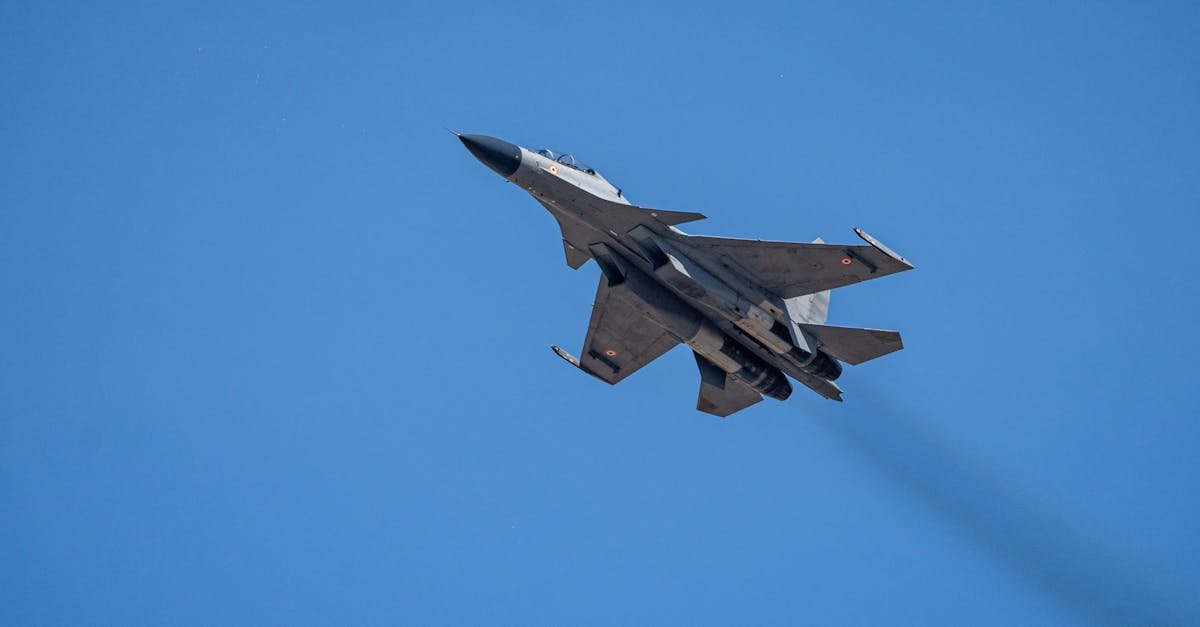
The internet has been buzzing with rumors and alarming headlines about a major disaster at one of India’s busiest aviation hubs. If you follow social media news, you might have seen reports claiming that an IAF Su-30 has crashed at Pune Airport. These posts often come with dramatic images and claims of total destruction. However, the reality of the situation is quite different from the viral rumors. While a serious aviation event did take place, calling it a crash is a significant exaggeration that ignores the actual facts of the incident.
To understand what really happened, we have to look at the timeline of events that unfolded on the night of April 17, 2026. This was not a mid-air disaster or a tragic accident involving loss of life. Instead, it was a technical emergency that occurred during a routine landing. The distinction between a crash and a technical incident is vital for public safety and for preventing unnecessary panic among travelers who use the Pune facility daily.
What Exactly Happened on the Pune Runway
The incident occurred late Friday night, specifically around 10:25 PM. An IAF Su-30 was in the process of landing at the Lohegaon Air Force Station, which shares its runway with the Pune International Airport. During the touchdown, the aircraft suffered what experts call an undercarriage failure. In simpler terms, the landing gear of the fighter jet did not function correctly. This led to a very rough landing, often referred to in aviation circles as a hard landing.
Because the landing gear failed to support the weight and speed of the jet properly, the IAF Su-30 became stuck right in the middle of the only available runway. When a massive fighter jet is immobilized on a single-runway strip, everything else comes to a standstill. Reports from the scene indicated that a small fire broke out due to the friction of the hard landing, but the airport’s emergency fire services were on standby and extinguished the flames almost immediately.
Safety Status of the Pilots and Ground Staff
The most important takeaway from this event is that there were no casualties. The Indian Air Force quickly issued a statement through their official channels to clarify that the aircrew members were safe. The two pilots on board the IAF Su-30 were able to exit the aircraft without major injuries. This is a testament to their training and the safety protocols built into these advanced machines.
Furthermore, there was no damage to any civilian aircraft or airport buildings. Since the event happened on the runway away from the passenger terminals, the risk to the public was kept at a minimum. While the sight of emergency vehicles and flashing lights caused worry for passengers waiting in the terminal, the actual danger was contained to the runway area.
READ MORE: Fact Check: Is the Mexico Plane Fire Real? Guadalajara Airport Chaos After the Death of El Mencho
Massive Disruption to Civilian Flight Schedules
While the pilots were safe, the logistics at the airport turned into a nightmare for thousands of travelers. Because the IAF Su-30 was stuck on the runway, no other planes could take off or land. Pune Airport operates as a civil enclave, meaning the military controls the runway while the Airport Authority of India manages the passenger side.
At least 32 incoming flights had to be diverted to other cities. Planes that were supposed to land in Pune were sent to Surat, Mumbai, Goa, and even as far as Chennai. This caused a massive ripple effect across the country. Passengers at other airports waiting for their return flights from Pune found themselves stranded as airlines began a series of cancellations. Many people spent the night at the terminal, waiting for updates on when the IAF Su-30 would be moved and the runway cleared for use.
The Technical Challenge of Clearing the Runway
Moving a heavy fighter jet like the IAF Su-30 is not as simple as towing a broken-down car. The aircraft is a sophisticated piece of machinery packed with fuel and sensitive electronics. Since the landing gear was damaged, the ground crews could not simply roll it away. They had to bring in specialized heavy-duty cranes and machinery to lift and stabilize the jet before it could be moved to a taxiway.
Recovery teams worked through the night under floodlights. They had to be extremely careful not to cause further damage to the aircraft or the runway surface itself. Any gouge or crack in the tarmac could pose a danger to commercial airliners that land at high speeds. This meticulous process took several hours, leading to a Notice to Airmen (NOTAM) that initially shut down the airport until early Saturday morning.
Resumption of Normal Operations
After the IAF Su-30 was successfully moved to a secure hangar, the runway underwent a thorough inspection. Engineers checked for debris and damage to the lighting systems. Once they gave the all-clear, operations began to resume in a phased manner. Departure flights were given priority starting around 7:30 AM on Saturday, with arrivals following shortly after.
Even though the runway reopened, the backlog of flights meant that delays continued throughout the day. Airlines worked overtime to rearrange schedules and find seats for the thousands of passengers who missed their original flights.It took nearly 12 hours for the rhythm of the airport to return to anything resembling normal.
Why These Incidents Are Investigated
Every time an IAF Su-30 or any other military aircraft is involved in such an event, a formal Court of Inquiry is ordered. This is a standard procedure to find out exactly why the landing gear failed. Was it a mechanical part that broke? Was it a sensor error? Or were there environmental factors at play?
By investigating these technical snags, the air force can prevent similar issues from happening in the future. These jets are the backbone of India’s air defense, and keeping them in top shape is a national priority. The findings of such inquiries are usually kept within the defense department, but they lead to updates in maintenance and pilot training programs.
Clarifying the Difference Between a Crash and a Snag
It is easy to see how a headline about a crash gets more clicks than a story about a technical snag. However, using the word crash implies a level of destruction and tragedy that simply did not happen here. A crash usually involves an aircraft falling from the sky or being destroyed beyond repair. In the case of the IAF Su-30 in Pune, the jet remained largely intact and the crew walked away.
Misinformation can lead to unnecessary fear for families of service members and travelers alike. By looking at the official statements from the Ministry of Defence and the Airport Director, we see a story of a technical failure that was handled with professional precision. The quick response of the rescue teams prevented a bad situation from becoming a disaster.
Final Word on the Viral Claims
If you see a post claiming that an IAF Su-30 crashed and caused multiple deaths at Pune Airport, you can confidently say that those claims are false. The facts show a landing gear malfunction that resulted in a blocked runway and a lot of frustrated travelers, but no loss of life and no destroyed jet.
The Pune Airport is now fully functional, and the IAF Su-30 involved in the incident is being inspected by experts to get it back into the air. While the night of April 17 was certainly stressful for those at the airport, it serves as a reminder of how quickly emergency teams can react to keep the skies safe. Always check official sources before sharing sensational news about military incidents.
Leave a Reply