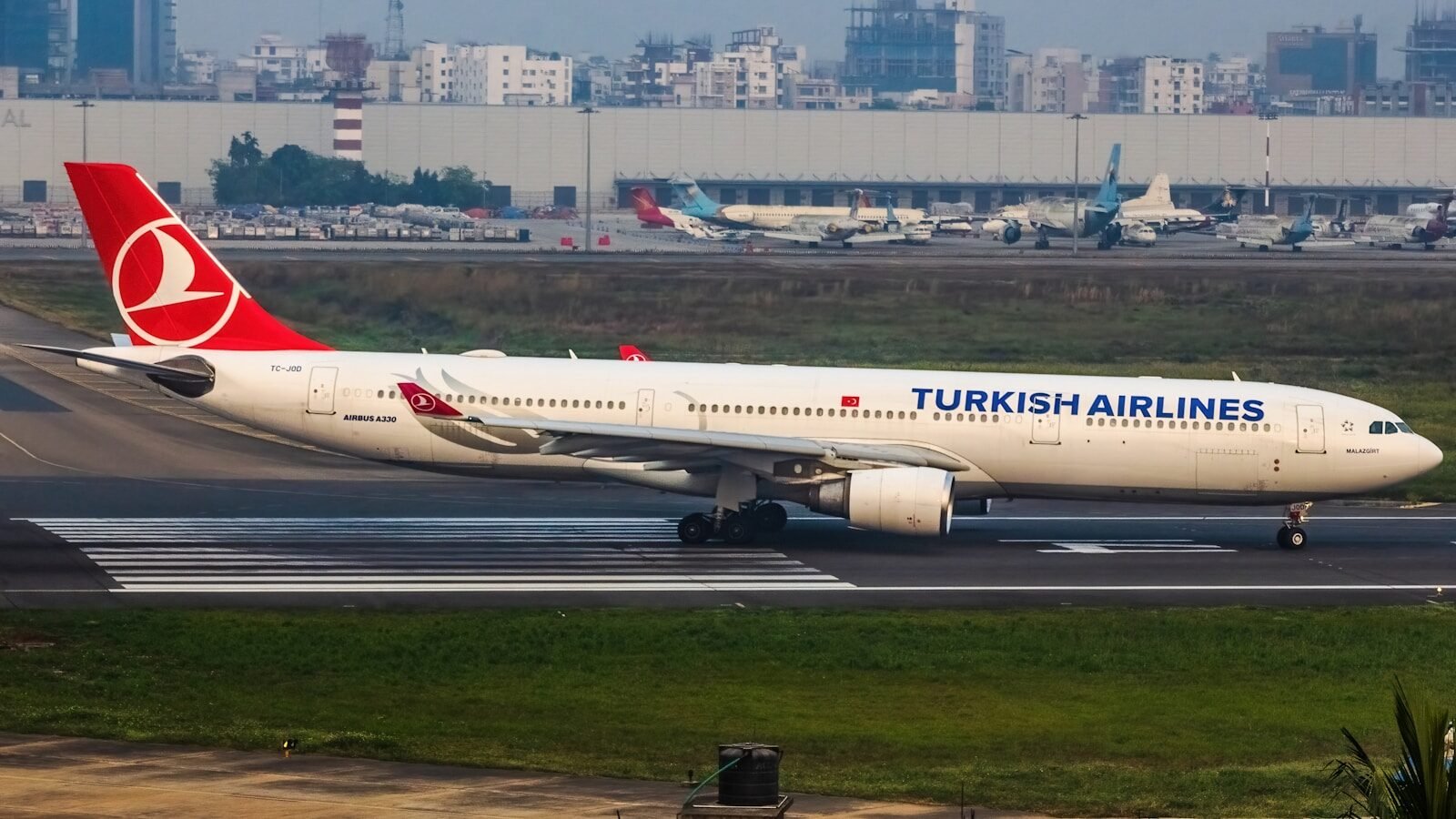
The safety of air travel often relies on a mix of high technology and the quick thinking of ground crews. This was put to the test recently at Tribhuvan International Airport in Kathmandu. On a Monday morning that began like any other, a Turkish Airlines flight arriving from Istanbul turned into a scene of urgent emergency action. The event reminded the world of the unique challenges faced by pilots landing in the high altitude terrain of Nepal. This article looks at the details of the Turkish Airlines event, the reasons behind it, and what it teaches the aviation industry about safety in mountainous regions.
The Morning Of The Incident
The event took place at approximately 6:45 am on May 11, 2026. Turkish Airlines flight TK726 was completing its journey from Istanbul to Kathmandu. On board the Airbus A330 were 277 passengers and 11 crew members. As the aircraft made contact with the runway, observers and airport staff noticed smoke and flames coming from the right rear landing gear. The sight of fire during the high speed landing roll triggered an immediate response from the airport fire department.
As soon as the plane came to a halt, the flight crew initiated emergency evacuation procedures. Passengers were directed to leave the aircraft using the emergency inflatable slides. While the evacuation was happening, fire engines reached the scene and began dousing the landing gear with water and foam to prevent the flames from spreading to the rest of the plane. Thankfully, all 288 people on board were evacuated safely. While a few passengers reported minor scrapes from the slides, there were no serious injuries. The airport was forced to shut down its only runway for over an hour, causing delays for several other international flights that were circling the valley or diverted to other cities.
Understanding Why The Fire Started
Initial reports from the Civil Aviation Authority of Nepal suggest that the fire was linked to a tyre burst during the touchdown. When a tyre on a large aircraft like the Airbus A330 bursts at high speeds, the friction between the metal wheel and the runway surface can generate intense heat. This heat often ignites hydraulic fluids or the rubber remains of the tyre itself. In the case of this Turkish Airlines flight, the quick arrival of the fire crews was the only thing that stopped a small wheel fire from becoming a much larger disaster.
There are several factors that might contribute to such an occurrence. The runway at Kathmandu is known for being demanding due to its length and the atmospheric pressure at high altitudes. If the Turkish Airlines aircraft had to brake harder than usual due to weather or runway conditions, the braking system might have reached temperatures high enough to trigger a fire. Technical teams are currently looking into whether there was a mechanical failure in the braking system or if the tyre itself had a structural weakness.
The Significance Of The Event For Nepal
This is not the first time Turkish Airlines has faced a difficult landing in Kathmandu. Back in 2015, another Turkish Airlines aircraft skidded off the slippery runway in dense fog. That incident shut the airport down for several days and required specialized equipment from abroad to move the plane. Because Kathmandu has only one runway for both domestic and international flights, any minor issue with a Turkish Airlines flight or any other carrier can paralyze the entire country’s air link to the world.
The latest event matters because it highlights the narrow margin for error at Tribhuvan International Airport. It raises questions about whether the airport needs better runway maintenance or if airlines need to adjust their landing protocols for this specific location. For Turkish Airlines, maintaining a strong safety record is vital, and this incident will lead to a thorough internal review of their operations in high altitude environments.
Looking Toward The Future Of Flight Safety
In the days following the event, the focus has shifted to the technical inspection of the aircraft. The Turkish Airlines Airbus A330 was moved to a hangar where experts from the airline and the aviation authority are examining the landing gear. They will look at the flight data recorder to see exactly how the plane touched down and how the brakes were applied.
Going forward, we can expect to see more rigorous checks for flights heading into Kathmandu. Turkish Airlines might implement new training modules for pilots that specifically focus on managing brake temperatures during descents into Nepal. Furthermore, the local aviation authorities are under pressure to improve the emergency response times and perhaps look into expanding the taxiway areas so that a disabled aircraft does not block the entire runway for other travelers.
Analysis Of The Aviation Challenges In Nepal
Navigating the skies over Nepal is a task that requires immense skill and preparation. The terrain is some of the most difficult in the world, and the weather can change in a matter of minutes. When we analyze the Turkish Airlines situation, we see a combination of environmental pressure and mechanical stress. The landing gear of an aircraft is its most stressed component during the final seconds of a flight, and in a place like Kathmandu, those stresses are magnified.
From an expert perspective, the successful evacuation of the Turkish Airlines flight is a testament to the crew’s training. The decision to use slides is never taken lightly, as it carries a risk of minor injury, but it is the right call when fire is present. The fact that the fire was contained so quickly shows that the airport has improved its emergency readiness since the 2015 mishap. However, the recurring nature of these incidents suggests that the aviation industry must continue to respect the unique physics of flying in the Himalayas.
Moving Beyond The Emergency
As the investigation continues, the primary goal for all parties is to ensure that such a fire does not happen again. For the passengers who were on that Turkish Airlines flight, the experience was undoubtedly frightening, yet the outcome was the best possible under the circumstances. The aircraft will likely be repaired and returned to service after a full certification of its landing systems.
For the broader traveling public, this event serves as a reminder of the complexity of international aviation. Every time a Turkish Airlines jet lands safely in a challenging environment, it is the result of thousands of hours of maintenance and training. While the fire on the runway was a dramatic moment, the efficiency of the rescue operation proves that safety protocols are working. The industry will take the lessons learned from this Monday morning in Kathmandu and use them to make the next flight even safer for everyone involved.
Leave a Reply