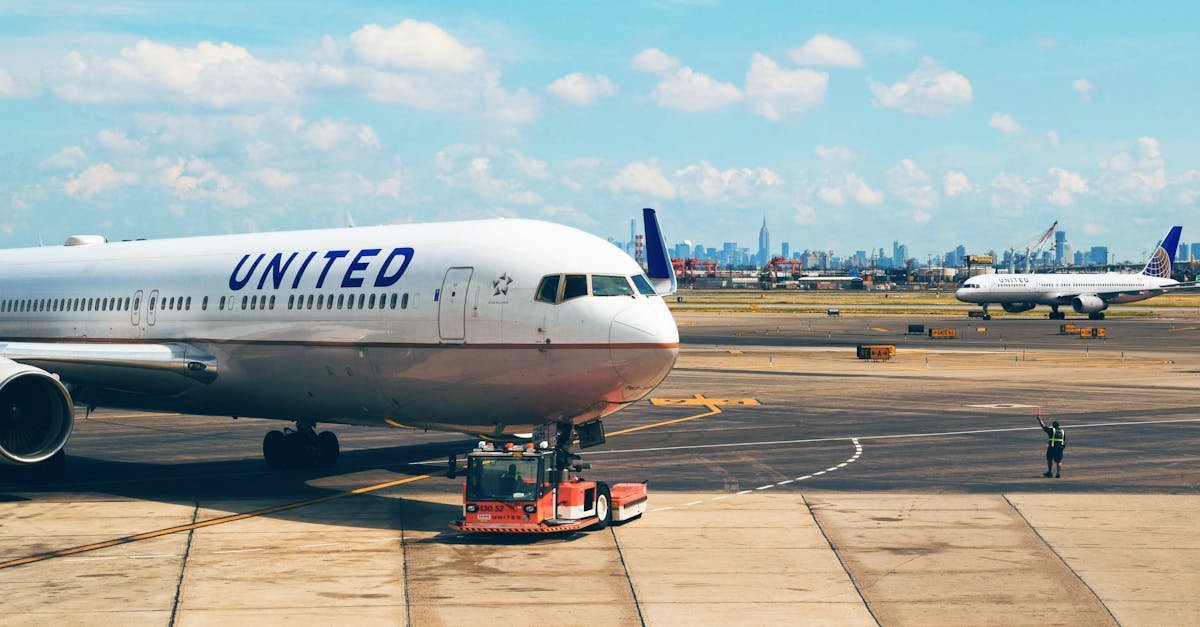
The world of commercial aviation is built on a foundation of strict protocols where even the slightest hint of a threat is handled with extreme caution. This past weekend, United Airlines found itself at the center of two separate security incidents that tested those protocols to their limits. Within a span of just forty eight hours, passengers on two different flights experienced the rare and jarring reality of an emergency evacuation. These events led to hundreds of travelers sliding down inflatable chutes onto the pavement as law enforcement teams and bomb squads raced to the scene.
The first incident occurred on Saturday morning high above the Midwest, while the second took place on a Sunday night at one of the busiest hubs in the country. Both situations involved United Airlines aircraft and both resulted in a full scale emergency response. While the outcomes were ultimately safe, the intensity of these encounters has left many people wondering what exactly happens behind the scenes when a pilot decides to pull the emergency handles.
A Mysterious Sound at Thirty Five Thousand Feet
Everything started on Saturday, April 18, 2026, aboard United Airlines Flight 2092. The Boeing 737 MAX 8 was traveling from Chicago O’Hare International Airport toward New York’s LaGuardia Airport with 159 passengers and six crew members on board. For the first portion of the trip, the flight was entirely routine. However, as the aircraft cruised over Ohio, the flight crew noticed something highly unusual.
According to audio recordings from the cockpit, the pilots reported a sequential beeping sound that seemed to be coming from a specific area near the front of the plane. The sound was steady, occurring at a rate of roughly one beep per second. In the high stakes environment of a cockpit, an unidentified electronic pulse is never ignored. The crew communicated with air traffic control, stating that they were hearing a rhythmic beeping from a suspected item and that they had to treat the situation as a potential bomb threat.
Because the source of the noise could not be verified and was located in a sensitive part of the aircraft, the decision was made to divert immediately. The pilots set a course for Pittsburgh International Airport, which was the nearest facility equipped to handle a major security emergency. As the plane descended, the atmosphere in the cabin remained tense while the flight crew prepared the passengers for a landing that would be anything but normal.
The Rapid Evacuation in Pittsburgh
When United Airlines Flight 2092 touched down in Pittsburgh at approximately 11:45 a.m., it did not taxi to a gate.Instead, it was directed to a remote section of the airfield, far away from the main terminal and other aircraft. This is standard procedure for any flight involving a potential explosive, as it minimizes the risk to airport infrastructure.
The pilots initially asked for mobile stairs to be brought to the plane to get everyone off safely. However, when it became clear that there might be a delay in getting the stairs to that remote location, the captain made a split second decision. To ensure the absolute safety of everyone on board, the order was given to evacuate using the emergency slides.
Social media quickly filled with images of the United Airlines jet sitting alone on the tarmac with all four of its yellow slides deployed. Passengers were seen sliding down the chutes and running across the grass, directed by emergency responders. The Allegheny County Police Bomb Squad and FBI agents were already on site, using K9 units and specialized equipment to sweep the aircraft. After several hours of searching every bag and every inch of the cabin,authorities found no evidence of explosives. The mysterious beeping was eventually attributed to a non threatening electronic device, but the response showed that United Airlines takes no chances when it comes to life and limb.
A Second Scare at Denver International
Just as the news of the Pittsburgh diversion was beginning to settle, a second incident occurred on Sunday evening,April 19, 2026. This time, the focus shifted to Colorado. United Airlines Flight 2408 was prepared to depart from Denver International Airport for Washington Dulles International Airport. The plane was fully loaded with over 200 passengers and seven crew members.
Unlike the Saturday incident which happened in mid air, this threat emerged while the plane was still on the ground.Reports indicate that the aircraft was taxiing toward the runway for takeoff when a security concern was raised. While the exact nature of the threat in Denver was not immediately detailed as clearly as the beeping in the first case, the reaction was just as swift.
The aircraft was ordered to turn around on the tarmac and return to a secure holding area. For several hours, the plane sat grounded while security officials assessed the situation. Passengers reported a high level of confusion, noting that they were told not to open the overhead bins or move about the cabin. Eventually, the decision was made to evacuate this flight as well. While some passengers were able to exit via stairs later in the process, the initial panic and the heavy presence of armored police vehicles created a scene of chaos. Once again, a thorough sweep by the TSA and local police returned negative results, and the plane was cleared of any danger.
The High Cost of Aviation Safety
Whenever United Airlines or any other major carrier deals with a bomb scare, the financial and logistical impact is enormous. Diverting a plane, deploying emergency slides, and calling in federal bomb technicians costs hundreds of thousands of dollars. Beyond the money, the psychological toll on the passengers is significant. Using an emergency slide is not a gentle process; it is a high speed exit that can cause minor scrapes or bruises, and it is only used when the crew believes there is an immediate threat to the hull of the plane.
The fact that two such incidents happened to United Airlines in the same weekend is statistically rare. This has led to questions about whether these were isolated coincidences or if there is a trend of heightened sensitivity in the current travel climate. Aviation experts point out that since the crew cannot know for certain if a threat is a hoax until the plane is on the ground and searched, they must act as if every threat is real.
For the passengers on these flights, the experience was a reminder of how quickly a weekend trip can turn into a national news story. United Airlines provided food, water, and rebooking assistance to those affected, but the memory of sliding down an inflatable chute onto a cold runway is something that will likely stay with those travelers for a long time.
Looking Ahead at Security Protocols
The FBI continues to investigate the origins of the threats that led to these evacuations. They are looking into the possibility of a link between the two events, though currently, there is no evidence suggesting a coordinated effort. The goal of these investigations is to determine if the threats came from inside the cabin or if they were called in from an outside source.
In the wake of these scares, United Airlines has reinforced its commitment to following the guidance of federal authorities and maintaining a zero tolerance policy for security risks. While the disruptions were massive, the primary takeaway is that the safety systems functioned exactly as they were designed to. From the moment the beeping was heard in the cockpit of Flight 2092 to the moment the Denver tarmac was cleared, the priority remained the protection of the people on board.
The aviation industry will likely use these incidents as case studies for future training. They highlight the need for clear communication between pilots and air traffic control, as well as the importance of rapid response teams at major airports. As travelers return to the skies, they can take some comfort in knowing that despite the inconvenience and the fear, the protocols in place are robust enough to handle even the most mysterious sounds and threats.
Reflections on a Tense Weekend
When the dust settled on Monday morning, the two United Airlines planes involved were back in service or undergoing final inspections. The passengers had reached their destinations, albeit much later than planned. While a bomb scare is one of the most frightening things a traveler can experience, the successful evacuations in Pittsburgh and Denver prove that the industry is prepared for the worst. These events serve as a stark reminder that in the world of flight, it is always better to be safe on the ground than uncertain in the air. As investigations move forward, the focus will stay on refining these responses to ensure that the next time a mysterious sound is heard, the outcome is just as safe as it was this weekend.
Leave a Reply