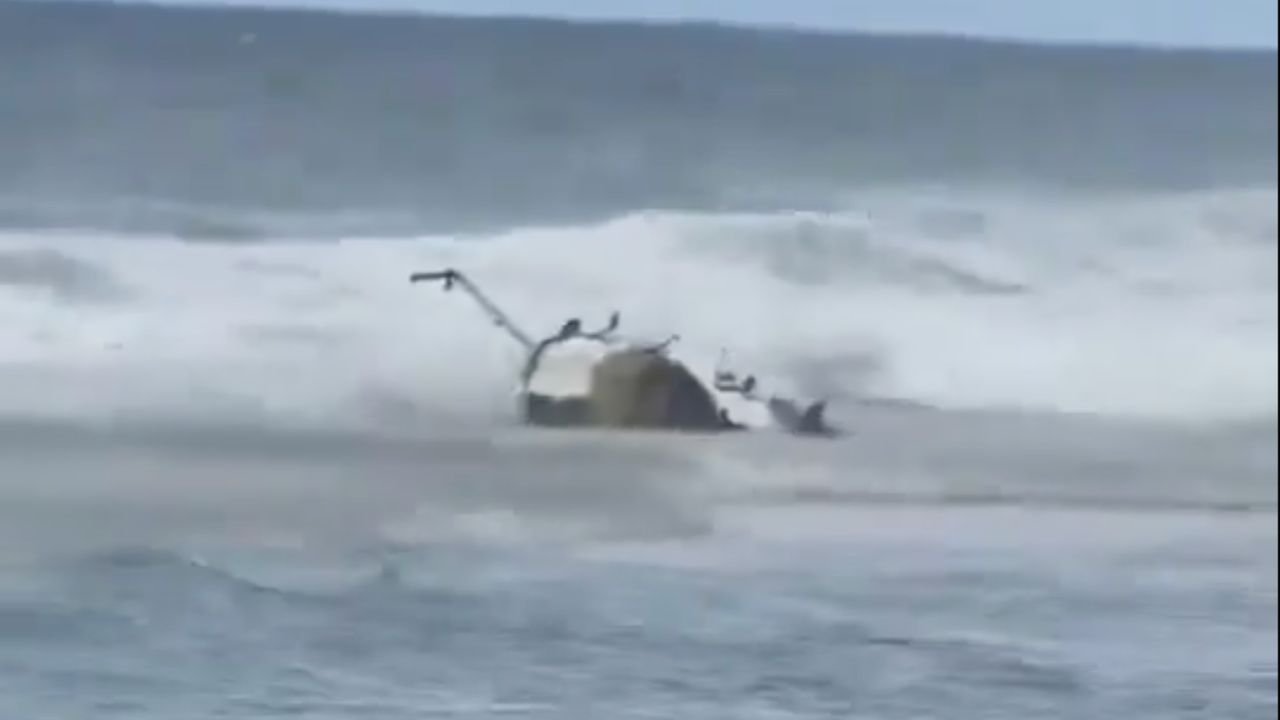
The natural majesty of the Garden Isle was met with tragedy on Thursday, March 26, 2026, when a sightseeing tour ended in a devastating accident. At approximately 3:45 p.m., a Kauai helicopter crash occurred just off the shores of Kalalau Beach, a remote and iconic stretch of the Nā Pali Coast. This incident has sent shockwaves through the local community and raised urgent questions about the safety of air tours in one of the world’s most challenging aviation environments.
The flight was operated by Airborne Aviation, a company well known for its “doors-off” thrill seeker tours. Carrying one pilot and four passengers, the aircraft went down in the water about 100 yards from the sandbar. While the island of Kauai is famous for its dramatic cliffs and emerald valleys, this Kauai helicopter crash serves as a somber reminder of the risks inherent in exploring such rugged terrain from the air.
Immediate Response to the Kauai Helicopter Crash
The emergency began when the Kauai Police Department received a text to 911 message reporting that a helicopter had plunged into the ocean. Because Kalalau Beach is only accessible by boat or by the strenuous 11 mile Kalalau Trail, the rescue operation required an immediate and coordinated air and sea response. Multiple agencies, including the Kauai Fire Department, the U.S. Coast Guard, and Ocean Safety lifeguards, mobilized to reach the site before sunset.
Witnesses on the beach described a harrowing scene as waves began to crash over the fuselage of the downed Hughes 500 helicopter. Good Samaritans who were already at the remote beach joined first responders in pulling individuals from the surf. Despite the rapid arrival of rescue crews, the Kauai helicopter crash resulted in three confirmed fatalities.Two survivors were successfully recovered from the water and stabilized on the sand before being airlifted to Wilcox Medical Center in Lihue for urgent treatment.
Details on the Aircraft and Airborne Aviation
The helicopter involved in this Kauai helicopter crash was a Hughes 500, a model frequently chosen for tour operations due to its agility and excellent visibility for passengers. Airborne Aviation, the operator, has been a fixture on the island since 2009. Prior to this week, the company maintained a strong reputation, often utilized for government contracts, fire response, and search and rescue missions.
This specific tour was part of their popular adventure package, designed to give tourists an unobstructed view of the island’s hidden waterfalls and deep canyons. However, the “doors-off” configuration, while popular for photography, has been a point of discussion in previous aviation safety reviews. Following the Kauai helicopter crash, Airborne Aviation has grounded its fleet to cooperate fully with federal investigators who are looking into the mechanical history of the aircraft and the specific flight conditions on Thursday afternoon.
Understanding the Hazards of the Nā Pali Coast
The location of this Kauai helicopter crash is one of the most beautiful but dangerous flight corridors in Hawaii. The Nā Pali Coast is defined by 3,000 foot cliffs that create unpredictable weather patterns. Even when the weather in Lihue or Princeville appears calm, the wind currents near Kalalau can shift violently.
Pilots navigating this area must contend with “microbursts” and sudden downdrafts that can push a light aircraft toward the ocean with very little warning. History shows that the Nā Pali Coast has been the site of several incidents over the years. The sheer geography leaves almost no room for error if a mechanical failure or a sudden change in visibility occurs. Investigators will likely examine whether these environmental factors played a primary role in the recent Kauai helicopter crash.
The Victims and the Search for Answers
While authorities have confirmed that three people died in the Kauai helicopter crash, the names of the deceased have not been released to the public as officials work to notify their families. The three victims include passengers who had come to the island to enjoy its world class scenery. At the same time, the two survivors remain under medical care at Wilcox Medical Center. Their identities and the full extent of their injuries are currently being protected for privacy.
For the families of those lost, the wait for answers will be a long process. The National Transportation Safety Board (NTSB) and the Federal Aviation Administration (FAA) have already arrived on the island to begin their probe. Their goal is to piece together the final moments of the flight by analyzing GPS data, witness statements, and any available maintenance records. Recovering the wreckage from the ocean floor is a top priority, as it may hold the key to understanding if an engine malfunction led to the Kauai helicopter crash.
A History of Aviation Safety on the Garden Isle
The Kauai helicopter crash on March 26 is unfortunately not an isolated event. Over the last decade, there have been several high profile accidents along the same coastline. In December 2019, a tragic crash claimed the lives of seven people in the same general area, and more recently, in July 2024, another tour helicopter went down near Hanakoa Valley
These repeated incidents have led to a growing debate among residents and lawmakers. Many are calling for stricter regulations on tour flight paths and frequencies. While the tour industry is a major driver of the local economy, the safety of both visitors and pilots is now being scrutinized more than ever. This latest Kauai helicopter crash is expected to accelerate discussions regarding mandatory safety equipment and pilot training specific to the unique topography of the North Shore.
The Impact on the Local Kauai Community
Kauaʻi is an island built on the concept of “ohana” or family. When a Kauai helicopter crash occurs, the impact is felt far beyond the tourism sector. The first responders who fly the rescue missions are often friends or neighbors of the tour pilots. The community has already begun to show its support, with local businesses and residents offering help to the families of the victims.
Mayor Derek Kawakami expressed his gratitude to the Coast Guard and local teams who worked tirelessly in the wake of the accident. The island remains in a state of mourning as it waits for more details to emerge. For many residents, the sound of helicopter rotors overhead, once a symbol of the island’s vibrant tourism, now brings a sense of unease following this latest tragedy.
Moving Toward a Safer Future in the Skies
The investigation into the Kauai helicopter crash will eventually result in a final report that identifies the probable cause. This document is vital for the entire aviation industry, as it often leads to new safety mandates that can prevent future loss of life. Whether the cause is determined to be mechanical failure, pilot error, or environmental factors, the findings will be used to update protocols for all operators in Hawaii.
In the meantime, the recovery of the Hughes 500 fuselage will provide physical evidence for the NTSB. The process of lifting an aircraft from the Pacific is complex and depends heavily on ocean conditions. Until that work is finished and the survivors are able to provide their accounts, the full story of the Kauai helicopter crash remains incomplete. The focus for now remains on the victims, their families, and the two individuals fighting to recover from a day that was supposed to be the highlight of their Hawaiian vacation.
Looking Ahead to the Official Investigation Findings
As the debris is cleared and the investigation moves into its next phase, the NTSB will release a preliminary report within a few weeks. This document will outline the basic facts of the Kauai helicopter crash without assigning a definitive cause. For those seeking closure, this will be the first step in a long legal and emotional journey. The people of Kauai and the thousands of tourists who visit each year are hopeful that these findings will lead to a safer era for island aviation.
Leave a Reply