
The morning sky over Minas Gerais turned into a scene of chaos and heartbreak when a small plane came down in a residential area of Belo Horizonte. This event has sent shockwaves through the local community and the wider aviation world. It is a stark reminder of the risks that come with urban flight paths and the thin line between a routine takeoff and a sudden disaster.
The Sequence of Events in the Belo Horizonte Plane Crash
The flight began at Pampulha Airport, a hub well known for its proximity to densely populated neighborhoods. Shortly after the wheels left the ground, witnesses reported hearing a sputtering sound from the engine. The aircraft, a small private model, struggled to gain the necessary altitude to clear the surrounding structures. People on the ground watched in horror as the plane banked sharply, a move that many experts believe was a desperate attempt by the pilot to find a clear patch of land or a street for an emergency landing.
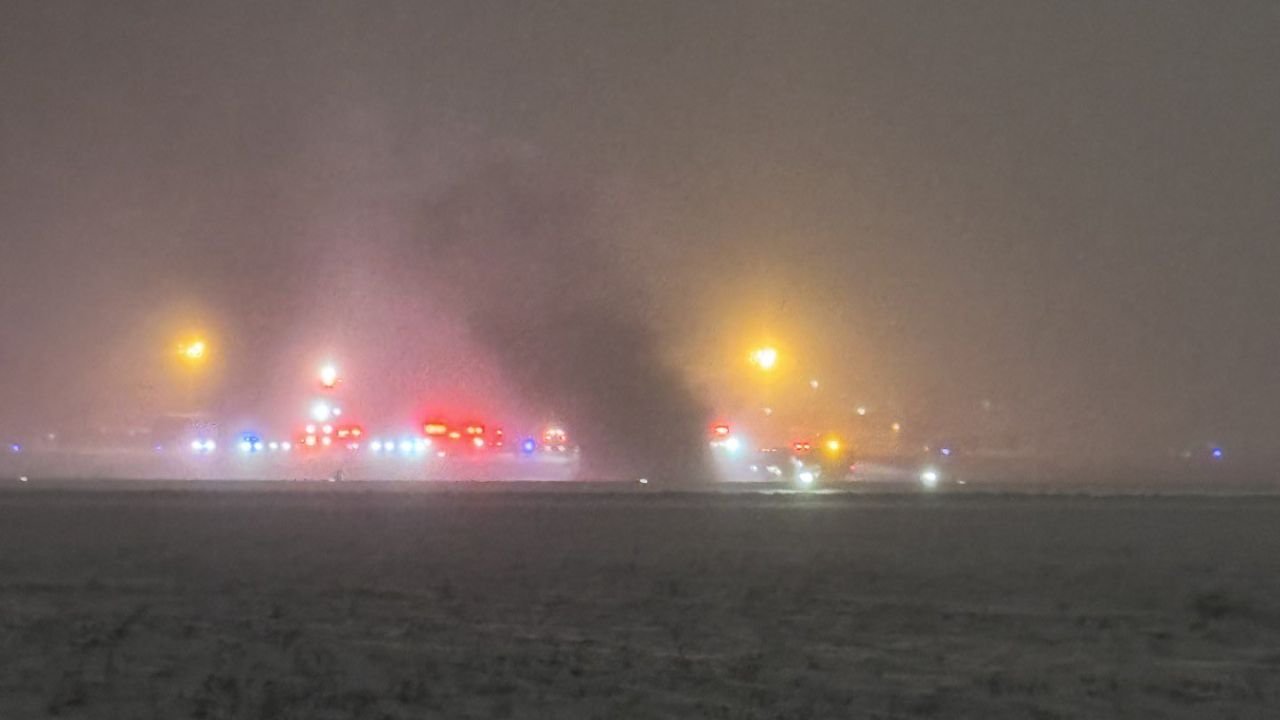
Unfortunately, the plane did not make it to an open space. It struck a residential building, specifically hitting the area near the rooftop and the upper floor stairwell. The impact was followed by a loud explosion and a plume of thick black smoke that could be seen from miles away. Emergency responders from the local fire department and medical teams arrived within minutes to find a scene of total devastation. The wreckage was tangled with the building structure, making the rescue efforts incredibly dangerous and difficult.
The toll of the Belo Horizonte plane crash was immediate. Two individuals on board, identified as the pilot and the co-pilot, lost their lives in the crash. Two other passengers were pulled from the burning metal in critical condition and rushed to the nearest trauma center. Residents of the building were evacuated quickly, and while many were treated for shock and minor smoke inhalation, the physical damage to their homes will take months to repair.
Uncovering Why the Belo Horizonte Plane Crash Occurred
Whenever an aircraft goes down, the first question everyone asks is why. Investigating the Belo Horizonte plane crash requires a meticulous look at several different factors. The primary focus for the aeronautical authorities is currently on mechanical failure. The reports of engine trouble immediately after takeoff suggest that the plane may have lost power at the most critical phase of flight, which is the initial climb.
Weather conditions at the time were reportedly clear, which largely rules out heavy rain or wind shear as a primary cause. This leaves the maintenance history of the aircraft under the microscope. Investigators are currently sifting through logbooks to see when the engine was last serviced and if there were any recurring issues with this specific tail number. There is also the possibility of fuel contamination, a silent killer in general aviation that can cause engines to quit without warning.
Another angle being looked at is the weight and balance of the plane. Small aircraft are very sensitive to how much fuel and cargo they carry. If the plane was even slightly over its maximum takeoff weight, it would have had a much harder time recovering from an engine sputter. The final report will take months to complete, but the early evidence points toward a catastrophic technical malfunction that left the crew with almost no time to react.
Why the Belo Horizonte Plane Crash Matters to the Public
This tragedy is not just a local news story; it carries significant weight for urban planning and aviation safety across Brazil. Belo Horizonte is a city where the airport is surrounded by homes, schools, and businesses. The Belo Horizonte plane crash has reignited a fierce debate about whether airports like Pampulha should continue to handle certain types of traffic or if stricter flight paths should be enforced to protect the people living below.
For the residents of the city, this is a matter of basic safety. Living under a flight path always carries a small amount of risk, but seeing a plane actually hit a building makes that risk feel very real and very personal. It raises questions about the value of human life versus the convenience of having an airport close to the city center.
Furthermore, the Belo Horizonte plane crash highlights the challenges faced by general aviation in Brazil. Unlike large commercial airlines that have massive budgets for maintenance and safety, smaller private operators sometimes struggle with the rising costs of parts and specialized labor. This crash serves as a wake-up call for the entire industry to double down on safety protocols and pilot training for emergency procedures in urban environments.
Looking Ahead After the Belo Horizonte Plane Crash
In the wake of such an event, the immediate priority is support for the victims and their families. The two survivors face a long road to recovery, and the families of the deceased pilots are searching for answers. Meanwhile, the structural integrity of the building involved must be assessed. Engineers are on site to determine if the impact caused permanent damage to the foundation or if the upper floors can be safely rebuilt.
On the regulatory side, we can expect a temporary shift in how flights are handled at Pampulha Airport. There may be new restrictions on takeoff weights or even a temporary ban on certain types of private aircraft until the preliminary findings of the investigation are released. The Brazilian Air Force, which usually handles these investigations, will be under pressure to provide a transparent and thorough account of what went wrong.
The local government is also likely to hold public hearings. People are angry and scared, and they want to know what is being done to prevent a repeat of the Belo Horizonte plane crash. These meetings will likely involve discussions about zoning laws and perhaps even the long term future of the airport itself.
Professional Perspectives on the Belo Horizonte Plane Crash
Aviation analysts often look at these incidents through the lens of a Swiss Cheese model, where multiple small failures line up to create a disaster. In the Belo Horizonte plane crash, it was likely a combination of a mechanical glitch, a low altitude environment, and a lack of emergency landing spots. Pilots are trained to always have a place to go if the engine fails, but in a dense city like this, those places are few and far between.
One expert noted that the pilot likely did everything possible to avoid a direct hit on a more crowded part of the building. By hitting the stairwell area, the damage to the living quarters was somewhat limited compared to what could have happened if the plane had flown directly into the center of the structure. This split second decision making is what pilots are paid for, even if the outcome was still tragic.
The focus now shifts to the black box data and the wreckage recovery. Because the plane was small, it might not have carried a flight data recorder like a large jet, so the investigation will rely heavily on physical evidence and radio transcripts. Every bolt and wire will be checked for signs of fatigue or heat damage.
The Long Path to Safety and Recovery
The community will eventually heal, but the memory of the Belo Horizonte plane crash will remain in the skyline of the city for a long time. It is a reminder that while flying is generally very safe, there is no room for error when things go wrong in a crowded area. The lessons learned from this crash will hopefully lead to better maintenance, smarter urban planning, and ultimately, a safer sky for everyone.
As the investigation continues, the focus remains on the bravery of the first responders and the resilience of the neighbors who rushed to help. The stories of people helping each other during the fire show the best of the human spirit in the face of a terrible accident. Moving forward, the goal must be to ensure that no other family has to wake up to the sound of a plane coming down in their neighborhood.
Leave a Reply