Category: Airlines

  • Mystery Surrounds Fatal Frontier Airlines Runway Incident: Identity Withheld After Denver Runway Death

    Mystery Surrounds Fatal Frontier Airlines Runway Incident: Identity Withheld After Denver Runway Death

    The aviation community and the public are currently processing a deeply unsettling event that took place at Denver International Airport. Late on a Friday night, what should have been a standard departure turned into a tragic scene that has left investigators searching for answers. A person was struck and killed by a Frontier Airlines plane as it was accelerating for takeoff, leading to an emergency situation that forced over two hundred people to flee the aircraft. As the investigation enters its first full week, the mystery of who the individual was and how they managed to reach a secure runway remains the central focus of local and federal authorities.+1

    The Details of the Collision on Runway 17L

    The event occurred around 11:19 p.m. as Frontier Airlines flight 4345 was beginning its journey to Los Angeles International Airport. The aircraft, an Airbus A321, was carrying 224 passengers and seven crew members when the pilots felt a sudden, significant impact. According to reports from the flight deck, the crew realized immediately that they had struck something on the runway. The pilot quickly notified the control tower, stating that they were stopping the plane and reporting an engine fire.+2

    The collision was violent enough to be felt throughout the cabin. Passengers described a jarring sensation that felt like the plane had momentarily left the ground before slamming back down. In the moments following the impact, the cabin began to fill with smoke, and sparks were seen flying from one of the engines. This sparked immediate panic among the travelers, many of whom feared the plane might explode. The flight crew made the decision to initiate an emergency evacuation right there on the tarmac.

    Why This Unprecedented Breach Occurred

    One of the biggest questions surrounding this Frontier Airlines incident is how a pedestrian managed to get onto one of the busiest runways in the United States. Early reports from airport officials and the Department of Transportation indicate that the individual was a trespasser. This person reportedly jumped a perimeter fence and entered the airfield.Surveillance data suggests the individual was on the airport grounds for only about two minutes before being struck by the accelerating jet.+2

    Denver International Airport is a massive facility with miles of security fencing, lighting, and patrol units. Despite these measures, the trespasser was able to scale the barrier and reach the high speed takeoff zone of Runway 17L. The U.S. Transportation Secretary described the act as a deliberate breach by someone who ran directly into the path of the Frontier Airlines flight. Why this person chose to enter the airfield remains unknown, as they were not an employee and had no authorized reason to be near the active runways.+1

    Why This Tragedy Matters for Aviation Safety

    This event is more than just a localized accident; it represents a significant concern for the entire aviation industry. While most safety discussions focus on mechanical failures or pilot error, this Frontier Airlines collision highlights a vulnerability in ground security. If a single person can reach a runway in two minutes, it raises alarms about the potential for more coordinated or malicious breaches.

    Furthermore, the aftermath of the collision revealed challenges in emergency procedures. While the flight crew worked to keep everyone calm, the evacuation via emergency slides was described by some passengers as chaotic. Reports indicate that twelve people suffered minor injuries during the exit, with five requiring hospitalization. Some passengers expressed frustration at being left on the cold tarmac for an extended period after fleeing the smoke filled cabin. These details are now being scrutinized to see if current evacuation protocols are sufficient for incidents involving high speed collisions during the takeoff roll.

    What Happens Next in the Investigation

    The National Transportation Safety Board has stepped in to lead the inquiry into the operational aspects of the flight.Their team is currently gathering data from the aircraft’s flight recorders and interviewing the Frontier Airlines crew. They want to understand the exact timeline from the moment of impact to the deployment of the emergency slides. They are also looking closely at the engine fire and smoke reported by the pilots to determine if it was a direct result of the collision or a secondary mechanical failure triggered by the emergency braking.

    Simultaneously, the Denver Police Department and the Transportation Security Administration are focusing on the security lapse. They are reviewing every inch of the perimeter fence to find the exact point of entry and determine if any sensors failed to alert security personnel. The Denver Office of the Medical Examiner is also working to confirm the identity of the person killed. Once the family is notified, their name will be released, which may provide more clues about the motivation behind their presence on the runway.+1

    Understanding the Operational Impact

    From an expert perspective, this incident is a rare “black swan” event in aviation. Pilots are trained for bird strikes and mechanical issues during takeoff, but hitting a person at high speed is an incredibly traumatic and difficult scenario to manage. The pilots of the Frontier Airlines flight had to make a split second decision to abort a takeoff at a speed where stopping is often more dangerous than continuing. By choosing to stop, they likely prevented the aircraft from becoming airborne with a damaged engine and unknown structural integrity.

    The presence of smoke in the cabin suggests that debris or fluids from the collision may have been ingested into the engine or the air conditioning system. This explains why the evacuation was so urgent. For Frontier Airlines, the focus now shifts to supporting the crew and passengers while cooperating with a multi-agency probe. This case will likely lead to a nationwide review of airport perimeter security, specifically focusing on how to detect and stop trespassers before they can ever reach an active taxiway or runway.

    A Focus on Future Prevention

    As the community mourns the loss of life and the trauma experienced by those on board, the goal for the coming months will be prevention. Security experts suggest that thermal imaging and advanced ground radar might need to be expanded to cover more of the airport’s outer boundaries. While the actions of one person caused this tragedy, the industry must ensure that a single breach cannot lead to such a catastrophic outcome again. For now, the Frontier Airlines aircraft remains out of service as a piece of evidence in an investigation that has shaken the city of Denver and the wider world of travel.
  • Turkish Airlines Kathmandu Incident: What Happened After Landing?

    Turkish Airlines Kathmandu Incident: What Happened After Landing?

    The safety of air travel often relies on a mix of high technology and the quick thinking of ground crews. This was put to the test recently at Tribhuvan International Airport in Kathmandu. On a Monday morning that began like any other, a Turkish Airlines flight arriving from Istanbul turned into a scene of urgent emergency action. The event reminded the world of the unique challenges faced by pilots landing in the high altitude terrain of Nepal. This article looks at the details of the Turkish Airlines event, the reasons behind it, and what it teaches the aviation industry about safety in mountainous regions.

    The Morning Of The Incident

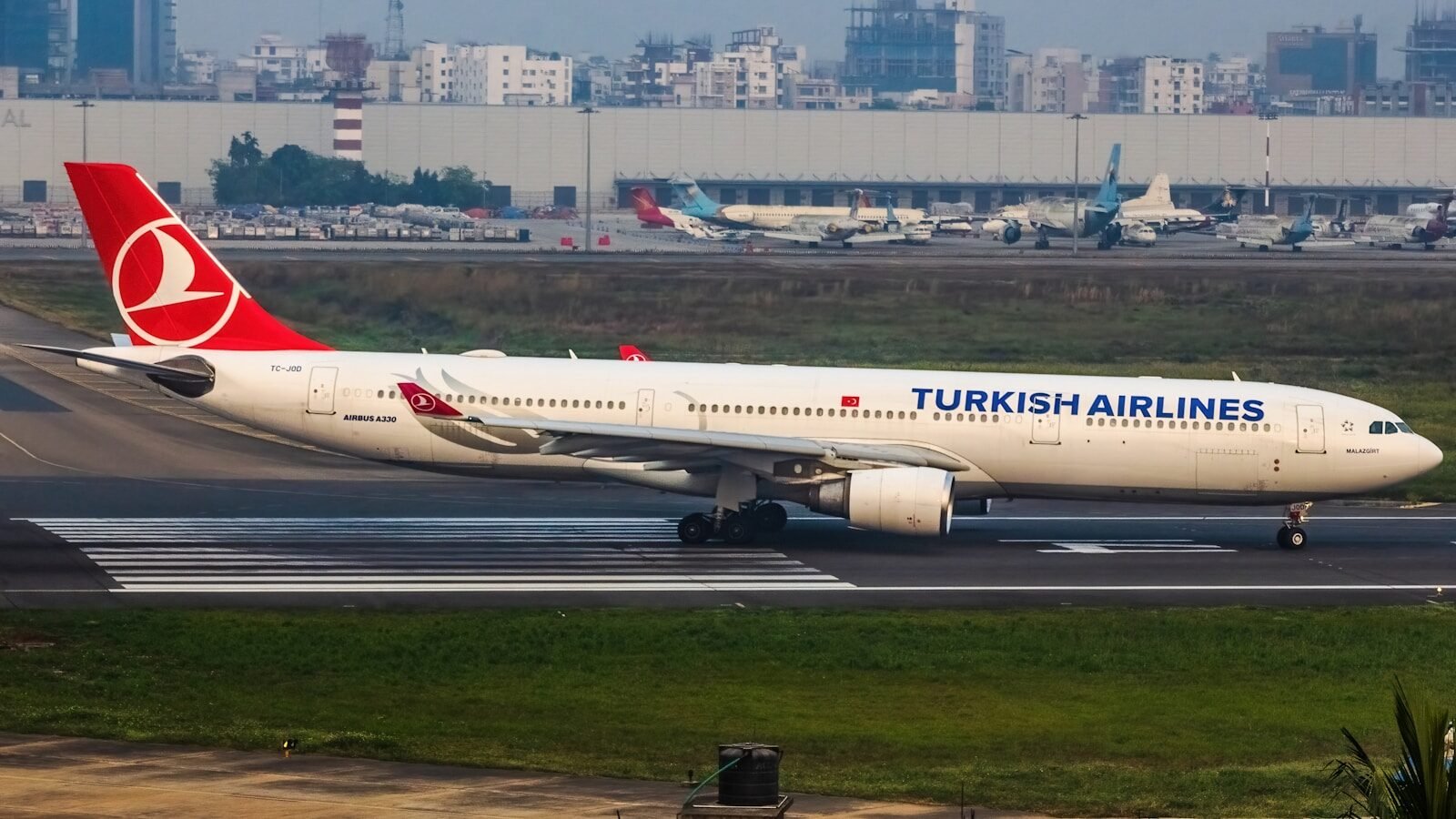
    The event took place at approximately 6:45 am on May 11, 2026. Turkish Airlines flight TK726 was completing its journey from Istanbul to Kathmandu. On board the Airbus A330 were 277 passengers and 11 crew members. As the aircraft made contact with the runway, observers and airport staff noticed smoke and flames coming from the right rear landing gear. The sight of fire during the high speed landing roll triggered an immediate response from the airport fire department.

    As soon as the plane came to a halt, the flight crew initiated emergency evacuation procedures. Passengers were directed to leave the aircraft using the emergency inflatable slides. While the evacuation was happening, fire engines reached the scene and began dousing the landing gear with water and foam to prevent the flames from spreading to the rest of the plane. Thankfully, all 288 people on board were evacuated safely. While a few passengers reported minor scrapes from the slides, there were no serious injuries. The airport was forced to shut down its only runway for over an hour, causing delays for several other international flights that were circling the valley or diverted to other cities.

    Understanding Why The Fire Started

    Initial reports from the Civil Aviation Authority of Nepal suggest that the fire was linked to a tyre burst during the touchdown. When a tyre on a large aircraft like the Airbus A330 bursts at high speeds, the friction between the metal wheel and the runway surface can generate intense heat. This heat often ignites hydraulic fluids or the rubber remains of the tyre itself. In the case of this Turkish Airlines flight, the quick arrival of the fire crews was the only thing that stopped a small wheel fire from becoming a much larger disaster.

    There are several factors that might contribute to such an occurrence. The runway at Kathmandu is known for being demanding due to its length and the atmospheric pressure at high altitudes. If the Turkish Airlines aircraft had to brake harder than usual due to weather or runway conditions, the braking system might have reached temperatures high enough to trigger a fire. Technical teams are currently looking into whether there was a mechanical failure in the braking system or if the tyre itself had a structural weakness.

    The Significance Of The Event For Nepal

    This is not the first time Turkish Airlines has faced a difficult landing in Kathmandu. Back in 2015, another Turkish Airlines aircraft skidded off the slippery runway in dense fog. That incident shut the airport down for several days and required specialized equipment from abroad to move the plane. Because Kathmandu has only one runway for both domestic and international flights, any minor issue with a Turkish Airlines flight or any other carrier can paralyze the entire country’s air link to the world.

    The latest event matters because it highlights the narrow margin for error at Tribhuvan International Airport. It raises questions about whether the airport needs better runway maintenance or if airlines need to adjust their landing protocols for this specific location. For Turkish Airlines, maintaining a strong safety record is vital, and this incident will lead to a thorough internal review of their operations in high altitude environments.

    Looking Toward The Future Of Flight Safety

    In the days following the event, the focus has shifted to the technical inspection of the aircraft. The Turkish Airlines Airbus A330 was moved to a hangar where experts from the airline and the aviation authority are examining the landing gear. They will look at the flight data recorder to see exactly how the plane touched down and how the brakes were applied.

    Going forward, we can expect to see more rigorous checks for flights heading into Kathmandu. Turkish Airlines might implement new training modules for pilots that specifically focus on managing brake temperatures during descents into Nepal. Furthermore, the local aviation authorities are under pressure to improve the emergency response times and perhaps look into expanding the taxiway areas so that a disabled aircraft does not block the entire runway for other travelers.

    Analysis Of The Aviation Challenges In Nepal

    Navigating the skies over Nepal is a task that requires immense skill and preparation. The terrain is some of the most difficult in the world, and the weather can change in a matter of minutes. When we analyze the Turkish Airlines situation, we see a combination of environmental pressure and mechanical stress. The landing gear of an aircraft is its most stressed component during the final seconds of a flight, and in a place like Kathmandu, those stresses are magnified.

    From an expert perspective, the successful evacuation of the Turkish Airlines flight is a testament to the crew’s training. The decision to use slides is never taken lightly, as it carries a risk of minor injury, but it is the right call when fire is present. The fact that the fire was contained so quickly shows that the airport has improved its emergency readiness since the 2015 mishap. However, the recurring nature of these incidents suggests that the aviation industry must continue to respect the unique physics of flying in the Himalayas.

    Moving Beyond The Emergency

    As the investigation continues, the primary goal for all parties is to ensure that such a fire does not happen again. For the passengers who were on that Turkish Airlines flight, the experience was undoubtedly frightening, yet the outcome was the best possible under the circumstances. The aircraft will likely be repaired and returned to service after a full certification of its landing systems.

    For the broader traveling public, this event serves as a reminder of the complexity of international aviation. Every time a Turkish Airlines jet lands safely in a challenging environment, it is the result of thousands of hours of maintenance and training. While the fire on the runway was a dramatic moment, the efficiency of the rescue operation proves that safety protocols are working. The industry will take the lessons learned from this Monday morning in Kathmandu and use them to make the next flight even safer for everyone involved.

  • Why Ryanair Loves The Boeing 737 MAX?

    Why Ryanair Loves The Boeing 737 MAX?

    The aviation industry is often a game of razor-thin margins and massive logistical puzzles. In this high-stakes environment, Ryanair has carved out a dominant position by sticking to a very specific playbook. Central to that strategy is a deep-seated commitment to a single aircraft family. While other airlines juggle various models from different manufacturers, Ryanair has doubled down on its partnership with Boeing. This loyalty is not just about tradition; it is a calculated business move that hinges on the efficiency of one particular jet. By understanding why Ryanair loves the Boeing 737 MAX, we can see how the airline plans to dominate European skies for the next decade.

    A Massive Investment In The Gamechanger Fleet

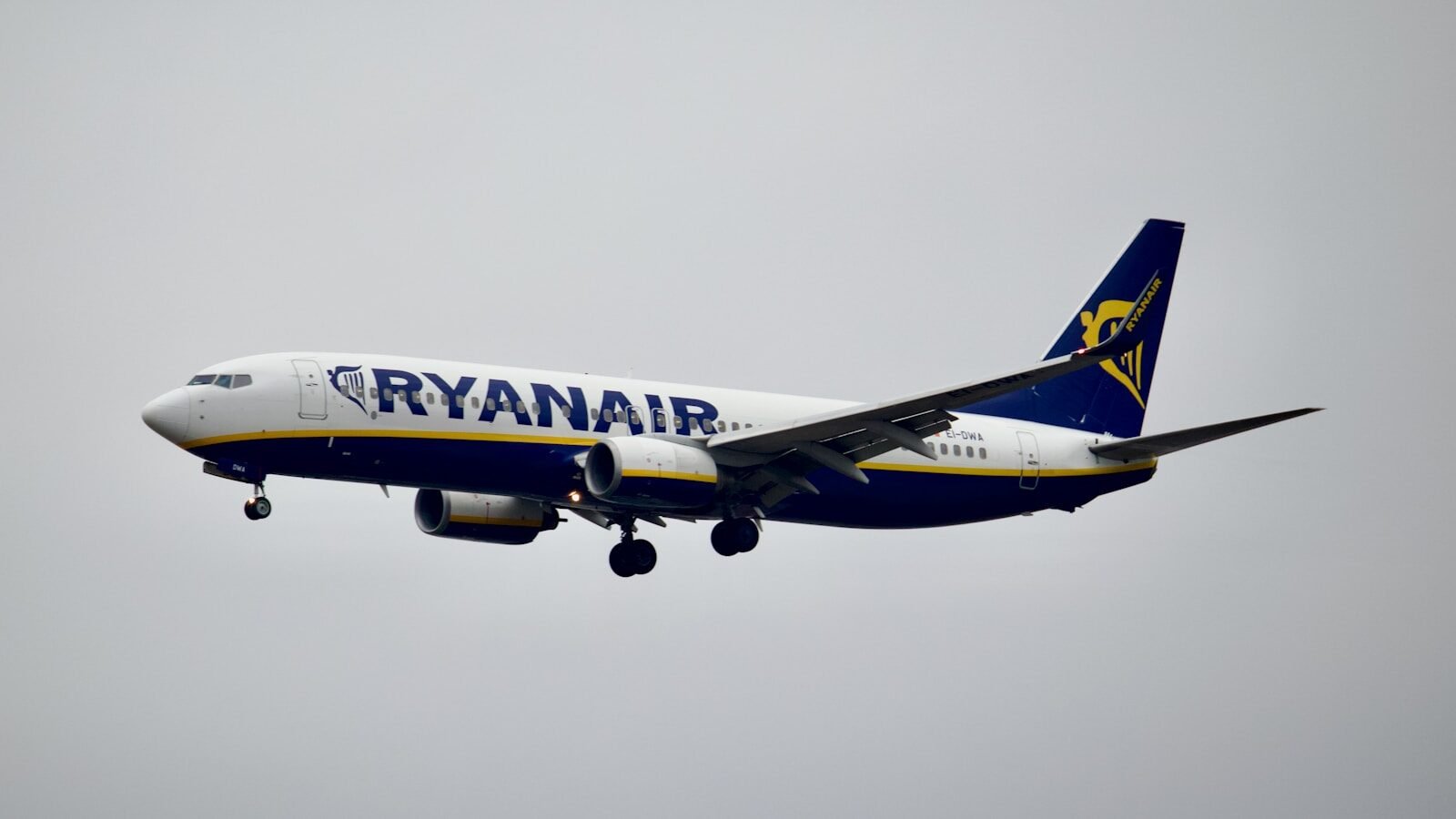
    The relationship between Ryanair and the Boeing 737 MAX has been a saga of patience and bold financial bets. It began years ago when the airline placed a massive order for a special version of the jet, which they eventually dubbed the Gamechanger. This specific model, known technically as the 737-8-200, was designed with Ryanair’s feedback in mind. It features additional exit doors that allow for a higher passenger count than the standard version of the plane.

    Throughout the early 2020s, despite global grounding issues and delivery delays that affected the entire industry, Ryanair stayed the course. They did not cancel their orders or switch to competitors like Airbus. Instead, they used the downtime to negotiate better deals and prepare their infrastructure. As of 2026, the airline has successfully integrated hundreds of these aircraft into its fleet. This massive influx of new technology has allowed them to retire older, less efficient planes and expand their reach into new markets across Europe and North Africa.

    The Financial Logic Of More Seats And Less Fuel

    To understand the motivation behind this partnership, you have to look at the math that governs low-cost flying. The Boeing 737 MAX offers a combination of features that perfectly align with Ryanair’s ultra-low-cost carrier model. The primary driver is seating capacity. While the older 737-800 models carried 189 passengers, the new MAX 8-200 variant carries 197. Adding eight seats to every single flight might sound small, but when you operate thousands of flights a day, those extra tickets represent a massive boost in potential revenue without adding significant costs.

    Furthermore, the technical improvements in the MAX series provide substantial savings on the airline’s biggest expense: fuel. The advanced Leap-1B engines and aerodynamic winglets allow the plane to burn roughly 16% less fuel per seat compared to previous generations. Additionally, the aircraft is significantly quieter, which helps the airline avoid high noise-related landing fees at major European airports. This combination of more seats and lower operating costs creates a unit cost advantage that is incredibly difficult for competitors to match.

    Why Technical Standardization Is The Secret Weapon

    The reason why Ryanair loves the Boeing 737 MAX so much is that it provides a protective shield against economic volatility. When fuel prices spike or inflation hits the travel sector, Ryanair’s lower cost base allows them to keep ticket prices lower than anyone else. This keeps their planes full while legacy carriers struggle to break even. For the passenger, this means the continuation of affordable fares that have made air travel accessible to millions.

    Operational simplicity is another major factor. By sticking almost exclusively to the Boeing 737 family, Ryanair saves a fortune on administrative and maintenance costs. Their pilots only need to be trained on one primary cockpit layout. Their engineers only need to stock parts for one type of engine and airframe. If a flight in London is canceled due to a mechanical issue, any spare aircraft in the vicinity can step in because every plane in the fleet operates the same way. This level of standardization is the secret sauce that keeps their massive operation running like clockwork.

    Preparing For The Arrival Of The MAX 10

    The story does not end with the current fleet. Ryanair has already moved toward the next phase of its growth by placing orders for the even larger Boeing 737 MAX 10. These aircraft are expected to start arriving in early 2027 and will carry up to 228 passengers. This will further lower the cost per seat, allowing Ryanair to squeeze even more efficiency out of its busiest routes.

    As the airline moves toward its goal of carrying 300 million passengers annually by 2034, the Boeing 737 MAX will be the workhorse that gets them there. We are likely to see Ryanair expand further into primary airports where they previously could not compete, using the quietness and efficiency of the MAX to win over local regulators and slot coordinators. The airline is also focusing heavily on sustainability goals, and the reduced carbon footprint of these new jets is central to their environmental strategy and compliance with tightening European laws.

    How This Strategy Reshapes The European Sky

    Looking at this from a strategic perspective, the bond between these two companies is a rare example of perfect corporate synergy. Ryanair provides Boeing with a reliable, high-volume customer that can weather industry storms, while Boeing provides Ryanair with a customized tool built for maximum profit. The decision to brand the aircraft as the Gamechanger was a smart move to focus on the modern interior and environmental benefits.

    The most impressive part of this strategy is how it creates a barrier around Ryanair’s business. Most airlines have to choose between being a premium carrier with high costs or a budget carrier with limited reach. Ryanair is using the MAX to be a budget carrier that can afford to fly into expensive, high-demand airports because their per-seat cost is so much lower than the airline in the next gate. As long as they maintain this technical edge, their position as the leader of European travel seems virtually unshakeable.

  • Will Pilot Shortage Get Worse For United, American Airlines and others in the Next 5 Years?

    Will Pilot Shortage Get Worse For United, American Airlines and others in the Next 5 Years?

    The aviation industry is currently facing a massive hurdle that could change how we travel for years. If you have been following the news about major carriers like United and American Airlines, you might have noticed a recurring theme of flight delays or cancellations. At the heart of these issues is a simple but deep problem: there are not enough people to fly the planes. As we look toward the next five years, the big question is whether this gap will close or if the pilot shortage will get worse.

    The current state of the cockpit

    To understand the future, we have to look at the present. The industry has entered 2026 in a precarious spot. While travel demand has surged back to record levels, the supply of qualified pilots has not kept pace. Major airlines like United and American are currently in a hiring frenzy, trying to bring in thousands of new pilots every single year.However, they are not just competing against each other; they are competing against time and a thinning pool of experienced talent.

    Research suggests that 2026 is actually the peak of the crisis. Forecasters indicate that the global gap between the number of pilots needed and the number available is roughly 24,000. Even with aggressive recruiting, the numbers just do not add up yet. The pressure is most visible at the regional level, where smaller airlines that feed into the big hubs are struggling to keep their schedules intact. When a regional carrier does not have enough crew, it cannot send passengers to the big cities, and the entire system starts to feel the strain.

    Why the gap has become a canyon

    A few different factors have crashed into each other to create this mess. First, there is the mandatory retirement age. In the United States, the law says commercial pilots must hang up their wings at 65. We are currently seeing a huge wave of retirements from the baby boomer generation. These are the most experienced captains in the sky, and they are leaving the workforce by the thousands.

    Then there is the training bottleneck. It takes a long time and a lot of money to become a commercial pilot. You cannot just decide to do it and start work next month. It takes years of flight hours and expensive schooling. During the recent global health crisis, many flight schools slowed down or closed, which paused the pipeline of new students.

    Finally, we have to talk about the planes themselves. Companies like Boeing have faced significant delays in delivering new aircraft. While you might think fewer planes means less need for pilots, it actually complicates things. Airlines have to keep older, more maintenance-heavy planes in the air, and they have to constantly shuffle their crews to match changing fleet schedules. This inefficiency makes the existing shortage feel even more intense.

    Why this matters for the average traveler

    If you are someone who flies once a year for a holiday or every week for business, the pilot shortage is not just an industry statistic. It has real-world consequences for your wallet and your schedule. When airlines have fewer pilots, they have to fly fewer routes. This usually means that flights to smaller, more rural cities get cut first. If you live in a town that relies on a regional link to a major hub, you might find that your only flight option has been canceled.

    Limited supply also leads to higher prices. Airlines are spending record amounts on pilot salaries to keep their staff from leaving for competitors. Some senior captains are now making more than $400,000 a year. While that is great for the pilots, those costs eventually show up in the price of your ticket. If United or American Airlines has to pay significantly more to keep their planes moving, they will pass those costs on to the passengers.

    Looking toward the end of the decade

    As we move past 2026 and into the late 2020s, there is a glimmer of hope, but the pilot shortage will get worse before it truly stabilizes. The peak we are seeing now will likely linger for another two or three years. Even though more people are entering flight school today, it will take them several years to earn the 1,500 flight hours required to sit in a commercial cockpit.

    We might also see changes in the law. There has been a lot of talk about raising the retirement age from 65 to 67. If that happens, it would provide an immediate boost by keeping veteran pilots in the air for two more years. However, this is a hot topic with a lot of debate around safety and international regulations. For now, the industry is operating under the assumption that the current rules stay in place, meaning the exit of senior pilots will continue at a steady clip through 2028.

    Deep dive into the American Airlines and other carriers’ strategy

    The major carriers are not just sitting around waiting for the government to help. They are getting creative. United Airlines, for example, has opened its own flight academy to train pilots from the ground up. By taking control of the education process, they can ensure a steady stream of new hires who are already familiar with their specific systems.

    American Airlines and others are also leaning heavily on their regional partners. They are offering massive sign-on bonuses, sometimes reaching six figures, just to get pilots to commit to a few years of service. This has turned the job market into a game of musical chairs. A pilot might start at a small regional carrier, get a huge bonus, and then get poached by a major airline just a year later. This “trickle-up” effect is why the pilot shortage will get worse for the smaller communities even as the big airlines start to find their footing.

    Navigating the years ahead

    The next five years will be a period of transition. We are moving from a world where being a pilot was a stable, traditional career to one where it is a high-demand, high-tech profession with rapidly rising pay. For the airlines, the focus will be on retention. It is much cheaper to keep a pilot you already have than to find and train a new one.

    For the traveler, the best advice is to expect the unexpected. Until the training pipeline catches up with the retirement wave, flight schedules will likely remain tight. The pilot shortage will get worse in terms of service reliability to smaller markets, even if the total number of pilots in the country starts to climb. The industry is essentially rebuilding its foundation while the house is still full of guests. It is a difficult balancing act, and while the turbulence will eventually settle, the next few years will definitely be a bumpy ride for everyone involved.

  • Boeing 787 Order Surge: El Al and Ethiopian Airlines Massive New Aircraft Orders

    Boeing 787 Order Surge: El Al and Ethiopian Airlines Massive New Aircraft Orders

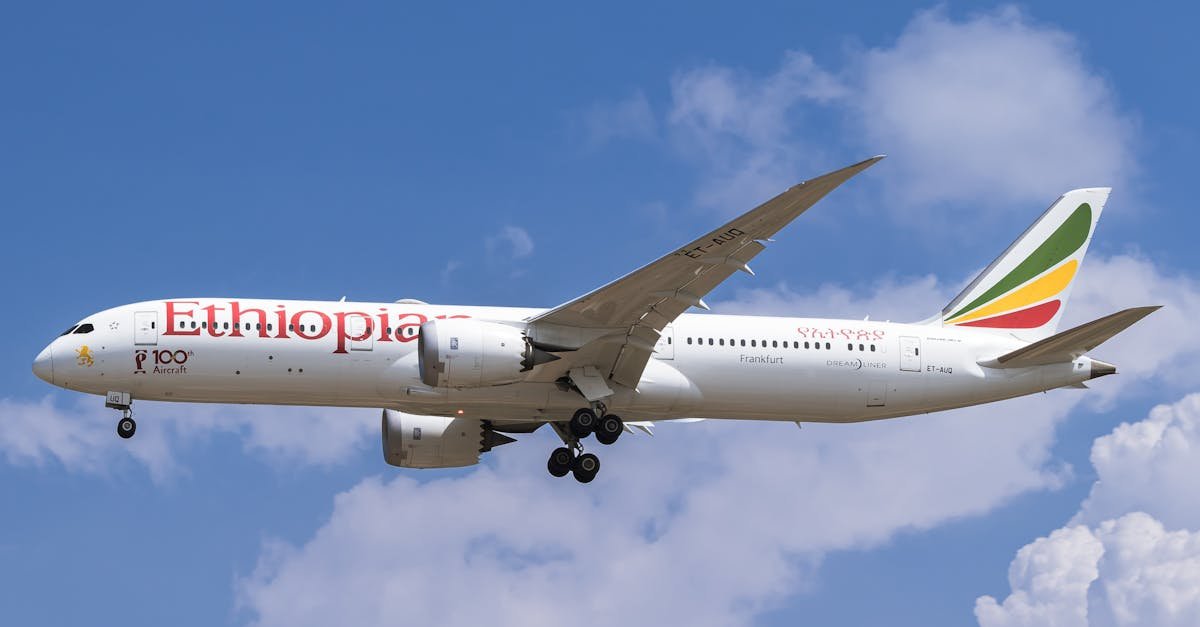
    The landscape of international aviation is shifting as two major flag carriers announce significant expansions to their long haul fleets. Boeing recently secured substantial commitments from El Al Israel Airlines and Ethiopian Airlines, both of which are doubling down on the Boeing 787 Dreamliner family. These deals represent a major vote of confidence in American aerospace manufacturing at a time when global travel demand is reaching new heights. For passengers and investors alike, these orders signal a future defined by longer routes, better fuel efficiency, and a more comfortable cabin experience.

    El Al Expands Its Reach with the Boeing 787

    El Al Israel Airlines has officially moved to strengthen its position as a dominant player in the Middle Eastern and North American markets. The airline recently announced a massive commitment to acquire up to 12 more Boeing 787 aircraft. This deal is valued at approximately $1.5 billion and serves as a cornerstone of the airline’s strategy to modernize its entire operation. By choosing the Boeing 787, El Al is ensuring that its long distance routes to cities like New York, Los Angeles, and Tokyo remain competitive and cost effective.

    The specific breakdown of this order shows a mix of growth and technical upgrades. El Al is exercising options for six Boeing 787-9 models, which have already become the workhorse of its current long haul fleet. Perhaps more interesting is the decision to convert previous options into four of the larger Boeing 787-10 variants. These planes are scheduled for delivery between 2030 and 2032. The Boeing 787-10 offers significantly more passenger capacity, allowing the airline to maximize revenue on its most popular high demand routes without needing to add extra flight slots at congested airports.

    Ethiopian Airlines Strengthens Its African Leadership

    Not to be outdone, Ethiopian Airlines is also moving forward with an aggressive expansion plan. As the largest airline group in Africa, Ethiopian has a reputation for maintaining one of the youngest and most efficient fleets in the sky. The carrier recently finalized an agreement to add nine more Boeing 787-9 aircraft to its existing lineup. This order is part of a larger roadmap known as Vision 2040, which aims to position Ethiopian Airlines among the top twenty global carriers within the next fifteen years.

    For Ethiopian Airlines, the Boeing 787 is not just a plane but a tool for geographic expansion. The airline operates out of its hub in Addis Ababa, a city located at a high altitude that can make takeoffs challenging for older aircraft. The advanced carbon fiber construction and powerful engines of the Boeing 787 allow it to perform exceptionally well in these environments. With these new planes, Ethiopian plans to launch more direct flights to destinations in Asia and the Americas, further cementing its role as the primary gateway to the African continent.

    The Technical Edge of the Boeing 787 Dreamliner

    There is a reason why both of these airlines are returning to the same aircraft family. The Boeing 787 is designed with a focus on efficiency that older aluminum planes simply cannot match. Because the fuselage is made primarily of composite materials, the aircraft is lighter and more resistant to corrosion. This allows for a 20 to 25 percent reduction in fuel consumption and carbon emissions compared to the planes it typically replaces. In an era where sustainability is becoming a top priority for the aviation industry, the Boeing 787 provides a clear path toward greener flying.

    Beyond the environmental benefits, the Boeing 787 offers a superior experience for the people sitting in the cabin. The composite frame allows the cabin to be pressurized at a lower altitude and maintained at a higher humidity level. For travelers on a twelve hour flight, this means less fatigue, fewer headaches, and a generally more refreshed feeling upon arrival. Large windows that dim electronically and quieter engines also contribute to a flight environment that is noticeably better than that of previous generations of wide body jets.

    Strategic Fleet Modernization and Market Stability

    The timing of these orders is particularly significant for Boeing. The aerospace industry has faced various supply chain hurdles and production delays over the last few years. By securing these multi billion dollar deals with El Al and Ethiopian Airlines, Boeing is demonstrating that the Boeing 787 remains a preferred choice for global flag carriers. These orders also provide a stable production backlog that helps support thousands of high tech manufacturing jobs across the United States.

    For El Al, the move to an even larger Boeing 787 fleet helps simplify its maintenance and training programs. When an airline uses a single family of aircraft for its long haul needs, it can streamline its operations, reducing the costs associated with spare parts and pilot certifications. Ethiopian Airlines follows a similar logic but balances its fleet with other models to ensure it has the right plane for every specific mission. However, the Boeing 787 remains the backbone of its intercontinental strategy because of its versatility and range.

    Looking Ahead at Global Flight Networks

    As these new Boeing 787 jets begin to enter service over the coming years, passengers can expect to see more direct flight options and more frequent service on existing routes. El Al is likely to use its new Boeing 787-10 aircraft to increase capacity on its lucrative North American corridors, where demand for premium travel remains high. Meanwhile, Ethiopian Airlines will likely use its new Boeing 787-9 deliveries to push into new markets like Australia and South America, creating a truly global network centered in East Africa.

    The competition between major aircraft manufacturers is always intense, but the recent surge in orders for the Boeing 787 shows that this specific model has found a sweet spot in the market. It offers enough range to connect almost any two cities on earth while remaining small enough to be profitable on routes that might not support a massive jumbo jet. For El Al and Ethiopian Airlines, the Boeing 787 is the key to a more profitable and sustainable future.

    The Future of the Dreamliner Fleet

    As we look toward the next decade of air travel, the presence of the Boeing 787 in the skies will only continue to grow. With hundreds of these planes now on order for airlines around the world, the “Dreamliner” has moved from being a revolutionary new concept to being the gold standard for long distance travel. For the American aerospace industry, the continued success of the Boeing 787 is a reminder of the power of innovation and the lasting appeal of a well designed product. Whether you are flying from Tel Aviv to New York or from Addis Ababa to Beijing, there is a very good chance that a Boeing 787 will be the plane that takes you there in comfort and style.

  • Southwest Pilots Forced into Evasive Maneuvers After Terrifying Blunder: Complete Details, Investigation

    Southwest Pilots Forced into Evasive Maneuvers After Terrifying Blunder: Complete Details, Investigation

    Air travel is often seen as a seamless dance of technology and human skill, but a recent event at Nashville International Airport served as a stark reminder of how quickly that harmony can break down. Two Southwest aircraft found themselves in a high-stakes situation where seconds and a few hundred feet were all that stood between a routine flight and a national tragedy. This incident, which involved a terrifying air traffic control error, has sparked a deep look into how our skies are managed and the vital role of onboard safety systems.

    The Moment of Crisis in the Nashville Skies

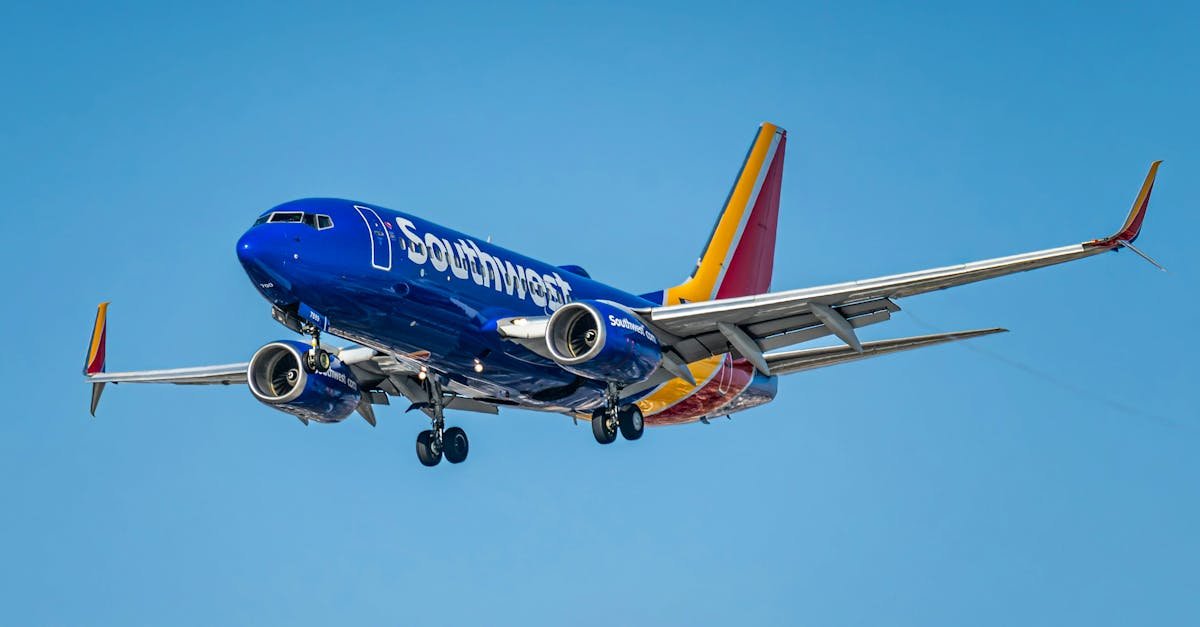
    The afternoon started like any other at one of the busiest hubs in the South. Southwest Flight 507 was on its final approach to land at Nashville, coming in from Myrtle Beach. At the same time, Southwest Flight 1152 was positioned on a parallel runway, ready to begin its journey toward Knoxville. These types of simultaneous operations are common at large airports, relying on strict separation rules to keep everyone safe.

    However, the weather was not making things easy. Gusty winds were whipping across the airfield, forcing the crew of Southwest Flight 507 to make a split-second decision. Realizing the landing was not stable enough to continue safely,the pilots initiated a go-around. This is a standard safety procedure where the plane climbs back into the air to try the landing again. It should have been a non-event, but a confusing instruction from the control tower changed everything.

    How a Single Instruction Created a Path for Disaster

    As the Southwest landing crew began their climb, they received a specific directive from the air traffic controller. They were told to turn right and maintain a certain altitude. On paper, this might sound like a standard way to clear the landing path. In reality, this specific turn sent the Southwest jet directly into the departure corridor of the other Southwest plane that was currently taking off from the parallel runway.

    Within moments, the two massive Boeing 737s were closing the gap between them at a frightening speed. Data later revealed that at their closest point, the two Southwest planes were separated by only 500 feet of altitude. In the world of commercial aviation, where 1,000 feet is the absolute minimum standard for vertical separation, 500 feet is considered a hair-breadth. The margin for error had vanished, leaving the safety of hundreds of passengers in the hands of technology and the quick reflexes of the pilots.

    The Technology That Saved the Day

    When human error occurs in the control tower, a secondary layer of protection is supposed to kick in. This is known as the Traffic Collision Avoidance System, or TCAS. Every Southwest jet is equipped with this sophisticated hardware,which talks to other planes in the vicinity. As the distance between the two Southwest aircraft reached a critical level,the TCAS alarms in both cockpits began to blare.

    These alerts do not just warn of danger; they give specific commands. In this case, the system commanded one Southwest crew to climb aggressively while telling the other Southwest crew to descend. This is a crucial moment for pilots. Training dictates that they must follow the TCAS command immediately, even if it contradicts what the air traffic controller is telling them over the radio. The Southwest pilots did exactly that. By listening to the computer over the human controller, they were able to pull the planes apart and re-establish a safe distance.

    Investigating the Root Cause of the Blunder

    The Federal Aviation Administration and the National Transportation Safety Board have both launched intensive reviews into what went wrong. The focus is not just on the individual controller who gave the wrong turn instruction,but on the environment at the Nashville tower. Investigators want to know if the controller was overworked, if the weather conditions created a visual distraction, or if there was a lack of clear communication between different stations in the tower.

    Southwest has also been fully engaged in this process. The airline has a vested interest in understanding why two of its own planes were put in such a precarious position. Early reports suggest that the controller may have suffered from a loss of situational awareness, essentially losing track of where the departing Southwest flight was located relative to the one performing the go-around. This type of error is rare but highlights the immense pressure placed on the people who manage our airspace.

    A Pattern of Close Calls at Nashville International

    While this specific event with the two Southwest planes is shocking, it is not the only time Nashville has seen a near-miss recently. Just a few weeks prior, an Alaska Airlines flight had to slam on its brakes during takeoff to avoid a Southwest jet that had been cleared to cross the runway. These recurring incidents have raised red flags for safety experts.

    The aviation industry is currently facing a shortage of experienced air traffic controllers, and airports like Nashville are seeing record-breaking numbers of flights. When you combine high traffic volume with a fatigued or less experienced workforce, the safety net can begin to fray. For Southwest, which operates a massive number of daily flights out of Tennessee, ensuring that the local infrastructure can support their operations safely is a top priority.

    What This Means for Future Southwest Travelers

    If you have a flight booked with Southwest, you might be feeling a bit of unease after hearing about a 500-foot near-miss. However, aviation experts point out that the system actually worked. Even though a mistake was made on the ground, the multiple layers of safety—the pilot training and the onboard TCAS technology—successfully prevented a collision.

    Southwest has praised the professionalism of its crews, noting that their adherence to emergency protocols was the deciding factor. Moving forward, travelers can expect to see more scrutiny on how parallel runways are managed during go-around maneuvers. The FAA often issues new safety alerts to controllers nationwide after an event like this to ensure that the same mistake isn’t repeated at another airport.

    Strengthening the Safety Net for Every Flight

    The investigation into the Southwest incident will likely lead to some changes in how Nashville handles its departures and arrivals. There may be new rules about how far a plane must turn during a go-around or better tools installed in the tower to alert controllers when two flight paths are projected to intersect.

    The goal of the aviation industry is to learn from every mistake. By dissecting exactly how the air traffic control blunder happened, the FAA can create better training programs. For the passengers on those two Southwest flights, the experience was undoubtedly terrifying, but the lessons learned from those 500 feet of separation will likely make the skies safer for everyone else in the years to come. The resilience of the aviation system lies in its ability to admit fault,investigate thoroughly, and adapt before the next flight takes to the sky.

  • Air Canada Suspends ALL JFK Flights Starting June 1: How to Avoid Massive Rebooking Fees

    Air Canada Suspends ALL JFK Flights Starting June 1: How to Avoid Massive Rebooking Fees

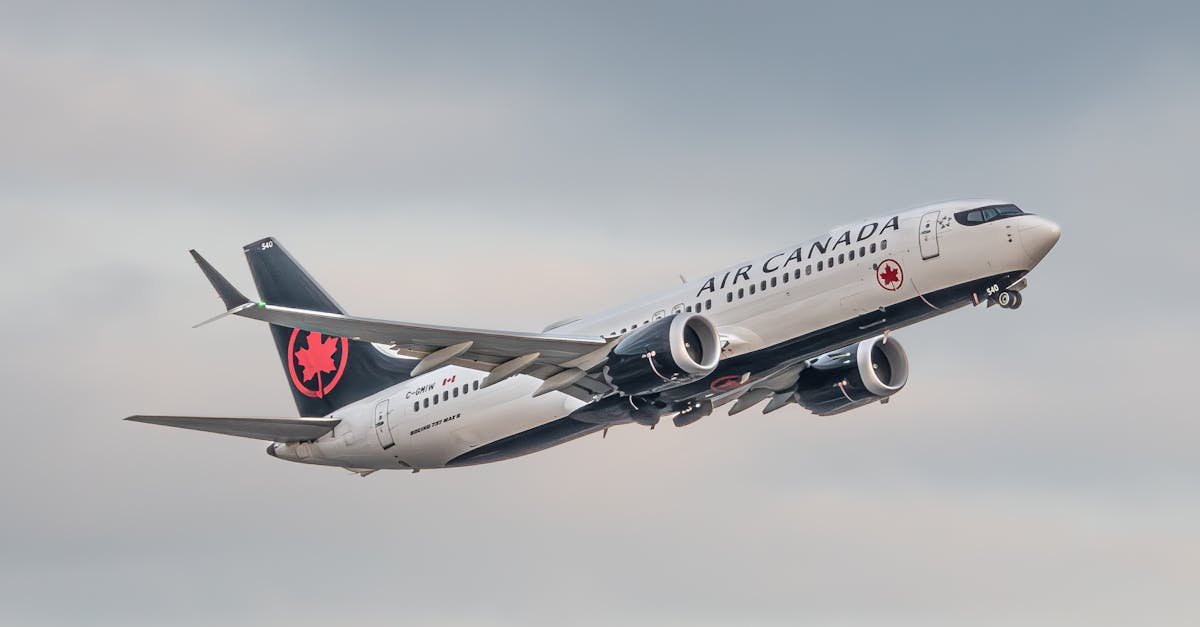
    Travelers planning a trip between Canada and the Big Apple just received some frustrating news. Air Canada has officially decided to pull the plug on all flights to New York’s John F. Kennedy International Airport (JFK) for a significant chunk of the 2026 travel season. Starting June 1, the airline will pause its daily service from both Toronto and Montreal, and the suspension is expected to last until at least October 25.

    If you have already booked a flight or were planning a summer getaway, you are likely wondering what this means for your wallet and your schedule. With jet fuel prices climbing rapidly, Air Canada is making tough calls to keep its operations sustainable. However, those tough calls often trickle down to the passenger in the form of cancellations and logistical headaches. Here is a deep dive into why this is happening and, more importantly, how you can navigate the changes without getting hit by extra costs.

    Why Air Canada is Leaving JFK This Summer

    The primary driver behind this sudden schedule shift is the skyrocketing cost of jet fuel. In recent months, the global energy market has been rocked by instability, particularly due to conflicts in the Middle East that have disrupted supply lines. For Air Canada, the math simply stopped adding up for certain routes. When the price of fuel doubles in a short period, flights that were once profitable can quickly become a financial drain.

    By suspending service to JFK, Air Canada is focusing its resources on routes that can better withstand these high operating costs. JFK is one of the most expensive airports in the world to fly into, with high landing fees and intense competition for time slots. By stepping back from this specific hub during the peak summer months, Air Canada aims to protect its overall financial health while the energy market remains unpredictable.

    Which Specific Routes Are Impacted

    The suspension hits two major Canadian hubs directly. Specifically, Air Canada is cutting three daily flights from Toronto Pearson International Airport and one daily flight from Montreal-Trudeau International Airport that were destined for JFK.

    For passengers in Toronto and Montreal, this removes a major nonstop link to one of the most popular entry points into the United States. While JFK is often the preferred choice for those heading to Long Island or eastern Queens, the loss of these four daily rotations means thousands of seats will be removed from the market right as the summer travel rush begins. Air Canada has noted that this move represents about a one percent reduction in its total capacity, but for the specific travelers on these routes, the impact feels much larger.

    The Alternative Airports Still in Play

    The good news is that while JFK is off the table for a few months, Air Canada is not abandoning the New York City area entirely. The airline still maintains a massive presence at New York’s other two major gateways: LaGuardia (LGA) and Newark Liberty International (EWR).+1

    Currently, Air Canada operates around 34 daily flights to LaGuardia and Newark from six different Canadian cities. If your final destination is Manhattan, LaGuardia is actually closer and often more convenient than JFK anyway. If you are heading to Jersey City or downtown Manhattan, Newark remains a very viable option. Air Canada is leaning heavily on these existing schedules to absorb the passengers who would have originally flown into JFK.

    How to Handle an Existing Booking

    If you already have a ticket with Air Canada for a JFK flight after June 1, do not panic, but do act quickly. The airline has stated that it will be reaching out to impacted customers to offer alternative travel options. In most cases, Air Canada will attempt to rebook you on a flight to LaGuardia or Newark at no additional cost.

    However, you should not wait for an automated email to land in your inbox. Log into your Air Canada account or check your flight status on their mobile app immediately. If the new flight they suggest does not work for your schedule, you have rights. Because the airline is the one initiating the change, you should be eligible for a full refund or a rebooking on a different date without paying the usual change fees.

    Avoiding Rebooking Fees and Price Spikes

    One of the biggest risks when an airline cancels a route is the sudden surge in prices for the remaining flights. As Air Canada passengers scramble to grab seats on the Newark and LaGuardia routes, those planes will fill up fast. When supply goes down and demand stays the same, ticket prices naturally go up.

    To avoid getting stuck with a massive bill, try these strategies:

    • Request a manual re-protection: Ask the agent to put you on a flight with one of Air Canada’s partners, like United Airlines, if their own flights are full.
    • Check nearby Canadian hubs: If you were flying from Montreal but find those flights too expensive now, see if flying out of Ottawa or Toronto offers a better deal.
    • Act within the 24-hour window: Once you receive notification of a schedule change, you usually have a window of time where you can make changes for free. Use this time to snag the best remaining flight times before others do.

    Impact on Connection Flights and Partners

    Many travelers use Air Canada to fly into JFK specifically to catch an international connection on a partner airline. JFK is a massive hub for global carriers heading to Europe, Africa, and Asia. If your Air Canada flight was just the first leg of a longer journey, this suspension could create a domino effect.

    If you are on a single ticket, Air Canada is responsible for getting you to your final destination. They may route you through a different US hub or fly you directly from Toronto or Montreal to your international destination on one of their own planes. If you booked your flights separately, however, you are in a tougher spot. You will need to coordinate the ground transport from LaGuardia or Newark to JFK to make your connection, which can take two hours or more depending on New York traffic.

    Looking Ahead to the Return of Service

    The current plan is for Air Canada to resume its JFK service on October 25, 2026. This timeline suggests that the airline expects fuel prices or market conditions to stabilize by the fall. It also allows them to bypass the most expensive and busiest part of the year for New York travel.

    Until then, travelers will need to be flexible. The aviation industry is currently in a state of flux, and this move by Air Canada might be a sign of more schedule adjustments to come from other carriers as well. Keeping a close eye on your flight status and understanding your passenger rights is the best way to ensure your summer travel plans stay on track.

    Staying Flexible in a Shifting Travel Market

    The most important thing to remember is that airline schedules are never set in stone. While it is frustrating to deal with a canceled route, being proactive can save you hundreds of dollars. Air Canada is trying to balance the books in a difficult economy, but as a consumer, your priority is getting where you need to go safely and affordably.

    Check your email regularly, keep your confirmation numbers handy, and remember that Newark and LaGuardia are still very much open for business. By staying informed about the latest moves from Air Canada, you can navigate the summer travel season with much less stress. If you stay ahead of the crowd, you can secure your spot in New York without the headache of last minute fees or missed connections.

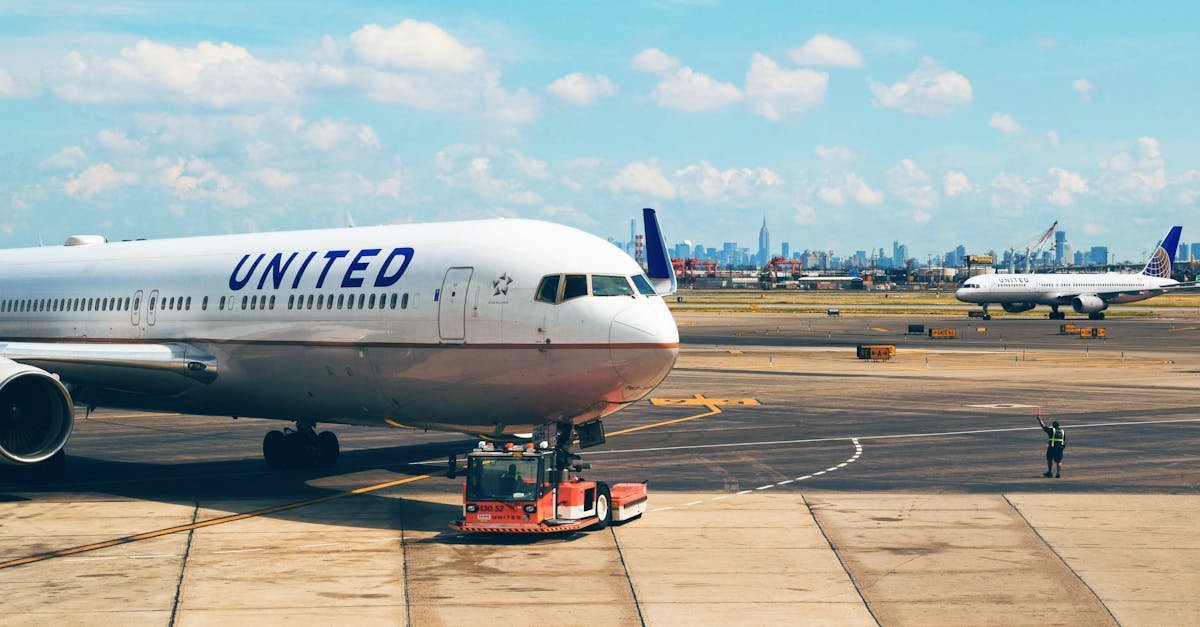
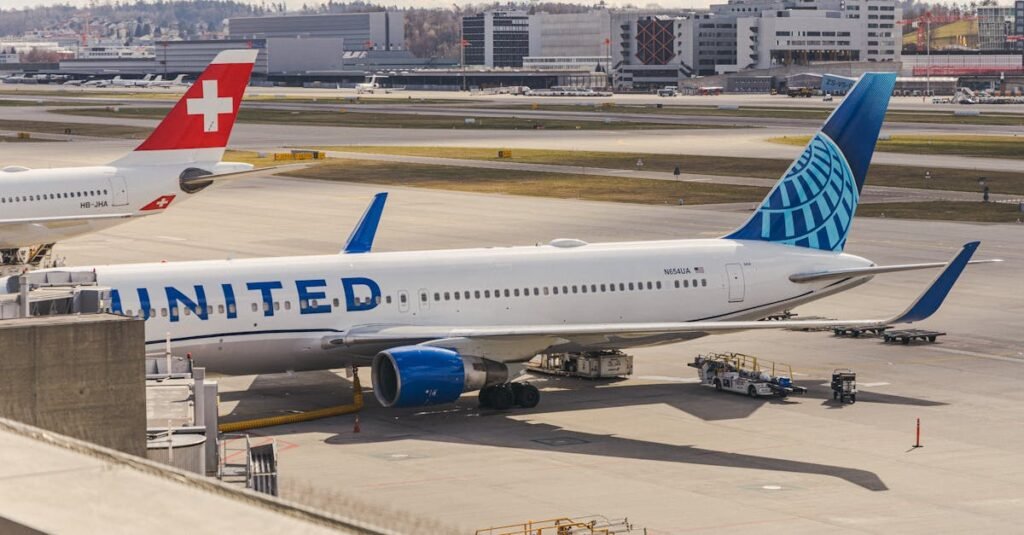
  • United Airlines Bomb Scare: Why Passengers Were Forced Down Emergency Slides Twice This Weekend

    United Airlines Bomb Scare: Why Passengers Were Forced Down Emergency Slides Twice This Weekend

    The world of commercial aviation is built on a foundation of strict protocols where even the slightest hint of a threat is handled with extreme caution. This past weekend, United Airlines found itself at the center of two separate security incidents that tested those protocols to their limits. Within a span of just forty eight hours, passengers on two different flights experienced the rare and jarring reality of an emergency evacuation. These events led to hundreds of travelers sliding down inflatable chutes onto the pavement as law enforcement teams and bomb squads raced to the scene.

    The first incident occurred on Saturday morning high above the Midwest, while the second took place on a Sunday night at one of the busiest hubs in the country. Both situations involved United Airlines aircraft and both resulted in a full scale emergency response. While the outcomes were ultimately safe, the intensity of these encounters has left many people wondering what exactly happens behind the scenes when a pilot decides to pull the emergency handles.

    A Mysterious Sound at Thirty Five Thousand Feet

    Everything started on Saturday, April 18, 2026, aboard United Airlines Flight 2092. The Boeing 737 MAX 8 was traveling from Chicago O’Hare International Airport toward New York’s LaGuardia Airport with 159 passengers and six crew members on board. For the first portion of the trip, the flight was entirely routine. However, as the aircraft cruised over Ohio, the flight crew noticed something highly unusual.

    According to audio recordings from the cockpit, the pilots reported a sequential beeping sound that seemed to be coming from a specific area near the front of the plane. The sound was steady, occurring at a rate of roughly one beep per second. In the high stakes environment of a cockpit, an unidentified electronic pulse is never ignored. The crew communicated with air traffic control, stating that they were hearing a rhythmic beeping from a suspected item and that they had to treat the situation as a potential bomb threat.

    Because the source of the noise could not be verified and was located in a sensitive part of the aircraft, the decision was made to divert immediately. The pilots set a course for Pittsburgh International Airport, which was the nearest facility equipped to handle a major security emergency. As the plane descended, the atmosphere in the cabin remained tense while the flight crew prepared the passengers for a landing that would be anything but normal.

    The Rapid Evacuation in Pittsburgh

    When United Airlines Flight 2092 touched down in Pittsburgh at approximately 11:45 a.m., it did not taxi to a gate.Instead, it was directed to a remote section of the airfield, far away from the main terminal and other aircraft. This is standard procedure for any flight involving a potential explosive, as it minimizes the risk to airport infrastructure.

    The pilots initially asked for mobile stairs to be brought to the plane to get everyone off safely. However, when it became clear that there might be a delay in getting the stairs to that remote location, the captain made a split second decision. To ensure the absolute safety of everyone on board, the order was given to evacuate using the emergency slides.

    Social media quickly filled with images of the United Airlines jet sitting alone on the tarmac with all four of its yellow slides deployed. Passengers were seen sliding down the chutes and running across the grass, directed by emergency responders. The Allegheny County Police Bomb Squad and FBI agents were already on site, using K9 units and specialized equipment to sweep the aircraft. After several hours of searching every bag and every inch of the cabin,authorities found no evidence of explosives. The mysterious beeping was eventually attributed to a non threatening electronic device, but the response showed that United Airlines takes no chances when it comes to life and limb.

    A Second Scare at Denver International

    Just as the news of the Pittsburgh diversion was beginning to settle, a second incident occurred on Sunday evening,April 19, 2026. This time, the focus shifted to Colorado. United Airlines Flight 2408 was prepared to depart from Denver International Airport for Washington Dulles International Airport. The plane was fully loaded with over 200 passengers and seven crew members.

    Unlike the Saturday incident which happened in mid air, this threat emerged while the plane was still on the ground.Reports indicate that the aircraft was taxiing toward the runway for takeoff when a security concern was raised. While the exact nature of the threat in Denver was not immediately detailed as clearly as the beeping in the first case, the reaction was just as swift.

    The aircraft was ordered to turn around on the tarmac and return to a secure holding area. For several hours, the plane sat grounded while security officials assessed the situation. Passengers reported a high level of confusion, noting that they were told not to open the overhead bins or move about the cabin. Eventually, the decision was made to evacuate this flight as well. While some passengers were able to exit via stairs later in the process, the initial panic and the heavy presence of armored police vehicles created a scene of chaos. Once again, a thorough sweep by the TSA and local police returned negative results, and the plane was cleared of any danger.

    The High Cost of Aviation Safety

    United Airlines and American Merger Update 2026: Everything We Know About the Potential Mega-Deal

    Whenever United Airlines or any other major carrier deals with a bomb scare, the financial and logistical impact is enormous. Diverting a plane, deploying emergency slides, and calling in federal bomb technicians costs hundreds of thousands of dollars. Beyond the money, the psychological toll on the passengers is significant. Using an emergency slide is not a gentle process; it is a high speed exit that can cause minor scrapes or bruises, and it is only used when the crew believes there is an immediate threat to the hull of the plane.

    The fact that two such incidents happened to United Airlines in the same weekend is statistically rare. This has led to questions about whether these were isolated coincidences or if there is a trend of heightened sensitivity in the current travel climate. Aviation experts point out that since the crew cannot know for certain if a threat is a hoax until the plane is on the ground and searched, they must act as if every threat is real.

    For the passengers on these flights, the experience was a reminder of how quickly a weekend trip can turn into a national news story. United Airlines provided food, water, and rebooking assistance to those affected, but the memory of sliding down an inflatable chute onto a cold runway is something that will likely stay with those travelers for a long time.

    Looking Ahead at Security Protocols

    The FBI continues to investigate the origins of the threats that led to these evacuations. They are looking into the possibility of a link between the two events, though currently, there is no evidence suggesting a coordinated effort. The goal of these investigations is to determine if the threats came from inside the cabin or if they were called in from an outside source.

    In the wake of these scares, United Airlines has reinforced its commitment to following the guidance of federal authorities and maintaining a zero tolerance policy for security risks. While the disruptions were massive, the primary takeaway is that the safety systems functioned exactly as they were designed to. From the moment the beeping was heard in the cockpit of Flight 2092 to the moment the Denver tarmac was cleared, the priority remained the protection of the people on board.

    The aviation industry will likely use these incidents as case studies for future training. They highlight the need for clear communication between pilots and air traffic control, as well as the importance of rapid response teams at major airports. As travelers return to the skies, they can take some comfort in knowing that despite the inconvenience and the fear, the protocols in place are robust enough to handle even the most mysterious sounds and threats.

    Reflections on a Tense Weekend

    When the dust settled on Monday morning, the two United Airlines planes involved were back in service or undergoing final inspections. The passengers had reached their destinations, albeit much later than planned. While a bomb scare is one of the most frightening things a traveler can experience, the successful evacuations in Pittsburgh and Denver prove that the industry is prepared for the worst. These events serve as a stark reminder that in the world of flight, it is always better to be safe on the ground than uncertain in the air. As investigations move forward, the focus will stay on refining these responses to ensure that the next time a mysterious sound is heard, the outcome is just as safe as it was this weekend.

  • American Airlines Breaks Silence on Potential United Merger: Here’s the Official Word

    American Airlines Breaks Silence on Potential United Merger: Here’s the Official Word

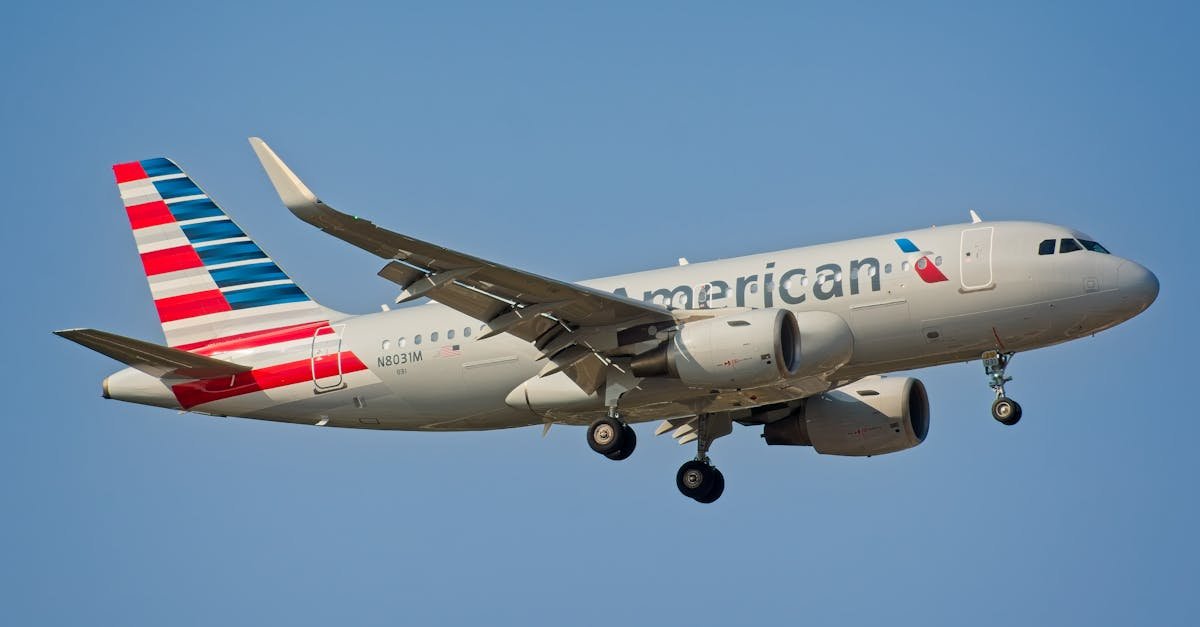
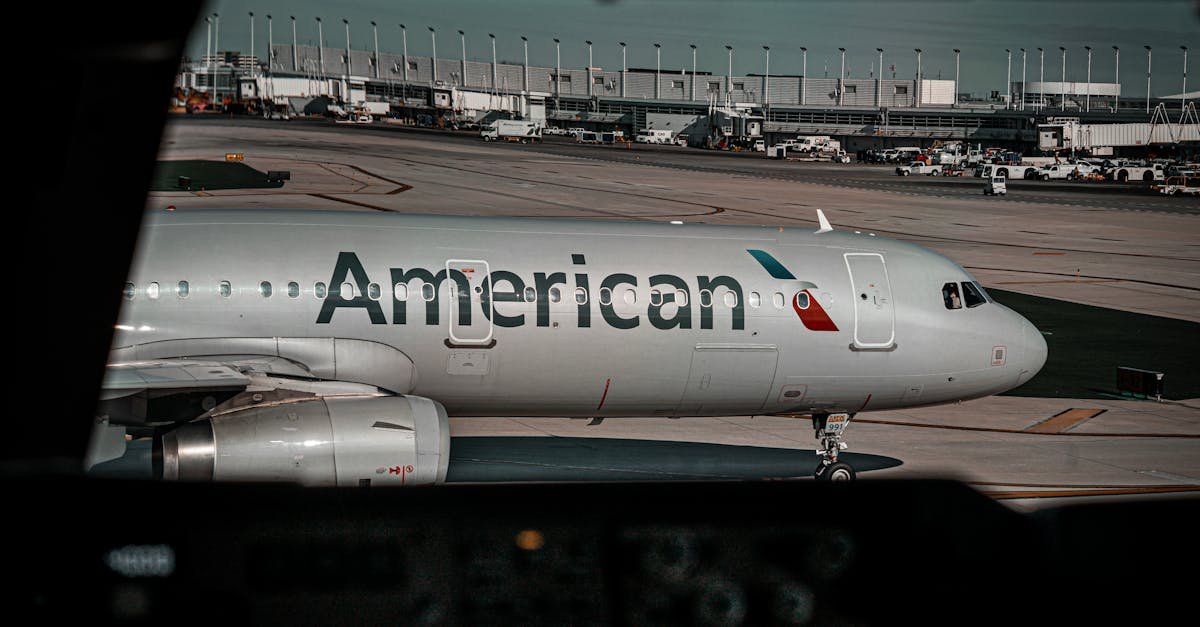
    American Airlines has officially responded to the wave of rumors regarding a potential merger with United Airlines,putting an end to days of industry speculation. The airline released a clear and firm statement late Friday, confirming that it is not currently participating in or considering any such deal. This news comes after reports suggested that leadership at United Airlines had approached government officials to explore the possibility of a massive consolidation within the aviation sector.

    The official word from American Airlines clarifies that they are not engaged in any discussions and have zero interest in merging with their long-standing competitor. This stance is rooted in concerns about market competition and the impact such a massive shift would have on passengers. By speaking out now, American Airlines has drawn a definitive line in the sand, choosing to prioritize its own strategic path rather than pursuing a merger that would fundamentally rewrite the rules of the sky.

    The Origin of the United Merger Rumors

    The chatter started earlier this week when news leaked that Scott Kirby, the chief executive of United Airlines, had reportedly pitched the idea of a merger to the administration. These discussions apparently took place behind closed doors, suggesting that the industry might be ready for another major round of consolidation. Given that American Airlines and United are two of the largest players in the global aviation market, even the whisper of a tie-up was enough to send shockwaves through the financial markets and travel circles.

    Industry insiders spent much of the week debating whether such a move was even feasible. Many looked toward the current political climate and regulatory landscape to see if a deal of this magnitude could survive legal challenges.While United seemed to be testing the waters, American Airlines remained quiet for several days before finally delivering its blunt rejection of the concept. The delay in the response led some to wonder if American Airlines was weighing the benefits, but the final statement left no room for ambiguity.

    Why American Airlines Rejects the Idea

    In its formal communication, American Airlines highlighted that a merger with United would be bad for the competitive nature of the industry. The airline pointed out that combining these two massive networks would likely lead to fewer choices for travelers and could potentially drive up ticket prices across the board. American Airlines expressed that maintaining a healthy, competitive environment is essential for the long term health of the aviation sector.

    Furthermore, American Airlines noted that such a deal would be inconsistent with its understanding of antitrust laws and the current administration’s approach to business oversight. By aligning its rejection with federal policy, American Airlines signaled that it does not believe a merger of this scale would ever receive the necessary green light from regulators. Instead of spending years in courtrooms fighting for a deal that might never happen, American Airlines is choosing to focus on its own operations and growth.

    Impact on the Aviation Competitive Landscape

    The US airline industry is already dominated by a small group of major carriers, often referred to as the Big Four. If American Airlines were to merge with United, it would create a behemoth that dwarfs every other competitor in the world. This combined entity would control an unprecedented number of gates, flight paths, and slots at major international hubs like Chicago, Dallas, and New York.

    For smaller airlines and low cost carriers, the prospect of an American Airlines and United merger was particularly alarming. A giant of that size would have immense power to set prices and dictate market trends, making it difficult for smaller companies to survive. By walking away from the table, American Airlines has essentially preserved the current balance of power, ensuring that the marketplace remains fragmented enough to allow for continued competition.

    Regulatory Hurdles and Legal Barriers

    Even if American Airlines had been interested, the path to a merger would have been incredibly difficult. Antitrust regulators have become increasingly skeptical of large scale mergers in recent years, especially those that involve vital infrastructure like air travel. A deal between American Airlines and United would have triggered intense scrutiny from the Department of Justice and various state attorneys general.

    Legal experts suggested that the combined airline would have been forced to give up a significant number of its most valuable routes and airport assets to win approval. Such concessions might have stripped away the very benefits that would make a merger attractive in the first place. American Airlines likely realized that the juice was not worth the squeeze, recognizing that the legal battle alone could take years and cost millions in fees without any guarantee of success.

    Strategic Focus on Internal Growth

    Rather than looking outward for growth through acquisitions, American Airlines is doubling down on its internal goals.The company stated that its primary focus remains on executing its own strategic objectives. This includes modernizing its fleet, improving the customer experience, and strengthening its financial position after the turbulent years following the global pandemic.

    American Airlines has been working hard to streamline its operations and improve its reliability. By focusing on its own strengths, American Airlines aims to win over more customers and build a more resilient business model. This internal focus allows the company to move faster and adapt to market changes without the massive distraction that comes with integrating another airline’s employees, technology, and aircraft.

    Customer and Labor Union Perspectives

    Passengers generally view airline mergers with a degree of skepticism, often associating them with higher prices and reduced service quality. The firm “no” from American Airlines is likely to be welcomed by traveler advocacy groups who were worried about the loss of a major competitor. Keeping American Airlines and United as separate entities ensures that both companies must continue to compete for the loyalty of the flying public.

    Labor unions also play a massive role in these decisions. Merging two of the largest workforces in the world is a logistical nightmare that involves reconciling different seniority lists, pay scales, and benefit packages. The pilots’ union at American Airlines had previously expressed some intrigue regarding the rumors, mainly as a way to see improvements in management performance. However, the official stance from American Airlines now provides clarity for thousands of employees who were worried about their job security and future under a new corporate structure.

    Future of Industry Consolidation

    While American Airlines has closed the door on a United deal, it doesn’t mean that consolidation in the industry is dead.The airline mentioned that changes in the broader marketplace might still be necessary. This suggests that while a mega merger of the two largest carriers is off the table, smaller acquisitions or strategic partnerships could still happen in the future.

    The aviation industry is constantly evolving, and companies are always looking for ways to gain an edge. American Airlines will continue to evaluate its position in the market and look for opportunities that align with its long term vision. For now, however, that vision does not include a partnership with United.

    Standing Strong in a Shifting Market

    The decision by American Airlines to break its silence and reject the merger talk is a sign of confidence. It shows that the leadership team believes in the current path of American Airlines and sees a future where they can succeed as an independent entity. In a world where bigger is often seen as better, American Airlines is betting on its ability to compete on its own terms.

    The aviation world will undoubtedly keep a close eye on both companies as they navigate the remainder of the year. For travelers, the immediate takeaway is that the status quo remains. You will still see American Airlines and United competing for your business at the airport, which is exactly how the leadership at American Airlines believes it should be. By shutting down these rumors, American Airlines has provided the stability and clarity that the market, the employees, and the customers needed.

  • Could United and American Airlines Merge? What It Means for U.S. Air Travel

    Could United and American Airlines Merge? What It Means for U.S. Air Travel

    The aviation world is currently buzzing with a question that once seemed impossible. Could United and American Airlines actually merge? For years, the U.S. airline industry has been dominated by a small group of massive carriers. These companies have carved out their own hubs and loyal customer bases. However, recent rumors and high-level discussions have brought the idea of a “mega-merger” back into the spotlight.

    If such a deal ever moved from a whisper to a reality, it would change everything for passengers. From the price of a ticket to the routes available at your local airport, the ripples would be felt across the globe. To understand why this is being talked about now, we have to look at the current state of American Airlines and how the industry is shifting under our feet.

    The Spark That Started the Conversation

    The latest round of speculation began in early 2026. Reports emerged that the leadership at United Airlines had floated the idea of a combination during meetings with government officials. The logic presented was simple. As fuel prices climb and international competition grows, the biggest U.S. carriers might need even more scale to stay competitive against foreign airlines.

    For American Airlines, this conversation comes at a time of transition. The company has spent the last few years focusing on paying down debt and improving its operational reliability. While the airline is seeing record revenues and strong demand for its premium seats, the cost of doing business is rising. In this environment, the idea of joining forces with another giant starts to look less like a fantasy and more like a strategic play for survival.

    Why Scale Matters for American Airlines

    To understand why a merger is even being discussed, you have to look at how American Airlines operates today. It currently manages one of the largest fleets in the world and serves hundreds of destinations. However, even with that massive footprint, there are gaps. United has a very strong presence in international gateways like San Francisco and Newark. Meanwhile, American Airlines holds a dominant position in the Sun Belt and across the Atlantic through its London partnerships.

    A merger would theoretically create a carrier that is untouchable in terms of network reach. You would have a single airline that controls the most important hubs in New York, Chicago, Dallas, and Los Angeles. For a business traveler, this sounds like a dream. You could fly almost anywhere on a single ticket while racking up points in one loyalty program. For the airline, it means more efficiency and more power to negotiate for better fuel prices or airplane orders.

    The Massive Regulatory Wall

    While the business logic might make sense on paper, the legal reality is much different. The United States government has a very strict set of rules meant to prevent monopolies. In recent years, regulators have been incredibly skeptical of any deals that reduce competition. We saw this when the government blocked smaller deals involving JetBlue and Spirit.

    If the government was worried about a small budget airline being bought, imagine the reaction to a merger between two of the “Big Three.” A combined United and American Airlines would control such a huge portion of the market that it could effectively set prices in many cities. Critics argue that when competition goes down, ticket prices almost always go up.

    The Department of Justice would look at “overlap” routes. These are flights where both United and American Airlines are the only major choices for passengers. If they merged, the competition on those routes would vanish. To get approval, the airlines would likely have to give up dozens of gates at major airports, which might defeat the purpose of the merger in the first place.

    How Your Frequent Flyer Miles Could Change

    One of the biggest concerns for travelers is what happens to their loyalty. American Airlines has one of the most popular programs in the world with AAdvantage. Millions of people have spent years earning status and miles with the hope of using them for dream vacations.

    In a merger, two very different cultures and systems have to mesh. United uses a different technology platform and has a different approach to elite benefits. History shows that combining these programs is a massive headache. When American Airlines merged with US Airways years ago, it took a long time to smooth out the bumps. A merger of this size would be even more complex. While your miles would likely carry over into a new combined program, the value of those miles and the ease of using them could shift overnight.

    Impact on Ticket Prices and Service

    The most pressing question for the average traveler is the cost. If American Airlines were to merge with United, would flying become more expensive? Most industry experts say yes. When there are fewer companies competing for your business, they don’t have to try as hard to offer the lowest price.

    Beyond the price, there is the issue of service. Huge mergers often lead to “growing pains.” We have seen it before where flight schedules get messy and customer service wait times skyrocket as two massive workforces try to integrate. For American Airlines employees, a merger would mean new contracts, new seniority lists, and potential job relocations. If the staff is unhappy or stressed, that often trickles down to the passenger experience.

    The International Competitive Angle

    One of the strongest arguments in favor of a merger involves the global stage. While American Airlines is a titan in the U.S., it faces stiff competition from state-subsidized carriers in the Middle East and Asia. These foreign airlines often have newer planes and luxury amenities that are hard for U.S. carriers to match while remaining profitable.

    United and American Airlines leaders might argue that they need to be larger to survive this global pressure. By combining resources, they could invest more in “next-generation” aircraft and better airport lounges. They want to ensure that a traveler flying from New York to Singapore chooses a U.S. brand rather than a foreign one. Whether the government believes this is a good enough reason to allow a domestic monopoly is the multi-billion dollar question.

    READ MORE: American Airlines Stock Jumps as TD Cowen Hikes Price Target on Fuel Outlook

    Looking Toward the Horizon

    For now, a merger remains in the realm of “what if.” There have been no formal filings and no official agreements. The leadership at American Airlines continues to focus on its own independent growth, adding new planes and refining its schedule to meet the demands of 2026 travelers.

    However, the fact that these conversations are happening at high levels of government shows that the industry is at a crossroads. Costs are not going down, and the pressure to be more efficient is only growing. Whether it happens through a full merger or just deeper partnerships, the way we fly is going to continue to evolve.

    The sky is crowded, and the players are powerful. As we watch how American Airlines navigates these rumors, passengers should stay informed. The future of your next flight might just depend on a handshake between the giants of the industry.