Author: Adityan Pillai

  • FAA 25-Hour Cockpit Voice Recorder Rule Finalized: What It Means for Aviation Safety

    FAA 25-Hour Cockpit Voice Recorder Rule Finalized: What It Means for Aviation Safety

    The U.S. Federal Aviation Administration (FAA) has announced a major safety rule change for commercial aircraft. The agency has finalized a rule that changes how long cockpit voice recorders (CVRs) must hold audio recordings. Under the new rule, CVRs will capture 25 hours of cockpit audio, replacing the older standard of just two hours. This change is meant to help investigators better understand incidents and accidents when something goes wrong during a flight. 

    Why This Change Matters

    Cockpit voice recorders are sometimes called “black boxes,” but they are really orange to help investigators find them after a crash. These devices record important sounds and conversations in the cockpit, such as:

    • Pilot voices
    • Air traffic control communications
    • Engine and alarm noises
    • Other cockpit sounds that help explain events leading to an accident or incident 

    For many years, CVRs were required to save only the last two hours of sound. If an incident happened but was not discovered soon enough, older audio could be overwritten and lost. This has made some investigations harder, especially when incidents happen early in a flight and the recorder overwrites the audio before the plane lands. 

    By expanding the recording time to 25 hours, investigators will have more data and wider insight into events happening over longer flights or earlier parts of a trip. That can make it easier to find causes and help prevent future accidents.

    What Triggered the FAA 25-Hour Cockpit Voice Recorder Rule

    The push for longer recording time has been driven by the National Transportation Safety Board (NTSB) for many years. The NTSB is the U.S. agency that investigates aviation accidents and makes safety recommendations. Investigators have noted many cases where the two-hour limit was too short, and critical audio was lost before they could secure it. 

    International bodies like the International Civil Aviation Organization (ICAO) and Europe’s aviation safety agency have already moved to 25 hours for new planes. The FAA’s new rule brings the United States closer to these international standards, aligning U.S. aviation rules with global best practices. 

    There have been specific incidents where limited CVR time made investigations difficult. In some high-profile runway near-miss cases, crucial voice recordings were overwritten because the event occurred more than two hours before the flight ended. Extending the recording time reduces this risk.

    Who Must Follow the Rule

    New Aircraft

    Under the rule, any newly manufactured passenger aircraft delivered after a specific date generally in 2027 and beyond must be equipped with a cockpit voice recorder that can hold at least 25 hours of audio. 

    Existing Fleets

    Congress also passed a separate law that requires all existing passenger airplanes to be retrofitted with these longer-recording devices by 2030. This means even older aircraft currently flying will need to update their recorders before that deadline. 

    Smaller aircraft that don’t carry many passengers may have extra time to meet the new rules, depending on their type and size. 

    Reactions to the Change

    The FAA believes this change will strengthen aviation safety. Longer recordings give investigators more context and improve the chances of finding answers after an event. Officials say it brings the U.S. closer to global standards and improves the ability to learn from unusual or serious incidents. 

    However, not everyone is happy with the new rule. Some pilot groups have raised privacy concerns. They worry that a 25-hour recording could capture multiple flights’ worth of cockpit conversations that have nothing to do with safety issues. Some say this could be misused or make pilots feel uncomfortable knowing that private cockpit talk is being recorded for longer. 

    What This Means for Air Travel
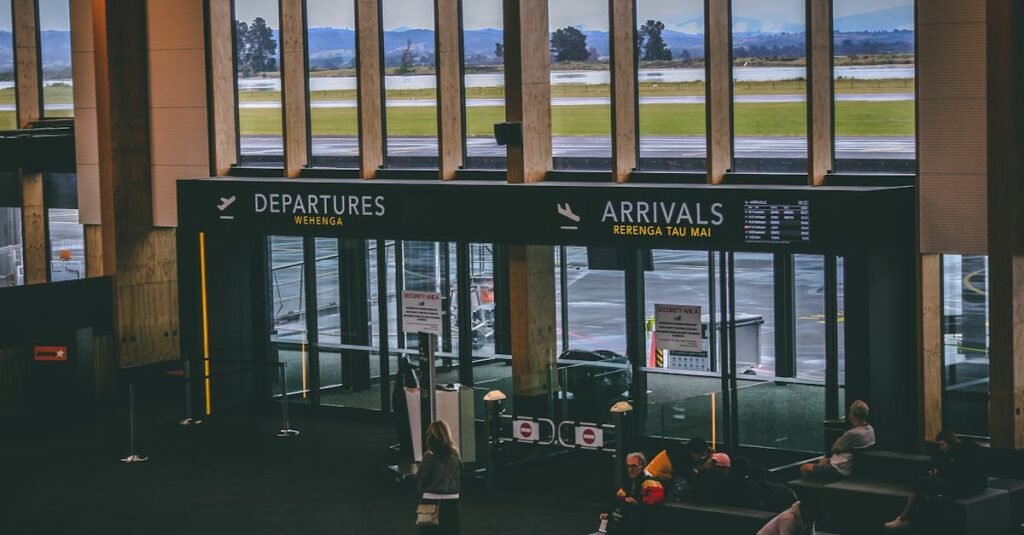
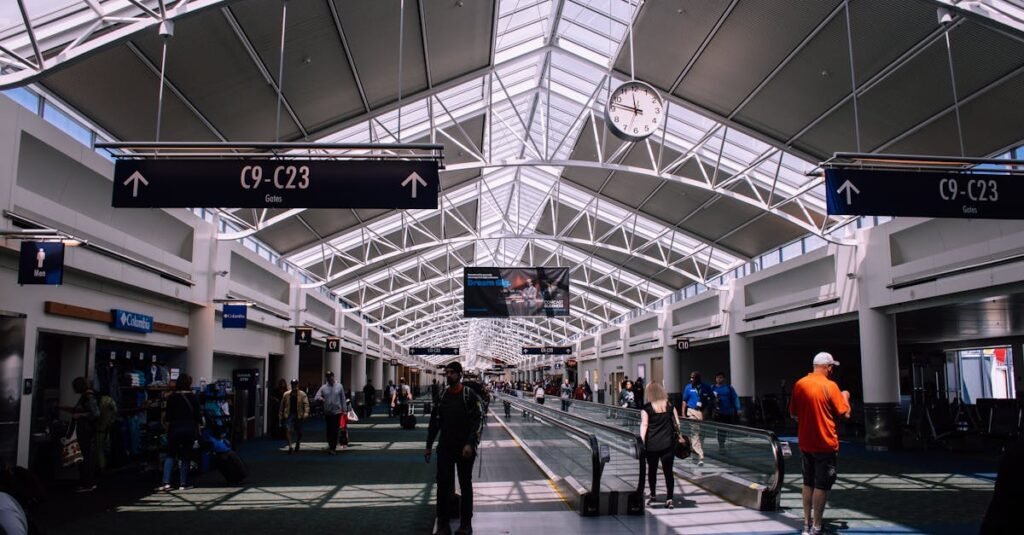
    Busy airport terminal area with people, featuring departures and arrivals signs.

    For most passengers, this change won’t be noticeable in everyday flying. Cockpit voice recorders operate in the background and don’t affect how a plane flies. But if something does go wrong, investigators will likely have a much richer record to understand what happened.

    Overall, the new 25-hour CVR rule marks a big step in aviation safety in the United States. It reflects years of study, international cooperation, and lessons learned from past incidents that were difficult to fully investigate. 
  • How Harsh Winter Weather Disrupts American Airlines, WestJet, and U.S. Flights

    How Harsh Winter Weather Disrupts American Airlines, WestJet, and U.S. Flights

    Winter weather has always been one of aviation’s toughest tests. While summer thunderstorms can cause short-lived disruptions, winter storms have a habit of lingering, spreading, and compounding problems across the entire U.S. air travel system. For airlines like American Airlines, WestJet, and other carriers flying U.S. routes, harsh winter conditions can turn a routine travel day into a logistical headache for crews, airports, and passengers alike.

    Lets take a closer look at how winter weather affects airlines, why disruptions spread so quickly, and what it all means for travelers.

    Why Winter Weather Is So Disruptive for Airlines

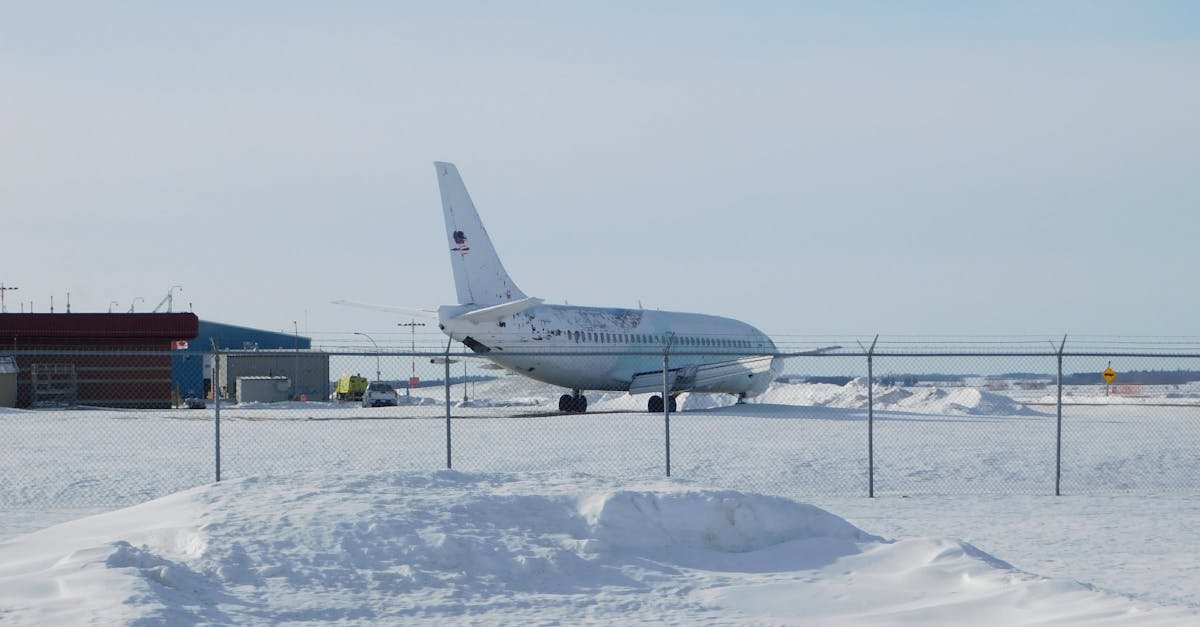
    Winter storms bring more than just snow. Ice, freezing rain, high winds, and extreme cold all create unique risks for aircraft and ground operations. Unlike rain or mild fog, snow and ice directly interfere with an aircraft’s ability to take off, land, and maneuver safely on the ground.

    Airlines must operate within strict safety margins. Even a thin layer of ice on a wing can change how air flows over it, reducing lift. Because of that, flights cannot simply “push through” winter conditions the way cars sometimes do on highways. When conditions cross certain thresholds, airlines have no choice but to delay or cancel flights.

    Flight Delays and Cancellations

    One of the most frustrating aspects of winter travel is how a storm in one city can disrupt flights hundreds or even thousands of miles away. This happens because airline schedules are tightly interconnected.

    A single aircraft might operate several flights in one day across multiple cities. If a morning departure is canceled due to snow, that plane may never reach the next airport on its schedule. The result is a chain reaction of delays and cancellations that spreads throughout the airline’s network.Large carriers with major hub airports are particularly vulnerable. When a hub slows down, dozens of incoming and outgoing flights are affected at once. This is why winter storms often lead to nationwide disruption, even if only a few regions are experiencing severe weather.

    The Critical Role of De-Icing and Ground Operations

    De-icing is one of the most visible signs of winter operations, and it plays a major role in delays. Before takeoff, aircraft must be sprayed with heated fluids to remove snow and ice from critical surfaces like wings and tail sections.This process takes time, especially during heavy snowfall when ice can reform quickly. Aircraft often wait in long lines for de-icing, and once treated, they must take off within a specific window before ice begins to accumulate again. If that window is missed, the aircraft may need to return for another round of de-icing.

    At the same time, airports are battling the storm too. Snowplows must constantly clear runways and taxiways, and sometimes only one runway can remain operational. This dramatically reduces how many aircraft can land or depart, creating congestion even when flights are technically able to operate.

    Crew Scheduling Challenges in Winter Storms

    Airline crews operate under strict rules designed to prevent fatigue. Pilots and flight attendants can only work a certain number of hours before they are required to rest. Winter delays can easily push crews past those limits.

    When that happens, flights may be canceled even if the aircraft is ready and weather conditions have improved. Finding replacement crews on short notice is difficult, particularly during widespread storms when many employees are also dealing with travel disruptions. Crew availability is one of the main reasons airlines struggle to recover quickly after major winter events. It can take days to reposition both aircraft and crews back into the right places.

    Cross-Border Complications for U.S. and Canadian Flights

    Airlines operating between the U.S. and Canada face an extra layer of complexity. A flight might depart from a clear airport but be heading toward a destination dealing with heavy snow or ice. Even if conditions are acceptable at departure, the flight may still be canceled to avoid stranding aircraft and passengers.

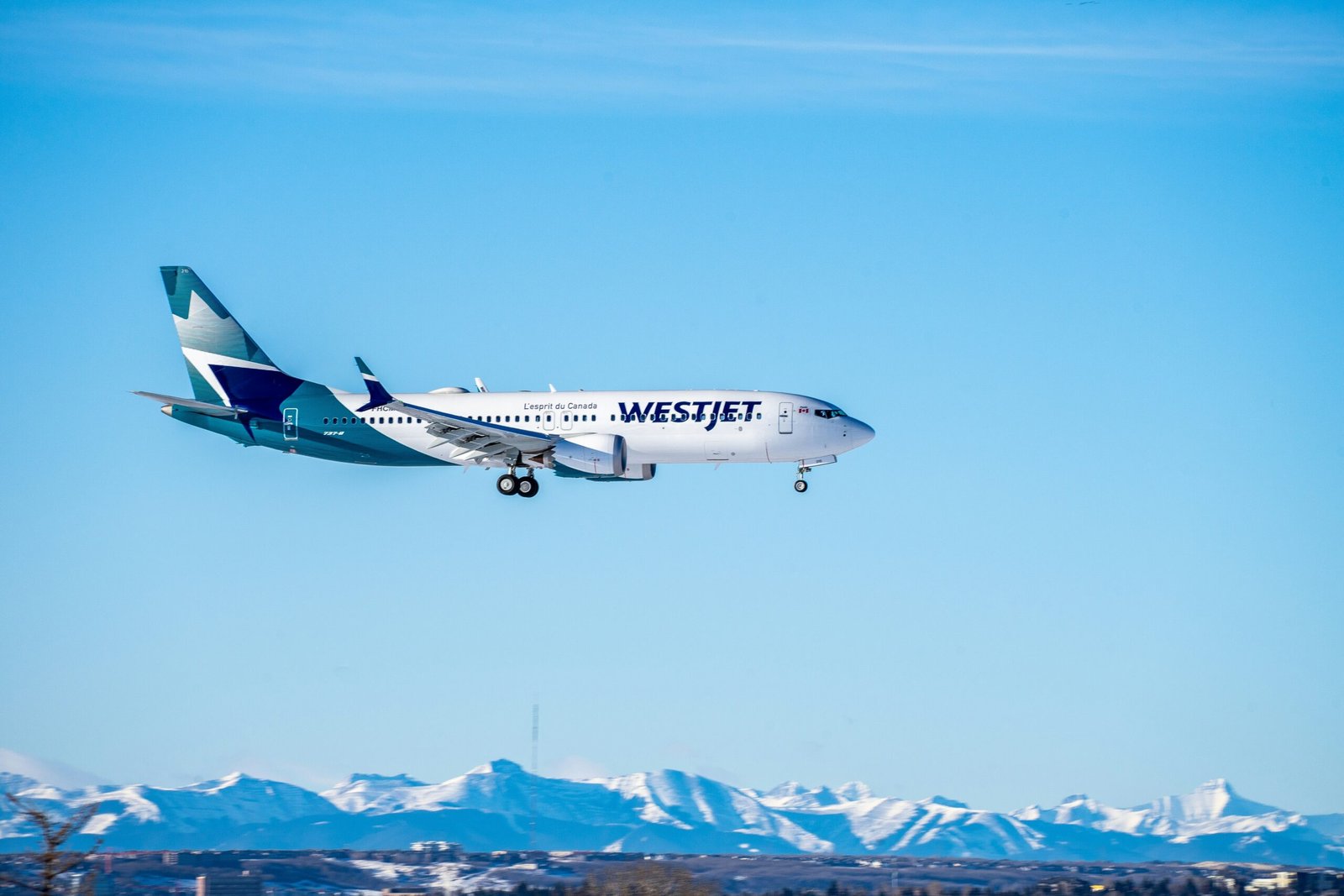
    Carriers like WestJet, which operate many cross-border routes, must coordinate closely with both U.S. and Canadian airports. Weather systems that stretch across regions can disrupt both sides of the border simultaneously, reducing recovery options and increasing passenger backlogs.

    What Passengers Experience During Winter Disruptions

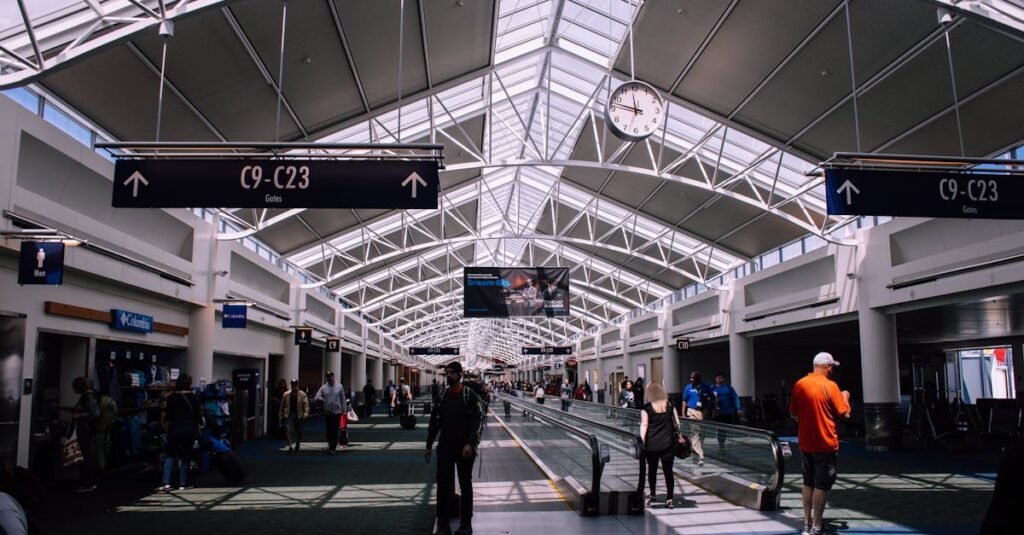
    Spacious airport terminal with moving walkway and travelers, showcasing modern architecture.

    For travelers, winter weather disruptions are often stressful and unpredictable. Delays can stretch from minutes into hours, and cancellations may leave passengers scrambling to find new flights.

    Airlines usually issue travel advisories ahead of major storms, allowing passengers to rebook without change fees. While this flexibility helps, it also means many travelers are trying to adjust plans at the same time. Customer service lines grow long, flights fill up quickly, and hotel availability near airports can disappear fast.

    Another challenge is baggage. When flights are canceled after bags are checked, luggage may end up separated from passengers, adding to frustration and uncertainty.

    Why Airlines Can’t Always “Recover” Quickly?

    After a winter storm passes, many travelers expect operations to return to normal almost immediately. In reality, recovery can take days. Aircraft may be parked in the wrong cities, crews may be out of position, and maintenance schedules may have been disrupted by extreme cold.

    Additionally, American airlines, WestJet and other carriers often prioritize safety and stability over speed. Rather than rushing to operate a full schedule, they may cancel additional flights proactively to reset operations and prevent further chaos.

    This cautious approach can feel inconvenient to passengers, but it is often necessary to restore reliability across the network.

    How American Airlines And Other Carriers Prepare for Harsh Winter Conditions

    Despite the challenges, American Airlines and other carriers invest heavily in winter preparedness. This includes specialized training for crews, winterized equipment, weather forecasting teams, and close coordination with airports.

    Aircraft are designed to operate in cold conditions, but procedures must be followed precisely. From anti-icing systems to cold-weather maintenance checks, every step is aimed at ensuring safety remains the top priority.

    Airlines also monitor weather systems days in advance, adjusting schedules and staffing levels before storms arrive. While these measures cannot prevent all disruptions, they help reduce the severity and duration of winter-related problems.

    The Bottom Line for Winter Air Travel

    Harsh winter conditions are an unavoidable part of flying in and across the United States. Snow, ice, and extreme cold affect every aspect of airline operations, from runways and aircraft to crews and passengers. For airlines like American Airlines, WestJet, and other carriers serving U.S. routes, winter storms can quickly escalate into system-wide disruptions.

    For travelers, understanding why these delays happen can make the experience slightly less frustrating. While winter weather may disrupt plans, the precautions taken by airlines are ultimately about ensuring that every flight operates as safely as possible — even when the forecast refuses to cooperate.

  • U.S.–Venezuela Travel Relaunch: American Airlines Plans Daily Nonstop Flights Pending Government Approval

    U.S.–Venezuela Travel Relaunch: American Airlines Plans Daily Nonstop Flights Pending Government Approval

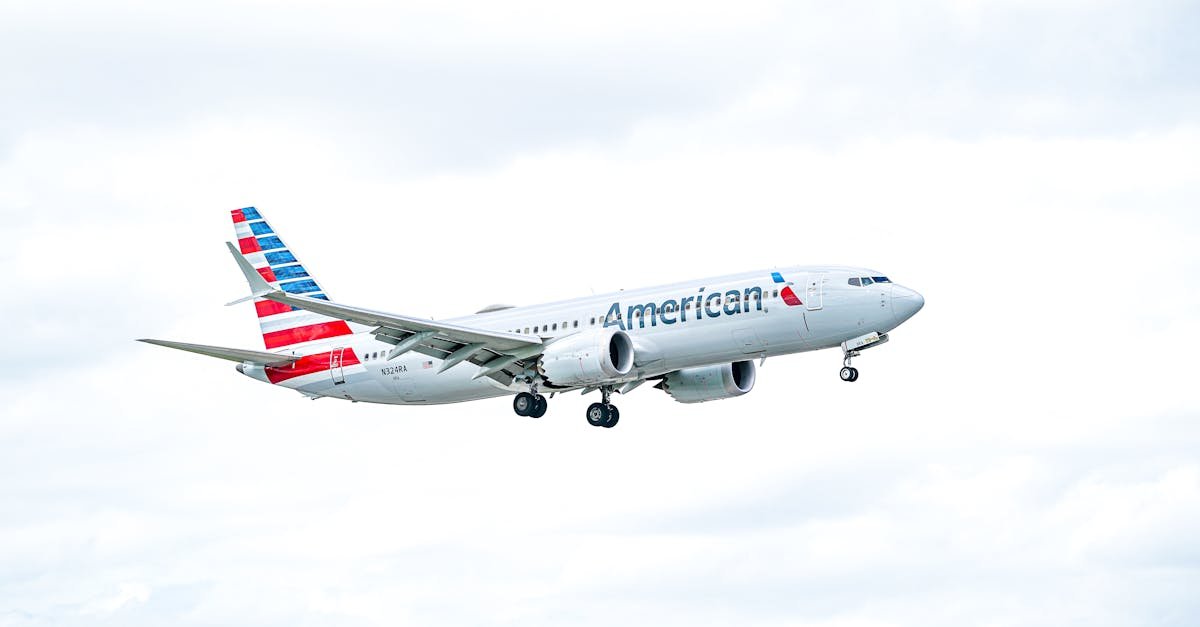
    American Airlines has announced its intention to resume daily nonstop flights between the United States and Venezuela, a significant move that could restore direct air travel between the two countries for the first time since 2019. The plans are still subject to U.S. government approval and security assessments, but the announcement itself marks a major shift in commercial aviation and international travel ties between Washington and Caracas. 

    A Long-Awaited Return After Years of Silence

    The airline’s planned relaunch comes after more than six years without regular U.S.–Venezuela commercial service. Prior to 2019, American Airlines was the largest U.S. carrier operating in Venezuela, linking cities like Miami and Caracas with daily flights and serving as a crucial bridge for business, leisure, and family travel. 

    Service was suspended amid deteriorating security and diplomatic tensions, and shortly afterward the U.S. government formally barred U.S. passenger and cargo flights to Venezuelan destinations. Since then, travelers had to rely on indirect connections through third-country hubs, creating longer journeys and higher costs. 

    What Prompted the Change Now?

    The renewed plan by American Airlines comes in the wake of significant policy shifts by U.S. authorities. In late January 2026, the U.S. moved to reopen Venezuela’s airspace to commercial flights, reversing earlier restrictions that had been put in place amid safety and geopolitical concerns. 

    According to reports, the announcement to lift flight bans was coupled with broader strategic developments and an evolving diplomatic situation involving leaders from both countries. While this decision paves the way for airlines to consider resuming service, carriers like American still need to obtain explicit government and security clearances before flights can begin. 

    What American Airlines Has Said?

    American Airlines emphasized it is prepared to be the first U.S. airline to reconnect nonstop service with Venezuela once all regulatory milestones are met. The airline’s leadership highlighted its decades-long history in the region and noted that restored flights would open doors for families to reunite, for commerce to flourish, and for tourism and humanitarian travel to resume. 

    In a statement, American’s Chief Commercial Officer pointed to the “incredible relationship” the airline has had with the Venezuelan market since 1987 and its readiness to renew it. Specific details about routes, frequencies, aircraft types, and launch dates have not yet been shared. 

    “We have a more than 30-year history connecting Venezolanos to the U.S., and we are ready to renew that incredible relationship. By restarting service to Venezuela, American will offer customers the opportunity to reunite with families and create new business and commerce with the United States,” said Nat Pieper, the Chief Commercial Officer of American Airlines in an official Press Release

    What Travelers Can Expect?

    Spacious airport terminal with moving walkway and travelers, showcasing modern architecture.

    If approval is granted, travelers may soon see direct flights between key U.S. gateways and Venezuela’s major airports most likely starting with popular city pairs that historically drew high demand. Direct nonstop service would vastly simplify travel that has, for years, required multiple connections and planning through other countries. 

    For business and leisure passengers alike, restored flights could mean shorter travel times, improved connectivity, and more competitive pricing. They could also stimulate economic exchange as trade and corporate travel expand following years of limited direct access. 

    What are the Challenges That Still Lie Ahead?

    Even with the announcement, significant hurdles remain. Federal agencies such as the Federal Aviation Administration (FAA) and the Transportation Security Administration (TSA) must complete thorough safety and security assessments before flights can be authorized. These evaluations cover airspace safety, airport security infrastructure, and compliance with international aviation standards. 

    In addition, the U.S. State Department continues to issue travel advisories and may encourage cautious planning for those considering travel to Venezuela, reflecting ongoing safety concerns in the region. 

    Broader Impacts on U.S.–Venezuela Relations

    The planned relaunch of air service is more than a commercial aviation story, it reflects evolving relationships between the United States and Venezuela. Reestablishing nonstop flights could signal a gradual normalization of ties and a reopening of channels that were dormant for years. 

    For the Venezuelan diaspora in the U.S., particularly in cities with large Venezuelan communities, the return of direct service holds emotional and cultural significance. Families split across borders could once again travel more easily to visit loved ones, attend important events, and participate in cultural exchange.

  • WATCH: Airbus Beluga ST Takes Its Final Flight, Marking the End of an Era

    WATCH: Airbus Beluga ST Takes Its Final Flight, Marking the End of an Era

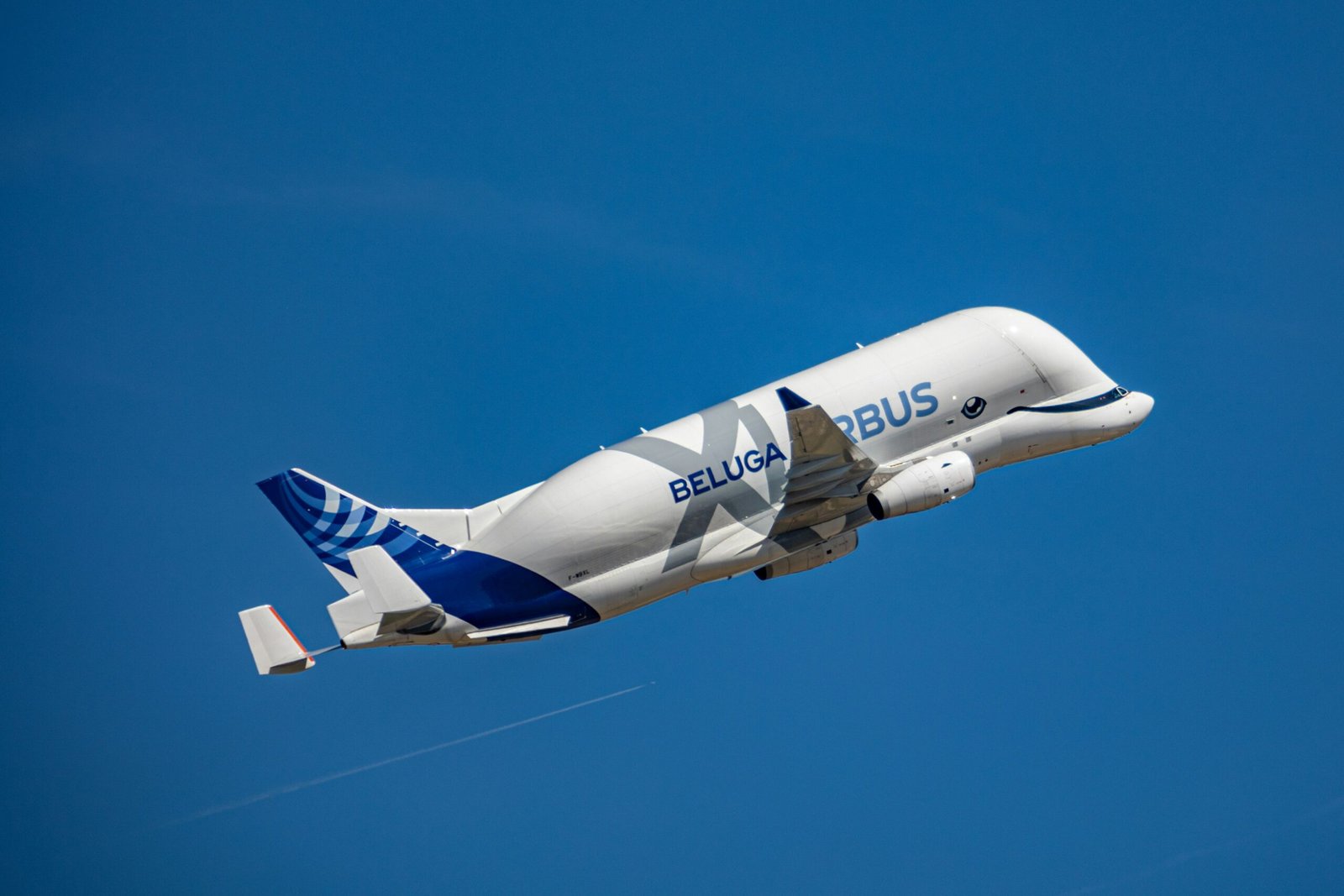
    On January 29, 2026, aviation enthusiasts and Airbus teams alike witnessed an emotional moment in aerospace history. The beloved Airbus Beluga ST, one of the most recognizable and unusual aircraft ever to grace the skies completed its final flight before retirement. After decades of service, the distinctive “whale of the skies” touched down at Hawarden (Broughton) Airfield in North Wales, marking the end of a remarkable chapter in European aviation. 

    This final sortie wasn’t just another landing; it was a salute to an aircraft that had quietly shaped how modern aircraft are produced. Crowds gathered to watch the Beluga ST’s farewell flypast, capturing footage that spread quickly across social platforms.

    Why the Airbus Beluga ST Was Built: A Logistics Revolution

    Airbus did not have an easy challenge in the early 1990s. Its factories were spread across multiple European countries — with wings built in the UK, fuselage sections in Germany, nose sections in France, and final assembly in Toulouse, France, or Hamburg, Germany. Transporting large, delicate aircraft components between these sites by road or rail was time-consuming and inefficient. 

    Before the Beluga, Airbus relied on converted 1940s-era cargo planes called Super Guppies to ferry oversized parts. These quirky aircraft had done heroic service but were costly to operate and limited in capacity. Airbus recognised that a modern, larger aircraft was essential to support growing production demands. The solution was the bespoke A300-600ST Super Transporter, later nicknamed the Beluga for its striking resemblance to the white whale. 

    From Maiden Flight to Production Essential

    Construction of the first Beluga ST began in September 1992, and the aircraft made its maiden flight on September 13, 1994. Following around 400 hours of rigorous testing, it was certified and ready for service by late 1995. Airbus built a total of five Beluga ST aircraft, each one taking roughly three years to complete from start to finish. 

    The Airbus Beluga ST became indispensable to Airbus’s logistics network. Its cavernous cargo bay could carry oversized parts, such as fuselage sections and wings, that would simply not fit into standard freighter aircraft. It flew regularly between Airbus production hubs across Europe, with some estimates suggesting up to 60 flights a week during peak periods. 

    Iconic Missions Beyond Airbus

    Although designed primarily for internal logistics, the Beluga ST’s capabilities were quickly recognised for special missions. Over the years, it transported large artwork, industrial machinery, complete helicopters, and even satellite parts. These unique flights showcased the aircraft’s unmatched ability to handle outsized and irregular cargo. 

    The Arrival of the BelugaXL and the Transition

    By the early 2010s, Airbus’s production needs had expanded beyond what the original Beluga ST fleet could efficiently serve. Antonio challenges, such as transporting the larger components of newer aircraft like the A350, demanded greater capacity. In response, Airbus launched the BelugaXL programme in 2014. 

    Based on the larger A330-200 airframe, the BelugaXL offers approximately 30% more cargo capacity than its predecessor. It features a redesigned fuselage and modernised systems, enabling it to carry larger parts, including two A350 wings at once — something the Beluga ST could not do. By mid-2024, the BelugaXL fleet was complete and fully operational, taking over the Super Transporter’s role in supporting Airbus’s manufacturing logistics. 

    A Lasting Legacy

    With Airbus’s transition to a newer fleet, the original Beluga STs have gradually been retired. The aircraft that completed its final flight on January 29 with registration F-GSTF has now joined the growing list of retired Beluga STs stored or preserved. 

    But Airbus isn’t ready to let these icons fade quietly. The company is exploring ways to place the retired Beluga ST aircraft in museums, educational displays, and public exhibitions. These placements would allow future generations to appreciate the engineering ingenuity and logistical impact of these extraordinary machines. 

    Airbus penned a tribute on social media and wrote:

    What This Means for Aviation

    The Airbus Beluga ST may no longer be needed in day-to-day operations, but its legacy continues. It represents a pivotal innovation in aerospace logistics, a tailor-made solution that enabled Airbus to streamline production and compete on the global stage. As a trailblazer in its role, it earned its place not only on airshow flight lines and enthusiast calendars but also in aviation history.

  • NASA Plane Sparks Flames During Emergency Landing at Ellington Airport, Crew Escapes Unharmed

    NASA Plane Sparks Flames During Emergency Landing at Ellington Airport, Crew Escapes Unharmed

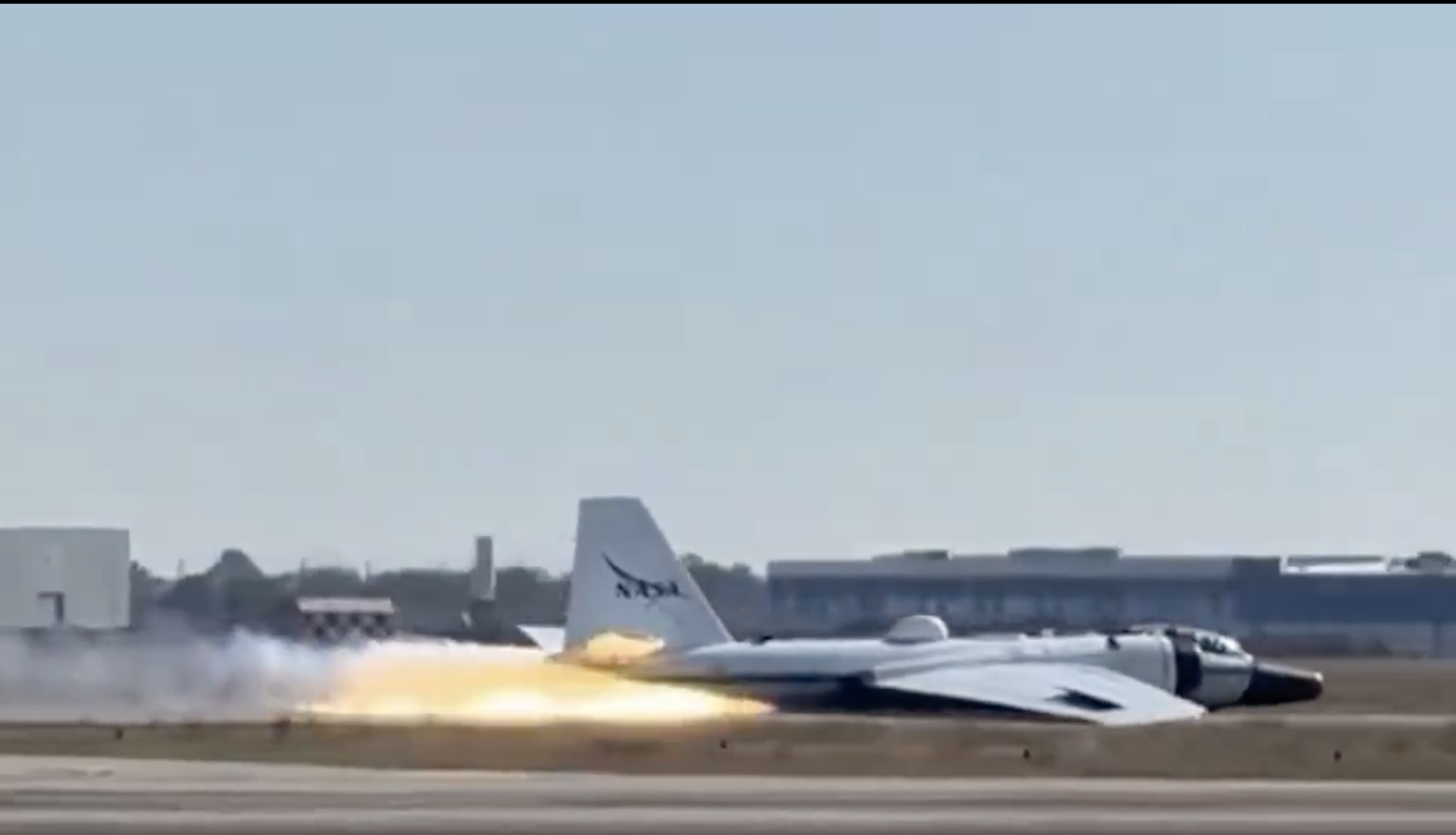
    A NASA Plane used for research faced an emergency landing at Ellington Airport because its landing gear failed to operate after a mechanical malfunction. The video shows the plane landing on its belly which created sparks and flames and thick smoke that followed behind it as it moved down the runway. The dangerous situation ended in success when both crew members escaped without injuries.

    The incident captured immediate public interest because of its visual strength and because NASA aircraft emergency landings happen so infrequently. The officials proved that they managed the terrifying situation through their safe and effective professional procedures.

    Landing Gear Failure Triggers Belly Landing

    The aircraft involved was a NASA WB-57, a high-altitude research plane that has supported scientific missions for decades. During its approach to Ellington Airport, the crew discovered that the landing gear would not deploy due to a mechanical malfunction.

    With limited options available, the pilots prepared for a controlled belly landing. Emergency crews were placed on standby along the runway as the aircraft lined up for touchdown. Such landings require precise control and careful coordination, especially in a plane designed for high-altitude research rather than commercial transport.

    Dramatic Video Of The Nasa Plane Shows Sparks and Flames

    Footage shared online captures the moment the NASA plane made contact with the runway. As the fuselage scraped along the pavement, sparks shot behind the aircraft and bright yellow flames flared underneath. Thick smoke quickly followed, while the wings visibly bounced on impact.

    The dramatic visuals sparked widespread reaction on social media, with many viewers expressing concern before learning that both crew members escaped unharmed.

    Crew Remains Calm and Exits Safely

    NASA officials praised the crew for maintaining control throughout the emergency landing. The aircraft eventually came to a complete stop as emergency responders rushed to the scene.

    Both crew members exited the NASA plane on their own and refused medical treatment, confirming they were not injured. Their safe escape underscored the importance of training and preparedness when dealing with unexpected mechanical failures.

    NASA WB-57 Aircraft Has Long Research History

    The WB-57 has been used for decades in high-altitude scientific research, including atmospheric studies and support for space-related missions. Its ability to operate at extreme altitudes makes it a valuable tool for NASA’s research programs.

    Incidents involving this aircraft are rare, making the emergency landing especially notable. NASA emphasized that the plane’s strong design and the crew’s experience played key roles in the successful outcome.

    Investigation Underway Into Mechanical Issue

    NASA confirmed that the landing gear malfunction will be fully investigated. Engineers will examine the aircraft to determine the exact cause of the failure and assess any damage sustained during the landing.

    Ellington Airport operations were temporarily affected as emergency crews secured the area and safety inspections were completed. Officials later confirmed that the situation was contained without further incident.

    A Reminder of Aviation Risk and Training

    While belly landings appear dangerous, aviation experts note they are often survivable when executed properly. Aircraft are designed with reinforced fuselages, and pilots regularly train for emergency scenarios.

    The NASA plane emergency landing in Texas highlights both the risks involved in aviation and the effectiveness of preparation under pressure. In the end, the most important outcome was clear, a dramatic incident that resulted in no injuries.