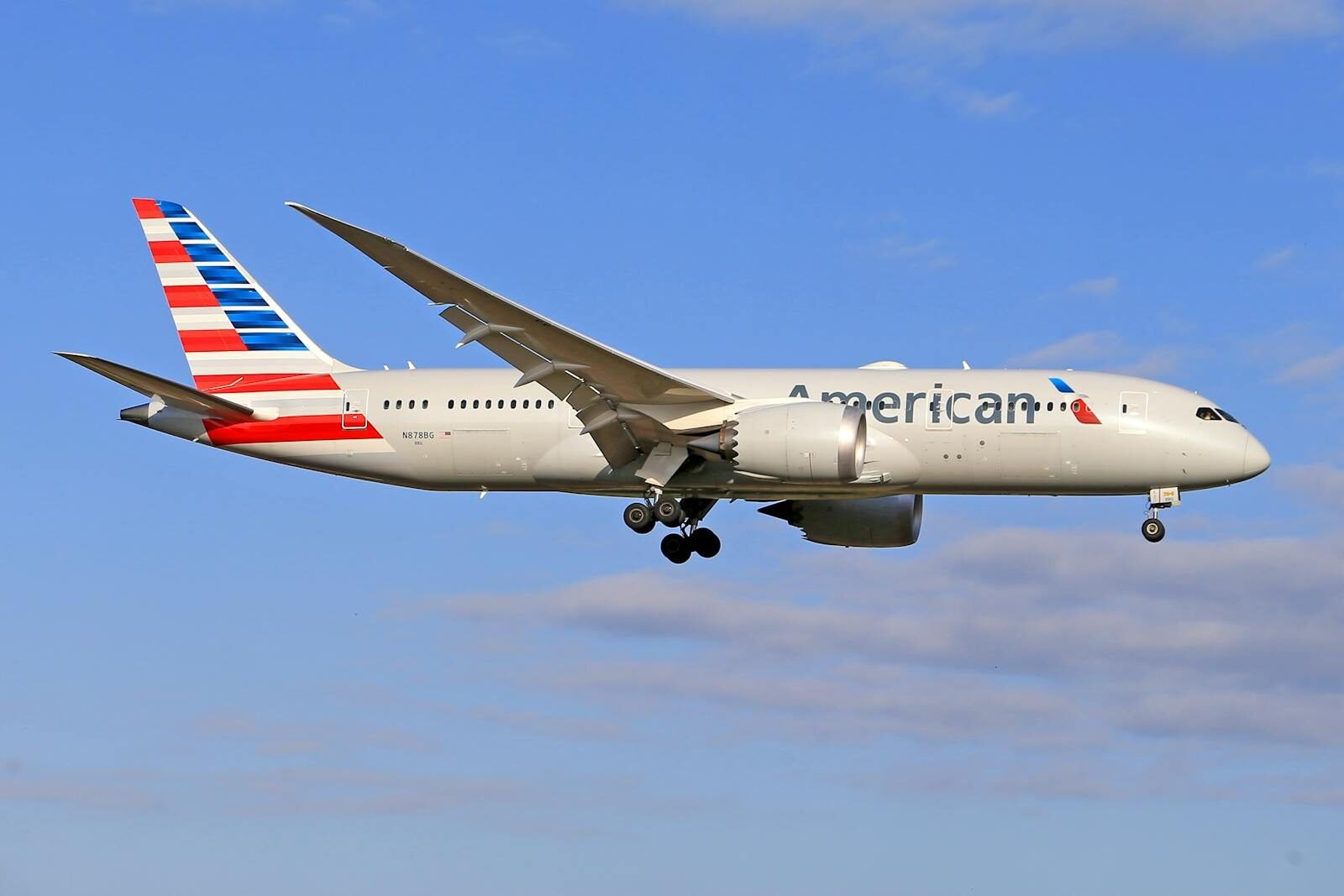
The sound of a jet engine starting up at a gate in O’Hare or Hartsfield-Jackson is a familiar one, but the technology managing that flight has changed more in the last two years than in the previous two decades. As we move through 2026, a massive financial shift is occurring within the industry. Major US airlines are no longer just buying new fuel-efficient aircraft or upgrading cabin interiors. They are pouring billions of dollars into artificial intelligence to run the backbone of their operations.For the average traveler, this might seem like a corporate trend that stays behind the scenes. However, the reality is that AI is now the primary tool used to prevent the massive travel meltdowns that plagued the early 2020s. Carriers like United, Delta, and American are finding that they can no longer manage the complexity of modern global networks using traditional software and human intuition alone. The sky has become too crowded, the weather too unpredictable, and the labor market too tight to rely on old-school methods.
The Operational Logic Behind US Airlines Spending
To understand why the price tag for these upgrades has reached the billions, one has to look at the sheer scale of a major hub operation. On any given day, an airline might have 4,000 flights in the air, thousands of crew members scattered across different time zones, and dozens of aircraft requiring unplanned maintenance. One thunderstorm over Dallas can ripple across the entire country, causing a domino effect of cancellations that costs an airline millions in lost revenue and passenger compensation.US airlines are using AI to build predictive models that see these problems before they happen. Instead of reacting to a storm once it hits, AI systems are now simulating weather patterns and air traffic constraints forty-eight hours in advance. This allows dispatchers to move aircraft and crews into position before the first raindrop falls. By spending money on these digital brains, carriers are essentially buying insurance against the operational chaos that destroys their profit margins.
How US Airlines Are Solving the Maintenance Puzzle
Maintenance is perhaps the most expensive and frustrating part of running a fleet. When a Boeing 737 Max or an Airbus A321neo has a technical fault at the gate, it doesn’t just delay that one flight. It ruins the schedule for every passenger booked on that plane for the rest of the day. Historically, maintenance was either scheduled based on time or reactive when something broke.By 2026, US airlines have shifted toward a model of predictive health monitoring. Every modern engine, from the CFM LEAP to the Pratt & Whitney GTF, generates terabytes of data during every flight. AI algorithms analyze this data in real-time to find tiny anomalies in temperature, vibration, or pressure that a human technician would never notice. If the AI detects that a fuel pump might fail in ten days, the airline can schedule a replacement during a routine overnight stop at a hub like Charlotte or Denver. This prevents the dreaded mechanical delay that occurs while passengers are already sitting at the gate.
Fuel Efficiency and the Bottom Line for US Airlines
Fuel remains the largest variable expense for any carrier. Even a 1% reduction in fuel burn across a massive fleet can result in hundreds of millions of dollars in savings annually. This is where AI is delivering its most immediate return on investment. Flight planning was once a relatively static process. A pilot would receive a flight plan based on standard routes and projected winds, and they would follow it as closely as possible.Today, AI-driven flight path optimization is much more fluid. These systems analyze real-time wind data, air temperature, and air traffic congestion to suggest altitude and speed changes every few minutes. By finding the “sweet spot” in the atmosphere where drag is lowest, US airlines are significantly cutting their carbon footprint and their fuel bills. This isn’t just about saving money; it is about surviving in an era where environmental regulations are becoming stricter and fuel prices remain volatile.
Staffing and Crew Scheduling Challenges
The human element of aviation is incredibly difficult to manage. Pilots and flight attendants are subject to strict legal limits on how many hours they can work. When a flight is delayed, a crew might “time out,” meaning they are legally unable to fly the next leg of their journey. Finding a replacement crew in a different city is a logistical nightmare that used to take human schedulers hours to solve.US airlines have integrated AI into their crew management systems to handle these “what if” scenarios. The software can instantly look at the locations, certifications, and remaining legal work hours of tens of thousands of employees to find the most efficient way to get a reserve crew to a gate. It minimizes the time a plane sits empty while waiting for a pilot, which has been a major pain point for travelers over the last few years.
Improving the Ground Game at Busy Hubs
The most congested part of any journey is often the time spent on the tarmac. Whether it is waiting for a gate to open or sitting in a long line for de-icing, ground operations are a major source of delay. US airlines are using AI-powered computer vision at airport gates to track every second of the “turn” process. Cameras monitor when the fuel truck arrives, when the catering is finished, and when the last bag is loaded.By analyzing this data, airlines can identify bottlenecks that humans might miss. If the data shows that baggage loading is consistently taking five minutes longer at a specific terminal in Newark, the airline can investigate why and fix the problem. These small gains in efficiency add up. If an airline can save five minutes on every flight turn, it can effectively add more flights to its schedule without buying a single new aircraft.
What Passengers Should Expect
While much of this investment is hidden in data centers and operations rooms, the impact on the passenger experience is becoming clear. We are entering an era of more reliable schedules. While technology cannot stop the wind from blowing or the snow from falling, it is making the industry much better at handling those disruptions.Passengers in 2026 are seeing fewer “mystery delays” where a plane is sitting at the gate but no one seems to know why. Communication has become more proactive. Instead of finding out your flight is canceled when you arrive at the airport, AI-driven customer service tools are often rebooking passengers and sending them new boarding passes before they even leave for the terminal. The goal for US airlines is to make the experience as predictable as possible, even when the world around the airplane is not.
FAQ
Are US airlines using AI to replace pilots? No. The current investment in AI is focused on operations, scheduling, maintenance, and flight path optimization. Pilots remain essential for safety and decision-making in the cockpit. AI acts as a support tool to help them fly
Will AI make my flight tickets cheaper? While AI helps airlines save money on fuel and maintenance, ticket prices are still largely driven by demand and competition. However, by reducing the costs associated with delays and cancellations, airlines can keep their operating costs lower, which helps prevent drastic fare hikes.How does AI help with lost luggage? Many airlines are using AI to track the movement of bags through sorting systems at major hubs. By predicting when a bag is likely to miss a connection due to a delay, the system can alert ground crews to prioritize specific luggage, reducing the chances of a bag being left behind.
Does AI assist in flight safety? Yes. By predicting mechanical issues before they happen and providing pilots with better data on weather and turbulence, AI contributes significantly to the overall safety of the flight.
Which US airlines are leading in AI technology? Delta, United, and American have all made public commitments to multi-billion dollar tech refreshes. Smaller carriers like JetBlue and Alaska are also investing heavily in specific areas like fuel optimization and gate management.
Why This Matters for Travelers
The massive shift in spending toward artificial intelligence represents a coming-of-age for the aviation industry. For decades, airlines were essentially transportation companies that happened to use computers. In 2026, they have transformed into tech companies that happen to fly airplanes. This distinction is important because it changes how they solve problems.
For the traveler, this means a more resilient system. We are moving away from the era of “fragile” aviation where a single computer glitch or a bad storm could shut down a carrier for a week. By using AI to manage the incredible complexity of the skies, US airlines are finally building the infrastructure needed to match the demands of modern travel. The billions spent today are the reason why your flight tomorrow is more likely to leave on time.
Leave a Reply