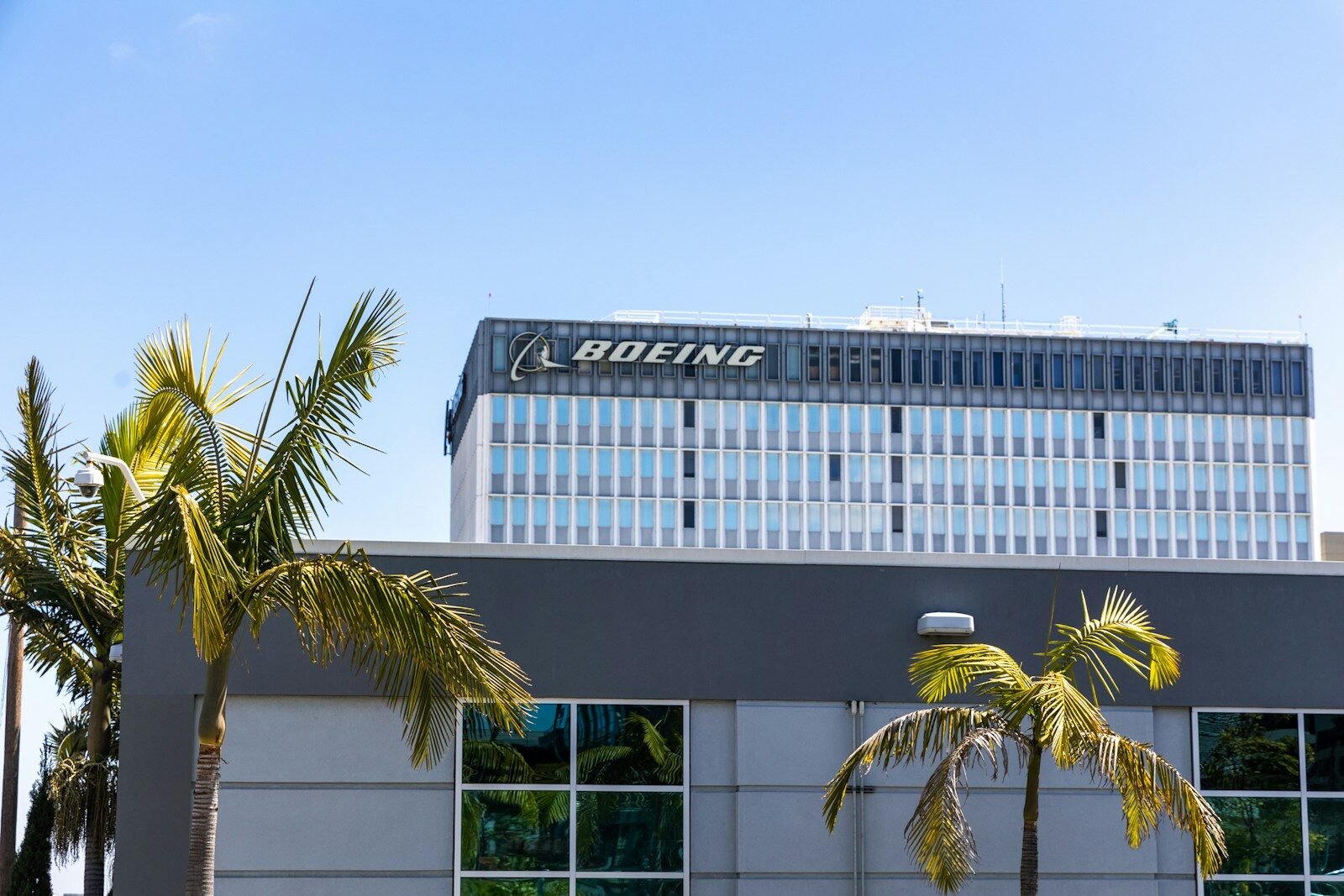
The legal saga involving the Boeing 737 MAX has finally reached a massive milestone with a $49.5 million judgment awarded to the family of a victim from the 2019 Ethiopian Airlines crash. For those who follow the aviation industry, this is not just another headline about a settlement. It is a moment of accountability that has been seven years in the making.
This case serves as a stark reminder of the technical failures, corporate decisions, and regulatory oversights that led to one of the darkest periods in modern commercial flight history. For pilots, frequent flyers, and airline employees, the details of this legal battle reveal a lot about how safety culture and aircraft certification have changed since the 737 MAX was first grounded.
The Tragic Origins of the 737 MAX Litigation
To understand why a court ordered Boeing to pay such a significant sum, we have to look back at the aircraft itself. The 737 MAX was designed to be a more fuel efficient version of the 737 Next Generation. To accommodate larger engines, Boeing had to mount them further forward and higher up on the wing. This change altered the aerodynamic profile of the jet, giving it a tendency to pitch upward under certain conditions.
To fix this without requiring expensive simulator training for pilots, the company implemented a software system called the Maneuvering Characteristics Augmentation System, or MCAS. This software was designed to automatically push the nose down if it sensed a stall. However, the system relied on a single sensor. When that sensor failed on Lion Air Flight 610 and later on Ethiopian Airlines Flight 302, the pilots found themselves in a desperate struggle against their own aircraft. The resulting crashes led to the worldwide grounding of the entire fleet and a series of lawsuits that are still being settled in courtrooms today.
A Timeline of the Seven Year Battle Against Boeing
The road to this $49.5 million award started immediately after the crash of Ethiopian Airlines Flight 302 in March 2019. While the Lion Air crash in Indonesia had already raised red flags, the second accident confirmed that something was fundamentally wrong with the 737 MAX flight control logic. Families from all over the world, representing various nationalities and walks of life, joined together to seek answers.
Early in the process, Boeing admitted liability for the compensatory damages resulting from the crashes. This was a strategic legal move intended to avoid a discovery process where internal emails and documents might be aired in front of a jury.
By admitting liability, the focus of the trials shifted purely to the value of the lives lost and the grief experienced by the families. This specific $49.5 million case involved the family of a young woman who died in the Ethiopian crash. The jury spent weeks listening to testimony about her life, her potential, and the massive void her death left behind. It took years of depositions, expert testimony, and emotional hearings to reach this point.
Why the Aviation Industry is Closely Following the Boeing Verdicts
Airlines like Southwest, United, and American Airlines have thousands of 737 MAX aircraft in their fleets or on order. For these operators, the stability of Boeing is vital for their long term route planning and fleet renewal strategies. However, the constant stream of legal losses and settlements impacts the manufacturer’s ability to focus on future projects like the rumored 797 or a clean sheet replacement for the 737 line.
From a pilot’s perspective, these legal outcomes highlight the importance of transparency in cockpit systems. The 737 MAX was initially marketed as a plane that didn’t need new training. We now know that was a mistake. Today, every MAX pilot undergoes extensive simulator sessions specifically focused on MCAS and runaway stabilizer trim scenarios. The $49.5 million payout is a financial figure, but for the aviation community, it represents the cost of ignoring the fundamental principles of human factors and systems redundancy.
The Impact on Global Aviation Safety and Regulation
The fallout from these legal battles forced the Federal Aviation Administration and other global regulators like EASA to change how they certify new planes. Previously, Boeing employees were often given the authority to sign off on their own work on behalf of the FAA. This practice, known as Organization Designation Authorization, came under heavy fire during the 737 MAX investigations.
Now, the FAA has taken a much more hands-on approach. We see this with the delayed certification of the 777X and the 737 MAX 7 and MAX 10 variants. Regulators are no longer taking the manufacturer’s word at face value. They are looking deeper into the code and the physical components of the aircraft. This shift ensures that the next generation of planes will be safer, even if it means they take longer to reach the departure gates at major airports like O’Hare or Heathrow.
What Comes Next for the 737 MAX and Its Passengers
Despite the heavy legal fees and the negative press, the 737 MAX is currently the workhorse of many domestic and international routes. It is a quiet, fuel efficient jet that passengers generally find comfortable. Most travelers today likely board a MAX without even realizing it, as the aircraft has logged millions of flight hours since its return to service.
The $49.5 million judgment is a significant individual win for a grieving family, but Boeing still faces other pending cases. Some families are pushing for the right to seek punitive damages, which would go beyond compensation and actually punish the company for its conduct. If a judge allows punitive damages in future trials, the financial hit to the company could jump from millions to billions. This keeps the aviation world on edge as we watch the legal system slowly grind toward a final resolution for all parties involved.
Why This Matters for Travelers
For the average person booking a flight, these headlines can feel distant, but they directly affect the cost of your ticket and the safety of your journey. When a major manufacturer faces massive legal payouts, it affects their bottom line, which can influence everything from research and development budgets to the price of spare parts for airlines.
More importantly, these cases ensure that safety is never again treated as a secondary concern to profit or delivery schedules. The transparency demanded by the lawyers and families in these 737 MAX cases has led to better pilot training manuals and more robust aircraft systems. When you sit down in your seat and the flight crew begins their pre-flight checks, you are benefiting from the hard-won lessons of this seven year legal war. The sky is safer today because people refused to let these failures go unnoticed.
Leave a Reply