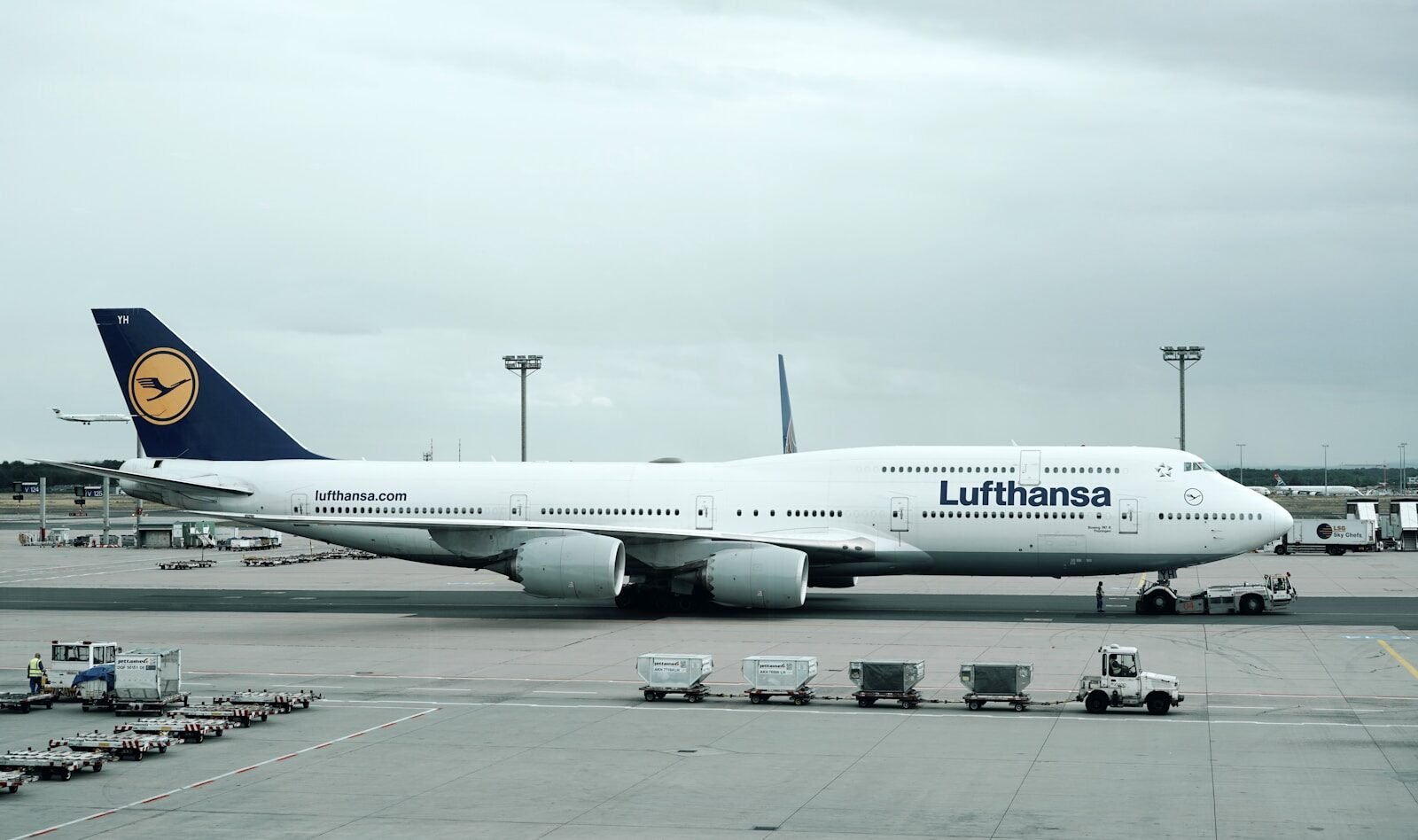
For years, the European aviation sector has watched the slow motion transformation of Italy’s national carrier with a mix of curiosity and skepticism. The story of Alitalia, with its decades of financial turbulence and multiple rescue attempts, finally reached its end in 2021. From its remnants rose ITA Airways, a leaner and more focused airline that was always destined to find a powerful partner. That partner has arrived in the form of the Lufthansa Group, which is now moving to take a commanding 90 percent stake in the Italian airline.
This transition is not just a corporate merger; it is a seismic shift in how passengers will travel across the Mediterranean and beyond. For the Lufthansa Group, adding Italy to its portfolio alongside its core hubs in Frankfurt, Munich, Zurich, Vienna, and Brussels creates a massive aviation powerhouse. Italy is one of the most important markets in the world for both business and leisure travel. By securing a majority stake in the flagship carrier, the German aviation giant is positioning itself to capture a larger share of the lucrative North Atlantic and South American traffic that flows through Rome and Milan.
The Financial Mechanics of the Lufthansa Deal
The journey toward 90 percent control has been a calculated, multi stage process. In early 2025, the German group acquired an initial 41 percent minority stake for 325 million euros. This provided the necessary capital for ITA Airways to begin its modernization while allowing both parties to test the waters of operational integration. Following a strong financial performance in 2025, where the Italian airline reported its first annual net profit of 209 million euros, the decision was made to accelerate the takeover.
In May 2026, the supervisory board gave the green light to exercise an option to purchase an additional 49 percent stake. This second block of shares also costs 325 million euros, bringing the total investment to 650 million euros for a 90 percent ownership position. The Italian government, through the Ministry of Economy and Finance, will retain the remaining 10 percent for now. There is already a clear path for the final 10 percent to be handed over by 2028, which would make the airline a wholly owned subsidiary.
This financial structure was designed to satisfy European Union regulators who were wary of a sudden monopoly. By breaking the acquisition into phases, the parties were able to demonstrate that competition would remain healthy. Even with this majority control, the deal still requires the final stamp of approval from the European Commission and the United States Department of Justice, with a full closing expected in the first quarter of 2027.
Fleet Strategy and the Italian Hub Experience
One of the most exciting aspects for aviation enthusiasts is the evolution of the ITA Airways fleet under the guidance of the Lufthansa Group. Unlike the aging and inefficient fleet that plagued its predecessor, the new airline has focused on the latest generation of Airbus aircraft. The current lineup includes the agile A220 for short hauls, the fuel efficient A320neo family, and the flagship A350-900 and A330neo for long distance routes.
Lufthansa plans to use this modern fleet to turn Rome Fiumicino into a premier southern hub. While Frankfurt and Munich often struggle with capacity constraints and winter weather delays, Rome offers a reliable alternative for travelers heading to the Southern Hemisphere. The group intends to coordinate schedules so that a passenger flying from New York or Buenos Aires can easily connect through Rome to destinations across Africa and the Middle East.
Operational integration is already moving at a record pace. The airline has officially joined the Miles and More loyalty program, replacing the old Volare scheme. This means frequent travelers can now earn and redeem miles across a vast network of carriers including SWISS, Austrian Airlines, and Brussels Airlines. Furthermore, the Italian carrier has officially transitioned into the Star Alliance, ending its long standing ties with the SkyTeam alliance. This shift opens up dozens of new codeshare opportunities and provides premium passengers with access to a global network of lounges.
Cargo Synergies and Operational Efficiency
While passengers see the blue livery and the polished service, much of the value in this deal lies in the belly of the aircraft. Lufthansa Cargo has already begun marketing the cargo capacity of the Italian fleet. This adds the equivalent capacity of three Boeing 777 freighters to the group’s logistics network. In an era where global supply chains are constantly under pressure, having a strong cargo presence in Southern Europe is a major strategic advantage.
Behind the scenes, the integration involves unifying booking systems, sales platforms, and fare structures. The goal is for a traveler to view the Italian airline as a natural extension of the German parent company. If you book a flight on the Lufthansa website, you might find yourself on an ITA Airways jet for one leg and a SWISS flight for the next, with the experience feeling consistent throughout. This level of coordination helps reduce overhead costs, as the group can negotiate better prices for fuel, maintenance, and aircraft parts due to its massive scale.
Why This Matters for Travelers
For the average passenger, the most immediate benefit of the 90 percent takeover is more choice and better reliability. Italy has historically been a fragmented market with a heavy presence of low cost carriers. While budget airlines are great for point to point travel, they lack the connectivity of a major network. With the backing of a larger group, the Italian national carrier can offer more frequent flights to secondary cities and better protection when things go wrong.
If a flight is cancelled in Rome, the airline now has the resources of the entire group to find alternative routing for its passengers. You could be rerouted through Munich or Zurich rather than waiting a day for the next direct flight. Additionally, the investment in the cabin product is expected to continue. The Italian airline is already known for its excellent catering and stylish interiors, and with the German group’s focus on premium service, we can expect the long haul business class and premium economy offerings to remain highly competitive.
Frequent flyers will also appreciate the seamless nature of the loyalty program. Being able to use Italian flights to reach elite status within the Star Alliance ecosystem is a huge draw for business travelers who frequently visit Milan or Rome. The access to the group’s lounges, such as the Senator Lounges in Germany or the Alpine Lounges in Switzerland, adds a layer of comfort that was previously missing for many Italian travelers.
The Future of the Mediterranean Skies
The acquisition of a 90 percent stake in the Italian flagship is a clear signal that the era of small, struggling national carriers in Europe is ending. Consolidation is the new reality. As the Lufthansa Group cements its position in Italy, other major players like Air France-KLM and International Airlines Group are looking for their own opportunities to expand. This competition is generally good for the industry, as it forces airlines to modernize their fleets and improve their service to stay relevant.
Looking ahead to 2027 and beyond, the focus will be on fully realizing the potential of the Rome hub. We can expect to see new routes to untapped markets in Asia and a further strengthening of the South American network. The blue aircraft with the green, white, and red accents on the tail will become a much more common sight at airports around the world.
While the ghost of Alitalia’s financial woes may still linger in the minds of some, the current trajectory is undeniably positive. With a stable owner, a modern fleet, and a clear strategic mission, the Italian national carrier is finally ready to compete on the world stage. The 90 percent control by the German aviation giant marks the beginning of a new chapter where the beauty of Italian hospitality meets the precision of German management.
Leave a Reply