Author: Adityan Pillai

  • FACT CHECK: Did a United Airlines Boeing 767 Strike a Truck and Light Pole on Approach to Newark?

    FACT CHECK: Did a United Airlines Boeing 767 Strike a Truck and Light Pole on Approach to Newark?

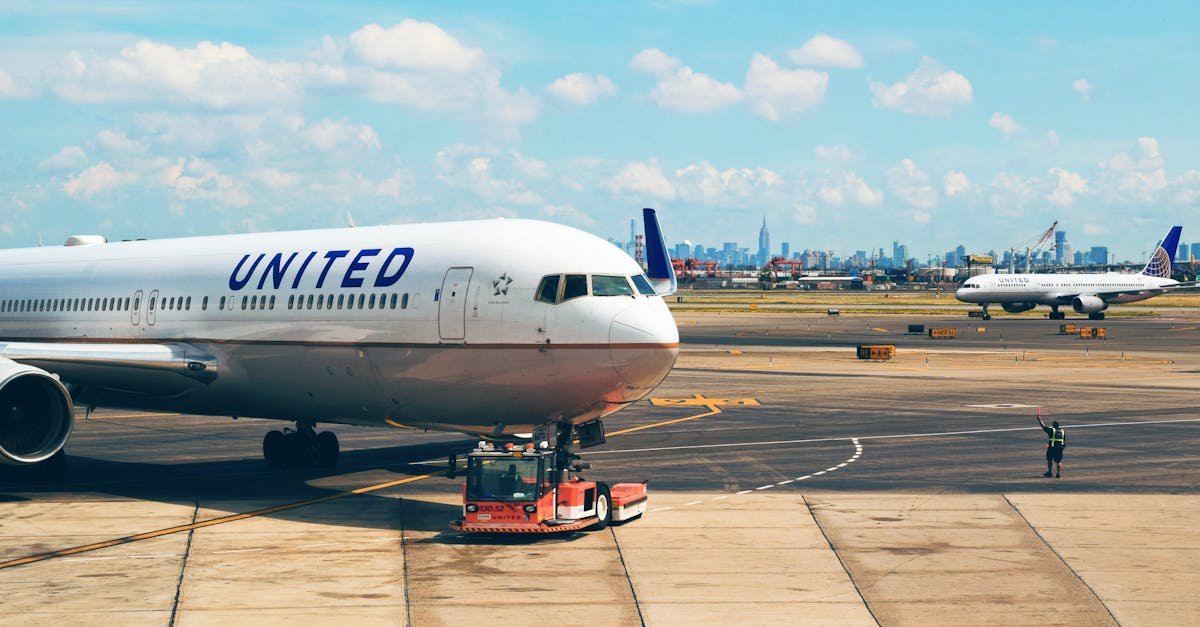
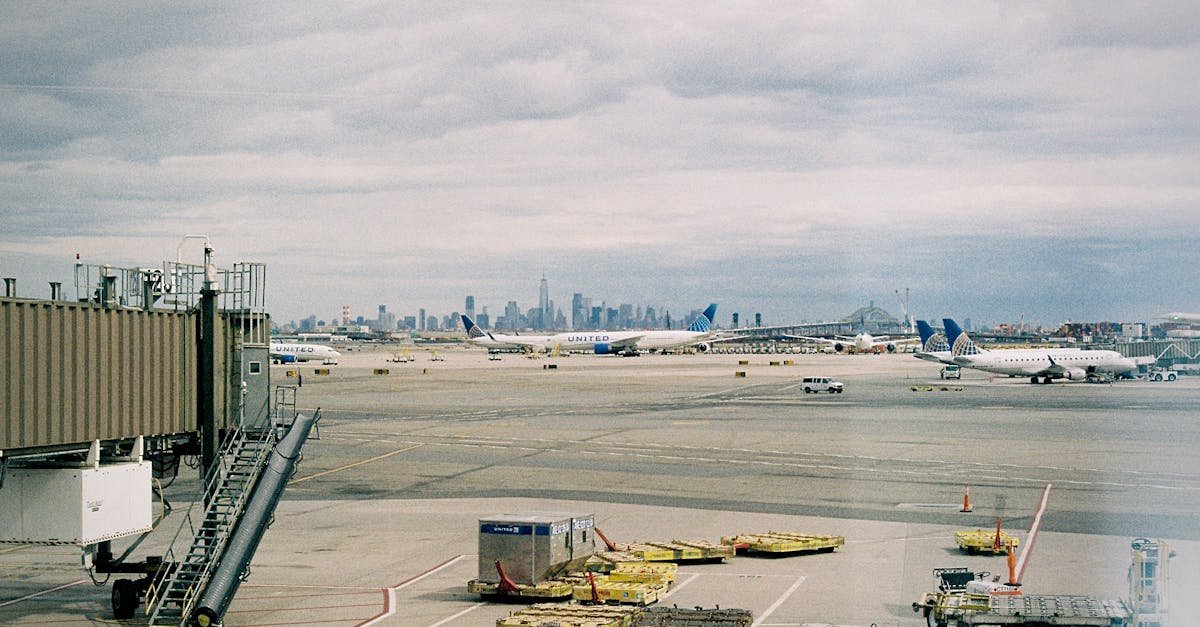
    In a scene that felt like it belonged in a high-budget action movie, the skies above New Jersey became the center of a terrifying aviation incident on May 3, 2026. United Flight 169, a massive Boeing 767-400ER making its long journey from Venice, Italy, was on its final approach to Newark Liberty International Airport. As the plane descended toward the runway, things took a turn that left onlookers and those on the ground in total disbelief.

    A Collision on the New Jersey Turnpike

    What was supposed to be a standard landing turned into a chaotic sequence of events just as the plane crossed over the New Jersey Turnpike. At roughly 2:00 p.m., the aircraft flew exceptionally low, far lower than the standard glide path for that area. As United Flight 169 cleared the highway perimeter, its landing gear and the underside of the fuselage made contact with a tall light pole.

    The impact was enough to dislodge the pole, which then crashed down onto a Jeep traveling on the highway. Even more shocking was the contact made with a commercial vehicle. A semi-truck belonging to H&S Bakery, driven by Warren Boardley, was also struck by the aircraft’s landing gear. Dashcam footage from inside the truck captured a harrowing moment where the massive tire of the Boeing 767 appeared to smash through the driver’s side windshield. Shattered glass filled the cabin as the driver managed to maintain control and pull over. Despite the terrifying nature of the collision, the plane continued its path and managed to touch down on the runway.

    The Factors Behind the Low Approach

    When an incident like this happens, the first question everyone asks is how a sophisticated aircraft from United could end up so close to the ground before reaching the airport boundary. While the official investigation is still in its early stages, several environmental and operational factors have already come to light.

    On that particular Sunday, Newark was experiencing significant wind conditions. Because of these gusts, air traffic control vectored the United flight toward Runway 29. This specific runway is the shortest at Newark, measuring only 6,725 feet, compared to the much longer runways the flight would typically use. Runway 29 sits incredibly close to the New Jersey Turnpike, leaving a very small margin of error for pilots. The combination of a shorter-than-usual runway, shifting winds, and the immense size of a Boeing 767 likely created a challenging environment for the crew. Pilots are now being questioned to determine if there was a loss of situational awareness or if technical issues played a role in the plane dropping below the safe altitude threshold.

    Why This Event Has Sent Shockwaves Through the Industry

    The reason this specific incident with United has garnered so much attention is the sheer rarity of a “ground strike” during an active landing where the plane still manages to land safely. Aviation safety is built on layers of redundancy and strict altitude floors. When a plane’s landing gear hits a vehicle on a public road, it suggests a total breakdown of those safety layers.

    This matters because the New Jersey Turnpike is one of the busiest stretches of highway in the United States.Thousands of people drive directly under the flight path of Newark Liberty International every hour. If the plane had been just a few feet lower, the outcome could have been a catastrophic loss of life both in the air and on the ground. The fact that all 221 passengers and 10 crew members walked off the plane without a single scratch is being described by many as a miracle. However, for the aviation industry, it is a wake-up call regarding the proximity of major infrastructure to active runways.

    The Immediate Aftermath and Next Steps

    Following the landing, United moved quickly to address the situation. The aircraft was immediately taken out of service so that maintenance teams could inspect the landing gear and the underside of the fuselage for structural damage. The flight crew has also been removed from active duty, which is standard procedure during a “rigorous” safety investigation.

    On the ground, the driver of the bakery truck was taken to a local hospital. Fortunately, his injuries were limited to cuts from the broken glass, and he was released shortly after. The FAA and the National Transportation Safety Board (NTSB) have both launched full-scale inquiries. The NTSB has already secured the cockpit voice recorder and the flight data recorder from the United jet. These “black boxes” will be the key to understanding the final moments of the flight. A preliminary report is expected to be released within the next 30 days, which will provide a clearer picture of the mechanical or human factors that led to the strike.

    Breaking Down the Risks of Short Runway Landings

    From an analytical perspective, this event highlights the inherent risks of using secondary runways for large wide-body aircraft under stress. The Boeing 767 is a heavy machine, and landing it on Runway 29 at Newark requires precision. When United is forced to use these shorter strips due to weather, the “aim point” for the pilots becomes much more critical.

    Investigators will likely look at the “threshold crossing height,” which is the altitude of the aircraft as it passes the beginning of the runway. Because the turnpike is so close to the airport fence, any deviation in the descent angle can bring the plane dangerously close to highway traffic. This incident may prompt a review of whether certain aircraft types should be restricted from Runway 29 during specific wind conditions. It also raises questions about the height of utility poles and lighting structures in the immediate vicinity of the airport’s approach paths. For United, the focus will be on training and ensuring that their crews are fully prepared for the unique challenges of Newark’s layout when the primary runways are unavailable.

    A New Look at Aviation Safety Near Highways

    While we wait for the final word from federal investigators, the images of a United jet clipping a light pole will likely stay in the public consciousness for a long time. It serves as a stark reminder that even with the best technology and the most experienced pilots, the physical world offers very little room for error. The safety of our skies depends on constant vigilance and the willingness to change protocols when a near-miss occurs.

    This event was a narrow escape for everyone involved. Moving forward, the goal for both the airline and the port authority will be to ensure that the boundary between the highway and the runway remains a safe distance apart, protecting both the travelers in the air and the commuters on the ground.

  • Will Pilot Shortage Get Worse For United, American Airlines and others in the Next 5 Years?

    Will Pilot Shortage Get Worse For United, American Airlines and others in the Next 5 Years?

    The aviation industry is currently facing a massive hurdle that could change how we travel for years. If you have been following the news about major carriers like United and American Airlines, you might have noticed a recurring theme of flight delays or cancellations. At the heart of these issues is a simple but deep problem: there are not enough people to fly the planes. As we look toward the next five years, the big question is whether this gap will close or if the pilot shortage will get worse.

    The current state of the cockpit

    To understand the future, we have to look at the present. The industry has entered 2026 in a precarious spot. While travel demand has surged back to record levels, the supply of qualified pilots has not kept pace. Major airlines like United and American are currently in a hiring frenzy, trying to bring in thousands of new pilots every single year.However, they are not just competing against each other; they are competing against time and a thinning pool of experienced talent.

    Research suggests that 2026 is actually the peak of the crisis. Forecasters indicate that the global gap between the number of pilots needed and the number available is roughly 24,000. Even with aggressive recruiting, the numbers just do not add up yet. The pressure is most visible at the regional level, where smaller airlines that feed into the big hubs are struggling to keep their schedules intact. When a regional carrier does not have enough crew, it cannot send passengers to the big cities, and the entire system starts to feel the strain.

    Why the gap has become a canyon

    A few different factors have crashed into each other to create this mess. First, there is the mandatory retirement age. In the United States, the law says commercial pilots must hang up their wings at 65. We are currently seeing a huge wave of retirements from the baby boomer generation. These are the most experienced captains in the sky, and they are leaving the workforce by the thousands.

    Then there is the training bottleneck. It takes a long time and a lot of money to become a commercial pilot. You cannot just decide to do it and start work next month. It takes years of flight hours and expensive schooling. During the recent global health crisis, many flight schools slowed down or closed, which paused the pipeline of new students.

    Finally, we have to talk about the planes themselves. Companies like Boeing have faced significant delays in delivering new aircraft. While you might think fewer planes means less need for pilots, it actually complicates things. Airlines have to keep older, more maintenance-heavy planes in the air, and they have to constantly shuffle their crews to match changing fleet schedules. This inefficiency makes the existing shortage feel even more intense.

    Why this matters for the average traveler

    If you are someone who flies once a year for a holiday or every week for business, the pilot shortage is not just an industry statistic. It has real-world consequences for your wallet and your schedule. When airlines have fewer pilots, they have to fly fewer routes. This usually means that flights to smaller, more rural cities get cut first. If you live in a town that relies on a regional link to a major hub, you might find that your only flight option has been canceled.

    Limited supply also leads to higher prices. Airlines are spending record amounts on pilot salaries to keep their staff from leaving for competitors. Some senior captains are now making more than $400,000 a year. While that is great for the pilots, those costs eventually show up in the price of your ticket. If United or American Airlines has to pay significantly more to keep their planes moving, they will pass those costs on to the passengers.

    Looking toward the end of the decade

    As we move past 2026 and into the late 2020s, there is a glimmer of hope, but the pilot shortage will get worse before it truly stabilizes. The peak we are seeing now will likely linger for another two or three years. Even though more people are entering flight school today, it will take them several years to earn the 1,500 flight hours required to sit in a commercial cockpit.

    We might also see changes in the law. There has been a lot of talk about raising the retirement age from 65 to 67. If that happens, it would provide an immediate boost by keeping veteran pilots in the air for two more years. However, this is a hot topic with a lot of debate around safety and international regulations. For now, the industry is operating under the assumption that the current rules stay in place, meaning the exit of senior pilots will continue at a steady clip through 2028.

    Deep dive into the American Airlines and other carriers’ strategy

    The major carriers are not just sitting around waiting for the government to help. They are getting creative. United Airlines, for example, has opened its own flight academy to train pilots from the ground up. By taking control of the education process, they can ensure a steady stream of new hires who are already familiar with their specific systems.

    American Airlines and others are also leaning heavily on their regional partners. They are offering massive sign-on bonuses, sometimes reaching six figures, just to get pilots to commit to a few years of service. This has turned the job market into a game of musical chairs. A pilot might start at a small regional carrier, get a huge bonus, and then get poached by a major airline just a year later. This “trickle-up” effect is why the pilot shortage will get worse for the smaller communities even as the big airlines start to find their footing.

    Navigating the years ahead

    The next five years will be a period of transition. We are moving from a world where being a pilot was a stable, traditional career to one where it is a high-demand, high-tech profession with rapidly rising pay. For the airlines, the focus will be on retention. It is much cheaper to keep a pilot you already have than to find and train a new one.

    For the traveler, the best advice is to expect the unexpected. Until the training pipeline catches up with the retirement wave, flight schedules will likely remain tight. The pilot shortage will get worse in terms of service reliability to smaller markets, even if the total number of pilots in the country starts to climb. The industry is essentially rebuilding its foundation while the house is still full of guests. It is a difficult balancing act, and while the turbulence will eventually settle, the next few years will definitely be a bumpy ride for everyone involved.

  • Why U.S. Flight Delays Are Getting Worse in 2026?

    Why U.S. Flight Delays Are Getting Worse in 2026?

    Flight delays across the United States have become a regular part of travel in 2026. What used to be an occasional inconvenience now feels like a built-in part of the flying experience. Travelers are planning for extra hours at airports, and airlines are struggling to maintain schedules that once seemed routine. The situation has raised an important question: why U.S. flight delays are getting worse in 2026, and what is actually driving this shift?

    A Growing Imbalance Between Demand and Capacity

    Air travel demand in the United States has surged again in 2026. Passenger numbers have not only recovered from previous slowdowns but have exceeded earlier records in several major markets. Airports like Atlanta, Dallas, and Denver are handling more flights than ever before.

    The problem is that infrastructure has not expanded at the same pace. Runways, gates, and airspace capacity remain limited in many regions. When more flights are scheduled than the system can comfortably handle, even a small disruption can trigger a chain reaction. This imbalance is one of the clearest reasons why U.S. flight delays are getting worse in 2026.

    Air Traffic Control Staffing Challenges

    Another major factor is the ongoing shortage of air traffic controllers. The Federal Aviation Administration has been working to address staffing gaps, but training new controllers takes time, and experienced personnel are still retiring.

    In busy airspace regions like the Northeast, fewer controllers mean reduced flexibility in managing traffic. Flights are often spaced further apart for safety, which reduces overall efficiency. When traffic levels remain high, this leads to congestion and delays that ripple through the system.

    This staffing issue has quietly become one of the biggest contributors to why U.S. flight delays are getting worse in 2026.

    Weather Patterns Are Becoming Less Predictable

    Weather has always played a role in aviation delays, but recent patterns have made disruptions more frequent and harder to manage. Thunderstorms, extreme heat, and sudden weather shifts are affecting key travel corridors more often.

    In places like Florida and the Midwest, storm systems can ground flights or force reroutes that add pressure to already busy airspace. Even when weather clears quickly, the backlog of delayed flights can take hours to resolve.

    The increasing unpredictability of weather is another reason why U.S. flight delays are getting worse in 2026, especially during peak travel seasons.

    Airline Scheduling Strategies Are Under Pressure

    Airlines are trying to maximize efficiency by scheduling tightly packed flight rotations. Aircraft are often assigned multiple routes in a single day, leaving little room for delays.

    When one flight runs late, the aircraft assigned to the next route is also delayed. This creates a domino effect that spreads across multiple destinations. Crew schedules are also affected, and regulations limit how long pilots and flight attendants can work, adding another layer of complexity.

    These tight scheduling practices help airlines operate more flights, but they also make the system more fragile. This is a key piece of why U.S. flight delays are getting worse in 2026.

    Airport Congestion Is Reaching New Levels

    Major airports in the United States are facing serious congestion challenges. At peak hours, taxiways are crowded, gates are occupied, and aircraft often wait in line for takeoff clearance.

    Some airports are operating close to their maximum capacity. When delays begin to stack up, there is little room to absorb the disruption. Smaller airports are not immune either, as increased regional traffic adds pressure to facilities that were not designed for such volumes.

    This congestion plays a direct role in why U.S. flight delays are getting worse in 2026, especially in large metropolitan areas.

    Maintenance and Operational Constraints

    Aircraft maintenance is another factor that often goes unnoticed. Airlines are maintaining large fleets that are being used more intensively than before. More flights mean more wear and tear, and even minor technical issues can lead to delays.

    Supply chain challenges have also affected the availability of parts and maintenance resources. When repairs take longer than expected, flights are delayed or canceled.

    Operational constraints like these add to the growing list of reasons why U.S. flight delays are getting worse in 2026.

    The Impact of Pilot Availability

    While the pilot shortage has improved compared to earlier years, it is still a concern for some airlines, particularly regional carriers. Limited pilot availability can lead to schedule adjustments and reduced flexibility in handling disruptions.

    When delays occur, airlines may not have backup crews readily available, which can extend waiting times for passengers. This issue may not be as visible as others, but it still contributes to why U.S. flight delays are getting worse in 2026.

    Passenger Volume and Airport Experience

    Higher passenger numbers also affect how smoothly airports operate. Security lines, boarding processes, and baggage handling all take longer when more people are traveling.

    Delays can start even before passengers reach the gate. Late arrivals due to long security lines can hold up flights, especially on routes with tight turnaround times. The entire system becomes slower when passenger volume increases beyond what facilities can handle efficiently.

    This human side of the travel experience is another layer in understanding why U.S. flight delays are getting worse in 2026.

    Technology Helps but Cannot Solve Everything

    Airlines and airports have invested heavily in technology to improve operations. Real-time tracking, automated scheduling systems, and improved communication tools have made a difference.

    However, technology cannot fully overcome physical and staffing limitations. When there are too many flights and not enough capacity, even the most advanced systems can only do so much.

    This gap between technological capability and real-world constraints is part of why U.S. flight delays are getting worse in 2026.

    What Travelers Are Noticing in 2026

    Passengers are becoming more aware of these challenges. Many travelers now expect delays and plan accordingly. Airlines are also adjusting by offering more flexible rebooking options and improved communication during disruptions.

    Despite these efforts, frustration remains high. Delays affect connections, business schedules, and overall travel experiences. For frequent flyers, the change is noticeable and significant.

    What This Means for the Future of Air Travel

    Understanding why U.S. flight delays are getting worse in 2026 points to a broader issue within the aviation system. Demand continues to grow, but infrastructure, staffing, and operational strategies are struggling to keep up.

    Long-term solutions will likely involve a combination of expanded airport capacity, improved air traffic control staffing, and more balanced scheduling practices. Airlines may also need to rethink how they build resilience into their operations.

    For now, delays are likely to remain a defining feature of air travel in the United States. Travelers, airlines, and regulators are all adapting to a system that is under increasing pressure, and the changes made in the coming years will shape how efficiently the industry can handle future growth.

  • Why Flight Delays Are Rising Across the U.S. in 2026? What It Means for Travelers?

    Why Flight Delays Are Rising Across the U.S. in 2026? What It Means for Travelers?

    Traveling by air was once a symbol of efficiency and speed, but lately, it feels like spending time in an airport lounge or sitting on a tarmac has become part of the standard itinerary. If you have noticed that your trips are taking longer than they used to, you are not alone. As we move through 2026, the frequency of flight delays across the United States has reached levels that are testing the patience of even the most seasoned travelers. This shift is not just a streak of bad luck but rather a combination of several deep-rooted issues within the aviation industry.

    Understanding why flight delays are on the rise requires looking at the bigger picture. From the way airlines schedule their planes to the physical limitations of our oldest airports, the system is currently under immense pressure. For anyone planning a trip this year, knowing these factors can help you prepare for the likelihood that your departure time might be more of a suggestion than a guarantee.

    The Growing Gap Between Demand and Capacity

    One of the most obvious reasons for the surge in flight delays is that more people are flying than ever before. After years of fluctuating travel interest, 2026 has seen passenger numbers soar to record highs. Airlines are eager to meet this demand by adding as many flights to their schedules as possible. However, the physical space at major hubs like Chicago O’Hare, Dallas/Fort Worth, and Atlanta Hartsfield-Jackson is finite.

    When airlines pack their schedules with back to back flights, there is very little room for error. If a single plane arrives late due to a minor issue, it creates a domino effect for every other trip that aircraft is supposed to make that day. This lack of buffer time means that flight delays are no longer isolated incidents but rather daily occurrences that ripple through the entire national network.

    Chronic Staffing Shortages in Key Areas

    Even with the best technology, the aviation industry relies heavily on human expertise. In 2026, a significant shortage of pilots, flight attendants, and maintenance technicians continues to plague the industry. Many experienced professionals reached retirement age recently, and the pipeline of new workers has not been able to keep up with the rapid expansion of flight schedules.

    When a crew member is delayed on an incoming flight or reaches their maximum legal working hours, the airline often struggles to find a replacement quickly. This leads to flight delays while the company scrambles to find a new team.Additionally, staffing issues are not limited to the airlines themselves. Labor disruptions and high turnover rates among airport security personnel and ground crews have slowed down the boarding and baggage handling processes, adding even more minutes to the wait times at the gate.

    Modern Weather Patterns and Their Impact

    Weather has always been the primary enemy of on-time performance, but 2026 has brought a new level of volatility.Changes in global climate patterns have led to more frequent and more intense thunderstorms, especially in regions that serve as major connecting points. Strong winds and low visibility often force the Federal Aviation Administration to implement ground stops or reduce the number of planes allowed to land per hour.

    Unlike a simple rain shower, these severe weather events can shut down an entire corridor of airspace for hours.Because the modern aviation system is so interconnected, a storm in the Midwest can easily cause flight delays for a traveler trying to get from Florida to New York. Airlines are finding it increasingly difficult to navigate these unpredictable weather windows without disrupting thousands of passengers.

    Infrastructure Strain and Ongoing Construction

    Many of the busiest airports in the United States were built decades ago and were never intended to handle the volume of traffic seen today. To fix this, several major hubs have embarked on massive renovation and expansion projects in 2026. While these improvements are necessary for the future, the immediate result is a reduction in available runways and taxiways.

    In cities like Chicago and Los Angeles, ongoing construction means that planes have to take longer routes to get to their gates or wait in longer queues for takeoff. These logistical hurdles are a constant source of flight delays. When you combine reduced pavement space with a record number of scheduled flights, the result is a bottleneck that can hold up traffic for the better part of a day.

    Tech Glitches and Air Traffic Control Hurdles

    The technology used to manage our skies is also showing its age. While there have been significant investments in upgrading air traffic control systems, the transition to new software and hardware hasn’t been perfectly smooth. System outages or glitches in the digital tools that controllers use to track planes can lead to immediate safety pauses.

    Safety is always the priority, so if there is even a minor concern with the tracking equipment, the flow of traffic is slowed down. Furthermore, there is a noted shortage of air traffic controllers in several high-traffic regions. With fewer people available to manage the complex puzzles of the sky, the spacing between aircraft must be increased, which naturally results in more flight delays across the board.

    The Financial Pressure on Regional Carriers

    Not all flight delays happen at the big hubs. Regional airlines, which connect smaller cities to larger hubs, are facing their own set of unique challenges. These carriers often operate on much tighter margins and have fewer spare aircraft available. If a regional jet has a mechanical issue, there might not be another plane available for hours or even days.

    In 2026, rising fuel costs and increased labor expenses have made it harder for these smaller companies to maintain a flexible fleet. When a regional flight is held up, it often prevents passengers from making their connections at larger airports, further complicating the travel landscape for everyone involved.

    How Travelers Are Adapting to the New Reality

    For the person holding a ticket, the rise in flight delays has changed the way people plan their lives. Short layovers,which used to be a convenient way to save time, are now seen as a major risk. Travelers are increasingly choosing to book longer gaps between flights or even opting for direct routes at a higher cost just to avoid the stress of a missed connection.

    Travel insurance and flexible booking policies have also become much more popular. People are realizing that they need a safety net in case their plans are derailed by factors beyond their control. While the airlines are working to improve their reliability, the current environment suggests that being prepared for a wait is the smartest way to travel.

    Navigating the Future of Air Travel

    While the current situation can feel frustrating, there is hope that these issues will eventually stabilize. The investments being made into airport infrastructure and the push to train more aviation professionals will pay off in the long run.However, for the remainder of 2026, it is likely that flight delays will remain a persistent part of the experience.

    The best approach for any traveler is to stay informed. Using airline apps to track your plane before it even arrives at your gate can give you a head start on rebooking if things look messy. By understanding the various factors at play, you can manage your expectations and perhaps find a bit more patience the next time you hear an announcement about a late departure. Flying in 2026 is a test of endurance, but with a little extra planning, you can still reach your destination safely.

  • What Happened at JFK? Two Planes Forced into Emergency Abort After Coming Within 350 Feet

    What Happened at JFK? Two Planes Forced into Emergency Abort After Coming Within 350 Feet

    The skies over New York City are often a choreographed dance of precision and timing. Every day, thousands of flights descend toward the runways of John F. Kennedy International Airport, guided by a sophisticated network of radar and human expertise. However, a routine Monday afternoon turned into a high-stakes scenario when two commercial jets found themselves in a precarious situation. The event forced an Emergency Abort for both aircraft, sparking an immediate investigation by federal authorities and raising questions about how such a narrow margin of safety occurred.

    The Sequence of Events on a Busy Monday

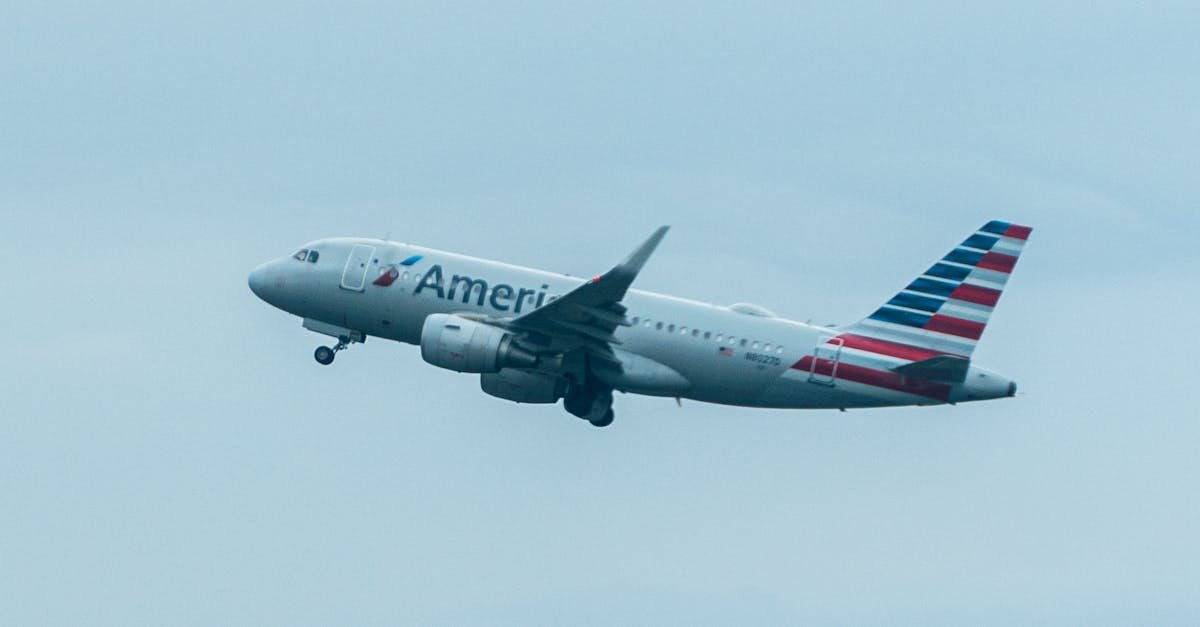
    The incident took place around 2:30 p.m., a time when JFK is typically buzzing with international arrivals and domestic connections. The two planes involved were an American Airlines regional jet and an Air Canada Jazz aircraft. Under normal circumstances, these planes would land on parallel runways, keeping a safe and predictable distance from one another.

    As the American Airlines jet began its final approach, it started to drift away from its designated path. Air traffic control patterns are strict, especially in the congested airspace of the Northeast. When the regional jet moved off course, it crossed into the trajectory of the Air Canada Jazz plane, which was also preparing to touch down. This unexpected shift triggered immediate red flags within the control tower and on the flight decks of both aircraft.

    Alarms and Immediate Responses in the Cockpit

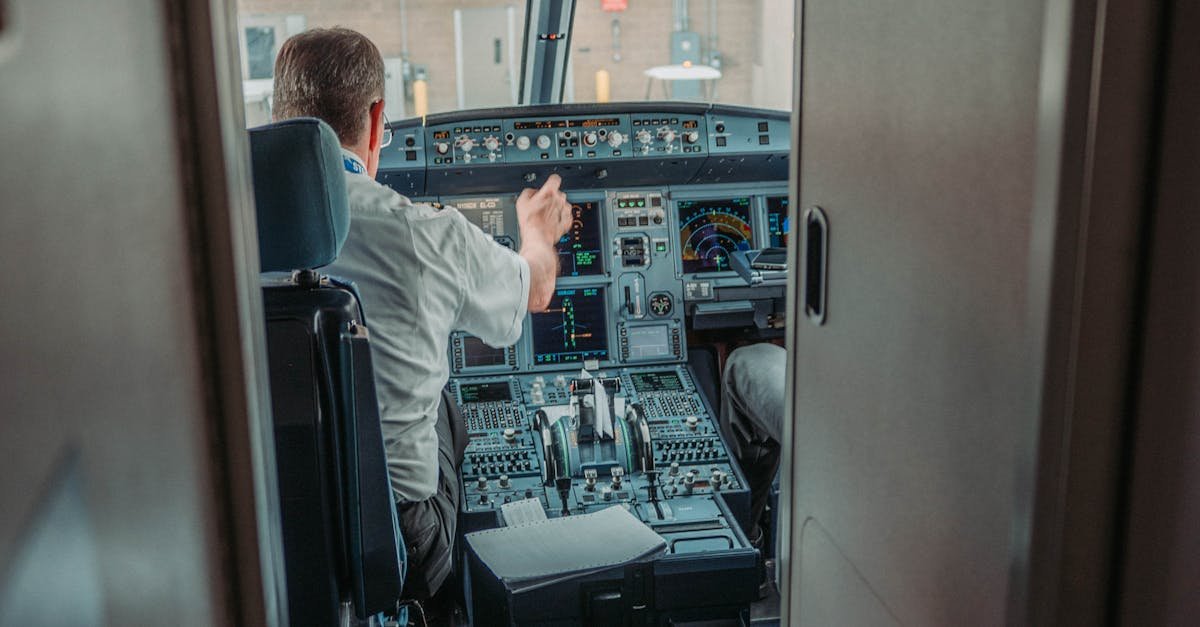
    Modern aviation relies heavily on the Traffic Collision Avoidance System, often referred to as TCAS. This technology acts as a final safety net, monitoring the position of nearby aircraft and providing automated warnings to pilots. In this specific case, the anti-collision alarms sounded simultaneously in both cockpits. When these alarms go off, pilots do not have time to debate the situation. They are trained to follow the instrument commands immediately to ensure separation.

    The result was an Emergency Abort of the landing sequence for both flights. This maneuver, often called a go-around, involves the pilots applying full power to the engines, retracting landing gear, and climbing back into the sky to reset their approach. The rapid transition from a slow, steady descent to a high-power climb is a standard safety procedure, but it is one that certainly catches the attention of passengers on board.

    Analyzing the Distance of the Near Miss

    The gravity of the situation became clearer once radar data was reviewed. Reports indicate that the two jets came within 350 feet of each other vertically. In the world of aviation, where miles of separation are the goal, 350 feet is a razor-thin margin. Horizontally, the planes were just over half a mile apart. While half a mile might sound like a long distance on the ground, at the speeds these jets travel during a landing approach, that gap can be closed in a matter of seconds.

    The decision to initiate an Emergency Abort was the only logical step to prevent the situation from escalating. By abandoning the landing, the pilots were able to create immediate distance and regain control of the geometry of the situation. The air traffic controllers, sensing the danger, were also instrumental in calling out the evasive maneuvers to ensure that neither plane continued on a collision course.

    The Role of Parallel Runway Operations

    JFK is one of many major airports that utilizes parallel runways to increase the number of flights it can handle per hour. This system allows two planes to land at the same time, provided they stay perfectly centered on their respective paths. It is a highly efficient way to manage traffic, but it leaves very little room for error. If one pilot experiences a momentary distraction or a technical glitch causes the plane to veer, the safety buffer disappears instantly.

    In this instance, the American Airlines regional jet’s drift was the catalyst. Investigators will be looking closely at why the aircraft moved away from its assigned line. Factors such as wind shear, mechanical issues with the flight control surfaces, or simple human error are all being considered. Regardless of the cause, the system of alerts worked as intended, leading to the Emergency Abort that kept everyone safe.

    Passenger Experience During a Go-Around

    For the people sitting in the cabins of these two planes, the experience was likely jarring. A landing approach is usually a quiet time where passengers are buckled in and waiting for the wheels to hit the tarmac. When an Emergency Abort happens, the sudden roar of the engines and the steep pitch of the plane climbing upward can be frightening for those who do not know what is happening.

    Flight crews are trained to communicate with passengers once the aircraft is stabilized. Following the maneuver, the pilots would have explained that they were performing a routine go-around due to traffic or weather. While it feels like an emergency to the person in seat 12A, for the pilots, it is a practiced response to a deviation in safety parameters. Both planes eventually circled back and landed without further incident, but the adrenaline in those cockpits was undoubtedly high.

    Federal Oversight and the Path Forward

    Whenever a close call of this magnitude occurs, the Federal Aviation Administration steps in to conduct a thorough review. The investigation will involve downloading data from the black boxes of both aircraft and reviewing the audio recordings from the air traffic control tower. The goal is not just to assign blame but to understand the systemic failure that allowed two planes to get that close in the first place.

    This incident serves as a reminder of the pressures facing the aviation industry. With more flights in the air than ever before and a constant demand for efficiency, the margin for error is slim. The FAA will likely look at whether the current procedures for parallel landings at JFK need to be updated or if additional training is required for crews navigating this specific airspace. The successful execution of the Emergency Abort shows that the safety protocols are effective, but the industry prefers to avoid having to use them.

    Technology as the Silent Guardian

    The fact that this story ended with safe landings instead of a tragedy is a testament to the technology built into modern jets. The automated alarms that alerted the crews are designed to look ahead and predict potential conflicts before they are visible to the naked eye. In a busy environment like New York, where the skyline is filled with lights and other aircraft, having a computer system that can pinpoint a threat is invaluable.

    Without these systems, the crews might not have reacted quite as quickly. The split-second timing required for an Emergency Abort means that the communication between the machine and the pilot must be seamless. As the investigation continues, engineers will also verify that the radar and ground-based warning systems functioned perfectly, providing the controllers with the data they needed to manage the crisis.

    Safety Lessons from the JFK Incident

    Every time a near miss happens, the entire aviation community learns a lesson. Pilots across the country will likely discuss this event in their next training sessions, reviewing the importance of maintaining a precise heading during parallel approaches. Controllers will use the tapes of this afternoon as a case study in how to handle a rapidly deteriorating situation.

    The aviation system is built on a foundation of constant improvement. By analyzing why the American Airlines jet drifted and how the Air Canada Jazz crew responded, the industry can harden its defenses against future errors. The Emergency Abort might be a rare occurrence for most travelers, but it remains a vital tool in the pilot’s arsenal for keeping the skies the safest way to travel.

    A Successful Resolution to a Tense Encounter

    While the news of a near miss can be unsettling, the ultimate takeaway from this Monday afternoon at JFK is that the layers of safety in place worked. From the controllers in the tower to the automated systems in the planes and the quick thinking of the flight crews, a potential disaster was converted into a manageable safety event. Both planes landed, the passengers went on their way, and the planes were ready for their next missions.

    The investigation will continue for several months, diving deep into the technicalities of the flight paths. However, the immediate danger was neutralized the moment the crews committed to the Emergency Abort. It is a clear example of why pilot training is so rigorous and why the technology in the cockpit is so advanced. The sky is a vast place, but on final approach to one of the busiest airports in the world, every foot counts. Ensuring that these close calls remain rare is the top priority for everyone involved in the flight industry.

  • How Many Pilots Does America Have? New FAA Data Shows a Massive Jump

    How Many Pilots Does America Have? New FAA Data Shows a Massive Jump

    The American skies are busier than ever, and a fresh wave of data suggests that the aviation industry is undergoing a historic transformation. Earlier this week, the Federal Aviation Administration released the 2025 U.S. Civil Airmen Statistics, revealing that the active pilot population in the United States has reached a staggering 887,519. This number represents more than just a statistic; it is a clear indicator of a revitalized interest in flight, a shifting demographic, and a robust response to the global demand for air travel.

    A Closer Look at the 887,519 Milestone

    Reaching nearly 890,000 active pilots is a landmark achievement for the domestic aviation sector. This figure includes everyone from student pilots taking their very first lessons to veteran airline captains navigating transoceanic routes. When we look at the data provided by the FAA, the growth is not just incremental but exponential in certain sectors.

    In comparison to just a decade ago, the sheer volume of individuals holding active certificates has surged. This influx is largely driven by a combination of high-tech career appeal and a more accessible path to the cockpit. The FAA report highlights that the total pilot population has grown by roughly 4.6% in just the last year, signaling that the momentum built after the pandemic has not slowed down. Instead, it has found a steady cruising altitude.

    The Rise of the Next Generation

    One of the most encouraging takeaways from the latest FAA findings is the significant expansion of the student pilot category. As of the end of 2025, there are 370,286 active student pilots in the country. This represents the pipeline of the future. The fact that students now make up such a large portion of the total airmen population suggests that the industry’s efforts to recruit new talent are working.

    Flight schools across the country are reporting full schedules, and the FAA has been kept busy processing certificates at a record pace. Interestingly, the average age of a pilot in the United States has actually dropped to 42.1 years. For an industry that was once worried about an aging workforce and a “silver tsunami” of mandatory retirements, this downward trend in age is a breath of fresh air. It shows that younger people see aviation as a viable, long term career path once again.

    Women in Aviation Hit a Historic Peak

    For the first time in history, the number of women holding active pilot certificates has surpassed the 100,000 mark. The FAA recorded 100,704 women pilots by the end of 2025. This is a massive leap forward for representation in the cockpit. While women still make up about 11.3% of the total pilot population, the growth rate in this demographic is outpacing the general population.

    Much of this success can be attributed to targeted scholarships, mentorship programs, and a concerted effort by major airlines to create a more inclusive environment. The FAA data shows that women are particularly well represented in the student pilot category, making up over 16% of new learners. This suggests that the percentage of female pilots at the commercial and airline levels will continue to climb as these students earn their advanced ratings.

    The MOSAIC Effect and Sport Pilot Growth

    A major catalyst for the recent jump in numbers is the implementation of the Modernization of Special Airworthiness Certification, often referred to as MOSAIC. This regulatory change by the FAA has fundamentally altered how people can enter the world of flying. By expanding the types of aircraft that can be flown with a sport pilot certificate, the FAA has made it easier and more affordable for recreational flyers to get into the air.

    Under the new rules, many traditional four seat trainers that previously required a private pilot certificate can now be operated by sport pilots. This has opened the door for thousands of individuals who may have been deterred by the cost or the medical requirements of a higher level license. The FAA statistics show a renewed interest in these entry level certificates, providing a vital entry point for those who want to fly for the sheer joy of it.

    The Massive Impact of Remote Pilots

    While many people think of pilots as individuals sitting in a cockpit, the FAA also tracks remote pilots who operate Unmanned Aircraft Systems, commonly known as drones. The growth in this sector is nothing short of explosive. There are now 492,311 active remote pilot certificates in the United States.

    These remote pilots are utilized in everything from real estate photography and agricultural monitoring to search and rescue operations. In many ways, the remote pilot category is the fastest growing segment of the FAA database. If the current trends continue, the number of remote pilots could soon rival or even exceed the number of traditional “manned” aircraft pilots. This reflects a broader shift in how the FAA manages a complex and evolving national airspace.

    Why the Pilot Shortage is Driving Demand: FAA data

    It is impossible to discuss these record numbers without mentioning the economic reality of the pilot shortage. Major carriers and regional airlines are currently in a fierce competition for talent. This has led to unprecedented starting salaries, lucrative signing bonuses, and refined training pathways that make it easier for a student to go from zero hours to a regional jet seat in record time.

    The FAA has seen a steady increase in Commercial Pilot and Airline Transport Pilot certificates because the financial rewards have never been higher. When a first year officer at a regional airline can earn a six figure salary, the incentive to invest in flight training becomes much stronger. This economic engine is the primary force behind the 887,519 total that the FAA reported this week.

    Geographic Hotspots for American Aviators

    The FAA data also gives us a glimpse into where these pilots are located. Unsurprisingly, states with favorable flying weather year round lead the pack. Florida, Texas, and California remain the “Big Three” of aviation, housing a significant portion of the country’s pilots.

    Florida, in particular, has become a global hub for flight training. The combination of flat terrain, numerous airports, and consistent sun makes it an ideal place for the FAA to oversee a high volume of checkrides. However, growth is being seen in nearly every state, as the rise of remote work and the decentralization of some flight operations allow pilots to live further away from major airline hubs.

    A New Era for the American Skies

    The 2025 statistics from the FAA tell a story of resilience and modernization. We are seeing an industry that has adapted to new technologies, embraced a more diverse workforce, and simplified its regulations to encourage participation. The jump to 887,519 pilots is not just a peak; it is a new baseline for what American aviation looks like in the mid 2020s.

    As the FAA continues to integrate drones, electric vertical takeoff and landing aircraft, and traditional jets into the same sky, the role of the pilot will keep evolving. But for now, the data is clear: more Americans are looking toward the horizon than ever before, and the dream of flight is as alive and well as it has ever been.

  • Boeing 787 Order Surge: El Al and Ethiopian Airlines Massive New Aircraft Orders

    Boeing 787 Order Surge: El Al and Ethiopian Airlines Massive New Aircraft Orders

    The landscape of international aviation is shifting as two major flag carriers announce significant expansions to their long haul fleets. Boeing recently secured substantial commitments from El Al Israel Airlines and Ethiopian Airlines, both of which are doubling down on the Boeing 787 Dreamliner family. These deals represent a major vote of confidence in American aerospace manufacturing at a time when global travel demand is reaching new heights. For passengers and investors alike, these orders signal a future defined by longer routes, better fuel efficiency, and a more comfortable cabin experience.

    El Al Expands Its Reach with the Boeing 787

    El Al Israel Airlines has officially moved to strengthen its position as a dominant player in the Middle Eastern and North American markets. The airline recently announced a massive commitment to acquire up to 12 more Boeing 787 aircraft. This deal is valued at approximately $1.5 billion and serves as a cornerstone of the airline’s strategy to modernize its entire operation. By choosing the Boeing 787, El Al is ensuring that its long distance routes to cities like New York, Los Angeles, and Tokyo remain competitive and cost effective.

    The specific breakdown of this order shows a mix of growth and technical upgrades. El Al is exercising options for six Boeing 787-9 models, which have already become the workhorse of its current long haul fleet. Perhaps more interesting is the decision to convert previous options into four of the larger Boeing 787-10 variants. These planes are scheduled for delivery between 2030 and 2032. The Boeing 787-10 offers significantly more passenger capacity, allowing the airline to maximize revenue on its most popular high demand routes without needing to add extra flight slots at congested airports.

    Ethiopian Airlines Strengthens Its African Leadership

    Not to be outdone, Ethiopian Airlines is also moving forward with an aggressive expansion plan. As the largest airline group in Africa, Ethiopian has a reputation for maintaining one of the youngest and most efficient fleets in the sky. The carrier recently finalized an agreement to add nine more Boeing 787-9 aircraft to its existing lineup. This order is part of a larger roadmap known as Vision 2040, which aims to position Ethiopian Airlines among the top twenty global carriers within the next fifteen years.

    For Ethiopian Airlines, the Boeing 787 is not just a plane but a tool for geographic expansion. The airline operates out of its hub in Addis Ababa, a city located at a high altitude that can make takeoffs challenging for older aircraft. The advanced carbon fiber construction and powerful engines of the Boeing 787 allow it to perform exceptionally well in these environments. With these new planes, Ethiopian plans to launch more direct flights to destinations in Asia and the Americas, further cementing its role as the primary gateway to the African continent.

    The Technical Edge of the Boeing 787 Dreamliner

    There is a reason why both of these airlines are returning to the same aircraft family. The Boeing 787 is designed with a focus on efficiency that older aluminum planes simply cannot match. Because the fuselage is made primarily of composite materials, the aircraft is lighter and more resistant to corrosion. This allows for a 20 to 25 percent reduction in fuel consumption and carbon emissions compared to the planes it typically replaces. In an era where sustainability is becoming a top priority for the aviation industry, the Boeing 787 provides a clear path toward greener flying.

    Beyond the environmental benefits, the Boeing 787 offers a superior experience for the people sitting in the cabin. The composite frame allows the cabin to be pressurized at a lower altitude and maintained at a higher humidity level. For travelers on a twelve hour flight, this means less fatigue, fewer headaches, and a generally more refreshed feeling upon arrival. Large windows that dim electronically and quieter engines also contribute to a flight environment that is noticeably better than that of previous generations of wide body jets.

    Strategic Fleet Modernization and Market Stability

    The timing of these orders is particularly significant for Boeing. The aerospace industry has faced various supply chain hurdles and production delays over the last few years. By securing these multi billion dollar deals with El Al and Ethiopian Airlines, Boeing is demonstrating that the Boeing 787 remains a preferred choice for global flag carriers. These orders also provide a stable production backlog that helps support thousands of high tech manufacturing jobs across the United States.

    For El Al, the move to an even larger Boeing 787 fleet helps simplify its maintenance and training programs. When an airline uses a single family of aircraft for its long haul needs, it can streamline its operations, reducing the costs associated with spare parts and pilot certifications. Ethiopian Airlines follows a similar logic but balances its fleet with other models to ensure it has the right plane for every specific mission. However, the Boeing 787 remains the backbone of its intercontinental strategy because of its versatility and range.

    Looking Ahead at Global Flight Networks

    As these new Boeing 787 jets begin to enter service over the coming years, passengers can expect to see more direct flight options and more frequent service on existing routes. El Al is likely to use its new Boeing 787-10 aircraft to increase capacity on its lucrative North American corridors, where demand for premium travel remains high. Meanwhile, Ethiopian Airlines will likely use its new Boeing 787-9 deliveries to push into new markets like Australia and South America, creating a truly global network centered in East Africa.

    The competition between major aircraft manufacturers is always intense, but the recent surge in orders for the Boeing 787 shows that this specific model has found a sweet spot in the market. It offers enough range to connect almost any two cities on earth while remaining small enough to be profitable on routes that might not support a massive jumbo jet. For El Al and Ethiopian Airlines, the Boeing 787 is the key to a more profitable and sustainable future.

    The Future of the Dreamliner Fleet

    As we look toward the next decade of air travel, the presence of the Boeing 787 in the skies will only continue to grow. With hundreds of these planes now on order for airlines around the world, the “Dreamliner” has moved from being a revolutionary new concept to being the gold standard for long distance travel. For the American aerospace industry, the continued success of the Boeing 787 is a reminder of the power of innovation and the lasting appeal of a well designed product. Whether you are flying from Tel Aviv to New York or from Addis Ababa to Beijing, there is a very good chance that a Boeing 787 will be the plane that takes you there in comfort and style.

  • Southwest Pilots Forced into Evasive Maneuvers After Terrifying Blunder: Complete Details, Investigation

    Southwest Pilots Forced into Evasive Maneuvers After Terrifying Blunder: Complete Details, Investigation

    Air travel is often seen as a seamless dance of technology and human skill, but a recent event at Nashville International Airport served as a stark reminder of how quickly that harmony can break down. Two Southwest aircraft found themselves in a high-stakes situation where seconds and a few hundred feet were all that stood between a routine flight and a national tragedy. This incident, which involved a terrifying air traffic control error, has sparked a deep look into how our skies are managed and the vital role of onboard safety systems.

    The Moment of Crisis in the Nashville Skies

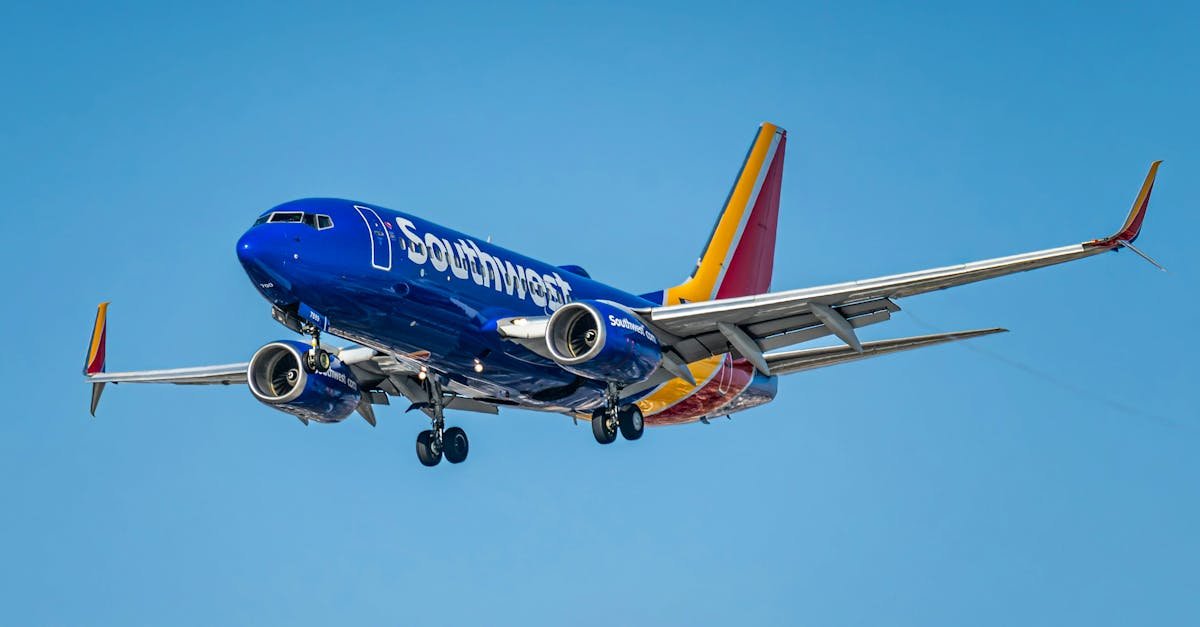
    The afternoon started like any other at one of the busiest hubs in the South. Southwest Flight 507 was on its final approach to land at Nashville, coming in from Myrtle Beach. At the same time, Southwest Flight 1152 was positioned on a parallel runway, ready to begin its journey toward Knoxville. These types of simultaneous operations are common at large airports, relying on strict separation rules to keep everyone safe.

    However, the weather was not making things easy. Gusty winds were whipping across the airfield, forcing the crew of Southwest Flight 507 to make a split-second decision. Realizing the landing was not stable enough to continue safely,the pilots initiated a go-around. This is a standard safety procedure where the plane climbs back into the air to try the landing again. It should have been a non-event, but a confusing instruction from the control tower changed everything.

    How a Single Instruction Created a Path for Disaster

    As the Southwest landing crew began their climb, they received a specific directive from the air traffic controller. They were told to turn right and maintain a certain altitude. On paper, this might sound like a standard way to clear the landing path. In reality, this specific turn sent the Southwest jet directly into the departure corridor of the other Southwest plane that was currently taking off from the parallel runway.

    Within moments, the two massive Boeing 737s were closing the gap between them at a frightening speed. Data later revealed that at their closest point, the two Southwest planes were separated by only 500 feet of altitude. In the world of commercial aviation, where 1,000 feet is the absolute minimum standard for vertical separation, 500 feet is considered a hair-breadth. The margin for error had vanished, leaving the safety of hundreds of passengers in the hands of technology and the quick reflexes of the pilots.

    The Technology That Saved the Day

    When human error occurs in the control tower, a secondary layer of protection is supposed to kick in. This is known as the Traffic Collision Avoidance System, or TCAS. Every Southwest jet is equipped with this sophisticated hardware,which talks to other planes in the vicinity. As the distance between the two Southwest aircraft reached a critical level,the TCAS alarms in both cockpits began to blare.

    These alerts do not just warn of danger; they give specific commands. In this case, the system commanded one Southwest crew to climb aggressively while telling the other Southwest crew to descend. This is a crucial moment for pilots. Training dictates that they must follow the TCAS command immediately, even if it contradicts what the air traffic controller is telling them over the radio. The Southwest pilots did exactly that. By listening to the computer over the human controller, they were able to pull the planes apart and re-establish a safe distance.

    Investigating the Root Cause of the Blunder

    The Federal Aviation Administration and the National Transportation Safety Board have both launched intensive reviews into what went wrong. The focus is not just on the individual controller who gave the wrong turn instruction,but on the environment at the Nashville tower. Investigators want to know if the controller was overworked, if the weather conditions created a visual distraction, or if there was a lack of clear communication between different stations in the tower.

    Southwest has also been fully engaged in this process. The airline has a vested interest in understanding why two of its own planes were put in such a precarious position. Early reports suggest that the controller may have suffered from a loss of situational awareness, essentially losing track of where the departing Southwest flight was located relative to the one performing the go-around. This type of error is rare but highlights the immense pressure placed on the people who manage our airspace.

    A Pattern of Close Calls at Nashville International

    While this specific event with the two Southwest planes is shocking, it is not the only time Nashville has seen a near-miss recently. Just a few weeks prior, an Alaska Airlines flight had to slam on its brakes during takeoff to avoid a Southwest jet that had been cleared to cross the runway. These recurring incidents have raised red flags for safety experts.

    The aviation industry is currently facing a shortage of experienced air traffic controllers, and airports like Nashville are seeing record-breaking numbers of flights. When you combine high traffic volume with a fatigued or less experienced workforce, the safety net can begin to fray. For Southwest, which operates a massive number of daily flights out of Tennessee, ensuring that the local infrastructure can support their operations safely is a top priority.

    What This Means for Future Southwest Travelers

    If you have a flight booked with Southwest, you might be feeling a bit of unease after hearing about a 500-foot near-miss. However, aviation experts point out that the system actually worked. Even though a mistake was made on the ground, the multiple layers of safety—the pilot training and the onboard TCAS technology—successfully prevented a collision.

    Southwest has praised the professionalism of its crews, noting that their adherence to emergency protocols was the deciding factor. Moving forward, travelers can expect to see more scrutiny on how parallel runways are managed during go-around maneuvers. The FAA often issues new safety alerts to controllers nationwide after an event like this to ensure that the same mistake isn’t repeated at another airport.

    Strengthening the Safety Net for Every Flight

    The investigation into the Southwest incident will likely lead to some changes in how Nashville handles its departures and arrivals. There may be new rules about how far a plane must turn during a go-around or better tools installed in the tower to alert controllers when two flight paths are projected to intersect.

    The goal of the aviation industry is to learn from every mistake. By dissecting exactly how the air traffic control blunder happened, the FAA can create better training programs. For the passengers on those two Southwest flights, the experience was undoubtedly terrifying, but the lessons learned from those 500 feet of separation will likely make the skies safer for everyone else in the years to come. The resilience of the aviation system lies in its ability to admit fault,investigate thoroughly, and adapt before the next flight takes to the sky.

  • Air Canada Suspends ALL JFK Flights Starting June 1: How to Avoid Massive Rebooking Fees

    Air Canada Suspends ALL JFK Flights Starting June 1: How to Avoid Massive Rebooking Fees

    Travelers planning a trip between Canada and the Big Apple just received some frustrating news. Air Canada has officially decided to pull the plug on all flights to New York’s John F. Kennedy International Airport (JFK) for a significant chunk of the 2026 travel season. Starting June 1, the airline will pause its daily service from both Toronto and Montreal, and the suspension is expected to last until at least October 25.

    If you have already booked a flight or were planning a summer getaway, you are likely wondering what this means for your wallet and your schedule. With jet fuel prices climbing rapidly, Air Canada is making tough calls to keep its operations sustainable. However, those tough calls often trickle down to the passenger in the form of cancellations and logistical headaches. Here is a deep dive into why this is happening and, more importantly, how you can navigate the changes without getting hit by extra costs.

    Why Air Canada is Leaving JFK This Summer

    The primary driver behind this sudden schedule shift is the skyrocketing cost of jet fuel. In recent months, the global energy market has been rocked by instability, particularly due to conflicts in the Middle East that have disrupted supply lines. For Air Canada, the math simply stopped adding up for certain routes. When the price of fuel doubles in a short period, flights that were once profitable can quickly become a financial drain.

    By suspending service to JFK, Air Canada is focusing its resources on routes that can better withstand these high operating costs. JFK is one of the most expensive airports in the world to fly into, with high landing fees and intense competition for time slots. By stepping back from this specific hub during the peak summer months, Air Canada aims to protect its overall financial health while the energy market remains unpredictable.

    Which Specific Routes Are Impacted

    The suspension hits two major Canadian hubs directly. Specifically, Air Canada is cutting three daily flights from Toronto Pearson International Airport and one daily flight from Montreal-Trudeau International Airport that were destined for JFK.

    For passengers in Toronto and Montreal, this removes a major nonstop link to one of the most popular entry points into the United States. While JFK is often the preferred choice for those heading to Long Island or eastern Queens, the loss of these four daily rotations means thousands of seats will be removed from the market right as the summer travel rush begins. Air Canada has noted that this move represents about a one percent reduction in its total capacity, but for the specific travelers on these routes, the impact feels much larger.

    The Alternative Airports Still in Play

    The good news is that while JFK is off the table for a few months, Air Canada is not abandoning the New York City area entirely. The airline still maintains a massive presence at New York’s other two major gateways: LaGuardia (LGA) and Newark Liberty International (EWR).+1

    Currently, Air Canada operates around 34 daily flights to LaGuardia and Newark from six different Canadian cities. If your final destination is Manhattan, LaGuardia is actually closer and often more convenient than JFK anyway. If you are heading to Jersey City or downtown Manhattan, Newark remains a very viable option. Air Canada is leaning heavily on these existing schedules to absorb the passengers who would have originally flown into JFK.

    How to Handle an Existing Booking

    If you already have a ticket with Air Canada for a JFK flight after June 1, do not panic, but do act quickly. The airline has stated that it will be reaching out to impacted customers to offer alternative travel options. In most cases, Air Canada will attempt to rebook you on a flight to LaGuardia or Newark at no additional cost.

    However, you should not wait for an automated email to land in your inbox. Log into your Air Canada account or check your flight status on their mobile app immediately. If the new flight they suggest does not work for your schedule, you have rights. Because the airline is the one initiating the change, you should be eligible for a full refund or a rebooking on a different date without paying the usual change fees.

    Avoiding Rebooking Fees and Price Spikes

    One of the biggest risks when an airline cancels a route is the sudden surge in prices for the remaining flights. As Air Canada passengers scramble to grab seats on the Newark and LaGuardia routes, those planes will fill up fast. When supply goes down and demand stays the same, ticket prices naturally go up.

    To avoid getting stuck with a massive bill, try these strategies:

    • Request a manual re-protection: Ask the agent to put you on a flight with one of Air Canada’s partners, like United Airlines, if their own flights are full.
    • Check nearby Canadian hubs: If you were flying from Montreal but find those flights too expensive now, see if flying out of Ottawa or Toronto offers a better deal.
    • Act within the 24-hour window: Once you receive notification of a schedule change, you usually have a window of time where you can make changes for free. Use this time to snag the best remaining flight times before others do.

    Impact on Connection Flights and Partners

    Many travelers use Air Canada to fly into JFK specifically to catch an international connection on a partner airline. JFK is a massive hub for global carriers heading to Europe, Africa, and Asia. If your Air Canada flight was just the first leg of a longer journey, this suspension could create a domino effect.

    If you are on a single ticket, Air Canada is responsible for getting you to your final destination. They may route you through a different US hub or fly you directly from Toronto or Montreal to your international destination on one of their own planes. If you booked your flights separately, however, you are in a tougher spot. You will need to coordinate the ground transport from LaGuardia or Newark to JFK to make your connection, which can take two hours or more depending on New York traffic.

    Looking Ahead to the Return of Service

    The current plan is for Air Canada to resume its JFK service on October 25, 2026. This timeline suggests that the airline expects fuel prices or market conditions to stabilize by the fall. It also allows them to bypass the most expensive and busiest part of the year for New York travel.

    Until then, travelers will need to be flexible. The aviation industry is currently in a state of flux, and this move by Air Canada might be a sign of more schedule adjustments to come from other carriers as well. Keeping a close eye on your flight status and understanding your passenger rights is the best way to ensure your summer travel plans stay on track.

    Staying Flexible in a Shifting Travel Market

    The most important thing to remember is that airline schedules are never set in stone. While it is frustrating to deal with a canceled route, being proactive can save you hundreds of dollars. Air Canada is trying to balance the books in a difficult economy, but as a consumer, your priority is getting where you need to go safely and affordably.

    Check your email regularly, keep your confirmation numbers handy, and remember that Newark and LaGuardia are still very much open for business. By staying informed about the latest moves from Air Canada, you can navigate the summer travel season with much less stress. If you stay ahead of the crowd, you can secure your spot in New York without the headache of last minute fees or missed connections.

  • United Airlines Bomb Scare: Why Passengers Were Forced Down Emergency Slides Twice This Weekend

    United Airlines Bomb Scare: Why Passengers Were Forced Down Emergency Slides Twice This Weekend

    The world of commercial aviation is built on a foundation of strict protocols where even the slightest hint of a threat is handled with extreme caution. This past weekend, United Airlines found itself at the center of two separate security incidents that tested those protocols to their limits. Within a span of just forty eight hours, passengers on two different flights experienced the rare and jarring reality of an emergency evacuation. These events led to hundreds of travelers sliding down inflatable chutes onto the pavement as law enforcement teams and bomb squads raced to the scene.

    The first incident occurred on Saturday morning high above the Midwest, while the second took place on a Sunday night at one of the busiest hubs in the country. Both situations involved United Airlines aircraft and both resulted in a full scale emergency response. While the outcomes were ultimately safe, the intensity of these encounters has left many people wondering what exactly happens behind the scenes when a pilot decides to pull the emergency handles.

    A Mysterious Sound at Thirty Five Thousand Feet

    Everything started on Saturday, April 18, 2026, aboard United Airlines Flight 2092. The Boeing 737 MAX 8 was traveling from Chicago O’Hare International Airport toward New York’s LaGuardia Airport with 159 passengers and six crew members on board. For the first portion of the trip, the flight was entirely routine. However, as the aircraft cruised over Ohio, the flight crew noticed something highly unusual.

    According to audio recordings from the cockpit, the pilots reported a sequential beeping sound that seemed to be coming from a specific area near the front of the plane. The sound was steady, occurring at a rate of roughly one beep per second. In the high stakes environment of a cockpit, an unidentified electronic pulse is never ignored. The crew communicated with air traffic control, stating that they were hearing a rhythmic beeping from a suspected item and that they had to treat the situation as a potential bomb threat.

    Because the source of the noise could not be verified and was located in a sensitive part of the aircraft, the decision was made to divert immediately. The pilots set a course for Pittsburgh International Airport, which was the nearest facility equipped to handle a major security emergency. As the plane descended, the atmosphere in the cabin remained tense while the flight crew prepared the passengers for a landing that would be anything but normal.

    The Rapid Evacuation in Pittsburgh

    When United Airlines Flight 2092 touched down in Pittsburgh at approximately 11:45 a.m., it did not taxi to a gate.Instead, it was directed to a remote section of the airfield, far away from the main terminal and other aircraft. This is standard procedure for any flight involving a potential explosive, as it minimizes the risk to airport infrastructure.

    The pilots initially asked for mobile stairs to be brought to the plane to get everyone off safely. However, when it became clear that there might be a delay in getting the stairs to that remote location, the captain made a split second decision. To ensure the absolute safety of everyone on board, the order was given to evacuate using the emergency slides.

    Social media quickly filled with images of the United Airlines jet sitting alone on the tarmac with all four of its yellow slides deployed. Passengers were seen sliding down the chutes and running across the grass, directed by emergency responders. The Allegheny County Police Bomb Squad and FBI agents were already on site, using K9 units and specialized equipment to sweep the aircraft. After several hours of searching every bag and every inch of the cabin,authorities found no evidence of explosives. The mysterious beeping was eventually attributed to a non threatening electronic device, but the response showed that United Airlines takes no chances when it comes to life and limb.

    A Second Scare at Denver International

    Just as the news of the Pittsburgh diversion was beginning to settle, a second incident occurred on Sunday evening,April 19, 2026. This time, the focus shifted to Colorado. United Airlines Flight 2408 was prepared to depart from Denver International Airport for Washington Dulles International Airport. The plane was fully loaded with over 200 passengers and seven crew members.

    Unlike the Saturday incident which happened in mid air, this threat emerged while the plane was still on the ground.Reports indicate that the aircraft was taxiing toward the runway for takeoff when a security concern was raised. While the exact nature of the threat in Denver was not immediately detailed as clearly as the beeping in the first case, the reaction was just as swift.

    The aircraft was ordered to turn around on the tarmac and return to a secure holding area. For several hours, the plane sat grounded while security officials assessed the situation. Passengers reported a high level of confusion, noting that they were told not to open the overhead bins or move about the cabin. Eventually, the decision was made to evacuate this flight as well. While some passengers were able to exit via stairs later in the process, the initial panic and the heavy presence of armored police vehicles created a scene of chaos. Once again, a thorough sweep by the TSA and local police returned negative results, and the plane was cleared of any danger.

    The High Cost of Aviation Safety

    United Airlines and American Merger Update 2026: Everything We Know About the Potential Mega-Deal

    Whenever United Airlines or any other major carrier deals with a bomb scare, the financial and logistical impact is enormous. Diverting a plane, deploying emergency slides, and calling in federal bomb technicians costs hundreds of thousands of dollars. Beyond the money, the psychological toll on the passengers is significant. Using an emergency slide is not a gentle process; it is a high speed exit that can cause minor scrapes or bruises, and it is only used when the crew believes there is an immediate threat to the hull of the plane.

    The fact that two such incidents happened to United Airlines in the same weekend is statistically rare. This has led to questions about whether these were isolated coincidences or if there is a trend of heightened sensitivity in the current travel climate. Aviation experts point out that since the crew cannot know for certain if a threat is a hoax until the plane is on the ground and searched, they must act as if every threat is real.

    For the passengers on these flights, the experience was a reminder of how quickly a weekend trip can turn into a national news story. United Airlines provided food, water, and rebooking assistance to those affected, but the memory of sliding down an inflatable chute onto a cold runway is something that will likely stay with those travelers for a long time.

    Looking Ahead at Security Protocols

    The FBI continues to investigate the origins of the threats that led to these evacuations. They are looking into the possibility of a link between the two events, though currently, there is no evidence suggesting a coordinated effort. The goal of these investigations is to determine if the threats came from inside the cabin or if they were called in from an outside source.

    In the wake of these scares, United Airlines has reinforced its commitment to following the guidance of federal authorities and maintaining a zero tolerance policy for security risks. While the disruptions were massive, the primary takeaway is that the safety systems functioned exactly as they were designed to. From the moment the beeping was heard in the cockpit of Flight 2092 to the moment the Denver tarmac was cleared, the priority remained the protection of the people on board.

    The aviation industry will likely use these incidents as case studies for future training. They highlight the need for clear communication between pilots and air traffic control, as well as the importance of rapid response teams at major airports. As travelers return to the skies, they can take some comfort in knowing that despite the inconvenience and the fear, the protocols in place are robust enough to handle even the most mysterious sounds and threats.

    Reflections on a Tense Weekend

    When the dust settled on Monday morning, the two United Airlines planes involved were back in service or undergoing final inspections. The passengers had reached their destinations, albeit much later than planned. While a bomb scare is one of the most frightening things a traveler can experience, the successful evacuations in Pittsburgh and Denver prove that the industry is prepared for the worst. These events serve as a stark reminder that in the world of flight, it is always better to be safe on the ground than uncertain in the air. As investigations move forward, the focus will stay on refining these responses to ensure that the next time a mysterious sound is heard, the outcome is just as safe as it was this weekend.