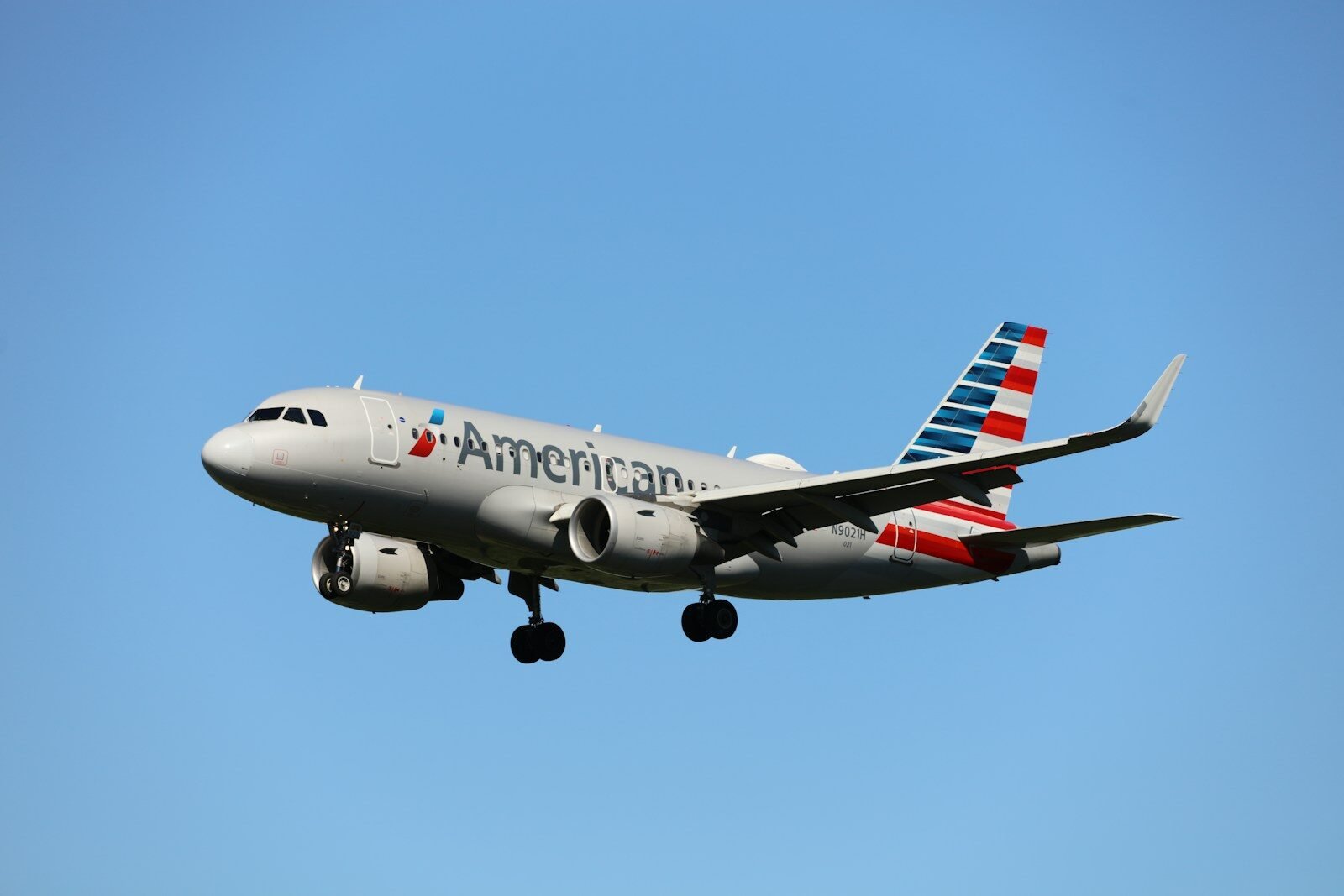
The start of the year is usually a time for fresh beginnings, but for American Airlines, it has been a period of conflicting financial signals. On one hand, the carrier managed to pull in record breaking revenue, showing that people are flying more than ever. On the other hand, a massive jump in fuel costs has turned those gains into a significant loss. Specifically, a 341 million dollar spike in fuel expenses has overshadowed the operational successes, leaving the airline with a deep deficit for the first quarter.
This situation highlights a paradox in the modern aviation industry. Even when a company like American Airlines fills its planes and brings in more cash than it ever has before during this time of year, external factors like global energy prices can still pull the rug out from under them. It is a reminder that in the airline business, the top line revenue is only half of the story.
Breaking Down the Financial Numbers
When we look at what happened during this quarter, the numbers tell a story of high demand met by even higher costs. American Airlines reported record revenue, which should have been a cause for celebration. Travelers are returning to the skies in droves, opting for both domestic hops and international adventures. This surge in ticket sales proved that the appetite for travel remains incredibly strong despite general economic concerns.
However, the bottom line was hit by a net loss that widened significantly compared to previous expectations. The primary culprit was the fuel bill. Aviation fuel is one of the largest expenses for any carrier, and American Airlines saw its costs in this category jump by 341 million dollars. When you add that kind of weight to the balance sheet, it becomes very difficult to remain in the black, regardless of how many seats you sell.
Why the Fuel Bill Surged So High
The question of why this happened comes down to a mix of global market volatility and supply chain issues. Energy markets have been restless, influenced by geopolitical tensions and shifts in production levels from oil exporting nations. For American Airlines, these macro trends translate directly into the price per gallon paid at the pump. Unlike some of its competitors, American Airlines does not engage in extensive fuel hedging, which is a practice where companies lock in prices in advance to protect themselves from sudden spikes.
While skipping hedging can save money when oil prices are falling, it leaves the company fully exposed when prices climb. This quarter, that exposure cost them dearly. Additionally, refinery maintenance and regional supply constraints contributed to the higher costs. Because American Airlines operates such a massive fleet, even a small increase in the price of a gallon of jet fuel ripples through the entire organization, resulting in the multi million dollar hit we are seeing now.
The Significance of the Record Revenue
It is important not to overlook the fact that American Airlines achieved record revenue during this period. This matters because it proves that the brand still has immense pulling power. If the airline were losing money because people stopped flying, that would indicate a fundamental problem with the business model or the brand reputation. Instead, the problem is an expense problem, not a demand problem.
The record revenue shows that the strategic shifts American Airlines has made, such as focusing on its primary hubs and expanding its loyalty program, are working. People are choosing American Airlines over others, and they are willing to pay for the experience. For investors and industry watchers, this is a silver lining. It suggests that if the airline can get its operational costs under control, the potential for massive profit is sitting right there on the surface.
Why This Loss Matters for the Industry
The struggles of American Airlines serve as a bellwether for the rest of the aviation sector. When one of the biggest players in the world takes a hit like this, it sends a message to the entire market. It reminds everyone that the recovery of the airline industry is still fragile and tied heavily to things that airline executives cannot control.
Furthermore, this loss matters because it might influence how American Airlines handles its pricing in the coming months. To recoup the 341 million dollars lost to fuel, the company may have to look at increasing ticket prices or adding more fees. This affects the average traveler who is already dealing with inflation in other parts of their life. If American Airlines raises prices, other carriers often follow suit, leading to a general increase in the cost of travel across the board.
The Road Ahead for the Carrier
Looking at what happens next, American Airlines is likely to double down on efficiency. You can expect the company to accelerate the retirement of older, less fuel efficient planes in favor of modern aircraft that burn less kerosene. While these new planes require a lot of capital upfront, they are the best long term defense against volatile fuel markets.
There will also be a renewed focus on the premium travel segment. Since American Airlines is seeing that people are willing to spend money, they will likely try to upsell more passengers into business and first class seats where the profit margins are much higher. By squeezing more value out of every gallon of fuel burned, the airline hopes to offset the higher costs and return to profitability by the next quarter.
Expert Analysis of the Strategy
From an analytical perspective, the current state of American Airlines reflects a high stakes gamble on market conditions. The decision to remain unhedged on fuel is a specific choice that defines their financial profile. While it allows them to be more agile and benefit from price drops faster than others, it also creates the kind of volatility we saw this quarter. Analysts will be watching closely to see if the leadership at American Airlines decides to change this policy or if they will continue to ride the waves of the open market.
Another point of interest is the labor landscape. American Airlines has recently finalized new contracts with several of its workgroups, including pilots. These contracts involve significant pay raises, which adds another layer of fixed costs to the business. When you combine higher labor costs with a 341 million dollar fuel spike, the margin for error becomes razor thin. The management team at American Airlines will need to be near perfect in their execution over the summer travel season to make up for this rocky start to the year.
Final Perspective on the Quarterly Results
The story of the first quarter for American Airlines is one of missed opportunities due to external pressures. It is hard to find fault with a sales team that delivers record revenue, yet it is equally hard to ignore a widening loss. The aviation world is a business of pennies, where the difference between a great year and a disastrous one is often found in the small fluctuations of commodity prices.
For American Airlines, the path forward is clear but difficult. They must find a way to maintain the momentum in ticket sales while insulating themselves from the next inevitable rise in energy prices. The resilience of the American traveler is currently the company’s greatest asset. As long as the demand stays high, American Airlines has a fighting chance to turn these record revenues into the record profits that shareholders are looking for. The coming months will be a true test of whether the largest airline in the world can navigate these turbulent financial skies.
Leave a Reply