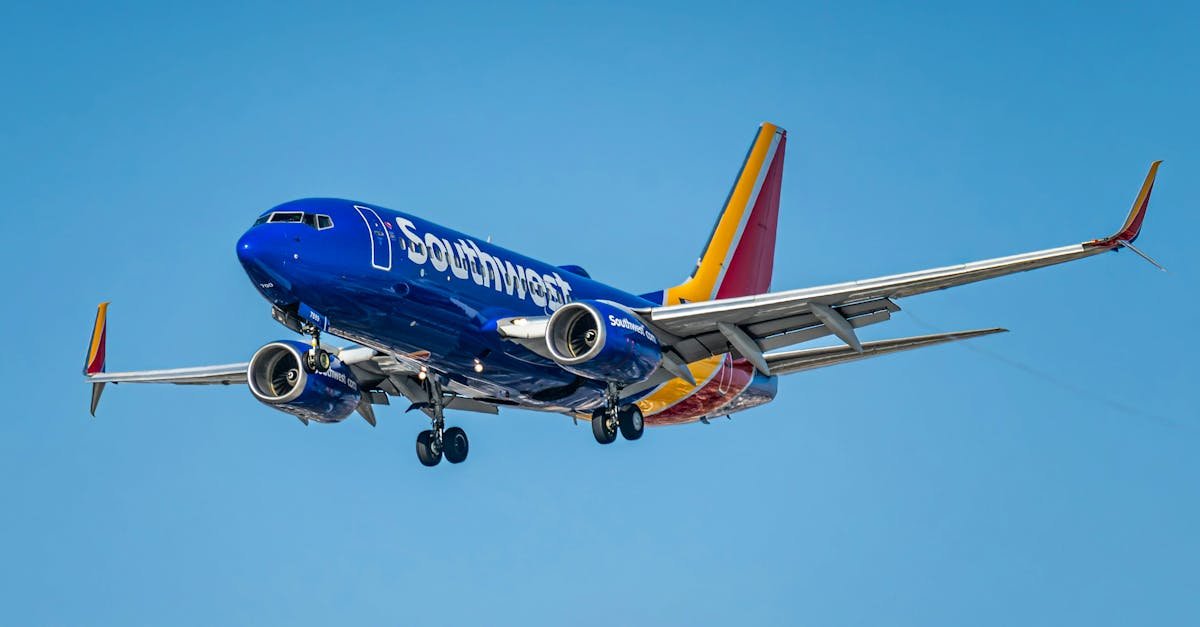
Flight delays across the United States have become a regular part of travel in 2026. What used to be an occasional inconvenience now feels like a built-in part of the flying experience. Travelers are planning for extra hours at airports, and airlines are struggling to maintain schedules that once seemed routine. The situation has raised an important question: why U.S. flight delays are getting worse in 2026, and what is actually driving this shift?
A Growing Imbalance Between Demand and Capacity
Air travel demand in the United States has surged again in 2026. Passenger numbers have not only recovered from previous slowdowns but have exceeded earlier records in several major markets. Airports like Atlanta, Dallas, and Denver are handling more flights than ever before.
The problem is that infrastructure has not expanded at the same pace. Runways, gates, and airspace capacity remain limited in many regions. When more flights are scheduled than the system can comfortably handle, even a small disruption can trigger a chain reaction. This imbalance is one of the clearest reasons why U.S. flight delays are getting worse in 2026.
Air Traffic Control Staffing Challenges
Another major factor is the ongoing shortage of air traffic controllers. The Federal Aviation Administration has been working to address staffing gaps, but training new controllers takes time, and experienced personnel are still retiring.
In busy airspace regions like the Northeast, fewer controllers mean reduced flexibility in managing traffic. Flights are often spaced further apart for safety, which reduces overall efficiency. When traffic levels remain high, this leads to congestion and delays that ripple through the system.
This staffing issue has quietly become one of the biggest contributors to why U.S. flight delays are getting worse in 2026.
Weather Patterns Are Becoming Less Predictable
Weather has always played a role in aviation delays, but recent patterns have made disruptions more frequent and harder to manage. Thunderstorms, extreme heat, and sudden weather shifts are affecting key travel corridors more often.
In places like Florida and the Midwest, storm systems can ground flights or force reroutes that add pressure to already busy airspace. Even when weather clears quickly, the backlog of delayed flights can take hours to resolve.
The increasing unpredictability of weather is another reason why U.S. flight delays are getting worse in 2026, especially during peak travel seasons.
Airline Scheduling Strategies Are Under Pressure
Airlines are trying to maximize efficiency by scheduling tightly packed flight rotations. Aircraft are often assigned multiple routes in a single day, leaving little room for delays.
When one flight runs late, the aircraft assigned to the next route is also delayed. This creates a domino effect that spreads across multiple destinations. Crew schedules are also affected, and regulations limit how long pilots and flight attendants can work, adding another layer of complexity.
These tight scheduling practices help airlines operate more flights, but they also make the system more fragile. This is a key piece of why U.S. flight delays are getting worse in 2026.
Airport Congestion Is Reaching New Levels
Major airports in the United States are facing serious congestion challenges. At peak hours, taxiways are crowded, gates are occupied, and aircraft often wait in line for takeoff clearance.
Some airports are operating close to their maximum capacity. When delays begin to stack up, there is little room to absorb the disruption. Smaller airports are not immune either, as increased regional traffic adds pressure to facilities that were not designed for such volumes.
This congestion plays a direct role in why U.S. flight delays are getting worse in 2026, especially in large metropolitan areas.
Maintenance and Operational Constraints
Aircraft maintenance is another factor that often goes unnoticed. Airlines are maintaining large fleets that are being used more intensively than before. More flights mean more wear and tear, and even minor technical issues can lead to delays.
Supply chain challenges have also affected the availability of parts and maintenance resources. When repairs take longer than expected, flights are delayed or canceled.
Operational constraints like these add to the growing list of reasons why U.S. flight delays are getting worse in 2026.
The Impact of Pilot Availability
While the pilot shortage has improved compared to earlier years, it is still a concern for some airlines, particularly regional carriers. Limited pilot availability can lead to schedule adjustments and reduced flexibility in handling disruptions.
When delays occur, airlines may not have backup crews readily available, which can extend waiting times for passengers. This issue may not be as visible as others, but it still contributes to why U.S. flight delays are getting worse in 2026.
Passenger Volume and Airport Experience
Higher passenger numbers also affect how smoothly airports operate. Security lines, boarding processes, and baggage handling all take longer when more people are traveling.
Delays can start even before passengers reach the gate. Late arrivals due to long security lines can hold up flights, especially on routes with tight turnaround times. The entire system becomes slower when passenger volume increases beyond what facilities can handle efficiently.
This human side of the travel experience is another layer in understanding why U.S. flight delays are getting worse in 2026.
Technology Helps but Cannot Solve Everything
Airlines and airports have invested heavily in technology to improve operations. Real-time tracking, automated scheduling systems, and improved communication tools have made a difference.
However, technology cannot fully overcome physical and staffing limitations. When there are too many flights and not enough capacity, even the most advanced systems can only do so much.
This gap between technological capability and real-world constraints is part of why U.S. flight delays are getting worse in 2026.
What Travelers Are Noticing in 2026
Passengers are becoming more aware of these challenges. Many travelers now expect delays and plan accordingly. Airlines are also adjusting by offering more flexible rebooking options and improved communication during disruptions.
Despite these efforts, frustration remains high. Delays affect connections, business schedules, and overall travel experiences. For frequent flyers, the change is noticeable and significant.
What This Means for the Future of Air Travel
Understanding why U.S. flight delays are getting worse in 2026 points to a broader issue within the aviation system. Demand continues to grow, but infrastructure, staffing, and operational strategies are struggling to keep up.
Long-term solutions will likely involve a combination of expanded airport capacity, improved air traffic control staffing, and more balanced scheduling practices. Airlines may also need to rethink how they build resilience into their operations.
For now, delays are likely to remain a defining feature of air travel in the United States. Travelers, airlines, and regulators are all adapting to a system that is under increasing pressure, and the changes made in the coming years will shape how efficiently the industry can handle future growth.
Leave a Reply