Tag: Aircraft safety

  • Why US Airlines Are Investing Billions Into AI Operations in 2026

    Why US Airlines Are Investing Billions Into AI Operations in 2026

    The sound of a jet engine starting up at a gate in O’Hare or Hartsfield-Jackson is a familiar one, but the technology managing that flight has changed more in the last two years than in the previous two decades. As we move through 2026, a massive financial shift is occurring within the industry. Major US airlines are no longer just buying new fuel-efficient aircraft or upgrading cabin interiors. They are pouring billions of dollars into artificial intelligence to run the backbone of their operations.For the average traveler, this might seem like a corporate trend that stays behind the scenes. However, the reality is that AI is now the primary tool used to prevent the massive travel meltdowns that plagued the early 2020s. Carriers like United, Delta, and American are finding that they can no longer manage the complexity of modern global networks using traditional software and human intuition alone. The sky has become too crowded, the weather too unpredictable, and the labor market too tight to rely on old-school methods.

    The Operational Logic Behind US Airlines Spending

    To understand why the price tag for these upgrades has reached the billions, one has to look at the sheer scale of a major hub operation. On any given day, an airline might have 4,000 flights in the air, thousands of crew members scattered across different time zones, and dozens of aircraft requiring unplanned maintenance. One thunderstorm over Dallas can ripple across the entire country, causing a domino effect of cancellations that costs an airline millions in lost revenue and passenger compensation.US airlines are using AI to build predictive models that see these problems before they happen. Instead of reacting to a storm once it hits, AI systems are now simulating weather patterns and air traffic constraints forty-eight hours in advance. This allows dispatchers to move aircraft and crews into position before the first raindrop falls. By spending money on these digital brains, carriers are essentially buying insurance against the operational chaos that destroys their profit margins.

    How US Airlines Are Solving the Maintenance Puzzle

    Maintenance is perhaps the most expensive and frustrating part of running a fleet. When a Boeing 737 Max or an Airbus A321neo has a technical fault at the gate, it doesn’t just delay that one flight. It ruins the schedule for every passenger booked on that plane for the rest of the day. Historically, maintenance was either scheduled based on time or reactive when something broke.By 2026, US airlines have shifted toward a model of predictive health monitoring. Every modern engine, from the CFM LEAP to the Pratt & Whitney GTF, generates terabytes of data during every flight. AI algorithms analyze this data in real-time to find tiny anomalies in temperature, vibration, or pressure that a human technician would never notice. If the AI detects that a fuel pump might fail in ten days, the airline can schedule a replacement during a routine overnight stop at a hub like Charlotte or Denver. This prevents the dreaded mechanical delay that occurs while passengers are already sitting at the gate.

    Fuel Efficiency and the Bottom Line for US Airlines

    Fuel remains the largest variable expense for any carrier. Even a 1% reduction in fuel burn across a massive fleet can result in hundreds of millions of dollars in savings annually. This is where AI is delivering its most immediate return on investment. Flight planning was once a relatively static process. A pilot would receive a flight plan based on standard routes and projected winds, and they would follow it as closely as possible.Today, AI-driven flight path optimization is much more fluid. These systems analyze real-time wind data, air temperature, and air traffic congestion to suggest altitude and speed changes every few minutes. By finding the “sweet spot” in the atmosphere where drag is lowest, US airlines are significantly cutting their carbon footprint and their fuel bills. This isn’t just about saving money; it is about surviving in an era where environmental regulations are becoming stricter and fuel prices remain volatile.

    Staffing and Crew Scheduling Challenges

    The human element of aviation is incredibly difficult to manage. Pilots and flight attendants are subject to strict legal limits on how many hours they can work. When a flight is delayed, a crew might “time out,” meaning they are legally unable to fly the next leg of their journey. Finding a replacement crew in a different city is a logistical nightmare that used to take human schedulers hours to solve.US airlines have integrated AI into their crew management systems to handle these “what if” scenarios. The software can instantly look at the locations, certifications, and remaining legal work hours of tens of thousands of employees to find the most efficient way to get a reserve crew to a gate. It minimizes the time a plane sits empty while waiting for a pilot, which has been a major pain point for travelers over the last few years.

    Improving the Ground Game at Busy Hubs

    The most congested part of any journey is often the time spent on the tarmac. Whether it is waiting for a gate to open or sitting in a long line for de-icing, ground operations are a major source of delay. US airlines are using AI-powered computer vision at airport gates to track every second of the “turn” process. Cameras monitor when the fuel truck arrives, when the catering is finished, and when the last bag is loaded.By analyzing this data, airlines can identify bottlenecks that humans might miss. If the data shows that baggage loading is consistently taking five minutes longer at a specific terminal in Newark, the airline can investigate why and fix the problem. These small gains in efficiency add up. If an airline can save five minutes on every flight turn, it can effectively add more flights to its schedule without buying a single new aircraft.

    What Passengers Should Expect

    While much of this investment is hidden in data centers and operations rooms, the impact on the passenger experience is becoming clear. We are entering an era of more reliable schedules. While technology cannot stop the wind from blowing or the snow from falling, it is making the industry much better at handling those disruptions.Passengers in 2026 are seeing fewer “mystery delays” where a plane is sitting at the gate but no one seems to know why. Communication has become more proactive. Instead of finding out your flight is canceled when you arrive at the airport, AI-driven customer service tools are often rebooking passengers and sending them new boarding passes before they even leave for the terminal. The goal for US airlines is to make the experience as predictable as possible, even when the world around the airplane is not.

    FAQ

    Are US airlines using AI to replace pilots? No. The current investment in AI is focused on operations, scheduling, maintenance, and flight path optimization. Pilots remain essential for safety and decision-making in the cockpit. AI acts as a support tool to help them fly

    Will AI make my flight tickets cheaper? While AI helps airlines save money on fuel and maintenance, ticket prices are still largely driven by demand and competition. However, by reducing the costs associated with delays and cancellations, airlines can keep their operating costs lower, which helps prevent drastic fare hikes.

    How does AI help with lost luggage? Many airlines are using AI to track the movement of bags through sorting systems at major hubs. By predicting when a bag is likely to miss a connection due to a delay, the system can alert ground crews to prioritize specific luggage, reducing the chances of a bag being left behind.

    Does AI assist in flight safety? Yes. By predicting mechanical issues before they happen and providing pilots with better data on weather and turbulence, AI contributes significantly to the overall safety of the flight.

    Which US airlines are leading in AI technology? Delta, United, and American have all made public commitments to multi-billion dollar tech refreshes. Smaller carriers like JetBlue and Alaska are also investing heavily in specific areas like fuel optimization and gate management.

    Why This Matters for Travelers

    The massive shift in spending toward artificial intelligence represents a coming-of-age for the aviation industry. For decades, airlines were essentially transportation companies that happened to use computers. In 2026, they have transformed into tech companies that happen to fly airplanes. This distinction is important because it changes how they solve problems.

    For the traveler, this means a more resilient system. We are moving away from the era of “fragile” aviation where a single computer glitch or a bad storm could shut down a carrier for a week. By using AI to manage the incredible complexity of the skies, US airlines are finally building the infrastructure needed to match the demands of modern travel. The billions spent today are the reason why your flight tomorrow is more likely to leave on time.

  • Turkish Airlines Kathmandu Incident: What Happened After Landing?

    Turkish Airlines Kathmandu Incident: What Happened After Landing?

    The safety of air travel often relies on a mix of high technology and the quick thinking of ground crews. This was put to the test recently at Tribhuvan International Airport in Kathmandu. On a Monday morning that began like any other, a Turkish Airlines flight arriving from Istanbul turned into a scene of urgent emergency action. The event reminded the world of the unique challenges faced by pilots landing in the high altitude terrain of Nepal. This article looks at the details of the Turkish Airlines event, the reasons behind it, and what it teaches the aviation industry about safety in mountainous regions.

    The Morning Of The Incident

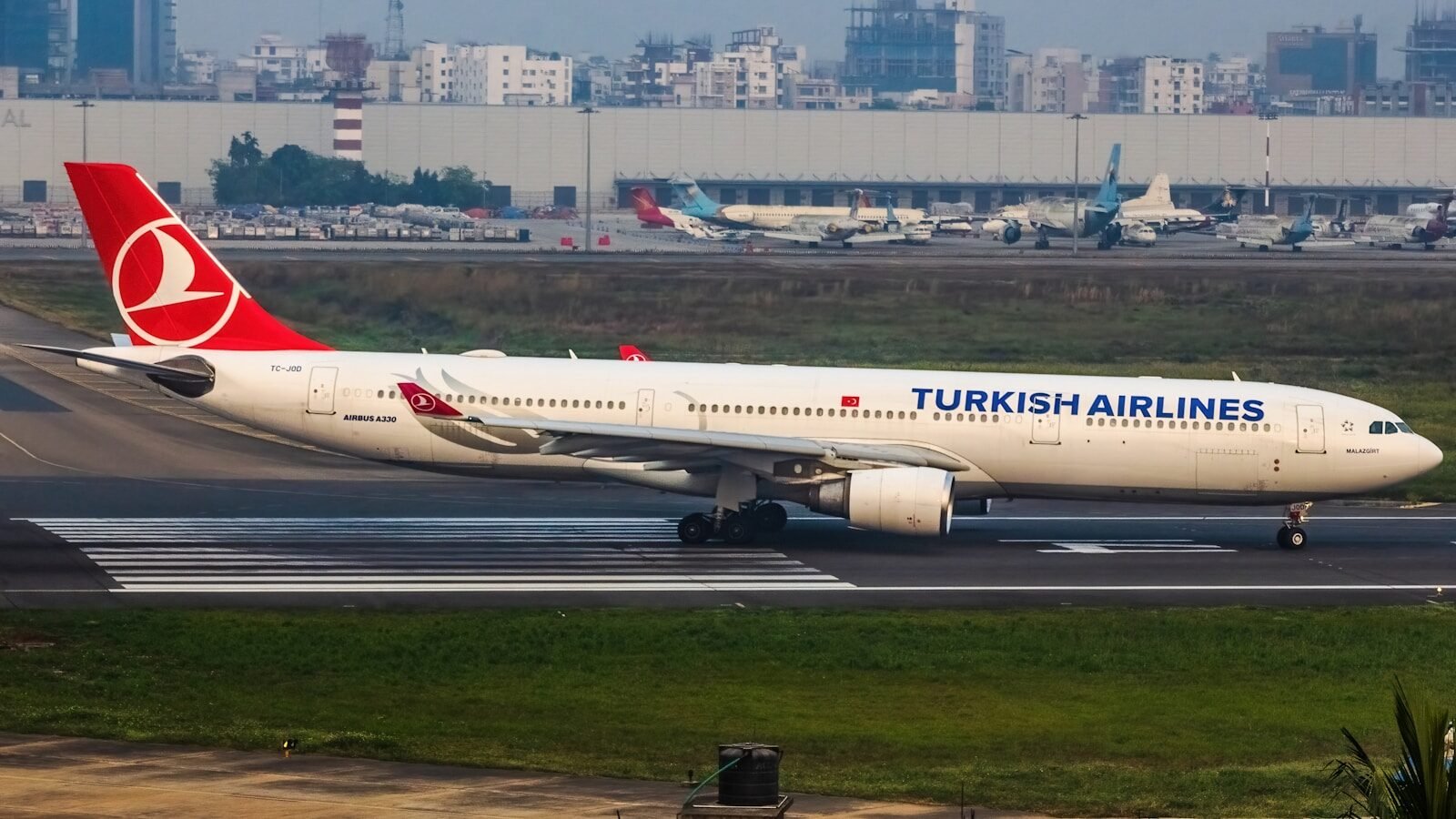
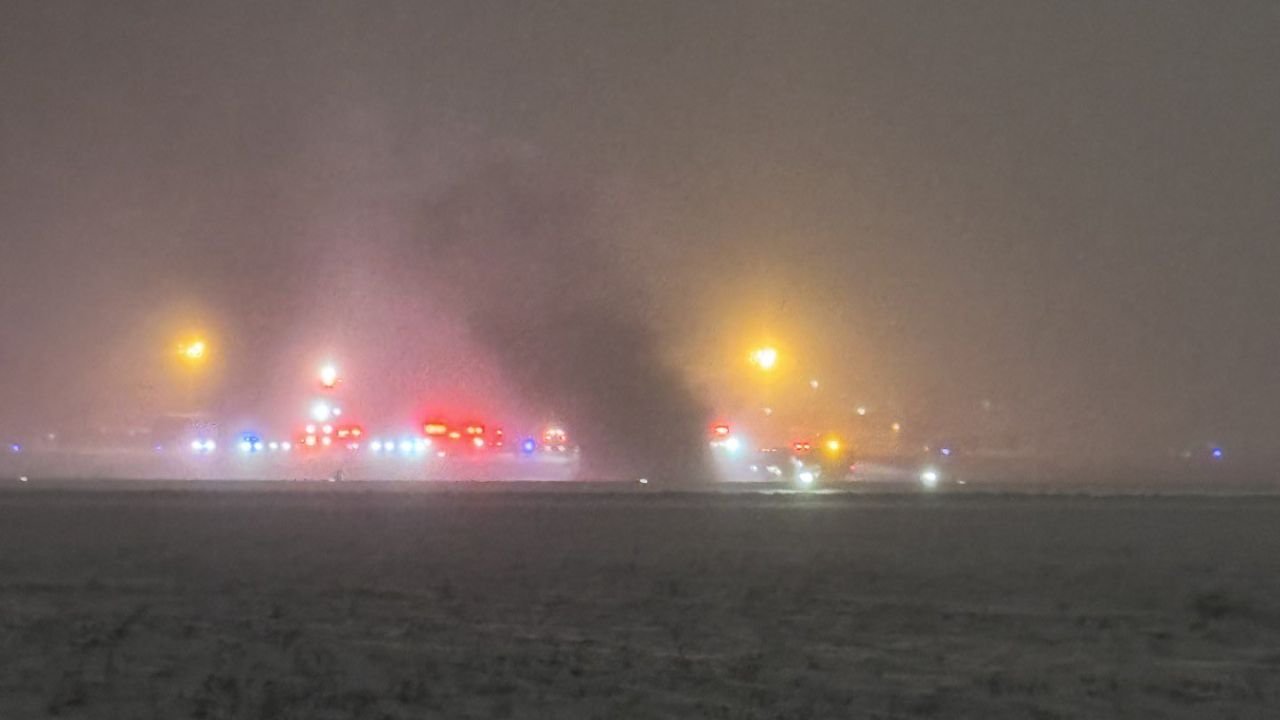
    The event took place at approximately 6:45 am on May 11, 2026. Turkish Airlines flight TK726 was completing its journey from Istanbul to Kathmandu. On board the Airbus A330 were 277 passengers and 11 crew members. As the aircraft made contact with the runway, observers and airport staff noticed smoke and flames coming from the right rear landing gear. The sight of fire during the high speed landing roll triggered an immediate response from the airport fire department.

    As soon as the plane came to a halt, the flight crew initiated emergency evacuation procedures. Passengers were directed to leave the aircraft using the emergency inflatable slides. While the evacuation was happening, fire engines reached the scene and began dousing the landing gear with water and foam to prevent the flames from spreading to the rest of the plane. Thankfully, all 288 people on board were evacuated safely. While a few passengers reported minor scrapes from the slides, there were no serious injuries. The airport was forced to shut down its only runway for over an hour, causing delays for several other international flights that were circling the valley or diverted to other cities.

    Understanding Why The Fire Started

    Initial reports from the Civil Aviation Authority of Nepal suggest that the fire was linked to a tyre burst during the touchdown. When a tyre on a large aircraft like the Airbus A330 bursts at high speeds, the friction between the metal wheel and the runway surface can generate intense heat. This heat often ignites hydraulic fluids or the rubber remains of the tyre itself. In the case of this Turkish Airlines flight, the quick arrival of the fire crews was the only thing that stopped a small wheel fire from becoming a much larger disaster.

    There are several factors that might contribute to such an occurrence. The runway at Kathmandu is known for being demanding due to its length and the atmospheric pressure at high altitudes. If the Turkish Airlines aircraft had to brake harder than usual due to weather or runway conditions, the braking system might have reached temperatures high enough to trigger a fire. Technical teams are currently looking into whether there was a mechanical failure in the braking system or if the tyre itself had a structural weakness.

    The Significance Of The Event For Nepal

    This is not the first time Turkish Airlines has faced a difficult landing in Kathmandu. Back in 2015, another Turkish Airlines aircraft skidded off the slippery runway in dense fog. That incident shut the airport down for several days and required specialized equipment from abroad to move the plane. Because Kathmandu has only one runway for both domestic and international flights, any minor issue with a Turkish Airlines flight or any other carrier can paralyze the entire country’s air link to the world.

    The latest event matters because it highlights the narrow margin for error at Tribhuvan International Airport. It raises questions about whether the airport needs better runway maintenance or if airlines need to adjust their landing protocols for this specific location. For Turkish Airlines, maintaining a strong safety record is vital, and this incident will lead to a thorough internal review of their operations in high altitude environments.

    Looking Toward The Future Of Flight Safety

    In the days following the event, the focus has shifted to the technical inspection of the aircraft. The Turkish Airlines Airbus A330 was moved to a hangar where experts from the airline and the aviation authority are examining the landing gear. They will look at the flight data recorder to see exactly how the plane touched down and how the brakes were applied.

    Going forward, we can expect to see more rigorous checks for flights heading into Kathmandu. Turkish Airlines might implement new training modules for pilots that specifically focus on managing brake temperatures during descents into Nepal. Furthermore, the local aviation authorities are under pressure to improve the emergency response times and perhaps look into expanding the taxiway areas so that a disabled aircraft does not block the entire runway for other travelers.

    Analysis Of The Aviation Challenges In Nepal

    Navigating the skies over Nepal is a task that requires immense skill and preparation. The terrain is some of the most difficult in the world, and the weather can change in a matter of minutes. When we analyze the Turkish Airlines situation, we see a combination of environmental pressure and mechanical stress. The landing gear of an aircraft is its most stressed component during the final seconds of a flight, and in a place like Kathmandu, those stresses are magnified.

    From an expert perspective, the successful evacuation of the Turkish Airlines flight is a testament to the crew’s training. The decision to use slides is never taken lightly, as it carries a risk of minor injury, but it is the right call when fire is present. The fact that the fire was contained so quickly shows that the airport has improved its emergency readiness since the 2015 mishap. However, the recurring nature of these incidents suggests that the aviation industry must continue to respect the unique physics of flying in the Himalayas.

    Moving Beyond The Emergency

    As the investigation continues, the primary goal for all parties is to ensure that such a fire does not happen again. For the passengers who were on that Turkish Airlines flight, the experience was undoubtedly frightening, yet the outcome was the best possible under the circumstances. The aircraft will likely be repaired and returned to service after a full certification of its landing systems.

    For the broader traveling public, this event serves as a reminder of the complexity of international aviation. Every time a Turkish Airlines jet lands safely in a challenging environment, it is the result of thousands of hours of maintenance and training. While the fire on the runway was a dramatic moment, the efficiency of the rescue operation proves that safety protocols are working. The industry will take the lessons learned from this Monday morning in Kathmandu and use them to make the next flight even safer for everyone involved.

  • Belo Horizonte Plane Crash in Brazil: Investigation, Casualties, What We Know

    Belo Horizonte Plane Crash in Brazil: Investigation, Casualties, What We Know

    The morning sky over Minas Gerais turned into a scene of chaos and heartbreak when a small plane came down in a residential area of Belo Horizonte. This event has sent shockwaves through the local community and the wider aviation world. It is a stark reminder of the risks that come with urban flight paths and the thin line between a routine takeoff and a sudden disaster.

    The Sequence of Events in the Belo Horizonte Plane Crash

    The flight began at Pampulha Airport, a hub well known for its proximity to densely populated neighborhoods. Shortly after the wheels left the ground, witnesses reported hearing a sputtering sound from the engine. The aircraft, a small private model, struggled to gain the necessary altitude to clear the surrounding structures. People on the ground watched in horror as the plane banked sharply, a move that many experts believe was a desperate attempt by the pilot to find a clear patch of land or a street for an emergency landing.

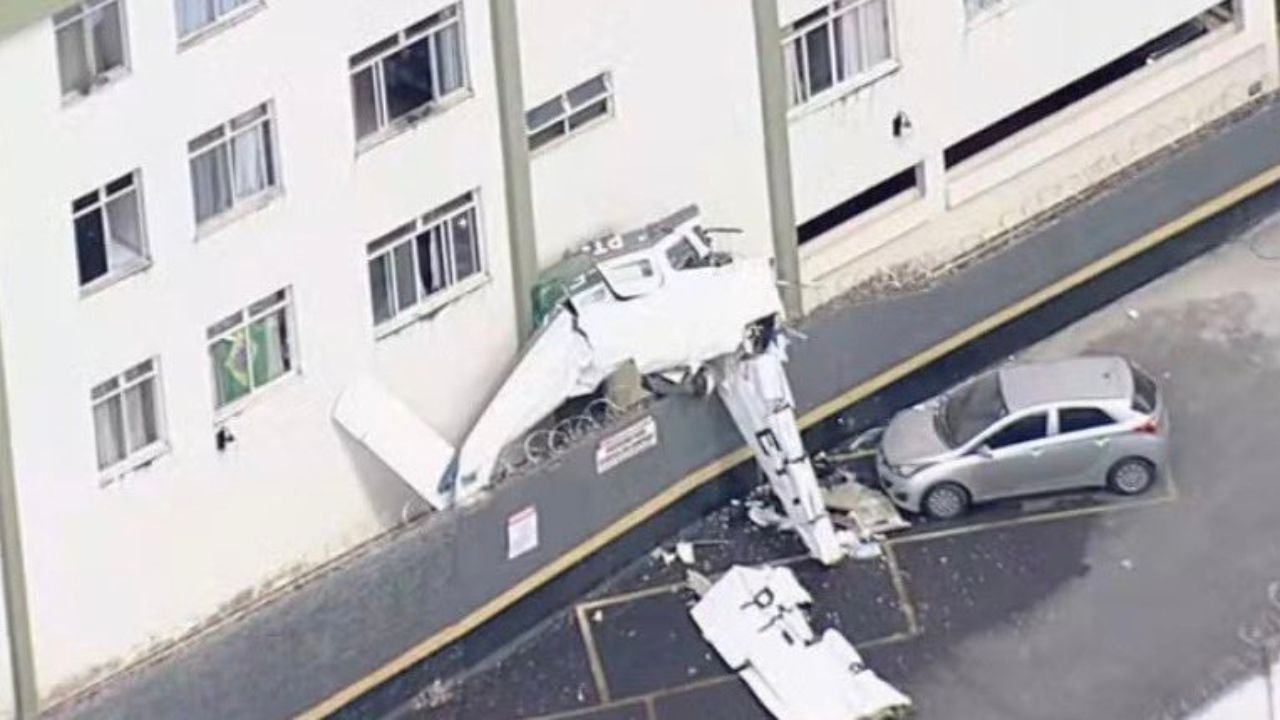
    Unfortunately, the plane did not make it to an open space. It struck a residential building, specifically hitting the area near the rooftop and the upper floor stairwell. The impact was followed by a loud explosion and a plume of thick black smoke that could be seen from miles away. Emergency responders from the local fire department and medical teams arrived within minutes to find a scene of total devastation. The wreckage was tangled with the building structure, making the rescue efforts incredibly dangerous and difficult.

    The toll of the Belo Horizonte plane crash was immediate. Two individuals on board, identified as the pilot and the co-pilot, lost their lives in the crash. Two other passengers were pulled from the burning metal in critical condition and rushed to the nearest trauma center. Residents of the building were evacuated quickly, and while many were treated for shock and minor smoke inhalation, the physical damage to their homes will take months to repair.

    Uncovering Why the Belo Horizonte Plane Crash Occurred

    Whenever an aircraft goes down, the first question everyone asks is why. Investigating the Belo Horizonte plane crash requires a meticulous look at several different factors. The primary focus for the aeronautical authorities is currently on mechanical failure. The reports of engine trouble immediately after takeoff suggest that the plane may have lost power at the most critical phase of flight, which is the initial climb.

    Weather conditions at the time were reportedly clear, which largely rules out heavy rain or wind shear as a primary cause. This leaves the maintenance history of the aircraft under the microscope. Investigators are currently sifting through logbooks to see when the engine was last serviced and if there were any recurring issues with this specific tail number. There is also the possibility of fuel contamination, a silent killer in general aviation that can cause engines to quit without warning.

    Another angle being looked at is the weight and balance of the plane. Small aircraft are very sensitive to how much fuel and cargo they carry. If the plane was even slightly over its maximum takeoff weight, it would have had a much harder time recovering from an engine sputter. The final report will take months to complete, but the early evidence points toward a catastrophic technical malfunction that left the crew with almost no time to react.

    Why the Belo Horizonte Plane Crash Matters to the Public

    This tragedy is not just a local news story; it carries significant weight for urban planning and aviation safety across Brazil. Belo Horizonte is a city where the airport is surrounded by homes, schools, and businesses. The Belo Horizonte plane crash has reignited a fierce debate about whether airports like Pampulha should continue to handle certain types of traffic or if stricter flight paths should be enforced to protect the people living below.

    For the residents of the city, this is a matter of basic safety. Living under a flight path always carries a small amount of risk, but seeing a plane actually hit a building makes that risk feel very real and very personal. It raises questions about the value of human life versus the convenience of having an airport close to the city center.

    Furthermore, the Belo Horizonte plane crash highlights the challenges faced by general aviation in Brazil. Unlike large commercial airlines that have massive budgets for maintenance and safety, smaller private operators sometimes struggle with the rising costs of parts and specialized labor. This crash serves as a wake-up call for the entire industry to double down on safety protocols and pilot training for emergency procedures in urban environments.

    Looking Ahead After the Belo Horizonte Plane Crash

    In the wake of such an event, the immediate priority is support for the victims and their families. The two survivors face a long road to recovery, and the families of the deceased pilots are searching for answers. Meanwhile, the structural integrity of the building involved must be assessed. Engineers are on site to determine if the impact caused permanent damage to the foundation or if the upper floors can be safely rebuilt.

    On the regulatory side, we can expect a temporary shift in how flights are handled at Pampulha Airport. There may be new restrictions on takeoff weights or even a temporary ban on certain types of private aircraft until the preliminary findings of the investigation are released. The Brazilian Air Force, which usually handles these investigations, will be under pressure to provide a transparent and thorough account of what went wrong.

    The local government is also likely to hold public hearings. People are angry and scared, and they want to know what is being done to prevent a repeat of the Belo Horizonte plane crash. These meetings will likely involve discussions about zoning laws and perhaps even the long term future of the airport itself.

    Professional Perspectives on the Belo Horizonte Plane Crash

    Aviation analysts often look at these incidents through the lens of a Swiss Cheese model, where multiple small failures line up to create a disaster. In the Belo Horizonte plane crash, it was likely a combination of a mechanical glitch, a low altitude environment, and a lack of emergency landing spots. Pilots are trained to always have a place to go if the engine fails, but in a dense city like this, those places are few and far between.

    One expert noted that the pilot likely did everything possible to avoid a direct hit on a more crowded part of the building. By hitting the stairwell area, the damage to the living quarters was somewhat limited compared to what could have happened if the plane had flown directly into the center of the structure. This split second decision making is what pilots are paid for, even if the outcome was still tragic.

    The focus now shifts to the black box data and the wreckage recovery. Because the plane was small, it might not have carried a flight data recorder like a large jet, so the investigation will rely heavily on physical evidence and radio transcripts. Every bolt and wire will be checked for signs of fatigue or heat damage.

    The Long Path to Safety and Recovery

    The community will eventually heal, but the memory of the Belo Horizonte plane crash will remain in the skyline of the city for a long time. It is a reminder that while flying is generally very safe, there is no room for error when things go wrong in a crowded area. The lessons learned from this crash will hopefully lead to better maintenance, smarter urban planning, and ultimately, a safer sky for everyone.

    As the investigation continues, the focus remains on the bravery of the first responders and the resilience of the neighbors who rushed to help. The stories of people helping each other during the fire show the best of the human spirit in the face of a terrible accident. Moving forward, the goal must be to ensure that no other family has to wake up to the sound of a plane coming down in their neighborhood.

  • FACT CHECK: Did a United Airlines Boeing 767 Strike a Truck and Light Pole on Approach to Newark?

    FACT CHECK: Did a United Airlines Boeing 767 Strike a Truck and Light Pole on Approach to Newark?

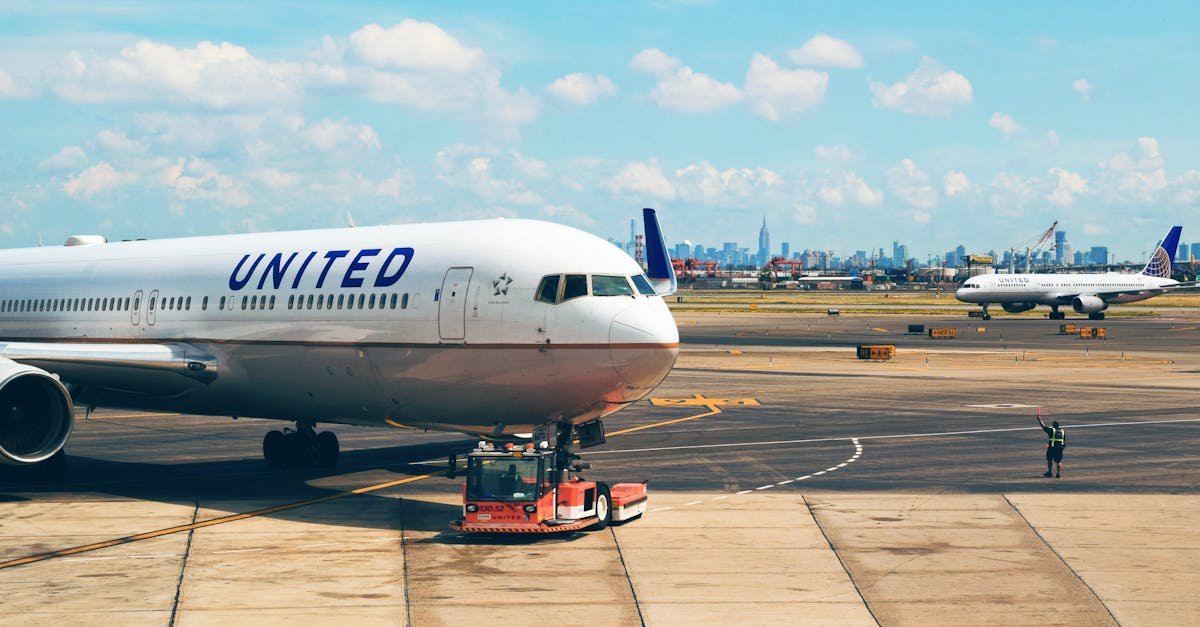
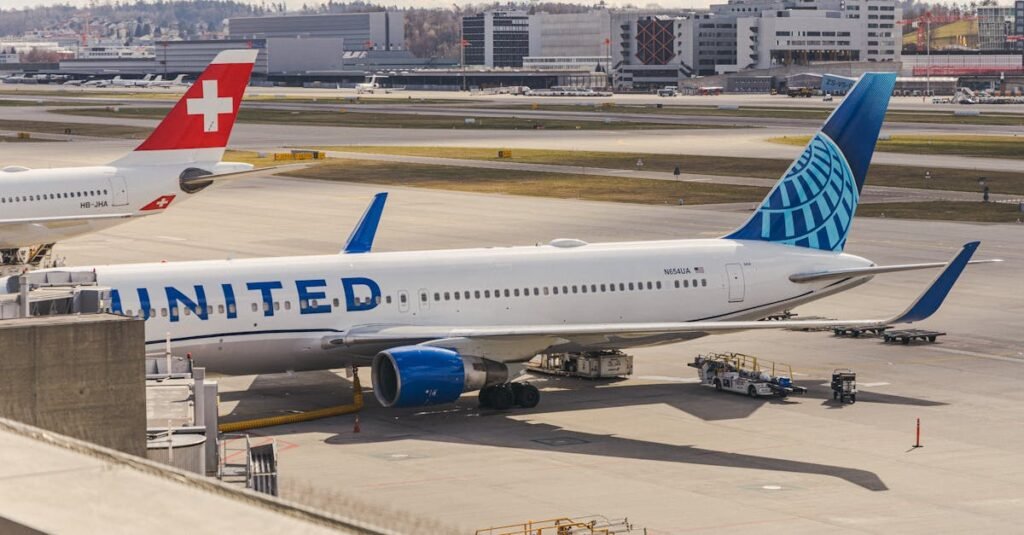
    In a scene that felt like it belonged in a high-budget action movie, the skies above New Jersey became the center of a terrifying aviation incident on May 3, 2026. United Flight 169, a massive Boeing 767-400ER making its long journey from Venice, Italy, was on its final approach to Newark Liberty International Airport. As the plane descended toward the runway, things took a turn that left onlookers and those on the ground in total disbelief.

    A Collision on the New Jersey Turnpike

    What was supposed to be a standard landing turned into a chaotic sequence of events just as the plane crossed over the New Jersey Turnpike. At roughly 2:00 p.m., the aircraft flew exceptionally low, far lower than the standard glide path for that area. As United Flight 169 cleared the highway perimeter, its landing gear and the underside of the fuselage made contact with a tall light pole.

    The impact was enough to dislodge the pole, which then crashed down onto a Jeep traveling on the highway. Even more shocking was the contact made with a commercial vehicle. A semi-truck belonging to H&S Bakery, driven by Warren Boardley, was also struck by the aircraft’s landing gear. Dashcam footage from inside the truck captured a harrowing moment where the massive tire of the Boeing 767 appeared to smash through the driver’s side windshield. Shattered glass filled the cabin as the driver managed to maintain control and pull over. Despite the terrifying nature of the collision, the plane continued its path and managed to touch down on the runway.

    The Factors Behind the Low Approach

    When an incident like this happens, the first question everyone asks is how a sophisticated aircraft from United could end up so close to the ground before reaching the airport boundary. While the official investigation is still in its early stages, several environmental and operational factors have already come to light.

    On that particular Sunday, Newark was experiencing significant wind conditions. Because of these gusts, air traffic control vectored the United flight toward Runway 29. This specific runway is the shortest at Newark, measuring only 6,725 feet, compared to the much longer runways the flight would typically use. Runway 29 sits incredibly close to the New Jersey Turnpike, leaving a very small margin of error for pilots. The combination of a shorter-than-usual runway, shifting winds, and the immense size of a Boeing 767 likely created a challenging environment for the crew. Pilots are now being questioned to determine if there was a loss of situational awareness or if technical issues played a role in the plane dropping below the safe altitude threshold.

    Why This Event Has Sent Shockwaves Through the Industry

    The reason this specific incident with United has garnered so much attention is the sheer rarity of a “ground strike” during an active landing where the plane still manages to land safely. Aviation safety is built on layers of redundancy and strict altitude floors. When a plane’s landing gear hits a vehicle on a public road, it suggests a total breakdown of those safety layers.

    This matters because the New Jersey Turnpike is one of the busiest stretches of highway in the United States.Thousands of people drive directly under the flight path of Newark Liberty International every hour. If the plane had been just a few feet lower, the outcome could have been a catastrophic loss of life both in the air and on the ground. The fact that all 221 passengers and 10 crew members walked off the plane without a single scratch is being described by many as a miracle. However, for the aviation industry, it is a wake-up call regarding the proximity of major infrastructure to active runways.

    The Immediate Aftermath and Next Steps

    Following the landing, United moved quickly to address the situation. The aircraft was immediately taken out of service so that maintenance teams could inspect the landing gear and the underside of the fuselage for structural damage. The flight crew has also been removed from active duty, which is standard procedure during a “rigorous” safety investigation.

    On the ground, the driver of the bakery truck was taken to a local hospital. Fortunately, his injuries were limited to cuts from the broken glass, and he was released shortly after. The FAA and the National Transportation Safety Board (NTSB) have both launched full-scale inquiries. The NTSB has already secured the cockpit voice recorder and the flight data recorder from the United jet. These “black boxes” will be the key to understanding the final moments of the flight. A preliminary report is expected to be released within the next 30 days, which will provide a clearer picture of the mechanical or human factors that led to the strike.

    Breaking Down the Risks of Short Runway Landings

    From an analytical perspective, this event highlights the inherent risks of using secondary runways for large wide-body aircraft under stress. The Boeing 767 is a heavy machine, and landing it on Runway 29 at Newark requires precision. When United is forced to use these shorter strips due to weather, the “aim point” for the pilots becomes much more critical.

    Investigators will likely look at the “threshold crossing height,” which is the altitude of the aircraft as it passes the beginning of the runway. Because the turnpike is so close to the airport fence, any deviation in the descent angle can bring the plane dangerously close to highway traffic. This incident may prompt a review of whether certain aircraft types should be restricted from Runway 29 during specific wind conditions. It also raises questions about the height of utility poles and lighting structures in the immediate vicinity of the airport’s approach paths. For United, the focus will be on training and ensuring that their crews are fully prepared for the unique challenges of Newark’s layout when the primary runways are unavailable.

    A New Look at Aviation Safety Near Highways

    While we wait for the final word from federal investigators, the images of a United jet clipping a light pole will likely stay in the public consciousness for a long time. It serves as a stark reminder that even with the best technology and the most experienced pilots, the physical world offers very little room for error. The safety of our skies depends on constant vigilance and the willingness to change protocols when a near-miss occurs.

    This event was a narrow escape for everyone involved. Moving forward, the goal for both the airline and the port authority will be to ensure that the boundary between the highway and the runway remains a safe distance apart, protecting both the travelers in the air and the commuters on the ground.

  • Will Pilot Shortage Get Worse For United, American Airlines and others in the Next 5 Years?

    Will Pilot Shortage Get Worse For United, American Airlines and others in the Next 5 Years?

    The aviation industry is currently facing a massive hurdle that could change how we travel for years. If you have been following the news about major carriers like United and American Airlines, you might have noticed a recurring theme of flight delays or cancellations. At the heart of these issues is a simple but deep problem: there are not enough people to fly the planes. As we look toward the next five years, the big question is whether this gap will close or if the pilot shortage will get worse.

    The current state of the cockpit

    To understand the future, we have to look at the present. The industry has entered 2026 in a precarious spot. While travel demand has surged back to record levels, the supply of qualified pilots has not kept pace. Major airlines like United and American are currently in a hiring frenzy, trying to bring in thousands of new pilots every single year.However, they are not just competing against each other; they are competing against time and a thinning pool of experienced talent.

    Research suggests that 2026 is actually the peak of the crisis. Forecasters indicate that the global gap between the number of pilots needed and the number available is roughly 24,000. Even with aggressive recruiting, the numbers just do not add up yet. The pressure is most visible at the regional level, where smaller airlines that feed into the big hubs are struggling to keep their schedules intact. When a regional carrier does not have enough crew, it cannot send passengers to the big cities, and the entire system starts to feel the strain.

    Why the gap has become a canyon

    A few different factors have crashed into each other to create this mess. First, there is the mandatory retirement age. In the United States, the law says commercial pilots must hang up their wings at 65. We are currently seeing a huge wave of retirements from the baby boomer generation. These are the most experienced captains in the sky, and they are leaving the workforce by the thousands.

    Then there is the training bottleneck. It takes a long time and a lot of money to become a commercial pilot. You cannot just decide to do it and start work next month. It takes years of flight hours and expensive schooling. During the recent global health crisis, many flight schools slowed down or closed, which paused the pipeline of new students.

    Finally, we have to talk about the planes themselves. Companies like Boeing have faced significant delays in delivering new aircraft. While you might think fewer planes means less need for pilots, it actually complicates things. Airlines have to keep older, more maintenance-heavy planes in the air, and they have to constantly shuffle their crews to match changing fleet schedules. This inefficiency makes the existing shortage feel even more intense.

    Why this matters for the average traveler

    If you are someone who flies once a year for a holiday or every week for business, the pilot shortage is not just an industry statistic. It has real-world consequences for your wallet and your schedule. When airlines have fewer pilots, they have to fly fewer routes. This usually means that flights to smaller, more rural cities get cut first. If you live in a town that relies on a regional link to a major hub, you might find that your only flight option has been canceled.

    Limited supply also leads to higher prices. Airlines are spending record amounts on pilot salaries to keep their staff from leaving for competitors. Some senior captains are now making more than $400,000 a year. While that is great for the pilots, those costs eventually show up in the price of your ticket. If United or American Airlines has to pay significantly more to keep their planes moving, they will pass those costs on to the passengers.

    Looking toward the end of the decade

    As we move past 2026 and into the late 2020s, there is a glimmer of hope, but the pilot shortage will get worse before it truly stabilizes. The peak we are seeing now will likely linger for another two or three years. Even though more people are entering flight school today, it will take them several years to earn the 1,500 flight hours required to sit in a commercial cockpit.

    We might also see changes in the law. There has been a lot of talk about raising the retirement age from 65 to 67. If that happens, it would provide an immediate boost by keeping veteran pilots in the air for two more years. However, this is a hot topic with a lot of debate around safety and international regulations. For now, the industry is operating under the assumption that the current rules stay in place, meaning the exit of senior pilots will continue at a steady clip through 2028.

    Deep dive into the American Airlines and other carriers’ strategy

    The major carriers are not just sitting around waiting for the government to help. They are getting creative. United Airlines, for example, has opened its own flight academy to train pilots from the ground up. By taking control of the education process, they can ensure a steady stream of new hires who are already familiar with their specific systems.

    American Airlines and others are also leaning heavily on their regional partners. They are offering massive sign-on bonuses, sometimes reaching six figures, just to get pilots to commit to a few years of service. This has turned the job market into a game of musical chairs. A pilot might start at a small regional carrier, get a huge bonus, and then get poached by a major airline just a year later. This “trickle-up” effect is why the pilot shortage will get worse for the smaller communities even as the big airlines start to find their footing.

    Navigating the years ahead

    The next five years will be a period of transition. We are moving from a world where being a pilot was a stable, traditional career to one where it is a high-demand, high-tech profession with rapidly rising pay. For the airlines, the focus will be on retention. It is much cheaper to keep a pilot you already have than to find and train a new one.

    For the traveler, the best advice is to expect the unexpected. Until the training pipeline catches up with the retirement wave, flight schedules will likely remain tight. The pilot shortage will get worse in terms of service reliability to smaller markets, even if the total number of pilots in the country starts to climb. The industry is essentially rebuilding its foundation while the house is still full of guests. It is a difficult balancing act, and while the turbulence will eventually settle, the next few years will definitely be a bumpy ride for everyone involved.

  • Why U.S. Flight Delays Are Getting Worse in 2026?

    Why U.S. Flight Delays Are Getting Worse in 2026?

    Flight delays across the United States have become a regular part of travel in 2026. What used to be an occasional inconvenience now feels like a built-in part of the flying experience. Travelers are planning for extra hours at airports, and airlines are struggling to maintain schedules that once seemed routine. The situation has raised an important question: why U.S. flight delays are getting worse in 2026, and what is actually driving this shift?

    A Growing Imbalance Between Demand and Capacity

    Air travel demand in the United States has surged again in 2026. Passenger numbers have not only recovered from previous slowdowns but have exceeded earlier records in several major markets. Airports like Atlanta, Dallas, and Denver are handling more flights than ever before.

    The problem is that infrastructure has not expanded at the same pace. Runways, gates, and airspace capacity remain limited in many regions. When more flights are scheduled than the system can comfortably handle, even a small disruption can trigger a chain reaction. This imbalance is one of the clearest reasons why U.S. flight delays are getting worse in 2026.

    Air Traffic Control Staffing Challenges

    Another major factor is the ongoing shortage of air traffic controllers. The Federal Aviation Administration has been working to address staffing gaps, but training new controllers takes time, and experienced personnel are still retiring.

    In busy airspace regions like the Northeast, fewer controllers mean reduced flexibility in managing traffic. Flights are often spaced further apart for safety, which reduces overall efficiency. When traffic levels remain high, this leads to congestion and delays that ripple through the system.

    This staffing issue has quietly become one of the biggest contributors to why U.S. flight delays are getting worse in 2026.

    Weather Patterns Are Becoming Less Predictable

    Weather has always played a role in aviation delays, but recent patterns have made disruptions more frequent and harder to manage. Thunderstorms, extreme heat, and sudden weather shifts are affecting key travel corridors more often.

    In places like Florida and the Midwest, storm systems can ground flights or force reroutes that add pressure to already busy airspace. Even when weather clears quickly, the backlog of delayed flights can take hours to resolve.

    The increasing unpredictability of weather is another reason why U.S. flight delays are getting worse in 2026, especially during peak travel seasons.

    Airline Scheduling Strategies Are Under Pressure

    Airlines are trying to maximize efficiency by scheduling tightly packed flight rotations. Aircraft are often assigned multiple routes in a single day, leaving little room for delays.

    When one flight runs late, the aircraft assigned to the next route is also delayed. This creates a domino effect that spreads across multiple destinations. Crew schedules are also affected, and regulations limit how long pilots and flight attendants can work, adding another layer of complexity.

    These tight scheduling practices help airlines operate more flights, but they also make the system more fragile. This is a key piece of why U.S. flight delays are getting worse in 2026.

    Airport Congestion Is Reaching New Levels

    Major airports in the United States are facing serious congestion challenges. At peak hours, taxiways are crowded, gates are occupied, and aircraft often wait in line for takeoff clearance.

    Some airports are operating close to their maximum capacity. When delays begin to stack up, there is little room to absorb the disruption. Smaller airports are not immune either, as increased regional traffic adds pressure to facilities that were not designed for such volumes.

    This congestion plays a direct role in why U.S. flight delays are getting worse in 2026, especially in large metropolitan areas.

    Maintenance and Operational Constraints

    Aircraft maintenance is another factor that often goes unnoticed. Airlines are maintaining large fleets that are being used more intensively than before. More flights mean more wear and tear, and even minor technical issues can lead to delays.

    Supply chain challenges have also affected the availability of parts and maintenance resources. When repairs take longer than expected, flights are delayed or canceled.

    Operational constraints like these add to the growing list of reasons why U.S. flight delays are getting worse in 2026.

    The Impact of Pilot Availability

    While the pilot shortage has improved compared to earlier years, it is still a concern for some airlines, particularly regional carriers. Limited pilot availability can lead to schedule adjustments and reduced flexibility in handling disruptions.

    When delays occur, airlines may not have backup crews readily available, which can extend waiting times for passengers. This issue may not be as visible as others, but it still contributes to why U.S. flight delays are getting worse in 2026.

    Passenger Volume and Airport Experience

    Higher passenger numbers also affect how smoothly airports operate. Security lines, boarding processes, and baggage handling all take longer when more people are traveling.

    Delays can start even before passengers reach the gate. Late arrivals due to long security lines can hold up flights, especially on routes with tight turnaround times. The entire system becomes slower when passenger volume increases beyond what facilities can handle efficiently.

    This human side of the travel experience is another layer in understanding why U.S. flight delays are getting worse in 2026.

    Technology Helps but Cannot Solve Everything

    Airlines and airports have invested heavily in technology to improve operations. Real-time tracking, automated scheduling systems, and improved communication tools have made a difference.

    However, technology cannot fully overcome physical and staffing limitations. When there are too many flights and not enough capacity, even the most advanced systems can only do so much.

    This gap between technological capability and real-world constraints is part of why U.S. flight delays are getting worse in 2026.

    What Travelers Are Noticing in 2026

    Passengers are becoming more aware of these challenges. Many travelers now expect delays and plan accordingly. Airlines are also adjusting by offering more flexible rebooking options and improved communication during disruptions.

    Despite these efforts, frustration remains high. Delays affect connections, business schedules, and overall travel experiences. For frequent flyers, the change is noticeable and significant.

    What This Means for the Future of Air Travel

    Understanding why U.S. flight delays are getting worse in 2026 points to a broader issue within the aviation system. Demand continues to grow, but infrastructure, staffing, and operational strategies are struggling to keep up.

    Long-term solutions will likely involve a combination of expanded airport capacity, improved air traffic control staffing, and more balanced scheduling practices. Airlines may also need to rethink how they build resilience into their operations.

    For now, delays are likely to remain a defining feature of air travel in the United States. Travelers, airlines, and regulators are all adapting to a system that is under increasing pressure, and the changes made in the coming years will shape how efficiently the industry can handle future growth.

  • Why Flight Delays Are Rising Across the U.S. in 2026? What It Means for Travelers?

    Why Flight Delays Are Rising Across the U.S. in 2026? What It Means for Travelers?

    Traveling by air was once a symbol of efficiency and speed, but lately, it feels like spending time in an airport lounge or sitting on a tarmac has become part of the standard itinerary. If you have noticed that your trips are taking longer than they used to, you are not alone. As we move through 2026, the frequency of flight delays across the United States has reached levels that are testing the patience of even the most seasoned travelers. This shift is not just a streak of bad luck but rather a combination of several deep-rooted issues within the aviation industry.

    Understanding why flight delays are on the rise requires looking at the bigger picture. From the way airlines schedule their planes to the physical limitations of our oldest airports, the system is currently under immense pressure. For anyone planning a trip this year, knowing these factors can help you prepare for the likelihood that your departure time might be more of a suggestion than a guarantee.

    The Growing Gap Between Demand and Capacity

    One of the most obvious reasons for the surge in flight delays is that more people are flying than ever before. After years of fluctuating travel interest, 2026 has seen passenger numbers soar to record highs. Airlines are eager to meet this demand by adding as many flights to their schedules as possible. However, the physical space at major hubs like Chicago O’Hare, Dallas/Fort Worth, and Atlanta Hartsfield-Jackson is finite.

    When airlines pack their schedules with back to back flights, there is very little room for error. If a single plane arrives late due to a minor issue, it creates a domino effect for every other trip that aircraft is supposed to make that day. This lack of buffer time means that flight delays are no longer isolated incidents but rather daily occurrences that ripple through the entire national network.

    Chronic Staffing Shortages in Key Areas

    Even with the best technology, the aviation industry relies heavily on human expertise. In 2026, a significant shortage of pilots, flight attendants, and maintenance technicians continues to plague the industry. Many experienced professionals reached retirement age recently, and the pipeline of new workers has not been able to keep up with the rapid expansion of flight schedules.

    When a crew member is delayed on an incoming flight or reaches their maximum legal working hours, the airline often struggles to find a replacement quickly. This leads to flight delays while the company scrambles to find a new team.Additionally, staffing issues are not limited to the airlines themselves. Labor disruptions and high turnover rates among airport security personnel and ground crews have slowed down the boarding and baggage handling processes, adding even more minutes to the wait times at the gate.

    Modern Weather Patterns and Their Impact

    Weather has always been the primary enemy of on-time performance, but 2026 has brought a new level of volatility.Changes in global climate patterns have led to more frequent and more intense thunderstorms, especially in regions that serve as major connecting points. Strong winds and low visibility often force the Federal Aviation Administration to implement ground stops or reduce the number of planes allowed to land per hour.

    Unlike a simple rain shower, these severe weather events can shut down an entire corridor of airspace for hours.Because the modern aviation system is so interconnected, a storm in the Midwest can easily cause flight delays for a traveler trying to get from Florida to New York. Airlines are finding it increasingly difficult to navigate these unpredictable weather windows without disrupting thousands of passengers.

    Infrastructure Strain and Ongoing Construction

    Many of the busiest airports in the United States were built decades ago and were never intended to handle the volume of traffic seen today. To fix this, several major hubs have embarked on massive renovation and expansion projects in 2026. While these improvements are necessary for the future, the immediate result is a reduction in available runways and taxiways.

    In cities like Chicago and Los Angeles, ongoing construction means that planes have to take longer routes to get to their gates or wait in longer queues for takeoff. These logistical hurdles are a constant source of flight delays. When you combine reduced pavement space with a record number of scheduled flights, the result is a bottleneck that can hold up traffic for the better part of a day.

    Tech Glitches and Air Traffic Control Hurdles

    The technology used to manage our skies is also showing its age. While there have been significant investments in upgrading air traffic control systems, the transition to new software and hardware hasn’t been perfectly smooth. System outages or glitches in the digital tools that controllers use to track planes can lead to immediate safety pauses.

    Safety is always the priority, so if there is even a minor concern with the tracking equipment, the flow of traffic is slowed down. Furthermore, there is a noted shortage of air traffic controllers in several high-traffic regions. With fewer people available to manage the complex puzzles of the sky, the spacing between aircraft must be increased, which naturally results in more flight delays across the board.

    The Financial Pressure on Regional Carriers

    Not all flight delays happen at the big hubs. Regional airlines, which connect smaller cities to larger hubs, are facing their own set of unique challenges. These carriers often operate on much tighter margins and have fewer spare aircraft available. If a regional jet has a mechanical issue, there might not be another plane available for hours or even days.

    In 2026, rising fuel costs and increased labor expenses have made it harder for these smaller companies to maintain a flexible fleet. When a regional flight is held up, it often prevents passengers from making their connections at larger airports, further complicating the travel landscape for everyone involved.

    How Travelers Are Adapting to the New Reality

    For the person holding a ticket, the rise in flight delays has changed the way people plan their lives. Short layovers,which used to be a convenient way to save time, are now seen as a major risk. Travelers are increasingly choosing to book longer gaps between flights or even opting for direct routes at a higher cost just to avoid the stress of a missed connection.

    Travel insurance and flexible booking policies have also become much more popular. People are realizing that they need a safety net in case their plans are derailed by factors beyond their control. While the airlines are working to improve their reliability, the current environment suggests that being prepared for a wait is the smartest way to travel.

    Navigating the Future of Air Travel

    While the current situation can feel frustrating, there is hope that these issues will eventually stabilize. The investments being made into airport infrastructure and the push to train more aviation professionals will pay off in the long run.However, for the remainder of 2026, it is likely that flight delays will remain a persistent part of the experience.

    The best approach for any traveler is to stay informed. Using airline apps to track your plane before it even arrives at your gate can give you a head start on rebooking if things look messy. By understanding the various factors at play, you can manage your expectations and perhaps find a bit more patience the next time you hear an announcement about a late departure. Flying in 2026 is a test of endurance, but with a little extra planning, you can still reach your destination safely.

  • United Airlines Bomb Scare: Why Passengers Were Forced Down Emergency Slides Twice This Weekend

    United Airlines Bomb Scare: Why Passengers Were Forced Down Emergency Slides Twice This Weekend

    The world of commercial aviation is built on a foundation of strict protocols where even the slightest hint of a threat is handled with extreme caution. This past weekend, United Airlines found itself at the center of two separate security incidents that tested those protocols to their limits. Within a span of just forty eight hours, passengers on two different flights experienced the rare and jarring reality of an emergency evacuation. These events led to hundreds of travelers sliding down inflatable chutes onto the pavement as law enforcement teams and bomb squads raced to the scene.

    The first incident occurred on Saturday morning high above the Midwest, while the second took place on a Sunday night at one of the busiest hubs in the country. Both situations involved United Airlines aircraft and both resulted in a full scale emergency response. While the outcomes were ultimately safe, the intensity of these encounters has left many people wondering what exactly happens behind the scenes when a pilot decides to pull the emergency handles.

    A Mysterious Sound at Thirty Five Thousand Feet

    Everything started on Saturday, April 18, 2026, aboard United Airlines Flight 2092. The Boeing 737 MAX 8 was traveling from Chicago O’Hare International Airport toward New York’s LaGuardia Airport with 159 passengers and six crew members on board. For the first portion of the trip, the flight was entirely routine. However, as the aircraft cruised over Ohio, the flight crew noticed something highly unusual.

    According to audio recordings from the cockpit, the pilots reported a sequential beeping sound that seemed to be coming from a specific area near the front of the plane. The sound was steady, occurring at a rate of roughly one beep per second. In the high stakes environment of a cockpit, an unidentified electronic pulse is never ignored. The crew communicated with air traffic control, stating that they were hearing a rhythmic beeping from a suspected item and that they had to treat the situation as a potential bomb threat.

    Because the source of the noise could not be verified and was located in a sensitive part of the aircraft, the decision was made to divert immediately. The pilots set a course for Pittsburgh International Airport, which was the nearest facility equipped to handle a major security emergency. As the plane descended, the atmosphere in the cabin remained tense while the flight crew prepared the passengers for a landing that would be anything but normal.

    The Rapid Evacuation in Pittsburgh

    When United Airlines Flight 2092 touched down in Pittsburgh at approximately 11:45 a.m., it did not taxi to a gate.Instead, it was directed to a remote section of the airfield, far away from the main terminal and other aircraft. This is standard procedure for any flight involving a potential explosive, as it minimizes the risk to airport infrastructure.

    The pilots initially asked for mobile stairs to be brought to the plane to get everyone off safely. However, when it became clear that there might be a delay in getting the stairs to that remote location, the captain made a split second decision. To ensure the absolute safety of everyone on board, the order was given to evacuate using the emergency slides.

    Social media quickly filled with images of the United Airlines jet sitting alone on the tarmac with all four of its yellow slides deployed. Passengers were seen sliding down the chutes and running across the grass, directed by emergency responders. The Allegheny County Police Bomb Squad and FBI agents were already on site, using K9 units and specialized equipment to sweep the aircraft. After several hours of searching every bag and every inch of the cabin,authorities found no evidence of explosives. The mysterious beeping was eventually attributed to a non threatening electronic device, but the response showed that United Airlines takes no chances when it comes to life and limb.

    A Second Scare at Denver International

    Just as the news of the Pittsburgh diversion was beginning to settle, a second incident occurred on Sunday evening,April 19, 2026. This time, the focus shifted to Colorado. United Airlines Flight 2408 was prepared to depart from Denver International Airport for Washington Dulles International Airport. The plane was fully loaded with over 200 passengers and seven crew members.

    Unlike the Saturday incident which happened in mid air, this threat emerged while the plane was still on the ground.Reports indicate that the aircraft was taxiing toward the runway for takeoff when a security concern was raised. While the exact nature of the threat in Denver was not immediately detailed as clearly as the beeping in the first case, the reaction was just as swift.

    The aircraft was ordered to turn around on the tarmac and return to a secure holding area. For several hours, the plane sat grounded while security officials assessed the situation. Passengers reported a high level of confusion, noting that they were told not to open the overhead bins or move about the cabin. Eventually, the decision was made to evacuate this flight as well. While some passengers were able to exit via stairs later in the process, the initial panic and the heavy presence of armored police vehicles created a scene of chaos. Once again, a thorough sweep by the TSA and local police returned negative results, and the plane was cleared of any danger.

    The High Cost of Aviation Safety

    United Airlines and American Merger Update 2026: Everything We Know About the Potential Mega-Deal

    Whenever United Airlines or any other major carrier deals with a bomb scare, the financial and logistical impact is enormous. Diverting a plane, deploying emergency slides, and calling in federal bomb technicians costs hundreds of thousands of dollars. Beyond the money, the psychological toll on the passengers is significant. Using an emergency slide is not a gentle process; it is a high speed exit that can cause minor scrapes or bruises, and it is only used when the crew believes there is an immediate threat to the hull of the plane.

    The fact that two such incidents happened to United Airlines in the same weekend is statistically rare. This has led to questions about whether these were isolated coincidences or if there is a trend of heightened sensitivity in the current travel climate. Aviation experts point out that since the crew cannot know for certain if a threat is a hoax until the plane is on the ground and searched, they must act as if every threat is real.

    For the passengers on these flights, the experience was a reminder of how quickly a weekend trip can turn into a national news story. United Airlines provided food, water, and rebooking assistance to those affected, but the memory of sliding down an inflatable chute onto a cold runway is something that will likely stay with those travelers for a long time.

    Looking Ahead at Security Protocols

    The FBI continues to investigate the origins of the threats that led to these evacuations. They are looking into the possibility of a link between the two events, though currently, there is no evidence suggesting a coordinated effort. The goal of these investigations is to determine if the threats came from inside the cabin or if they were called in from an outside source.

    In the wake of these scares, United Airlines has reinforced its commitment to following the guidance of federal authorities and maintaining a zero tolerance policy for security risks. While the disruptions were massive, the primary takeaway is that the safety systems functioned exactly as they were designed to. From the moment the beeping was heard in the cockpit of Flight 2092 to the moment the Denver tarmac was cleared, the priority remained the protection of the people on board.

    The aviation industry will likely use these incidents as case studies for future training. They highlight the need for clear communication between pilots and air traffic control, as well as the importance of rapid response teams at major airports. As travelers return to the skies, they can take some comfort in knowing that despite the inconvenience and the fear, the protocols in place are robust enough to handle even the most mysterious sounds and threats.

    Reflections on a Tense Weekend

    When the dust settled on Monday morning, the two United Airlines planes involved were back in service or undergoing final inspections. The passengers had reached their destinations, albeit much later than planned. While a bomb scare is one of the most frightening things a traveler can experience, the successful evacuations in Pittsburgh and Denver prove that the industry is prepared for the worst. These events serve as a stark reminder that in the world of flight, it is always better to be safe on the ground than uncertain in the air. As investigations move forward, the focus will stay on refining these responses to ensure that the next time a mysterious sound is heard, the outcome is just as safe as it was this weekend.

  • Contract Crisis: Why the London Route Has Become a Battleground for American Airlines Crew

    Contract Crisis: Why the London Route Has Become a Battleground for American Airlines Crew

    The route between the United States and London Heathrow has long been a crown jewel for American Airlines, serving as a primary artery for transatlantic business and luxury travel. However, in recent months, this prestigious corridor has shifted from a flagship success story into a primary source of friction between the company and its frontline workers.What was once a coveted assignment for flight attendants has turned into a logistical headache that is pushing labor relations to a breaking point.

    At the heart of the issue is a complex mix of operational failures and a stagnant contract that many employees feel no longer reflects the reality of their work. While passengers might only see a few minor changes to their meal service, the people working in the aisles are dealing with a transformed environment that is significantly more taxing. This friction has led to formal grievances and a growing sense of unrest among the crew members who keep the planes moving.

    The Catering Crisis at London Heathrow

    The spark that ignited the current fire started with a sudden and mysterious breakdown in catering operations at London Heathrow. Earlier this year, American Airlines abruptly ended its relationship with a long-term catering partner at the airport. While the airline has been quiet about the specific reasons for the split, reports surfaced regarding hygiene concerns and substandard facilities.

    Without a reliable partner on the ground in London, American Airlines had to pivot quickly. The solution was a practice known as double catering. This means that a plane leaving a city like New York or Dallas carries enough food,beverages, and supplies for both the flight to London and the return flight back to the United States. While this might sound like a simple logistical fix, it has created a domino effect of problems for the staff on board.

    The Physical Strain of Double Catering

    Aircraft are marvels of engineering, but they have very limited space. Every inch of a galley is carefully planned to hold exactly what is needed for a single journey. When American Airlines requires its crews to pack two flights worth of provisions into one, the physical workspace becomes a crowded obstacle course. Flight attendants are now tasked with managing overflowing carts and finding creative ways to store heavy equipment that would normally be offloaded upon arrival.

    The workload has increased because the organization of these supplies is no longer standard. Crews must spend extra time sorting through items to ensure they do not accidentally serve food meant for the return leg. This added layer of complexity comes at a time when flight attendants are already stretched thin. The physical toll of moving heavy containers in a cramped environment for over seven hours is substantial, and many workers feel that American Airlines is asking them to perform extra labor without any additional pay.

    A Struggle for Fair Compensation

    The Association of Professional Flight Attendants, which represents the crew members at American Airlines, has been vocal about the need for a resolution. They argue that the current situation represents a material change in working conditions. In the world of airline labor, a change in duties usually requires a change in pay, but the company and the union have not yet seen eye to eye on this.

    Union leaders have filed a formal notice of dispute, claiming that the extra effort required to manage the catering mess is a violation of the spirit of their agreement. They are calling for a temporary pay override or a bonus for anyone working the London route until the catering situation is fully resolved. For many employees, this is not just about the money; it is about respect. They feel that American Airlines is prioritizing its bottom line over the well-being of the people who represent the brand to the public.

    The Impact on Passenger Service

    While the crew bears the brunt of the logistical burden, the passengers are starting to notice the cracks as well. When an American Airlines flight is double catered, the menu often becomes limited. To ensure food safety over a long period,certain items like fresh seafood or complex salads are often removed from the menu and replaced with simpler, more shelf-stable options.

    Flight attendants are the ones who have to explain these changes to frustrated passengers who have paid thousands of dollars for a premium experience. Managing customer expectations while navigating a disorganized galley adds a level of emotional labor that is hard to quantify. When a traveler cannot get their preferred meal, the flight attendant becomes the face of the failure, even though the decisions were made at a corporate level in Texas.

    Fatigue and Scheduling Challenges

    The London route is notoriously demanding because of the time zone shifts and the overnight nature of the flights.Crew members at American Airlines already battle significant fatigue when flying to Europe. The current catering crisis has exacerbated this by extending the amount of time they spend on their feet and increasing the mental load of the job.

    When a crew is exhausted, the margin for error shrinks. Safety is always the top priority in aviation, and a tired crew is a safety risk. The union has raised concerns that the added stress of the London route could lead to burnout, which would further complicate the airline’s ability to staff its flights. If the London route continues to be a battleground,American Airlines may find it increasingly difficult to convince its most experienced crew members to bid for those trips.

    The Role of Management and Leadership

    There is a growing perception among the staff that the leadership at American Airlines is out of touch with the daily realities of the cabin. The decision to cut ties with a major caterer without a seamless transition plan is seen by many as a significant oversight. While the airline has worked to find temporary solutions, such as partnering with other carriers to share catering space, the fixes have been slow to reach the frontline.

    The frustration has reached a point where some union members have expressed a lack of confidence in the current leadership. They feel that the company is more focused on competing with other major carriers than on maintaining a healthy relationship with its own workforce. For American Airlines to move past this crisis, it will need to demonstrate a willingness to listen to the concerns of its employees and take concrete steps to alleviate the pressure.

    Looking Toward a Long Term Solution

    The situation on the London route is a microcosm of a larger struggle within the airline industry. As carriers push for more efficiency and higher profits, the people responsible for delivering the service often feel left behind. At American Airlines, the London catering issue has become a symbol of a broader need for a new, modern contract that addresses the realities of flying in 2026.

    A resolution will likely require both sides to make concessions. The airline needs to stabilize its operations at Heathrow to move away from the double catering model, and the union needs to see a clear commitment to fair pay for the extra work being performed. Until then, the tension is likely to remain high, and the London route will continue to be a focal point for labor disputes.

    Navigating the Path to a Resolution

    For the passengers who rely on American Airlines to get them across the Atlantic, the hope is for a swift end to the drama. A smooth flight depends on a motivated and well-supported crew. As the dispute continues, the industry will be watching closely to see how the largest airline in the world handles this internal friction.

    The resolution of this conflict will set a precedent for how the airline handles future operational hiccups. If American Airlines can find a way to fairly compensate its workers and fix the logistical issues in London, it can restore the prestige of its flagship route. If not, the battle over the London corridor may be just the beginning of a much larger struggle for the future of the airline’s labor relations. At the end of the day, the success of the airline depends on the harmony between the people in the boardroom and the people in the sky.

  • FAA’s New SMART System: How AI is Predicting Air Traffic Before Takeoff

    FAA’s New SMART System: How AI is Predicting Air Traffic Before Takeoff

    The skies above the United States are becoming more crowded every year, making the job of managing those flight paths increasingly complex. To meet this challenge, the Federal Aviation Administration is turning to cutting-edge technology to rethink how we move planes from point A to point B. A recent report from The Air Current has shed light on a secretive project within the Federal Aviation Administration known as the SMART system. Short for Strategic Management of Airspace Routing Trajectories, this initiative is designed to move air traffic control from a reactive model to a predictive one.

    For decades, the Federal Aviation Administration has relied on the skill and quick thinking of human controllers to manage the flow of traffic. While these professionals are world-class, the current system often requires them to solve problems as they happen or just a few minutes before they become critical. The SMART system aims to change that dynamic by using artificial intelligence to look much further down the road. By analyzing massive amounts of data in real time, the Federal Aviation Administration wants to spot potential bottlenecks and flight path conflicts before a pilot even pushes back from the gate.


    The Shift from Reactive to Predictive Air Traffic Control

    Historically, the Federal Aviation Administration has operated on a timeline where controllers typically look about fifteen minutes into the future to identify potential issues. While this works for immediate safety, it does not do much to prevent the massive traffic jams that lead to hours of delays during peak travel times. The introduction of the SMART system represents a fundamental shift in philosophy for the Federal Aviation Administration.

    Instead of waiting for a conflict to appear on a radar screen, the Federal Aviation Administration will use SMART to simulate thousands of possible scenarios across the national airspace. This allows the agency to identify where too many planes are headed for the same patch of sky or which airports are about to be overwhelmed by arrivals. Secretary Sean Duffy recently noted that this new tool could give controllers a heads-up on potential issues between ninety minutes and two hours before they actually occur. This extra time allows for small, subtle adjustments to flight paths that can prevent a major backup from ever forming.


    Understanding the Strategic Management of Airspace Routing Trajectories

    The technical name for this project, Strategic Management of Airspace Routing Trajectories, tells you exactly what the Federal Aviation Administration is trying to achieve. It is about “strategic” planning rather than “tactical” reactions.Today, if a storm rolls in or a runway closes, the Federal Aviation Administration often has to hold planes on the ground or put them in circling patterns, which burns fuel and frustrates passengers.

    With SMART, the Federal Aviation Administration can model 4D trajectories, which account for latitude, longitude,altitude, and time. By looking at these four dimensions, the system can see exactly where every aircraft will be at any given moment. If the AI detects that two flight paths will get too close to each other two hours from now, it can suggest a slightly different route for one of those planes while it is still sitting on the tarmac. This proactive approach by the Federal Aviation Administration is expected to significantly reduce the “stop-and-go” nature of modern air travel.


    Key Players in the Race to Build the SMART System

    Developing a system this advanced is no small feat, and the Federal Aviation Administration is looking to the private sector to provide the underlying technology. Three major companies are currently in the running to build the SMART system for the Federal Aviation Administration: Palantir, Thales, and Airspace Intelligence. Each of these firms brings a different strength to the table.

    Palantir is well known for its work with large government agencies, specializing in “big data” and finding patterns in messy information. Thales has a long history of working with the Federal Aviation Administration on traditional air traffic control hardware and software, making them a safe and experienced choice. Airspace Intelligence is the newcomer in the group, but they have already made waves with their Flyways platform, which helps airlines optimize their routes to save fuel. The Federal Aviation Administration will have to decide which of these partners can best integrate AI into the high-stakes environment of air traffic management.


    Solving the Congestion Crisis Before Takeoff

    One of the most frustrating experiences for any traveler is sitting in a plane on the runway for an hour because of “traffic.” This happens because the Federal Aviation Administration current systems sometimes realize too late that there are more planes in the air than the destination airport can handle. By the time the issue is spotted, the only solution is to stop more planes from taking off.

    The SMART system aims to eliminate this “reactive” grounding. Because the Federal Aviation Administration will be able to see the congestion building two hours in advance, they can spread out the departures or adjust the cruising speeds of planes already in the air. This smoothing effect means that the flow of traffic remains steady. For the Federal Aviation Administration, this isn’t just about convenience; it is about safety. When the flow of traffic is predictable and steady, the workload on individual controllers is more manageable, reducing the risk of human error during busy shifts.


    Modernizing the Aging Air Traffic Infrastructure

    The push for the SMART system comes at a time when the Federal Aviation Administration is under immense pressure to modernize its entire infrastructure. Many of the systems currently in use by the Federal Aviation Administration were designed for a world with far fewer flights and much simpler technology. Secretary Duffy has been vocal about the need for the Federal Aviation Administration to move at a faster pace to keep up with the demands of the 21st century.

    The SMART system is a key part of a larger $32.5 billion modernization program led by the Federal Aviation Administration. This effort includes replacing hundreds of outdated radar systems, moving to cloud-based data storage,and hiring thousands of new air traffic controllers. By layering AI on top of these hardware upgrades, the Federal Aviation Administration hopes to create a “brand new” air traffic control system that is flexible enough to handle not just traditional airliners, but also the coming wave of drones and air taxis.


    Benefits for Airlines and the Environment

    While the Federal Aviation Administration primary focus is always safety, the SMART system offers massive benefits for the environment and airline bottom lines. When planes are forced to circle in “holding patterns” or fly longer routes because of poor planning, they burn a tremendous amount of fuel. This adds to the carbon footprint of the aviation industry and drives up ticket prices for consumers.

    By using the SMART system to find the most efficient routes, the Federal Aviation Administration can help airlines cut down on unnecessary fuel burn. Even a small one percent improvement in routing efficiency across the thousands of flights managed by the Federal Aviation Administration every day would lead to millions of gallons of saved fuel. This makes the SMART system a rare “win-win” for both the Federal Aviation Administration and the commercial aviation industry.


    Looking Ahead to Implementation and Beyond

    The timeline for this project is surprisingly aggressive. According to reports, the Federal Aviation Administration hopes to have the SMART system operational in some capacity by the end of this year. This is a much faster rollout than typical government technology projects, which can often take a decade or more to reach the field. It signals a new sense of urgency within the Federal Aviation Administration to embrace digital transformation.

    As the Federal Aviation Administration moves forward, the success of the SMART system will depend on how well the AI can work alongside human controllers. The goal is not to replace the people in the tower but to give them better tools to do their jobs. In the future, we may look back at this moment as the point when the Federal Aviation Administration officially moved the needle from managing the present to predicting the future, ensuring that the American skies remain the safest and most efficient in the world.