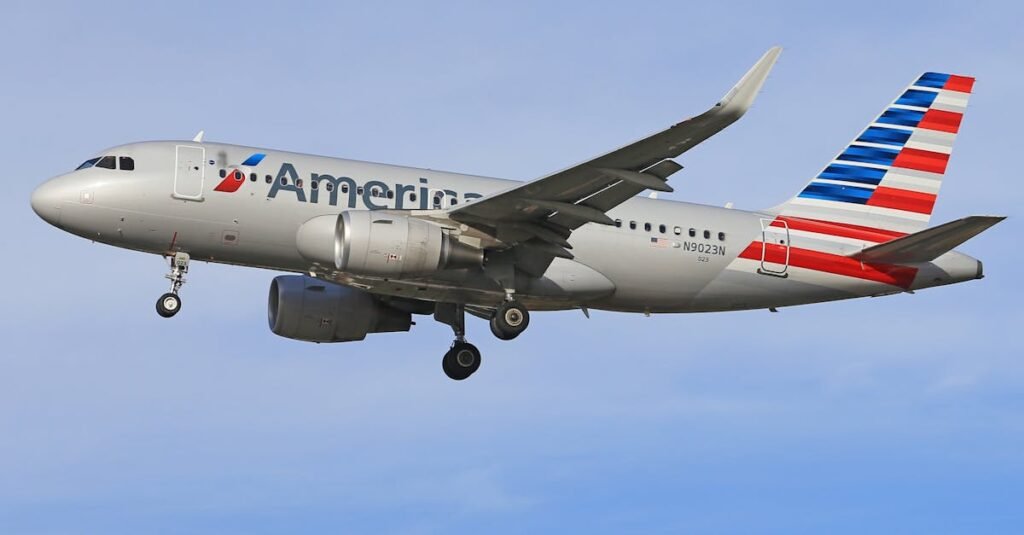
Tag: Aircraft safety

  • Airbus A320 Pilot Passes Out Mid-Flight: How Food Poisoning Led to Cockpit Chaos

    Airbus A320 Pilot Passes Out Mid-Flight: How Food Poisoning Led to Cockpit Chaos

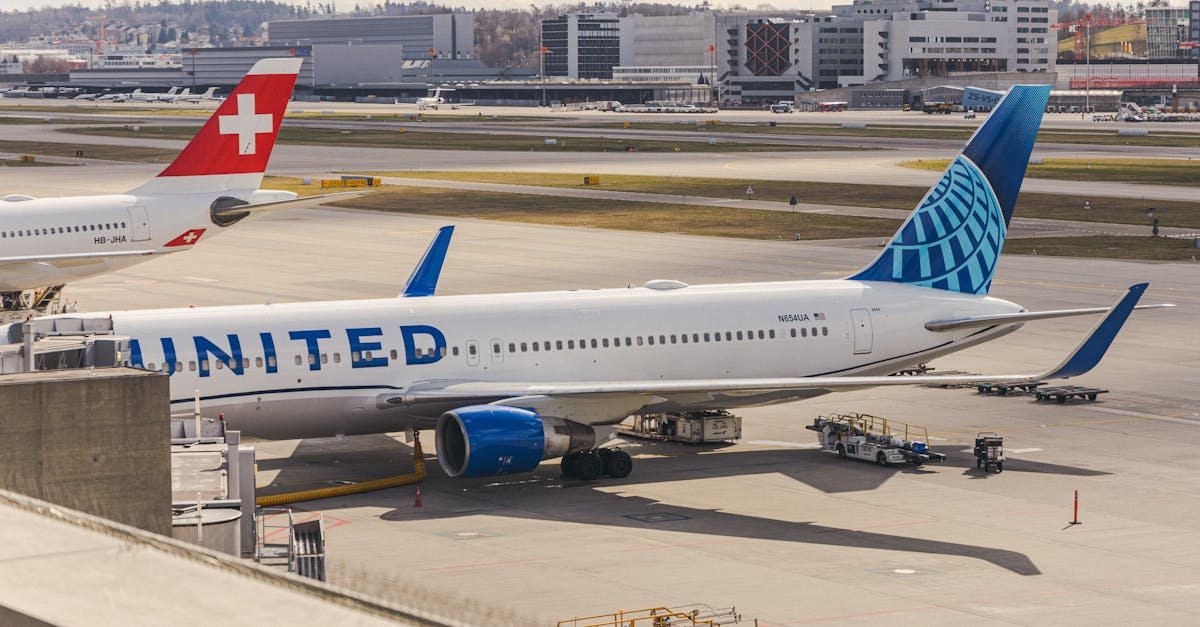
    The safety of modern aviation relies on a complex web of technology and human performance. While we often focus on engine reliability or weather conditions, one of the most unpredictable variables in the cockpit is the health of the crew. A recent safety report involving a SWISS International Air Lines flight has brought this reality into sharp focus. On a routine flight to Nice, France, the captain of an Airbus A320 became incapacitated due to a sudden and severe bout of food poisoning. This was not just a medical emergency; it became a flight control challenge when the captain’s physical collapse caused unintended inputs to the aircraft’s sensitive controls.

    The Routine Flight That Turned Critical

    The flight began like any other short haul journey from Zurich. The Airbus A320 is the workhorse of the European skies, known for its fly by wire technology and high levels of automation. For the passengers on board, the descent into Nice is usually one of the most scenic approaches in the world. However, as the aircraft began its final transition toward the runway, the atmosphere in the cockpit shifted from professional calm to high stakes crisis management.

    The captain began feeling unwell shortly before the descent. What started as mild discomfort rapidly escalated into a full blown physiological failure. Food poisoning can strike with little warning, and in this instance, it led to a complete loss of consciousness. As the captain slumped forward, his body weight pressed against the side stick, which is the primary control interface for the Airbus A320.

    Understanding the Airbus A320 Side Stick System

    To understand why this caused cockpit chaos, one must understand how the Airbus A320 differs from traditional Boeing aircraft. In older planes, the two control columns are physically linked. If one moves, the other moves. In an Airbus, the side sticks are independent. Under normal conditions, the computer averages the inputs from both sticks if both pilots move them at once.

    When the captain passed out, his hand remained on the stick. His unconscious movements sent erratic signals to the flight computers. The aircraft responded to these “ghost” inputs, causing the plane to bank ten degrees in one direction and then eight degrees in another. For the first officer, this created a terrifying scenario where the plane seemed to be fighting against his own manual inputs to stay level and on course.

    The First Officer Takes Command

    In any dual pilot cockpit, the transition of power is governed by strict protocols. When the captain became unresponsive, the first officer had to initiate incapacitated pilot procedures immediately. This involves more than just flying the plane. The first officer had to physically move the captain’s body away from the controls while simultaneously pressing the take over button on his own side stick.

    This red button is a critical safety feature. When held down, it deactivates the other side stick entirely. In this specific incident, the first officer had to maintain constant pressure on this button to ensure the captain’s slumped weight did not continue to bank the plane toward the ground. Operating an Airbus A320 with one hand while managing a medical emergency with the other is a feat of coordination that pilots practice in simulators but rarely hope to experience in real life.

    The Hidden Danger of the Shared Meal

    Aviation has a long standing tradition, and often a formal rule, that the pilot and the co-pilot must not eat the same meal before or during a flight. This is specifically designed to prevent a situation where both pilots are struck by food poisoning at the same time. While this rule was followed, it highlights the vulnerability of the crew to common illnesses.

    In this case, the captain had consumed a meal prior to the flight that contained toxins or bacteria that took hours to manifest. The timing could not have been worse. The approach to Nice is a high workload phase of flight. It requires constant communication with air traffic control and precise adjustments to speed and altitude. Having the senior pilot lose consciousness at this moment forced the first officer into a solo operation during the most dangerous part of the trip.

    Sensory Overload and Secondary Risks

    When a pilot passes out and hits the controls, it creates a cascade of secondary alarms. The Airbus A320 flight deck is designed to alert the crew to any deviation from the flight path. As the plane banked unexpectedly, various “cavalry charge” audio warnings and visual master cautions would have filled the small space.

    For the first officer, the challenge was filtering out the noise to focus on the primary task: fly the airplane. He also had to communicate with the cabin crew. A flight attendant was called to the cockpit to help pull the captain back into his seat and secure him with the five point harness so that he would not fall onto the controls again. This teamwork is what prevented a serious accident from becoming a catastrophe.

    Fly By Wire as a Double Edged Sword

    The technology of the Airbus A320 played a fascinating role in this event. Because the plane is governed by flight envelope protection, it prevented the pilot’s unconscious weight from putting the plane into an irrecoverable dive or a stall. The computers are programmed to ignore inputs that would lead to structural failure.

    However, the “priority logic” of the sticks meant the first officer had to be proactive. If he had not pressed the priority button, the computer would have added his “up” input to the captain’s “down” input, resulting in a neutral or unpredictable flight path. This incident serves as a case study for why pilots must be masters of their aircraft’s logic systems.

    The Recovery and the Aftermath

    Miraculously, as the aircraft reached the very final stages of the landing, the captain began to regain a small degree of consciousness. The sudden rush of oxygen or the change in cabin pressure during the descent may have helped. By the time the wheels touched the runway in Nice, the captain was awake, though severely weakened and disoriented.

    The plane landed safely, and medical teams were waiting on the tarmac to transport the captain to a local hospital. While the passengers were largely unaware of the life and death struggle happening just behind the cockpit door, the aviation world took immediate notice. This was a rare example of a “dual input” event caused by medical distress rather than mechanical failure.

    Lessons Learned for Future Flight Safety

    The investigation into this SWISS flight led to several recommendations for airlines worldwide. One major takeaway was the importance of physical fitness and the monitoring of pre flight nutrition. It also reinforced the need for “incapacitation training” in simulators. Most pilots spend their training time practicing for engine fires or hydraulic leaks, but many now spend more time practicing how to physically wrestle a slumped colleague off the controls.

    The Airbus A320 remains one of the safest aircraft in history, but this event reminds us that the human element is the most fragile part of the system. Even with the best computers in the world, the quick thinking of a junior officer and the design of a single red button were the only things standing between a safe landing and a tragic headline.

    Beyond the Cockpit Door

    This incident also sparked a conversation about the pressure pilots feel to fly even when they might be feeling slightly unwell. In a high pressure industry with tight schedules, admitting to a stomach ache might feel like a nuisance. However, as this flight proved, a minor digestive issue on the ground can become a total system failure at thirty thousand feet.

    Moving forward, airlines are looking at more advanced biometric sensors that could be integrated into the pilot’s headset or seat. These sensors could detect a drop in heart rate or a change in skin temperature and alert the other pilot before a total loss of consciousness occurs. Until then, the safety of the skies relies on the vigilance of the crew and the robust design of the flight deck.

  • US Air Force KC-135 Tanker Crash in Iraq: Casualties and Operation Epic Fury Updates

    US Air Force KC-135 Tanker Crash in Iraq: Casualties and Operation Epic Fury Updates

    The sky over western Iraq became the site of a profound military tragedy on March 12, 2026, when a United States Air Force KC-135 Stratotanker went down during a high-stakes mission. This loss occurred in the heat of Operation Epic Fury, the ongoing joint campaign involving the United States and Israel against Iranian targets. While the conflict has seen intense aerial combat and missile exchanges, this specific US Air Force KC-135 tanker crash stands out as one of the deadliest non-combat events since the war began on February 28.

    As the families of the fallen receive the news that no one ever wants to hear, the military community is grappling with the loss of six dedicated airmen. This event has raised urgent questions about the safety of refueling operations in active war zones and the physical toll on the aging fleet of tankers that keep American fighter jets in the air.

    Tragedy in Friendly Airspace

    According to official statements from U.S. Central Command (CENTCOM), the US Air Force KC-135 tanker crash took place around 9:00 PM local time in western Iraq. The location of the incident was identified near Turaibil, a desert region close to the border with Jordan. Unlike many other incidents in this conflict, the plane was not in contested airspace at the moment of the disaster. CENTCOM was quick to clarify that the aircraft was flying through friendly territory when the incident occurred.

    The mission was part of the broader logistics chain for Operation Epic Fury. In a war where long-range strikes are constant, refueling tankers like the KC-135 are the lifeblood of the mission. They allow bombers and fighter jets to stay airborne for hours, reaching deep into Iranian territory without needing to land at vulnerable forward bases.

    The Human Toll and Casualty Reports

    Early reports from the Pentagon were cautious, initially confirming four deaths while search and rescue teams combed the desert for the remaining two crew members. However, by Friday morning, the grim reality was confirmed. All six airmen on board the aircraft perished in the US Air Force KC-135 tanker crash.

    This loss brings the total American death toll in the conflict to 13. While seven other service members were killed by hostile Iranian drone and missile strikes in Kuwait and Saudi Arabia earlier in the month, these six airmen represent the first Air Force fatalities of the war. The names of the deceased are being withheld for at least 24 hours following the notification of their next of kin, a standard but painful protocol that ensures families hear the news from the military before they see it on the news.

    Investigating a Possible Mid Air Collision

    Perhaps the most significant detail emerging from the investigation of the US Air Force KC-135 tanker crash is that a second aircraft was involved. While early rumors suggested a shoot-down by militia groups, U.S. officials have firmly rejected those claims. Instead, evidence points toward a catastrophic mid-air collision between two KC-135 tankers.

    The second aircraft involved in the incident managed to stay airborne and performed an emergency landing at Ben Gurion Airport in Israel. Flight tracking data showed this second tanker squawking a 7700 emergency code before circling off the coast to burn fuel and landing safely. Photos circulating among aviation enthusiasts appear to show the surviving plane with a massive portion of its vertical stabilizer missing.

    Such a collision during a night mission suggests a failure in coordination or a mechanical glitch during a high-pressure refueling orbit. Aerial refueling is a delicate dance where planes fly within feet of each other at hundreds of miles per hour. Even a small error in judgment or a sudden bout of turbulence can lead to a collision that few aircraft can survive.

    The Role of Operation Epic Fury

    The US Air Force KC-135 tanker crash has cast a shadow over Operation Epic Fury, a campaign that has seen unprecedented levels of military activity in the Middle East. Since the opening strikes on February 28, which resulted in the death of Iran’s Supreme Leader Ali Khamenei, the region has been a tinderbox. The U.S. military has conducted thousands of strikes against Iranian missile sites, drone factories, and command centers.

    Logistically, the burden on the tanker fleet has been immense. Tankers are currently operating out of bases in Jordan, Qatar, and Israel, flying round-the-clock missions to support the B-52s and F-15s that are carrying out the bulk of the offensive. The KC-135, a platform that first entered service in the 1950s, remains the backbone of this effort despite its age.

    Reliability of the Aging KC-135 Fleet

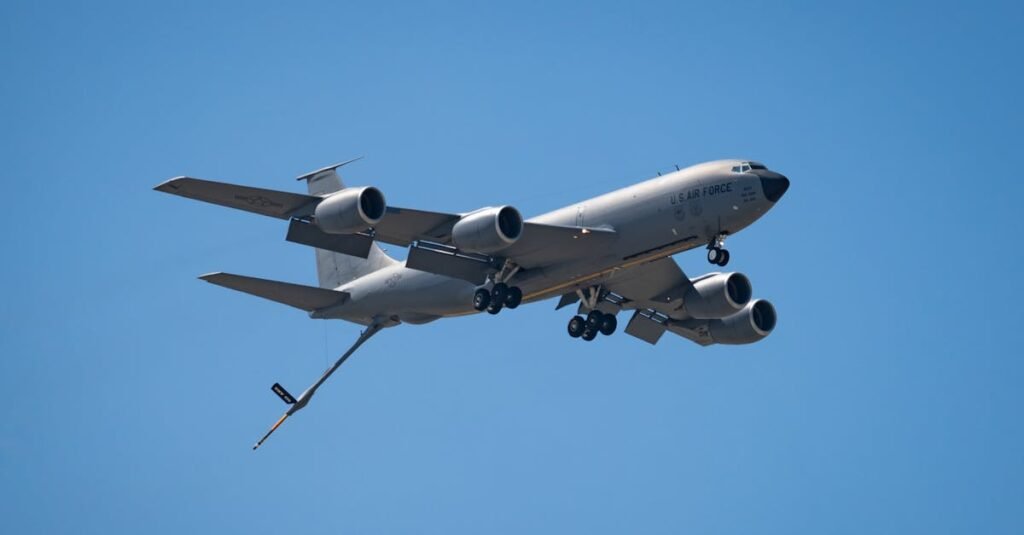
    US Air Force KC-135 Stratotanker flying over March Air Reserve Base, CA.

    This tragedy has reignited a debate about the longevity of the Stratotanker. While the Air Force has been slowly introducing the newer KC-46 Pegasus, the majority of refueling work still falls on the KC-135. Many of these airframes were built in the 1960s. Although they have been upgraded with modern engines and digital cockpits, the physical airframes are under immense stress during active combat operations.

    Experts note that as the war enters its third week, the operational tempo is likely pushing both the crews and the machines to their absolute limits. Fatigue is a major factor in aviation safety, and in a combat environment where pilots are flying long, grueling missions, the margin for error becomes razor thin. The US Air Force KC-135 tanker crash highlights the extreme pressure put on these legacy systems.

    Looking Toward the Investigation Results

    Military investigators are now tasked with recovering the flight data recorders from the US Air Force KC-135 tanker crash site in western Iraq. They will be looking at everything from communication logs between the two tankers to the maintenance history of the downed aircraft. The surviving crew of the second KC-135 will be instrumental in providing a firsthand account of the moments leading up to the impact.

    While the loss of six airmen is a devastating blow, the mission of Operation Epic Fury continues. The Pentagon has indicated that there will be no pause in aerial operations, citing the need to maintain pressure on Iranian military assets to prevent further retaliatory strikes on U.S. allies in the region.

    Honoring the Fallen Airmen

    As the investigation into the US Air Force KC-135 tanker crash continues, the focus remains on the six individuals who gave their lives in service. These airmen were not just numbers in a casualty report; they were highly trained professionals whose role was essential to every pilot flying over the Persian Gulf. Refueling is often called a thankless job because it happens far away from the glamour of the front lines, yet no mission happens without it.

    The coming days will likely see a dignified transfer of remains at Dover Air Force Base, where the nation will pay its respects. This event serves as a stark reminder that even in friendly airspace, the risks of military service are ever present. The sacrifice of these six airmen will be remembered as a somber chapter in the history of this unfolding regional conflict.

  • Why Were JetBlue Flights Grounded Nationwide in March 2026?

    Why Were JetBlue Flights Grounded Nationwide in March 2026?

    Early Tuesday morning on March 10, 2026, travelers across the United States woke up to a sudden and puzzling disruption. The Federal Aviation Administration issued a nationwide ground stop for all JetBlue flights at the request of the airline. While the pause was relatively brief, it sent ripples through the aviation industry and left thousands of passengers wondering what went wrong. To understand why such a drastic measure was taken, it is necessary to look at the mechanics of airline operations and the specific events that unfolded during those early morning hours.

    The Timeline of the March 10 Grounding

    The event began in the predawn hours when most of the country was still asleep. At approximately 5:30 AM EST, the FAA posted an official advisory noting that all JetBlue departures were being halted. Unlike many ground stops that are weather related or initiated by air traffic control, this specific order came because JetBlue itself asked for it.

    The ground stop lasted roughly 40 minutes, with the FAA lifting the restriction around 6:10 AM EST. While 40 minutes might seem like a small window of time, in the world of commercial aviation, even a short pause can be incredibly expensive and logistically difficult. Flights already in the air were allowed to continue to their destinations and land safely, but any aircraft sitting at a gate or on a taxiway was forced to wait until the “all clear” was given.

    The Core Cause A Brief System Outage

    Following the resumption of flights, JetBlue issued a statement clarifying the situation. The airline attributed the grounding to a brief internal system outage. In the modern era, airlines are essentially massive technology companies that happen to fly planes. Every aspect of a flight is managed through interconnected software systems.

    When a “system outage” occurs, it usually involves one of the following critical pillars:

    • Weight and Balance Systems: Pilots need precise calculations on fuel, baggage, and passenger weight to determine takeoff speeds and flap settings. If the software that calculates this data goes down, a plane cannot legally or safely take off.
    • Flight Dispatch Communication: Dispatchers on the ground must be able to send flight plans and weather updates to the cockpit. A break in this digital link effectively freezes the fleet.
    • Passenger Manifests: For security and operational reasons, the airline must have an accurate, real-time list of every person on board. If the check-in or boarding software fails, the airline loses its ability to track who is on which plane.

    While JetBlue did not specify which exact program failed, the fact that they requested a nationwide stop suggests the issue was at a central server level rather than a localized problem at a single airport like JFK or Boston Logan.

    Why Airlines Request Their Own Grounding

    It is quite rare for an airline to ask the FAA to ground its entire fleet. Usually, the FAA takes the lead during hardware failures in air traffic control towers or severe weather events. However, when an airline makes this request, it is an act of proactive safety management.

    By freezing all departures, JetBlue prevented a situation where dozens of planes might be stuck on taxiways with no way to receive their necessary flight data. It is much easier to manage a delay at the gate than it is to manage a line of twenty planes burning fuel on a runway while technicians in a data center try to reboot a server. This move allowed JetBlue to “pause” the clock, fix the technical glitch, and then resume in a controlled manner.

    The Impact on Passengers and Operations

    Even though the grounding was lifted before many people had even finished their first cup of coffee, the effects were felt throughout the day. Aviation operates on a “hub and spoke” model where planes and crews are scheduled to fly multiple legs in a single day. A 40-minute delay for a 6:00 AM flight out of New York might result in a two-hour delay for a 4:00 PM flight out of Los Angeles because the aircraft or the pilots arrived late from their previous journey.

    On the morning of the outage, flight tracking services reported roughly 150 delays across the JetBlue network.Fortunately, because the outage happened so early and was resolved quickly, the airline avoided the kind of multi-day “meltdown” that has plagued other carriers in recent years. Most passengers saw delays of under an hour, though those with tight connections in major hubs faced a more stressful experience.

    Technical Resilience in Modern Aviation

    The March 2026 JetBlue incident highlights a growing concern in the travel industry: the fragility of digital infrastructure. As airlines move toward more automated and paperless cockpits, their reliance on 100% uptime for their internal networks becomes absolute.

    In years past, a computer failure might have been managed with manual paperwork and radio communication. Today,the complexity of modern flight planning makes manual work nearly impossible for a fleet of hundreds of aircraft. This event serves as a reminder that while technology makes flying more efficient and often safer, it also creates a single point of failure that can halt an entire nation’s travel in an instant.

    Comparing This Event to Past Outages

    JetBlue is not the first airline to face this challenge. In late 2024 and throughout 2025, other major carriers like United and American Airlines experienced similar “connectivity malfunctions” that required nationwide pauses. These incidents often stem from “vendor technology issues” where a third-party software provider pushes an update that contains a bug, or an internal server experiences a hardware failure.

    The aviation industry is currently under pressure to modernize these legacy systems. Many airlines still use code bases that are decades old, layered with newer web-based interfaces. When these layers don’t communicate perfectly, a system outage is the result.

    How Travelers Can Prepare for Future Disruptions

    While you cannot predict when an airline might have a technical hiccup, there are ways to mitigate the frustration.

    1. Monitor the FAA Command Center: The FAA maintains a public website that lists active ground stops in real-time. If you see your airline listed there, you know the delay is systemic rather than just a problem with your specific plane.
    2. Use the Airline App: During a ground stop, airport gate agents are often overwhelmed. The JetBlue app usually receives updates on flight status and rebooking options faster than the physical monitors at the airport.
    3. Know Your Rights: Because this was an internal “system outage” and not a weather event, it is considered a “controllable” delay. This means the airline is generally responsible for rebooking you and, in the case of long delays, providing meal vouchers or other assistance.

    Navigating the Aftermath of a Flight Pause

    If your flight was one of those caught in the March 10 shuffle, the best course of action is to stay patient but proactive.Once the FAA lifts a ground stop, the “ramp up” period begins. This involves re-sequencing departures and ensuring that crews have not timed out of their legal working hours.

    The airline’s priority is always to get the network back on schedule as quickly as possible. For most travelers, this means a slightly later arrival. For the airline, it means a day spent playing a massive game of logistical chess to ensure that every plane ends up where it needs to be for the following morning’s schedule.

  • New United Airlines Rule: Use Headphones or Risk a Lifetime Travel Ban

    New United Airlines Rule: Use Headphones or Risk a Lifetime Travel Ban

    Air travel has changed quite a bit over the last few years. While flying used to be a quiet time to read or sleep, the rise of smartphones and tablets has turned many cabins into a chorus of TikTok videos, loud mobile games, and Netflix shows. Up until now, flight attendants usually relied on the kindness of passengers to keep the volume down. However, United Airlines has decided that polite requests are no longer enough.

    As of late February 2026, United Airlines officially updated its legal agreement with passengers to include a strict new rule. If you are caught playing audio out loud through your device speakers and refuse to put on headphones, you could be kicked off the plane. In some cases, the airline is even threatening to ban people for life.

    The Legal Change in the Fine Print

    Most people do not read the long document known as the Contract of Carriage when they buy a flight ticket. This is the legal bond between you and the airline that says what you can and cannot do on a plane. On February 27, 2026, United Airlines added a very specific line to this contract under Rule 21, which covers the Refusal of Transport.

    The new rule, listed as item number 22, clearly states that the airline has the right to remove any passenger who fails to use headphones while listening to audio or video content. By putting this in the official contract, United has moved headphone use from a matter of “being nice” to a matter of “following the rules.” It gives the flight crew much more power to handle travelers who ignore requests to be quiet.

    Why United Airlines is Taking Such a Hard Stand

    You might wonder why an airline would go to such extremes over a little bit of noise. The answer lies in the massive technology upgrade United is currently rolling out. The airline is in the middle of installing Starlink high speed internet on its entire fleet of planes.

    Unlike older satellite internet that was slow and expensive, Starlink allows everyone on the plane to stream high quality video at the same time for free. While this is great news for entertainment, the airline realized it could lead to a nightmare of noise. If hundreds of people are suddenly streaming movies or hopping on video calls without headphones, the cabin would become unbearable for anyone trying to rest.

    United is trying to get ahead of the problem. They want to make sure that the better internet access does not lead to a drop in passenger comfort. By making headphones mandatory now, they are setting a standard for the future of high speed flying.

    The Possible Consequences for Loud Passengers

    A gavel striking a sound block, symbolizing justice and legal authority in a courtroom setting.

    The penalties for breaking this new rule are surprisingly stiff. If a passenger is caught playing audio out loud, a flight attendant will first ask them to use headphones or mute the device. If the passenger refuses, things can escalate quickly.

    Under the new policy, the airline can deny you boarding at the gate if they see you using speakers. If you are already on the plane, they can remove you before takeoff. For the most stubborn offenders or those who become aggressive when asked to plug in, United has stated they may refuse transport on a permanent basis. This means a single flight where you refuse to wear earbuds could result in a lifetime ban from the entire airline.

    Beyond just being banned, the updated contract mentions that passengers who cause delays or financial loss to the airline because of their behavior might be held responsible for those costs. A flight diversion is an expensive event, and United is making it clear they are willing to play hardball.

    What Happens if You Forget Your Earbuds

    United Airlines knows that people sometimes leave their gear at home or lose a pair of earbuds in the seat cushions. To keep the peace and help people follow the new rules, the airline has promised to help out.

    If you find yourself without headphones, you can ask a member of the flight crew for a complimentary pair. These are usually basic wired earbuds, but they are enough to keep you in compliance with the rules. However, these are subject to availability. If the plane runs out of free earbuds and you still refuse to mute your device, you are still at risk of being penalized. It is always a good idea to double check your bag for your own pair before you head to the airport.

    A Growing Trend in Airline Etiquette

    United is currently the only major carrier in the United States to put this rule in such a legally binding way, but they are not the only ones thinking about it. For years, travelers have complained about the “speakerphone culture” on planes.Videos of pilots giving speeches about using AirPods or headphones have gone viral, often receiving cheers from the rest of the passengers.

    Other airlines like Delta and Southwest currently encourage headphone use, but they do not have the same “ban for life” language in their contracts yet. Now that United has taken the first step, many industry experts believe other airlines will follow suit. As in flight Wi-Fi gets faster across the board, the need for quiet zones will only grow.

    Maintaining Order in the Skies

    This rule is not just about noise; it is also about safety. When a passenger refuses to follow a crew member’s instructions, it can lead to a confrontation. Flight attendants are there primarily to ensure the safety of the cabin, and having to argue with someone over a YouTube video takes their attention away from more important tasks.

    By making the headphone rule part of the safety section of the contract, United is categorizing loud audio as a potential disruption. This puts it in the same league as other prohibited behaviors like smoking or being disorderly. It sends a message that the airline is prioritizing the collective comfort of the group over the individual desire to use a speaker.

    Looking Forward to a Quieter Cabin

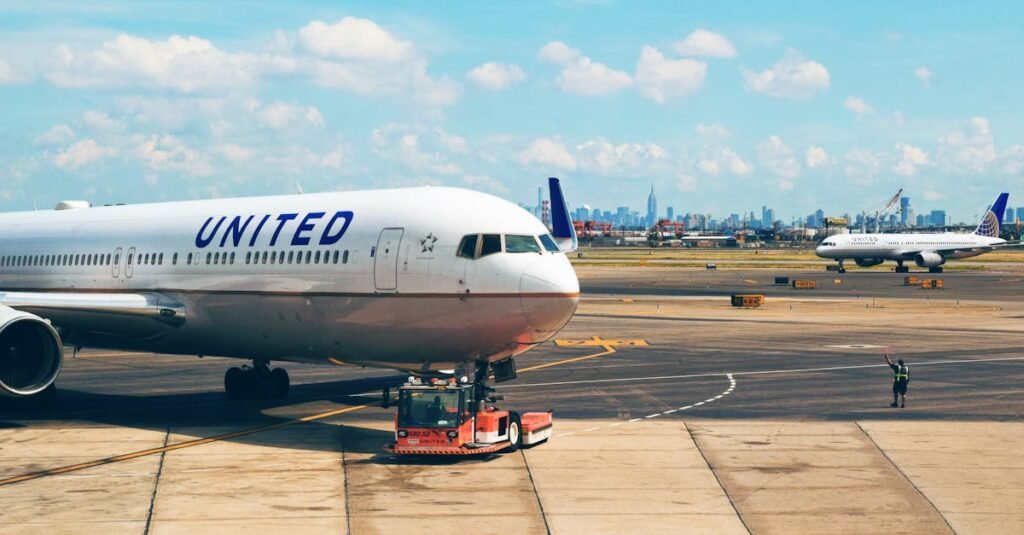
    United Airlines Aircraft on the runway at Newark Airport with city skyline in the background.

    For the majority of flyers who already use headphones, this change is a welcome relief. The days of having to listen to a stranger’s video game or a nearby toddler’s loud cartoon may finally be coming to an end on United flights.

    The success of this policy will depend on how consistently it is enforced. If flight attendants feel supported by the new contract language, they will be more likely to step in and stop noise issues before they bother the whole row. For travelers, the takeaway is simple: if you want to fly with United, make sure your headphones are the first thing you pack.

  • US Air Force F-15E Strike Eagle Crashes in Kuwait: Pilot, WSO Status and What We Know

    US Air Force F-15E Strike Eagle Crashes in Kuwait: Pilot, WSO Status and What We Know

    A high performance U.S. Air Force F-15E Strike Eagle went down in Kuwait on Monday morning, marking a significant loss of coalition hardware during a period of extreme regional volatility. The incident occurred as the broader conflict between the United States and Iran entered its third day of intensive operations. While the sight of a multi-million dollar fighter jet spiraling toward the desert floor is jarring, the focus remains on the survival of the crew and the murky circumstances that led to the crash.

    Immediate Condition of the Pilot and WSO

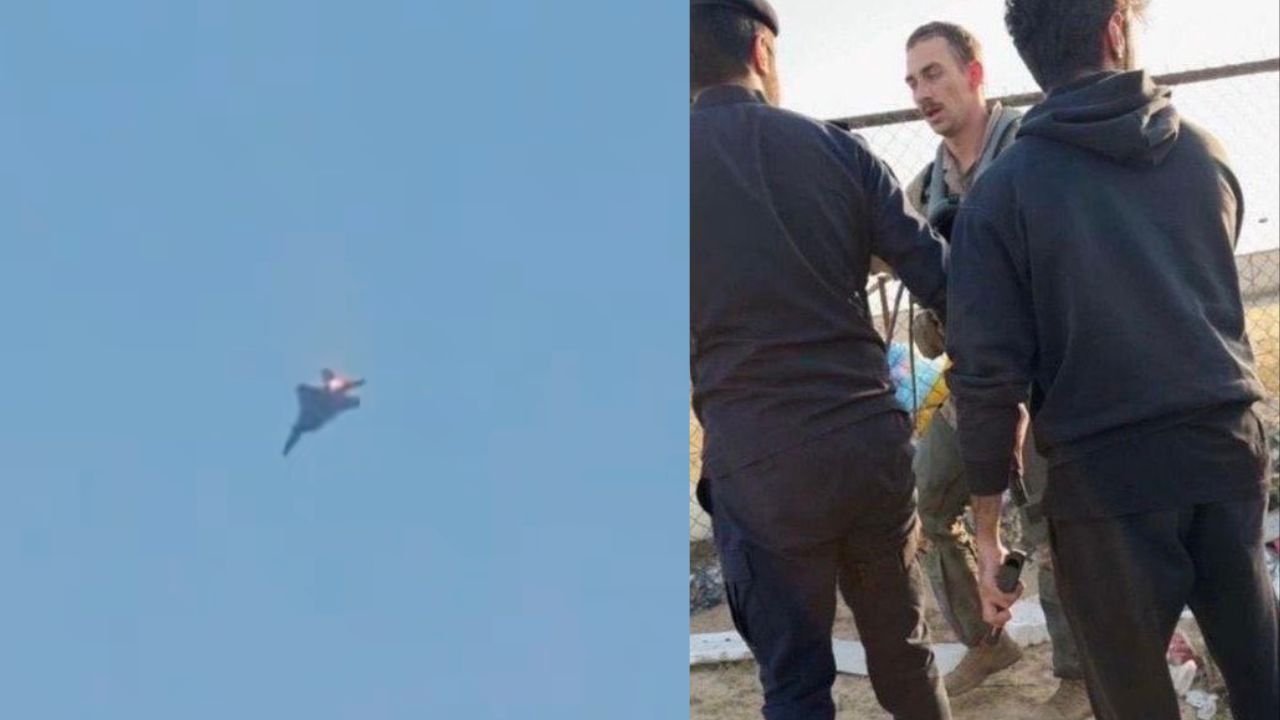
    The most critical update involves the two crew members on board: the Pilot and the Weapons Systems Officer (WSO).Reports from the Kuwaiti Ministry of Defense and local eyewitnesses confirm that both individuals successfully initiated their ejection sequence before the aircraft impacted the ground.

    Video footage circulating on social media platforms shows at least one parachute drifting toward the desert terrain west of Al Jahra. In a rare show of civilian involvement during active hostilities, local Kuwaiti residents were among the first to reach the downed airmen. Clips show the crew being assisted by bystanders and placed into a civilian vehicle for transport to a safe location.

    The Kuwaiti military has since confirmed that the airmen are in stable condition. They were moved to a local medical facility for evaluation, suffering from what appear to be minor injuries consistent with the physical toll of a high speed ejection.

    Geographic Details of the Crash Site

    The F-15E, a mainstay of American air power, reportedly went down in western Kuwait, with some analysts pinpointing the coordinates near the Khor Abdullah waterway close to the Iraqi border. This region is currently a high traffic corridor for coalition aircraft moving toward targets in the east.

    Debris from the stricken jet did not just land in empty sand. Fragments of the aircraft reportedly fell within the perimeter of the Mina Al Ahmadi refinery, a vital piece of Kuwaiti infrastructure operated by the Kuwait Integrated Petroleum Industries Company (KIPIC). Early reports indicate that two refinery workers sustained minor injuries from falling debris, though the facility itself remains operational under heightened security protocols.

    The Mystery of the Cause: Friendly Fire or Mechanical Failure?

    The most controversial aspect of this incident is the “why.” While the Pentagon has yet to release a formal accident investigation report, several theories are gaining traction among defense analysts and on the ground observers.

    • The Friendly Fire Theory: There is significant speculation that the Strike Eagle was mistakenly targeted by a Patriot air defense battery. In the chaotic, “target rich” environment of the current Gulf conflict, where hundreds of Iranian drones and missiles are being intercepted simultaneously, the risk of a technical glitch in the Identification Friend or Foe (IFF) system is at its highest.
    • Iranian Engagement: State media in Tehran has been quick to claim credit for the downing, releasing footage they allege shows the aircraft being struck. However, U.S. officials have cautioned against taking these claims at face value, noting that the aircraft appeared to be in a flat spin with fire trailing from its empennage before the final descent.
    • Catastrophic Mechanical Issues: Even without enemy action, the high tempo of combat operations puts immense strain on airframes. A dual engine failure or a flight control malfunction cannot be ruled out until the flight data recorders are recovered and analyzed.

    Strategic Context of the Mission

    This F-15E was reportedly part of the 335th Fighter Squadron, often identified by its distinctive “Chiefs” helmet markings. The squadron is known for its precision deep strike capabilities, which have been heavily utilized in the ongoing “Operation Epic Fury.”

    At the time of the crash, the airspace over Kuwait was under a “shelter in place” order for U.S. personnel. The U.S.Embassy in Kuwait City had issued urgent warnings for citizens to stay indoors due to the continuous threat of incoming UAVs and ballistic missiles. The fact that several other U.S. military aircraft were reported as “crashed” or “downed” on the same morning suggests a massive, coordinated air defense struggle was occurring in the skies above the Gulf.

    Technical Profile of the F-15E Strike Eagle

    To understand the gravity of this loss, one must look at the aircraft itself. The Strike Eagle is not just a fighter; it is a dual role platform designed for long range, high speed interdiction without relying on escort aircraft.

    1. Crew: Two (Pilot and WSO)
    2. Engines: Two Pratt & Whitney F100-PW-220 or -229 turbofans with afterburners
    3. Role: All weather deep strike and air superiority
    4. Cost: Approximately $31 million to $50 million per unit, depending on the variant and avionics suite

    The loss of even a single airframe represents a hit to the tactical depth of U.S. Central Command, especially when the crew is forced into a survival situation in a region where ground lines are rapidly shifting.

    Current Tensions in the Kuwaiti Air Corridor

    Kuwait has long served as a stable hub for American military logistics, but the events of March 2 have proven that no location in the region is truly “behind the lines” anymore. With drone strikes targeting the Kuwait International Airport and reports of explosions near the U.S. Embassy, the crash of the F-15E is a symptom of a much larger escalatory cycle.

    The Kuwaiti Air Defense Force has been working overtime to intercept “hostile aerial targets” at dawn, according to their own Ministry of Defense. This high pressure environment creates a “fog of war” where split second decisions by radar operators can lead to tragic mistakes or heroic saves.

    Looking Toward the Official Investigation

    In the coming days, the United States Air Force will likely convene a formal Safety Investigation Board (SIB) and an Accident Investigation Board (AIB). These teams will look at everything from maintenance logs at the home base to the electronic signals recorded by the Patriot batteries in the vicinity.

    The recovery of the wreckage from the refinery and the surrounding desert will be the first step. For now, the successful rescue of the crew remains the only bright spot in a morning defined by fire and falling metal.

    Ongoing Recovery and Security Efforts

    As the sun sets over the Kuwaiti desert, the area around Al Jahra remains cordoned off by security forces. The priority has shifted from rescue to recovery and intelligence protection. Military officials are working to ensure that sensitive technology within the Strike Eagle’s cockpit does not fall into the wrong hands.

    The U.S. and Kuwaiti governments continue to coordinate closely. While the geopolitical ripples of this crash will be felt in Washington and Tehran, the immediate concern for the families of the Pilot and WSO is simply that they are safe,accounted for, and receiving the medical care they need after a harrowing morning in the sky.

  • American Airlines, United, and Delta Suspend Middle East Flights: Emergency 2026 Travel Guide and Refund Rights

    American Airlines, United, and Delta Suspend Middle East Flights: Emergency 2026 Travel Guide and Refund Rights

    The landscape of international travel faced a seismic shift on February 28, 2026, as the three largest carriers in the United States made the difficult call to halt operations to the Middle East. Following a night of intense military activity and the closure of several key air corridors, American Airlines, United, and Delta have grounded flights to ensure the safety of their passengers and crew members. For many travelers, this news broke while they were already at the gate or, in some dramatic cases, while their planes were already soaring over the Atlantic Ocean.

    The decision comes at a time of extreme regional tension. With airspaces over Doha and Dubai essentially closed to civilian traffic, the logistics of flying into the Gulf have become impossible. If you are currently holding a ticket with American Airlines or one of its domestic competitors, you are likely facing a storm of questions regarding your travel plans, your money, and your next steps. This guide breaks down exactly what is happening on the ground and in the air.

    Why American Airlines and Others Pulled the Plug

    The primary driver for these cancellations is the safety of the flight paths. On the morning of February 28, 2026, military strikes led to the immediate activation of air defense systems across the region. Civilian aircraft are particularly vulnerable in these scenarios, and no airline is willing to risk flying into a potential crossfire.

    American Airlines was among the first to react when its flight from Philadelphia to Doha was forced to turn back mid flight. This was not an isolated incident. United and Delta quickly followed by scrubbing their schedules for the foreseeable future. The Federal Aviation Administration has also issued a series of warnings that make it legally and operationally difficult for any US based carrier to maintain their regular routes through the Middle East.

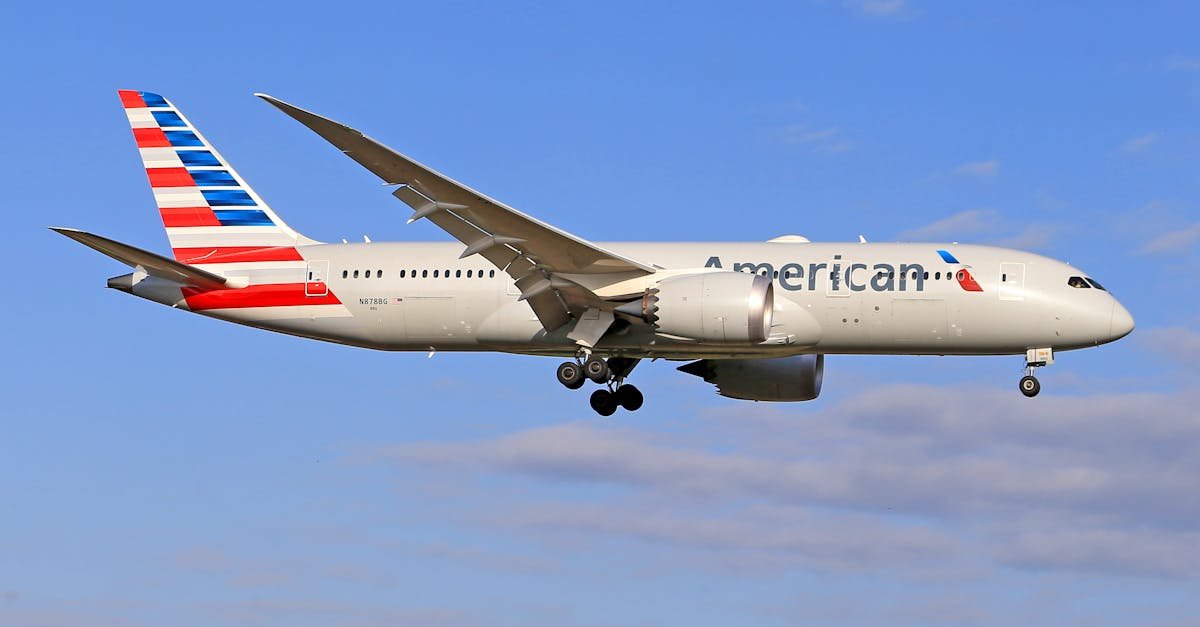
    Side view of a commercial airplane in flight against a clear blue sky.

    The Massive Diversions of February 28

    One of the most striking stories of the day involved an American Airlines long haul flight. Passengers on the Philadelphia to Doha route spent nearly seven hours in the air only to be told that the plane had to return to its origin point. Because the airspace in Qatar was suddenly restricted, the pilots had no choice but to execute a U turn over the ocean.

    This creates a massive logistical headache. These “flights to nowhere” mean that planes are ending up in the wrong cities, and flight crews are hitting their legal limits for working hours. If you were on one of these flights, you are likely exhausted and frustrated. American Airlines has set up specialized desks at their major hubs to handle these specific cases, but the sheer volume of travelers means that digital tools are currently your fastest way to get help.

    Understanding Your Refund Rights Under US Law

    When a major disruption like this occurs, airlines often try to offer travel vouchers or credits that expire after a year. However, as a passenger on a US carrier, you have much stronger protections than the airlines might initially mention. The United States Department of Transportation is very clear on this matter. If an airline cancels your flight for any reason, including war or regional conflict, and you choose not to take the alternative flight they offer, you are entitled to a full cash refund.

    This rule applies to all tickets, even those labeled as non refundable. If American Airlines cancels your trip to the Middle East, you do not have to accept a voucher. You can insist that the money be returned to your original credit card or bank account.

    What to Do if You Are Stranded Abroad

    While the Department of Transportation protects your ticket price, it does not strictly require airlines to pay for your hotel or food when the cancellation is due to an act of war or a security threat. This is where the situation gets tricky for those stuck in transit.

    If you are a passenger of American Airlines and you are stuck in a connecting city like London or Madrid, you should immediately speak with a gate agent about “distressed passenger” assistance. While they may not be legally obligated to pay for your room, many carriers provide vouchers for nearby hotels out of goodwill. If they refuse, make sure to keep every single receipt for your meals, transport, and lodging. You will need these to file a claim with your travel insurance provider later.

    Navigating the United and Delta Cancellations

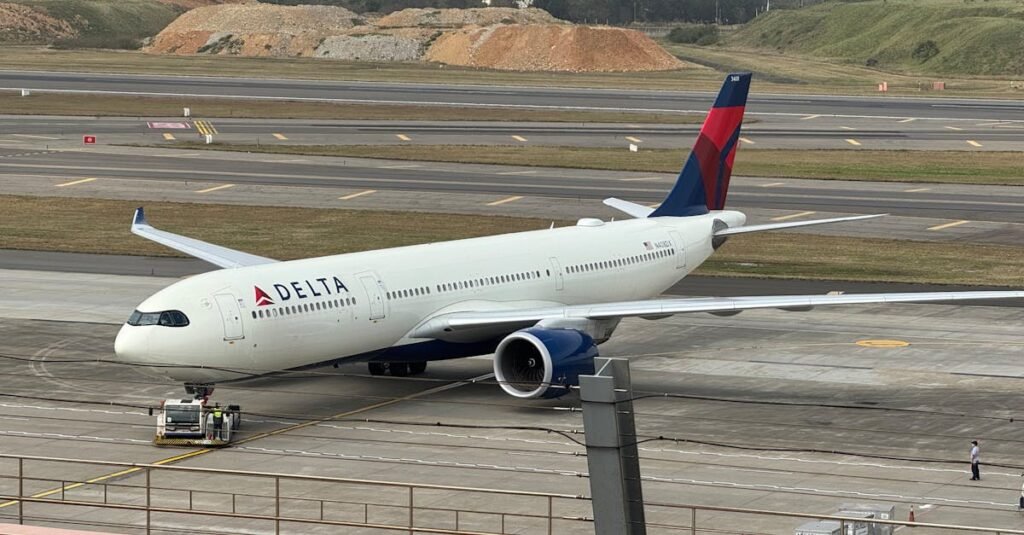
    Delta Air Lines Airbus A350 preparing for takeoff at Taiwan Taoyuan International Airport.

    United Airlines has seen similar chaos, particularly with its popular routes out of Newark Liberty International. Their direct service to Dubai is a major artery for people traveling to the Indian subcontinent. With that route now closed, United is working to rebook passengers on flights that go through Europe or Asia, though those seats are filling up in seconds.

    Delta Air Lines has also paused its Middle East operations. Delta often relies on its European partners like Air France and KLM. Because those airlines have also restricted their flights to the region, Delta passengers are finding that their entire itinerary has been wiped out. If you are in this position, you must check the Delta Travel Advisories page for the most recent updates on rebooking.

    The Importance of Travel Insurance and Credit Card Coverage

    In a situation as volatile as the 2026 conflict, your personal travel insurance is often more valuable than the airline policy itself. Many high end credit cards also offer built in trip interruption insurance. These policies usually cover the extra costs that the airline will not pay for, such as the price of a last minute flight on a different carrier or extended hotel stays.

    When you call your insurance company, tell them your flight was cancelled due to “airspace closure” or “security concerns.” Be prepared to provide your original American Airlines flight number and the official cancellation notice you received via email or text.

    Staying Safe with Government Programs

    For any American citizen currently in or near the conflict zone, the situation goes beyond just a missed flight. The US State Department has issued urgent travel warnings for the region. They highly recommend that all travelers enroll in the Smart Traveler Enrollment Program. This allows the US government to know your location and send you emergency updates about evacuation flights or airport reopenings.

    Preparing for Long Term Schedule Shifts

    Even if the military tension cools down in the next few days, do not expect American Airlines to resume a normal schedule immediately. The aviation industry is a delicate web. When hundreds of flights are cancelled at once, the planes and the pilots end up in the wrong parts of the world.

    It can take weeks to reset the system. If you have a flight booked for later in March or April of 2026, you should keep a very close eye on your email. There is a high chance of “schedule padding,” where airlines add extra time to flights to account for the longer routes they must now take to avoid the restricted airspace.

    Managing Your Journey Moving Forward

    The closure of these air corridors is a historic event for global aviation. While the primary concern for everyone involved is the restoration of peace and safety, the immediate task for travelers is to stay informed and protect their rights. American Airlines and its competitors are dealing with an unprecedented volume of requests, so patience is a necessity.

    Focus on using the mobile apps for the fastest updates, and remember that you are legally entitled to your money back if the airline cannot get you to your destination. Stay safe, stay connected, and keep your travel documents in a secure and accessible place at all times.

  • Qatar Airways Flight Suspension After Middle East Conflict Escalation: What Travelers Need to Know

    Qatar Airways Flight Suspension After Middle East Conflict Escalation: What Travelers Need to Know

    The global aviation landscape shifted rapidly on February 28, 2026, as Qatar Airways announced a total suspension of its flight operations. This decision came shortly after the closure of Qatari airspace, a move triggered by a sharp and sudden escalation in regional military activity. For many travelers, the news arrived while they were already at the airport or even mid-flight, leading to a wave of diversions and cancellations that has rippled across every continent.

    As one of the world’s most vital transit points, Doha serves as a bridge between the East and the West. The halting of flights at Hamad International Airport is not just a local issue but a massive hurdle for international travel. If you have a flight booked or are currently transit through the region, understanding the current state of affairs is essential for navigating the weeks ahead.

    Why Has Qatar Airways Stopped All Flights?

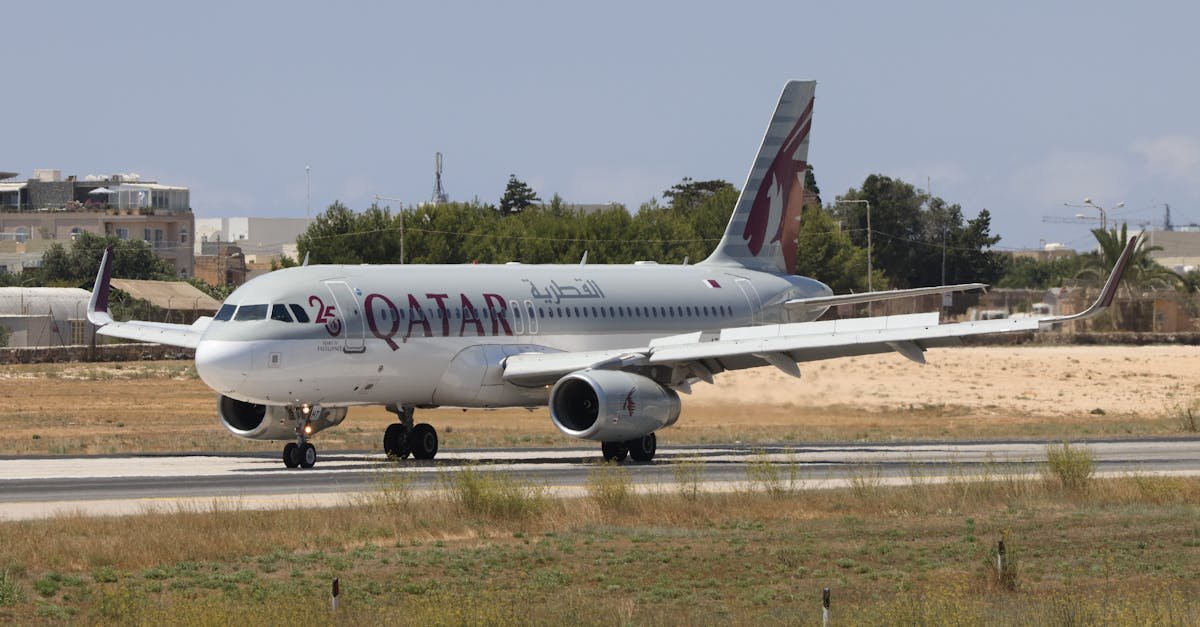
    Qatar Airways aircraft taxiing at airport with cityscape in the background.

    The primary reason for the grounding of the fleet is the safety of the passengers and the crew. Early on Saturday,February 28, the United States and Israel launched coordinated military strikes against targets in Iran. This event led to an immediate retaliation from Tehran, which fired a series of missiles toward various locations. Because Qatar sits in a geographically sensitive area, the local authorities decided that the risk to civilian aircraft was too high to continue normal operations.

    Explosions were heard near the Al Udeid Air Base, and Qatari air defenses were active in intercepting projectiles.Under these conditions, the Civil Aviation Authority determined that the sky was no longer a safe environment for commercial planes. This led to the temporary but indefinite closure of the country’s airspace, forcing Qatar Airways to pull all its planes from the sky.

    The Immediate Impact on Travelers

    The scale of the disruption is difficult to overstate. Because Qatar Airways operates a hub and spoke model, a closure in Doha stops the entire machine from working. Passengers flying from London to Sydney, or New York to Mumbai, find themselves stuck in a state of limbo.

    Some planes were forced to perform dramatic U-turns. For instance, a flight from Perth to Doha had to turn back about ninety minutes into its journey, returning to Australia after it became clear that landing in Qatar was no longer possible.Similar stories are emerging from Europe and Asia, where flights were diverted to secondary airports in neighboring countries that still had open runways.

    For those already at Hamad International Airport, the situation is one of waiting. The airline has sent extra staff to the terminals to help people with their next steps, but with the airspace closed, there are very few immediate options for flying out.

    How the Regional Airspace Closure Affects Other Airlines

    It is not just Qatar Airways that is feeling the pressure. The conflict has forced several other nations to shutter their skies or restrict traffic. The United Arab Emirates, Kuwait, Iraq, and Bahrain have all implemented similar measures.This has created a massive “no-fly” block in the middle of some of the busiest air corridors on earth.

    Global carriers like Air India, Lufthansa, and British Airways have also cancelled or rerouted their services to avoid the conflict zone. Many flights that usually pass over the Middle East to get from Europe to Southeast Asia are now taking much longer paths, often flying over Africa or through northern routes. This adds hours to travel times and increases fuel costs, which may eventually lead to higher ticket prices for everyone.

    What to Do if You Have a Flight Booked

    If you have a ticket with Qatar Airways in the coming days, the most important thing you can do is stay informed through official channels. The situation is changing by the hour, and what is true in the morning might be different by the evening.

    • Check Flight Status Frequently: Do not rely on old emails or schedules. Use the Qatar Airways mobile app or their official website to see the live status of your flight number.
    • Monitor Travel Advisories: Governments are updating their travel warnings. Many countries have now placed Israel, Iran, and Lebanon on “Do Not Travel” lists.
    • Contact Your Travel Agent: If you booked through a third party, they will be responsible for helping you find an alternative or processing a refund.
    • Keep Your Essentials Ready: If you are currently traveling, ensure you have your chargers, medications, and travel documents in your carry-on bag in case you are grounded for an extended period.

    The airline has stated that they are working with government stakeholders to support everyone who is impacted.However, they have also warned that even when the sky reopens, it will take a long time for the schedule to return to normal.

    Understanding Your Rights to Refunds and Rebookings

    In a situation like this, which is considered an “extraordinary circumstance” beyond the control of the airline, the rules can be a bit different than a typical delay. However, Qatar Airways is generally known for its robust customer service during crises.

    Most passengers will be offered the choice between a full refund or a rebooking at a later date once it is safe to fly.Some travelers might be able to change their destination to a nearby city that is not affected by the closure, though this is difficult given how many countries in the region have restricted their airspaces.

    If you are stranded at an airport, the airline is expected to provide assistance with meals and, where possible,accommodation. However, because the number of stranded people is so high, local hotels are filling up fast. It is wise to keep all receipts for any expenses you incur, as you may need them for insurance claims later.

    The Role of Travel Insurance

    Now more than ever, the fine print of your travel insurance policy matters. Most comprehensive policies cover trip cancellations or interruptions due to war or civil unrest, but there are often specific clauses about when the policy must have been purchased.

    If you bought your insurance before the strikes on February 28, you are likely covered for many of your out-of-pocket costs. If you try to buy insurance now to cover this specific event, it will likely be excluded as a “known event.” If you are stuck, call your insurance provider’s emergency line to see what level of support they can offer for food, lodging,and alternative transport.

    Looking at the Long Term Recovery

    Even if the military tension eases tomorrow, the aviation world will feel the aftershocks for weeks. Planes are currently in the wrong places, and flight crews have exceeded their legal working hours. Organizing the “re-start” of a global airline is a massive logistical puzzle.

    Travelers should expect a high volume of traffic once the flights resume. Every seat on every plane will be in high demand as the airline tries to clear the backlog of thousands of people. Patience will be the most valuable tool for anyone trying to navigate the Middle East in the early parts of 2026.

    Staying Prepared for Future Travel

    The events of this week serve as a reminder of how quickly global travel can be disrupted. For those who need to travel for work or family reasons, having a backup plan is becoming a necessity rather than a luxury.

    The closure of the Doha hub is a significant moment in aviation history. As the world watches the geopolitical situation unfold, the priority remains the safety of those in the air and on the ground. For now, the best advice for any traveler is to remain calm, stay updated, and wait for the official word that the skies are once again open for business.

  • American Airlines’ Worker Faces Charges in Major CLT Security Breach

    American Airlines’ Worker Faces Charges in Major CLT Security Breach

    The atmosphere at Charlotte Douglas International Airport turned from routine to high alert recently following a major security incident involving an American Airlines employee. What started as a regular shift in a secure area of the airport ended with an arrest and a felony charge that has sent ripples through the local aviation community. This situation highlights the extreme sensitivity of airport operations and the zero tolerance policies in place for any communication regarding potential threats.

    The Details of the Incident at Charlotte Douglas

    On the evening of February 26, 2026, law enforcement was called to Charlotte Douglas International Airport after reports surfaced of a potential bomb threat. The focus of the investigation was Christian Cox, a twenty-five-year-old resident of Gastonia, North Carolina. Cox was working as an employee for American Airlines at the time of the incident.

    According to police records and official reports, the threat originated from a text message sent by Cox to a coworker. Both individuals were assigned to a restricted baggage handling area, a part of the airport that requires high level security clearance and is off limits to the general public. The message reportedly claimed that an explosive device was located inside one of the airport elevators.

    The coworker who received the message took the situation seriously and immediately notified a supervisor. This triggered an emergency response from the Charlotte-Mecklenburg Police Department and airport security officials. Officers arrived at the scene around 6:45 p.m. to secure the area and locate the individual responsible for the message.

    A Joke with Serious Consequences

    During the subsequent questioning by law enforcement, Cox admitted to sending the text message from his personal mobile device. He reportedly told investigators that the message was intended to be a joke between colleagues and was not meant to be taken as a legitimate threat. He even used phrases like “don’t be a hero” in the text, which added a layer of perceived urgency that the recipient and supervisors could not ignore.

    Regardless of the intent, airport authorities and federal law enforcement do not have the luxury of treating such messages as humor. In an industry where safety is the absolute priority, every mention of a bomb or a weapon is treated as a credible threat until a thorough investigation proves otherwise. In this case, although no explosives were found and no one was injured, the legal repercussions for the employee were immediate and severe.

    Understanding the Felony Charges

    Christian Cox now faces a felony charge for making a false report of a bomb in a public building. This is a significant legal matter in North Carolina. Under state law, making a false report concerning a destructive device is not a minor infraction. Because it involves a public facility as critical as an international airport, the charge carries weight that could lead to prison time and a permanent criminal record.

    After his arrest, Cox was processed and scheduled for an appearance at the Mecklenburg County Courthouse. Beyond the criminal court system, there are professional consequences to consider. American Airlines has a strict code of conduct regarding security and safety. While the airline has not released a lengthy public statement on the specific disciplinary actions taken, workers in secure zones who violate safety protocols typically face immediate suspension or termination of their employment.

    Why Airport Security Breaches are Handled So Strictly

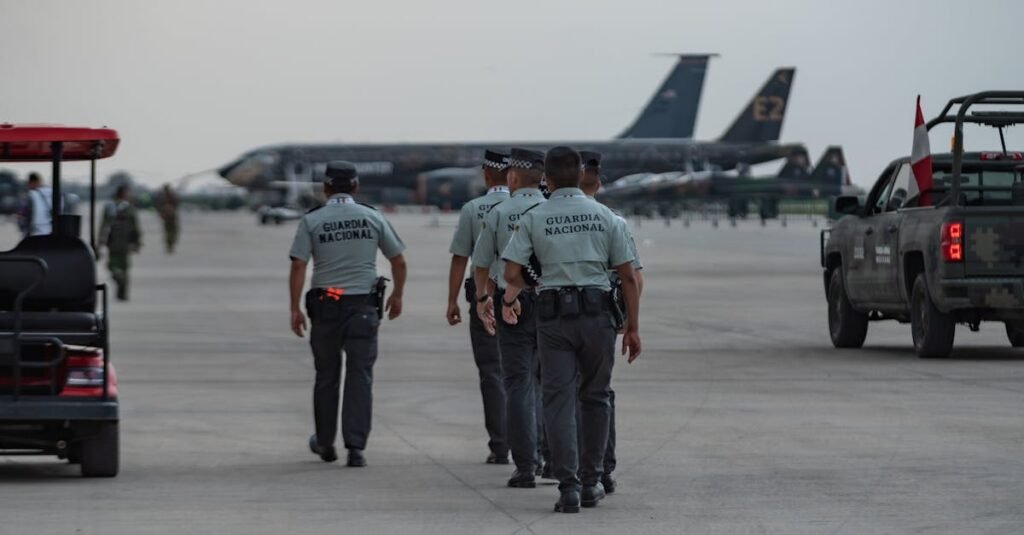
    National Guard officers patrolling an airport tarmac with planes in the background.

    Charlotte Douglas International Airport is one of the busiest travel hubs in the world. It serves as a primary gateway for American Airlines, handling hundreds of flights and thousands of passengers every single day. Because of the sheer volume of people and the complexity of moving luggage and aircraft, a security breach in a restricted area can cause massive operational delays.

    When a threat is reported, security teams must often shut down specific zones, sweep for devices, and redeploy personnel. This costs the airport and the airlines money, but more importantly, it places a heavy emotional burden on travelers and other staff members. The “insider threat” is a major concern for the Transportation Security Administration. Employees are given special access because they are trusted to keep the system running safely. When that trust is broken, even for a “joke,” it forces a full re-evaluation of security measures.

    The Role of Law Enforcement and the TSA

    In an incident like this, multiple agencies work together to resolve the situation. The Charlotte-Mecklenburg Police Department handles the initial arrest and the local criminal charges. However, the TSA and potentially federal investigators also look into the breach. They want to know how the message was sent and if any physical security barriers were bypassed.

    Federal law under the U.S. Code also prohibits unauthorized access to secured areas or the disruption of airport services. While Cox was an authorized employee, using that authorization to create a panic is a violation of the spirit of his security clearance. This serves as a reminder that background checks and security training are ongoing processes.Every person with a badge at CLT is expected to act as a line of defense, not a source of disruption.

    Impact on Airport Operations and Passenger Safety

    Fortunately for travelers, the response to this specific breach was contained quickly enough that it did not lead to a total airport shutdown. Operations eventually returned to normal once the baggage area was cleared and the suspect was in custody. However, the psychological impact remains. Passengers want to know that the people handling their bags and working around the planes are focused entirely on safety.

    Incidents like these often lead to “safety stand-downs” where employees are gathered for additional training. Management uses these moments to remind everyone that their personal communications, especially while on the clock in a secure zone, are subject to scrutiny. There is no such thing as a “private joke” when it involves the safety of a public building.

    Looking Ahead to the Legal Process

    As the case against Christian Cox moves through the Mecklenburg County court system, the focus will be on the specific language of the law regarding false reports. His defense may argue a lack of “criminal intent” or that the message was a lapse in judgment rather than a malicious act. However, the prosecution will likely argue that the act of sending the message is the crime itself, regardless of whether the sender wanted to cause a real explosion.

    For the community in Gastonia and Charlotte, this story is a cautionary tale. It shows how a single text message, sent in a moment of poor judgment, can derail a career and lead to a felony record. It also reassures the public that the reporting systems at Charlotte Douglas work. The fact that a coworker immediately reported the message shows that the culture of “see something, say something” is alive and well among the staff at CLT.

    Protecting the Integrity of the Aviation System

    Side view of a commercial airplane in flight against a clear blue sky.

    The safety of the skies starts on the ground. From the TSA checkpoints to the hidden baggage tunnels under the terminals, every inch of an airport is a controlled environment. This felony charge against an American Airlines worker is a harsh but necessary reminder that the rules of the airport apply to everyone, regardless of their uniform.

    As we move forward into 2026, technology makes it easier than ever to communicate, but it also makes it easier to track and document threats. Law enforcement has the tools to trace every digital footprint, meaning there is no way to hide a false report once the “send” button is pressed.

  • Alleged Midair Assault Forces Alaska Airlines Flight to Divert

    Alleged Midair Assault Forces Alaska Airlines Flight to Divert

    In a shocking turn of events during a late night journey through the skies, Alaska Airlines Flight 733 found itself at the center of a federal investigation following an alleged midair assault. The flight, which was traveling from Portland International Airport in Oregon to Ted Stevens Anchorage International Airport in Alaska, became the stage for a deeply unsettling encounter between two passengers. While the aircraft eventually reached its intended destination, the severity of the incident has sparked national conversations about passenger safety, the legal consequences of in-flight misconduct, and the vital role that fellow travelers play in maintaining a secure environment.

    The Details of the Flight and the Initial Departure

    Alaska Airlines Flight 733 took off from Portland on February 22, 2026, under normal conditions. The flight was scheduled as a routine late night service to Anchorage, a route that many travelers use for both business and leisure. For most people on board the Alaska Airlines flight, the expectation was a quiet few hours spent resting or reading. However, for one female passenger, the flight turned into a nightmare shortly after she took her seat.

    According to federal court documents and witness statements, the trouble began almost immediately upon boarding. A 44 year old man named Timothy Hobson occupied the seat next to the victim. Reports indicate that his behavior was predatory from the start. He reportedly turned his entire body toward the woman and stared at her while smiling, yet he did not say a single word. This initial behavior created an immediate sense of unease for the victim, setting a grim tone for the hours to follow.

    Escalation of Misconduct During the Journey

    As the Boeing 737 reached its cruising altitude, the situation quickly moved from uncomfortable to dangerous. Investigators allege that Hobson used various tactics to invade the personal space of his seatmate. At one point, he reportedly pretended to drop an item on the floor so that he could reach across the victim’s legs. This maneuver was followed by him spreading his legs into her seating area and pressing against her body.

    The victim attempted to defend herself by swatting his hands away and maintaining her boundaries, but the suspect did not stop. The behavior escalated further when Hobson allegedly leaned his head onto her shoulder. When she pushed him away and suggested he use his tray table to rest his head, he instead leaned his entire upper body against her. This action pinned the woman against the window of the aircraft, leaving her physically trapped and unable to move or reach the call button for assistance.

    A Crucial Intervention by a Fellow Passenger

    In many cases of in-flight assault, victims find themselves isolated and unable to signal for help. In this instance, the victim was being physically restrained by the weight of the suspect, which prevented her from alerting the flight crew. The situation might have continued to worsen if not for the vigilance of another passenger seated in the aisle across from them.

    This witness noticed the victim’s distress and the aggressive positioning of the suspect. Recognizing that something was deeply wrong, the fellow traveler signaled for a flight attendant. The Alaska Airlines crew responded with speed and professionalism, immediately assessing the situation and moving the victim to a different part of the aircraft. This intervention provided the victim with safety for the remainder of the flight, though the suspect reportedly continued to act erratically by moaning and grabbing the seats in front of him.

    Law Enforcement Response and the Arrest

    While the Alaska Airlines flight crew managed to stabilize the cabin environment, the legal process was already in motion. The pilots and airline staff coordinated with authorities on the ground to ensure that law enforcement was ready the moment the wheels touched the tarmac in Anchorage. Upon arrival, officers from the Anchorage Police Department and agents from the FBI met the Alaska Airlines plane at the gate.

    Timothy Hobson was taken into custody without further incident. Because the alleged crime took place on a commercial aircraft in U.S. airspace, it falls under federal jurisdiction. He was transported to the Anchorage Correctional Complex, where he remained held pending his initial court appearances. The rapid response from both the airline staff and law enforcement highlights the zero tolerance policy that is increasingly being enforced across the aviation industry.

    Federal Charges and Potential Legal Consequences

    The legal ramifications for this type of behavior are severe. Hobson has been charged with a federal felony of abusive sexual contact. This is not a simple misdemeanor; it is a serious charge that carries the potential for significant prison time. If convicted, the consequences extend far beyond a jail sentence. Individuals found guilty of such crimes are often required to register as sex offenders, which has lifelong impacts on their employment, housing, and social standing.

    Federal prosecutors are using the evidence gathered from the victim’s testimony, witness statements from other passengers, and reports from the flight crew to build their case. The inclusion of the FBI in the investigation underscores the fact that the government views the safety of the skies as a matter of national security and public welfare.

    The Physical and Psychological Impact on Victims

    While the physical assault is the primary focus of the legal case, the psychological toll on the victim cannot be overlooked. Being trapped at 30,000 feet next to a predatory individual is a uniquely terrifying experience. Unlike a situation on the ground, there is no exit and no place to run. This feeling of helplessness can lead to long term trauma, including anxiety and a fear of flying.

    Aviation experts and victim advocates emphasize that the safety of a flight is not just about the mechanics of the airplane. It is about the human environment inside the cabin. When that environment is compromised by violence or harassment, it affects every person on board. The victim in this case did everything she could to protect herself, but the physical restraint used by the suspect made it impossible for her to solve the problem alone.

    Airline Policies and the Role of Flight Crews

    Alaska Airlines has a reputation for prioritizing safety, and their response to this incident has been cited as an example of proper protocol. Flight attendants are trained to handle various types of disruptions, ranging from medical emergencies to unruly or dangerous passengers. In this case, the crew moved the victim to a secure area and monitored the suspect until the plane landed.

    However, the incident has also reopened discussions about whether airlines should have more robust systems for reporting harassment in real time. Some advocates suggest that if the victim cannot reach the call button, there should be other ways for passengers to discreetly alert the crew. For now, the reliance on the “eyes and ears” of other passengers remains a critical component of in-flight security.

    The Growing Trend of In-Flight Misconduct

    This incident is part of a larger, more troubling trend of passenger misconduct that has been on the rise over the last few years. While many stories focus on passengers who are upset about delays or mask mandates, cases of physical and sexual assault are particularly heinous. Data from the Federal Aviation Administration shows that while the total number of unruly passenger reports has fluctuated, the severity of the incidents has often increased.

    The aviation industry is pushing for stricter penalties and more consistent prosecution to act as a deterrent. The goal is to send a clear message: if you choose to behave this way on a flight, you will be arrested, you will face federal charges, and you will likely be banned from flying with that airline for life.

    Looking Ahead at Passenger Safety and Accountability

    The alleged assault on Alaska Airlines Flight 733 serves as a sobering reminder of the challenges that still exist in the world of air travel. It took the combined efforts of a brave victim, an observant bystander, a professional flight crew, and federal law enforcement to bring the situation to a resolution. As the legal case against Timothy Hobson moves forward, the industry will continue to look for ways to protect travelers from predatory behavior.

    For the traveling public, the lesson is one of vigilance. Paying attention to those around you and being willing to speak up when something looks wrong can make a world of difference. No person should ever feel unsafe while traveling to their destination, and the justice system is working to ensure that those who violate that safety are held fully accountable for their actions in the sky.

  • Dramatic Security Breach at Phoenix Airport as Man Chases American Airlines Plane on Runway

    Dramatic Security Breach at Phoenix Airport as Man Chases American Airlines Plane on Runway

    Phoenix Sky Harbor International Airport witnessed a startling security incident on Monday evening when an unauthorized individual managed to access the active airfield. The breach occurred during one of the busiest travel periods of the day, causing immediate alarm for pilots and air traffic controllers alike. As flight crews prepared for departures, they were met with the sight of a man running across the pavement toward an American Airlines Airbus A321 that was taxiing for takeoff.

    The event took place around 5:15 PM local time, a period when the airport is typically buzzing with evening rush hour traffic. The aircraft involved was American Airlines flight 1804, scheduled to depart from Phoenix and head to Tampa,Florida. While the situation was resolved quickly by law enforcement and airport operations teams, the ease with which the perimeter was compromised has sparked new discussions regarding airport safety protocols and perimeter security.

    Discovery on the Tarmac

    The first signs that something was wrong came not from security sensors or ground patrols, but from the cockpit of the American Airlines jet. As the pilots of American Airlines flight 1804 were navigating the taxiways toward their designated runway, they spotted a figure where no person should be. Initially, the man was seen walking near a taxiway intersection known as Golf One. This area is located on the south side of the airfield, situated between major runways.

    According to audio recordings from air traffic control, the pilots radioed the tower to ask if controllers could see the person walking near the runway. The tower responded with surprise, indicating that they did not have the individual in their sight at that moment. The pilots then clarified that the man had already cleared one runway that was being used for landing traffic and was moving toward their specific position.

    Chasing the American Airlines Airbus A321

    Commercial airplane from American Airlines positioned on airport tarmac, ready for departure or arrival.

    The situation escalated rapidly from a simple trespass to a more aggressive encounter. The man began waving his arms frantically at the American Airlines aircraft. As the jet continued its taxiing sequence, the individual started running toward the plane. Pilots from other nearby aircraft also joined the radio frequency to report the bizarre behavior. One pilot noted that the man had stopped to remove his shoes, leaving them behind on the active runway surface before continuing his pursuit of the jet.

    Eyewitness accounts from passengers on board nearby planes described a scene of confusion and fear. People looking out of their cabin windows of the American Airlines flight saw a man in a white shirt running wildly across the asphalt, seemingly trying to flag down the massive passenger jet as if it were a city bus. The sheer size and power of an Airbus A321 make such an approach incredibly dangerous, as the suction from the engines or the heat from the exhaust can be fatal to anyone in close proximity.

    Immediate Emergency Response

    Air traffic controllers acted swiftly once the gravity of the breach was confirmed. They immediately ordered all aircraft in the vicinity to hold their positions. This included not only the American Airlines flight but also several Southwest Airlines jets that were lined up for departure. By freezing ground movement, the tower ensured that no aircraft would inadvertently strike the man or be forced into a dangerous maneuver to avoid him.

    Airport operations teams and the Phoenix Police Department were dispatched to the south side of the airfield within seconds. Ground crews used their vehicles to intercept the individual and create a barrier between him and the taxiing aircraft. Officers were able to subdue the man on the pavement without further incident. Video footage captured by a passenger on a nearby plane shows at least two officers pinning the man to the ground as they worked to secure him for transport.

    Mental Health Concerns and Hospitalization

    Following the arrest, authorities began to piece together the circumstances leading up to the breach. Preliminary reports from the Phoenix Police Department suggested that the individual was experiencing a severe mental health crisis.Rather than being a person with malicious intent toward the aircraft or passengers, he appeared to be in a state of deep personal distress.

    Due to the nature of the behavior observed on the runway, the man was not immediately taken to a local jail. Instead,emergency medical services transported him to a nearby hospital for a full psychiatric and medical evaluation. Officials have stated that while the investigation into the criminal aspect of the trespass continues, the immediate priority was ensuring the man received the necessary mental health care.

    Investigation into the Security Gap

    Laguna Beach police vehicle patrols the street at night, showcasing law enforcement presence.

    One of the most pressing questions following the incident is how the man managed to get onto the airfield in the first place. Phoenix Sky Harbor is a massive facility with layered security, including high fencing, cameras, and regular patrols. Early evidence suggests the man may have bypassed the perimeter from a street outside the airport grounds.

    Investigators found a suspicious vehicle abandoned on a road just outside the airport fence shortly after the breach was reported. It is believed that the man drove to this location, left his car, and then found a way over or through the fencing. Unlike many previous airport security incidents involving ticketed passengers who sneak through fire doors,this individual appears to have entered from the “outside in,” which highlights potential vulnerabilities in the physical boundaries of the airport.

    Comparisons to Past Incidents

    This event in Phoenix brings back memories of other tragic runway breaches. In early 2024, a similar situation occurred at Salt Lake City International Airport. In that case, a man who was also believed to be suffering from a mental health episode managed to run onto the tarmac and approach a taxiing Delta Air Lines jet. Unfortunately, that incident ended in tragedy when the man was pulled into the aircraft’s engine.

    The fact that the Phoenix incident ended without injury is being credited to the quick eyes of the American Airlines pilots and the rapid response of the air traffic control team. Modern jet engines are designed with immense power, and the area around a moving aircraft is a “no go” zone for a reason. The pilots of flight 1804 stopped their aircraft well before the man could reach a hazardous area, likely preventing a fatal outcome.

    Impact on Airport Operations

    Despite the dramatic nature of the chase, the actual impact on airport operations was surprisingly minimal. Because the response was so fast and the man was detained quickly, the airport did not have to initiate a full ground stop for an extended period. Most flights experienced only minor delays of ten to fifteen minutes as the airfield was swept for any debris, such as the shoes the man had left behind.

    American Airlines flight 1804 was eventually cleared to resume its journey. After a brief wait to ensure the runway was clear and the crew was ready, the Airbus A321 took off for Tampa only a few minutes behind its original schedule. The passengers on board arrived in Florida safely, though many likely had quite a story to tell about their departure from Arizona.

    Future Security Measures

    The Federal Aviation Administration and the Transportation Security Administration are expected to conduct a joint review of the incident alongside local Phoenix authorities. These reviews typically look at whether current fencing is adequate or if additional technology, such as motion sensors or enhanced thermal imaging, is needed to monitor the miles of perimeter at Sky Harbor.

    Airports across the country are constantly balancing the need for accessibility with the absolute necessity of safety.While total prevention of every possible breach is a difficult goal, the lessons learned from this man’s run toward a moving plane will likely lead to changes in how the outer edges of the airport are watched. For now, the focus remains on the investigation into the perimeter breach and the recovery of the individual involved.