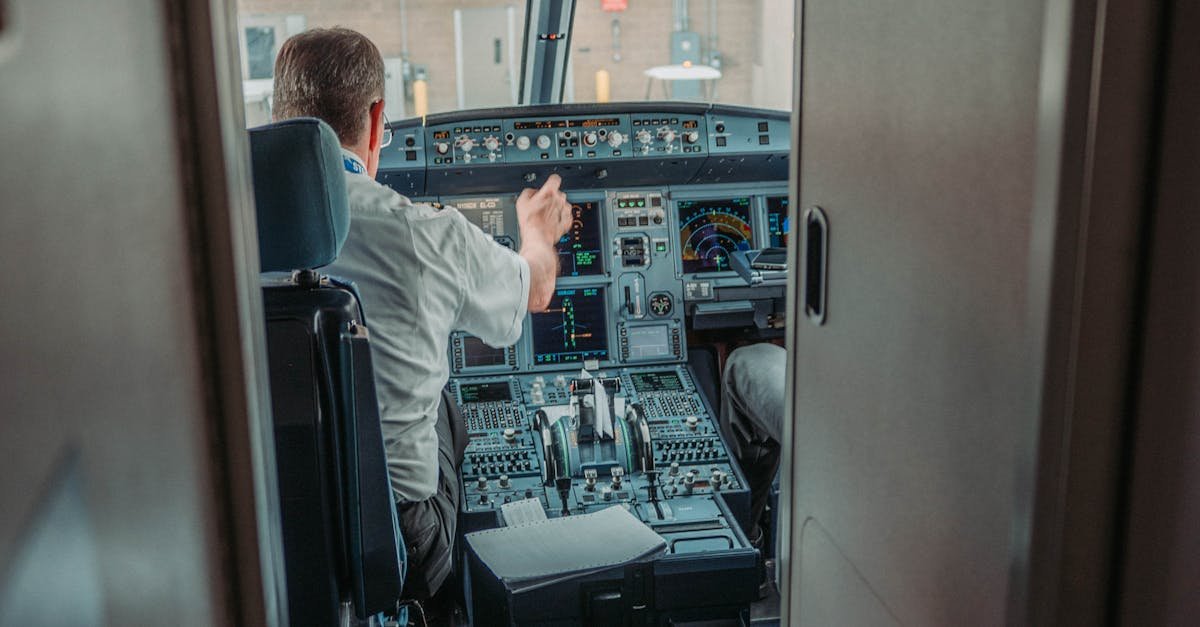
The aviation industry is currently facing a massive hurdle that could change how we travel for years. If you have been following the news about major carriers like United and American Airlines, you might have noticed a recurring theme of flight delays or cancellations. At the heart of these issues is a simple but deep problem: there are not enough people to fly the planes. As we look toward the next five years, the big question is whether this gap will close or if the pilot shortage will get worse.
The current state of the cockpit
To understand the future, we have to look at the present. The industry has entered 2026 in a precarious spot. While travel demand has surged back to record levels, the supply of qualified pilots has not kept pace. Major airlines like United and American are currently in a hiring frenzy, trying to bring in thousands of new pilots every single year.However, they are not just competing against each other; they are competing against time and a thinning pool of experienced talent.
Research suggests that 2026 is actually the peak of the crisis. Forecasters indicate that the global gap between the number of pilots needed and the number available is roughly 24,000. Even with aggressive recruiting, the numbers just do not add up yet. The pressure is most visible at the regional level, where smaller airlines that feed into the big hubs are struggling to keep their schedules intact. When a regional carrier does not have enough crew, it cannot send passengers to the big cities, and the entire system starts to feel the strain.
Why the gap has become a canyon
A few different factors have crashed into each other to create this mess. First, there is the mandatory retirement age. In the United States, the law says commercial pilots must hang up their wings at 65. We are currently seeing a huge wave of retirements from the baby boomer generation. These are the most experienced captains in the sky, and they are leaving the workforce by the thousands.
Then there is the training bottleneck. It takes a long time and a lot of money to become a commercial pilot. You cannot just decide to do it and start work next month. It takes years of flight hours and expensive schooling. During the recent global health crisis, many flight schools slowed down or closed, which paused the pipeline of new students.
Finally, we have to talk about the planes themselves. Companies like Boeing have faced significant delays in delivering new aircraft. While you might think fewer planes means less need for pilots, it actually complicates things. Airlines have to keep older, more maintenance-heavy planes in the air, and they have to constantly shuffle their crews to match changing fleet schedules. This inefficiency makes the existing shortage feel even more intense.
Why this matters for the average traveler
If you are someone who flies once a year for a holiday or every week for business, the pilot shortage is not just an industry statistic. It has real-world consequences for your wallet and your schedule. When airlines have fewer pilots, they have to fly fewer routes. This usually means that flights to smaller, more rural cities get cut first. If you live in a town that relies on a regional link to a major hub, you might find that your only flight option has been canceled.
Limited supply also leads to higher prices. Airlines are spending record amounts on pilot salaries to keep their staff from leaving for competitors. Some senior captains are now making more than $400,000 a year. While that is great for the pilots, those costs eventually show up in the price of your ticket. If United or American Airlines has to pay significantly more to keep their planes moving, they will pass those costs on to the passengers.
Looking toward the end of the decade
As we move past 2026 and into the late 2020s, there is a glimmer of hope, but the pilot shortage will get worse before it truly stabilizes. The peak we are seeing now will likely linger for another two or three years. Even though more people are entering flight school today, it will take them several years to earn the 1,500 flight hours required to sit in a commercial cockpit.
We might also see changes in the law. There has been a lot of talk about raising the retirement age from 65 to 67. If that happens, it would provide an immediate boost by keeping veteran pilots in the air for two more years. However, this is a hot topic with a lot of debate around safety and international regulations. For now, the industry is operating under the assumption that the current rules stay in place, meaning the exit of senior pilots will continue at a steady clip through 2028.
Deep dive into the American Airlines and other carriers’ strategy
The major carriers are not just sitting around waiting for the government to help. They are getting creative. United Airlines, for example, has opened its own flight academy to train pilots from the ground up. By taking control of the education process, they can ensure a steady stream of new hires who are already familiar with their specific systems.
American Airlines and others are also leaning heavily on their regional partners. They are offering massive sign-on bonuses, sometimes reaching six figures, just to get pilots to commit to a few years of service. This has turned the job market into a game of musical chairs. A pilot might start at a small regional carrier, get a huge bonus, and then get poached by a major airline just a year later. This “trickle-up” effect is why the pilot shortage will get worse for the smaller communities even as the big airlines start to find their footing.
Navigating the years ahead
The next five years will be a period of transition. We are moving from a world where being a pilot was a stable, traditional career to one where it is a high-demand, high-tech profession with rapidly rising pay. For the airlines, the focus will be on retention. It is much cheaper to keep a pilot you already have than to find and train a new one.
For the traveler, the best advice is to expect the unexpected. Until the training pipeline catches up with the retirement wave, flight schedules will likely remain tight. The pilot shortage will get worse in terms of service reliability to smaller markets, even if the total number of pilots in the country starts to climb. The industry is essentially rebuilding its foundation while the house is still full of guests. It is a difficult balancing act, and while the turbulence will eventually settle, the next few years will definitely be a bumpy ride for everyone involved.
Leave a Reply