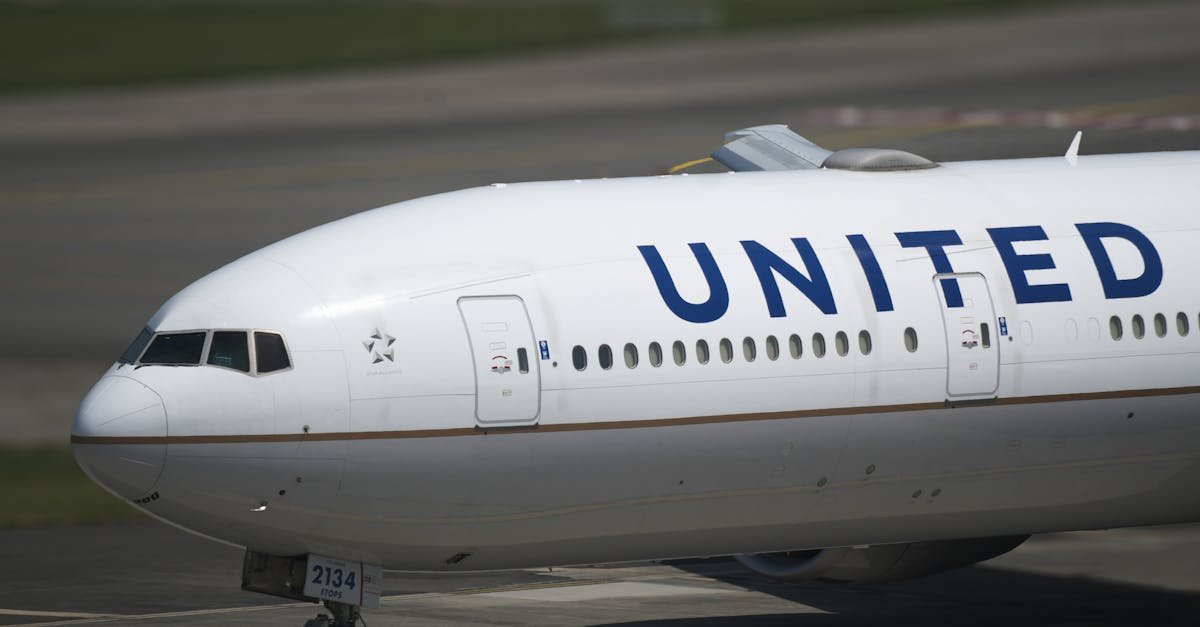
United Airlines has made its next move in Chicago and it’s a costly one. Court filings tied to Spirit Airlines’ Chapter 11 bankruptcy case reveal that United is seeking to purchase Spirit’s final two preferential-use gates at Chicago O’Hare International Airport, gates G12 and G14, for $30.2 million. A bankruptcy court hearing scheduled for February 24, 2026, will determine whether the deal goes forward.
While the transaction involves just two gates on paper, the implications stretch far beyond Concourse G. This is about leverage at one of the most congested airports in the world, the steady retreat of ultra-low-cost carriers from fortress hubs, and the growing reality that airport access and not aircraft is the most valuable currency in modern aviation.
O’Hare: A Hub Where Gates Equal Power
O’Hare is not short on runways, but it is chronically short on gates. Demand for access has long outpaced supply, especially during peak hours when weather delays, banked schedules, and international departures collide.
In this environment, preferential-use gates are gold. Unlike common-use gates, which rotate between airlines, preferential gates give one carrier priority control. That means predictable scheduling, fewer ground delays, and the flexibility to recover faster when disruptions hit.
For United Airlines, which operates one of its largest global hubs at O’Hare, adding even two more gates strengthens operational resilience. For competitors, it raises the barrier to entry even higher.
Spirit Airlines’ Long Descent to Asset Sales
For Spirit Airlines, this proposed sale is not a strategic expansion but it’s a financial necessity.
Spirit spent the better part of the last decade growing aggressively, targeting large hubs traditionally dominated by legacy carriers. O’Hare was a key battleground. The airline believed that ultra-low fares paired with high passenger volumes could carve out a durable niche even in hostile territory.
That strategy unraveled under mounting pressures:
- Rising operating and fuel costs
- Aircraft delivery delays that disrupted growth plans
- Heavy debt loads
- And the collapse of its proposed JetBlue merger after regulatory opposition
By the time Spirit entered Chapter 11, it was forced to re-evaluate every asset it owned. Gates at O’Hare that were scarce, valuable, and immediately monetizable stood out as one of the clearest paths to raising cash for creditors.
The G12 and G14 Deal Explained
Under the proposed agreement, Spirit would sell its last remaining preferential-use gates at O’Hare, G12 and G14, to United for $30.2 million. The price reflects more than physical infrastructure. It captures the strategic advantage of guaranteed access at a crowded hub where expansion is slow and political.
On a per-gate basis, the valuation is striking but not surprising. At airports like O’Hare, LaGuardia, or Reagan National, airlines have historically paid premiums for access because gates directly determine how much an airline can grow.
For Spirit, the deal represents a clean exit from preferential control at O’Hare. For United, it is a surgical addition to an already dominant footprint.
United Airlines’ Broader Chicago Strategy
For United Airlines, Chicago is more than a hub but it’s a statement. United has poured billions into O’Hare over the years, from terminal redevelopment to premium lounges and international connectivity. The airline’s strategy centers on frequency, global reach, and reliability. All three depend on having enough gates in the right places at the right times.
Adding G12 and G14 gives United Airlines:
- More breathing room during peak departure banks
- Greater flexibility to upgauge aircraft
- Improved recovery options during weather disruptions
- And tighter control over gate assignments
Just as importantly, it limits opportunities for competitors especially low-cost carriers to re-enter the market with scale.
The Quiet Gate War Passengers Rarely See
To most travelers, gates are an afterthought. To airlines, they are the battlefield.
Gate access determines whether a route can exist, whether an airline can compete on schedule frequency, and whether delays spiral into network-wide disruptions. At O’Hare, where weather regularly snarls operations, gate availability can make or break daily performance metrics.
For years, low-cost carriers have argued that limited gate access at major hubs entrenches legacy airlines and weakens competition. Legacy carriers counter that they have invested heavily in airport infrastructure and deserve the operational stability that comes with preferential access.
Spirit’s exit from its last O’Hare gates shifts that balance decisively toward United.
What This Means for Competition and Airfares
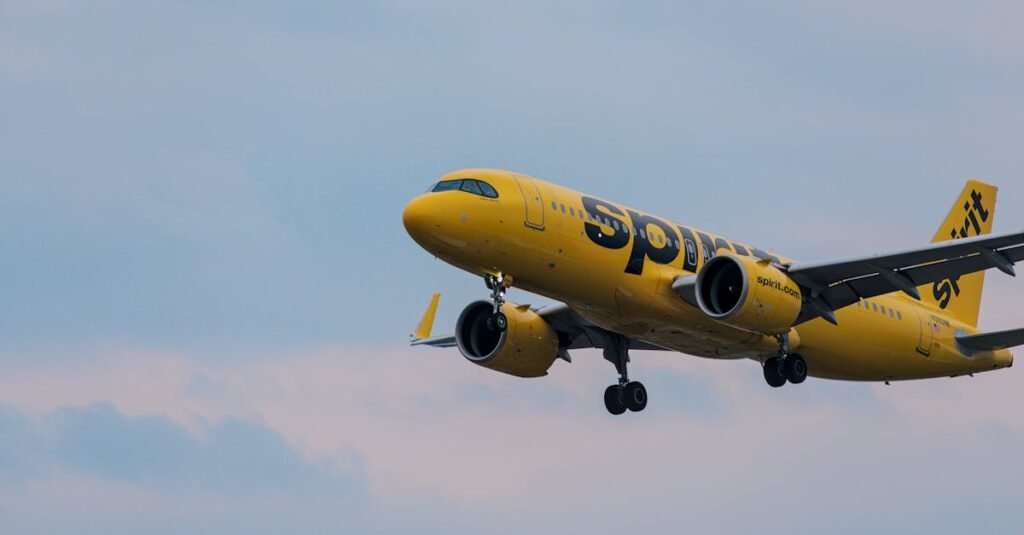
The proposed sale raises a critical question: what happens to competition when ultra-low-cost carriers lose access to major hubs?
Historically, Spirit’s presence, however limited helped pressure fares downward. Even when passengers didn’t fly Spirit, competing airlines often adjusted pricing to remain competitive.
With Spirit effectively surrendering preferential control at O’Hare:
- Fare pressure may ease on certain routes
- Route experimentation could decline
- Legacy carriers may gain more pricing flexibility
While the deal is unfolding in bankruptcy court, not before antitrust regulators directly, its competitive implications are difficult to ignore.
The February 24, 2026 Bankruptcy Hearing
All eyes now turn to the bankruptcy court.
At the February 24, 2026 hearing, the judge will assess whether the sale:
- Maximizes value for Spirit’s creditors
- Was conducted fairly and transparently
- Raises any legal or competitive concerns significant enough to block or delay approval
Given Spirit’s financial condition, approval is widely expected. Still, objections from creditors or interested parties could influence timelines or terms.
A Snapshot of a Changing Airline Industry
This deal is not an anomaly but a signal.
Across the U.S. airline industry, power is consolidating around infrastructure. Aircraft can be leased. Routes can be shifted. But gates at constrained airports are finite, and once absorbed by dominant carriers, they rarely return to the open market.
For Spirit, selling G12 and G14 marks another retreat from its once-ambitious hub strategy. For United, it reinforces Chicago as a fortress hub built not just on flights, but on access.
Conclusion: Two Gates, Outsized Consequences
United Airlines’ $30.2 million bid for Spirit’s final O’Hare gates may look like a routine bankruptcy transaction. In reality, it’s a microcosm of the modern airline industry where survival, dominance, and competition hinge on control of the ground as much as the sky.
If approved, the sale will quietly but decisively reshape the competitive dynamics at Chicago O’Hare. And once again, it will prove that in aviation’s most crowded hubs, the real battle isn’t for passengers, it’s for gates.