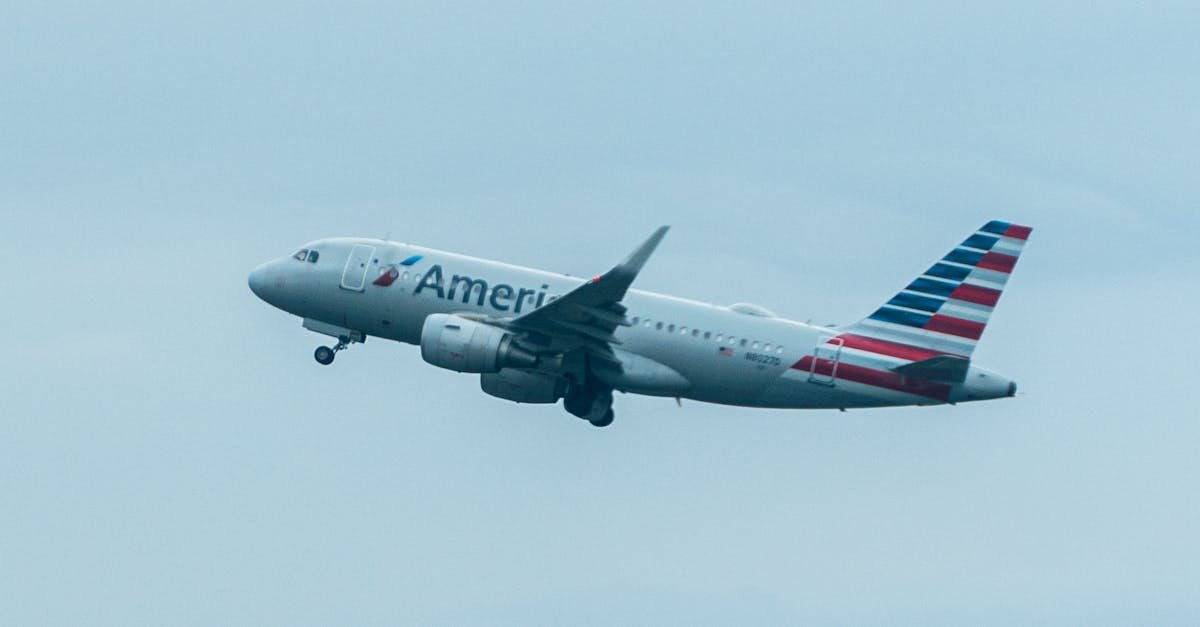
Traveling by air was once a symbol of efficiency and speed, but lately, it feels like spending time in an airport lounge or sitting on a tarmac has become part of the standard itinerary. If you have noticed that your trips are taking longer than they used to, you are not alone. As we move through 2026, the frequency of flight delays across the United States has reached levels that are testing the patience of even the most seasoned travelers. This shift is not just a streak of bad luck but rather a combination of several deep-rooted issues within the aviation industry.
Understanding why flight delays are on the rise requires looking at the bigger picture. From the way airlines schedule their planes to the physical limitations of our oldest airports, the system is currently under immense pressure. For anyone planning a trip this year, knowing these factors can help you prepare for the likelihood that your departure time might be more of a suggestion than a guarantee.
The Growing Gap Between Demand and Capacity
One of the most obvious reasons for the surge in flight delays is that more people are flying than ever before. After years of fluctuating travel interest, 2026 has seen passenger numbers soar to record highs. Airlines are eager to meet this demand by adding as many flights to their schedules as possible. However, the physical space at major hubs like Chicago O’Hare, Dallas/Fort Worth, and Atlanta Hartsfield-Jackson is finite.
When airlines pack their schedules with back to back flights, there is very little room for error. If a single plane arrives late due to a minor issue, it creates a domino effect for every other trip that aircraft is supposed to make that day. This lack of buffer time means that flight delays are no longer isolated incidents but rather daily occurrences that ripple through the entire national network.
Chronic Staffing Shortages in Key Areas
Even with the best technology, the aviation industry relies heavily on human expertise. In 2026, a significant shortage of pilots, flight attendants, and maintenance technicians continues to plague the industry. Many experienced professionals reached retirement age recently, and the pipeline of new workers has not been able to keep up with the rapid expansion of flight schedules.
When a crew member is delayed on an incoming flight or reaches their maximum legal working hours, the airline often struggles to find a replacement quickly. This leads to flight delays while the company scrambles to find a new team.Additionally, staffing issues are not limited to the airlines themselves. Labor disruptions and high turnover rates among airport security personnel and ground crews have slowed down the boarding and baggage handling processes, adding even more minutes to the wait times at the gate.
Modern Weather Patterns and Their Impact
Weather has always been the primary enemy of on-time performance, but 2026 has brought a new level of volatility.Changes in global climate patterns have led to more frequent and more intense thunderstorms, especially in regions that serve as major connecting points. Strong winds and low visibility often force the Federal Aviation Administration to implement ground stops or reduce the number of planes allowed to land per hour.
Unlike a simple rain shower, these severe weather events can shut down an entire corridor of airspace for hours.Because the modern aviation system is so interconnected, a storm in the Midwest can easily cause flight delays for a traveler trying to get from Florida to New York. Airlines are finding it increasingly difficult to navigate these unpredictable weather windows without disrupting thousands of passengers.
Infrastructure Strain and Ongoing Construction
Many of the busiest airports in the United States were built decades ago and were never intended to handle the volume of traffic seen today. To fix this, several major hubs have embarked on massive renovation and expansion projects in 2026. While these improvements are necessary for the future, the immediate result is a reduction in available runways and taxiways.
In cities like Chicago and Los Angeles, ongoing construction means that planes have to take longer routes to get to their gates or wait in longer queues for takeoff. These logistical hurdles are a constant source of flight delays. When you combine reduced pavement space with a record number of scheduled flights, the result is a bottleneck that can hold up traffic for the better part of a day.
Tech Glitches and Air Traffic Control Hurdles
The technology used to manage our skies is also showing its age. While there have been significant investments in upgrading air traffic control systems, the transition to new software and hardware hasn’t been perfectly smooth. System outages or glitches in the digital tools that controllers use to track planes can lead to immediate safety pauses.
Safety is always the priority, so if there is even a minor concern with the tracking equipment, the flow of traffic is slowed down. Furthermore, there is a noted shortage of air traffic controllers in several high-traffic regions. With fewer people available to manage the complex puzzles of the sky, the spacing between aircraft must be increased, which naturally results in more flight delays across the board.
The Financial Pressure on Regional Carriers
Not all flight delays happen at the big hubs. Regional airlines, which connect smaller cities to larger hubs, are facing their own set of unique challenges. These carriers often operate on much tighter margins and have fewer spare aircraft available. If a regional jet has a mechanical issue, there might not be another plane available for hours or even days.
In 2026, rising fuel costs and increased labor expenses have made it harder for these smaller companies to maintain a flexible fleet. When a regional flight is held up, it often prevents passengers from making their connections at larger airports, further complicating the travel landscape for everyone involved.
How Travelers Are Adapting to the New Reality
For the person holding a ticket, the rise in flight delays has changed the way people plan their lives. Short layovers,which used to be a convenient way to save time, are now seen as a major risk. Travelers are increasingly choosing to book longer gaps between flights or even opting for direct routes at a higher cost just to avoid the stress of a missed connection.
Travel insurance and flexible booking policies have also become much more popular. People are realizing that they need a safety net in case their plans are derailed by factors beyond their control. While the airlines are working to improve their reliability, the current environment suggests that being prepared for a wait is the smartest way to travel.
Navigating the Future of Air Travel
While the current situation can feel frustrating, there is hope that these issues will eventually stabilize. The investments being made into airport infrastructure and the push to train more aviation professionals will pay off in the long run.However, for the remainder of 2026, it is likely that flight delays will remain a persistent part of the experience.
The best approach for any traveler is to stay informed. Using airline apps to track your plane before it even arrives at your gate can give you a head start on rebooking if things look messy. By understanding the various factors at play, you can manage your expectations and perhaps find a bit more patience the next time you hear an announcement about a late departure. Flying in 2026 is a test of endurance, but with a little extra planning, you can still reach your destination safely.
Leave a Reply