Tag: Aircraft safety

  • Delta Pilot’s Confused Response to Fetty Wap Reference Goes Viral

    Delta Pilot’s Confused Response to Fetty Wap Reference Goes Viral

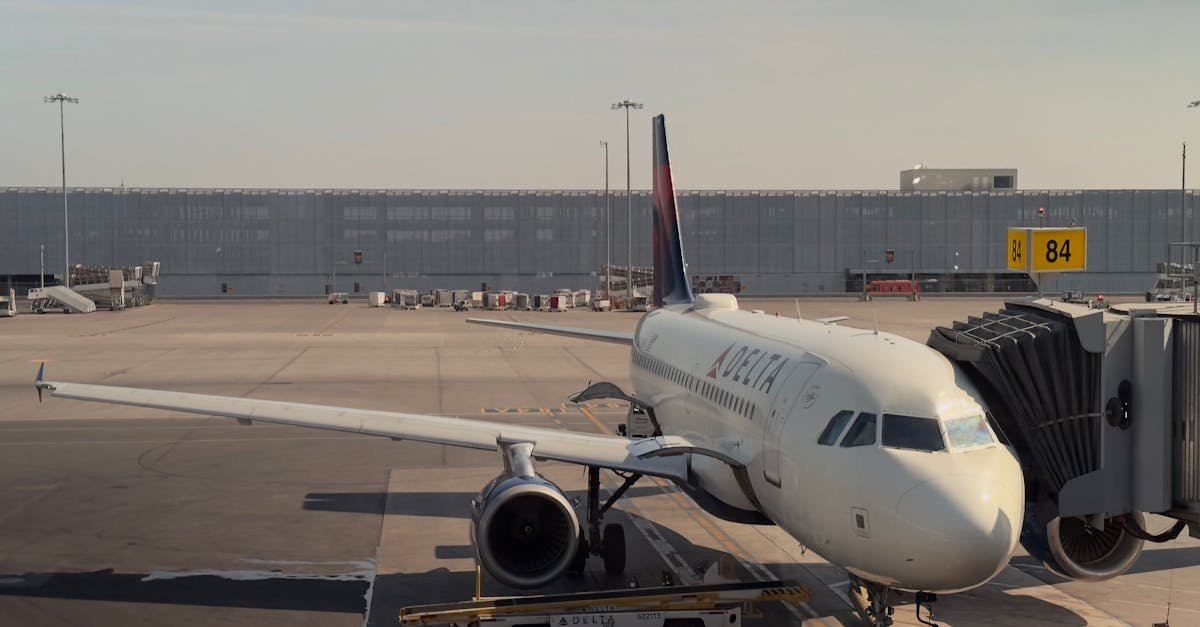
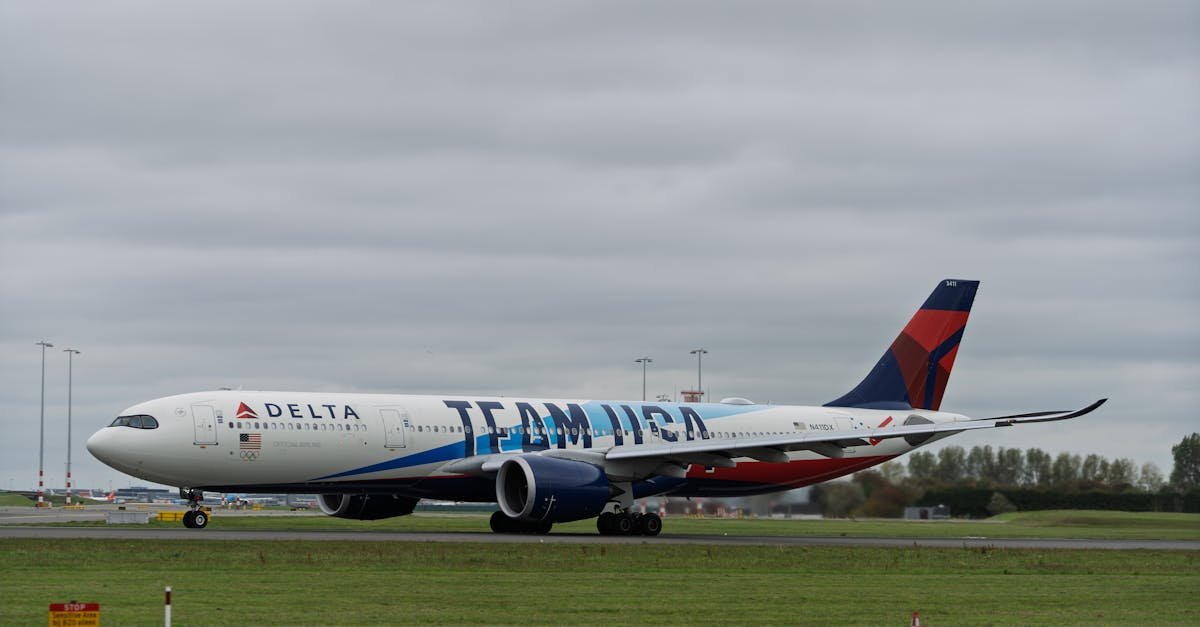
    The world of aviation is usually defined by strict protocols and standardized communication. Pilots and air traffic controllers spend their days speaking a coded language of altitudes and waypoints designed to keep the skies safe. Every now and then, however, a moment of human personality breaks through the static. That is exactly what happened during a recent exchange involving Delta flight 1738. The audio of this interaction has since taken the internet by storm, proving that even at thirty thousand feet, pop culture remains unavoidable.

    The Call Sign That Started It All

    In the world of commercial aviation, every flight is assigned a specific number for tracking and identification. For this particular Delta crew, the number was 1738. To most people, this is just a four digit sequence. To anyone who listened to the radio in 2015, however, those four digits are synonymous with one of the biggest hits of the decade.

    The number 1738 was the signature opening line for the artist Fetty Wap and his crew, the Remy Boyz. It became a cultural phenomenon, appearing in the intro of the massive hit song Trap Queen. While the song is nearly a decade old, the association remains burned into the minds of millions. When the air traffic controller saw the Delta flight number appear on his screen, he clearly could not let the opportunity pass by without making a comment.

    A Cultural Gap in the Cockpit

    The interaction began when the Delta aircraft checked in on the frequency. Air traffic control is responsible for guiding these massive machines through crowded airspace, but there are often brief lulls in the action. During one of these quiet moments, the controller decided to test the musical knowledge of the Delta pilot. He asked if the pilot had a moment for a quick question.

    After the Delta captain gave the green light, the controller dropped the name Fetty Wap. There was a brief pause, a moment of digital silence that signaled the punchline was falling flat. The Delta pilot eventually responded with a polite but firm admission that he had no idea who the controller was talking about. It was a classic case of a generational divide playing out over a high tech communication system.

    The controller, realizing the joke had not landed, laughed and briefly explained that the flight number 1738 was a famous lyric. Despite the explanation, the Delta pilot remained focused on his job, offering a simple and professional apology for not being in the loop. The business of flying a Delta jet took priority over the history of mid 2010s hip hop.

    Why the Interaction Resonated Online

    Once the audio clip of the Delta exchange was posted to social media, it spread rapidly across platforms like TikTok and Twitter. People found the contrast between the enthusiastic controller and the stoic Delta pilot to be incredibly relatable. It mirrored the everyday experience of a younger person trying to explain an internet meme or a pop song to an older colleague who just wants to finish their shift.

    The Delta pilot became an accidental hero for those who appreciate the no nonsense professionalism of the aviation industry. On the other hand, the controller was praised for bringing a bit of levity to a high pressure environment. The humor comes from the fact that while the controller was having a lighthearted moment, the Delta crew was likely busy cross checking instruments and managing the complex systems of their aircraft.

    The Professionalism of Delta Crews

    While the internet laughed at the confusion, the exchange actually highlighted the discipline expected of a Delta aviator. The pilot did not get distracted or try to fake his way through the conversation. He stayed professional, acknowledged the comment, and immediately steered the conversation back to the necessary flight clearances.

    This level of focus is what passengers expect when they board a Delta flight. While it is fun to imagine pilots having deep conversations about music, their primary responsibility is the safety of the hundreds of souls on board. The Delta pilot demonstrated that while he might not be up to date on rap hits from 2015, he is certainly up to date on his navigation charts and communication procedures.

    Aviation Humor and Frequency Etiquette

    Air traffic control frequencies are strictly regulated by the government. Using the radio for anything other than official business is generally discouraged. However, there has always been a tradition of “frequency fun” within the industry. On holidays or during late night shifts when traffic is light, controllers and Delta pilots often share a joke or a friendly greeting.

    The Fetty Wap incident falls into this category of harmless banter. It did not interfere with the safety of the Delta flight, nor did it cause any delays. Instead, it provided a rare glimpse into the human side of a very technical job. These moments help build a rapport between the people on the ground and the people in the air. When a Delta pilot knows they are working with a controller who has a sense of humor, it can actually make for a more relaxed and efficient working environment.

    The Lasting Legacy of 1738

    It is unlikely that the number 1738 will ever lose its association with Fetty Wap. As long as that Delta flight number exists, there will likely be another controller somewhere in the world tempted to ask the same question. For the music fans watching from the sidelines, it serves as a reminder of how deeply pop culture can penetrate even the most serious industries.

    The Delta pilot may never go home and look up the song Trap Queen, but he has certainly earned a spot in the archives of viral aviation history. This event joins a long list of funny cockpit recordings that remind us that the people flying Delta planes are just like us. They might not get every joke, and they might not know every song on the charts, but they are human beings doing their best in a demanding world.

    Looking at the Human Side of the Skies

    As technology continues to advance, much of the communication between aircraft and the ground is becoming automated. Digital data links are slowly replacing voice commands in many parts of the world. This means that the chance for a Delta pilot to have a spontaneous laugh with a controller is becoming rarer.

    The popularity of this specific Delta story proves that people still crave that human connection. We like knowing that there is a real person behind the microphone, someone who can find a reason to smile even during a routine flight. The viral success of this audio clip ensures that for at least a few days, everyone was thinking about that one Delta flight and the pilot who was just a little bit too busy to be a rap fan.

    In the end, the Delta pilot did exactly what he was supposed to do. He kept the plane on course, maintained a professional tone, and got his passengers to their destination. He might have missed out on a joke about a rapper from New Jersey, but he didn’t miss a single beat when it came to his duties. That balance of personality and precision is exactly what makes the world of aviation so fascinating to the public. The sky is a vast place, but it seems there is always enough room for a quick laugh between a controller and a Delta crew.

  • American Airlines: The Charlotte Near-Miss That Proves the LaGuardia Tragedy Wasn’t an Outlier

    American Airlines: The Charlotte Near-Miss That Proves the LaGuardia Tragedy Wasn’t an Outlier

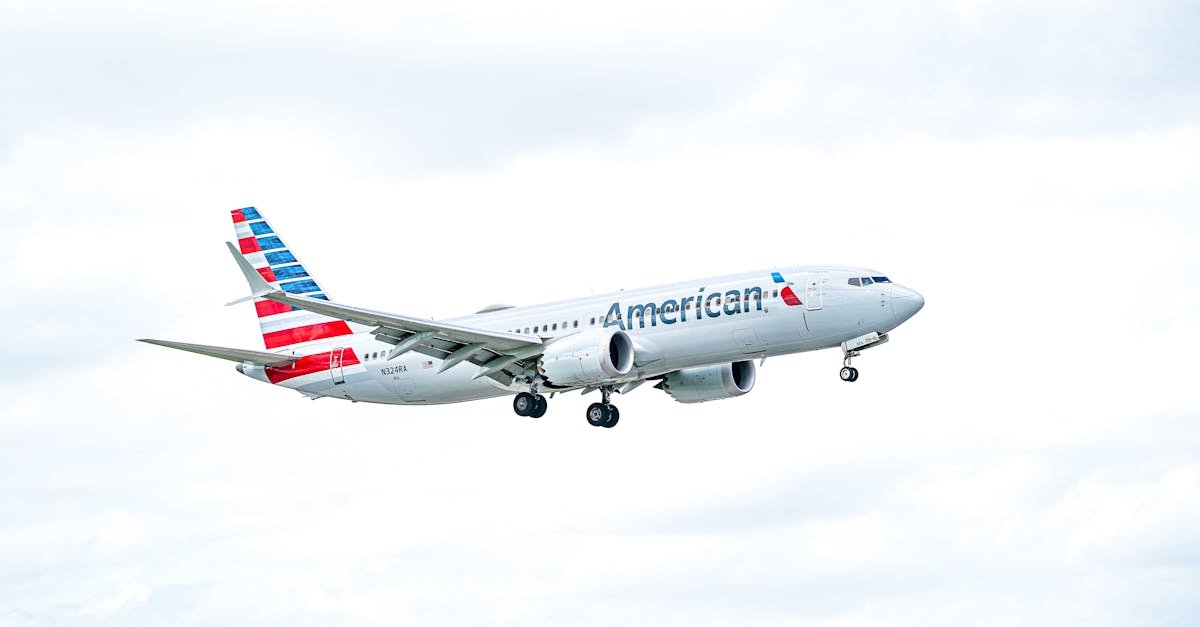
    The sound of tires screeching against hot pavement is rarely something a passenger expects to hear before a flight even leaves the ground. For those on board an American Airlines flight at Charlotte Douglas International Airport recently,that jarring sensation became a terrifying reality. As the aircraft began its initial roll for takeoff, the pilot was forced to slam on the brakes to avoid a service truck that had suddenly darted across its path.

    This narrow escape comes at a time when the aviation world is still reeling from a devastating collision at LaGuardia Airport just a month ago. In that instance, the outcome was fatal, leaving the industry to wonder if these ground-level dangers are becoming a new norm. The incident involving American Airlines in Charlotte serves as a stark reminder that the most dangerous part of a journey might not be at thirty thousand feet, but rather the chaotic minutes spent navigating the airport tarmac.

    A High Speed Close Call in Charlotte

    The details of the event at Charlotte Douglas International Airport paint a picture of a disaster barely avoided. An American Airlines Airbus A319 was cleared for its departure to Washington D.C. when the cockpit crew noticed a white and black operations truck crossing the active taxiway directly in front of them. According to audio captured from the cockpit, the pilot expressed immediate frustration and alarm, noting that they nearly hit the vehicle and had to apply maximum braking pressure to stop the massive jet.

    The plane rocked forward as it came to a dead stop, a physical manifestation of the energy required to halt an aircraft in motion. For American Airlines, the vigilance of the crew was the only thing standing between a routine morning flight and a headline making catastrophe. While the airport later stated that the incident occurred in a gate area rather than a main runway, the proximity was enough to trigger an FAA investigation. It highlights a growing concern that ground vehicle drivers and aircraft are sharing space in ways that are increasingly unpredictable.

    The Haunting Memory of the LaGuardia Collision

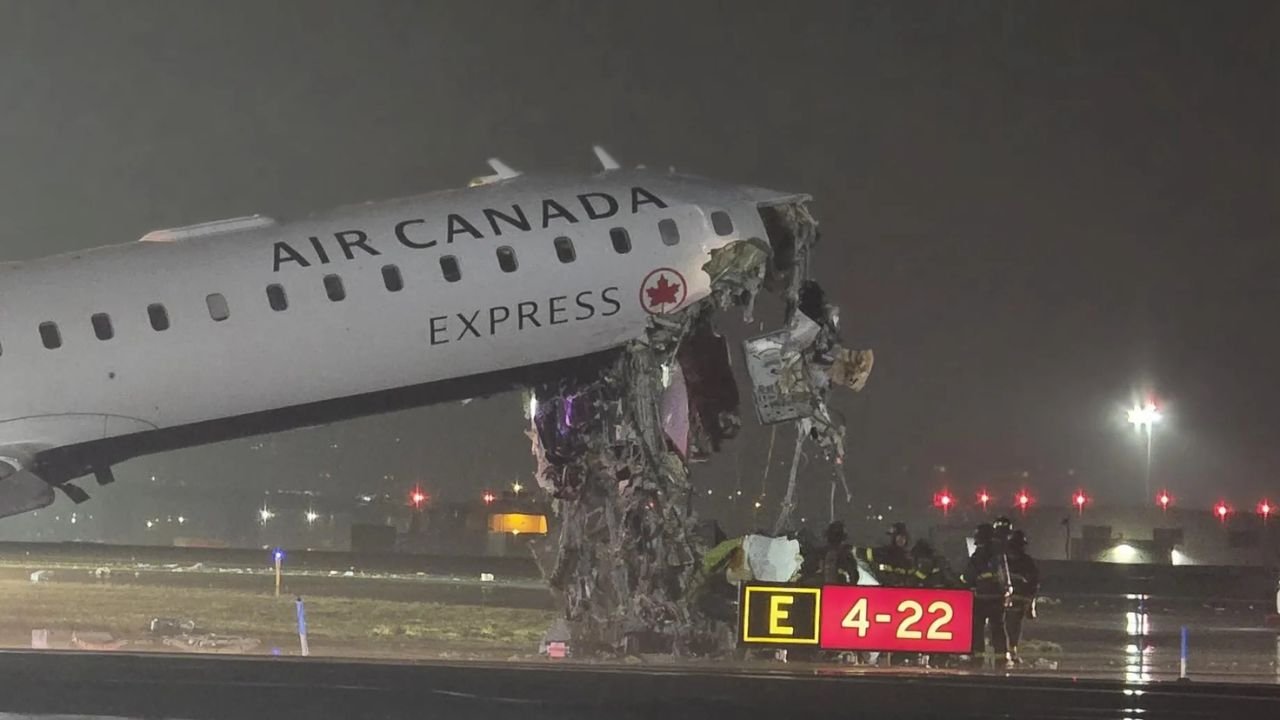
    It is impossible to look at the American Airlines scare in North Carolina without reflecting on the tragedy at LaGuardia Airport just weeks prior. In that case, an Air Canada flight collided head on with a fire truck on a runway, resulting in the deaths of two pilots and dozens of injuries. That event shattered the long held belief that modern airport safety systems were virtually foolproof.

    The LaGuardia crash was a worst case scenario, but it set the stage for how the public perceives these ground incursions. When the American Airlines crew had to hit the brakes in Charlotte, they were likely acutely aware of how quickly a small vehicle can turn into a lethal obstacle. The fact that two such significant events happened within a thirty day window suggests that the safety protocols governing how trucks and planes interact on the ground are under immense strain.

    The Chaos of the Modern Airport Tarmac

    Airports have become victims of their own success. Hubs like Charlotte have seen a massive surge in traffic, meaning more planes are moving in tighter windows of time. To support these flights, a small army of ground vehicles must constantly swarm the aircraft. Fuel trucks, catering vans, baggage tugs, and maintenance vehicles are in a perpetual dance around moving jets.

    For an American Airlines pilot, the view from the cockpit is surprisingly limited. While these planes are marvels of engineering, the nose and the massive engines create significant blind spots. Pilots often rely on ground controllers to keep the path clear, but the human element remains a vulnerability. If a driver loses focus for even five seconds or misses a radio call, they can find themselves in the path of a moving American Airlines jet that weighs over one hundred thousand pounds.

    Technology Gaps on the Ground

    There is a strange irony in modern aviation technology. A jet operated by American Airlines can navigate across the ocean using satellite GPS and land itself in zero visibility conditions using automated systems. Yet, once that same plane is taxiing toward a gate, it often relies on the naked eye and basic radio communication to avoid hitting a pickup truck.

    The FAA has been working to bridge this gap with Surface Awareness Initiative technology. This system is designed to give air traffic controllers and pilots better data on where every vehicle is located on the tarmac. However, the rollout of such technology is slow and expensive. Many airports still operate with “hot spots” where visibility is poor or traffic patterns are confusing. The recent American Airlines incident suggests that until every service vehicle is equipped with tracking transponders that talk directly to the cockpit, the risk of a collision will remain uncomfortably high.

    Why Ground Safety is the New Frontier

    For decades, the focus of aviation safety was on engine reliability and mid air collisions. We have largely mastered those challenges, making commercial flight the safest way to travel. Because of this success, the focus is now shifting toward the ground. The tarmac is a high pressure environment where workers are often rushed to turn planes around quickly to maintain the American Airlines schedule.

    When speed is prioritized over space, mistakes happen. The American Airlines close call in Charlotte was a victory for pilot training and situational awareness, but it was also a failure of the broader ground safety net. It proves that the “Ghost of LaGuardia” isn’t just a memory; it is a persistent threat that exists every time a plane pushes back from the gate.

    Protecting the Future of the Runway

    The aviation industry is at a crossroads. Following the American Airlines near miss, there are louder calls for stricter licensing for ground vehicle drivers and mandatory automated braking systems for airport equipment. Some experts suggest that the ground environment needs to be as strictly regulated as the skies themselves.

    For the passengers who were sitting on that American Airlines flight in Charlotte, the event was likely a brief moment of confusion followed by relief. But for the airline and the regulators, it was a warning. If we do not address the way vehicles move around our airports, it is only a matter of time before the next “near miss” doesn’t end with a sudden stop,but with an impact.

    Staying Alert in a Busy Sky

    Safety is never a finished product in the world of flight. It is a constant process of learning from what went wrong and what almost went wrong. The American Airlines crew in Charlotte did exactly what they were trained to do, but they should never have been put in that position in the first place.

    As we look forward, the goal must be to ensure that American Airlines and other carriers can operate in an environment where the ground is as predictable as the sky. The lessons from LaGuardia and Charlotte must be turned into action.Whether it is through better lighting, advanced radar for ground vehicles, or simpler traffic patterns, the industry owes it to the traveling public to make sure that a truck crossing the road is never the reason a flight fails to reach its destination.

  • Tennessee Plane Crash Near New Market: What Caused It and What FAA, NTSB Will Investigate 

    Tennessee Plane Crash Near New Market: What Caused It and What FAA, NTSB Will Investigate 

    A quiet afternoon in Jefferson County took a tragic turn recently when a small aircraft went down in a field, leaving the local community in shock. The Tennessee plane crash took place on Monday, April 13, 2026, near the small town of New Market. As residents of the area try to process the loss, federal investigators are just beginning the long process of figuring out exactly what went wrong in the sky.

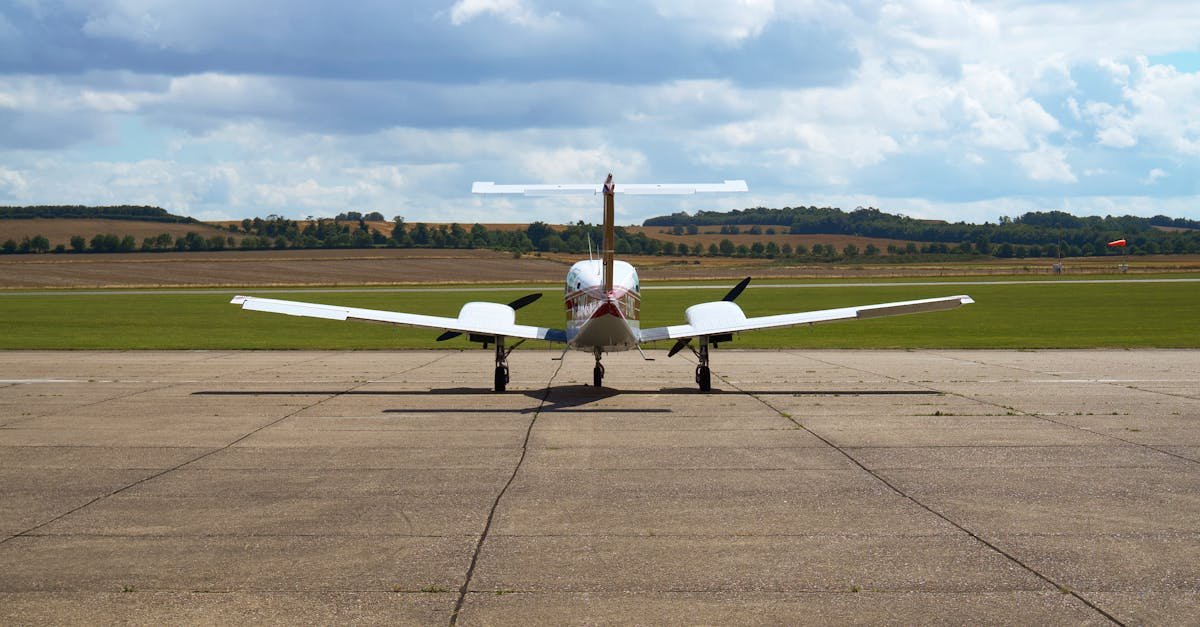
    The incident occurred around 1:10 p.m. in a rural stretch of land near Burchell Road. Witnesses in the area reported hearing a sudden, loud boom that echoed through the trees. Shortly after the sound of the impact, smoke began to billow from a field situated between Lost Creek Road and Nances Ferry Road. First responders from the New Market Volunteer Fire Department were among the first on the scene, where they discovered the wreckage of a twin engine Beechcraft 58.

    Understanding the Tennessee Plane Crash Near New Market

    The aircraft involved in the Tennessee plane crash had departed earlier that afternoon from Knoxville Downtown Island Home Airport. While the flight seemed routine at the start, something went south while the plane was over Jefferson County. According to local authorities, the aircraft hit the ground with significant force, sparking a fire that burned through about an acre of the surrounding field.

    The New Market Volunteer Fire Department worked quickly to contain the brush fire, which reached about 30 yards in diameter around the impact site. Tragically, officials confirmed that two people were on board the plane at the time, and neither survived the impact. While names have not been officially released to the public pending family notification, the loss has cast a heavy shadow over the region. Local residents who arrived to help search for the site described the scene as devastating, noting that the aircraft was almost unrecognizable after the fire and impact.

    How the FAA Begins the Initial Inquiry

    In the immediate wake of any aviation accident, the Federal Aviation Administration (FAA) is one of the first agencies to step in. Their role in the Tennessee plane crash is primarily focused on the administrative and regulatory side of the flight. The FAA keeps track of the “paper trail” that follows every registered aircraft and pilot in the country.

    One of the first things FAA investigators look at is the registration of the Beechcraft 58. They check to see if the plane was up to date on its inspections and if there were any known mechanical issues reported in its recent history. They also look into the credentials of the pilot. This involves checking medical certificates, flight hours, and specific certifications for flying a twin engine aircraft. In the case of this Tennessee plane crash, the FAA will provide all these records to the lead investigators to help build a timeline of the flight.

    READ MORE: Frontier Pilot Forced to “Slam on Brakes” to Avoid Trucks at LAX; FAA Investigating

    The NTSB Deep Dive into Technical Failures

    While the FAA handles the records, the National Transportation Safety Board (NTSB) takes the lead on the physical investigation. The NTSB is a separate agency that focuses entirely on finding the “probable cause” of an accident. They do not look to pin blame on anyone for legal reasons. Instead, they want to understand the mechanics and human factors so they can prevent similar accidents from happening in the future.

    For the Tennessee plane crash near New Market, the NTSB has already dispatched investigators to the site. Their job starts with a “perishable evidence” phase. This means they need to document the wreckage exactly where it landed before it is moved. They look at the angle of the impact, the distribution of the debris, and the condition of the engines. Because this was a twin engine plane, they will be particularly interested in whether one engine failed or if both were still producing power when the plane hit the ground.

    Examining Environmental and Weather Factors

    Tennessee Plane Crash Near New Market: What Caused It and What FAA, NTSB Will Investigate

    Weather often plays a massive role in general aviation accidents. On the day of the Tennessee plane crash, investigators will look at the local meteorological conditions in Jefferson County. Even if the sky looked clear to the naked eye, there could have been invisible factors like wind shear, sudden gusts, or temperature inversions that affected the flight path.

    The NTSB will pull data from local weather stations and the Knoxville airport to see what the pilot was dealing with. They also check for “density altitude” issues, which can affect how well a plane climbs or maintains level flight. If the air was particularly thin or turbulent, it could have made an emergency situation much harder to handle.

    The Role of Air Traffic Control and Radar Data

    Another critical piece of the puzzle for the Tennessee plane crash is the communication between the pilot and air traffic control. Investigators will listen to every second of the radio transmissions from the moment the plane left Knoxville. They are looking for any sign of distress, such as a “Mayday” call or a report of mechanical trouble.

    Radar data is equally important. It allows investigators to see the exact path the plane took, its altitude, and its ground speed. If the plane suddenly lost altitude or began to spiral, the radar tracks will show that. Some early reports from flight tracking enthusiasts suggested the plane might have been trying to return to the airport or head toward a private landing strip nearby. The NTSB will use this data to confirm if the pilot was attempting an emergency landing when the Tennessee plane crash occurred.

    MORE: United Airlines Maintenance Under Fire as FAA Relies on ‘Virtual’ Checks to Cover Vacancies

    Mechanical Inspections and Engine Analysis

    Once the on-site documentation is finished, the wreckage of the Beechcraft 58 will be moved to a secure facility. This is where the truly technical work begins. Mechanics and engineers will take the engines apart piece by piece. They look for “witness marks” inside the machinery that indicate if the engines were spinning at high speed during the crash.

    They also check the fuel system. A lack of fuel or the presence of contaminated fuel can easily bring down a small aircraft. In the investigation of the Tennessee plane crash, they will verify if there was fuel in the tanks at the time of the impact and if the fuel lines were clear of any blockages. Even small components like spark plugs or fuel pumps are scrutinized for signs of pre-impact failure.

    Human Factors and Pilot Performance

    It is a difficult part of the job, but investigators must also look at the human element. This involves looking at the pilot’s recent activity to see if fatigue, illness, or distraction could have played a role. They will look at how many hours the pilot had flown in the last 30 to 90 days and if they were familiar with the specific make and model of the Beechcraft.

    In the Tennessee plane crash, the NTSB will also consider the “man-machine interface.” This means looking at the cockpit layout and whether any instruments might have given the pilot false information. If a gauge was malfunctioning, it could have led the pilot to make a decision that resulted in the accident.

    SEE ALSO: Corpus Christi Training Aircraft Crash Today: Cause, Injuries, and Fire Details

    Looking Ahead to the Preliminary Report

    The families and the local community in New Market are understandably looking for answers. However, aviation investigations are notoriously slow because they have to be incredibly thorough. The NTSB usually releases a “preliminary report” within about two to three weeks of an accident like the Tennessee plane crash. This report will give the basic facts but will not state a cause.

    A final report, which includes the probable cause and any safety recommendations, can take anywhere from 12 to 24 months to complete. During this time, the wreckage is kept in a secure location, and experts from the aircraft manufacturer often join the investigation to provide technical insights.

    Supporting the Community and Next Steps

    The impact of the Tennessee plane crash is felt far beyond the field where the plane went down. For the residents of New Market, the sight of smoke and the sound of the crash are memories that will stick around for a long time. Local authorities have praised the quick response of the volunteer firefighters and the sheriff’s deputies who secured the area.

    As the federal agencies continue their work, the focus remains on honoring the lives lost and ensuring that the lessons learned from this tragedy help make the skies safer for everyone else. While the investigation into the Tennessee plane crash is still in its early stages, the combined efforts of the FAA and NTSB will eventually provide the clarity that the families and the public deserve.

  • Corpus Christi Training Aircraft Crash Today: Cause, Injuries, and Fire Details

    Corpus Christi Training Aircraft Crash Today: Cause, Injuries, and Fire Details

    A serious aviation accident occurred on the evening of Monday, April 13, 2026, when a small training aircraft went down just short of the runway at Corpus Christi International Airport. The incident took place around 7:25 p.m. local time, involving a single engine Piper PA-28 Cherokee. Two people were on board the plane at the time of the impact, identified as a flight instructor and a student pilot from Splendid Aviation.

    The crash happened along the Highway 44 frontage road, specifically near the Clarkwood area. According to witnesses and preliminary reports from the Federal Aviation Administration, the aircraft made contact with power lines during its final approach to the airport. This contact caused the plane to lose control and strike the ground, immediately sparking a significant fire that engulfed the cockpit and fuselage.

    Status of the Injured Instructor and Student

    Both individuals inside the aircraft managed to exit the wreckage before first responders arrived, a feat that witnesses described as miraculous given the intensity of the flames. However, the injuries sustained were life threatening.Emergency medical teams from the Corpus Christi Fire Department provided immediate on-site care before transporting both victims to CHRISTUS Spohn Hospital Corpus Christi Shoreline.

    Due to the severity of the burns and the need for specialized trauma care, both the instructor and the student were later airlifted to a specialized burn unit at Brooke Army Medical Center in San Antonio. As of today, both remain in critical condition. The flight school, Splendid Aviation, which operates out of Victoria and Corpus Christi, has asked for privacy for the families involved while confirming that their primary focus is supporting the recovery of their team members.

    On Site Fire Response and Traffic Disruptions

    The crash triggered an immediate response from local emergency services. When firefighters arrived at the Highway 44 access road, they found the Piper PA-28 fully involved in flames. Crews worked quickly to extinguish the blaze and prevent it from spreading to nearby brush or industrial structures. Fortunately, no first responders were injured during the knock down of the fire.

    The impact with the power lines caused more than just the crash. It resulted in a power outage for approximately 27 customers in the immediate vicinity. American Electric Power Texas crews were called to the scene to secure the downed lines before investigators could safely access the wreckage.

    Traffic in the area was heavily impacted for several hours. The Corpus Christi Police Department issued a formal advisory urging drivers to avoid westbound Highway 44 near Clarkwood. Additionally, nearby railroad tracks were temporarily closed as a safety precaution while the wreckage was being managed. By the following morning, most roads had reopened, though the investigation site remained cordoned off for federal authorities.

    Corpus Christi Training Aircraft Crash: Preliminary Findings

    While a final determination of the cause will take months, early evidence points to a wire strike during the approach phase of the flight. The Federal Aviation Administration noted that the aircraft was on its way to land at Corpus Christi International Airport when it hit the lines along the highway.

    Investigators are currently looking into several factors that might have contributed to the low altitude of the aircraft. These include:

    • Weather conditions and visibility at the time of the 7:25 p.m. landing attempt.
    • Potential mechanical issues with the Piper PA-28 engine or control surfaces.
    • Possible pilot error or a delay in corrective action during the instructional flight.
    • The specific flight path taken during the final approach.

    Terrance Davis, the president of Splendid Aviation, stated that the company is fully cooperating with federal investigators. He emphasized that the school has a rigorous safety plan in place and that they are providing all necessary maintenance records and flight logs to the authorities.

    READ MORE: Bangor Plane Crash Today: Timeline, Casualties, and Ongoing Investigation

    Federal Investigation by NTSB and FAA

    Corpus Christi Training Aircraft Crash Today: Cause, Injuries, and Fire Details

    The National Transportation Safety Board has taken the lead in the investigation, which is standard procedure for any aviation accident involving injuries. They are joined by the FAA to conduct a thorough analysis of the wreckage. On Tuesday, investigators began the process of documenting the scene and recovering any flight data or communication logs that might still be intact.+1

    The NTSB will look at the “Man, Machine, and Environment” triad. This means they will examine the qualifications and recent sleep schedules of the pilots, the mechanical history of the aircraft, and the environmental factors like wind shear or light levels at dusk. A preliminary report is expected within two to three weeks, but the full probable cause report could take up to a year or more to finalize.

    Safety Record of the Piper PA-28 Cherokee

    The aircraft involved, the Piper PA-28, is one of the most common training planes in the world. It is known for its stable handling and forgiving nature, which makes it a staple for flight schools like Splendid Aviation. However, like any small aircraft, it is vulnerable to obstacles during the critical stages of takeoff and landing.

    Low altitude maneuvers leave very little room for error. When a plane strikes power lines, the electrical discharge can often cause an immediate fire, especially if the fuel tanks are ruptured upon impact. In this specific case, the post-crash fire was the primary cause of the severe injuries reported.

    SEE ALSO: Kauai Helicopter Crash: Timeline, Victims, and Everything We Know So Far

    Support for the Aviation Community

    The local aviation community in South Texas is tight knit, and news of the crash has hit home for many pilots and students at the airport. Flight training is a demanding process that relies on a high level of trust between the instructor and the student.

    Local pilots have noted that the approach over Highway 44 requires careful attention to altitude due to the presence of various utility lines and industrial obstacles. As the investigation continues, there may be discussions regarding safety improvements or better marking of the lines in the approach path to prevent future occurrences of this nature.

    What Happens Next in the Investigation

    Over the coming days, the wreckage will likely be moved to a secure facility for a more detailed teardown. Investigators will check the engine for signs of power at the time of impact and inspect the flight controls for any pre-existing failures. They will also review the communication between the aircraft and the Corpus Christi air traffic control tower.

    Until the NTSB releases its findings, the public is cautioned against speculating on exactly what went wrong in the cockpit. The goal of the federal investigation is not just to find fault but to identify safety lessons that can be shared with the entire aviation industry to prevent similar tragedies.

    Continued Updates on the Victims

    The recovery process for severe burn victims is long and difficult. The community has begun to organize support efforts for the two individuals currently at Brooke Army Medical Center. While their names have not been released out of respect for their families, the impact of their injuries is felt deeply across the region.

    Authorities have confirmed that the Texas Commission on Environmental Quality was also notified due to the fuel spill and fire runoff, ensuring that the crash site is properly remediated. For now, the focus remains on the medical progress of the instructor and student and the meticulous work of the federal investigators at the scene.

    READ MORE: Air Canada Crash At LaGuardia Airport: Investigation, Casualties, Injuries and All We Know So Far

  • Delta Flight 104 Forced into Emergency U-Turn After Left Engine Failure at Takeoff: What Happened?

    Delta Flight 104 Forced into Emergency U-Turn After Left Engine Failure at Takeoff: What Happened?

    What began as a standard Sunday night journey from Brazil to the United States quickly transformed into a high-stakes emergency for the crew and passengers of Delta Air Lines Flight 104. On March 29, 2026, an Airbus A330-300 was scheduled to fly from São Paulo Guarulhos International Airport to Hartsfield-Jackson Atlanta International Airport.However, just moments after the wheels left the tarmac, a major mechanical failure in the left engine forced the pilots to make a split-second decision to return to the ground.

    The incident was caught on various airport cameras and witnessed by those on the ground, showing sparks and flames trailing from the aircraft. While the event was undoubtedly frightening for the nearly 300 people on board, the outcome serves as a testament to modern aviation safety protocols and the intense training of international flight crews.


    Timeline of the Engine Failure

    The flight departed São Paulo at approximately 11:49 pm local time. As the aircraft reached the “rotation” point—the moment it lifts off the runway—eyewitnesses and passengers reported hearing loud bangs and seeing flashes of light coming from the left-hand engine.

    Data from flight tracking services shows that the plane only reached an altitude of about 4,500 feet before the climb was halted. In the cockpit, the pilots were likely dealing with a barrage of alerts from the Electronic Centralized Aircraft Monitor (ECAM), a system designed to identify and help manage onboard failures. Air traffic controllers in the São Paulo tower also played a vital role, reportedly radioing the pilots to inform them that they could see visible fire on the wing.

    Faced with an “uncontained” engine failure, where debris can potentially exit the engine casing, the crew immediately declared a “Mayday” and began the process of bringing the heavy wide-body jet back to the airport.


    The Challenges of an Immediate Return

    Landing an Airbus A330 shortly after takeoff is not as simple as turning a car around. When a long-haul flight like Flight 104 departs for a 10-hour journey to Atlanta, it is heavily loaded with fuel. This makes the aircraft significantly heavier than its maximum structural landing weight.

    In many emergency scenarios, pilots might choose to dump fuel over a safe area to lighten the load. However, given the reports of fire and the urgency of the mechanical issue, the crew opted for an “expedited return.” This means they prioritized getting the plane on the ground quickly rather than spending time circling to burn or dump fuel.

    Adding to the complexity was the operational status of the airport. Guarulhos was undergoing maintenance on one of its two main runways at the time. This meant the Delta jet had to land on the only active strip, which was also the same one it had just departed from. All other inbound and outbound traffic had to be suspended or diverted to ensure the Delta crew had a clear path home.


    Chaos on the Ground: Falling Debris and Brush Fires

    As the engine suffered its failure, it did more than just lose power. Reports indicate that molten debris and metallic fragments fell from the sky onto the airport grounds. This hot material ignited the dry grass alongside the runway, creating a secondary emergency for airport staff.

    The São Paulo airport firefighting team (ARFF) was already on high alert for the incoming aircraft, but they also had to manage the brush fires that were spreading near the active runway. Despite these distractions, the ground teams were positioned and ready by the time the A330 touched down at 11:59 pm, exactly ten minutes after its initial departure.


    Inside the Cabin: The Passenger Experience

    For the 272 passengers on board, the ten-minute flight felt much longer. Those seated on the left side of the aircraft, particularly toward the rear, had a direct view of the engine as it emitted flames and loud “thumping” sounds.

    One passenger, Desmond Spencer, shared his experience on social media, describing the atmosphere as one of heightened anxiety. He noted that while many people remained calm, others began to lose their cool as the reality of the fire became visible through the windows. The cabin crew worked to keep everyone seated and prepared for a potential emergency evacuation, though fortunately, a full slide evacuation was not required once the plane came to a stop.

    After the landing, the aircraft was met by emergency vehicles and inspected for further fire risks. Once the situation was deemed stable, the passengers were not let off on the taxiway; instead, they were safely transported by bus back to the terminal to begin the process of rebooking.


    The Airbus A330-300: A Reliable Workhorse

    The aircraft involved, registered as N813NW, is a 19-year-old Airbus A330-300. While 19 years might sound old for a vehicle, in the world of aviation, this is middle-aged. Aircraft are subject to incredibly rigorous maintenance schedules where parts are replaced long before they are expected to fail.

    The A330 is known for its “ETOPS” rating, which means it is certified to fly long distances over oceans even if one engine fails. It is designed to fly, climb, and land safely on a single engine. The training pilots undergo involves hundreds of hours in simulators specifically practicing for the exact scenario that happened in São Paulo: a “V1 cut,” or an engine failure at the most critical moment of takeoff.


    The Importance of ARFF Teams

    The “ARFF” (Aircraft Rescue and Firefighting) team mentioned in Delta’s statement is the unsung hero of airport safety. These units are specialized firefighters who deal exclusively with aviation incidents. Their vehicles carry massive amounts of foam and water and are designed to reach any point on the airport grounds within minutes.

    In the case of Flight 104, their presence was not just a precaution. They had to ensure the overheated brakes of the heavy aircraft didn’t catch fire after the high-energy landing and manage the grass fires caused by the falling engine parts. Their swift action allowed the airport to eventually reopen and resume normal operations after a period of significant disruption.


    Next Steps for the Aircraft and Investigation

    Following an incident of this magnitude, the aircraft is grounded for a thorough investigation. Aviation authorities, likely including Brazil’s CENIPA and the U.S. National Transportation Safety Board (NTSB), will examine the engine to determine the root cause.

    They will look at whether the failure was caused by:

    • Foreign Object Debris (FOD): Something sucked into the engine on the runway.
    • Material Fatigue: A specific component within the turbine failing over time.
    • Maintenance Issues: Whether a recent service missed a developing problem.

    The findings from these investigations are shared globally, ensuring that if a specific part is found to be faulty, every other airline flying the same engine type can inspect and replace it, preventing a repeat occurrence.


    A Smooth Return to Safety

    Delta Air Lines issued a formal apology to the passengers, acknowledging the major delay in their travel plans. While an engine fire is a terrifying ordeal, the safe return of Flight 104 is a success story in terms of safety. The combination of clear communication from air traffic control, the calm execution of emergency checklists by the pilots, and the rapid response from ground crews ensured that 288 people walked away without a scratch.

    Events like this remind us that while technology can fail, the layers of safety built into modern travel are designed to handle the unexpected.

  • Kauai Helicopter Crash: Timeline, Victims, and Everything We Know So Far

    Kauai Helicopter Crash: Timeline, Victims, and Everything We Know So Far

    The natural majesty of the Garden Isle was met with tragedy on Thursday, March 26, 2026, when a sightseeing tour ended in a devastating accident. At approximately 3:45 p.m., a Kauai helicopter crash occurred just off the shores of Kalalau Beach, a remote and iconic stretch of the Nā Pali Coast. This incident has sent shockwaves through the local community and raised urgent questions about the safety of air tours in one of the world’s most challenging aviation environments.

    The flight was operated by Airborne Aviation, a company well known for its “doors-off” thrill seeker tours. Carrying one pilot and four passengers, the aircraft went down in the water about 100 yards from the sandbar. While the island of Kauai is famous for its dramatic cliffs and emerald valleys, this Kauai helicopter crash serves as a somber reminder of the risks inherent in exploring such rugged terrain from the air.

    Immediate Response to the Kauai Helicopter Crash

    The emergency began when the Kauai Police Department received a text to 911 message reporting that a helicopter had plunged into the ocean. Because Kalalau Beach is only accessible by boat or by the strenuous 11 mile Kalalau Trail, the rescue operation required an immediate and coordinated air and sea response. Multiple agencies, including the Kauai Fire Department, the U.S. Coast Guard, and Ocean Safety lifeguards, mobilized to reach the site before sunset.

    Witnesses on the beach described a harrowing scene as waves began to crash over the fuselage of the downed Hughes 500 helicopter. Good Samaritans who were already at the remote beach joined first responders in pulling individuals from the surf. Despite the rapid arrival of rescue crews, the Kauai helicopter crash resulted in three confirmed fatalities.Two survivors were successfully recovered from the water and stabilized on the sand before being airlifted to Wilcox Medical Center in Lihue for urgent treatment.

    Details on the Aircraft and Airborne Aviation

    The helicopter involved in this Kauai helicopter crash was a Hughes 500, a model frequently chosen for tour operations due to its agility and excellent visibility for passengers. Airborne Aviation, the operator, has been a fixture on the island since 2009. Prior to this week, the company maintained a strong reputation, often utilized for government contracts, fire response, and search and rescue missions.

    This specific tour was part of their popular adventure package, designed to give tourists an unobstructed view of the island’s hidden waterfalls and deep canyons. However, the “doors-off” configuration, while popular for photography, has been a point of discussion in previous aviation safety reviews. Following the Kauai helicopter crash, Airborne Aviation has grounded its fleet to cooperate fully with federal investigators who are looking into the mechanical history of the aircraft and the specific flight conditions on Thursday afternoon.

    Understanding the Hazards of the Nā Pali Coast

    The location of this Kauai helicopter crash is one of the most beautiful but dangerous flight corridors in Hawaii. The Nā Pali Coast is defined by 3,000 foot cliffs that create unpredictable weather patterns. Even when the weather in Lihue or Princeville appears calm, the wind currents near Kalalau can shift violently.

    Pilots navigating this area must contend with “microbursts” and sudden downdrafts that can push a light aircraft toward the ocean with very little warning. History shows that the Nā Pali Coast has been the site of several incidents over the years. The sheer geography leaves almost no room for error if a mechanical failure or a sudden change in visibility occurs. Investigators will likely examine whether these environmental factors played a primary role in the recent Kauai helicopter crash.

    The Victims and the Search for Answers

    While authorities have confirmed that three people died in the Kauai helicopter crash, the names of the deceased have not been released to the public as officials work to notify their families. The three victims include passengers who had come to the island to enjoy its world class scenery. At the same time, the two survivors remain under medical care at Wilcox Medical Center. Their identities and the full extent of their injuries are currently being protected for privacy.

    For the families of those lost, the wait for answers will be a long process. The National Transportation Safety Board (NTSB) and the Federal Aviation Administration (FAA) have already arrived on the island to begin their probe. Their goal is to piece together the final moments of the flight by analyzing GPS data, witness statements, and any available maintenance records. Recovering the wreckage from the ocean floor is a top priority, as it may hold the key to understanding if an engine malfunction led to the Kauai helicopter crash.

    A History of Aviation Safety on the Garden Isle

    The Kauai helicopter crash on March 26 is unfortunately not an isolated event. Over the last decade, there have been several high profile accidents along the same coastline. In December 2019, a tragic crash claimed the lives of seven people in the same general area, and more recently, in July 2024, another tour helicopter went down near Hanakoa Valley

    These repeated incidents have led to a growing debate among residents and lawmakers. Many are calling for stricter regulations on tour flight paths and frequencies. While the tour industry is a major driver of the local economy, the safety of both visitors and pilots is now being scrutinized more than ever. This latest Kauai helicopter crash is expected to accelerate discussions regarding mandatory safety equipment and pilot training specific to the unique topography of the North Shore.

    The Impact on the Local Kauai Community

    Kauaʻi is an island built on the concept of “ohana” or family. When a Kauai helicopter crash occurs, the impact is felt far beyond the tourism sector. The first responders who fly the rescue missions are often friends or neighbors of the tour pilots. The community has already begun to show its support, with local businesses and residents offering help to the families of the victims.

    Mayor Derek Kawakami expressed his gratitude to the Coast Guard and local teams who worked tirelessly in the wake of the accident. The island remains in a state of mourning as it waits for more details to emerge. For many residents, the sound of helicopter rotors overhead, once a symbol of the island’s vibrant tourism, now brings a sense of unease following this latest tragedy.

    Moving Toward a Safer Future in the Skies

    The investigation into the Kauai helicopter crash will eventually result in a final report that identifies the probable cause. This document is vital for the entire aviation industry, as it often leads to new safety mandates that can prevent future loss of life. Whether the cause is determined to be mechanical failure, pilot error, or environmental factors, the findings will be used to update protocols for all operators in Hawaii.

    In the meantime, the recovery of the Hughes 500 fuselage will provide physical evidence for the NTSB. The process of lifting an aircraft from the Pacific is complex and depends heavily on ocean conditions. Until that work is finished and the survivors are able to provide their accounts, the full story of the Kauai helicopter crash remains incomplete. The focus for now remains on the victims, their families, and the two individuals fighting to recover from a day that was supposed to be the highlight of their Hawaiian vacation.

    Looking Ahead to the Official Investigation Findings

    As the debris is cleared and the investigation moves into its next phase, the NTSB will release a preliminary report within a few weeks. This document will outline the basic facts of the Kauai helicopter crash without assigning a definitive cause. For those seeking closure, this will be the first step in a long legal and emotional journey. The people of Kauai and the thousands of tourists who visit each year are hopeful that these findings will lead to a safer era for island aviation.

  • Mustang Madness: Man Storms Runway to Hijack Embry-Riddle Plane at Daytona Airport

    Mustang Madness: Man Storms Runway to Hijack Embry-Riddle Plane at Daytona Airport

    Wednesday afternoon at Daytona Beach International Airport is usually defined by the steady hum of flight school engines and the routine departure of commercial jets. However, March 25, 2026, took a turn for the bizarre when a blue Ford Mustang transformed the secure airfield into a high speed pursuit zone. What started as a standard day for student pilots and travelers quickly spiraled into a security crisis as an intoxicated driver breached the perimeter and attempted to board multiple aircraft.

    Smashed Gates and a High Speed Entry

    The chaos began around 4:23 p.m. at the international terminal. Witnesses and airport staff were stunned when a blue Ford Mustang suddenly accelerated, crashing through a secure perimeter gate. Security gates at major airports like Daytona Beach are designed to withstand significant impact, but the momentum of the vehicle allowed the driver to break through and enter the restricted taxiway system.

    Once inside the fence, the driver did not slow down. He steered the car across active taxiways and even crossed an active runway. This area of the airport is typically restricted to licensed pilots, ground crews, and air traffic control vehicles. The presence of a civilian sports car weaving through the pavement created an immediate life safety threat for any planes in the process of taking off or landing.

    A Near Miss with Embry Riddle Students

    One of the most terrifying moments of the afternoon involved a plane belonging to Embry Riddle Aeronautical University. The university, which is world famous for its flight training programs, operates a large fleet of small Cessnas and Pipers. These planes are often piloted by students gaining their necessary flight hours.

    As the Mustang sped across the airfield, it nearly collided with an Embry Riddle aircraft that was taxiing toward a runway. Ground observers reported that the car came within feet of the small plane. For the students inside the cockpit,seeing a car racing toward them on a secure taxiway was likely a surreal and frightening experience. The quick reflexes of ground crews and the pilots prevented a ground collision that could have been fatal given the speed of the Mustang.

    The Hijacking Attempt on the Tarmac

    After nearly hitting the taxiing plane, the driver abandoned his vehicle in the middle of the airfield. Instead of surrendering, he began a frantic sprint toward the parked aircraft. His first target was a plane that was currently occupied and had its engine running.

    The man reached the door of the occupied aircraft and began pulling on the handle, desperately trying to force his way inside. Fortunately, the pilot had the doors secured. In the world of aviation, “hijacking” is a heavy word that triggers immediate federal response. While the driver did not appear to have a complex plan or weapons, his intent to enter a running aircraft created a “hijack” scenario that put the entire airport on lockdown.

    When he failed to enter the first plane, the suspect did not stop. He ran toward two other unoccupied planes. According to local law enforcement, he actually managed to briefly enter one of the empty aircraft before he was physically confronted.

    Security and Staff Spring Into Action

    The breach was short lived thanks to the rapid response of airport personnel. An airport operations technician was among the first to reach the suspect. The technician managed to pull the man out of the empty aircraft and physically restrain him. At one point, the suspect was sat on the tailgate of a ground vehicle, but his erratic behavior continued as he tried to jump off and run toward yet another plane.

    Security teams from Embry Riddle Aeronautical University and Daytona Beach International Airport arrived on the scene within seconds. They were joined by deputies from the Volusia Sheriff’s Office. The coordinated effort between university security and local police allowed for a quick apprehension without any shots being fired or injuries reported.

    Identifying the Driver and the Motive

    The Volusia Sheriff’s Office later identified the driver as 58 year old Bryan Parker from nearby Holly Hill. When deputies took him into custody, the reason for his erratic behavior became clearer. Parker appeared to be highly intoxicated.

    During initial questioning, Parker reportedly told investigators that he had been using a combination of alcohol and drugs. He claimed that he had no memory of how he ended up on the airport grounds or why he was trying to get into the planes. This state of total disorientation made him an unpredictable threat to everyone on the tarmac. While his lack of memory might be a legal defense strategy, the physical evidence of the smashed gate and the dashcam footage from the airport tells a very clear story of a dangerous security breach.

    Legal Fallout and Federal Involvement

    Because the incident involved a breach of a commercial airport and an attempted entry into aircraft, the legal consequences are severe. Bryan Parker is facing a long list of charges, including:

    • Trespass on an operational area of an airport.
    • Burglary of an occupied conveyance.
    • Attempted grand theft of an aircraft.
    • Criminal mischief for the destruction of the airport gate.
    • Driving under the influence.

    In addition to local charges, the FBI and the Domestic Security Unit have been involved in the investigation. Any time a person tries to seize control of an airplane, even if they are intoxicated and unsuccessful, it falls under federal aviation security laws. The FAA is also expected to review the incident to determine if any changes are needed for the physical security of the Daytona Beach terminal gates.

    Staying Safe in the Skies and on the Ground

    Despite the dramatic nature of the event, airport officials confirmed that operations were not permanently crippled.While the specific area of the breach was cordoned off for investigation, commercial flights were able to continue with minimal delays once the suspect was in custody.

    The incident serves as a stark reminder of the importance of airport “ramp” security. While passengers go through intense screening at TSA checkpoints, the exterior gates of an airport must also be strong enough to keep out ground level threats. The fact that the suspect was able to drive a car onto an active runway is a major point of concern for aviation safety experts.

    For the students and staff at Embry Riddle, it was a day they won’t soon forget. Training to be a pilot involves learning how to handle engine failures and bad weather, but “Mustang on the runway” is a scenario that isn’t usually in the handbook.

    Looking Ahead at Airport Security Upgrades

    In the wake of this breach, there is already talk among Volusia County officials about upgrading the perimeter fencing and gates at the airport. While the response from security was fast, the goal is to prevent the entry from happening in the first place. Enhanced barriers and better surveillance might be the legacy of this strange March afternoon.

    As for Bryan Parker, he remains in the Volusia County Branch Jail. His blue Mustang, once a symbol of American muscle, is now evidence in a case that highlights just how dangerous the combination of intoxication and a high performance vehicle can be. The community is thankful that the only things broken were a metal gate and a few aircraft door handles, rather than lives.

  • ‘Stop Truck 1!’: Chilling ATC Audio Precedes Fatal Air Canada Collision at LaGuardia; FAA Launches Probe

    ‘Stop Truck 1!’: Chilling ATC Audio Precedes Fatal Air Canada Collision at LaGuardia; FAA Launches Probe

    The quiet of a Sunday night at LaGuardia Airport was shattered by a catastrophic runway collision that has left the aviation community in a state of shock. Late on March 22, 2026, an Air Canada Express flight arriving from Montreal struck a Port Authority fire truck on the tarmac. The incident has resulted in a tragic loss of life and dozens of injuries, prompting the Federal Aviation Administration to shut down the airport and launch a high level investigation. As the sun rises over Queens on Monday, the focus remains on the survivors and the harrowing final seconds captured on air traffic control recordings.

    The Final Moments on Runway 4

    The sequence of events began just before 11:40 PM as Air Canada flight AC8646, a Bombardier CRJ-900LR, was completing its landing roll. According to flight tracking data and initial reports, the aircraft was decelerating when it encountered an Airport Rescue and Fire Fighting vehicle, identified in communications as Truck 1.

    Audio from the control tower provides a terrifying look at the confusion that led to the impact. In the recordings, air traffic controllers can be heard frantically yelling for the ground vehicle to halt. The commands were direct and desperate, with one controller shouting for the truck to stop at least three times in quick succession. Despite these urgent warnings, the collision was unavoidable. The Air Canada jet, still moving at a significant speed, slammed into the heavy fire engine near taxiway Delta.

    Fatalities and a Growing List of Injuries

    The human toll of this accident is heart-wrenching. While official counts are still being finalized by the Port Authority and local medical examiners, early reports indicate that at least two people have lost their lives. These fatalities are believed to be members of the ground crew who were inside the fire truck at the moment of impact.

    In addition to the deaths, approximately 70 people have been reported injured. The New York Fire Department and emergency medical teams rushed to the scene to establish a triage area right on the runway. Four firefighters were transported to nearby hospitals in critical condition, fighting for their lives after the massive vehicle they were in was struck by the Air Canada plane.

    On board the aircraft, the scene was one of pure terror. More than 100 passengers and crew members felt a massive jolt as the nose of the plane crumpled. While most passengers were able to evacuate using the emergency slides, many suffered from minor injuries, smoke inhalation, and extreme psychological trauma. The sight of the aircraft nose smashed and tilted upward served as a grim reminder of how much worse the situation could have been for those in the cabin.

    A Massive Ground Stop at LaGuardia

    Immediately following the collision, the Federal Aviation Administration took the unprecedented step of halting all traffic at LaGuardia. A ground stop was issued for all departing and arriving flights, effectively freezing one of the busiest airports in the country. Incoming flights were told to abort their landings and circle back or divert to other regional hubs like JFK and Newark.

    The impact on Monday morning commuters has been severe. The airport website shows a wall of cancellations and diversions as the primary runways remain closed for the investigation. Authorities have signaled that the closure could last through the afternoon of March 23, 2026. This shutdown is necessary not only for the federal probe but also to clear the significant debris field left by the Air Canada jet and the destroyed fire truck.

    Details of the Air Canada Aircraft

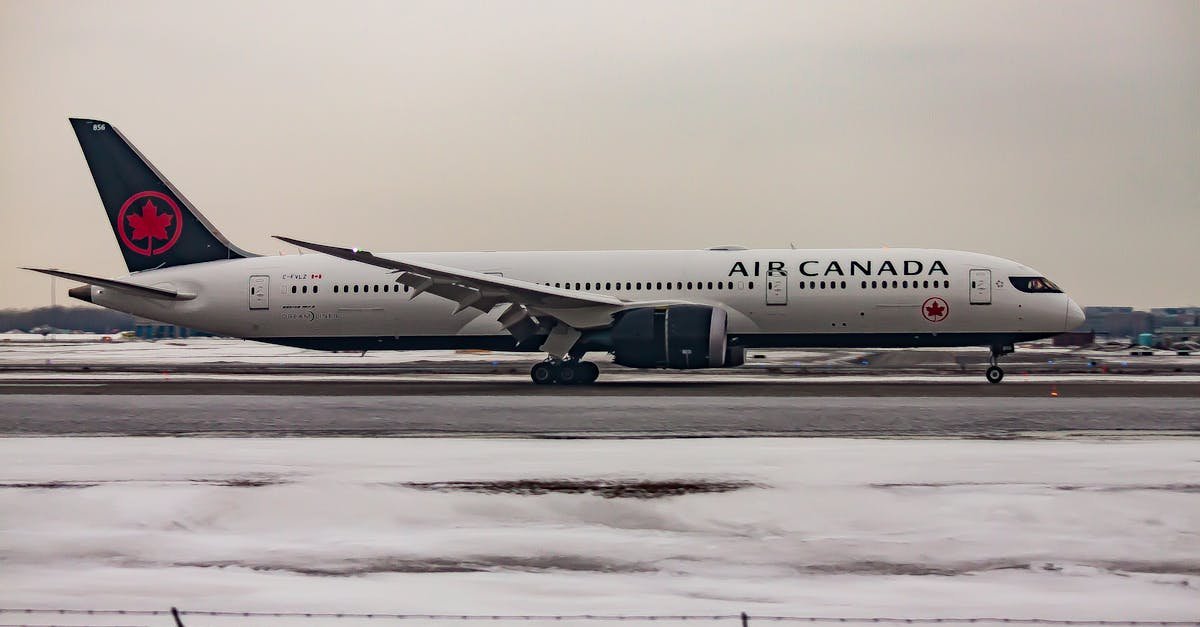
    The aircraft involved in the tragedy, registered as C-GNJZ, is a veteran of the Air Canada Express fleet. Operated by Jazz Aviation, the CRJ-900 is a workhorse for short routes between major North American cities. It had just completed a routine flight from Montreal when the disaster occurred.

    Visuals from the scene show that the cockpit area of the Air Canada plane bore the brunt of the impact. The underside of the nose was sheared away, and the landing gear appeared to be heavily damaged. This specific jet has been a reliable part of the fleet for over two decades, but the extent of the structural damage suggests it may never fly again. Investigators will be looking into whether any technical issues with the plane contributed to the pilots being unable to avoid the truck in the darkness.

    The Scope of the FAA and NTSB Probe

    The investigation into the Air Canada crash will be exhaustive. The FAA and the National Transportation Safety Board are already on the ground to begin their work. Their primary goal is to understand why a fire truck was crossing an active runway while a commercial jet was landing.

    Communication logs will be the first point of interest. Investigators will examine the specific instructions given to Truck 1 and whether the driver acknowledged the clearance to cross. They will also look at the lighting on the runway and whether the Air Canada pilots had sufficient visibility to see the obstacle in their path. The “Stop Truck 1” audio suggests a lapse in ground safety protocols that will likely result in sweeping changes to how vehicles move across the tarmac at LaGuardia.

    Emergency Response and On-Site Triage

    The response from New York City emergency services was a massive display of coordination. Within minutes of the Air Canada collision, dozens of ambulances and specialized rescue units lined the perimeter of the airport. Because the incident involved an airport fire truck, the remaining fire crews had to manage the emotional weight of rescuing their own colleagues while also ensuring the safety of the plane passengers.

    The evacuation of the Air Canada flight was described as orderly but frantic. Flight attendants worked quickly to get people off the plane as the smell of fuel and burning rubber filled the air. Many passengers left their belongings behind, focusing only on getting as far away from the damaged jet as possible. The triage center remained active through the night as medics worked to stabilize the most severely injured before they were rushed to trauma centers.

    Navigating the Travel Disruption

    For those scheduled to fly today, the situation remains fluid. Air Canada has released statements expressing their concern for those involved and is working to assist passengers who were on flight AC8646. Travelers are being told not to head to LaGuardia without a confirmed flight, as the terminal areas are overcrowded and the ground stop remains in place.

    The ripple effect of this crash is being felt across the entire East Coast. Flights as far away as Boston and Washington D.C. are seeing delays because of the blockage at LaGuardia. The removal of the Air Canada aircraft will be a delicate process that requires heavy machinery, meaning the runway could be out of commission for longer than initially expected.

    Moving Forward After the Runway Tragedy

    The collision between the Air Canada flight and the emergency vehicle is a rare and devastating event that will leave a lasting mark on aviation safety. As the community mourns the loss of the first responders and hopes for the recovery of the injured, the search for answers continues.

    Safety experts will use the data from the flight recorders and the air traffic control tapes to build a minute by minute reconstruction of the accident. This tragedy at LaGuardia serves as a stark reminder of the complexities of airport ground operations. While the investigation is just beginning, the impact of the Air Canada crash will be discussed for years to come as the industry strives to ensure such a collision never happens again.

  • Air Canada Crash At LaGuardia Airport: Investigation, Casualties, Injuries and All We Know So Far

    Air Canada Crash At LaGuardia Airport: Investigation, Casualties, Injuries and All We Know So Far

    A major emergency at LaGuardia Airport has sent shockwaves through the aviation world after an Air Canada flight collided with a fire truck on the runway. The incident occurred late Sunday night, March 22, 2026, leading to a massive response from emergency services and the immediate closure of one of the busiest travel hubs in the United States. As families wait for news and investigators begin the grueling task of pieceing together the timeline, the details emerging paint a picture of a terrifying close call that turned into a tragic reality.

    The Midnight Collision on Runway 4

    The event unfolded at approximately 11:37 PM as Air Canada flight AC8646 was finishing its journey from Montreal. The aircraft, a Bombardier CRJ-900LR operated by Jazz Aviation for Air Canada, was in the process of landing on Runway 4 when it struck a Port Authority rescue and fire fighting vehicle. Reports from flight tracking data indicate that the Air Canada plane was moving at roughly 24 miles per hour when the impact occurred.+1

    Eyewitnesses at the scene and passengers on board described a sudden, violent jolt that sent the aircraft tilting forward. Images from the aftermath show the nose of the Air Canada jet sustained significant structural damage, appearing smashed where it made contact with the heavy fire engine. The collision happened near the Delta terminal area, turning a routine Sunday night arrival into a scene of absolute chaos as sparks flew and sirens began to wail across the airfield.

    Assessing the Casualties and Injuries

    The human cost of the Air Canada accident is still being tallied, but the initial numbers are sobering. Local authorities have declared a mass casualty incident due to the number of people requiring medical attention. At the center of the tragedy are the first responders who were inside the fire truck, often referred to as Truck 1.

    There are unconfirmed reports of fatalities among the ground crew, while at least four or five firefighters are currently in critical condition at local trauma centers. On board the Air Canada flight, there were approximately 100 passengers and crew members. While many were able to evacuate the plane using emergency slides or the main cabin door, nearly 70 people have been treated for various injuries. Most of the passenger injuries are being described as minor, ranging from bruises and scrapes to the psychological shock of the impact, but several individuals were transported to hospitals for more thorough evaluations.

    Chaos at LaGuardia and Ground Stop Orders

    Immediately following the collision involving Air Canada, the Federal Aviation Administration took the drastic step of halting all operations at the airport. A full ground stop was issued, preventing any planes from taking off or landing at the Queens facility. This move was essential to allow emergency vehicles clear access to the runway and to ensure that no further accidents occurred in the confusion.

    The impact on travel has been massive. Thousands of passengers found themselves stranded as flights were diverted to Newark Liberty International or John F. Kennedy International airports. The airport authorities have suggested that the closure could remain in place until at least 2:00 PM on Monday, March 23. Travelers are being urged to stay away from the airport and check their flight status online, as the backlog of canceled and delayed trips will likely take days to resolve.

    Audio Evidence and the Investigation Process

    Investigators are now looking closely at the communication between the control tower and the vehicles on the ground. Audio recordings from air traffic control have surfaced, providing a haunting glimpse into the seconds before the Air Canada jet struck the truck. In the recordings, a controller can be heard frantically calling out to Truck 1, telling the driver to stop multiple times.

    The National Transportation Safety Board and the Federal Aviation Administration have both launched formal probes into the matter. They will be looking at why the fire truck was on an active runway while the Air Canada flight was landing. Key questions remain about whether there was a lapse in communication, a mechanical failure in the truck, or if poor visibility played a role in the disaster. The flight data recorder and cockpit voice recorder from the Air Canada aircraft will be vital in determining exactly what the pilots saw and felt as they touched down.

    Technical Details of the Aircraft Involved

    The plane at the center of this investigation is a Bombardier CRJ-900LR, registered as C-GNJZ. This specific Air Canada jet has been in service since 2005 and is a staple of regional routes between Canada and the United States. With a capacity of about 76 passengers, these planes are known for their reliability on short haul corridors like the Montreal to New York route.

    While the aircraft itself is over 20 years old, it had a consistent maintenance record within the Air Canada fleet. The damage to the nose and the landing gear area is extensive, and experts suggest it may be some time before the plane is moved from the runway. This delay adds to the difficulty of reopening the airport, as the heavy jet must be stabilized and inspected before it can be towed away for further forensic analysis.

    Emergency Response and Public Safety

    The response from New York City emergency services was swift. Within minutes of the Air Canada collision, dozens of FDNY units and ambulances arrived at the perimeter of the airport. A triage center was set up on the tarmac to assess passengers as they deplaned. The coordination between the Port Authority and local hospitals was crucial in managing the high number of injured people in a short period.

    Local officials have asked the public to avoid the roads surrounding LaGuardia to keep the paths clear for emergency personnel. The Queens community has seen a surge in traffic as travelers try to find alternative ways home or to hotels. Despite the fear and the heavy presence of police and fire officials, the evacuation of the Air Canada flight was handled in an orderly fashion, preventing further injuries that often occur during a panicked exit.

    Looking Ahead at Airport Security Protocols

    This incident will undoubtedly lead to a rigorous review of how ground vehicles and aircraft share the runway space. Runway incursions have been a top concern for aviation safety experts for years, and the collision of an Air Canada jet with a fire engine highlights the dangers that exist even when a plane is moving at relatively slow speeds on the ground.

    In the coming weeks, the industry will look for answers regarding the safety technology used at LaGuardia. Questions about ground radar systems and automated alerts for drivers will be at the forefront of the discussion. For now, the focus remains on the recovery of those injured and the support of the families affected by the crash. The Air Canada brand, which is usually associated with a strong safety culture, is now part of a complex investigation that will likely change the way airports operate across the country.

    Current Status of Air Travel and Updates

    As of Monday morning, the scene at the airport remains active with investigators and clean up crews. The Air Canada flight remains on Runway 4, surrounded by portable lights and security cordons. Airlines are working to rebook passengers, but the sheer volume of travelers affected by the LaGuardia shutdown is creating a ripple effect across the East Coast.

    People with scheduled trips involving Air Canada or any other carrier at this location should prepare for significant delays. The recovery of the two deceased officers and the treatment of the critically injured firefighters remain the priority for local leaders. More information is expected to be released during a press conference later today as the Port Authority and federal agencies provide more clarity on the tragedy.

  • China Southern A330 Loses Nose Cone in Severe Bird Strike over Shanghai

    China Southern A330 Loses Nose Cone in Severe Bird Strike over Shanghai

    The routine nature of a domestic hop from Shanghai to Shenzhen was shattered on Saturday, March 21, 2026, when a China Southern Airlines Airbus A330 encountered a mid-air nightmare. Shortly after lifting off from the tarmac at Shanghai Hongqiao International Airport, flight CZ3554 was met by a flock of birds that turned a standard climb into a high-stakes emergency.

    While bird strikes are a common occurrence in the world of aviation, the sheer scale of the damage to this particular wide-body jet was anything but ordinary. Photographs surfacing from the scene showed a sight that looked more like a Hollywood special effect than a commercial airliner: the entire nose cone, or radome, was missing.

    A Routine Departure Turns into a Crisis

    The flight began like any other at one of China’s busiest aviation hubs. The Airbus A330-300, a workhorse of the China Southern fleet, taxied to runway 18R and began its takeoff roll at approximately 12:43 p.m. local time. On board were hundreds of passengers bound for the southern tech hub of Shenzhen, settled in for what should have been a two-hour journey.

    As the aircraft climbed through 4,600 feet, the crew and passengers heard a series of loud thuds. This was the moment the aircraft collided with multiple birds. In an instant, the aerodynamic integrity of the plane was compromised. The impact was focused directly on the nose, where the composite radome bore the brunt of the kinetic energy. The force was so immense that the protective shell did not just crack; it was completely torn away from its hinges and fasteners.

    Understanding the Role of the Radome

    To those standing on the ground, seeing a plane land without its “nose” is a terrifying image. However, understanding what that part actually does helps explain why the plane remained flyable. The nose cone of an airplane is officially called a radome, a portmanteau of “radar” and “dome.”

    Unlike the rest of the fuselage, which is made of heavy-duty aluminum or high-strength carbon fiber to hold cabin pressure, the radome is made of lightweight, electromagnetically transparent materials like fiberglass or quartz composite. This allows the weather radar dish located inside to “see” through the nose to detect storms and turbulence.

    Because the radome is not a pressurized part of the aircraft, losing it does not cause a sudden drop in cabin oxygen. However, it does create a massive amount of aerodynamic drag and noise. In the case of flight CZ3554, the loss of the cone exposed the delicate radar equipment and the internal bulkhead to the 250-knot winds, making the aircraft much harder to handle and significantly louder for the pilots in the cockpit.

    The Pilot Response and Emergency Landing

    The flight crew on flight CZ3554 acted with the precision that comes from years of simulator training. As soon as the impact occurred and the aerodynamic noise increased, the pilots stopped their climb. They immediately notified air traffic control of the bird strike and their intention to return to Shanghai.

    Maintaining a stable altitude is critical in these situations because the missing nose can affect the accuracy of the Pitot tubes, the small sensors that tell the pilots how fast they are flying. If the airflow around the nose is turbulent, the speed readings can become unreliable.

    The pilots performed a holding pattern to run through their checklists and ensure the landing gear and flaps would operate correctly despite the structural damage at the front. Just 20 minutes after the initial incident, the A330 touched down safely on runway 18L at Hongqiao Airport. Ground crews were waiting as the “nose-less” jet taxied off the runway under its own power.

    Why Birds Pose Such a Threat to Modern Jets

    Modern jet engines and airframes are marvels of engineering, but they are still vulnerable to the laws of physics. When a ten-pound bird hits an airplane traveling at 250 miles per hour, the impact force is equivalent to a weight of several tons hitting a single point.

    Most bird strikes result in minor dents or blood smears, but a “multiple strike” scenario, where a plane flies through a flock, increases the risk of catastrophic failure. If birds are ingested into the engines, they can cause the fan blades to shatter, leading to a total loss of power. In this Shanghai incident, while the engines remained operational, the structural failure of the radome suggests the birds involved were likely large species, possibly migratory geese or ducks, which are common in the Yangtze River Delta region during the spring.

    The Aftermath for Passengers and the Fleet

    Once the aircraft was safely at the gate, the true extent of the damage became clear to everyone on board. Passengers deplaning at Hongqiao took photos of the exposed, circular radar dish and the jagged remains of the composite shell.

    China Southern Airlines quickly moved to minimize the disruption. They activated an emergency response plan, providing meals and assistance to the stranded travelers. A replacement aircraft, a Boeing 777-300ER, was brought in to pick up the passengers and complete the flight to Shenzhen later that afternoon.

    The damaged Airbus A330, registration B-1062, was moved to a maintenance hangar. Repairing such damage is a complex process. Beyond just bolting on a new radome, engineers must inspect the internal radar assembly, the forward pressure bulkhead, and the electrical wiring to ensure nothing was shifted or damaged by the wind blast or the initial impact.

    Looking Ahead at Aviation Safety Measures

    This incident serves as a stark reminder of the constant battle between aviation and nature. Airports like Shanghai Hongqiao use various methods to keep birds away from runways, including sonic cannons, trained hawks, and even laser systems. However, as urban areas expand and bird migration patterns shift due to changing climates, these encounters remain a persistent challenge.

    Aviation authorities in China have already begun a preliminary investigation into the incident. They will look at the flight data recordings and the biological remains found on the aircraft to identify the species of bird involved. This data is used to help airports refine their wildlife management programs and to help manufacturers like Airbus design even more resilient nose structures for the future.

    Moving Forward After the Shanghai Incident

    The safe return of flight CZ3554 is a testament to the safety systems built into modern aircraft and the professionalism of the crews who fly them. While the images of the damaged plane were startling, the fact that the incident ended without a single scratch on a passenger is the most important takeaway.