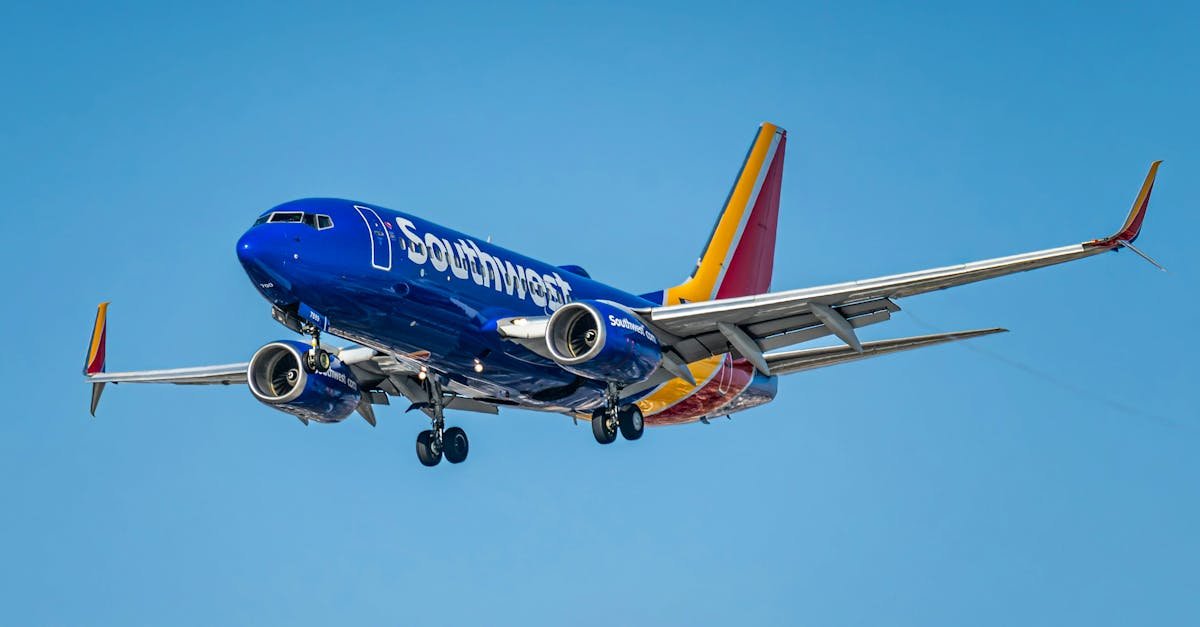
Air travel is often seen as a seamless dance of technology and human skill, but a recent event at Nashville International Airport served as a stark reminder of how quickly that harmony can break down. Two Southwest aircraft found themselves in a high-stakes situation where seconds and a few hundred feet were all that stood between a routine flight and a national tragedy. This incident, which involved a terrifying air traffic control error, has sparked a deep look into how our skies are managed and the vital role of onboard safety systems.
The Moment of Crisis in the Nashville Skies
The afternoon started like any other at one of the busiest hubs in the South. Southwest Flight 507 was on its final approach to land at Nashville, coming in from Myrtle Beach. At the same time, Southwest Flight 1152 was positioned on a parallel runway, ready to begin its journey toward Knoxville. These types of simultaneous operations are common at large airports, relying on strict separation rules to keep everyone safe.
However, the weather was not making things easy. Gusty winds were whipping across the airfield, forcing the crew of Southwest Flight 507 to make a split-second decision. Realizing the landing was not stable enough to continue safely,the pilots initiated a go-around. This is a standard safety procedure where the plane climbs back into the air to try the landing again. It should have been a non-event, but a confusing instruction from the control tower changed everything.
How a Single Instruction Created a Path for Disaster
As the Southwest landing crew began their climb, they received a specific directive from the air traffic controller. They were told to turn right and maintain a certain altitude. On paper, this might sound like a standard way to clear the landing path. In reality, this specific turn sent the Southwest jet directly into the departure corridor of the other Southwest plane that was currently taking off from the parallel runway.
Within moments, the two massive Boeing 737s were closing the gap between them at a frightening speed. Data later revealed that at their closest point, the two Southwest planes were separated by only 500 feet of altitude. In the world of commercial aviation, where 1,000 feet is the absolute minimum standard for vertical separation, 500 feet is considered a hair-breadth. The margin for error had vanished, leaving the safety of hundreds of passengers in the hands of technology and the quick reflexes of the pilots.
The Technology That Saved the Day
When human error occurs in the control tower, a secondary layer of protection is supposed to kick in. This is known as the Traffic Collision Avoidance System, or TCAS. Every Southwest jet is equipped with this sophisticated hardware,which talks to other planes in the vicinity. As the distance between the two Southwest aircraft reached a critical level,the TCAS alarms in both cockpits began to blare.
These alerts do not just warn of danger; they give specific commands. In this case, the system commanded one Southwest crew to climb aggressively while telling the other Southwest crew to descend. This is a crucial moment for pilots. Training dictates that they must follow the TCAS command immediately, even if it contradicts what the air traffic controller is telling them over the radio. The Southwest pilots did exactly that. By listening to the computer over the human controller, they were able to pull the planes apart and re-establish a safe distance.
Investigating the Root Cause of the Blunder
The Federal Aviation Administration and the National Transportation Safety Board have both launched intensive reviews into what went wrong. The focus is not just on the individual controller who gave the wrong turn instruction,but on the environment at the Nashville tower. Investigators want to know if the controller was overworked, if the weather conditions created a visual distraction, or if there was a lack of clear communication between different stations in the tower.
Southwest has also been fully engaged in this process. The airline has a vested interest in understanding why two of its own planes were put in such a precarious position. Early reports suggest that the controller may have suffered from a loss of situational awareness, essentially losing track of where the departing Southwest flight was located relative to the one performing the go-around. This type of error is rare but highlights the immense pressure placed on the people who manage our airspace.
A Pattern of Close Calls at Nashville International
While this specific event with the two Southwest planes is shocking, it is not the only time Nashville has seen a near-miss recently. Just a few weeks prior, an Alaska Airlines flight had to slam on its brakes during takeoff to avoid a Southwest jet that had been cleared to cross the runway. These recurring incidents have raised red flags for safety experts.
The aviation industry is currently facing a shortage of experienced air traffic controllers, and airports like Nashville are seeing record-breaking numbers of flights. When you combine high traffic volume with a fatigued or less experienced workforce, the safety net can begin to fray. For Southwest, which operates a massive number of daily flights out of Tennessee, ensuring that the local infrastructure can support their operations safely is a top priority.
What This Means for Future Southwest Travelers
If you have a flight booked with Southwest, you might be feeling a bit of unease after hearing about a 500-foot near-miss. However, aviation experts point out that the system actually worked. Even though a mistake was made on the ground, the multiple layers of safety—the pilot training and the onboard TCAS technology—successfully prevented a collision.
Southwest has praised the professionalism of its crews, noting that their adherence to emergency protocols was the deciding factor. Moving forward, travelers can expect to see more scrutiny on how parallel runways are managed during go-around maneuvers. The FAA often issues new safety alerts to controllers nationwide after an event like this to ensure that the same mistake isn’t repeated at another airport.
Strengthening the Safety Net for Every Flight
The investigation into the Southwest incident will likely lead to some changes in how Nashville handles its departures and arrivals. There may be new rules about how far a plane must turn during a go-around or better tools installed in the tower to alert controllers when two flight paths are projected to intersect.
The goal of the aviation industry is to learn from every mistake. By dissecting exactly how the air traffic control blunder happened, the FAA can create better training programs. For the passengers on those two Southwest flights, the experience was undoubtedly terrifying, but the lessons learned from those 500 feet of separation will likely make the skies safer for everyone else in the years to come. The resilience of the aviation system lies in its ability to admit fault,investigate thoroughly, and adapt before the next flight takes to the sky.
Leave a Reply