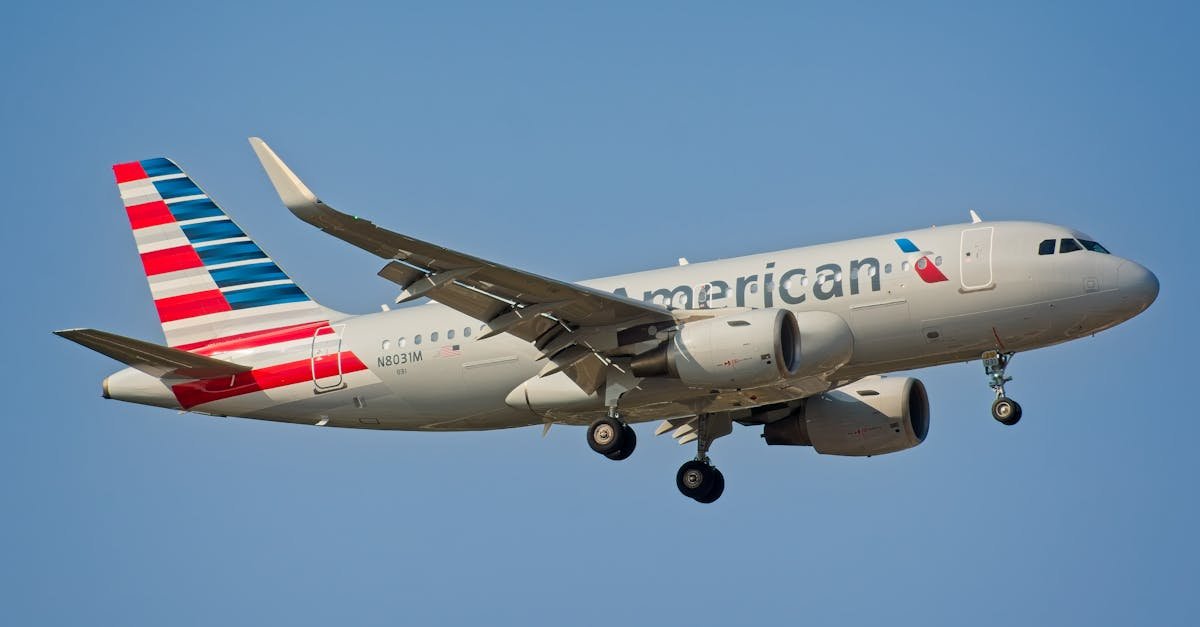
The route between the United States and London Heathrow has long been a crown jewel for American Airlines, serving as a primary artery for transatlantic business and luxury travel. However, in recent months, this prestigious corridor has shifted from a flagship success story into a primary source of friction between the company and its frontline workers.What was once a coveted assignment for flight attendants has turned into a logistical headache that is pushing labor relations to a breaking point.
At the heart of the issue is a complex mix of operational failures and a stagnant contract that many employees feel no longer reflects the reality of their work. While passengers might only see a few minor changes to their meal service, the people working in the aisles are dealing with a transformed environment that is significantly more taxing. This friction has led to formal grievances and a growing sense of unrest among the crew members who keep the planes moving.
The Catering Crisis at London Heathrow
The spark that ignited the current fire started with a sudden and mysterious breakdown in catering operations at London Heathrow. Earlier this year, American Airlines abruptly ended its relationship with a long-term catering partner at the airport. While the airline has been quiet about the specific reasons for the split, reports surfaced regarding hygiene concerns and substandard facilities.
Without a reliable partner on the ground in London, American Airlines had to pivot quickly. The solution was a practice known as double catering. This means that a plane leaving a city like New York or Dallas carries enough food,beverages, and supplies for both the flight to London and the return flight back to the United States. While this might sound like a simple logistical fix, it has created a domino effect of problems for the staff on board.
The Physical Strain of Double Catering
Aircraft are marvels of engineering, but they have very limited space. Every inch of a galley is carefully planned to hold exactly what is needed for a single journey. When American Airlines requires its crews to pack two flights worth of provisions into one, the physical workspace becomes a crowded obstacle course. Flight attendants are now tasked with managing overflowing carts and finding creative ways to store heavy equipment that would normally be offloaded upon arrival.
The workload has increased because the organization of these supplies is no longer standard. Crews must spend extra time sorting through items to ensure they do not accidentally serve food meant for the return leg. This added layer of complexity comes at a time when flight attendants are already stretched thin. The physical toll of moving heavy containers in a cramped environment for over seven hours is substantial, and many workers feel that American Airlines is asking them to perform extra labor without any additional pay.
A Struggle for Fair Compensation
The Association of Professional Flight Attendants, which represents the crew members at American Airlines, has been vocal about the need for a resolution. They argue that the current situation represents a material change in working conditions. In the world of airline labor, a change in duties usually requires a change in pay, but the company and the union have not yet seen eye to eye on this.
Union leaders have filed a formal notice of dispute, claiming that the extra effort required to manage the catering mess is a violation of the spirit of their agreement. They are calling for a temporary pay override or a bonus for anyone working the London route until the catering situation is fully resolved. For many employees, this is not just about the money; it is about respect. They feel that American Airlines is prioritizing its bottom line over the well-being of the people who represent the brand to the public.
The Impact on Passenger Service
While the crew bears the brunt of the logistical burden, the passengers are starting to notice the cracks as well. When an American Airlines flight is double catered, the menu often becomes limited. To ensure food safety over a long period,certain items like fresh seafood or complex salads are often removed from the menu and replaced with simpler, more shelf-stable options.
Flight attendants are the ones who have to explain these changes to frustrated passengers who have paid thousands of dollars for a premium experience. Managing customer expectations while navigating a disorganized galley adds a level of emotional labor that is hard to quantify. When a traveler cannot get their preferred meal, the flight attendant becomes the face of the failure, even though the decisions were made at a corporate level in Texas.
Fatigue and Scheduling Challenges
The London route is notoriously demanding because of the time zone shifts and the overnight nature of the flights.Crew members at American Airlines already battle significant fatigue when flying to Europe. The current catering crisis has exacerbated this by extending the amount of time they spend on their feet and increasing the mental load of the job.
When a crew is exhausted, the margin for error shrinks. Safety is always the top priority in aviation, and a tired crew is a safety risk. The union has raised concerns that the added stress of the London route could lead to burnout, which would further complicate the airline’s ability to staff its flights. If the London route continues to be a battleground,American Airlines may find it increasingly difficult to convince its most experienced crew members to bid for those trips.
The Role of Management and Leadership
There is a growing perception among the staff that the leadership at American Airlines is out of touch with the daily realities of the cabin. The decision to cut ties with a major caterer without a seamless transition plan is seen by many as a significant oversight. While the airline has worked to find temporary solutions, such as partnering with other carriers to share catering space, the fixes have been slow to reach the frontline.
The frustration has reached a point where some union members have expressed a lack of confidence in the current leadership. They feel that the company is more focused on competing with other major carriers than on maintaining a healthy relationship with its own workforce. For American Airlines to move past this crisis, it will need to demonstrate a willingness to listen to the concerns of its employees and take concrete steps to alleviate the pressure.
Looking Toward a Long Term Solution
The situation on the London route is a microcosm of a larger struggle within the airline industry. As carriers push for more efficiency and higher profits, the people responsible for delivering the service often feel left behind. At American Airlines, the London catering issue has become a symbol of a broader need for a new, modern contract that addresses the realities of flying in 2026.
A resolution will likely require both sides to make concessions. The airline needs to stabilize its operations at Heathrow to move away from the double catering model, and the union needs to see a clear commitment to fair pay for the extra work being performed. Until then, the tension is likely to remain high, and the London route will continue to be a focal point for labor disputes.
Navigating the Path to a Resolution
For the passengers who rely on American Airlines to get them across the Atlantic, the hope is for a swift end to the drama. A smooth flight depends on a motivated and well-supported crew. As the dispute continues, the industry will be watching closely to see how the largest airline in the world handles this internal friction.
The resolution of this conflict will set a precedent for how the airline handles future operational hiccups. If American Airlines can find a way to fairly compensate its workers and fix the logistical issues in London, it can restore the prestige of its flagship route. If not, the battle over the London corridor may be just the beginning of a much larger struggle for the future of the airline’s labor relations. At the end of the day, the success of the airline depends on the harmony between the people in the boardroom and the people in the sky.
Leave a Reply