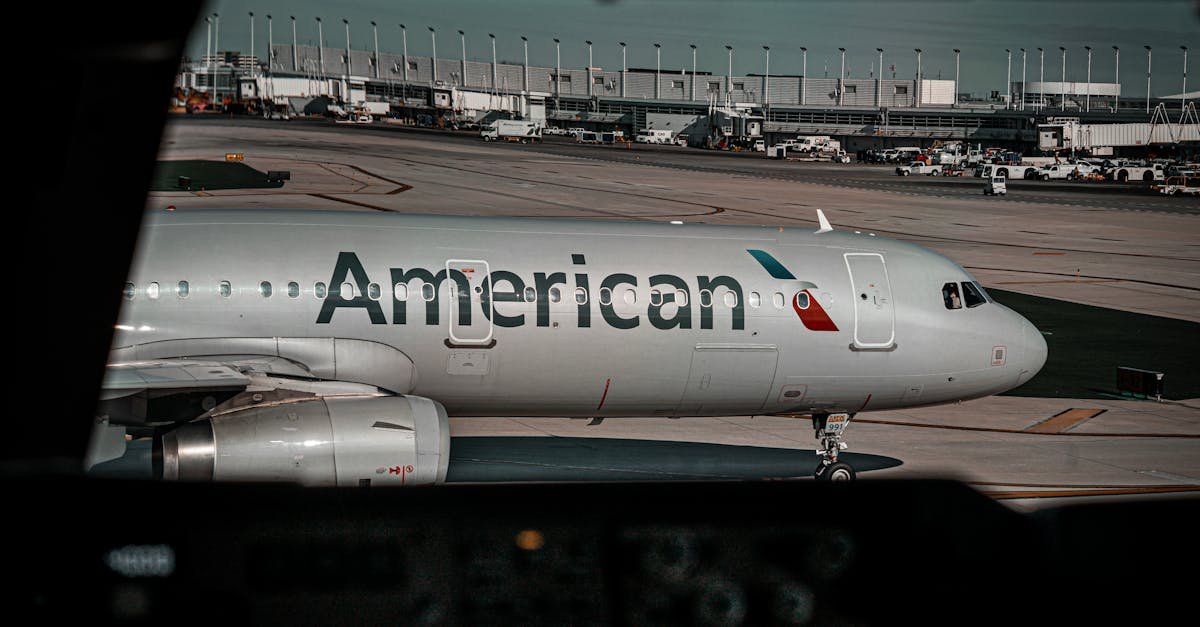
Airlines run on tight margins and heavy overhead. When one of the biggest expenses for these companies starts to drop,the market pays attention. American Airlines recently saw a welcome bump in its stock price after equity research firm TD Cowen raised its price target for the carrier. The driving force behind this optimistic update is a more favorable outlook on jet fuel costs.
Investors who have watched the airline sector struggle with volatile energy prices are finally getting some good news.The updated forecast suggests that American Airlines is in a prime position to capitalize on cheaper fuel. This change gives the company a bit more breathing room to improve profitability, pay down debt, and reward shareholders. Let us break down exactly what this price target hike means and why fuel costs play such a massive role in the financial health of American Airlines.
Unpacking the TD Cowen Price Target Increase When an investment bank like TD Cowen adjusts a price target,retail and institutional investors take notes. The firm raised its expectation for American Airlines shares, indicating a strong belief that the stock has room to run. The analysts maintained their buy rating, which tells the market that the stock is currently undervalued compared to its potential earnings.
This upgrade is not based on blind optimism. The analysts looked at the raw data surrounding crude oil prices and the specific crack spread. The crack spread is the price difference between crude oil and the refined jet fuel airlines actually purchase. As those spreads narrow and crude oil stabilizes, airlines spend less cash just to keep their planes in the sky.TD Cowen sees this creating a direct path to higher earnings per share for American Airlines in the coming quarters.
Wall Street often uses these price target hikes as a signal to buy. As soon as the report went public, American Airlines stock experienced a noticeable jump. This upward momentum reflects a collective sigh of relief from investors who were previously worried that stubborn energy prices would eat away at the profits generated by strong ticket sales.
How Jet Fuel Dictates Airline Profitability To understand why a fuel outlook can move a massive stock like American Airlines, you have to look at the basic business model of a commercial airline. Jet fuel is usually the second largest operating expense for any carrier, right behind labor costs. Even a drop of a few cents per gallon can save an airline tens of millions of dollars over the course of a fiscal year.
Unlike some of its main competitors, American Airlines does not heavily use fuel hedging strategies. Fuel hedging is a financial tool where an airline locks in a specific price for fuel months or years in advance. While hedging can protect a company if oil prices skyrocket, it can also backfire if prices plummet. Because American Airlines generally buys fuel at current market rates, the company benefits immediately when oil prices drop.
This direct exposure to market prices is a double edged sword. In times of energy crisis, the stock takes a heavy hit. But right now, with the fuel outlook improving, American Airlines gets to reap the rewards instantly. Every dollar saved at the pump falls straight to the bottom line, boosting net income and making the financial statements look much more attractive to potential buyers.
The Role of Fleet Modernization Fuel prices are only half of the equation. The other half is how efficiently an airline burns that fuel. Over the past decade, American Airlines has spent billions of dollars updating its fleet. The company retired older, gas guzzling aircraft and replaced them with newer models from Boeing and Airbus.
These next generation planes are significantly lighter and feature advanced aerodynamics. They also use modern engine technology that requires less fuel to travel the same distance. Because American Airlines operates one of the youngest fleets among the legacy carriers, it gets a better return on every gallon of jet fuel it purchases.
This efficiency amplifies the positive effects of falling fuel costs. The TD Cowen analysts factored this modern fleet into their updated price target. They know that even if fuel prices remain moderately high, American Airlines has the hardware required to keep operating costs under control. This structural advantage sets the company apart from competitors flying older planes that require more maintenance and burn more fuel.
Strong Passenger Demand and Booking Trends Cheaper fuel only helps if people are actually buying tickets.Fortunately for American Airlines, consumer demand for travel remains incredibly resilient. The post pandemic travel surge has evolved into a steady, reliable stream of passengers booking both domestic and international flights.
The TD Cowen report highlighted solid booking trends as a secondary reason for the price target hike. Vacationers are still prioritizing experiences over physical goods, leading to packed planes during peak holiday seasons. At the same time, corporate travel is making a slow but steady comeback. Business travelers are highly lucrative for airlines because they tend to book last minute tickets at higher prices and fill up the premium cabins.
American Airlines has successfully optimized its route network to capture this demand. By focusing on highly profitable hubs like Dallas Fort Worth and Charlotte, the airline maximizes the number of passengers on every flight.When you combine full planes, high ticket prices, and falling fuel costs, you get a recipe for strong financial performance.
Tackling the Debt Burden One of the main reasons American Airlines stock has historically traded at a discount compared to Delta and United is its debt load. The company took on massive amounts of debt to survive previous industry downturns and to fund its aggressive fleet renewal program. Wall Street has always kept a close eye on this balance sheet, waiting to see how management plans to pay it down.
This is where the improved fuel outlook becomes a game changer. The extra cash generated from lower fuel expenses gives management the exact tool they need to accelerate debt repayment. American Airlines has publicly committed to reducing its total debt by billions of dollars over the next few years.
Every time the company retires a chunk of debt, its interest expenses go down. This creates a positive feedback loop.Lower interest payments mean more free cash flow, which can be used to pay down even more debt or eventually be returned to shareholders through stock buybacks and dividends. TD Cowen recognized this improving financial flexibility when they issued their bullish report. As the balance sheet gets cleaner, the perceived risk of investing in the stock drops, paving the way for a higher valuation.
Navigating Future Industry Risks While the current outlook is highly positive, the airline industry is famous for its unpredictability. Investors jumping into American Airlines stock based on the TD Cowen upgrade still need to monitor potential roadblocks.
The energy market is sensitive to global events. Any sudden shifts in foreign policy, supply chain disruptions, or changes in production quotas by major oil producing nations could cause crude oil prices to spike again. Because American Airlines is directly exposed to spot prices, a rapid increase in fuel costs would squeeze margins and potentially reverse the recent stock gains.
Labor relations also play a massive role in airline profitability. Pilots, flight attendants, and mechanics have all negotiated higher pay rates across the industry in recent years. These elevated labor costs raise the baseline expense of operating the airline. American Airlines must maintain strong pricing power to cover these wages. If a broader economic slowdown causes consumers to stop buying plane tickets, the company will have a harder time absorbing those fixed labor costs, even if fuel remains cheap.
The Road Ahead for AAL Shareholders The recent upgrade from TD Cowen provides a clear roadmap for why American Airlines is catching the attention of institutional buyers. The combination of a modern fleet, strong consumer demand, and a very friendly fuel environment creates a compelling case for the stock.
Management now faces the task of executing their financial plan. If they can continue to fill premium seats, manage their capacity effectively, and use their surplus cash to aggressively pay down debt, the stock has a strong chance of reaching and surpassing the new price target.
For retail investors, the key is to watch the upcoming quarterly earnings reports. The actual numbers will show exactly how much money the airline is saving on fuel and how much of that savings is reaching the bottom line. The current market reaction shows a lot of confidence in the company. If American Airlines delivers on this potential, shareholders could see sustained growth well beyond this initial jump.
Leave a Reply