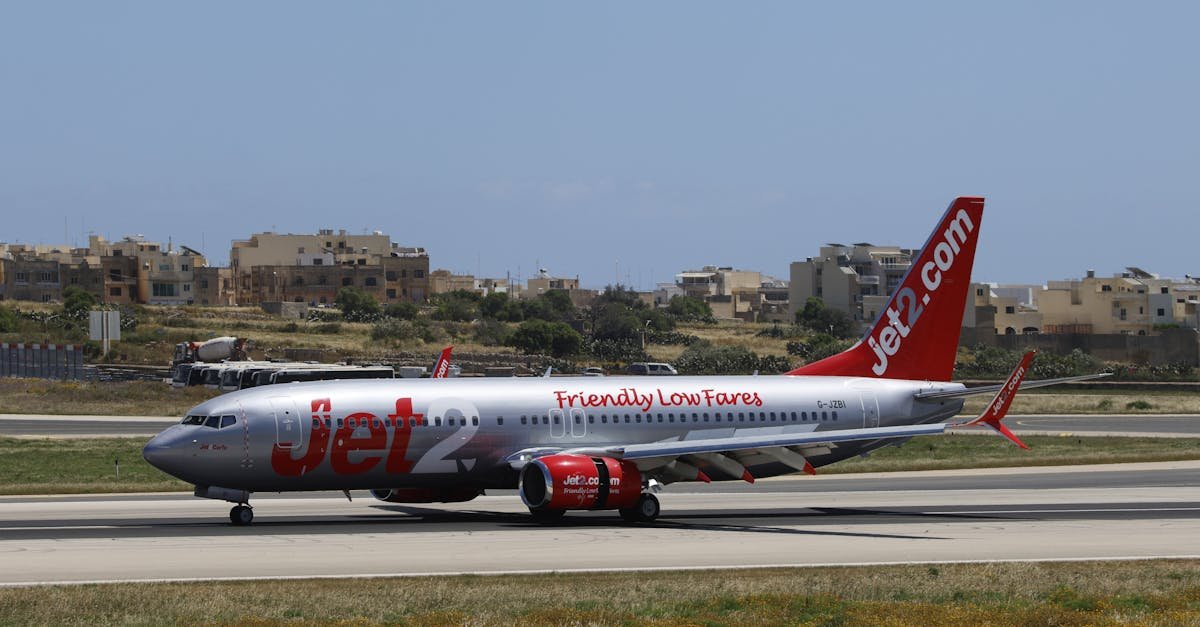
The aviation world is currently focused on a recent incident involving a Jet2 flight that departed from Bournemouth Airport. What started as a standard holiday journey for hundreds of sun seekers quickly turned into a high stakes mid air emergency. This event has sparked significant conversation regarding airline safety protocols and the rapid response of flight crews when faced with unexpected technical failures. This report provides a comprehensive look at the timeline of the Jet2 diversion, the technical signals involved, and the subsequent steps taken to ensure passenger safety.
The Departure from Bournemouth and Initial Flight Path
On a scheduled service from Bournemouth Airport, Jet2 flight LS1301 took off with its destination set for Gran Canaria in the Canary Islands. The aircraft involved was a Boeing 737 800, a workhorse of the Jet2 fleet known for its reliability on medium haul European routes. For the first portion of the flight, everything appeared normal. Passengers were settling into their seats, and the cabin crew began their standard in flight service.
The aircraft climbed to its cruising altitude and began its journey south across the Atlantic coastline. Data from flight tracking software shows that the Jet2 plane followed its planned corridor for a significant duration before an anomaly was detected by the flight deck. It was during this stable phase of the flight that the situation changed rapidly, forcing the pilots to prioritize safety over the original flight plan.
Smoke in the Cabin and the Decision to Divert
The primary cause of the emergency was the detection of smoke within the passenger cabin. In the world of aviation, smoke or fire is treated with the highest level of urgency because of how quickly conditions can deteriorate in a pressurized environment at thirty thousand feet. Passengers on board the Jet2 flight reported a noticeable odor and a light haze, which immediately signaled that something was wrong with the air conditioning or electrical systems.
The flight crew acted with remarkable speed. Upon confirming the presence of smoke, the pilots initiated a rapid descent. This is a standard safety maneuver designed to get the aircraft to a lower altitude where the air is thicker and the pressure is easier to manage. While this descent can feel jarring to those on board, it is a controlled and necessary action to protect everyone on the Jet2 aircraft.
Understanding the Squawk 7700 Emergency Signal
As the Jet2 pilots began their descent, they transmitted a Squawk 7700 code. For those unfamiliar with aviation terminology, a Squawk code is a four digit number that pilots enter into their transponder to communicate with air traffic control. While most codes are for routine identification, 7700 is the international signal for a general emergency.
By using this code, the Jet2 crew instantly notified every air traffic controller in the vicinity that they required priority handling. It effectively clears the path for the aircraft, allowing it to take the most direct route to the nearest suitable airport regardless of existing traffic patterns. In this instance, the proximity of the Portuguese coast made Faro Airport the most logical and safest choice for the Jet2 diversion.
Safe Landing at Faro Airport in Portugal
Faro Airport is a major hub in the Algarve region and is well equipped to handle emergency arrivals. As the Jet2 Boeing 737 approached the runway, ground crews and emergency services were already in position. Fire engines and medical teams lined the taxiways, a standard precautionary measure for any report involving smoke in the cabin.
The Jet2 pilots executed a safe landing, bringing the plane to a halt on the tarmac. Once the aircraft was stationary, the decision was made to disembark the passengers via the stairs rather than using emergency slides, as the immediate threat of fire had not materialized into an active blaze. This orderly evacuation ensured that no injuries were reported during the process, and the passengers were moved into the terminal building to await further instructions from Jet2 representatives.
Passenger Experiences During the Mid Air Scare
For the holidaymakers on board, the experience was understandably stressful. Many people described the smell of smoke as being similar to burning plastic or electrical insulation. The sudden change in the pitch of the engines and the steep angle of the descent added to the tension in the cabin. However, many travelers praised the Jet2 cabin crew for their calm demeanor and clear communication during the descent.
In the hours following the landing in Portugal, Jet2 provided updates to the passengers. Being stranded in a different country than your intended destination is a major disruption to any holiday, but the focus remained on the fact that the emergency was handled without any loss of life or physical harm. The airline coordinated ground staff at Faro to assist with food, water, and information while a recovery plan was put into motion.
Technical Investigation and the Role of Maintenance
Whenever a Jet2 aircraft or any commercial plane experiences smoke in the cabin, a rigorous investigation follows. Engineers at Faro Airport began inspecting the Boeing 737 800 almost immediately after it was cleared by the fire department. These investigations typically look at the auxiliary power unit, the air conditioning packs, and the wiring looms that run beneath the cabin floor.
While a specific cause for this Jet2 incident will be detailed in a formal report by aviation authorities, common culprits for such events include a faulty fan motor in the ventilation system or a minor electrical short. Jet2 maintains a strict servicing schedule for its fleet, and this investigation will help determine if the issue was an isolated component failure or something that requires a broader check across other aircraft in the fleet.
Jet2 Response and Replacement Flight Arrangements
One of the strengths of a large carrier like Jet2 is its ability to mobilize resources during an operational breakdown. To minimize the delay for the passengers heading to Gran Canaria, the airline dispatched a standby aircraft to Faro. This replacement plane allowed the travelers to continue their journey on the same day, albeit several hours behind schedule.
The company issued a statement apologizing for the disruption while emphasizing that the safety of passengers and crew is always the absolute priority. By quickly arranging a second flight, Jet2 managed to salvage the holidays of hundreds of people who might otherwise have been stuck in Portugal overnight. This logistical response is a critical part of maintaining customer trust after a frightening mechanical event.
Looking Ahead at Flight Safety and Reliability
Incidents like the Jet2 smoke emergency serve as a reminder of the complex systems required to keep modern aviation running smoothly. While a diversion is inconvenient and scary, it is actually a sign that the safety systems are working exactly as intended. The combination of vigilant crews, automated emergency signals, and well coordinated ground responses ensures that even when things go wrong, the outcome remains safe.
For travelers flying out of Bournemouth or any other regional airport, the news of this diversion might cause some anxiety. However, aviation remains the safest form of long distance travel. The fact that the Jet2 crew was able to land the plane safely in a third country without any injuries proves that the training and protocols in place are effective.
Final Summary of the Jet2 Diversion Event
The Jet2 flight from Bournemouth to Gran Canaria will be remembered by those on board as a dramatic start to their vacation. From the first scent of smoke to the emergency landing in Faro, the event lasted less than an hour but required decades of combined experience from the pilots and air traffic controllers to manage correctly. As the technical investigation continues, the focus stays on the resilience of the aviation industry and the commitment of Jet2 to passenger welfare. All passengers eventually reached their destination, turning a potential disaster into a well managed technical detour.
Leave a Reply