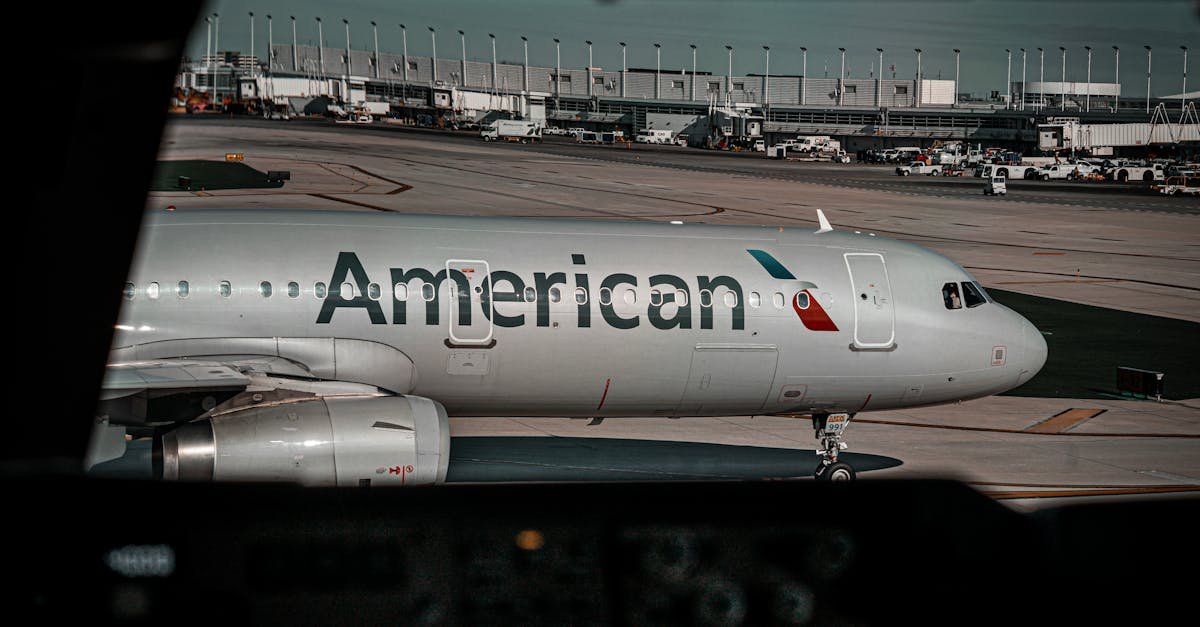
Travelers at Syracuse Hancock International Airport witnessed an unusual sight on Saturday when a massive commercial jet ended up far from its intended path. What started as a routine departure for American Airlines Flight 1235 quickly turned into a logistical headache as the aircraft slipped off the paved surface and became firmly embedded in the soft New York soil.
The incident involved a Boeing 737-800, a workhorse of the American Airlines fleet. The plane was scheduled to transport passengers from Syracuse to Charlotte Douglas International Airport in North Carolina. Instead of soaring through the clouds, the aircraft spent its afternoon sinking into the mud, leading to a full scale ground response and a significant delay for everyone on board.
The Mechanics of a Pushback Mishap
To understand how a multi ton aircraft ends up off the road, one has to look at the delicate process of ground handling. Most large jets cannot reverse on their own power using jet engines because the blast could damage airport terminals or nearby equipment. Instead, they rely on a specialized vehicle known as a tug. This tug connects to the nose gear and pushes the plane backward from the gate toward the taxiway.
During this specific pushback at Syracuse, something went wrong. Reports indicate that as the tug was maneuvering the Boeing 737-800 into position, the aircraft exited the hardened asphalt of the taxiway. Once the heavy tires of a 737 leave the reinforced concrete or asphalt designed to support their weight, they immediately encounter the soft, grassy medians of the airfield.
In Syracuse, especially during seasons where the ground may be saturated by rain or melting snow, that soil offers almost no resistance. The sheer weight of the aircraft caused the landing gear to sink several inches into the earth, effectively anchoring the plane in place. At that point, the tug no longer had the traction or the power to pull the jet back onto the pavement without risking structural damage to the nose gear.
Safety First for Passengers and Crew
The immediate priority for the ground crew and the pilots was the safety of the people inside the cabin. While the event was certainly jarring for those sitting by the windows, there were no initial reports of injuries. Modern aircraft are built to withstand significant stress, and a low speed slip into the grass is generally more of an embarrassment and a logistical hurdle than a life threatening emergency.
Flight attendants and the flight deck crew remained in constant communication with the passengers to keep them calm while airport authorities assessed the situation. Because the plane was stuck in a position where it could not simply be pulled back by the tug, the decision was made to deplane the passengers right there on the airfield.
Deplaning on the tarmac is a complex operation. It requires mobile staircases to be brought out to the aircraft so that passengers can safely exit. From there, buses were used to shuttle the travelers back to the terminal building. While the walk down the stairs onto the windy airfield was likely not the start to the trip they expected, the process was handled in an orderly fashion to ensure no one was hurt during the transition.
The Technical Challenge of Recovery
Once the passengers were safely back in the terminal, the real work for the recovery teams began. Moving a Boeing 737-800 that is mired in mud is not as simple as calling a standard tow truck. The aircraft has a maximum takeoff weight that can exceed 170,000 pounds. When that much weight is concentrated on thin tires in soft dirt, the plane acts like a giant stake driven into the ground.
Recovery teams often have to use specialized equipment such as heavy duty inflatable air bags or metal tracks. The air bags are placed under the wings or fuselage to lift the aircraft high enough so that the ground beneath the tires can be stabilized. Sometimes, crews have to dig out the mud by hand and replace it with gravel or steel plating to create a temporary road for the wheels to roll back onto the pavement.
Every move must be calculated with extreme precision. If the recovery team pulls too hard on the landing gear while it is stuck in the mud, they could snap a high pressure hydraulic line or cause a structural failure in the gear itself. This would turn a minor ground incident into a multi million dollar repair job.
Impact on Syracuse Hancock International Airport Operations
Syracuse Hancock International is a busy hub for Central New York, and having a large jet blocking a taxiway or sitting near a runway can cause a ripple effect of delays. Air traffic controllers had to manage the flow of other arriving and departing flights to ensure they stayed clear of the recovery zone.
While the airport remained open, the presence of emergency vehicles and recovery equipment meant that certain paths on the airfield were restricted. This required pilots of other aircraft to take longer routes to their gates, adding minutes to their taxi times. Fortunately, the incident occurred in a location that did not necessitate a total shutdown of the primary runways, which spared the traveling public from a total collapse of the day’s schedule.
For American Airlines, the incident meant finding a replacement aircraft for the Charlotte leg of the trip. Airlines usually try to swap in a new plane from a nearby hub or rebook passengers on later flights. However, with a busy weekend schedule, finding nearly 160 empty seats on other flights can be a massive challenge for gate agents and customer service representatives.
Investigating the Root Cause
Whenever an aircraft leaves the paved surface, the Federal Aviation Administration and the airline itself launch an investigation. They want to know if the mishap was caused by mechanical failure in the tug, a lapse in communication between the ground crew and the cockpit, or perhaps a patch of ice or oil that caused the tires to lose grip.
Investigators will look at the flight data recorders and the logs of the ground handling company. They will also interview the tug operator and the pilots. The goal is not just to assign blame but to update safety protocols to ensure that a similar slip does not happen again. Ground handling is one of the most dangerous and precise parts of aviation, and even a small mistake can lead to a very expensive result.
Looking Ahead for Flight 1235 Travelers
For the passengers of Flight 1235, the day will be remembered as the trip that never quite got off the ground. Most travelers understand that safety is the most important factor, but the frustration of a long delay is unavoidable. American Airlines typically provides vouchers for food and future travel in these scenarios to maintain goodwill with their customers.
As the Boeing 737-800 is eventually pulled from the mud, it will be taken to a hangar for a thorough inspection. Mechanics will check the tires, the brakes, and the landing gear for any signs of stress or debris ingestion. Only after a rigorous series of tests will the plane be cleared to return to the skies.
This incident serves as a reminder of the complex dance that happens on the ground at every major airport. While we focus on the marvel of flight, the simple task of moving a plane from a gate to a runway requires perfect coordination. When the ground turns soft and a wheel slips, it reminds everyone that even the most advanced machines are still at the mercy of the earth beneath them.
Final Steps for the Stranded Boeing
The recovery of the aircraft is only the beginning of the journey back to service. Once the jet is back on solid ground, the airport must also inspect the area where the incident occurred. The grass and soil will need to be repaired, and the pavement edge will be checked for any cracking or damage caused by the weight of the aircraft during the slide.
The aviation industry thrives on learning from these moments. Within weeks, the findings from the Syracuse incident will likely be shared across the industry as a case study for ground crews. Whether it was a matter of timing, equipment, or environmental factors, the data gathered will help keep the next pushback on the right path.
Leave a Reply