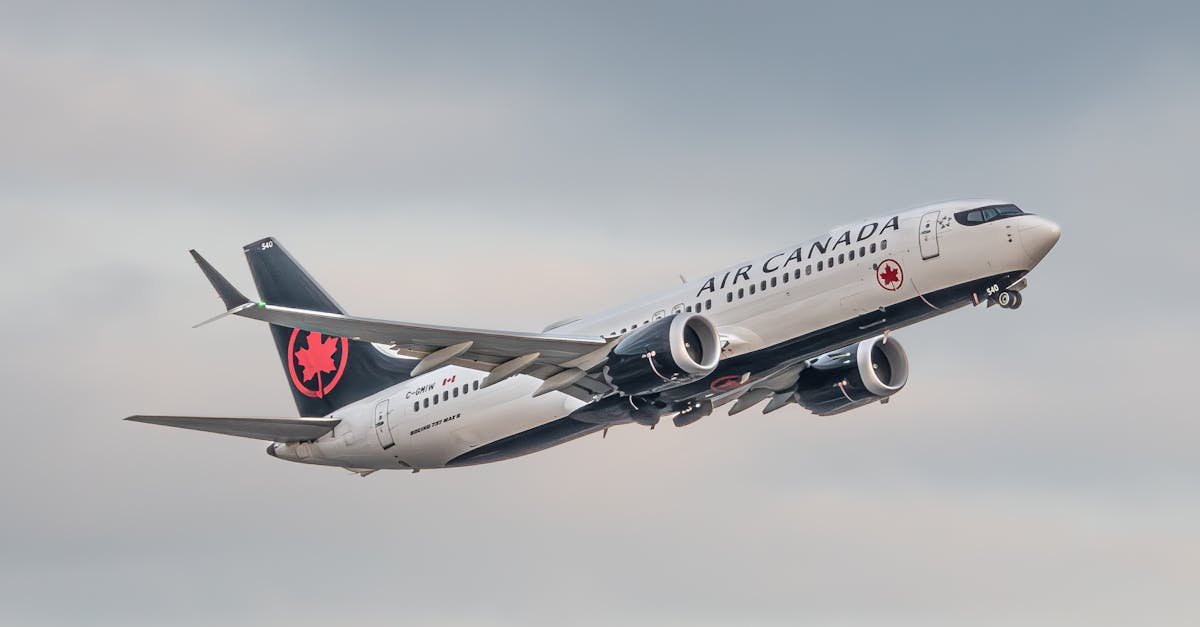
Travelers planning a trip between Canada and the Big Apple just received some frustrating news. Air Canada has officially decided to pull the plug on all flights to New York’s John F. Kennedy International Airport (JFK) for a significant chunk of the 2026 travel season. Starting June 1, the airline will pause its daily service from both Toronto and Montreal, and the suspension is expected to last until at least October 25.
If you have already booked a flight or were planning a summer getaway, you are likely wondering what this means for your wallet and your schedule. With jet fuel prices climbing rapidly, Air Canada is making tough calls to keep its operations sustainable. However, those tough calls often trickle down to the passenger in the form of cancellations and logistical headaches. Here is a deep dive into why this is happening and, more importantly, how you can navigate the changes without getting hit by extra costs.
Why Air Canada is Leaving JFK This Summer
The primary driver behind this sudden schedule shift is the skyrocketing cost of jet fuel. In recent months, the global energy market has been rocked by instability, particularly due to conflicts in the Middle East that have disrupted supply lines. For Air Canada, the math simply stopped adding up for certain routes. When the price of fuel doubles in a short period, flights that were once profitable can quickly become a financial drain.
By suspending service to JFK, Air Canada is focusing its resources on routes that can better withstand these high operating costs. JFK is one of the most expensive airports in the world to fly into, with high landing fees and intense competition for time slots. By stepping back from this specific hub during the peak summer months, Air Canada aims to protect its overall financial health while the energy market remains unpredictable.
Which Specific Routes Are Impacted
The suspension hits two major Canadian hubs directly. Specifically, Air Canada is cutting three daily flights from Toronto Pearson International Airport and one daily flight from Montreal-Trudeau International Airport that were destined for JFK.
For passengers in Toronto and Montreal, this removes a major nonstop link to one of the most popular entry points into the United States. While JFK is often the preferred choice for those heading to Long Island or eastern Queens, the loss of these four daily rotations means thousands of seats will be removed from the market right as the summer travel rush begins. Air Canada has noted that this move represents about a one percent reduction in its total capacity, but for the specific travelers on these routes, the impact feels much larger.
The Alternative Airports Still in Play
The good news is that while JFK is off the table for a few months, Air Canada is not abandoning the New York City area entirely. The airline still maintains a massive presence at New York’s other two major gateways: LaGuardia (LGA) and Newark Liberty International (EWR).+1
Currently, Air Canada operates around 34 daily flights to LaGuardia and Newark from six different Canadian cities. If your final destination is Manhattan, LaGuardia is actually closer and often more convenient than JFK anyway. If you are heading to Jersey City or downtown Manhattan, Newark remains a very viable option. Air Canada is leaning heavily on these existing schedules to absorb the passengers who would have originally flown into JFK.
How to Handle an Existing Booking
If you already have a ticket with Air Canada for a JFK flight after June 1, do not panic, but do act quickly. The airline has stated that it will be reaching out to impacted customers to offer alternative travel options. In most cases, Air Canada will attempt to rebook you on a flight to LaGuardia or Newark at no additional cost.
However, you should not wait for an automated email to land in your inbox. Log into your Air Canada account or check your flight status on their mobile app immediately. If the new flight they suggest does not work for your schedule, you have rights. Because the airline is the one initiating the change, you should be eligible for a full refund or a rebooking on a different date without paying the usual change fees.
Avoiding Rebooking Fees and Price Spikes
One of the biggest risks when an airline cancels a route is the sudden surge in prices for the remaining flights. As Air Canada passengers scramble to grab seats on the Newark and LaGuardia routes, those planes will fill up fast. When supply goes down and demand stays the same, ticket prices naturally go up.
To avoid getting stuck with a massive bill, try these strategies:
- Request a manual re-protection: Ask the agent to put you on a flight with one of Air Canada’s partners, like United Airlines, if their own flights are full.
- Check nearby Canadian hubs: If you were flying from Montreal but find those flights too expensive now, see if flying out of Ottawa or Toronto offers a better deal.
- Act within the 24-hour window: Once you receive notification of a schedule change, you usually have a window of time where you can make changes for free. Use this time to snag the best remaining flight times before others do.
Impact on Connection Flights and Partners
Many travelers use Air Canada to fly into JFK specifically to catch an international connection on a partner airline. JFK is a massive hub for global carriers heading to Europe, Africa, and Asia. If your Air Canada flight was just the first leg of a longer journey, this suspension could create a domino effect.
If you are on a single ticket, Air Canada is responsible for getting you to your final destination. They may route you through a different US hub or fly you directly from Toronto or Montreal to your international destination on one of their own planes. If you booked your flights separately, however, you are in a tougher spot. You will need to coordinate the ground transport from LaGuardia or Newark to JFK to make your connection, which can take two hours or more depending on New York traffic.
Looking Ahead to the Return of Service
The current plan is for Air Canada to resume its JFK service on October 25, 2026. This timeline suggests that the airline expects fuel prices or market conditions to stabilize by the fall. It also allows them to bypass the most expensive and busiest part of the year for New York travel.
Until then, travelers will need to be flexible. The aviation industry is currently in a state of flux, and this move by Air Canada might be a sign of more schedule adjustments to come from other carriers as well. Keeping a close eye on your flight status and understanding your passenger rights is the best way to ensure your summer travel plans stay on track.
Staying Flexible in a Shifting Travel Market
The most important thing to remember is that airline schedules are never set in stone. While it is frustrating to deal with a canceled route, being proactive can save you hundreds of dollars. Air Canada is trying to balance the books in a difficult economy, but as a consumer, your priority is getting where you need to go safely and affordably.
Check your email regularly, keep your confirmation numbers handy, and remember that Newark and LaGuardia are still very much open for business. By staying informed about the latest moves from Air Canada, you can navigate the summer travel season with much less stress. If you stay ahead of the crowd, you can secure your spot in New York without the headache of last minute fees or missed connections.
Leave a Reply