Author: Adityan Pillai

  • Qatar Airways Atlanta Incident: A350 Go-Around and Near Tail Strike Explained

    Qatar Airways Atlanta Incident: A350 Go-Around and Near Tail Strike Explained

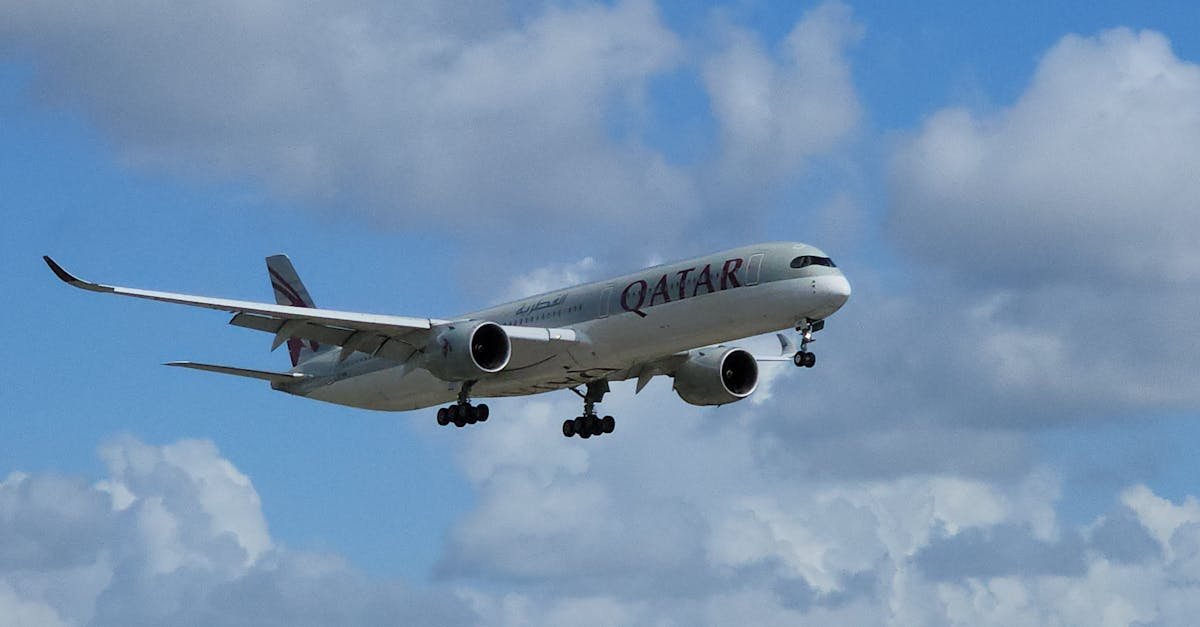
    Aviation is a field where safety protocols often look more dramatic to the public than they do to the professionals in the cockpit. On December 14, 2025, a specific event involving a Qatar Airways flight at Hartsfield-Jackson Atlanta International Airport became a major talking point across social media and news outlets. A high-quality video captured by an aviation enthusiast showed a massive Airbus A350-1000 battling powerful winds while attempting to touch down. For those watching from the ground, the sight of the aircraft tilting sharply and then suddenly climbing back into the clouds was startling. However, this moment was actually a textbook example of pilots choosing safety over a risky landing.

    The Dynamics of Flight QR755

    The flight in question, QR755, is a long-haul journey connecting Doha to Atlanta. After spending nearly sixteen hours in the air, the crew was faced with one of the most challenging environments for any pilot: strong, unpredictable crosswinds. Atlanta is a massive hub with complex wind patterns that can shift rapidly as aircraft descend toward the runway. As the Qatar Airways jet approached the tarmac, the wind began to push the airframe off its intended path.

    In aviation, the goal is always a stabilized approach. This means the plane must be at the correct speed, at the right altitude, and aligned perfectly with the runway centerline. If any of these factors vary too much, the pilots are trained to stop the landing immediately. For the Qatar Airways crew, the stability of the aircraft was compromised by the gusting winds. Rather than trying to force the plane onto the ground, they followed their training and initiated a go-around.

    Deciphering the Near Tail Strike

    The most talked about part of the viral video was how close the rear of the aircraft came to the pavement. This is known in the industry as a tail strike risk. During a go-around, the pilot must pull the nose of the plane up to begin a climb while simultaneously increasing engine power. Because the Airbus A350-1000 is an exceptionally long aircraft, its tail is much closer to the ground when the nose is raised at a high angle.

    When the Qatar Airways pilots hit the throttles and pitched the nose up to climb away from the Atlanta runway, the aircraft was already quite low. The combination of the necessary climb angle and the buffeting from the crosswinds created a visual that looked like the tail was only inches from scraping the concrete. While it was a tight margin, the airframe did not make contact. The pilots successfully transitioned the heavy jet from a landing configuration into a full climb, ensuring that the metal stayed off the ground.

    Why Go-Arounds Are Not Emergencies

    It is common for passengers or observers to feel a sense of panic when a plane suddenly pulls up and climbs away at the last second. In reality, a go-around is a routine safety maneuver. It is an everyday tool used by airlines like Qatar Airways to manage risk. Every pilot practices this move hundreds of times in simulators so that it becomes second nature during a real flight.

    A go-around can be triggered by many things. Sometimes another plane hasn’t cleared the runway in time. Other times, like in this Atlanta incident, the weather simply makes a safe touchdown impossible on the first try. By choosing to go around, the Qatar Airways pilots were actually preventing a potential accident. If they had tried to land while the wind was throwing the plane off balance, they could have suffered a hard landing or even a runway excursion.

    READ MORE: Tragedy at 30,000 Feet: Passenger Dies on Qantas Flight from New York to Auckland

    The Role of the Airbus A350 Technology

    The Airbus A350 is one of the most advanced commercial jets currently flying. It is built with sophisticated flight control systems that help pilots manage difficult weather. These systems provide real-time data about wind speed and direction, allowing the crew to make split-second decisions. When the Qatar Airways crew decided to abort the landing, the aircraft systems assisted by providing the necessary thrust and wing flap adjustments to ensure a clean exit from the approach.

    Even with all this technology, the human element remains vital. The pilots must remain calm and execute the maneuver precisely. On that day in Atlanta, the crew demonstrated high levels of professional skill. They maintained control of the aircraft throughout the high-pitch maneuver and followed the standard missed approach procedures to join the traffic pattern for another attempt.

    Weather Challenges at Hartsfield-Jackson

    Atlanta is the busiest airport in the world, and its layout is designed to handle a massive volume of traffic. However, weather remains the one factor that no airport can fully control. On the date of the Qatar Airways incident, the region was experiencing a weather system that brought gusty conditions. Crosswinds are particularly tricky because they hit the side of the aircraft, trying to push it like a sail.

    Pilots use a technique called a crab to land in these conditions, where the nose points into the wind while the plane travels straight down the runway path. If a gust is too strong or if the wind shifts right at the moment of touchdown, the risk increases. The Qatar Airways flight encountered exactly this kind of volatility. The decision to go around was a proactive way to wait for a more stable window of wind.

    Safety as a Constant Priority

    Following the event, Qatar Airways released statements emphasizing that the safety of their passengers and crew is always the top priority. The airline viewed the maneuver as a standard response to the conditions at hand. This perspective is shared by aviation regulators and safety experts worldwide. While the video was dramatic and quickly went viral, the actual outcome was exactly what is supposed to happen in a modern aviation safety system.

    The aircraft eventually landed safely in Atlanta after the go-around, with no injuries or damage reported. This highlights the effectiveness of the training programs that Qatar Airways uses for its flight crews. Every time a pilot chooses to go around instead of risking an unstable landing, it is a win for flight safety.

    Lessons from the Flight Deck

    The Atlanta incident serves as a great reminder of the hidden work that goes into every flight. While passengers in the cabin might have felt a sudden jolt and the roar of the engines as the plane climbed, the pilots were simply following a well-defined script. For Qatar Airways, maintaining a reputation for safety means empowering their pilots to make these tough calls without hesitation.

    In the world of social media, a video can make a routine safety procedure look like a near disaster. However, the reality is much more boring and professional. The pilots saw a situation that didn’t meet their strict safety criteria, they hit the go-around buttons, and they flew the plane back into the sky. It was a successful day of flying that proved the systems meant to protect travelers are working exactly as intended.

    Managing Public Perception of Aviation Events

    As more people carry high-quality cameras and track flights in real-time, we are seeing more of these incidents being shared online. It is important for the public to understand that what looks scary from the ground is often the safest possible action being taken by the crew. The Qatar Airways flight in Atlanta didn’t crash because the pilots were skilled enough to know when to stop trying to land.

    Understanding the mechanics of a go-around and the geometry of a large plane like the A350 helps demystify these events. Instead of seeing a narrow escape, we should see a high-functioning team of professionals doing their jobs at the highest level. The next time you are on a flight and the pilot decides to climb away at the last minute, you can take comfort in knowing that you are in the hands of someone who values your safety more than the flight schedule.

  • Airbus A350 Door Ripped After Plane Rolls Backwards: China Airlines Incident at Melbourne Airport

    Airbus A350 Door Ripped After Plane Rolls Backwards: China Airlines Incident at Melbourne Airport

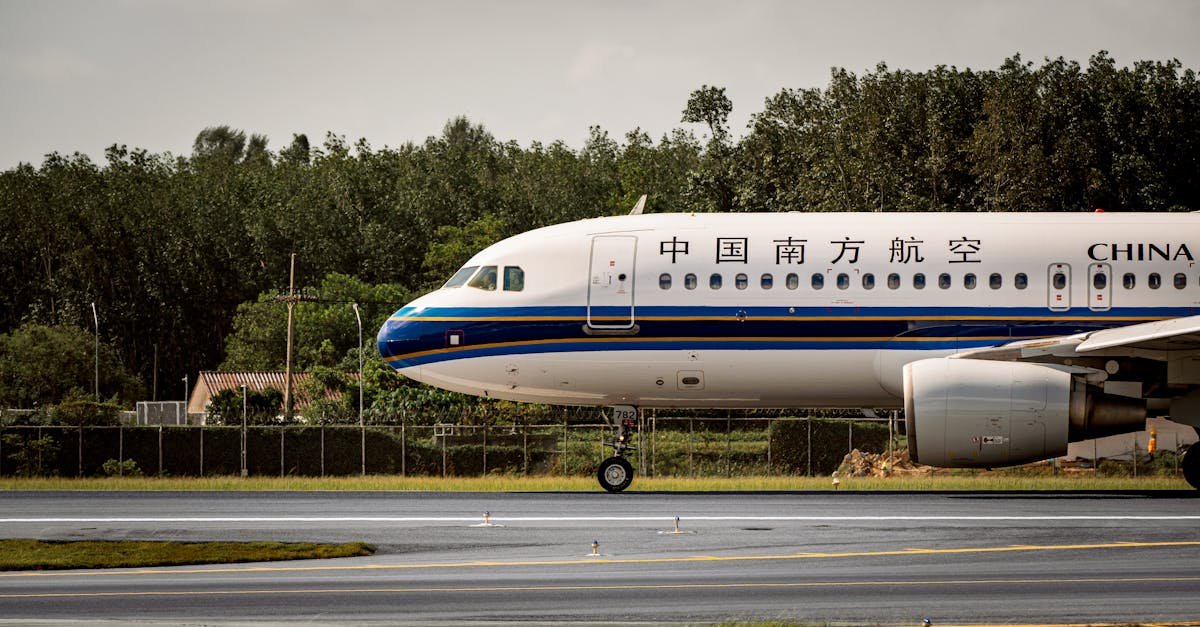
    A significant ground incident at Melbourne Airport has left a China Airlines Airbus A350 with substantial structural damage. The event occurred on April 14, 2026, when the advanced long haul jet unexpectedly rolled away from its gate. During this movement, the passenger door made violent contact with the terminal boarding bridge, resulting in a scene that quickly captured the attention of the aviation world.

    The aircraft involved in the mishap is an Airbus A350-941, one of the most sophisticated commercial planes currently in service. It was scheduled to operate as Flight CI58, a direct service from Melbourne to Taipei. However, the flight never made it to the runway. Instead, ground crews and airport officials spent the afternoon assessing a jagged tear in the side of the fuselage where the boarding bridge had essentially acted as a giant metal lever against the aircraft frame.

    The Sequence of Events at the Gate

    According to early reports from ground personnel and airport authorities, the Airbus A350 was positioned at the gate and connected to the aerobridge for standard pre departure operations. For reasons that are still being investigated, the aircraft began to move backward while the bridge was still firmly attached to the L1 door.

    In many ground incidents, a few inches of movement can be manageable, but in this case, the Airbus A350 shifted enough to put immense pressure on the hinges and the surrounding skin of the plane. Because the boarding bridge is a massive, semi rigid structure, it did not give way. Instead, the door of the Airbus A350 bore the brunt of the force. Images from the scene show the door bent outward, with the metal around the door frame visibly buckled.

    Fortunately, no passengers were on board the Airbus A350 when the rolling occurred. The ground crew members working in the immediate vicinity were also unharmed, which is the most important takeaway from a safety perspective. However, the mechanical state of the Airbus A350 is a different story entirely.

    Technical Impact on the Airbus A350 Frame

    The Airbus A350 is built primarily from carbon fiber reinforced plastic and other advanced composite materials. While these materials make the Airbus A350 incredibly fuel efficient and strong during flight, they require specialized repair techniques when structural damage occurs. A simple dent on an older aluminum plane might be a straightforward fix, but a rip in the composite fuselage of an Airbus A350 requires deep ultrasonic inspections to ensure there is no delamination of the material.

    The damage to this specific Airbus A350 appears to involve the door hinges, the pressure seal area, and potentially the internal frame of the fuselage. If the frame itself is warped, the repair process could involve fly in teams from the manufacturer to restore the aircraft to its original airworthiness standards. For an airline like China Airlines, having a flagship Airbus A350 out of service for an extended period represents a significant loss of passenger capacity and revenue.

    Immediate Disruptions for China Airlines Passengers

    Flight CI58 is a critical link for travelers moving between Australia and Taiwan. When the Airbus A350 was declared grounded, China Airlines had to officially cancel the service. This left hundreds of travelers stranded at Melbourne Airport while the airline worked to find alternative flights or provide hotel accommodations.

    Because the Airbus A350 is such a large capacity aircraft, rebooking an entire planeload of people on short notice is a logistical puzzle. Some passengers were moved to later flights, while others had to wait for a replacement aircraft to be ferried in from another hub. The cancellation highlights how a single ground error can ripple through an airline schedule, causing delays that last for days across an entire network.

    Investigating the Root Cause of the Movement

    The aviation industry is built on a foundation of rigorous investigation, and this Melbourne incident will be no different. Investigators will look into several factors to determine why the Airbus A350 moved. One primary focus will be on the parking brake settings. On a modern jet like the Airbus A350, there are multiple failsafes, but human error or a rare mechanical glitch can still lead to unintended movement.

    Another area of interest is the use of chocks. These are the heavy blocks placed against the wheels to prevent a plane from rolling. If the chocks were removed prematurely or not placed correctly, the slight incline of a tarmac can be enough to start a heavy Airbus A350 moving. Ground handling procedures at Melbourne Airport will be scrutinized to see if all safety protocols were followed during the turnaround of the Airbus A350.

    READ MORE: Air Canada Confirms Airbus A350-1000 Order to Modernize Long-Haul Fleet Starting 2030

    Historical Context of Ground Incidents in Melbourne

    This is not the first time Melbourne Airport has seen drama on the tarmac. In recent years, there have been several instances of ground vehicles or equipment coming into contact with aircraft. Just last year, a towing incident damaged a domestic jet, and there have been previous reports of close calls during runway construction.

    However, an incident involving a high profile international jet like the Airbus A350 tends to draw more scrutiny. The sheer size of the Airbus A350 and the cost associated with its repairs make this a high stakes event for both the airport and the airline. It serves as a reminder that even when a plane is stationary and on the ground, the environment remains high risk.

    The Path to Repair and Return to Service

    So, what happens next for this damaged Airbus A350? The aircraft will likely be moved to a maintenance hangar at Melbourne Airport, away from the active gates. There, engineers will strip back the interior lining near the door to look at the “bones” of the plane.

    The Airbus A350 will stay on the ground until every inch of the affected area is certified safe. This is not a process that can be rushed. Because the door is part of the pressurized hull, it must be able to withstand the massive pressure changes that occur at 35,000 feet. Any weakness in the door of an Airbus A350 could lead to a catastrophic failure in flight, so the standards for the repair are incredibly high.

    Current Status of Flight CI58 Operations

    China Airlines has expressed regret for the inconvenience caused to its customers. The airline is known for its modern fleet, and the Airbus A350 is the pride of its long distance operations. For now, the airline will likely use other aircraft in its fleet to cover the Melbourne route while the damaged Airbus A350 undergoes its long recovery process.

    Travelers scheduled to fly with China Airlines from Melbourne in the coming days are encouraged to check their flight status regularly. While the airline tries to minimize the impact, the loss of one Airbus A350 from the rotation can lead to minor timing changes for other flights in the region.

    Final Thoughts on Tarmac Safety Procedures

    This incident serves as a wake up call for ground handling teams worldwide. The sight of a torn door on a nearly new Airbus A350 is a visual testament to the power and weight of these machines. It only takes a second of inattention for a routine gate stay to turn into a multimillion dollar repair job.

    As the investigation continues, the aviation community will be watching for the final report. The goal will be to learn exactly what went wrong in Melbourne to ensure that no other Airbus A350 suffers a similar fate at a terminal gate. Safety on the ground is just as vital as safety in the air, and this event proves that even a plane that isn’t flying can still find itself in the middle of a major emergency.

  • Tragedy at 30,000 Feet: Passenger Dies on Qantas Flight from New York to Auckland

    Tragedy at 30,000 Feet: Passenger Dies on Qantas Flight from New York to Auckland

    The long journey from the bustling streets of New York to the scenic landscapes of Auckland is one of the most demanding air routes in the world. For those aboard Qantas flight QF4, a routine trip across the Pacific Ocean turned into a somber experience this week. News confirmed that a passenger passed away while the aircraft was making its way toward New Zealand. This incident has sparked conversations about the realities of medical emergencies during ultra long haul travel and the protocols that airlines like Qantas follow when the unthinkable happens in the sky.

    Traveling for seventeen hours in a pressurized cabin is a feat for both the machine and the human body. While millions of people make these trips safely every year, the isolated nature of being thousands of miles from the nearest hospital adds a layer of complexity to any health crisis. When a medical situation arises on a Qantas flight, the crew members are the first line of defense, trained to handle everything from minor ailments to life threatening events. In this specific case, the staff and fellow travelers did everything they could to assist.

    The Details of the Incident on Qantas Flight QF4

    The flight departed from John F. Kennedy International Airport in New York, heading for its scheduled arrival at Auckland Airport. According to reports from the airline and local authorities, a female passenger became unresponsive during the journey. The Qantas crew reacted quickly, initiating emergency protocols designed for mid air medical crises. On many international flights, cabin crew will ask if there are any medical professionals on board. In this instance, doctors who were traveling as passengers stepped forward to help the woman.

    Despite the collective efforts of the Qantas team and the volunteer medical professionals, the passenger could not be revived. The atmosphere on a plane during such an event is often heavy and quiet, as other passengers realize the gravity of the situation. Because the aircraft was already over the vast expanse of the ocean, the flight continued to its destination in Auckland. Upon landing, the plane was met by emergency services and police, which is the standard procedure for any death that occurs in transit.

    How Qantas Responds to In Flight Medical Emergencies

    Safety is the primary focus for any major carrier, and Qantas has a reputation for rigorous training programs. Every cabin crew member undergoes first aid training that includes the use of automated external defibrillators and the administration of basic life support. On a Qantas aircraft, there are also medical kits equipped with professional grade supplies that can be used by doctors if they are available to assist.

    Beyond the physical tools on the plane, Qantas has access to ground based medical advisory services. These are specialized centers staffed by doctors who can talk the crew through a diagnosis and treatment plan over the radio or satellite phone. They help the captain decide if an emergency diversion to a nearby airport is necessary or if the best course of action is to continue to the destination. In the case of flight QF4, the distance from suitable landing strips often means that continuing the planned route is the only viable option.

    The Reality of Ultra Long Haul Travel

    The New York to Auckland route is part of a new era of aviation often called Project Sunrise by Qantas. These flights push the limits of how far we can travel without stopping. While the convenience of a direct flight is undeniable, the physical toll on the body can be significant. Issues like deep vein thrombosis, dehydration, and the exacerbation of pre existing heart conditions are risks that travelers must consider.

    Being in a seated position for nearly an entire day affects blood circulation. The low humidity levels inside a Qantas cabin can lead to faster dehydration, which in turn can make the blood thicker and more prone to clotting. For passengers with underlying health issues, the stress of travel and the change in cabin pressure can sometimes trigger a silent crisis. This is why airlines and health experts suggest moving around the cabin, staying hydrated, and wearing compression socks on flights that exceed ten hours.

    Investigation and Support Following the Tragedy

    Whenever a death occurs on a Qantas flight, a formal investigation follows. This is not necessarily an indication of foul play but a legal requirement to determine the cause of death for the coroner. The New Zealand Police confirmed that they are conducting inquiries on behalf of the coroner to understand exactly what happened during those final hours in the air. This process provides closure for the family and ensures that all safety and medical protocols were followed correctly.

    The impact of such an event extends beyond the family of the deceased. The Qantas crew members who worked tirelessly to save a life often face emotional distress following these incidents. Airlines typically offer counseling and support services to their employees who have dealt with a death on board. Similarly, passengers who witnessed the medical emergency may find the experience unsettling. Qantas expressed their deep sympathies to the family and friends of the woman, acknowledging the pain of losing a loved one in such a public yet isolated setting.

    Navigating the Legal and Ethical Protocols

    When a person passes away in international airspace on a Qantas jet, the legalities can be quite complex. The jurisdiction usually depends on the country where the aircraft is registered or the country where the plane next lands. In this case, since the landing was in Auckland, the New Zealand authorities took the lead. The airline must manage the situation with the utmost dignity, often moving the deceased to a more private area of the plane if space permits, or ensuring they are covered and secured for the remainder of the flight.

    It is a difficult task for the Qantas staff to balance the needs of the grieving family with the comfort and safety of the other hundreds of people on board. They are trained to handle these moments with discretion. The goal is to maintain a sense of calm while ensuring that the proper authorities are notified and ready to take over as soon as the wheels touch the ground.

    READ MORE: Jet2 Engineer Plunges from Aircraft Door in Horrific Manchester Airport Accident: Complete Report

    Preparing for Long Journeys in the Future

    The tragedy on flight QF4 serves as a somber reminder of the importance of health awareness when flying. Before embarking on a seventeen hour journey with Qantas, passengers are encouraged to consult with their doctors, especially if they have a history of respiratory or cardiovascular issues. Simple steps can make a difference. Avoiding excessive alcohol, which contributes to dehydration, and performing small leg exercises in your seat can help maintain healthy circulation.

    As the world continues to shrink through faster and longer flights, the aviation industry continues to refine its medical responses. Qantas remains at the forefront of this evolution, constantly updating their on board medical tech and crew training. While no amount of preparation can prevent every tragedy, the response on flight QF4 shows that there is a dedicated system in place to provide care, even when you are thousands of miles from the ground.

    Looking Toward Passenger Safety and Care

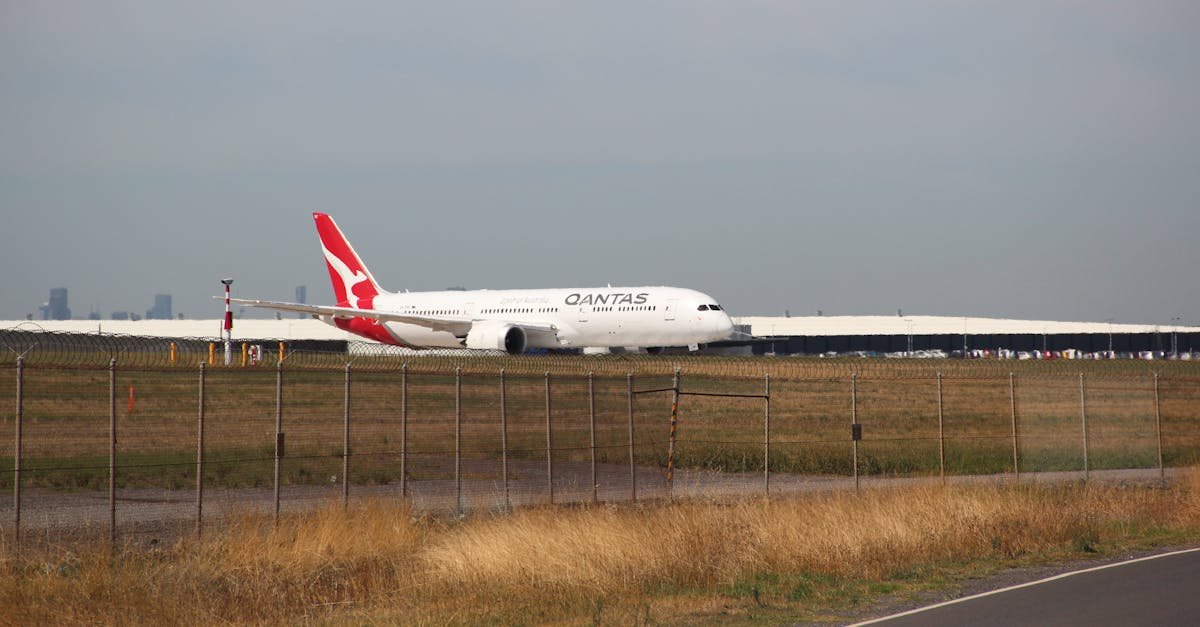
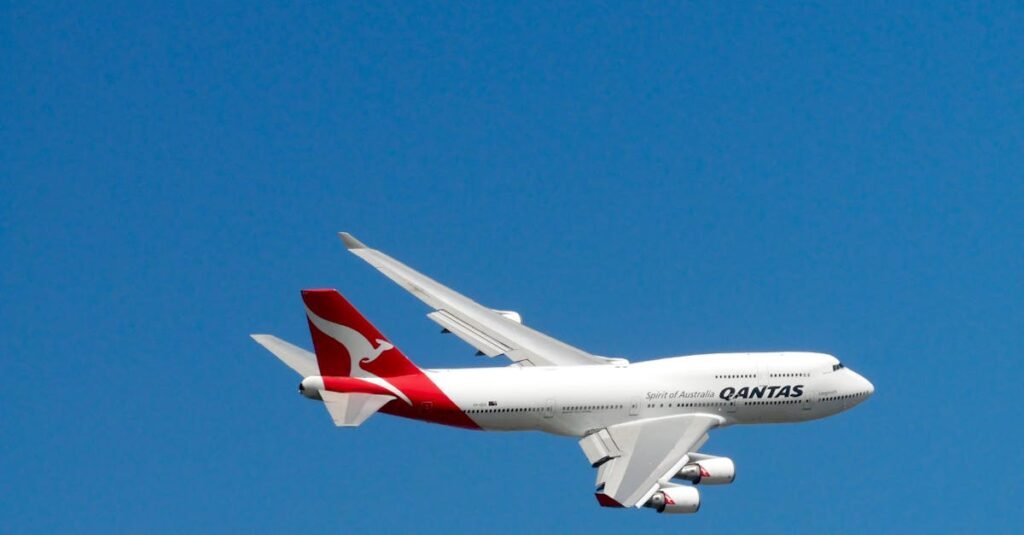
    Qantas Boeing 747 captured mid-flight against a clear blue sky, symbolizing aviation and travel.

    The loss of a life at high altitude is a rare but deeply felt event. As the investigation into the woman’s death continues, the focus remains on the family she left behind and the efforts of those who tried to save her. Qantas continues to operate its long distance routes with a commitment to getting people where they need to go safely, though this week, that mission was marked by a quiet moment of grief.

    The aviation community will likely look at this incident to see if there are any lessons to be learned regarding medical screening or in flight support. For now, the story of flight QF4 is one of human effort in the face of an unstoppable emergency. It highlights the thin line between the routine nature of modern travel and the unpredictable nature of human health. Travelers are reminded to listen to their bodies and for airlines to remain as vigilant as ever in their care for the people who trust them with their journeys.

  • American Airlines Heathrow Catering Crisis: Flight Attendants Demand Bonus Pay Amid Service Disruptions

    American Airlines Heathrow Catering Crisis: Flight Attendants Demand Bonus Pay Amid Service Disruptions

    The skies over the Atlantic have become a bit more turbulent lately for those working at American Airlines. While passengers usually worry about legroom or flight delays, a new kind of trouble has brewed at London Heathrow Airport. What started as a breakdown in the kitchen has turned into a major labor dispute between American Airlines and the people who keep the cabins running. Flight attendants are now standing their ground, asking for extra pay to handle a mess they did not create.

    A Kitchen Crisis at the Heart of Heathrow

    The trouble began when American Airlines had to suddenly stop working with its usual food supplier at London Heathrow. This was not a small change. Reports surfaced about serious cleanliness issues in the kitchens where the meals were made. Some images even leaked online showing things that definitely should not be in a bread basket.Because of these safety concerns, American Airlines had to scramble for a backup plan.

    Since they could not trust the local food supply in London, the airline started a practice called double catering. This means when a plane leaves the United States, it carries enough food for the trip to London and the trip back. It sounds like a smart fix on paper, but in reality, it created a massive headache for everyone on board.

    The Heavy Burden of Double Catering

    Planes are built with very specific storage spaces. When American Airlines decided to pack twice the amount of food, it meant the galleys became incredibly crowded. Imagine trying to organize a kitchen that is already small, and then someone tells you to fit two days’ worth of meals in there at once. This is exactly what the crews at American Airlines have been dealing with.

    Flight attendants now have to move heavy carts around more than usual. They have to play a high-stakes game of Tetris just to find the right meal for the right person. Because the food is sitting for so long, some items have to be swapped out for things that stay fresh longer. This means the high-end service American Airlines usually promises, like ice cream sundaes or fancy seafood, has often disappeared from the menu.

    Dealing with Frustrated Travelers

    It is no secret that a hungry passenger is often an unhappy passenger. When travelers pay thousands of dollars for a premium seat on American Airlines, they expect a certain level of luxury. When they are told their meal options are limited or that the special dish they ordered is not available, they usually take their frustration out on the first person they see. That person is almost always a flight attendant.

    The staff at American Airlines are reporting a much more difficult work environment. They are spending more time apologizing and trying to fix problems that they have no control over. The union representing these workers says the workload has become unpredictable and physically exhausting. They argue that the mental toll of dealing with angry flyers for hours on end deserves more than just a standard paycheck.

    The Call for Crisis Compensation

    The Association of Professional Flight Attendants has officially stepped in to demand better treatment for the crews flying these routes. They filed a formal grievance against American Airlines, stating that the current working conditions are not what the staff signed up for. The union believes that if American Airlines asks its workers to do more under tougher circumstances, it should be willing to pay up.

    The demand is simple. They want a bonus or extra pay for every flight that is affected by this catering mess. They feel that the added stress and the physical labor of managing double-provisioned flights should be recognized as extra work.So far, American Airlines has acknowledged the struggle but has not yet agreed to the extra money.

    A Helping Hand from British Airways

    While the dispute over pay continues, American Airlines has found a little bit of help from its partner, British Airways.Since British Airways uses a different, high-quality catering company called Do and Co, they agreed to share some of that food with American Airlines. This has helped bring better meals back to the business class cabins on some flights.

    However, this is only a partial fix. While the folks in the front of the plane might be eating better, the passengers in the back are still seeing a lot of service changes. The second meal service and the snacks in economy are still not back to normal. This means the crew at American Airlines still has to manage a split service where half the plane is happy and the other half is still missing their favorite snacks.

    READ MORE: Could United and American Airlines Merge? What It Means for U.S. Air Travel

    The Bigger Picture for American Airlines

    This catering disaster is happening at a time when American Airlines is already facing pressure from its workforce.Earlier this year, the union even took a vote of no confidence in the leadership of the airline. There is a feeling among the staff that the company is falling behind its rivals and that the front-line workers are the ones paying the price.

    London Heathrow is one of the most important hubs for American Airlines. With up to 19 flights a day going back and forth, any problem there is a massive problem for the whole network. If the airline cannot find a permanent solution to the food issue and a way to satisfy its workers, the damage to its reputation could last a long time.

    Looking Toward a Better Flight Experience

    Everyone involved wants to see things get back to normal. Passengers want their hot meals and ice cream, and the crew at American Airlines wants to do their jobs without the extra stress of a cluttered galley and angry customers. The airline is currently looking for a new permanent catering partner in London so they can stop the practice of double catering once and for all.

    Until that happens, the debate over extra pay will likely remain a hot topic. The flight attendants feel they have gone above and beyond to keep the airline running during a crisis. Whether American Airlines decides to reward that loyalty with extra pay remains to be seen, but the pressure is definitely mounting. For now, the focus remains on keeping the planes in the air and finding a way to keep everyone on board fed and happy.

  • Could United and American Airlines Merge? What It Means for U.S. Air Travel

    Could United and American Airlines Merge? What It Means for U.S. Air Travel

    The aviation world is currently buzzing with a question that once seemed impossible. Could United and American Airlines actually merge? For years, the U.S. airline industry has been dominated by a small group of massive carriers. These companies have carved out their own hubs and loyal customer bases. However, recent rumors and high-level discussions have brought the idea of a “mega-merger” back into the spotlight.

    If such a deal ever moved from a whisper to a reality, it would change everything for passengers. From the price of a ticket to the routes available at your local airport, the ripples would be felt across the globe. To understand why this is being talked about now, we have to look at the current state of American Airlines and how the industry is shifting under our feet.

    The Spark That Started the Conversation

    The latest round of speculation began in early 2026. Reports emerged that the leadership at United Airlines had floated the idea of a combination during meetings with government officials. The logic presented was simple. As fuel prices climb and international competition grows, the biggest U.S. carriers might need even more scale to stay competitive against foreign airlines.

    For American Airlines, this conversation comes at a time of transition. The company has spent the last few years focusing on paying down debt and improving its operational reliability. While the airline is seeing record revenues and strong demand for its premium seats, the cost of doing business is rising. In this environment, the idea of joining forces with another giant starts to look less like a fantasy and more like a strategic play for survival.

    Why Scale Matters for American Airlines

    To understand why a merger is even being discussed, you have to look at how American Airlines operates today. It currently manages one of the largest fleets in the world and serves hundreds of destinations. However, even with that massive footprint, there are gaps. United has a very strong presence in international gateways like San Francisco and Newark. Meanwhile, American Airlines holds a dominant position in the Sun Belt and across the Atlantic through its London partnerships.

    A merger would theoretically create a carrier that is untouchable in terms of network reach. You would have a single airline that controls the most important hubs in New York, Chicago, Dallas, and Los Angeles. For a business traveler, this sounds like a dream. You could fly almost anywhere on a single ticket while racking up points in one loyalty program. For the airline, it means more efficiency and more power to negotiate for better fuel prices or airplane orders.

    The Massive Regulatory Wall

    While the business logic might make sense on paper, the legal reality is much different. The United States government has a very strict set of rules meant to prevent monopolies. In recent years, regulators have been incredibly skeptical of any deals that reduce competition. We saw this when the government blocked smaller deals involving JetBlue and Spirit.

    If the government was worried about a small budget airline being bought, imagine the reaction to a merger between two of the “Big Three.” A combined United and American Airlines would control such a huge portion of the market that it could effectively set prices in many cities. Critics argue that when competition goes down, ticket prices almost always go up.

    The Department of Justice would look at “overlap” routes. These are flights where both United and American Airlines are the only major choices for passengers. If they merged, the competition on those routes would vanish. To get approval, the airlines would likely have to give up dozens of gates at major airports, which might defeat the purpose of the merger in the first place.

    How Your Frequent Flyer Miles Could Change

    One of the biggest concerns for travelers is what happens to their loyalty. American Airlines has one of the most popular programs in the world with AAdvantage. Millions of people have spent years earning status and miles with the hope of using them for dream vacations.

    In a merger, two very different cultures and systems have to mesh. United uses a different technology platform and has a different approach to elite benefits. History shows that combining these programs is a massive headache. When American Airlines merged with US Airways years ago, it took a long time to smooth out the bumps. A merger of this size would be even more complex. While your miles would likely carry over into a new combined program, the value of those miles and the ease of using them could shift overnight.

    Impact on Ticket Prices and Service

    The most pressing question for the average traveler is the cost. If American Airlines were to merge with United, would flying become more expensive? Most industry experts say yes. When there are fewer companies competing for your business, they don’t have to try as hard to offer the lowest price.

    Beyond the price, there is the issue of service. Huge mergers often lead to “growing pains.” We have seen it before where flight schedules get messy and customer service wait times skyrocket as two massive workforces try to integrate. For American Airlines employees, a merger would mean new contracts, new seniority lists, and potential job relocations. If the staff is unhappy or stressed, that often trickles down to the passenger experience.

    The International Competitive Angle

    One of the strongest arguments in favor of a merger involves the global stage. While American Airlines is a titan in the U.S., it faces stiff competition from state-subsidized carriers in the Middle East and Asia. These foreign airlines often have newer planes and luxury amenities that are hard for U.S. carriers to match while remaining profitable.

    United and American Airlines leaders might argue that they need to be larger to survive this global pressure. By combining resources, they could invest more in “next-generation” aircraft and better airport lounges. They want to ensure that a traveler flying from New York to Singapore chooses a U.S. brand rather than a foreign one. Whether the government believes this is a good enough reason to allow a domestic monopoly is the multi-billion dollar question.

    READ MORE: American Airlines Stock Jumps as TD Cowen Hikes Price Target on Fuel Outlook

    Looking Toward the Horizon

    For now, a merger remains in the realm of “what if.” There have been no formal filings and no official agreements. The leadership at American Airlines continues to focus on its own independent growth, adding new planes and refining its schedule to meet the demands of 2026 travelers.

    However, the fact that these conversations are happening at high levels of government shows that the industry is at a crossroads. Costs are not going down, and the pressure to be more efficient is only growing. Whether it happens through a full merger or just deeper partnerships, the way we fly is going to continue to evolve.

    The sky is crowded, and the players are powerful. As we watch how American Airlines navigates these rumors, passengers should stay informed. The future of your next flight might just depend on a handshake between the giants of the industry.

  • The Icelandair Controversy: Why the Industry is Divided Over One Pilot’s 60-Second Tribute

    The Icelandair Controversy: Why the Industry is Divided Over One Pilot’s 60-Second Tribute

    The world of commercial aviation is built on a foundation of absolute predictability. Every turn, every descent, and every knot of airspeed is usually governed by a strict set of rules designed to keep hundreds of passengers safe. However, a recent event involving an Icelandair Boeing 757 has reignited a fierce debate about the line between professional discipline and the sentimental traditions of the cockpit. What was supposed to be a quiet retirement flight for a veteran captain turned into a national talking point when he decided to give his hometown a farewell they would never forget.

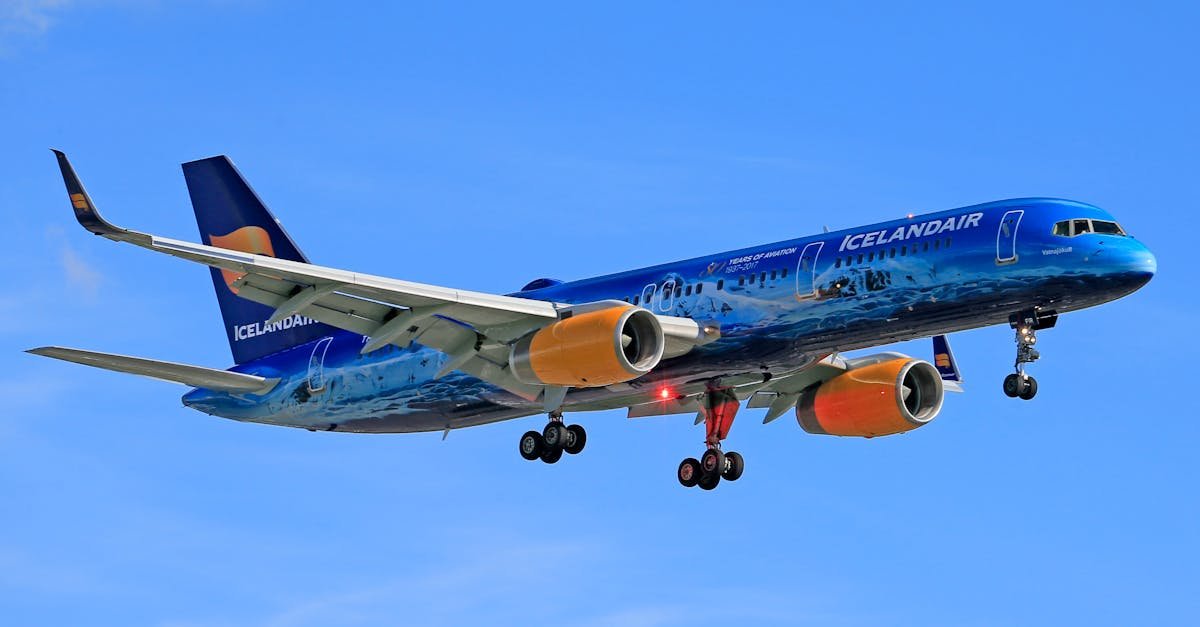
    On 11 April, a flight originating from Frankfurt was on its final approach to Reykjavik. Instead of following the standard arrival path, the aircraft performed a low altitude flyover of Vestmannaeyjar. Reports and flight data suggest the massive jet descended to approximately 330 feet above the ground. For those on the ground, the sight was terrifying. For the pilot, it was a 60 second tribute to his roots. Now, the industry is left to pick up the pieces of a damaged reputation.

    A Hometown Salute That Shook the Earth

    Vestmannaeyjar is a small, tight knit community where everyone knows everyone. When a Boeing 757 suddenly appeared at an altitude usually reserved for birds and small drones, the reaction was instantaneous. Residents reported that their houses began to vibrate. Windows rattled and the roar of the engines filled the air with a volume that suggested something was going horribly wrong.

    In the digital age, nothing happens in secret. Within minutes, videos began surfacing on social media. Some clips showed the jet from the ground, looking like a silver giant skimming just above the rooftops. Other videos, filmed by excited passengers inside the cabin, showed the green cliffs of the island rushing past at eye level. While the passengers cheered, the people on the ground were calling emergency services, fearing that a major air disaster was about to unfold in their backyard.

    The Invisible Contract of the Cockpit

    When a passenger buys a ticket, they are entering into a silent agreement with the airline. They trust that the pilot will follow every safety protocol to the letter. This is the core of the aviation industry. Modern flying is safe specifically because it is boring and repetitive. By deviating from the flight plan to perform an unauthorized maneuver, the captain essentially broke that contract.

    Critics within the aviation community argue that a passenger jet is not a personal toy. A Boeing 757 weighs tens of thousands of pounds and carries enough fuel to cause a catastrophe. Using such a machine for a personal “victory lap” is seen by many as a massive breach of ethics. Even if the pilot was highly skilled and felt he was in total control, the lack of a safety margin at 330 feet is what keeps safety investigators awake at night. At that height, a simple bird strike or a sudden engine failure leaves almost no time for a pilot to recover before hitting the ground.

    The Romantic Defense of the Sky God

    On the other side of the fence, there is a vocal group of supporters who see this as a harmless final act for a man who spent his life in the sky. In the earlier days of aviation, these types of flyovers were much more common. Pilots were seen as explorers and masters of their craft, and a “low pass” was a standard way to mark a retirement or a special occasion.

    To his supporters, this captain was simply bringing a bit of old school soul back to a modern industry that has become overly robotic. They argue that he knew the terrain perfectly, the weather was clear, and he was one of the most experienced pilots in the fleet. In their eyes, the investigation is a cold response to a warm gesture. They believe that after 40 years of perfect service, a pilot should be allowed a minute of celebration.

    Icelandair and the Regulatory Fallout

    For the airline, there is very little room for sentiment. Icelandair quickly moved to distance itself from the incident, calling it a serious breach of internal procedures. This is not just about a pilot being “naughty” but about the legal and financial survival of the company. Airlines operate under strict licenses provided by government authorities. If an airline is seen as having a culture where pilots can freely ignore flight plans, those licenses can be put at risk.

    The Icelandic Transport Authority is now involved in a formal investigation. This means the pilot might face more than just a slap on the wrist. Even though he is already retiring, the legal ramifications could affect his licensing or even his pension depending on the severity of the findings. The company has to prove to the world that they do not condone this behavior, which puts them in the difficult position of having to publicly condemn a long term, loyal employee.

    The Psychological Impact on a Community

    One aspect of this story that often gets overlooked is the mental toll on the people of Vestmannaeyjar. While aviation enthusiasts might focus on the mechanics of the flight, the residents were subjected to an unexpected high stress event. In a world where news of plane crashes is common, seeing a jet that low is a signal of death.

    The “cool factor” of a flyover disappears when you are a parent on the ground wondering if a plane is about to crash into your child’s school. This is the perspective that modern safety culture tries to protect. A pilot’s tribute should never come at the expense of a community’s peace of mind. The vibration and noise were not just annoyances but were perceived as threats to life by many who witnessed the event.

    Why Technical Skill Is Not a Valid Excuse

    Experienced pilots often fall into the trap of thinking their skill outweighs the need for rules. This is a phenomenon known in psychology as overconfidence bias. A pilot with 20,000 hours in the air might feel that they can handle a Boeing 757 like a small Cessna. However, the laws of physics do not care about a pilot’s resume.

    The 757 is a high performance aircraft with massive engines. Maneuvering it at low altitudes requires significant thrust and changes in pitch that can easily lead to a stall if things go wrong. By choosing to fly at 330 feet, the pilot removed the “safety buffer” that exists for every commercial flight. If a gust of wind had pushed the plane down just a few more feet, the story today would not be about a controversial tribute but about a national tragedy.

    Moving Beyond the Era of Maverick Pilots

    This incident likely marks the final nail in the coffin for the “maverick” style of commercial piloting. The industry has moved toward a system where the pilot is a manager of complex systems rather than a lone wolf. Data tracking tools now monitor every second of a flight, and any deviation is immediately flagged by flight tracking software that the public can access for free.

    In the past, a pilot might have gotten away with a low pass in a remote area. Today, thousands of people are watching live maps. This transparency makes it impossible for airlines to hide these events, even if they wanted to. The captain’s 60 second tribute was recorded by dozens of phones and tracked by satellites, ensuring that his final act of defiance would be his most documented one.

    The Long Term Shadow on a 40 Year Career

    It is a tragedy in itself that a four decade career might be remembered for its final minute rather than the thousands of safe hours that came before it. This is the danger of the “final salute.” Instead of being celebrated for his reliability and his thousands of successful landings, this captain will now be known as the man who forced an investigation and embarrassed his employer.

    For younger pilots coming up through the ranks, this serves as a powerful lesson. The cockpit is a place of service, not a stage for personal expression. As the investigation continues, the aviation world will be watching closely to see if the authorities choose to be lenient due to his history or if they will set a harsh example to ensure nobody else tries to follow in his footsteps.

    The Future of Aviation Tradition

    As we move forward, the way we celebrate the end of a pilot’s career will have to change. The traditional “water salute” where fire trucks spray a departing or arriving plane on the taxiway is a safe and regulated way to show respect. Private flyovers with passenger jets, however, are likely a thing of the past.

    The industry must find ways to honor its veterans without compromising the safety standards that make flying the safest way to travel. The debate over this Icelandair flight shows that while the public loves a good story, they value their safety and the quiet of their homes even more. The 60 seconds of glory may have felt worth it in the moment, but the cost to the pilot’s reputation and the airline’s brand will be felt for years to come.

  • Jet2 Engineer Plunges from Aircraft Door in Horrific Manchester Airport Accident: Complete Report

    Jet2 Engineer Plunges from Aircraft Door in Horrific Manchester Airport Accident: Complete Report

    A routine maintenance check at Manchester Airport turned into a life-altering disaster on April 11, 2026, when a Jet2 aircraft engineer fell from an open cabin door. The incident, which occurred during a period of turbulent weather conditions, has left the aviation community in shock and raised serious questions about ground safety protocols. The engineer is currently recovering in a local hospital after sustaining a long list of traumatic injuries that include multiple broken bones and facial fractures.

    Early reports from the scene suggest that a simple misunderstanding combined with environmental factors created a perfect storm for this tragedy. While the aviation industry is known for its rigorous safety standards, this event serves as a brutal reminder of how quickly things can go wrong on the tarmac.

    The Sequence of Events on the Tarmac

    The day began like any other for the engineering crew assigned to the Jet2 fleet. The aircraft was positioned on the stand at Manchester Airport, undergoing standard checks before its next scheduled flight. Sources close to the investigation indicate that the engineer was working near the cabin door and needed to exit the aircraft to complete his tasks.

    In the high pressure environment of a busy airport, communication is the primary line of defense against accidents. However, a critical error occurred during a verbal exchange regarding the location of the mobile boarding steps. A witness on the ground reported that the engineer was informed the steps were positioned on the right side of the door. In a split second lapse, the engineer misread the information or misinterpreted the direction, believing the platform was actually on the left.

    A Heart Stopping Moment of Realization

    As the engineer moved to open the heavy aircraft door, he was operating under the false assumption that a solid platform awaited him on the other side. As the door swung open, the reality of the situation became clear. There were no steps beneath him. Instead of a metal staircase, there was only a sheer drop to the concrete apron below.

    Witnesses described a terrifying scene where the engineer realized his mistake mid motion. He reportedly tried to grab the frame of the door to pull himself back into the safety of the cabin. Under normal circumstances, a fit professional might have been able to regain his balance or hold on until help arrived. Unfortunately, the weather on April 11 was far from normal.

    The Role of High Winds in the Fall

    Manchester Airport is notorious for its exposed location, which often subjects ground crews to powerful gusts. At the exact moment the engineer attempted to steady himself, a strong gust of wind caught the open door and the engineer’s body. Rather than acting as a handhold, the door became a sail in the wind.

    The force of the air was too great to overcome. Instead of being able to pull himself back inside, the engineer was yanked outward by the momentum of the wind and the weight of the door. With nothing to break his fall, he plunged from the height of the aircraft cabin, striking the ground face first. The height of a standard narrow body aircraft door is significant, and the impact with the hard airport concrete was devastating.

    Extent of the Injuries Sustained

    Emergency services were called to the stand immediately as colleagues rushed to the fallen man’s side. The medical report following his arrival at the hospital paints a grim picture of the physical toll of the accident. The engineer suffered broken legs and broken elbows, suggesting he may have tried to extend his limbs to catch himself during the descent.

    Perhaps more concerning are the head and upper body injuries. Medical staff confirmed a dislocated shoulder and fractured eye sockets. Fractures to the orbital bones are particularly serious and often require complex reconstructive surgery. The road to recovery for this engineer will be long, involving multiple operations and months of physical therapy to regain mobility in his limbs.

    Immediate Response and Safety Investigation

    In the aftermath of the fall, Jet2 and the Manchester Airport authorities acted quickly to secure the site. An official investigation has been launched to determine exactly how such a fundamental breakdown in communication could happen. This probe will look into several key areas of ground operations.

    Investigators will be reviewing the radio transcripts and verbal commands given during the maintenance shift. They will also examine whether the safety straps, which are often used across open aircraft doors when steps are not present, were in place or if they had been removed prematurely. The goal of the investigation is not just to assign blame but to ensure that such a fluke accident never happens again.

    The Psychological Impact on Ground Crews

    Beyond the physical injuries to the victim, an accident of this magnitude has a profound effect on the entire airport community. Ground crews work in a high stakes environment where they are surrounded by heavy machinery, jet blasts, and extreme heights. Seeing a colleague fall in such a manner creates an atmosphere of anxiety and heightens the perceived risks of the job.

    Jet2 has reportedly offered support services to the staff members who witnessed the fall. In the tight knit world of aircraft maintenance, the engineers often form close bonds, and the news of these severe injuries has traveled fast through the hangars at Manchester and other UK hubs.

    Evaluating Communication Protocols in Aviation

    This incident highlights a potential vulnerability in how ground staff communicate the status of equipment. In many industries, “left” and “right” are subjective terms that depend on which way a person is facing. In aviation, the terms “port” and “starboard” are used to avoid this exact confusion, as they always refer to the aircraft’s orientation.

    The investigation will likely recommend a move toward more standardized and redundant communication. This might include a “challenge and response” system where an engineer must visually confirm the presence of steps before even unlatching a door. Simple visual cues, such as a brightly colored ribbon or a physical barrier that stays in place until the steps are locked, could be implemented as a result of this tragedy.

    Looking Toward the Future of Ground Safety

    While the aviation industry focuses heavily on what happens while a plane is in the air, the safety of the men and women on the ground is just as vital. This fall from a Jet2 aircraft is a wake up call for airlines across the globe. It proves that even the most experienced professionals can be victims of a simple misunderstanding when environmental factors like wind are ignored.

    As the engineer begins his difficult journey toward healing, the industry will be watching the results of the Manchester investigation closely. Changes to ground handling manuals are expected, and there may be a push for new technology, such as sensors that alert a crew member if a door is being opened without a docked bridge or staircase.

    Support and Recovery for the Injured Engineer

    The priority for now remains the health of the individual. Broken legs and elbows can often be set with hardware, but the recovery of fine motor skills for a technician who works with his hands is a major concern. The fractured eye sockets also raise questions about potential long term impacts on his vision.

    The aviation community has a history of rallying around its own during times of crisis. There are already talks of support funds to assist the engineer’s family while he is unable to work. For a man whose job was to ensure the safety of thousands of passengers every week, the irony of this accident is not lost on anyone. The focus remains on getting him back on his feet and ensuring that the lessons learned from April 11 are permanently etched into the safety culture of Manchester Airport.

  • Air France Bids Farewell to the A330: Everything You Need to Know

    Air France Bids Farewell to the A330: Everything You Need to Know

    The aviation world is constantly changing, and Air France is currently at the heart of one of the most significant fleet shifts in its modern history. For years, the Airbus A330-200 has been a reliable workhorse for the French flag carrier, bridging the gap between medium and long-haul destinations. However, as technology advances and the push for environmental sustainability grows stronger, the time has come for this classic jet to retire. Air France recently confirmed that the remaining aircraft of this type will be phased out by the first quarter of 2027. This decision is not just about getting rid of old planes; it is a vital part of a massive multi-billion euro investment into the future of flight.

    The Long Legacy of the Airbus A330 at Air France

    The Airbus A330 has served Air France with distinction for over two decades. Known for its versatility, the A330-200 allowed Air France to open routes that were too small for the massive Boeing 747 but too far for short-range jets. With its twin-engine efficiency and comfortable wide-body layout, it became a favorite for flights to Africa, the Middle East, and parts of North America.

    Currently, the average age of the Air France A330 fleet is roughly 23 years. While these planes have been maintained to the highest standards, they belong to a different generation of aviation technology. The interiors, though retrofitted over the years to keep up with modern expectations, cannot compete with the cutting-edge cabins found on newer jets. By retiring these planes in 2027, Air France is ensuring that its fleet remains one of the youngest and most efficient in the sky.

    Why the First Quarter of 2027 Matters

    Timing in the airline industry is everything. Air France has chosen the first quarter of 2027 as the final chapter for the A330-200 to align with the delivery schedules of its newer aircraft. By the end of March 2027, the winter flight schedule concludes, making it the perfect operational break to transition fully to newer models.

    This date is significant because it marks the completion of a long-term strategy. For several years, Air France has been gradually reducing the number of A330s in its hangars. What started as a large fleet of fifteen aircraft has slowly dwindled as newer Airbus A350s arrive from the factory. The final exit in 2027 will represent a clean break from the older technology, allowing Air France to streamline its maintenance, crew training, and spare parts inventory.

    The Successors Taking Over the Skies

    When a legendary plane like the A330 leaves the fleet, something even better must take its place. Air France is putting its faith in two primary successors: the Airbus A350-900 and the Boeing 787-9 Dreamliner.

    The Airbus A350-900 is the new flagship for Air France. This aircraft is a marvel of modern engineering, built with carbon-fiber reinforced plastic that makes it much lighter and more fuel-efficient than the A330. For passengers, the A350 offers a much quieter cabin, larger windows, and better air pressure levels, which help reduce jet lag. Air France has placed massive orders for this type, ensuring that as the A330s leave, the A350s are ready to step in without any disruption to the flight schedule.

    The Boeing 787-9 Dreamliner also plays a crucial role. Air France uses the Dreamliner on routes where the capacity of the A350 might be too much, but the efficiency of a modern jet is still required. Together, these two aircraft types will form the backbone of the Air France long-haul network for the next twenty years.

    A Major Leap in Environmental Sustainability

    One of the biggest drivers behind the Air France fleet renewal plan is the environment. The aviation industry is under immense pressure to reduce its carbon footprint, and Air France has set ambitious goals to cut its CO2 emissions significantly by 2030.

    The older Airbus A330-200 engines consume significantly more fuel than the engines on the A350 or the 787. By switching to these newer models, Air France can reduce fuel consumption and CO2 emissions by up to 25 percent per seat. This is a massive improvement that helps Air France meet its “Air France ACT” sustainability targets. Additionally, these newer planes are much quieter, which is a major benefit for people living near airports like Paris Charles de Gaulle.

    What This Means for the Passenger Experience

    If you are a frequent flyer with Air France, the retirement of the A330 is great news for your comfort. While the A330 provided a solid service, its cabin technology is dated. The new wide-body jets that Air France is bringing in feature the latest cabin designs.

    In Business Class, Air France is rolling out new sliding doors for total privacy, something the old A330s simply could not accommodate due to their cabin width and floor configuration. The entertainment systems on the newer planes feature 4K high-definition screens and Bluetooth connectivity, allowing you to use your own wireless headphones. Even in Economy, the seats are more ergonomic and offer better charging options for your devices. Air France is focusing heavily on “premiumization,” ensuring that every traveler feels a sense of French elegance and modern luxury.

    Operational Benefits and Simplified Maintenance

    Running an airline is a logistical puzzle. Operating too many different types of planes can be incredibly expensive. Each aircraft type requires its own set of pilots, flight attendants, and mechanics who are specifically trained and certified for that model.

    By removing the A330-200, Air France simplifies its operations. Instead of managing four or five different long-haul aircraft types, the airline can focus on a more unified fleet of Boeing 777s, Boeing 787s, and Airbus A350s. This helps Air France save money on maintenance and training. When a fleet is simplified, it is also easier for the airline to swap planes if there is a mechanical issue, leading to fewer delays and cancellations for the passengers.

    The Strategic Shift to Africa and the Caribbean

    The Airbus A330-200 has traditionally been the go-to plane for Air France routes to West Africa and the Caribbean. Locations like Douala, Luanda, and St. Maarten have seen the A330 on a daily basis for years.

    As Air France moves toward 2027, these routes will see a significant upgrade in capacity. The A330-200 usually carries around 224 passengers. The Airbus A350-900 can carry nearly 300 passengers in a typical Air France layout. This means that Air France can fly more people to these popular destinations while using less fuel. It is a win-win for the airline’s profitability and for travelers who want more flight options.

    Looking Toward the Future of French Aviation

    The retirement of the A330 is just one piece of the puzzle. Air France is also modernizing its short-haul fleet with the Airbus A220, which is replacing older A318 and A319 models. This total fleet transformation shows that Air France is serious about being a leader in the global aviation market.

    By the time the final A330 leaves the fleet in early 2027, Air France will have one of the most modern and environmentally friendly long-haul operations in Europe. This transition proves that the airline is not just reacting to the market but actively shaping its future. The sky is looking bright for the French carrier as it prepares to enter this new era.

    Final Thoughts on the Air France Fleet Evolution

    Saying goodbye to an aircraft is always a sentimental moment for the people who fly them and the crews who work on them. The A330 has been a symbol of reliability for Air France for decades. However, the benefits of moving to newer, cleaner, and more comfortable planes are far too great to ignore.

    As we approach the first quarter of 2027, we can expect to see various farewell flights and celebrations as Air France honors the service of the A330. While it may be the end of the road for this specific model, it is the beginning of a much more sustainable and luxurious journey for everyone who chooses to fly with Air France. The modernization journey is well underway, and the results are already visible in the improved service and reduced environmental impact that Air France delivers every single day.

  • How an Intruder Damaged a U.S. Air Force C-130: What Happened, the Investigation, and Everything We Know

    How an Intruder Damaged a U.S. Air Force C-130: What Happened, the Investigation, and Everything We Know

    The quiet of a Saturday morning at Shannon Airport was shattered by a security breach that has left international observers and local authorities searching for answers. An intruder managed to enter a highly restricted area of the airfield and carry out a physical assault on a United States Air Force C-130 Hercules transport aircraft. While the airport is no stranger to political tension and protest, the nature of this specific incident stands out for its raw, physical aggression against a multi-million dollar military asset.

    The Morning the Alarm Was Raised

    The situation began to unfold at roughly 9.45 am on Saturday. Airport staff and security personnel were alerted to the presence of an unauthorized individual in a sensitive part of the facility. The intruder was spotted on a remote taxiway,far from the main passenger terminal where civilians usually gather. This area is reserved for specialized aircraft and logistics, making the presence of any pedestrian a cause for immediate concern.

    Witnesses soon realized that the man had not just entered the apron but had actually climbed onto the wing of the C-130 Hercules. This aircraft, a workhorse of the American military valued at approximately $160 million, was parked in a standby position. Once he was atop the wing, the man reportedly used a hatchet to strike the fuselage and the upper surface of the aircraft multiple times. The sound of metal hitting metal echoed across the tarmac as the intruder continued his assault on the plane.

    A Tense Standoff on the Tarmac

    When first responders arrived at the scene, they were faced with a unique tactical challenge. The suspect was perched high above the ground on the wing of the massive transport plane. Standard patrol vehicles and ground-level tactics were insufficient to reach him safely without risking further damage to the aircraft or causing a dangerous fall.

    To solve the problem, airport police and fire services had to bring in mobile boarding stairs. These are the same sets of stairs used by passengers to board commercial flights. By wheeling the stairs up to the wing, officers were finally able to bridge the gap. In a coordinated effort involving the Airport Police, the Gardaí, and members of the Irish Defence Forces who were already on duty at the site, the man was successfully detained. The entire ordeal, from the initial sighting to the moment the suspect was in handcuffs, lasted about 30 minutes.

    The Immediate Fallout for Air Travel

    While the focus was on the military aircraft, the security breach had a ripple effect on civilian travel. As a safety precaution, Shannon Airport officials were forced to suspend all flight operations. This resulted in a brief but significant lockdown of the facility.

    One commercial flight arriving from Lourdes was forced into a holding pattern, circling the skies over County Clare while police cleared the runway area. Two other departing flights faced delays on the ground. Operations eventually resumed about 25 minutes later, once the area was declared secure and the suspect had been transported to a nearby Garda station. However, the brief closure served as a stark reminder of how a single individual can disrupt an international travel hub.

    Assessing the Damage to the C-130 Hercules

    In the world of aviation, there is no such thing as a minor strike with a metal tool. The C-130 Hercules is built to be rugged and capable of landing on dirt strips in war zones, but its skin is still a precisely engineered layer of aluminum.Sources close to the investigation have described the damage to the fuselage as extensive.

    Even if the hatchet did not puncture the interior of the cabin, any dent or scrape on a pressurized aircraft requires a deep inspection. Engineers must check for structural fatigue or hairline fractures that could worsen under the intense pressure of high-altitude flight. The U.S. Air Force will likely have to fly in a specialized maintenance crew to determine if the plane is airworthy or if it requires a lengthy stay in a hangar for repairs.

    Recent History of Security Breaches at Shannon

    This hatchet attack is not an isolated event in the history of Shannon Airport. The facility has long been a focal point for activists who object to the use of Irish soil by the United States military. For decades, protesters have argued that allowing military stopovers at Shannon compromises the neutrality of the country.

    In the past year alone, there have been several similar incursions. Just last November, a van breached the perimeter and made its way toward a parked U.S. Navy jet. In that instance, activists managed to throw paint at the plane before being intercepted. Other incidents have involved protesters cutting through perimeter fences to reach the runway. While most of these actions involve symbolic gestures like spray painting or holding banners, the use of a hatchet marks a shift toward more destructive methods.

    The Multi Agency Investigation Begins

    The investigation into Saturday’s attack is now being handled by the Gardaí with support from airport authorities. There are two primary goals for this inquiry. The first is to understand the motive of the man in custody. Investigators are looking into whether he has ties to organized protest groups or if he was acting entirely on his own.

    The second, and perhaps more critical, goal is to figure out exactly how he got onto the airfield. Airport police have been seen patrolling the long perimeter fence that surrounds Shannon Airport, looking for signs of a forced entry or a gap in the wiring. Modern airports use a combination of physical barriers, motion sensors, and high-definition cameras,so the fact that someone reached the remote taxiway undetected is a major point of concern for the Shannon Airport Group.

    The Path Forward for Airport Security

    In the wake of this event, there will almost certainly be a review of how military aircraft are protected while they are on the ground in Ireland. Currently, a mix of private airport security and national police provide oversight, but this incident might lead to calls for a more permanent or robust military presence near these specific aprons.

    The suspect remains in custody and is expected to face charges related to criminal damage and trespassing in a restricted area. As the legal process begins, the U.S. Air Force and Irish authorities will have to coordinate on the logistics of repairing the damaged Hercules. For now, the focus remains on patching the holes in the aircraft and the holes in the security fence that allowed this bizarre encounter to happen in the first place.

  • Frontier Pilot Forced to “Slam on Brakes” to Avoid Trucks at LAX; FAA Investigating

    Frontier Pilot Forced to “Slam on Brakes” to Avoid Trucks at LAX; FAA Investigating

    A quiet Wednesday night at Los Angeles International Airport nearly turned into a major disaster when a Frontier Airlines jet narrowly avoided a collision on the tarmac. The Federal Aviation Administration is now digging into why two ground vehicles suddenly crossed the path of a massive Airbus A321 as it prepared for departure. This close call has sent ripples through the aviation community, especially since it happened so shortly after a tragic runway accident in New York.

    The incident took place around 11:25 p.m. on April 8, 2026. Frontier Flight 3216 was taxiing slowly toward its takeoff point, bound for Atlanta. Everything seemed routine until two trucks suddenly darted across the taxiway directly in front of the aircraft. The pilots were forced to react instantly, slamming on the brakes to avoid what could have been a devastating impact.

    Panic on the Tarmac and the Heat of the Moment

    Air traffic control audio captured the raw tension of the situation. Immediately after stopping the plane, the pilot radioed the tower with a voice that carried both frustration and disbelief. He reported that two trucks had just cut them off and that the evasive action was so sudden he might need to check on the passengers and flight attendants in the cabin.

    The pilot described the event as the closest he had ever seen in his career. In the heat of the moment, the crew’s training took over, but the emotional toll was evident in the cockpit recordings. The aircraft was moving at approximately 15 mph at the time. While that might sound slow for a car, an Airbus A321 is a massive machine that carries thousands of pounds of fuel and hundreds of people, making a sudden stop a violent and dangerous maneuver.

    Blind Spots and Safety Gaps at LAX

    One of the most concerning details emerging from the preliminary investigation is where the incident occurred. The near miss happened at the intersection of taxiways Kilo and Bravo. This specific area is known as an ATC non visibility zone. Because of the physical layout of the airport and certain buildings blocking the view, air traffic controllers in the tower cannot actually see the planes or vehicles in this spot with their own eyes.

    In these blind spots, controllers rely on technology and the adherence to strict protocols by everyone on the ground. While pilots are in constant radio contact with the tower, the drivers of ground vehicles often are not. At LAX, vehicles on service roads are legally required to yield to aircraft at all times. In this instance, that basic rule of the road was ignored, and the results could have been fatal if not for the quick reflexes of the Frontier flight crew.

    The Shadow of the LaGuardia Tragedy

    This close call comes at a time when the flying public is already on edge. Just weeks ago, on March 22, 2026, a much darker scene played out at New York City’s LaGuardia Airport. An Air Canada Express flight, a Bombardier CRJ900, collided with a fire truck while landing. That crash was catastrophic, resulting in the deaths of both pilots and leaving dozens of passengers injured.

    The LaGuardia crash was a nightmare scenario. In that case, a controller had cleared the fire truck to cross the runway while the plane was already touching down. By the time the mistake was realized, it was too late. The fact that another vehicle incursion happened at a major hub like LAX so soon after the New York tragedy has many experts calling for a complete overhaul of how ground traffic is managed.

    Frontier Airlines Responds to the Scare

    Following the incident, Frontier Airlines released a statement expressing relief and gratitude. The company confirmed that there were no injuries among the crew or the passengers. They highlighted the vigilance of the pilots, noting that their professionalism prevented a bad situation from becoming a headline about a tragedy.

    After the sudden stop, the pilots took a moment to ensure the aircraft was still fit for flight and that everyone in the back was unhurt. Once they received the green light, they continued their taxi and eventually took off for Atlanta, arriving safely later that night. However, the flight crew’s experience that evening serves as a stark reminder of the thin line between a normal workday and a life changing event.

    Expert Analysis on the Rising Risk of Ground Incursions

    Aviation safety analysts are beginning to look at the bigger picture. Steve Arroyo, a former commercial pilot with decades of experience, pointed out that while these types of “near misses” happen more often than the public realizes, the frequency and severity seem to be increasing. He noted that the “ramp” and taxiway areas are some of the most complex environments in the world.

    With more flights than ever before and a push for faster turnaround times, the pressure on ground crews is immense. When you combine that pressure with physical blind spots and a lack of direct communication between vehicle drivers and air traffic controllers, you have a recipe for trouble. Experts are now suggesting that ground vehicles should be equipped with the same type of transponders used by aircraft, which would allow controllers to see their exact position on a digital map, even when they are hidden behind a building.

    Federal Investigators Take the Lead

    The FAA investigation is currently focused on identifying the specific vehicles and drivers involved. While the pilot mentioned that the trucks “scurried away” and were hard to identify in the dark, airport police were dispatched immediately to the area to track them down. Investigators will be looking at GPS data from airport service vehicles and reviewing any available security footage.

    Beyond just blaming the drivers, the FAA will look at the systemic failures. Was there a lack of signage? Did the drivers receive proper training for night operations? Is the layout of the service road at the Kilo and Bravo intersection inherently dangerous? These are the questions that will be answered in the coming months as the final report is compiled.

    Looking Toward a Safer Airfield Future

    The ultimate goal of this investigation is to ensure that a “close call” doesn’t become a “collision” next time. The aviation industry has a long history of learning from mistakes. Every time a pilot has to “slam on the brakes,” it provides data that can be used to improve safety for everyone.

    Possible changes could include installing automated warning lights at service road intersections that trigger when a plane is approaching. There is also talk of increasing the number of “hot spot” designations at LAX, which alerts pilots and drivers to areas where extra caution is required. For now, the focus remains on the bravery and skill of the crew who managed to keep their cool when two trucks appeared out of the darkness.

    Moving Forward After the Close Call

    As the FAA continues its work, the aviation world remains focused on the human element of safety. Technology can do a lot, but at the end of the day, it was the watchful eyes of a pilot that saved the day at LAX. The incident serves as a wake up call for airport authorities across the country to re-examine their ground safety protocols.

    Passengers boarding their next flight can take some comfort in knowing that the systems in place—and the people operating them—are designed to catch these errors before they turn into accidents. However, the pressure is now on federal agencies to close the gaps in communication and visibility that allow these dangerous intersections to exist. The sky is safe, but the ground still has some catching up to do.