The global aviation industry just received a massive wake up call. While most international carriers are finally finding their footing after years of instability, Air India has reported a staggering annual loss of over $2.4 billion. This financial crater has sent shockwaves through the market, particularly for its partners. According to a recent report by Bloomberg, the situation has become so dire that the airline is now officially reaching out to its primary shareholders for an emergency cash injection.
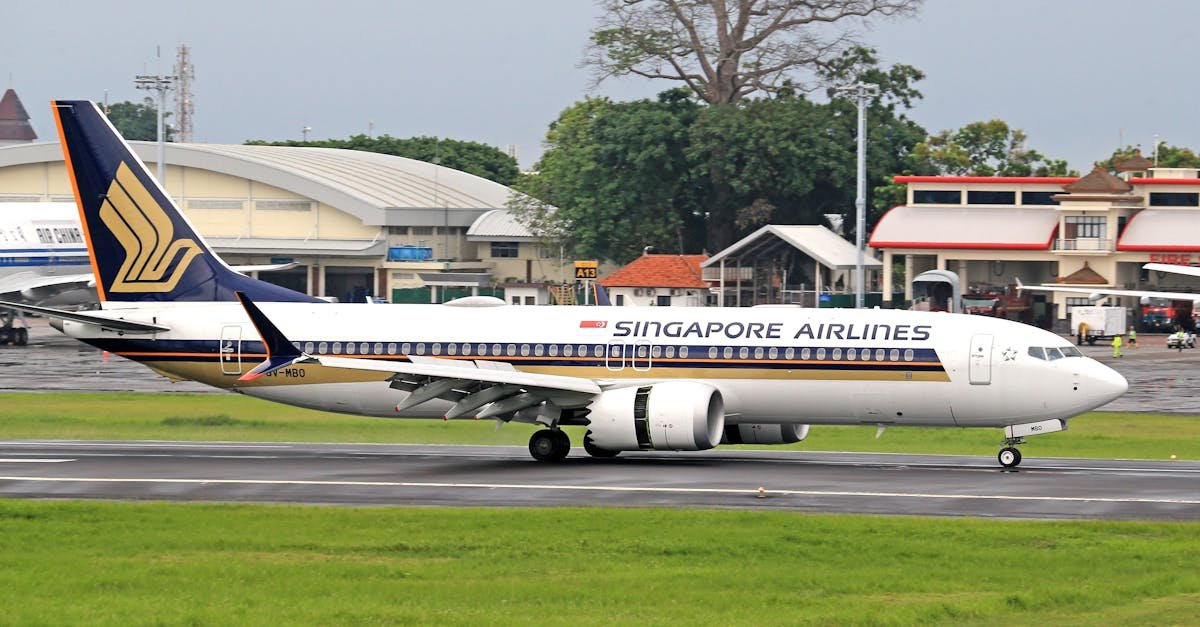
At the center of this financial storm is a very familiar name to luxury travelers: Singapore Airlines. As a key stakeholder in the newly merged entity that includes Vistara, Singapore Airlines now finds itself in a complicated position. They are being asked to help foot the bill for a deficit that far exceeded what even the most pessimistic analysts had predicted.
The Bloomberg Report and the Billion Dollar Reality Check
The news first broke via Bloomberg, detailing how the Tata Group and Singapore Airlines are being pressured to provide fresh capital. For the American audience, $2.4 billion is a number that is hard to wrap your head around. To put it in perspective, that is enough money to buy several dozen brand new long haul jets. Instead, that money has vanished into operational costs, technical hurdles, and the massive undertaking of trying to fix an airline that was neglected for decades.
Air India has been trying to execute a total transformation plan. They wanted to upgrade their cabins, hire thousands of new staff, and fix their tarnished reputation for safety and punctuality. However, the Bloomberg findings suggest that the costs of these upgrades, combined with high fuel prices and technical delays, have created a hole that the airline simply cannot climb out of on its own.
READ MORE: Air India Crash Safety: Why Seat 11A Isn’t a Magic Number Expert Explains The Myth
Why Singapore Airlines is the Key Player
You might wonder why a carrier based in Southeast Asia is so deeply involved in the financial health of an Indian airline. The answer lies in the strategic merger between Air India and Vistara. Singapore Airlines held a significant stake in Vistara and, as part of the deal to create a single massive carrier, they moved their investment into the parent company.
This means that Singapore Airlines is not just a passive observer. They are a deeply integrated partner. For Singapore Airlines, this investment was supposed to be a gateway into the massive Indian travel market, which is one of the fastest growing in the world. But right now, that gateway is looking more like a financial trap. The leadership at Singapore Airlines must now decide if they want to double down on their investment or if they are concerned about throwing good money after bad.
The Growing Gap in Quality and Profit
The contrast between these two partners could not be more obvious. On one hand, you have Singapore Airlines, which is consistently ranked as one of the best, if not the best, airline in the world. They are known for incredible service, world class food, and a fleet of aircraft that is kept in pristine condition. Their profit margins are usually the envy of the industry.
On the other hand, Air India is struggling with a legacy of old planes, broken seats, and a brand that many international travelers avoid if they have another choice. The $2.4 billion loss proves that rebranding an airline takes much more than a new coat of paint on the outside of the plane. It requires a fundamental shift in how the business is run. Singapore Airlines has the blueprint for success, but applying that blueprint to a giant like Air India is proving to be much harder than anyone anticipated.
The American Perspective on International Travel
For travelers in the United States, this news is particularly relevant. Air India is one of the few airlines that offers non stop flights from major American hubs like New York, Chicago, and San Francisco directly to India. Many Indian Americans rely on these flights to visit family. If the airline cannot secure funding from Singapore Airlines and the Tata Group, the stability of these routes could come into question.
When an airline loses billions of dollars, they often start cutting costs in ways that passengers notice. This could mean fewer flights, older planes being kept in service longer, or a reduction in onboard amenities. American travelers who are used to the high standards set by Singapore Airlines might find the current state of Air India to be a difficult pill to swallow, even if the flight is direct.
Geopolitical Pressures and Hidden Costs
The Bloomberg report also touched on external factors that haven’t helped the situation. The world is a messy place right now. Airspace closures in certain regions have forced flights to take longer routes, which burns significantly more fuel. Fuel is the single largest expense for any airline, and when you are flying massive jets halfway around the world, those extra hours in the air add up to millions of dollars in losses every single month.
Furthermore, the competition for skilled pilots and mechanics has driven up wages. Air India has been trying to poach talent from other global carriers, but that comes at a premium price. Singapore Airlines has managed these global pressures with more grace because their foundation was already solid. Air India is trying to build that foundation while the ground is still shaking beneath them.
What Happens if the Funding is Denied?
There is a very real possibility that the shareholders might push back. While the Tata Group has deep pockets, Singapore Airlines has a responsibility to its own investors. They cannot simply hand over hundreds of millions of dollars without seeing a clear path to profitability. If Singapore Airlines decides to limit its exposure, Air India might be forced to look for high interest loans or government interventions, though the latter is unlikely given the recent privatization.
A lack of funding would likely stall the cabin refurbishment program. This is the project that most passengers are looking forward to, as it would finally bring the interior of the planes up to a modern standard. Without the help of Singapore Airlines, your next flight to Delhi or Mumbai might still feature a broken entertainment screen or a seat that doesn’t quite recline the way it should.
The Long Road to Aviation Recovery
Success in the airline business is measured in decades, not months. Singapore Airlines spent over half a century building its reputation for excellence. Air India is trying to do the same thing in just a few years. The $2.4 billion loss is a painful reminder that there are no shortcuts in aviation.
The relationship between these two companies will be the most important thing to watch over the next twelve months. If Singapore Airlines can successfully export its management style and operational discipline to its Indian partner, there is still hope for a turnaround. But if the culture clash and the financial drain continue, this partnership might become a cautionary tale for the entire industry.
Final Thoughts on a Shaky Future
The aviation world is watching closely to see how the Tata Group responds to this crisis. The involvement of Singapore Airlines provides a level of credibility that Air India desperately needs. However, credibility does not pay the bills. Cash does. The Bloomberg report makes it clear that the time for talking about a turnaround is over and the time for paying for it has arrived.
Whether you are a frequent flier or a business investor, the fate of this airline matters. It represents the ambition of a nation to have a world class carrier. To reach that goal, they will need every bit of expertise and every dollar that Singapore Airlines is willing to provide. The journey ahead is going to be bumpy, and it remains to be seen if the airline can finally reach a cruising altitude of profitability.
Leave a Reply