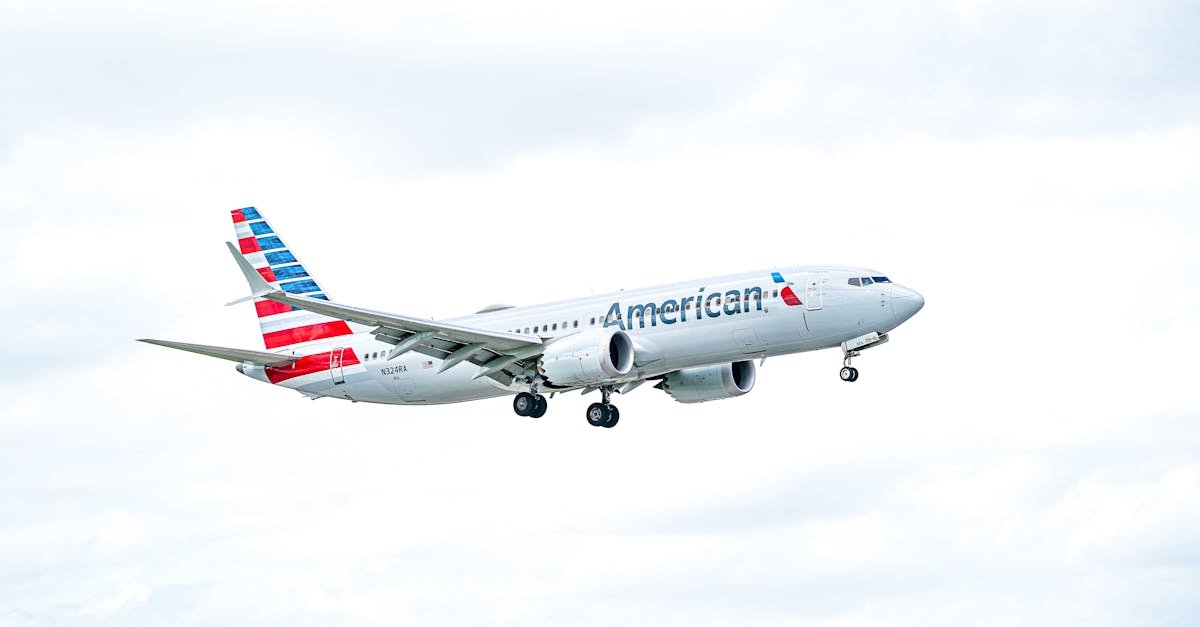
The sound of tires screeching against hot pavement is rarely something a passenger expects to hear before a flight even leaves the ground. For those on board an American Airlines flight at Charlotte Douglas International Airport recently,that jarring sensation became a terrifying reality. As the aircraft began its initial roll for takeoff, the pilot was forced to slam on the brakes to avoid a service truck that had suddenly darted across its path.
This narrow escape comes at a time when the aviation world is still reeling from a devastating collision at LaGuardia Airport just a month ago. In that instance, the outcome was fatal, leaving the industry to wonder if these ground-level dangers are becoming a new norm. The incident involving American Airlines in Charlotte serves as a stark reminder that the most dangerous part of a journey might not be at thirty thousand feet, but rather the chaotic minutes spent navigating the airport tarmac.
A High Speed Close Call in Charlotte
The details of the event at Charlotte Douglas International Airport paint a picture of a disaster barely avoided. An American Airlines Airbus A319 was cleared for its departure to Washington D.C. when the cockpit crew noticed a white and black operations truck crossing the active taxiway directly in front of them. According to audio captured from the cockpit, the pilot expressed immediate frustration and alarm, noting that they nearly hit the vehicle and had to apply maximum braking pressure to stop the massive jet.
The plane rocked forward as it came to a dead stop, a physical manifestation of the energy required to halt an aircraft in motion. For American Airlines, the vigilance of the crew was the only thing standing between a routine morning flight and a headline making catastrophe. While the airport later stated that the incident occurred in a gate area rather than a main runway, the proximity was enough to trigger an FAA investigation. It highlights a growing concern that ground vehicle drivers and aircraft are sharing space in ways that are increasingly unpredictable.
The Haunting Memory of the LaGuardia Collision
It is impossible to look at the American Airlines scare in North Carolina without reflecting on the tragedy at LaGuardia Airport just weeks prior. In that case, an Air Canada flight collided head on with a fire truck on a runway, resulting in the deaths of two pilots and dozens of injuries. That event shattered the long held belief that modern airport safety systems were virtually foolproof.
The LaGuardia crash was a worst case scenario, but it set the stage for how the public perceives these ground incursions. When the American Airlines crew had to hit the brakes in Charlotte, they were likely acutely aware of how quickly a small vehicle can turn into a lethal obstacle. The fact that two such significant events happened within a thirty day window suggests that the safety protocols governing how trucks and planes interact on the ground are under immense strain.
The Chaos of the Modern Airport Tarmac
Airports have become victims of their own success. Hubs like Charlotte have seen a massive surge in traffic, meaning more planes are moving in tighter windows of time. To support these flights, a small army of ground vehicles must constantly swarm the aircraft. Fuel trucks, catering vans, baggage tugs, and maintenance vehicles are in a perpetual dance around moving jets.
For an American Airlines pilot, the view from the cockpit is surprisingly limited. While these planes are marvels of engineering, the nose and the massive engines create significant blind spots. Pilots often rely on ground controllers to keep the path clear, but the human element remains a vulnerability. If a driver loses focus for even five seconds or misses a radio call, they can find themselves in the path of a moving American Airlines jet that weighs over one hundred thousand pounds.
Technology Gaps on the Ground
There is a strange irony in modern aviation technology. A jet operated by American Airlines can navigate across the ocean using satellite GPS and land itself in zero visibility conditions using automated systems. Yet, once that same plane is taxiing toward a gate, it often relies on the naked eye and basic radio communication to avoid hitting a pickup truck.
The FAA has been working to bridge this gap with Surface Awareness Initiative technology. This system is designed to give air traffic controllers and pilots better data on where every vehicle is located on the tarmac. However, the rollout of such technology is slow and expensive. Many airports still operate with “hot spots” where visibility is poor or traffic patterns are confusing. The recent American Airlines incident suggests that until every service vehicle is equipped with tracking transponders that talk directly to the cockpit, the risk of a collision will remain uncomfortably high.
Why Ground Safety is the New Frontier
For decades, the focus of aviation safety was on engine reliability and mid air collisions. We have largely mastered those challenges, making commercial flight the safest way to travel. Because of this success, the focus is now shifting toward the ground. The tarmac is a high pressure environment where workers are often rushed to turn planes around quickly to maintain the American Airlines schedule.
When speed is prioritized over space, mistakes happen. The American Airlines close call in Charlotte was a victory for pilot training and situational awareness, but it was also a failure of the broader ground safety net. It proves that the “Ghost of LaGuardia” isn’t just a memory; it is a persistent threat that exists every time a plane pushes back from the gate.
Protecting the Future of the Runway
The aviation industry is at a crossroads. Following the American Airlines near miss, there are louder calls for stricter licensing for ground vehicle drivers and mandatory automated braking systems for airport equipment. Some experts suggest that the ground environment needs to be as strictly regulated as the skies themselves.
For the passengers who were sitting on that American Airlines flight in Charlotte, the event was likely a brief moment of confusion followed by relief. But for the airline and the regulators, it was a warning. If we do not address the way vehicles move around our airports, it is only a matter of time before the next “near miss” doesn’t end with a sudden stop,but with an impact.
Staying Alert in a Busy Sky
Safety is never a finished product in the world of flight. It is a constant process of learning from what went wrong and what almost went wrong. The American Airlines crew in Charlotte did exactly what they were trained to do, but they should never have been put in that position in the first place.
As we look forward, the goal must be to ensure that American Airlines and other carriers can operate in an environment where the ground is as predictable as the sky. The lessons from LaGuardia and Charlotte must be turned into action.Whether it is through better lighting, advanced radar for ground vehicles, or simpler traffic patterns, the industry owes it to the traveling public to make sure that a truck crossing the road is never the reason a flight fails to reach its destination.
Leave a Reply