Category: Airlines

  • How Harsh Winter Weather Disrupts American Airlines, WestJet, and U.S. Flights

    How Harsh Winter Weather Disrupts American Airlines, WestJet, and U.S. Flights

    Winter weather has always been one of aviation’s toughest tests. While summer thunderstorms can cause short-lived disruptions, winter storms have a habit of lingering, spreading, and compounding problems across the entire U.S. air travel system. For airlines like American Airlines, WestJet, and other carriers flying U.S. routes, harsh winter conditions can turn a routine travel day into a logistical headache for crews, airports, and passengers alike.

    Lets take a closer look at how winter weather affects airlines, why disruptions spread so quickly, and what it all means for travelers.

    Why Winter Weather Is So Disruptive for Airlines

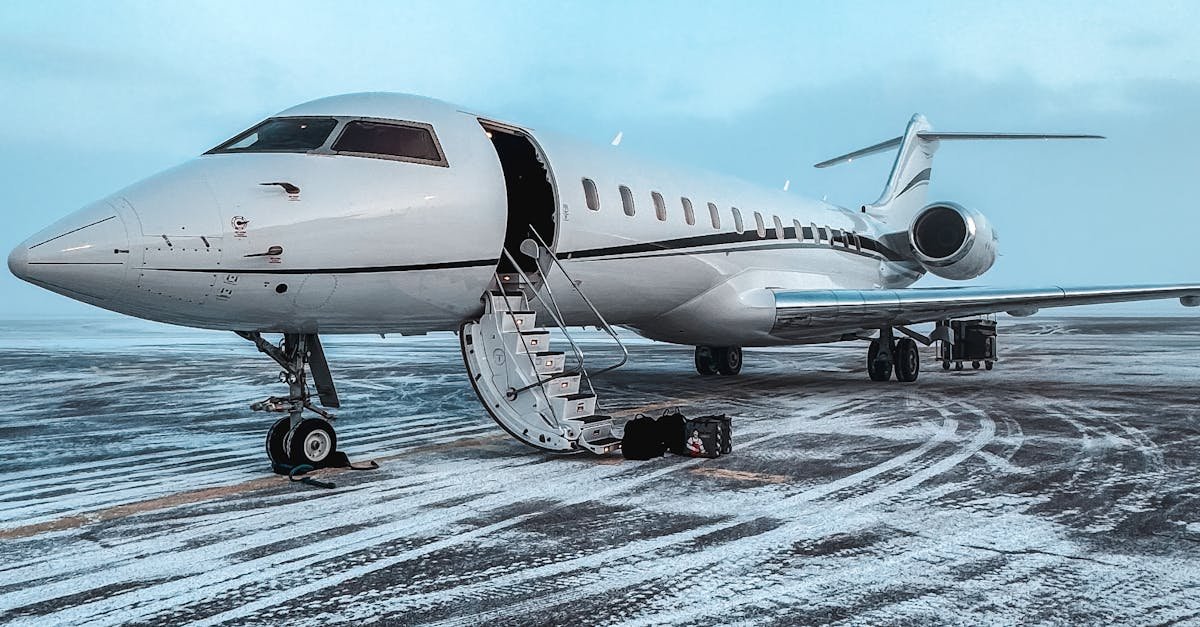
    Winter storms bring more than just snow. Ice, freezing rain, high winds, and extreme cold all create unique risks for aircraft and ground operations. Unlike rain or mild fog, snow and ice directly interfere with an aircraft’s ability to take off, land, and maneuver safely on the ground.

    Airlines must operate within strict safety margins. Even a thin layer of ice on a wing can change how air flows over it, reducing lift. Because of that, flights cannot simply “push through” winter conditions the way cars sometimes do on highways. When conditions cross certain thresholds, airlines have no choice but to delay or cancel flights.

    Flight Delays and Cancellations

    One of the most frustrating aspects of winter travel is how a storm in one city can disrupt flights hundreds or even thousands of miles away. This happens because airline schedules are tightly interconnected.

    A single aircraft might operate several flights in one day across multiple cities. If a morning departure is canceled due to snow, that plane may never reach the next airport on its schedule. The result is a chain reaction of delays and cancellations that spreads throughout the airline’s network.Large carriers with major hub airports are particularly vulnerable. When a hub slows down, dozens of incoming and outgoing flights are affected at once. This is why winter storms often lead to nationwide disruption, even if only a few regions are experiencing severe weather.

    The Critical Role of De-Icing and Ground Operations

    De-icing is one of the most visible signs of winter operations, and it plays a major role in delays. Before takeoff, aircraft must be sprayed with heated fluids to remove snow and ice from critical surfaces like wings and tail sections.This process takes time, especially during heavy snowfall when ice can reform quickly. Aircraft often wait in long lines for de-icing, and once treated, they must take off within a specific window before ice begins to accumulate again. If that window is missed, the aircraft may need to return for another round of de-icing.

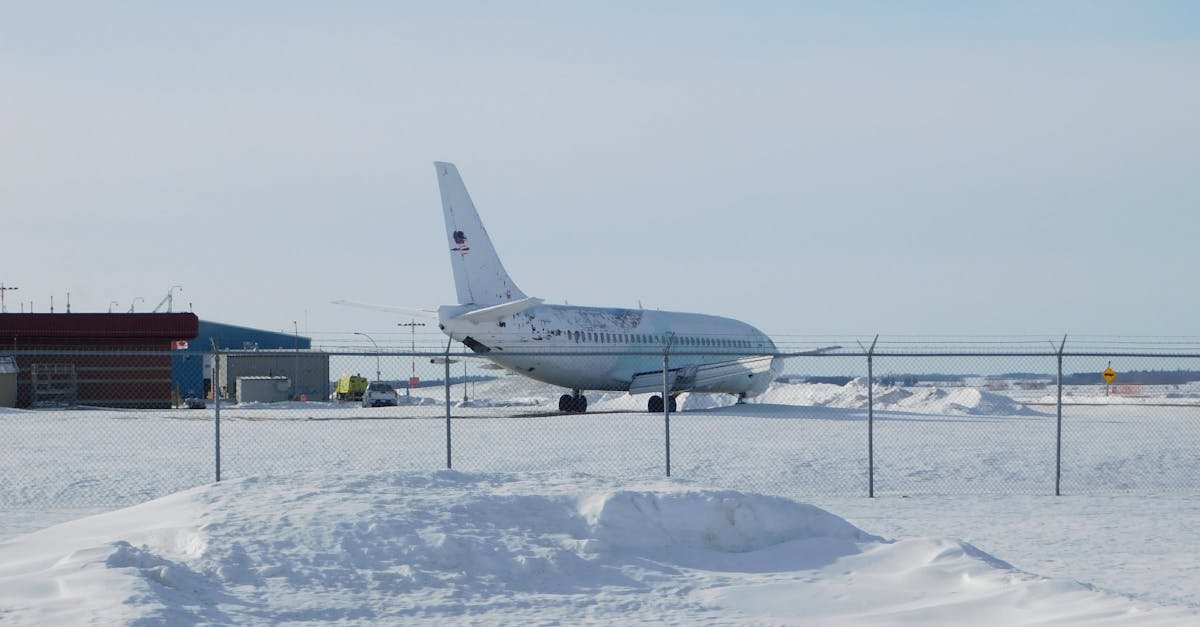
    At the same time, airports are battling the storm too. Snowplows must constantly clear runways and taxiways, and sometimes only one runway can remain operational. This dramatically reduces how many aircraft can land or depart, creating congestion even when flights are technically able to operate.

    Crew Scheduling Challenges in Winter Storms

    Airline crews operate under strict rules designed to prevent fatigue. Pilots and flight attendants can only work a certain number of hours before they are required to rest. Winter delays can easily push crews past those limits.

    When that happens, flights may be canceled even if the aircraft is ready and weather conditions have improved. Finding replacement crews on short notice is difficult, particularly during widespread storms when many employees are also dealing with travel disruptions. Crew availability is one of the main reasons airlines struggle to recover quickly after major winter events. It can take days to reposition both aircraft and crews back into the right places.

    Cross-Border Complications for U.S. and Canadian Flights

    Airlines operating between the U.S. and Canada face an extra layer of complexity. A flight might depart from a clear airport but be heading toward a destination dealing with heavy snow or ice. Even if conditions are acceptable at departure, the flight may still be canceled to avoid stranding aircraft and passengers.

    Carriers like WestJet, which operate many cross-border routes, must coordinate closely with both U.S. and Canadian airports. Weather systems that stretch across regions can disrupt both sides of the border simultaneously, reducing recovery options and increasing passenger backlogs.

    What Passengers Experience During Winter Disruptions
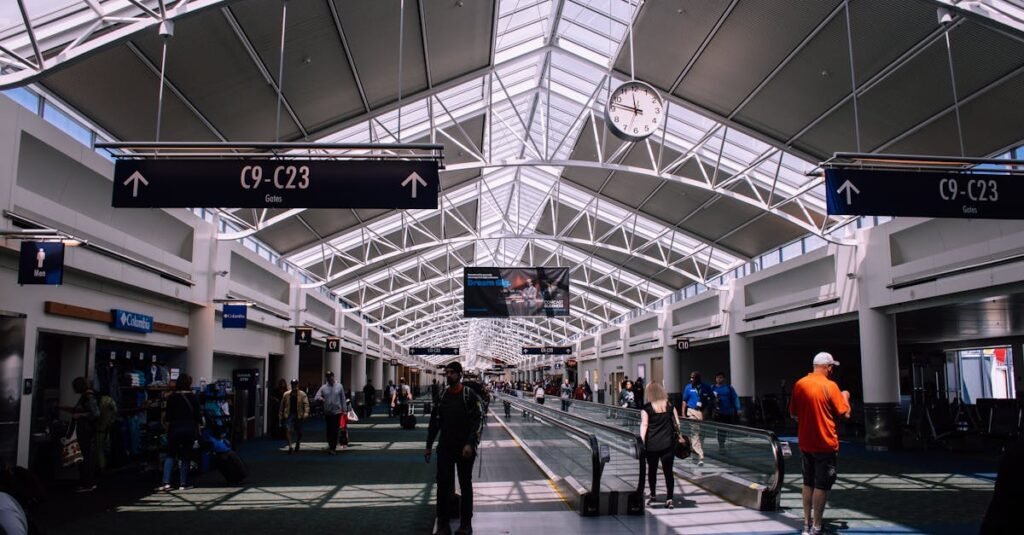
    Spacious airport terminal with moving walkway and travelers, showcasing modern architecture.

    For travelers, winter weather disruptions are often stressful and unpredictable. Delays can stretch from minutes into hours, and cancellations may leave passengers scrambling to find new flights.

    Airlines usually issue travel advisories ahead of major storms, allowing passengers to rebook without change fees. While this flexibility helps, it also means many travelers are trying to adjust plans at the same time. Customer service lines grow long, flights fill up quickly, and hotel availability near airports can disappear fast.

    Another challenge is baggage. When flights are canceled after bags are checked, luggage may end up separated from passengers, adding to frustration and uncertainty.

    Why Airlines Can’t Always “Recover” Quickly?

    After a winter storm passes, many travelers expect operations to return to normal almost immediately. In reality, recovery can take days. Aircraft may be parked in the wrong cities, crews may be out of position, and maintenance schedules may have been disrupted by extreme cold.

    Additionally, American airlines, WestJet and other carriers often prioritize safety and stability over speed. Rather than rushing to operate a full schedule, they may cancel additional flights proactively to reset operations and prevent further chaos.

    This cautious approach can feel inconvenient to passengers, but it is often necessary to restore reliability across the network.

    How American Airlines And Other Carriers Prepare for Harsh Winter Conditions

    Despite the challenges, American Airlines and other carriers invest heavily in winter preparedness. This includes specialized training for crews, winterized equipment, weather forecasting teams, and close coordination with airports.

    Aircraft are designed to operate in cold conditions, but procedures must be followed precisely. From anti-icing systems to cold-weather maintenance checks, every step is aimed at ensuring safety remains the top priority.

    Airlines also monitor weather systems days in advance, adjusting schedules and staffing levels before storms arrive. While these measures cannot prevent all disruptions, they help reduce the severity and duration of winter-related problems.

    The Bottom Line for Winter Air Travel

    Harsh winter conditions are an unavoidable part of flying in and across the United States. Snow, ice, and extreme cold affect every aspect of airline operations, from runways and aircraft to crews and passengers. For airlines like American Airlines, WestJet, and other carriers serving U.S. routes, winter storms can quickly escalate into system-wide disruptions.

    For travelers, understanding why these delays happen can make the experience slightly less frustrating. While winter weather may disrupt plans, the precautions taken by airlines are ultimately about ensuring that every flight operates as safely as possible — even when the forecast refuses to cooperate.
  • U.S.–Venezuela Travel Relaunch: American Airlines Plans Daily Nonstop Flights Pending Government Approval

    U.S.–Venezuela Travel Relaunch: American Airlines Plans Daily Nonstop Flights Pending Government Approval

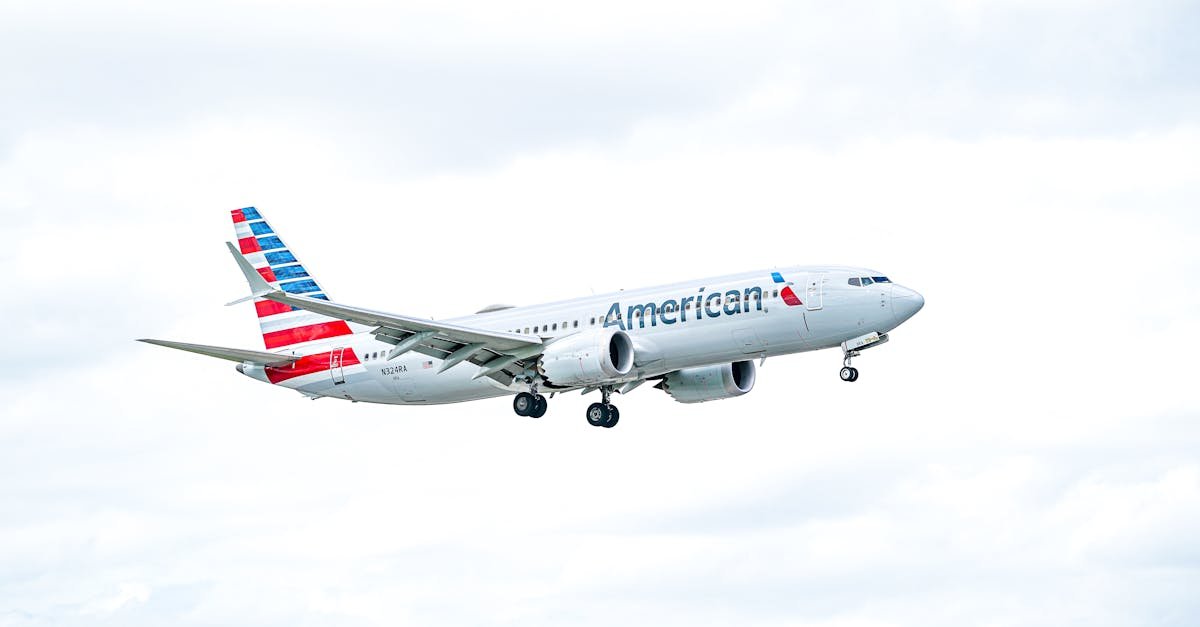
    American Airlines has announced its intention to resume daily nonstop flights between the United States and Venezuela, a significant move that could restore direct air travel between the two countries for the first time since 2019. The plans are still subject to U.S. government approval and security assessments, but the announcement itself marks a major shift in commercial aviation and international travel ties between Washington and Caracas. 

    A Long-Awaited Return After Years of Silence

    The airline’s planned relaunch comes after more than six years without regular U.S.–Venezuela commercial service. Prior to 2019, American Airlines was the largest U.S. carrier operating in Venezuela, linking cities like Miami and Caracas with daily flights and serving as a crucial bridge for business, leisure, and family travel. 

    Service was suspended amid deteriorating security and diplomatic tensions, and shortly afterward the U.S. government formally barred U.S. passenger and cargo flights to Venezuelan destinations. Since then, travelers had to rely on indirect connections through third-country hubs, creating longer journeys and higher costs. 

    What Prompted the Change Now?

    The renewed plan by American Airlines comes in the wake of significant policy shifts by U.S. authorities. In late January 2026, the U.S. moved to reopen Venezuela’s airspace to commercial flights, reversing earlier restrictions that had been put in place amid safety and geopolitical concerns. 

    According to reports, the announcement to lift flight bans was coupled with broader strategic developments and an evolving diplomatic situation involving leaders from both countries. While this decision paves the way for airlines to consider resuming service, carriers like American still need to obtain explicit government and security clearances before flights can begin. 

    What American Airlines Has Said?

    American Airlines emphasized it is prepared to be the first U.S. airline to reconnect nonstop service with Venezuela once all regulatory milestones are met. The airline’s leadership highlighted its decades-long history in the region and noted that restored flights would open doors for families to reunite, for commerce to flourish, and for tourism and humanitarian travel to resume. 

    In a statement, American’s Chief Commercial Officer pointed to the “incredible relationship” the airline has had with the Venezuelan market since 1987 and its readiness to renew it. Specific details about routes, frequencies, aircraft types, and launch dates have not yet been shared. 

    “We have a more than 30-year history connecting Venezolanos to the U.S., and we are ready to renew that incredible relationship. By restarting service to Venezuela, American will offer customers the opportunity to reunite with families and create new business and commerce with the United States,” said Nat Pieper, the Chief Commercial Officer of American Airlines in an official Press Release

    What Travelers Can Expect?

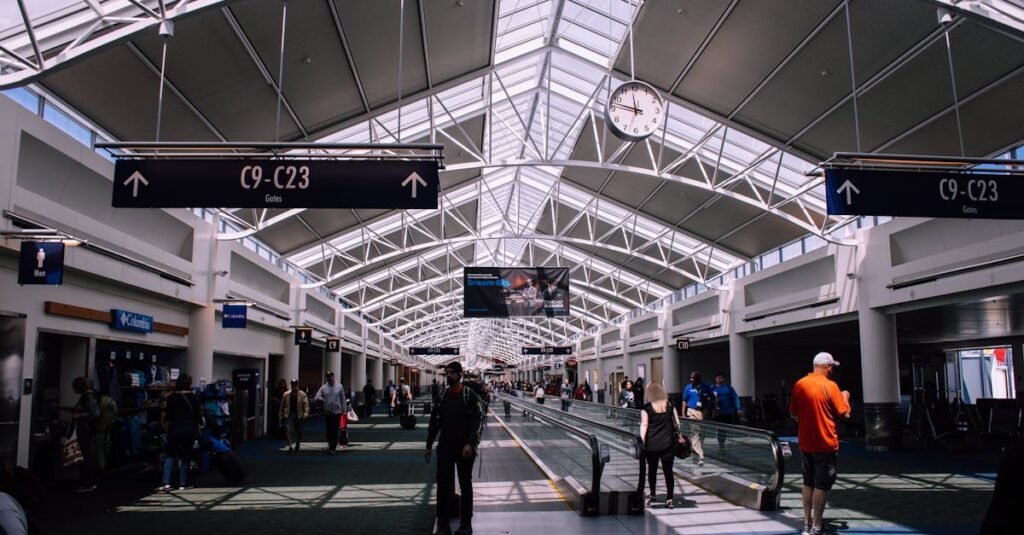
    Spacious airport terminal with moving walkway and travelers, showcasing modern architecture.

    If approval is granted, travelers may soon see direct flights between key U.S. gateways and Venezuela’s major airports most likely starting with popular city pairs that historically drew high demand. Direct nonstop service would vastly simplify travel that has, for years, required multiple connections and planning through other countries. 

    For business and leisure passengers alike, restored flights could mean shorter travel times, improved connectivity, and more competitive pricing. They could also stimulate economic exchange as trade and corporate travel expand following years of limited direct access. 

    What are the Challenges That Still Lie Ahead?

    Even with the announcement, significant hurdles remain. Federal agencies such as the Federal Aviation Administration (FAA) and the Transportation Security Administration (TSA) must complete thorough safety and security assessments before flights can be authorized. These evaluations cover airspace safety, airport security infrastructure, and compliance with international aviation standards. 

    In addition, the U.S. State Department continues to issue travel advisories and may encourage cautious planning for those considering travel to Venezuela, reflecting ongoing safety concerns in the region. 

    Broader Impacts on U.S.–Venezuela Relations

    The planned relaunch of air service is more than a commercial aviation story, it reflects evolving relationships between the United States and Venezuela. Reestablishing nonstop flights could signal a gradual normalization of ties and a reopening of channels that were dormant for years. 

    For the Venezuelan diaspora in the U.S., particularly in cities with large Venezuelan communities, the return of direct service holds emotional and cultural significance. Families split across borders could once again travel more easily to visit loved ones, attend important events, and participate in cultural exchange.

  • Singapore Airlines A350 Photos Raise Questions About Possible Tail Strike After Go Around 

    Singapore Airlines A350 Photos Raise Questions About Possible Tail Strike After Go Around 

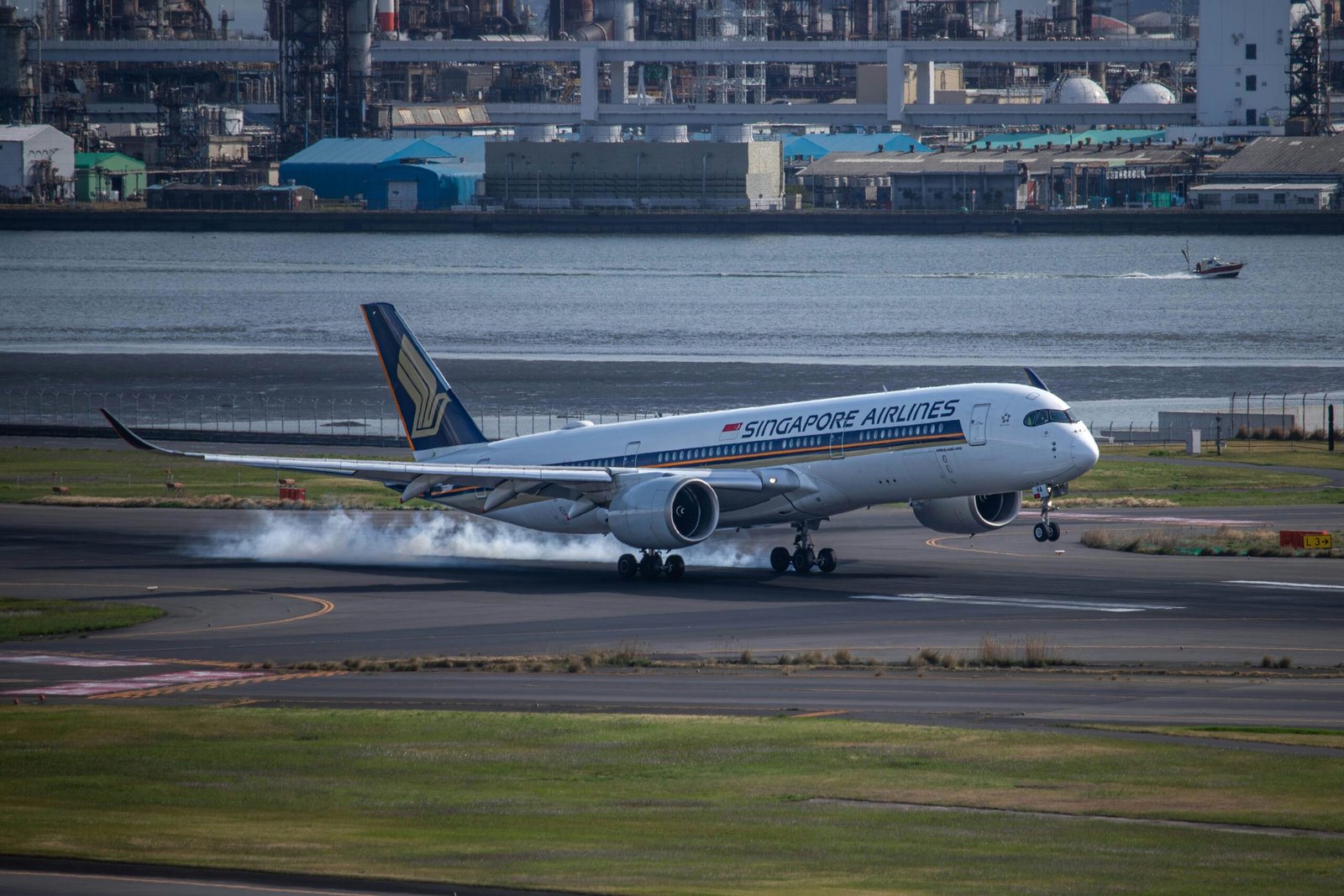
    Singapore Airlines Flight SQ917, an Airbus A350-900 operating from Manila to Singapore, performed a go-around at Singapore Changi Airport on Saturday, January 24, before completing a safe landing but photos and official responses have since drawn attention to what may have been a tail strike during the maneuver. 

    The aircraft involved — registered 9V-SHW — initially attempted to land on Runway 02L at Changi around early evening. Due to wind conditions reported at the time, the flight crew executed a rejected landing (go-around)procedure. During this maneuver, the tail of the aircraft made contact with the runway surface, according to multiple local media reports citing airline sources and aviation tracking data. 

    After climbing to a safe altitude, the flight repositioned for a second approach to Runway 02C, landing without further incident approximately 25 minutes later. All 256 passengers and 16 crew members disembarked normally, and there were no injuries reported. 

    Singapore Airlines A350 Photos Raise Questions About Possible Tail Strike

    Photos shared on social media including images captured shortly after the aircraft reached the terminal reportedly show scrape marks and damage on the lower rear fuselage near the tail section. Aviation observers and online trackers have described the visual evidence as consistent with a tail strike, though Singapore Airlines has not released detailed diagnostic information publicly. 

    In an official response to queries from media outlets, a Singapore Airlines spokesperson confirmed the aborted landing was due to wind conditions and emphasized that the aircraft later landed safely and disembarked normally. The airline also said the aircraft is undergoing repairs following the incident. 

    “All customers and crew disembarked normally,” read the official statement

    While tail strikes are relatively uncommon events in modern commercial flight operations, they are a known risk when aircraft perform go-arounds from low altitude. During these maneuvers, sudden changes in thrust and pitch can increase the likelihood of the aft fuselage contacting the runway surface if not carefully controlled. 

    Flight tracking data also shows that 9V-SHW has remained on the ground in Singapore since the January 24 flight, suggesting it has been taken out of service for inspections and maintenance while other aircraft operate scheduled flights in its stead. 

    This incident highlights how routine safety procedures such as go-arounds can lead to complex aircraft responses and post-flight scrutiny, especially when visual evidence circulates before formal statements are published. For now, the confirmed elements are clear: a go-around was performed, the aircraft subsequently landed safely, and visible tail damage has prompted repairs and further observation.

  • U.S. Winter Storm Disrupts Air Travel: Delta Cancels Flights, American Airlines, Southwest and JetBlue Roll Out Rebooking

    U.S. Winter Storm Disrupts Air Travel: Delta Cancels Flights, American Airlines, Southwest and JetBlue Roll Out Rebooking

    A powerful winter storm sweeping across large parts of the United States has thrown air travel into disarray, forcing airlines including Delta, American Airlines, Southwest and JetBlue to cancel hundreds of flights and introduce flexible rebooking options for stranded passengers.

    Delta Air Lines confirmed widespread flight cancellations as severe weather, including heavy snow, ice, and strong winds, impacted key hubs and major travel corridors. The airline cited safety concerns and operational challenges as crews and aircraft struggled to navigate deteriorating conditions at airports across the Midwest, Northeast, and parts of the South.

    While Delta moved to cancel flights outright, other major U.S. carriers — including American Airlines, Southwest Airlines, and JetBlue — opted to roll out travel waivers and flexible rebooking policies in anticipation of ongoing disruptions. Passengers booked on affected routes are being allowed to change travel dates without incurring change fees, a move airlines say is designed to reduce congestion at airports and provide travelers with more control over their plans.

    “This will likely result in thousands of flight cancellations on Saturday, Sunday and Monday. Even in locations far away from the storm, such as the West Coast hubs, Denver, Chicago and Minneapolis, ripple effects of this widespread travel-halting winter storm will be felt,” said Dan DePodwin, Forecasting Operations, Vice President at Accuweather.

    American Airlines, SouthWest And JetBlue Offer Rebooking

    American Airlines said it is closely monitoring weather conditions and adjusting schedules as needed, warning customers to expect delays and possible cancellations through the storm’s peak. Southwest, known for its point-to-point network, also issued advisories urging passengers to check flight status frequently and take advantage of free rebooking options where available. JetBlue echoed similar guidance, especially for travelers flying in and out of weather-impacted East Coast airports.

    The storm arrives during a busy travel period, compounding frustration for passengers already facing packed terminals and limited alternative flight options. Airport departure boards in several cities showed long lists of delayed and canceled flights, while social media quickly filled with travelers sharing images of crowded gates and lengthy customer service lines.

    Airlines are encouraging customers to rebook digitally through their apps or websites rather than heading directly to airport counters, which remain understaffed amid the disruption. Travelers are also being advised to keep an eye on weather forecasts and allow extra time for airport screening and ground transportation, as icy roads and poor visibility continue to create challenges beyond the runway.Meteorologists warn that the storm system could continue to impact travel for days, raising the possibility of further cancellations as conditions evolve. For now, airlines say flexibility is key, urging passengers to stay informed and make proactive changes to avoid last-minute complications.

  • Why is WestJet’s New Seating Configuration Causing Uproar Among Passengers?

    Why is WestJet’s New Seating Configuration Causing Uproar Among Passengers?

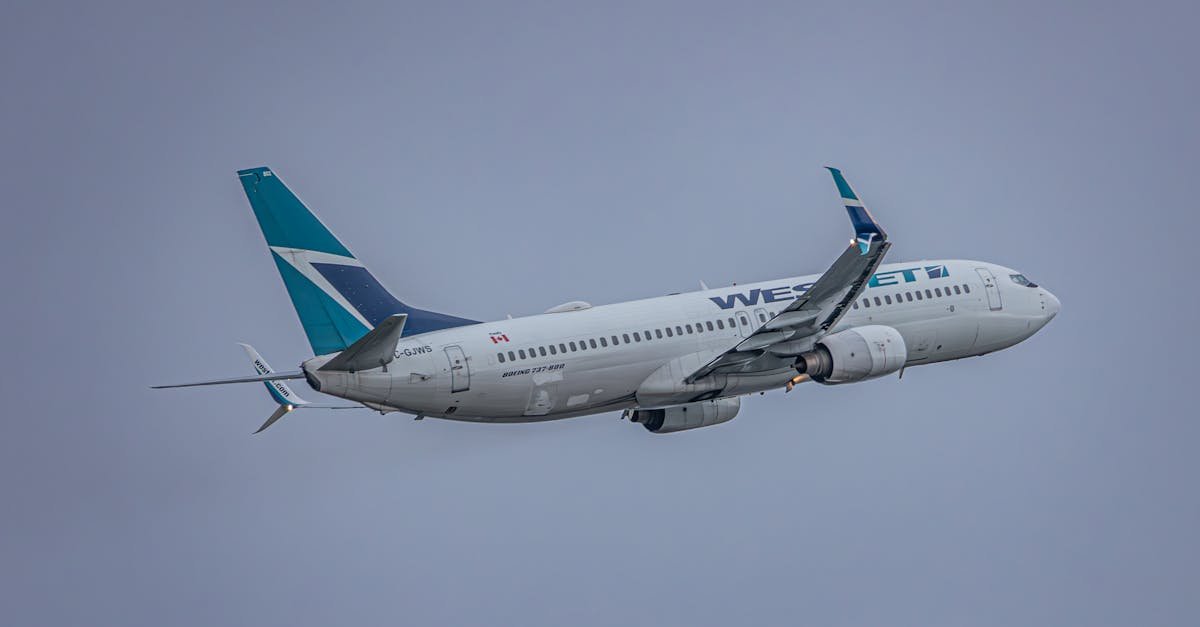
    WestJet recently announced their decision to reverse their plans after introducing a new seating configuration on select Boeing 737-800 and 737 MAX 8. The new configuration introduced a decreased legroom which had a huge impact on the passenger comfort and several videos of passengers struggling went viral on social media.

    What Changes Did WestJet Bring About In Their Retrofit Cabin?

    The Canadian Airline, WestJet rolled out a new seating configuration since late October 2025 in an effort to increase their seating capacity in their Boeing 737-800 and 737 MAX 8 fleet. The aircraft which originally had 174 seats was fitted with an additional row taking the overall seating capacity of the aircraft to 180. As stated by WestJet Group Chief Executive Officer, it was en effort to try a new product to make air travel more affordable among the masses.

    “WestJet tried seat pitches that are popular with many airlines around the globe as they serve to provide affordable airfares. As an entrepreneurial airline founded on making air travel affordable to Canadians, it’s in our DNA to try new products. At the same time, it is just as important to react quickly if they don’t meet the needs of our guests,”explained CEO Alexis von Hoensbroech.

    This new seating had an overall impact on the Economy passengers with Rows 21-31 having only 28 inches of legroom that led to a large number of complaints about the lack of space and discomfort by frequent travelers. It has been reported that flight attendants and the crew had also reported it to the management after rising escalated situations with passengers. Along with new configuration, concerns about the recline in the seats were also raised by customers as only the first six rows featured a reclining function whereas the others had no provision to recline.

    What is WestJet’s Next Course of Action After the Backlash

    Several videos went viral on the internet which showed passengers struggling with the legroom in the new retrofitted cabins. About two months after rolling out the new configuration, WestJet released a statement about their decision to reverse the new setting of seats and announced that they will be removing the extra row that includes six seats altogether after customer feedback.

    “Following a review of operational data and feedback from guests and WestJetters, the airline will return to its prior standard seat pitch for economy cabins on these recently reconfigured aircraft by removing one row of seats,” read the official statement from the company

    WestJet will be returning to their 174 set layouts however, the timelines for the same is yet to be officially released by the company.