Category: Airlines

  • United Welcomes New A321XLR & Coastliner: The World’s Most Luxurious Single-Aisle Experience?

    United Welcomes New A321XLR & Coastliner: The World’s Most Luxurious Single-Aisle Experience?

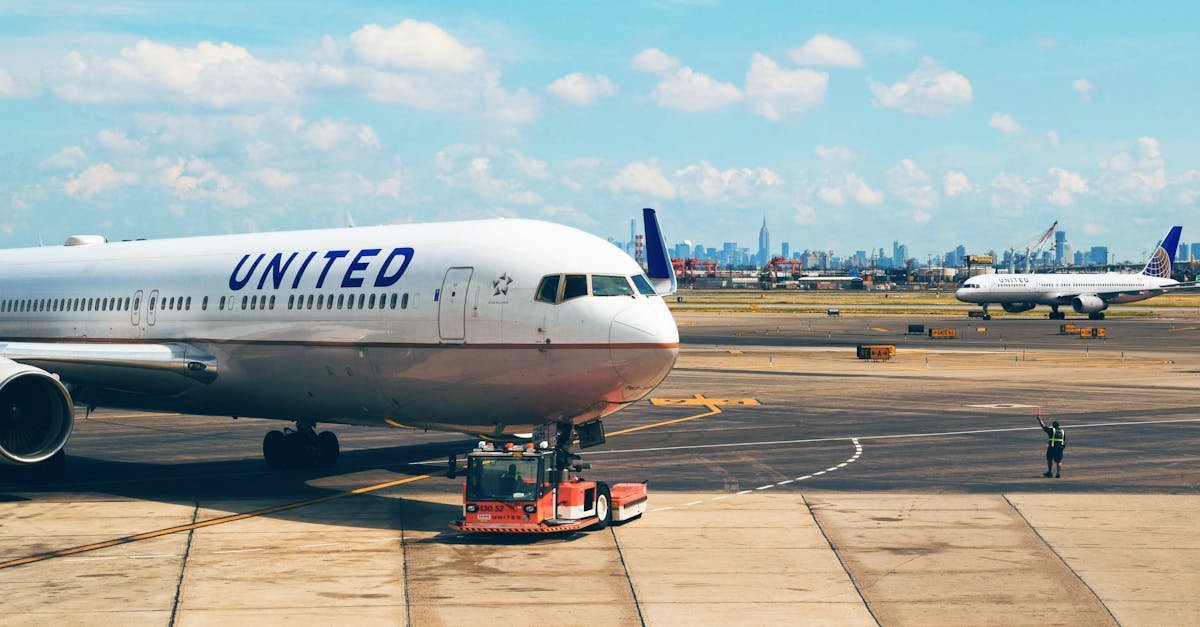
    The days of dreading a long flight on a narrow body aircraft are officially coming to an end. For years, the gold standard of air travel was simple: if you wanted a flat bed, a real meal, and a sense of space, you had to fly on a massive wide body jet with two aisles. If you were stuck on a single aisle plane like a Boeing 737 or an Airbus A321, you usually had to settle for a standard recliner and a cramped cabin. United Airlines is flipping that script entirely with the introduction of the Airbus A321XLR and the A321neo Coastliner.

    These are not just new planes. They represent a complete shift in how United treats its most important routes. By bringing the flagship Polaris business class and a dedicated Premium Plus cabin to these smaller jets, United is making the single aisle experience feel every bit as grand as a flight on a massive Dreamliner.

    The Rise of the Coastliner and the XLR

    United is rolling out two distinct versions of the Airbus A321 to serve very different needs. The first is the A321neo Coastliner. This plane is specifically designed for the high stakes transcontinental market. If you are flying between Newark and Los Angeles or San Francisco, this is the aircraft you want to be on. It is built to compete with the most premium offerings in the country, providing a seamless transition for travelers who are used to international standards of luxury.

    The second version is the A321XLR, which stands for Extra Long Range. This is the real workhorse for the future of international travel. Because it can fly much further than a standard A321, United plans to use it for “long and thin” routes. These are flights to smaller cities in Europe and deep into South America that do not quite have enough passengers to fill a giant Boeing 787 but still require a premium cabin for a seven or eight hour journey.

    A True Polaris Experience in a Single Aisle

    The headline feature of both aircraft is the inclusion of United Polaris business class. In the past, putting lie flat beds on a narrow body plane often meant a 2-2 configuration where the person by the window had to climb over their neighbor to reach the aisle. United has solved this by giving every single Polaris passenger direct aisle access.

    These seats are arranged in a clever layout that maximizes privacy without making the cabin feel claustrophobic. Each suite features a sturdy door that you can close to create your own little world at 35,000 feet. The seats are also wider at the shoulder and elbow than many competing products, ensuring that you do not feel pinned in while trying to sleep.When it is time to rest, the seat converts into a fully flat bed that is over six feet long, complete with the famous Saks Fifth Avenue bedding that Polaris is known for.

    The Debut of Premium Plus on Narrow Body Jets

    For the first time ever on a single aisle United aircraft, passengers can now choose United Premium Plus. This is the “purple seat” experience that sits right between business class and economy. It is designed for travelers who want more comfort than a standard seat but do not necessarily need a bed.

    The A321XLR and Coastliner versions of Premium Plus feature a 2-2 configuration, meaning no middle seats. One of the coolest new features in this cabin is the retractable divider. This allows you to have a bit of extra separation from your neighbor if you are traveling alone, or you can tuck it away if you are flying with a partner. You also get more recline, a dedicated footrest, and an upgraded dining experience served on real china.

    The Biggest Economy Screens in the World

    United did not forget about the passengers in the back of the plane. In fact, they are making a bold claim: these aircraft feature the biggest economy screens in the world. In a standard economy seat, you are looking at a 13 inch high definition touchscreen. To put that in perspective, that is the same size as many laptop screens.

    If you are in Premium Plus, the screen jumps to 16 inches, and in Polaris, you get a massive 19 inch monitor. All of these screens come with Bluetooth connectivity, so you can use your own wireless headphones instead of the cheap wired ones the airline hands out. With hundreds of movies and TV shows available, the flight will likely feel a lot shorter than it actually is.

    Tech and Amenities for the Modern Traveler

    One of the biggest frustrations of modern travel is the “battery anxiety” that comes with a long flight. United has addressed this by putting chargers everywhere. Whether you are in the very front or the very last row, you will have access to an AC power outlet and a fast charging USB-C port. Many of the premium seats even include wireless charging pads built into the side consoles.

    Beyond the tech, the cabin environment itself is much improved. These planes feature the Airbus Airspace interior, which includes customizable LED mood lighting that helps your body adjust to different time zones. The overhead bins are also much larger, meaning you are far less likely to be told that you have to gate check your carry on bag because the bins are full.

    The Walk Up Snack Bar

    Perhaps the most fun addition to these new planes is the self-serve snack bar located at the back of the economy cabin.Instead of waiting for a flight attendant to come through with the cart, passengers on longer flights can simply get up and stretch their legs while grabbing a drink or a light snack. This “Grab-N-Go” concept has been popular on other airlines for years, and it adds a level of freedom to the flight that makes the narrow cabin feel a bit more like a lounge.

    A New Standard for Single Aisle Travel

    The arrival of the A321XLR and the Coastliner marks a turning point for United. By replacing aging Boeing 757s with these state of the art jets, the airline is proving that you do not need two aisles to have a world class experience. Whether you are crossing the Atlantic to a charming European city or just hopping across the country for a business meeting, these planes ensure that the journey is just as good as the destination.

    United is betting big on the idea that passengers will pay for a premium experience even on a smaller plane. Given the level of detail and the focus on comfort found in these new interiors, it is a bet that is very likely to pay off.
  • Delta Air Lines Cancels 300+ Midwest Flights as Massive Winter Storm Hits MSP Hub

    Delta Air Lines Cancels 300+ Midwest Flights as Massive Winter Storm Hits MSP Hub

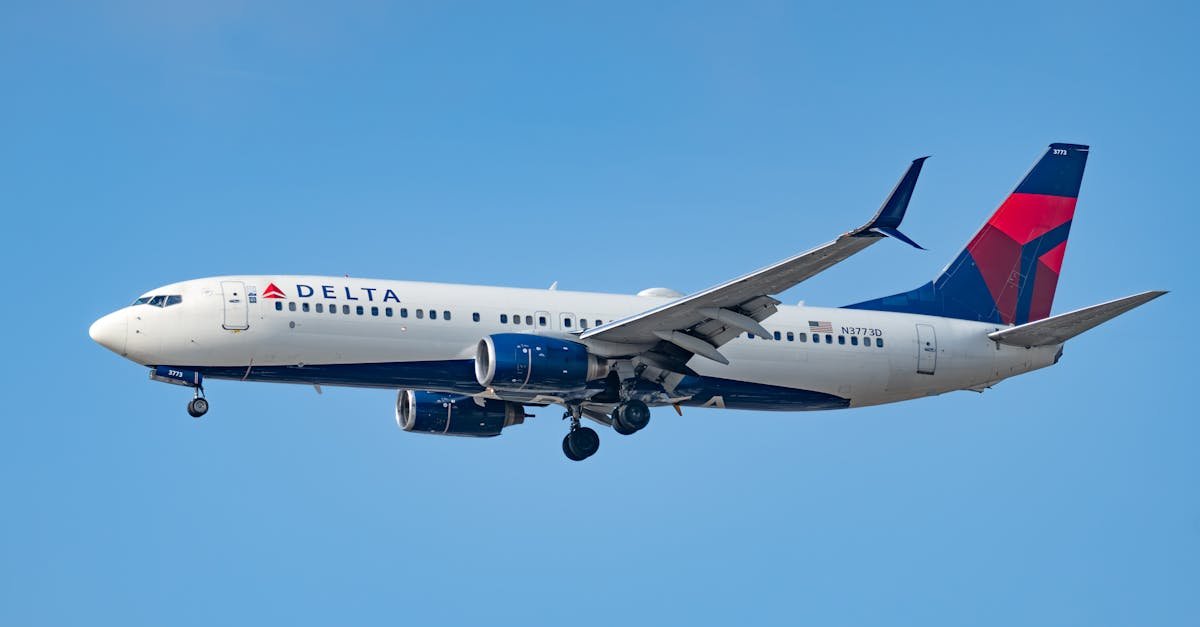
    The middle of the country is bracing for a powerful weather system that has forced major changes for travelers this weekend. As a massive winter storm moves through the region, Delta Air Lines has already started calling off hundreds of flights to keep passengers safe and prevent a complete gridlock at busy terminals. This late winter blast is expected to bring heavy snow and dangerous winds, making it impossible for many planes to take off or land.

    For anyone planning to fly through the Midwest over the next few days, the situation is changing quickly. Delta Air Lines is working hard to manage the fallout from the weather, but the sheer scale of the storm means that disruptions are unavoidable. By making proactive cuts to the schedule, the company hopes to avoid the long lines and stranded crowds that often happen when a storm catches an airline by surprise.

    Massive Snowfall Totals Forecast for Minneapolis and Beyond

    The heart of the disruption is centered around Minneapolis St. Paul International Airport, which serves as a major base of operations for the carrier. Forecasters are warning that this could be one of the biggest snow events of the season for the Twin Cities. Some estimates suggest that as much as 18 to 20 inches of snow could fall in parts of Minnesota and Wisconsin before the system finally moves out.

    It is not just the snow that is causing headaches for Delta Air Lines and its customers. Strong wind gusts are expected to create whiteout conditions, making it dangerous for ground crews to operate and for pilots to see the runway. These conditions are a recipe for delays, and the airline decided that canceling flights ahead of time was the most responsible way to handle the risk.

    How Delta Air Lines is Managing Flight Cancellations

    When a storm of this magnitude is on the horizon, airlines use data and weather models to decide which flights to cut. Delta Air Lines has already pulled more than 300 flights from its weekend schedule, with the majority of those impacts happening on Sunday. By canceling these flights early, the airline can stop passengers from heading to the airport only to find out their plane isn’t leaving.

    This proactive approach also helps the airline keep its staff and equipment in the right places. If too many planes get stuck in a snowy hub like Minneapolis, it can cause a ripple effect that delays flights in sunny places like Florida or California. Delta Air Lines is trying to keep its global network moving by sacrificing these specific regional routes that are directly in the path of the blizzard.

    Understanding the Reach of the Travel Waivers

    To help people deal with the stress of a canceled trip, Delta Air Lines has issued a special travel waiver. This is essentially a hall pass that lets you change your flight without paying the usual fees. If you were scheduled to fly to, from, or through the affected areas on March 14 or March 15, you can move your trip to a later date.

    The airline is allowing customers to rebook their travel for any time through March 22 without a fare difference, as long as they stay in the same cabin. This gives people about a week to wait for the snow to clear and for airport operations to return to normal. Delta Air Lines also offers the option to cancel the trip entirely and keep the value of the ticket as a credit for a future flight, which is valid for one year.

    The Impact on Regional Airports Across Seven States

    While the hub in Minneapolis is seeing the most trouble, the reach of this storm is much wider. Delta Air Lines has flagged 26 different airports across seven states as being at risk. This includes smaller cities in Michigan, Iowa, and South Dakota where snow removal might take longer and where regional jets are more susceptible to high winds.

    Travelers in cities like Milwaukee, Des Moines, and Green Bay are seeing their options dwindle as the storm moves closer. Because many of these smaller locations rely on flights connecting through larger hubs, a cancellation in Minneapolis often means the regional flight is canceled too. Delta Air Lines is keeping a close eye on these smaller markets to ensure that safety remains the top priority for everyone involved.

    Tips for Travelers Navigating the Storm

    If you have a ticket with Delta Air Lines this weekend, the most important thing you can do is stay informed. Checking your flight status through the mobile app is usually faster than calling a customer service representative, as phone lines tend to get very busy during weather events. The app will provide real time updates on whether your plane is delayed, canceled, or still on track.

    It is also a good idea to pack some extra patience and perhaps some snacks if you do decide to go to the airport. Even if your flight is still scheduled to depart, there could be long lines for de icing or delays on the tarmac while crews clear the runways. Delta Air Lines suggests that passengers sign up for text alerts so they can get instant notifications about any changes to their itinerary.

    Why Proactive Cancellations Save Time in the Long Run

    It might seem frustrating when Delta Air Lines cancels a flight before the first snowflake has even fallen, but this strategy actually helps everyone get home sooner. When an airline waits until the last minute to cancel, thousands of people end up stuck in the terminal at the same time. This creates a massive backlog that can take days to clear.

    By thinning out the schedule now, Delta Air Lines ensures that they have empty seats available on Monday and Tuesday to accommodate the people who couldn’t fly on Sunday. It also prevents flight crews from reaching their maximum work hours while sitting on a plane that isn’t moving, which keeps them available to fly once the skies clear up.

    Looking Ahead to Recovery Efforts

    Once the peak of the storm passes on Sunday morning, the focus will shift to digging out. Delta Air Lines will be working closely with airport authorities to clear runways and get the gates ready for arrivals. Depending on how much snow actually piles up, it could take 24 to 48 hours for the schedule to get back to 100 percent.

    The airline has stated that they will continue to monitor the weather and make further adjustments if the storm lingers longer than expected. For now, the best advice for anyone in the Midwest is to stay off the roads and keep an eye on their inbox for updates from Delta Air Lines regarding their travel plans.

    Keeping Your Travel Plans Flexible

    The reality of spring travel in the Midwest is that winter isn’t always finished with us. This latest storm is a reminder that weather can change in an instant, and being flexible is the best way to handle the situation. Delta Air Lines has made it clear that they want to help their customers get where they need to go, even if it means a slight delay in the arrival time.

    By using the tools provided by the airline, such as the mobile app and the flexible rebooking options, you can take control of your trip despite the snow. While nobody likes a canceled flight, knowing that Delta Air Lines is prioritizing safety over schedule provides some peace of mind during a chaotic weather event.

  • Alaska Airlines in 2026: What Flyers Really Need to Know Before Booking

    Flying with Alaska Airlines in 2026 feels quite different than it did just a few years ago. The carrier has undergone a massive transformation, moving from a beloved West Coast regional favorite to a major global player. Between its completed merger with Hawaiian Airlines and a rapid expansion into Europe and Asia, the airline is redefining what travelers should expect. If you are planning to book a trip soon, there are several key updates regarding routes, loyalty perks, and onboard technology that you should keep in mind to get the most value for your money.

    A New Era of Global Travel from Seattle

    For a long time, if you wanted to fly across the Atlantic or Pacific, you likely had to look toward the giant legacy carriers. In 2026, Alaska Airlines has changed that narrative by establishing Seattle as a true international gateway. The airline now operates its own long-haul flights to iconic destinations like London Heathrow and Rome. This is a significant shift for a company that once focused almost entirely on North America.

    The introduction of the Boeing 787 Dreamliner into the fleet has made these long journeys possible. Unlike the smaller jets used for domestic hops, these wide-body planes offer a much more spacious environment. If you are booking one of these new international routes, you will find a premium service that includes lie-flat business class suites. This expansion means that Alaska Airlines is no longer just for getting you to Portland or Anchorage; it is a legitimate contender for your next European vacation or business trip to Tokyo.

    The Merger with Hawaiian Airlines and What It Means

    One of the biggest stories for flyers in 2026 is the full integration of Hawaiian Airlines into the Alaska Airlines family. While you will still see the iconic Hawaiian branding and hospitality on flights to the islands, the two companies now operate as a single entity behind the scenes. This is great news for travelers because it creates a massive, seamless network covering the mainland, the Pacific, and beyond.

    If you are a frequent flyer, the most important takeaway is that you can now book a trip that starts in a small town in Alaska and ends on a beach in Maui all on a single ticket. The schedules have been aligned to reduce layover times, and the customer service teams are now unified. Even though the planes might look different on the outside, the “care” and “performance” standards that Alaska Airlines is known for are being applied across the entire combined network.

    Introducing Atmos Rewards: The New Loyalty Standard

    The old Mileage Plan has evolved into a more flexible and comprehensive program called Atmos Rewards. In 2026, Alaska Airlines has given its members more control over how they earn and spend their points than almost any other carrier. Instead of being locked into a single way of earning, you can often choose whether you want to rack up points based on the distance you fly, the price you paid for the ticket, or simply the number of segments you completed.

    This flexibility is a huge win for different types of travelers. If you are a budget-conscious flyer taking long-distance trips, the distance-based option remains a fantastic way to build status quickly. On the other hand, business travelers who book last-minute, expensive tickets might find the spend-based model more lucrative. Furthermore, the new “milestone perks” allow you to unlock rewards like lounge passes or Wi-Fi credits even before you hit a major elite tier. It makes the experience of flying with Alaska Airlines feel much more rewarding for the casual traveler, not just the road warrior.

    Better Connectivity with Starlink Wi-Fi

    Staying connected at thirty thousand feet has historically been a frustrating and expensive experience. However, in 2026, Alaska Airlines has set a new industry standard by rolling out Starlink Wi-Fi across its fleet. This is not the slow, laggy internet of the past. It is high-speed, low-latency connectivity that actually allows you to stream videos, participate in video calls, or play games just as you would at home.

    For many Atmos Rewards members, this service is now included as a complimentary perk. Even for those in the main cabin, the pricing has become much more reasonable. By choosing a satellite provider known for global coverage, Alaska Airlines ensures that you stay online even when flying over remote areas or the middle of the ocean. This is a game-changer for anyone who needs to stay productive during a cross-country flight or simply wants to stay entertained without pre-downloading movies.

    Expanding Regional Hubs Beyond the West Coast

    While Seattle remains the heart of the operation, Alaska Airlines has significantly bolstered its presence in other key cities like San Diego and Portland in 2026. The airline has added dozens of new nonstop routes to “heartland” cities that were previously underserved. This means fewer connections through massive, crowded hubs and more direct flights to places like Tulsa, Oklahoma, or various spots in the Midwest.

    This regional expansion is powered by a growing fleet of Embraer E175 jets. These planes are a favorite among passengers because they do not have middle seats. Whether you are in First Class or the Main Cabin, you are guaranteed either a window or an aisle. For flyers who value personal space and a quicker boarding process, these regional flights offered by Alaska Airlines are often much more comfortable than the larger narrow-body planes used by competitors.

    Fresh Menus and West Coast Flavors

    The onboard experience has also seen a refresh in 2026. Alaska Airlines continues to lean into its West Coast roots by partnering with local brands for its food and beverage service. When you fly, you are likely to find craft beers from Pacific Northwest breweries and meals inspired by seasonal ingredients from the region.

    The airline has also made it easier to plan your meal through its mobile app. You can pre-order your food up to two weeks before your flight, ensuring that your first choice is available once you are in the air. For those in the Main Cabin, the “Fruit and Cheese Platter” remains a legendary staple, but the 2026 menu has expanded to include more hot meal options on longer flights. It is a small touch, but it shows that Alaska Airlines is paying attention to the details that make a long day of travel more pleasant.

    Smart Booking Strategies for 2026

    If you want to find the best deals on Alaska Airlines, the low-fare calendar on their website is still your best friend. In 2026, the airline has integrated more “Saver” fare options that provide great value if you are sure of your travel dates. Just keep in mind that these tickets are more restrictive regarding changes and seat assignments.

    Another tip for 2026 is to look at “multi-city” bookings if you are heading to Hawaii or international destinations. With the new combined network, you can often find unique routing options that might save you money or allow for an interesting stopover. Always check your Atmos Rewards account before booking, as there are frequently targeted “status boost” promotions that can help you reach the next level of elite benefits faster than usual.

    Getting the Most Out of Your Next Journey

    The landscape of American aviation is constantly shifting, but Alaska Airlines has managed to grow while keeping its reputation for friendly service intact. By embracing new technology like Starlink and expanding its reach through the Hawaiian merger, the carrier offers a very compelling package for both domestic and international travelers. Whether you are looking for the luxury of a 787 Business Class suite or the simple convenience of a nonstop regional flight, the airline has positioned itself to meet those needs in 2026.

  • Spirit Airlines in 2026: What Flyers Really Need to Know Before Booking

    Spirit Airlines in 2026: What Flyers Really Need to Know Before Booking

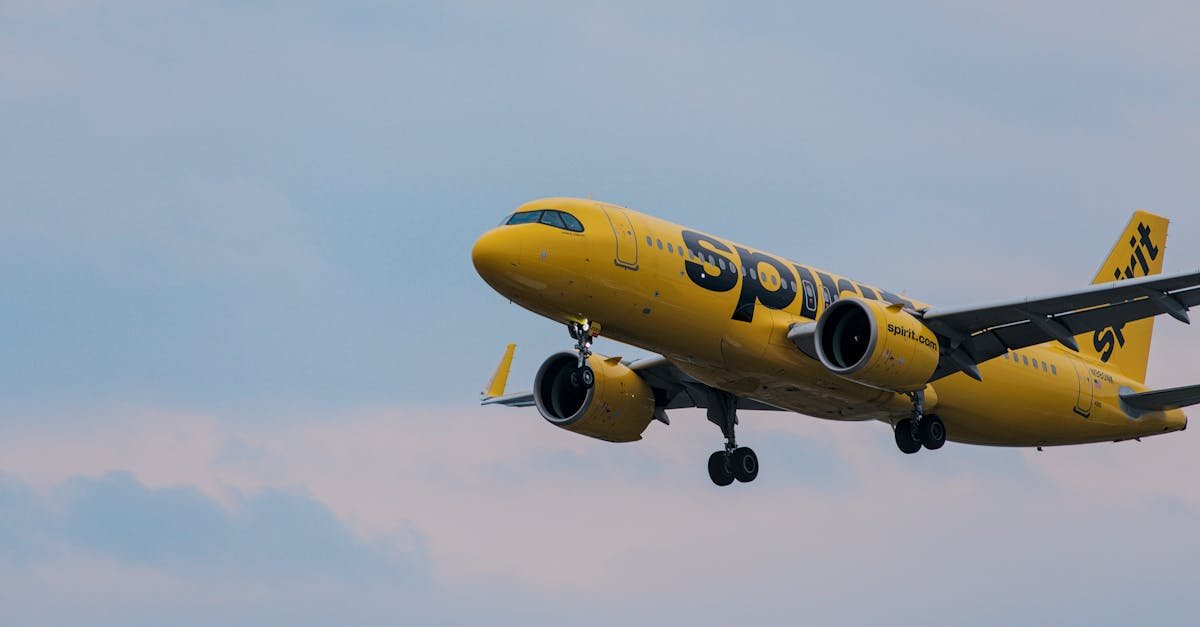
    When you think of Spirit Airlines, you likely picture bright yellow planes and the promise of a flight that costs less than a fancy dinner. In 2026, that image is still mostly true, but the way the airline operates has shifted significantly. After a period of restructuring and some very public financial changes, the airline is trying to find a middle ground between being the cheapest option and being an airline people actually enjoy flying.

    If you are planning a trip this year, the old rules of thumb for budget travel might not apply anymore. From new seating categories that feel surprisingly like a major carrier to stricter rules on baggage and changes in how you earn points, there is a lot to catch up on before you click that buy button.

    The New Way to Fly: Understanding the Three Fare Classes

    For years, Spirit Airlines was known for the unbundled fare. You bought a seat and literally everything else was an extra charge. In 2026, they have moved toward a tiered system that looks a lot more like what you would find on United or Delta. While you can still book a bare-bones ticket, most travelers are now choosing between three main options.

    The first is the Value fare. This is the classic Spirit experience. You get a seat and one small personal item. If you want to bring a carry-on or pick where you sit, you will pay for those things separately. It is still the best way to save money if you are just going away for a weekend with a backpack.

    The second tier is Premium Economy. This is where things get interesting. This fare usually includes a carry-on bag and what Spirit calls a Comfy Seat. These seats offer about four inches of extra legroom compared to the standard rows. In many of these rows, the middle seat is intentionally left empty to give you more shoulder room. It is a massive step up from the cramped quarters of the past.

    Finally, there is Spirit First. This has replaced the old Go Big bundle. It includes the famous Big Front Seat, which is essentially a first-class seat without the luxury meal service. With this ticket, you get a checked bag, a carry-on, priority boarding, and even snacks and drinks included.

    Navigating the Baggage Maze in 2026

    Baggage remains the biggest hurdle for most Spirit Airlines passengers. The rules haven’t necessarily become more relaxed, but the pricing has become more dynamic. One thing that has stayed the same is the size limit for your free personal item. It must be 18 by 14 by 8 inches or smaller. If it doesn’t fit in the sizer at the gate, you will be hit with a fee that can sometimes cost more than the flight itself.

    Wait until the last minute to pay for bags and you will pay a premium. The cheapest time to add a bag is during the initial booking. If you wait until you check in online, the price goes up. If you wait until you get to the airport counter, it goes up again. And if the gate agent stops you because your bag is too big, you are looking at the highest possible price.

    One positive change in 2026 is for those who hold the Spirit credit card. Many cardholders now get two free checked bags as a standard benefit. If you fly Spirit more than twice a year, this perk alone often covers the annual fee of the card.

    What to Expect Inside the Cabin

    The interior of the planes has seen some updates. Most of the Spirit Airlines fleet now features the newer, slimmer seats that are designed to provide a bit more knee room even if the actual space hasn’t increased much. The seats are still pre-reclined, meaning you cannot tilt your seat back. This is actually a blessing for the person sitting behind you, as it prevents any mid-flight laptop crushing incidents.

    Wi-Fi is now available on almost every flight in the network. It is not free unless you are flying on a Spirit First ticket, but the speeds have improved. You can usually stream movies or take care of work emails without too much lag. Just keep in mind that you have to pay per device, so if you want to use both your phone and a tablet, you will be paying double.

    There is still no free water or snacks in the main cabin. Everything on the menu has a price tag. In 2026, the airline has moved almost entirely to digital payments, so make sure you have a card or a mobile wallet ready if you think you will get thirsty.

    Reliability and What Happens When Things Go Wrong

    Spirit Airlines has worked hard to improve its on-time performance, and in early 2026, they actually ranked quite high compared to other North American carriers. However, the nature of a low-cost airline means they don’t have as many extra planes sitting around. If a flight is canceled because of a mechanical issue or weather, it can be harder for them to find you a seat on a different flight the same day.

    Unlike the bigger airlines, Spirit Airlines doesn’t always have agreements to put you on a flight with a competitor like American or JetBlue. If you are traveling for something that cannot be missed, like a wedding or a cruise, it is always a good idea to fly in a day early. This gives you a buffer in case of a delay.

    The customer service experience has moved largely to chat-based systems. You can reach them through their app or via WhatsApp. While this can be faster than waiting on hold, it can be frustrating if you have a complex problem that requires a human touch.

    Loyalty and the Free Spirit Program

    The loyalty program has been revamped to reward people who spend money, not just those who fly long distances. You earn points for every dollar spent on fares and even on the extra fees like bags and seats.

    In 2026, points don’t expire as long as you have some kind of account activity within a twelve-month window. This makes it much easier for occasional flyers to actually use their points for a free trip. You can also now use a mix of points and cash to book a flight, which is helpful if you are just a few hundred points short of a “free” ticket.

    Is Booking a Flight the Right Move for You

    Deciding whether to fly Spirit Airlines in 2026 comes down to your priorities. If you are a light traveler who doesn’t mind a basic seat and a tight schedule, you can still find incredible deals that the major airlines can’t match. The key is to know exactly what you are paying for.

    If you start adding on a checked bag, a carry-on, and a specific seat selection, you might find that the total price is very close to a traditional airline. Always do the math on the total cost, not just the base fare shown on the search results.

    Spirit Airlines has evolved into a much more predictable airline than it was a decade ago. It is no longer just a “bus in the sky.” With the new seating options and a better loyalty program, it is a viable choice for a lot more people, provided you read the fine print and pack light.

  • United 787 Engine Fire at LAX: Terrifying Video Shows Passengers Flee in Slides, All We Know So Far

    United 787 Engine Fire at LAX: Terrifying Video Shows Passengers Flee in Slides, All We Know So Far

    A routine Monday morning at Los Angeles International Airport turned into a scene of panic and adrenaline when a United Airlines flight was forced to make a desperate return. Passengers aboard United Flight 2127 were settled in for a cross-country journey to Newark, New Jersey, when a mechanical failure transformed their trip into a survival situation. The aircraft, a modern Boeing 787-9 Dreamliner, suffered a significant engine issue shortly after takeoff that led to a full scale emergency response on the tarmac of one of the busiest airports in the world.

    Moments of Terror in the Sky

    The flight departed from LAX around 10:43 AM local time. For the first few minutes, everything seemed normal as the wide-body jet climbed over the Pacific Ocean. However, as the plane reached an altitude of approximately 18,000 feet, the situation changed rapidly. Crew members and passengers on the left side of the aircraft noticed something was wrong with the General Electric GEnx engine.

    Reports from inside the cabin describe a series of thuds followed by the sight of smoke. The flight crew acted immediately by declaring a “Mayday” and requesting an urgent return to Los Angeles. Air traffic controllers cleared a path, grounding other departing flights to ensure the crippled Dreamliner could get back to the ground as quickly as possible. The tension inside the cabin was palpable as the pilots performed a steep turn to align with the runway, all while dealing with a fire indication in the cockpit.

    The Landing and Sudden Evacuation

    By 11:20 AM, the United 787 touched down on Runway 25L. While the landing was technically successful, the danger was far from over. As the plane slowed down on the taxiway, black smoke began to billow from the left engine. Ground crews and Los Angeles Fire Department units were already in position, having been alerted during the plane’s descent.

    Initially, the plan appeared to involve a controlled deplaning using mobile stairs. One set of stairs was even positioned at the front door. But as the smoke thickened and the threat of an active fire grew, the captain made the call for a full emergency evacuation. This is the moment that has captured the attention of the world through viral video footage.

    Sprinting for Safety on the Tarmac

    In the footage captured by onlookers and aviation enthusiasts, the emergency slides on the right side of the aircraft can be seen deploying in rapid succession. The crew specifically chose not to use the left side exits to keep passengers away from the smoking engine.

    The video shows a stream of people sliding down the inflatable chutes. Unlike many recent aviation incidents where passengers have been criticized for grabbing their luggage, the people on Flight 2127 seemed to understand the gravity of the situation. They left everything behind. Once their feet hit the pavement, they didn’t look back. Passengers were seen sprinting across the taxiway, driven by the sight of smoke and the fear of a potential explosion.

    The evacuation was a textbook example of efficiency. Reports indicate that over 250 people cleared the aircraft in less than sixty seconds. This speed is critical in aviation safety, as fire can compromise the fuselage in a very short amount of time.

    A Miracle of Zero Major Injuries

    Despite the chaotic nature of the exit and the speed at which people were running, the outcome was remarkably positive. United Airlines confirmed that 256 passengers and 12 crew members were on board. Out of all those people, only one minor injury was reported, a small cut to a passenger’s finger.

    The lack of injuries is a testament to the training of the United Airlines flight attendants. They are trained to shout commands and push people toward the slides to prevent a bottleneck at the doors. In a situation where every second counts, their ability to maintain order saved lives and prevented the kind of trampling accidents that often occur during mass panics.

    Federal Investigation into the Boeing 787

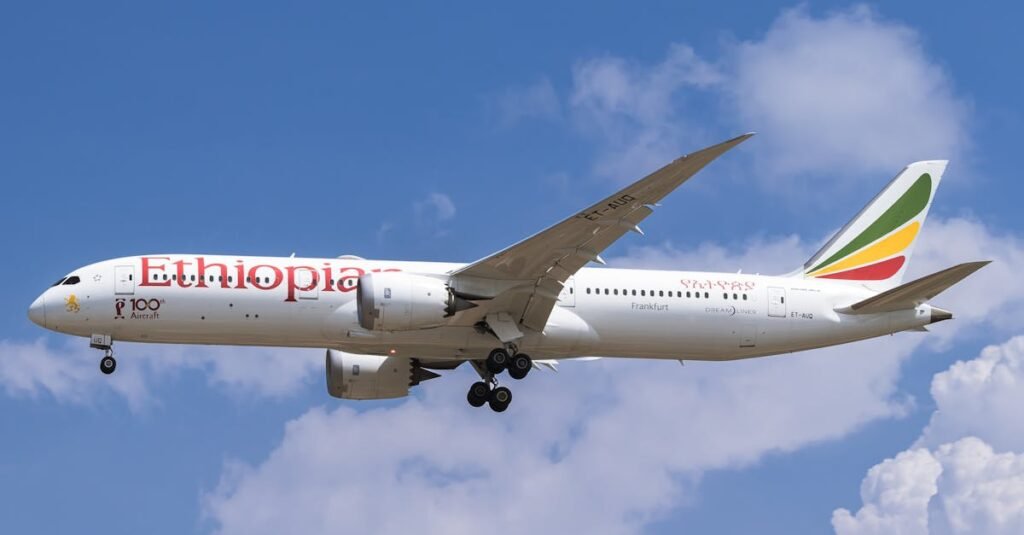
    Side view of Ethiopian Airlines Boeing 787 flying against a blue sky with clouds.

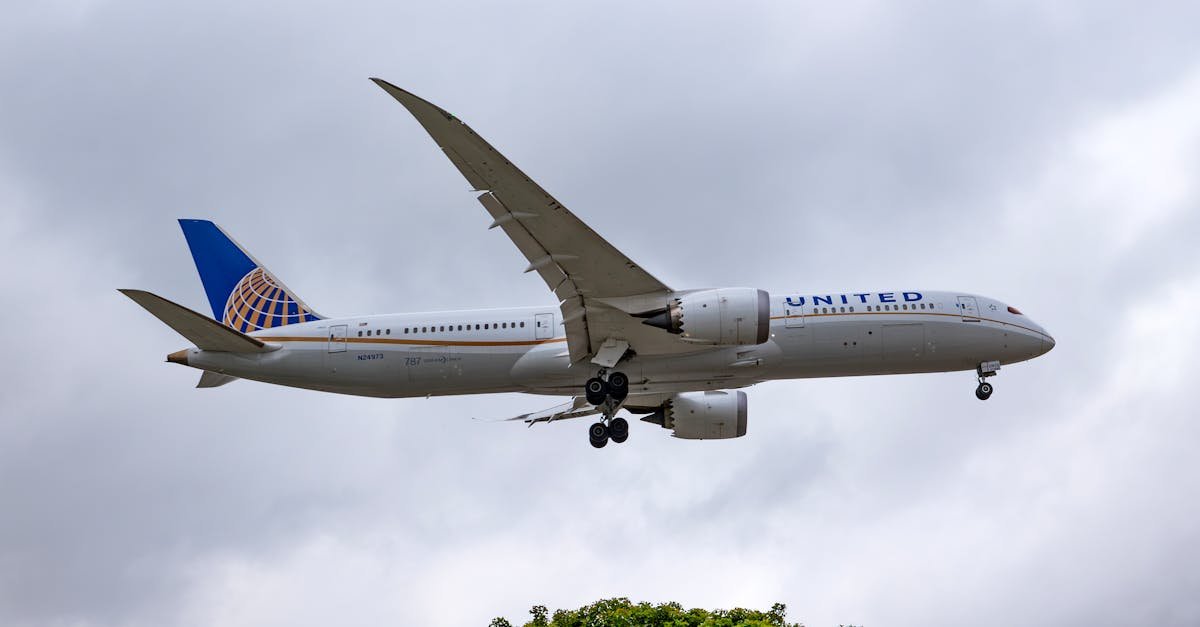
    The Federal Aviation Administration and the National Transportation Safety Board are now looking into the cause of the United 787 engine fire. The aircraft involved, registered as N24972, is a relatively modern piece of equipment. Investigators will focus on whether the fire was caused by a bird strike, a mechanical fatigue failure, or a maintenance oversight.

    The left engine remained the focus of fire crews for over an hour after the landing. Firefighters continued to douse the engine housing with water and foam to ensure that hidden hot spots did not reignite the fuel lines. The plane will likely remain grounded at LAX for an extensive period as investigators dismantle the engine to find the root cause of the failure.

    Impact on LAX Operations

    The emergency landing caused significant ripples through the air travel network. The FAA issued a temporary ground stop for all flights heading into LAX while the taxiway was cleared and the emergency was managed. This resulted in delays for thousands of travelers across the country.

    While the ground stop was lifted by early afternoon, Runway 25L remained closed for several hours. This particular runway is a primary artery for the airport, and its closure forced controllers to reroute traffic, leading to a backlog of departures. United Airlines worked quickly to bus the evacuated passengers back to the terminal, where they were provided with food, water, and eventually, seats on a replacement aircraft to finish their journey to Newark.

    Safety Lessons from Flight 2127

    Aviation experts are already pointing to this incident as a success story in terms of safety protocol. The decision to evacuate on the side opposite the fire is a standard but vital procedure. Furthermore, the fact that passengers followed instructions and abandoned their carry on bags played a massive role in the high speed of the evacuation.

    When people stop to grab laptops or suitcases from overhead bins, they block the aisles. In a real fire, those extra seconds can be the difference between life and death due to smoke inhalation. The imagery of passengers running away from the United 787 serves as a stark reminder of why these rules exist.

    What Happens Next for the Passengers

    For the 256 people who were on that flight, the day will be remembered as a brush with disaster. United Airlines has stated that it is cooperating with all authorities and taking care of the needs of the affected travelers. Most of the passengers were eventually placed on a different plane to continue to the East Coast, though some opted to stay in Los Angeles or find alternative travel arrangements after the traumatic experience.

    The airline will also have to deal with the logistical nightmare of returning the luggage left on the original plane. Because the aircraft is now part of an active federal investigation, it may be some time before passengers are reunited with their personal belongings.

    Looking Toward the Investigation Results

    In the coming weeks, the data from the flight data recorder and the cockpit voice recorder will be analyzed. This information will tell the story of exactly what the pilots saw and felt in the moments leading up to the landing. For now, the focus remains on the bravery of the crew and the quick thinking of the first responders who prevented a bad situation from becoming a tragedy.

    The aviation community will be watching closely to see if there are any fleet wide implications for the Boeing 787 or the GEnx engines. Until then, the dramatic footage of the evacuation stands as a powerful visual of a crisis managed with professional precision.

  • Delta Sets New Record: A321neo to Become Largest Fleet Type After New Order

    Delta Sets New Record: A321neo to Become Largest Fleet Type After New Order

    The landscape of American aviation is shifting as Delta Air Lines makes a definitive move toward its future. In a recent announcement that has caught the attention of industry experts and frequent flyers alike, the Atlanta based carrier confirmed an order for 34 additional Airbus A321neo aircraft. This is not just another purchase to replace aging planes; it is a historic milestone. With this latest commitment, the A321neo is officially on track to become the most numerous aircraft type in the history of Delta, eventually surpassing the legendary numbers once held by the Boeing 727.

    This decision reflects a broader strategy that Delta has been unfolding throughout the early months of 2026. It marks the third major aircraft deal the company has signed this year, following significant orders for widebody jets like the Boeing 787 Dreamliner and additional Airbus A350s. By centering its domestic operations around the A321neo, Delta is signaling a shift toward a fleet that is younger, more fuel efficient, and heavily focused on a premium passenger experience.

    Why the A321neo is the New Backbone of the Skies

    For decades, the “workhorse” of the sky was often defined by its reliability and its ability to fit into almost any airport gate. While those traits still matter, the modern era demands more. The A321neo which stands for “New Engine Option” offers a blend of capacity and economics that older jets simply cannot match.

    Delta first introduced this model to its lineup in 2022. Since then, the aircraft has quickly proven its worth on high demand routes across the United States. One of the main reasons Delta is leaning so heavily into this specific model is its efficiency. These planes are roughly 20 to 30 percent more fuel efficient than the older narrowbody jets they are replacing. In an industry where fuel is one of the largest and most volatile expenses, a 30 percent improvement is a massive win for the bottom line.

    A New Standard for the Domestic Cabin

    Passengers often care less about engine efficiency and more about what happens once they step through the boarding door. This is where the A321neo really shines for the average traveler. Delta has used this aircraft to debut a new generation of domestic First Class seats that offer significantly more privacy and storage than previous designs.

    The standard layout for these jets includes 194 seats, but the distribution is what tells the story of Delta’s “premium” focus. The cabin features:

    • 20 First Class seats with larger privacy wings and improved workspace.
    • 42 Delta Comfort+ seats offering extra legroom for those who want a middle ground.
    • 132 Main Cabin seats equipped with memory foam cushions.

    Every passenger, regardless of where they sit, gets access to a high definition seatback screen and power outlets. Furthermore, the A321neo is a primary vehicle for the rollout of fast, free Wi-Fi through Delta Sync. The goal is to make a five hour flight from New York to Los Angeles feel as connected and comfortable as sitting in a high end coffee shop or a home office.

    Breaking the Boeing 727 Record

    To understand the scale of this 34 aircraft order, one has to look at the history books. For a long time, the Boeing 727 was the undisputed king of the Delta fleet in terms of sheer numbers. At its peak, the tri-jet was the face of the airline.

    However, this latest order brings Delta’s total commitment for the A321neo to 189 aircraft. When you combine these with the existing fleet of “Current Engine Option” A321s (the A321ceo), the A321 family becomes a massive force within the company. This transition represents a changing of the guard, moving away from the loud, thirsty engines of the past toward the whisper quiet, ultra efficient geared turbofans of today.

    The Role of Pratt & Whitney and Delta TechOps

    A significant part of this deal involves the engines. These 34 new planes will be powered by Pratt & Whitney GTF engines. While the aviation world has seen some supply chain hurdles regarding engine maintenance in recent years, Delta has a unique advantage.

    Through its massive maintenance division, Delta TechOps, the airline has the capability to service these advanced engines in house. This reduces the time a plane spends on the ground for repairs and ensures that the airline isn’t entirely dependent on third party shops. It is a vertical integration strategy that allows Delta to grow its fleet with confidence, knowing they have the technicians and the facilities in Atlanta to keep the “neo” fleet running smoothly.

    Sustainability and the Path to 2050

    The timing of this order also aligns with Delta’s public goals for sustainability. The airline has committed to reaching net zero carbon emissions by 2050. While experimental technologies like hydrogen or electric planes are still years away from carrying 190 people across the country, fleet renewal is the most effective tool available right now.

    By replacing older, less efficient Boeing 757s and older Airbus models with the A321neo, Delta is immediately lowering its carbon footprint per passenger. The aerodynamics of the “Sharklets” on the wingtips and the advanced materials in the fuselage allow the plane to fly further on less fuel. This isn’t just good for the environment; it’s a business necessity as carbon regulations become stricter across the globe.

    Strategic Growth in a Competitive Market

    The decision to exercise these options for 34 more jets suggests that Delta sees strong demand continuing through the end of the decade. These specific aircraft are scheduled to begin arriving in 2029. By locking in these delivery slots now, Delta is protecting itself against future price hikes and ensuring it has the capacity to grow its network.

    We are seeing a trend where major airlines are “upgauging” using larger narrowbody planes like the A321neo instead of smaller jets. This allows them to carry more passengers into congested airports like New York-JFK or Boston Logan without needing more takeoff and landing slots. It is a game of efficiency that maximizes the value of every flight.

    Looking Toward the End of the Decade

    As these 34 aircraft begin to enter service in 2029, the domestic flying experience will likely look very different than it did just a few years ago. The days of old, noisy cabins with overhead “flip down” monitors are quickly fading into memory.

    Delta is betting that by offering a consistent, high tech, and premium product across its entire domestic network, it can maintain its lead in the “Big Three” US carriers. The A321neo is the vessel for that bet. With more than 180 of these jets eventually flying the Delta colors, it is clear that the “neo” is much more than just a new plane, it is the foundation of the airline’s next era.

  • American Airlines, United, and Delta Suspend Middle East Flights: Emergency 2026 Travel Guide and Refund Rights

    American Airlines, United, and Delta Suspend Middle East Flights: Emergency 2026 Travel Guide and Refund Rights

    The landscape of international travel faced a seismic shift on February 28, 2026, as the three largest carriers in the United States made the difficult call to halt operations to the Middle East. Following a night of intense military activity and the closure of several key air corridors, American Airlines, United, and Delta have grounded flights to ensure the safety of their passengers and crew members. For many travelers, this news broke while they were already at the gate or, in some dramatic cases, while their planes were already soaring over the Atlantic Ocean.

    The decision comes at a time of extreme regional tension. With airspaces over Doha and Dubai essentially closed to civilian traffic, the logistics of flying into the Gulf have become impossible. If you are currently holding a ticket with American Airlines or one of its domestic competitors, you are likely facing a storm of questions regarding your travel plans, your money, and your next steps. This guide breaks down exactly what is happening on the ground and in the air.

    Why American Airlines and Others Pulled the Plug

    The primary driver for these cancellations is the safety of the flight paths. On the morning of February 28, 2026, military strikes led to the immediate activation of air defense systems across the region. Civilian aircraft are particularly vulnerable in these scenarios, and no airline is willing to risk flying into a potential crossfire.

    American Airlines was among the first to react when its flight from Philadelphia to Doha was forced to turn back mid flight. This was not an isolated incident. United and Delta quickly followed by scrubbing their schedules for the foreseeable future. The Federal Aviation Administration has also issued a series of warnings that make it legally and operationally difficult for any US based carrier to maintain their regular routes through the Middle East.

    Side view of a commercial airplane in flight against a clear blue sky.

    The Massive Diversions of February 28

    One of the most striking stories of the day involved an American Airlines long haul flight. Passengers on the Philadelphia to Doha route spent nearly seven hours in the air only to be told that the plane had to return to its origin point. Because the airspace in Qatar was suddenly restricted, the pilots had no choice but to execute a U turn over the ocean.

    This creates a massive logistical headache. These “flights to nowhere” mean that planes are ending up in the wrong cities, and flight crews are hitting their legal limits for working hours. If you were on one of these flights, you are likely exhausted and frustrated. American Airlines has set up specialized desks at their major hubs to handle these specific cases, but the sheer volume of travelers means that digital tools are currently your fastest way to get help.

    Understanding Your Refund Rights Under US Law

    When a major disruption like this occurs, airlines often try to offer travel vouchers or credits that expire after a year. However, as a passenger on a US carrier, you have much stronger protections than the airlines might initially mention. The United States Department of Transportation is very clear on this matter. If an airline cancels your flight for any reason, including war or regional conflict, and you choose not to take the alternative flight they offer, you are entitled to a full cash refund.

    This rule applies to all tickets, even those labeled as non refundable. If American Airlines cancels your trip to the Middle East, you do not have to accept a voucher. You can insist that the money be returned to your original credit card or bank account.

    What to Do if You Are Stranded Abroad

    While the Department of Transportation protects your ticket price, it does not strictly require airlines to pay for your hotel or food when the cancellation is due to an act of war or a security threat. This is where the situation gets tricky for those stuck in transit.

    If you are a passenger of American Airlines and you are stuck in a connecting city like London or Madrid, you should immediately speak with a gate agent about “distressed passenger” assistance. While they may not be legally obligated to pay for your room, many carriers provide vouchers for nearby hotels out of goodwill. If they refuse, make sure to keep every single receipt for your meals, transport, and lodging. You will need these to file a claim with your travel insurance provider later.

    Navigating the United and Delta Cancellations

    Delta Air Lines Airbus A350 preparing for takeoff at Taiwan Taoyuan International Airport.

    United Airlines has seen similar chaos, particularly with its popular routes out of Newark Liberty International. Their direct service to Dubai is a major artery for people traveling to the Indian subcontinent. With that route now closed, United is working to rebook passengers on flights that go through Europe or Asia, though those seats are filling up in seconds.

    Delta Air Lines has also paused its Middle East operations. Delta often relies on its European partners like Air France and KLM. Because those airlines have also restricted their flights to the region, Delta passengers are finding that their entire itinerary has been wiped out. If you are in this position, you must check the Delta Travel Advisories page for the most recent updates on rebooking.

    The Importance of Travel Insurance and Credit Card Coverage

    In a situation as volatile as the 2026 conflict, your personal travel insurance is often more valuable than the airline policy itself. Many high end credit cards also offer built in trip interruption insurance. These policies usually cover the extra costs that the airline will not pay for, such as the price of a last minute flight on a different carrier or extended hotel stays.

    When you call your insurance company, tell them your flight was cancelled due to “airspace closure” or “security concerns.” Be prepared to provide your original American Airlines flight number and the official cancellation notice you received via email or text.

    Staying Safe with Government Programs

    For any American citizen currently in or near the conflict zone, the situation goes beyond just a missed flight. The US State Department has issued urgent travel warnings for the region. They highly recommend that all travelers enroll in the Smart Traveler Enrollment Program. This allows the US government to know your location and send you emergency updates about evacuation flights or airport reopenings.

    Preparing for Long Term Schedule Shifts

    Even if the military tension cools down in the next few days, do not expect American Airlines to resume a normal schedule immediately. The aviation industry is a delicate web. When hundreds of flights are cancelled at once, the planes and the pilots end up in the wrong parts of the world.

    It can take weeks to reset the system. If you have a flight booked for later in March or April of 2026, you should keep a very close eye on your email. There is a high chance of “schedule padding,” where airlines add extra time to flights to account for the longer routes they must now take to avoid the restricted airspace.

    Managing Your Journey Moving Forward

    The closure of these air corridors is a historic event for global aviation. While the primary concern for everyone involved is the restoration of peace and safety, the immediate task for travelers is to stay informed and protect their rights. American Airlines and its competitors are dealing with an unprecedented volume of requests, so patience is a necessity.

    Focus on using the mobile apps for the fastest updates, and remember that you are legally entitled to your money back if the airline cannot get you to your destination. Stay safe, stay connected, and keep your travel documents in a secure and accessible place at all times.

  • Emirates Flight Cancellations 2026: A Complete Guide for Stranded Passengers and Future Travelers

    Emirates Flight Cancellations 2026: A Complete Guide for Stranded Passengers and Future Travelers

    The aviation world faced a massive disruption on February 28, 2026, as Emirates Airline officially suspended its operations to and from its primary hub in Dubai. This move follows a series of rapid military escalations in the Middle East that led the United Arab Emirates General Civil Aviation Authority to partially and temporarily close the country’s airspace. For travelers, this means that one of the busiest transit points on the planet is currently at a standstill, leaving thousands of passengers searching for answers and alternative routes.

    Dubai International Airport is the heart of global travel, connecting millions of people across six continents. When Emirates stops flying, the impact is felt from New York to Sydney. If you are currently traveling or have a trip planned in the coming days, this guide provides the essential details on why this is happening and how you can manage your journey during this period of uncertainty.

    The Security Situation in February 2026

    The decision to ground flights was not taken lightly. It came in response to a significant spike in regional conflict involving major military strikes. On Saturday, February 28, reports surfaced of projectiles being intercepted over the United Arab Emirates. Authorities cited the need to protect passengers, aircrews, and national territory as the primary reason for the airspace closure.

    Because the safety of civilian aircraft is the top priority, Emirates and its sister airline, flydubai, have paused all flight activity. This is part of a broader trend in the region, as neighboring countries like Qatar, Kuwait, and Iraq have also restricted their skies to avoid the risk of accidental involvement in the ongoing military activity.

    Immediate Steps for Passengers at the Airport

    If you are currently at Dubai International Airport or another terminal waiting for an Emirates flight, the atmosphere is likely one of confusion. The airline has stated that they are working with local authorities to provide accommodation and assistance to those who are stranded. However, with thousands of people in the same situation, resources are under immense pressure.

    Your first step should be to check the live status of your flight through official digital tools rather than waiting in long physical queues at the airport. Emirates has urged all passengers not to head to the airport if their flight has already been marked as cancelled.

    • Live Flight Status: You can track your specific flight number here: Emirates Flight Status
    • The Emirates App: Downloading the official app on your phone is the fastest way to receive push notifications about gate changes or cancellation notices.

    How to Handle Rebookings and Refunds

    Emirates has a clear set of policies for when flights are disrupted due to extraordinary circumstances like an airspace closure. Because this event is outside the control of the airline, you have specific rights regarding how your ticket is handled.

    If your flight is cancelled, the airline generally offers three main options. You can rebook on the next available flight once operations resume, change your destination to a nearby unaffected city, or request a full refund of the unused portion of your ticket.

    • Managing Your Booking: To see which options are available for your specific ticket, visit the Manage Your Booking page.
    • Refund Requests: If you decide not to travel at all, you can submit a formal request through the Emirates Refund Form.

    Please note that if you booked your ticket through a travel agency or a third party website, you must contact them directly to process your refund or change your itinerary. Emirates can only directly assist those who purchased their tickets through the airline website, app, or contact centers.

    Assistance for Stranded Travelers in Dubai

    For those who are stuck in transit at Dubai International, the airline is coordinating with airport hotels to provide lodging. However, because of the scale of the 2026 conflict escalation, hotel rooms are reaching capacity quickly. Emirates typically provides “Dubai Connect” services for long layovers, but during a mass grounding, these services are managed on a case by case basis.

    If you are a resident of the UAE or have a visa that allows you to leave the airport, you may find it more comfortable to seek your own accommodation and keep all your receipts. You should check with your travel insurance provider to see if they will reimburse these costs under “trip interruption” coverage.

    Contacting Emirates Support During the Crisis

    The Emirates contact centers are currently experiencing an extremely high volume of calls. To save time, it is better to use their digital support channels before trying to call.

    • Live Chat: You can access a live chat feature on the Emirates Help Page.
    • Global Contact Numbers: If you must call, the primary number for the UAE is +971 600 555555. For those in the United States, the number is +1 800 777 3999.
    • Official Travel Updates: For a broad overview of the situation as it develops, keep an eye on the Emirates Travel Updates page.

    The Role of Travel Insurance in 2026

    Many travelers are finding that their insurance policies are a lifeline during this crisis. Standard travel insurance often includes protection against “scheduled airline failure” or “curtailment” due to regional conflict.

    It is important to read the details of your policy. Look for clauses related to war, civil unrest, or government ordered airspace closures. If you are forced to book a flight on a different airline to get home, or if you have to pay for extra nights in a hotel, your insurance may cover these expenses. Make sure to get a “Flight Cancellation Certificate” from Emirates, which you can often request online, to serve as proof for your claim.

    Impact on Future Travel Plans

    If you have a flight scheduled for the coming weeks, you may be wondering if you should cancel now. While the airspace closure is temporary, the “knock-on” effect will last for a long time. Even after the skies reopen, Emirates will have to reposition its aircraft and crews, which means delays will likely persist through the month of March 2026.

    If your travel is not urgent, you might consider taking advantage of the airline’s flexible booking policies to move your trip to a later date. This helps reduce the pressure on the system and ensures you don’t get stuck in a transit hub during a period of high tension.

    Navigating the Global Travel Disruption

    The closure of the Dubai hub is a major event that reminds us how interconnected our world has become. While the news is stressful for those with travel plans, the priority of the authorities is to ensure that every passenger stays out of harm’s way.

    By using the digital tools provided by Emirates and staying patient with the ground staff, you can navigate this difficult situation. Keep your travel documents safe, stay in touch with your loved ones, and monitor official news sources for the moment the “all clear” is given for regional flights to resume.

  • Qatar Airways Flight Suspension After Middle East Conflict Escalation: What Travelers Need to Know

    Qatar Airways Flight Suspension After Middle East Conflict Escalation: What Travelers Need to Know

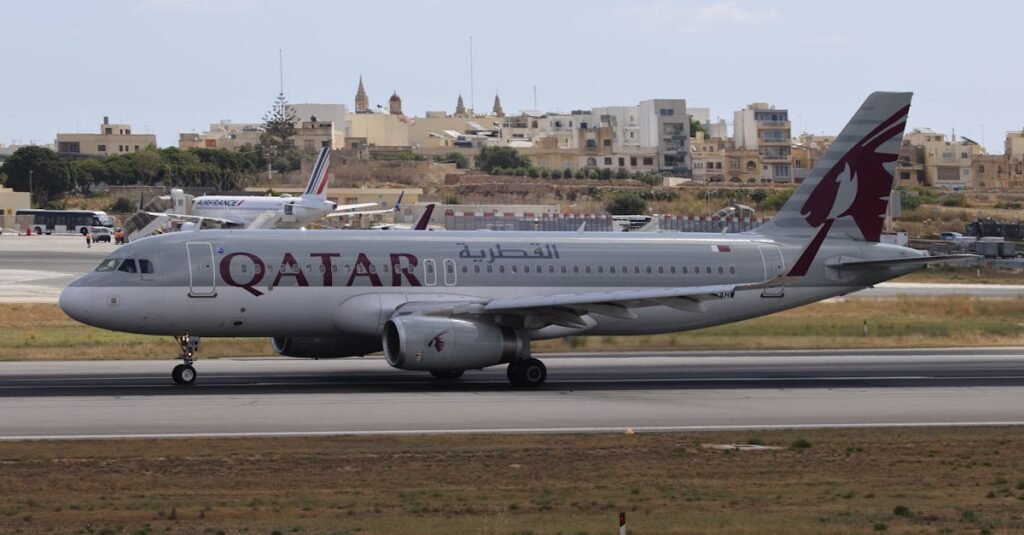
    The global aviation landscape shifted rapidly on February 28, 2026, as Qatar Airways announced a total suspension of its flight operations. This decision came shortly after the closure of Qatari airspace, a move triggered by a sharp and sudden escalation in regional military activity. For many travelers, the news arrived while they were already at the airport or even mid-flight, leading to a wave of diversions and cancellations that has rippled across every continent.

    As one of the world’s most vital transit points, Doha serves as a bridge between the East and the West. The halting of flights at Hamad International Airport is not just a local issue but a massive hurdle for international travel. If you have a flight booked or are currently transit through the region, understanding the current state of affairs is essential for navigating the weeks ahead.

    Why Has Qatar Airways Stopped All Flights?

    Qatar Airways aircraft taxiing at airport with cityscape in the background.

    The primary reason for the grounding of the fleet is the safety of the passengers and the crew. Early on Saturday,February 28, the United States and Israel launched coordinated military strikes against targets in Iran. This event led to an immediate retaliation from Tehran, which fired a series of missiles toward various locations. Because Qatar sits in a geographically sensitive area, the local authorities decided that the risk to civilian aircraft was too high to continue normal operations.

    Explosions were heard near the Al Udeid Air Base, and Qatari air defenses were active in intercepting projectiles.Under these conditions, the Civil Aviation Authority determined that the sky was no longer a safe environment for commercial planes. This led to the temporary but indefinite closure of the country’s airspace, forcing Qatar Airways to pull all its planes from the sky.

    The Immediate Impact on Travelers

    The scale of the disruption is difficult to overstate. Because Qatar Airways operates a hub and spoke model, a closure in Doha stops the entire machine from working. Passengers flying from London to Sydney, or New York to Mumbai, find themselves stuck in a state of limbo.

    Some planes were forced to perform dramatic U-turns. For instance, a flight from Perth to Doha had to turn back about ninety minutes into its journey, returning to Australia after it became clear that landing in Qatar was no longer possible.Similar stories are emerging from Europe and Asia, where flights were diverted to secondary airports in neighboring countries that still had open runways.

    For those already at Hamad International Airport, the situation is one of waiting. The airline has sent extra staff to the terminals to help people with their next steps, but with the airspace closed, there are very few immediate options for flying out.

    How the Regional Airspace Closure Affects Other Airlines

    It is not just Qatar Airways that is feeling the pressure. The conflict has forced several other nations to shutter their skies or restrict traffic. The United Arab Emirates, Kuwait, Iraq, and Bahrain have all implemented similar measures.This has created a massive “no-fly” block in the middle of some of the busiest air corridors on earth.

    Global carriers like Air India, Lufthansa, and British Airways have also cancelled or rerouted their services to avoid the conflict zone. Many flights that usually pass over the Middle East to get from Europe to Southeast Asia are now taking much longer paths, often flying over Africa or through northern routes. This adds hours to travel times and increases fuel costs, which may eventually lead to higher ticket prices for everyone.

    What to Do if You Have a Flight Booked

    If you have a ticket with Qatar Airways in the coming days, the most important thing you can do is stay informed through official channels. The situation is changing by the hour, and what is true in the morning might be different by the evening.

    • Check Flight Status Frequently: Do not rely on old emails or schedules. Use the Qatar Airways mobile app or their official website to see the live status of your flight number.
    • Monitor Travel Advisories: Governments are updating their travel warnings. Many countries have now placed Israel, Iran, and Lebanon on “Do Not Travel” lists.
    • Contact Your Travel Agent: If you booked through a third party, they will be responsible for helping you find an alternative or processing a refund.
    • Keep Your Essentials Ready: If you are currently traveling, ensure you have your chargers, medications, and travel documents in your carry-on bag in case you are grounded for an extended period.

    The airline has stated that they are working with government stakeholders to support everyone who is impacted.However, they have also warned that even when the sky reopens, it will take a long time for the schedule to return to normal.

    Understanding Your Rights to Refunds and Rebookings

    In a situation like this, which is considered an “extraordinary circumstance” beyond the control of the airline, the rules can be a bit different than a typical delay. However, Qatar Airways is generally known for its robust customer service during crises.

    Most passengers will be offered the choice between a full refund or a rebooking at a later date once it is safe to fly.Some travelers might be able to change their destination to a nearby city that is not affected by the closure, though this is difficult given how many countries in the region have restricted their airspaces.

    If you are stranded at an airport, the airline is expected to provide assistance with meals and, where possible,accommodation. However, because the number of stranded people is so high, local hotels are filling up fast. It is wise to keep all receipts for any expenses you incur, as you may need them for insurance claims later.

    The Role of Travel Insurance

    Now more than ever, the fine print of your travel insurance policy matters. Most comprehensive policies cover trip cancellations or interruptions due to war or civil unrest, but there are often specific clauses about when the policy must have been purchased.

    If you bought your insurance before the strikes on February 28, you are likely covered for many of your out-of-pocket costs. If you try to buy insurance now to cover this specific event, it will likely be excluded as a “known event.” If you are stuck, call your insurance provider’s emergency line to see what level of support they can offer for food, lodging,and alternative transport.

    Looking at the Long Term Recovery

    Even if the military tension eases tomorrow, the aviation world will feel the aftershocks for weeks. Planes are currently in the wrong places, and flight crews have exceeded their legal working hours. Organizing the “re-start” of a global airline is a massive logistical puzzle.

    Travelers should expect a high volume of traffic once the flights resume. Every seat on every plane will be in high demand as the airline tries to clear the backlog of thousands of people. Patience will be the most valuable tool for anyone trying to navigate the Middle East in the early parts of 2026.

    Staying Prepared for Future Travel

    The events of this week serve as a reminder of how quickly global travel can be disrupted. For those who need to travel for work or family reasons, having a backup plan is becoming a necessity rather than a luxury.

    The closure of the Doha hub is a significant moment in aviation history. As the world watches the geopolitical situation unfold, the priority remains the safety of those in the air and on the ground. For now, the best advice for any traveler is to remain calm, stay updated, and wait for the official word that the skies are once again open for business.

  • Alleged Midair Assault Forces Alaska Airlines Flight to Divert

    Alleged Midair Assault Forces Alaska Airlines Flight to Divert

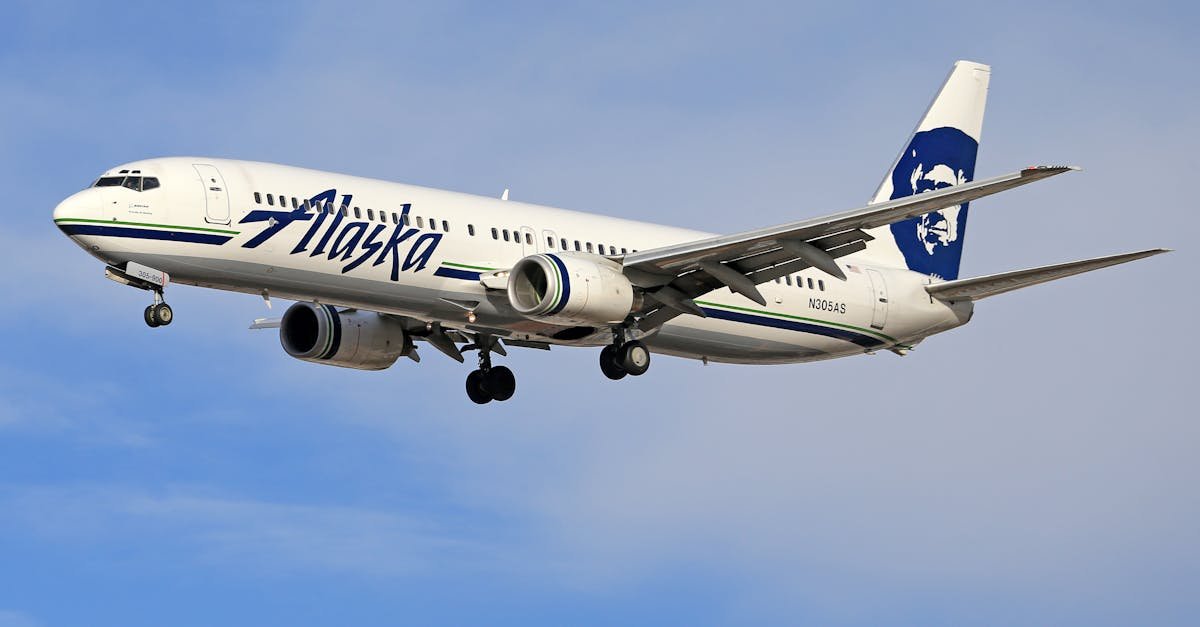
    In a shocking turn of events during a late night journey through the skies, Alaska Airlines Flight 733 found itself at the center of a federal investigation following an alleged midair assault. The flight, which was traveling from Portland International Airport in Oregon to Ted Stevens Anchorage International Airport in Alaska, became the stage for a deeply unsettling encounter between two passengers. While the aircraft eventually reached its intended destination, the severity of the incident has sparked national conversations about passenger safety, the legal consequences of in-flight misconduct, and the vital role that fellow travelers play in maintaining a secure environment.

    The Details of the Flight and the Initial Departure

    Alaska Airlines Flight 733 took off from Portland on February 22, 2026, under normal conditions. The flight was scheduled as a routine late night service to Anchorage, a route that many travelers use for both business and leisure. For most people on board the Alaska Airlines flight, the expectation was a quiet few hours spent resting or reading. However, for one female passenger, the flight turned into a nightmare shortly after she took her seat.

    According to federal court documents and witness statements, the trouble began almost immediately upon boarding. A 44 year old man named Timothy Hobson occupied the seat next to the victim. Reports indicate that his behavior was predatory from the start. He reportedly turned his entire body toward the woman and stared at her while smiling, yet he did not say a single word. This initial behavior created an immediate sense of unease for the victim, setting a grim tone for the hours to follow.

    Escalation of Misconduct During the Journey

    As the Boeing 737 reached its cruising altitude, the situation quickly moved from uncomfortable to dangerous. Investigators allege that Hobson used various tactics to invade the personal space of his seatmate. At one point, he reportedly pretended to drop an item on the floor so that he could reach across the victim’s legs. This maneuver was followed by him spreading his legs into her seating area and pressing against her body.

    The victim attempted to defend herself by swatting his hands away and maintaining her boundaries, but the suspect did not stop. The behavior escalated further when Hobson allegedly leaned his head onto her shoulder. When she pushed him away and suggested he use his tray table to rest his head, he instead leaned his entire upper body against her. This action pinned the woman against the window of the aircraft, leaving her physically trapped and unable to move or reach the call button for assistance.

    A Crucial Intervention by a Fellow Passenger

    In many cases of in-flight assault, victims find themselves isolated and unable to signal for help. In this instance, the victim was being physically restrained by the weight of the suspect, which prevented her from alerting the flight crew. The situation might have continued to worsen if not for the vigilance of another passenger seated in the aisle across from them.

    This witness noticed the victim’s distress and the aggressive positioning of the suspect. Recognizing that something was deeply wrong, the fellow traveler signaled for a flight attendant. The Alaska Airlines crew responded with speed and professionalism, immediately assessing the situation and moving the victim to a different part of the aircraft. This intervention provided the victim with safety for the remainder of the flight, though the suspect reportedly continued to act erratically by moaning and grabbing the seats in front of him.

    Law Enforcement Response and the Arrest

    While the Alaska Airlines flight crew managed to stabilize the cabin environment, the legal process was already in motion. The pilots and airline staff coordinated with authorities on the ground to ensure that law enforcement was ready the moment the wheels touched the tarmac in Anchorage. Upon arrival, officers from the Anchorage Police Department and agents from the FBI met the Alaska Airlines plane at the gate.

    Timothy Hobson was taken into custody without further incident. Because the alleged crime took place on a commercial aircraft in U.S. airspace, it falls under federal jurisdiction. He was transported to the Anchorage Correctional Complex, where he remained held pending his initial court appearances. The rapid response from both the airline staff and law enforcement highlights the zero tolerance policy that is increasingly being enforced across the aviation industry.

    Federal Charges and Potential Legal Consequences

    The legal ramifications for this type of behavior are severe. Hobson has been charged with a federal felony of abusive sexual contact. This is not a simple misdemeanor; it is a serious charge that carries the potential for significant prison time. If convicted, the consequences extend far beyond a jail sentence. Individuals found guilty of such crimes are often required to register as sex offenders, which has lifelong impacts on their employment, housing, and social standing.

    Federal prosecutors are using the evidence gathered from the victim’s testimony, witness statements from other passengers, and reports from the flight crew to build their case. The inclusion of the FBI in the investigation underscores the fact that the government views the safety of the skies as a matter of national security and public welfare.

    The Physical and Psychological Impact on Victims

    While the physical assault is the primary focus of the legal case, the psychological toll on the victim cannot be overlooked. Being trapped at 30,000 feet next to a predatory individual is a uniquely terrifying experience. Unlike a situation on the ground, there is no exit and no place to run. This feeling of helplessness can lead to long term trauma, including anxiety and a fear of flying.

    Aviation experts and victim advocates emphasize that the safety of a flight is not just about the mechanics of the airplane. It is about the human environment inside the cabin. When that environment is compromised by violence or harassment, it affects every person on board. The victim in this case did everything she could to protect herself, but the physical restraint used by the suspect made it impossible for her to solve the problem alone.

    Airline Policies and the Role of Flight Crews

    Alaska Airlines has a reputation for prioritizing safety, and their response to this incident has been cited as an example of proper protocol. Flight attendants are trained to handle various types of disruptions, ranging from medical emergencies to unruly or dangerous passengers. In this case, the crew moved the victim to a secure area and monitored the suspect until the plane landed.

    However, the incident has also reopened discussions about whether airlines should have more robust systems for reporting harassment in real time. Some advocates suggest that if the victim cannot reach the call button, there should be other ways for passengers to discreetly alert the crew. For now, the reliance on the “eyes and ears” of other passengers remains a critical component of in-flight security.

    The Growing Trend of In-Flight Misconduct

    This incident is part of a larger, more troubling trend of passenger misconduct that has been on the rise over the last few years. While many stories focus on passengers who are upset about delays or mask mandates, cases of physical and sexual assault are particularly heinous. Data from the Federal Aviation Administration shows that while the total number of unruly passenger reports has fluctuated, the severity of the incidents has often increased.

    The aviation industry is pushing for stricter penalties and more consistent prosecution to act as a deterrent. The goal is to send a clear message: if you choose to behave this way on a flight, you will be arrested, you will face federal charges, and you will likely be banned from flying with that airline for life.

    Looking Ahead at Passenger Safety and Accountability

    The alleged assault on Alaska Airlines Flight 733 serves as a sobering reminder of the challenges that still exist in the world of air travel. It took the combined efforts of a brave victim, an observant bystander, a professional flight crew, and federal law enforcement to bring the situation to a resolution. As the legal case against Timothy Hobson moves forward, the industry will continue to look for ways to protect travelers from predatory behavior.

    For the traveling public, the lesson is one of vigilance. Paying attention to those around you and being willing to speak up when something looks wrong can make a world of difference. No person should ever feel unsafe while traveling to their destination, and the justice system is working to ensure that those who violate that safety are held fully accountable for their actions in the sky.