Category: Airlines

  • McLaren Racing Names Etihad Airways as Official Partner: New F1 Deal Revealed

    McLaren Racing Names Etihad Airways as Official Partner: New F1 Deal Revealed

    The world of Formula 1 is often as much about what happens in the boardroom as what happens on the track. In a move that has caught the attention of both racing enthusiasts and industry experts, McLaren Racing recently confirmed that Etihad Airways has joined the team as an Official Partner. This collaboration marks a significant shift in the sponsorship landscape, bringing together a historic British racing name and a leading global airline from the United Arab Emirates.

    A Perfect Match for Global Travel and Speed

    At its heart, Formula 1 is a traveling circus that spans the entire globe. Every year, teams transport tons of equipment and hundreds of staff members to over twenty different countries. Because of this, the link between a top-tier racing team and a major international airline is more than just a marketing stunt. It is a logical step for two brands that live and breathe logistics and international movement.

    McLaren has always been a team that prides itself on precision and forward-thinking. By bringing Etihad Airways into the fold, they are aligning themselves with a brand that shares those exact values. For Etihad, the partnership offers a way to showcase its premium services to a massive, highly engaged audience that follows the sport through every time zone.

    Where You Will See the Etihad Brand

    Fans won’t have to look hard to spot the new partner. The iconic Etihad branding is set to appear prominently on the McLaren race cars. Specifically, the logo will be featured on the rear wing and the halo of the car. These are some of the most visible areas on a Formula 1 car, especially during television broadcasts and in high-speed photography.

    Beyond the machinery, the partnership extends to the drivers themselves. The Etihad logo will be seen on the helmets of the McLaren drivers, ensuring that the brand is associated with the stars of the show during those intense pre-race close-ups. This level of visibility is a clear sign of how deep this commitment goes for both sides.

    Expanding Beyond the Formula 1 Grid

    While the Formula 1 team is the crown jewel of McLaren Racing, this partnership actually reaches further. Etihad Airways will also be an Official Partner for the McLaren United Autosports team in the World Endurance Championship, also known as WEC. This includes the high-profile Hypercar category, where McLaren is looking to make a serious impact.

    This multi-series approach is a smart move. It allows Etihad to reach a different segment of the motorsport audience. While Formula 1 is the peak of popularity, endurance racing has a dedicated following that appreciates the technical stamina and long-form strategy of the sport. By supporting both programs, Etihad cements its place as a cornerstone of McLaren’s entire racing identity.

    Connecting Fans Through a Global Network

    One of the most exciting parts of this deal is how it might affect the people watching from the stands or at home. Etihad Airways currently flies to more than one hundred destinations worldwide. Many of these locations are cities that host a Grand Prix, such as Melbourne, Shanghai, London, and Singapore.

    The two companies have hinted at creating unique fan experiences that bridge the gap between air travel and the racetrack. This could mean special travel packages, exclusive digital content, or events held at airports and fan zones. The goal is to make the fan feel like they are part of the journey, whether they are boarding a flight or watching a car fly past at three hundred kilometers per hour.

    A Spectacular Addition to the Sky
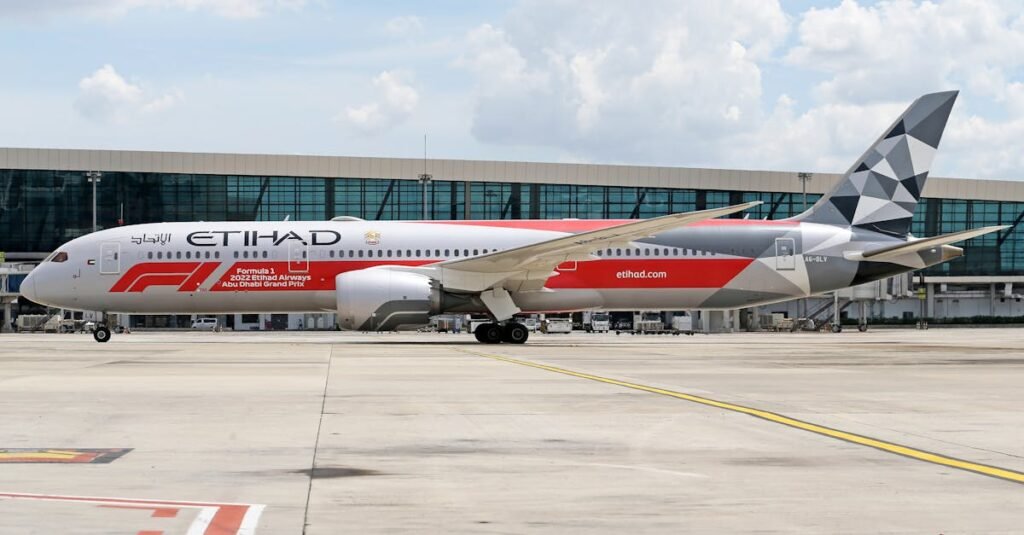
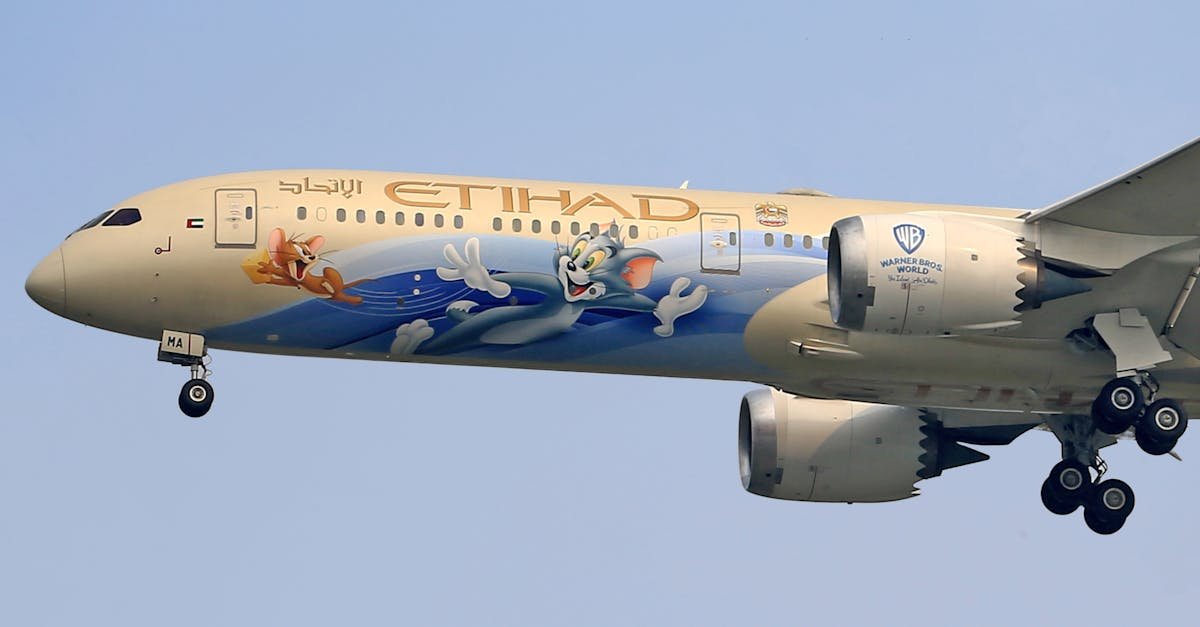
    Etihad Airways Boeing 787 with Formula 1 livery parked at a modern airport.

    In a very literal sense, this partnership will take to the skies. Later this year, Etihad plans to unveil a special McLaren-themed livery on one of its Boeing 787 Dreamliners. Seeing a massive commercial aircraft painted in the colors of a racing team is a rare sight and serves as a giant flying billboard for the partnership.

    This kind of activation is a favorite for airlines because it generates buzz far beyond the race weekend. It turns a standard flight into a talking point and reminds travelers of the excitement of the track every time they see the plane at an airport gate.

    Strengthening Ties with the Middle East

    This partnership is also a reflection of the growing importance of the Middle East in the world of motorsport. Etihad Airways has been the title sponsor of the Abu Dhabi Grand Prix since it first appeared on the calendar in 2009. By partnering with McLaren, they are deepening their roots in the sport.

    It is also worth noting that McLaren has strong existing ties to the region through its ownership. The Bahrain Mumtalakat Holding Company is a major stakeholder in the McLaren Group. Adding a major UAE-based airline like Etihad as a partner shows how the team is successfully navigating the commercial opportunities available in that part of the world.

    Why This Timing Matters for McLaren

    Thrilling Formula 1 race with Ferrari and McLaren at Interlagos, São Paulo.

    McLaren is currently enjoying a resurgence on the track. After several years of rebuilding, the team is once again fighting for wins and podiums. When a team is performing well, they become a much more attractive prospect for blue-chip sponsors.

    Securing a deal with a brand like Etihad Airways is a vote of confidence in the direction the team is headed. It provides the financial stability and commercial prestige needed to keep competing at the very front of the grid. It also sends a message to other potential sponsors that McLaren is the place to be if you want global impact.

    The Role of Innovation and Sustainability

    Both aviation and motorsport are currently facing the challenge of becoming more sustainable. While it might not be the first thing people think of when they see a fast car or a large plane, innovation in fuel and efficiency is a huge part of the conversation behind the scenes.

    As an Official Partner, Etihad can work with McLaren to share insights on things like lightweight materials and carbon reduction strategies. Both industries are pioneers in engineering, and finding ways to be more efficient is a goal they both share. This common ground makes the partnership feel more like a collaboration than a simple transaction.

    Navigating the Future of the Racing Landscape

    As the 2026 season approaches, the collaboration between McLaren Racing and Etihad Airways is set to become a defining element of the team’s commercial strategy. This upcoming year is pivotal for Formula 1 because it marks the introduction of new engine regulations. For McLaren, having a strong portfolio of partners like Etihad Airways, Mastercard, and Google ensures they have the resources to tackle these big technical changes.

    As the team prepares for this new era, the support of a global airline will be crucial. Whether it is moving staff across continents or launching new marketing campaigns in emerging markets, Etihad will be there as a key pillar of the team’s operations. The announcement is a significant milestone for both companies, built on a shared love for speed, excellence, and global connection. By appearing on the cars, the helmets, and even the airplanes, Etihad is making a bold statement about its commitment to the future of racing. For the fans, this deal promises more than just a new logo on a wing; it promises a more connected experience that brings the thrill of the track closer to the comfort of travel.
  • $1 Billion American Airlines Investment: MIA Concourse Expansion Starts

    $1 Billion American Airlines Investment: MIA Concourse Expansion Starts

    Miami International Airport is standing at the edge of a massive transformation. In a move that highlights the long term partnership between the city and its largest carrier, American Airlines has officially unveiled a one billion dollar plan to overhaul and expand a vital section of the airport. This project is not just about adding more space; it is about fixing a part of the terminal that has long been a source of frustration for travelers. By focusing on Concourse D, specifically the area known as the North Terminal West Extension, the airline and the county aim to modernize the gateway to Latin America and the Caribbean.

    A Major Shift for Concourse D

    For years, passengers flying on regional routes through Miami have dealt with a less than ideal setup at Gate D60. This specific area currently operates with a single shared boarding lounge and seventeen ground level gates. Because of the way it was built, travelers often have to walk outside across the pavement to reach their planes, sometimes in the heat or rain.

    The new one billion dollar investment changes everything for this footprint. Instead of a cramped waiting room and outdoor ramps, American Airlines will build a three level concourse extension. This new facility will provide seventeen traditional gates equipped with jet bridges. This means every passenger will be able to board their flight directly from a climate controlled indoor area. The change is a huge step forward for comfort and efficiency, especially as the airport continues to see record breaking numbers of visitors every year.

    Improving the Passenger Journey

    While the number of gates might stay the same at seventeen, the quality of those gates will be vastly different. The current “bus station” feel of the regional gate area will be replaced by thirty thousand square feet of new retail and dining options. Travelers will have more places to sit, eat, and shop while they wait for their departures.

    On top of the public spaces, the plan includes thirty thousand square feet of dedicated lounge space. American Airlines has been hinting at new premium offerings for its top tier flyers, and this expansion provides the perfect canvas for those upgrades. The design itself promises to be a reflection of Miami, with bright and open layouts, lots of natural light, and even indoor palm trees to give the terminal a tropical feel.

    Better Connections for International Travelers

    One of the most practical upgrades in this project involves the third floor of the new concourse. The design includes a direct connection to the United States Customs and Border Protection facility. This is a game changer for international arrivals. Currently, navigating from certain parts of the North Terminal to the customs hall can be a long and confusing trek.

    By building in these sterile corridors from the start, American Airlines is making it easier for people coming from abroad to clear immigration and get to their next flight or out into the city. Since Miami is a primary hub for travel between the United States and the south, these infrastructure tweaks have a global impact on how smoothly people move through the world.

    The Timeline and Construction Goals

    A project of this scale does not happen overnight. According to the plans shared by the airline and Miami-Dade County, the official groundbreaking for the D60 expansion is set for the summer of 2027. If everything stays on schedule, the new concourse will be fully operational by the summer of 2030.

    During the next year, the teams will focus on finalizing the architectural designs. While the general layout is known, the specific aesthetic details and final vendor selections will be decided soon. The goal is to create a building that meets silver level LEED certification, meaning the construction will focus on sustainability and energy efficiency. Using modern materials and smarter cooling systems will help the airport reduce its carbon footprint even as it grows in size.

    Paying for the Future

    A common question with billion dollar projects is where the money comes from. This expansion is part of a much larger nine billion dollar modernization effort at Miami International Airport. Most of the funding for these improvements comes from bonds issued by the airport department.

    These bonds are not paid back by local taxpayers. Instead, the debt is serviced through the fees that airlines pay to use the airport. Landing fees and terminal rents cover the costs. Because American Airlines is the primary tenant at MIA, they are essentially the driving force behind the funding. This creates a cycle where the airline invests in better facilities to attract more passengers, which in turn helps fund even more improvements down the road.

    Strengthening a Forty Year Partnership

    This investment is a clear signal that American Airlines is not going anywhere. The company has called Miami a hub for nearly forty years and currently employs over fifteen thousand people in the local area. By committing a billion dollars to a single concourse, they are doubling down on Miami as their premier international gateway.

    The local economy also gets a boost. Major construction projects like this create thousands of jobs for builders, engineers, and support staff. Once the new concourse opens, the extra retail space and larger planes will require more staff to keep things running. It is a win for the local workforce and a sign of confidence in the future of South Florida as a global business and tourism destination.

    Why This Matters for the Average Traveler

    If you have ever been stuck in a crowded terminal with no place to charge your phone or a long walk to your gate, you know why this matters. The expansion is designed to fix the “pain points” of travel.

    • More Space: The move from a shared lounge to seventeen individual gate areas means less crowding and more seating.
    • Climate Control: No more walking outside in the humidity to get on a regional jet.
    • Faster Customs: Easier paths for international travelers mean shorter wait times in the long run.
    • Better Tech: The new facility will feature updated digital signage and improved Wi-Fi to keep people connected.

    Looking at the Bigger Picture

    This concourse project is just one piece of the puzzle. The airport is also working on fixing escalators, upgrading baggage systems, and renovating hundreds of restrooms. It is a massive undertaking to modernize an airport that stays open twenty four hours a day, seven days a week.

    While the construction might cause some temporary headaches and gate changes over the next few years, the end result will be a terminal that finally matches the status of the city it serves. Miami is a world class destination, and with this billion dollar investment, its airport is finally catching up.

    The “Modernization in Action” plan is an ambitious look at what the next decade of travel will look like in Florida. With American Airlines leading the way, the expansion of Concourse D is the first of many steps toward making the travel experience smoother, faster, and much more comfortable for everyone.

  • Cathay Pacific’s Secret Reveal: The “New Hong Kong Spirit” Livery Just Spotted In Wraps

    Cathay Pacific’s Secret Reveal: The “New Hong Kong Spirit” Livery Just Spotted In Wraps

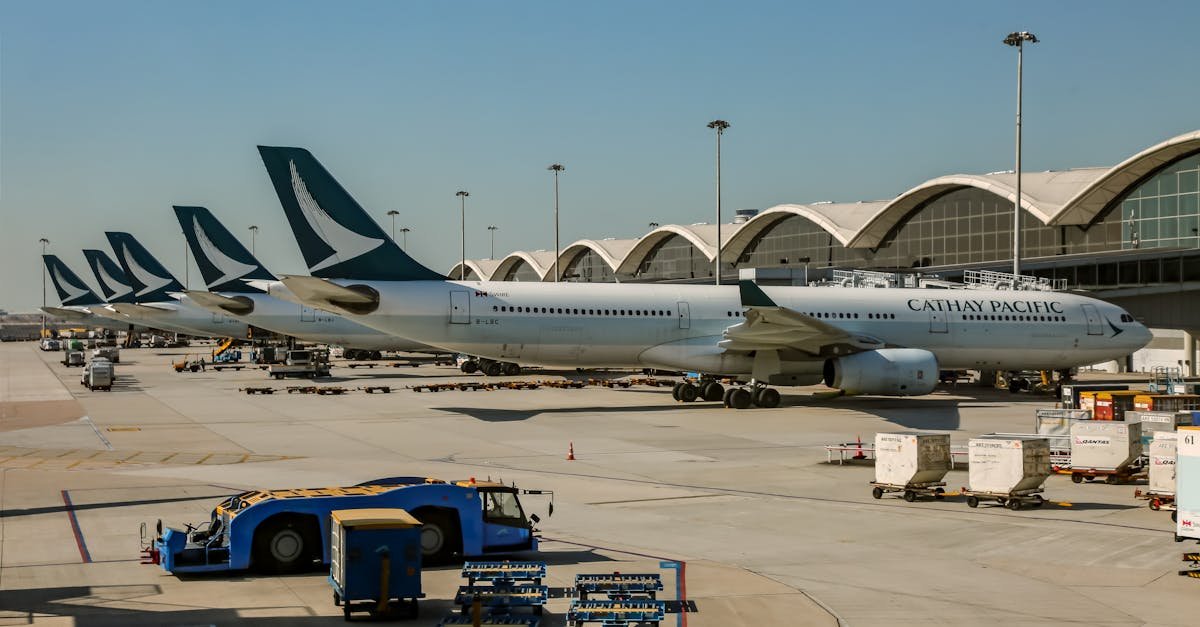
    The aviation world is currently buzzing with excitement as the first glimpses of a highly anticipated aircraft have finally surfaced. In a series of photos shared on the social media platform Xiaohongshu, aviation enthusiasts caught a glimpse of Cathay Pacific’s Boeing 777-300ER, registered as B-KQU, rolling out of the HAECO facility in Xiamen. While the airline attempted to keep the new design under wraps quite literally, the distinctive shapes and colors peeking through have confirmed that this is the long-awaited “New Hong Kong Spirit” special livery.

    A Mysterious Rollout in Xiamen

    The rollout of a new aircraft livery is usually a carefully choreographed PR event. However, in the age of social media and global plane spotting, keeping a secret is harder than ever. The source of this latest leak comes from a detailed post on Xiaohongshu, where a user captured B-KQU as it moved between hangars at Gaoqi International Airport.

    The pictures were posted by User – Cheng GY 35. We won’t be able to post the pictures in the article due to copyright concerns. Click on the link below to check out the new livery.

    View this Xiaohongshu post.

    What made these photos particularly intriguing was the state of the aircraft. Instead of a polished, ready for delivery finish, large sections of the fuselage were covered in white protective sheets. This “mummy” look is a common tactic used by airlines when they want to transport or test an aircraft without revealing a sensitive new brand identity before the official launch party. Despite these efforts, the “New Hong Kong Spirit” branding was visible on the exposed parts of the tail and the forward fuselage, confirming the identity of the jet.

    The Significance of B-KQU

    Aviation fans have been tracking B-KQU for several months. This specific Boeing 777-300ER is not just getting a fresh coat of paint. It represents a major pillar in Cathay Pacific’s fleet modernization program. Beyond the exterior aesthetics, this aircraft is one of the primary frames selected to debut the airline’s new cabin products.

    For those following the technical side of the Cathay Pacific airline, B-KQU is a significant tail number. It has been undergoing extensive retrofitting to include the new Aria Suites in Business Class. This new cabin features sliding privacy doors and a highly customized seat map that aims to put Cathay back at the top of the luxury travel rankings. The fact that the “New Hong Kong Spirit” livery is being applied to a plane with the newest interior hardware suggests that this aircraft will be the flagship for the airline’s upcoming 80th anniversary celebrations.

    Decoding the New Hong Kong Spirit Design for Cathay Pacific

    Based on the images shared in the Xiaohongshu link, we can start to piece together what the “New Hong Kong Spirit” actually looks like. Historically, Cathay Pacific has used the “Spirit of Hong Kong” series to celebrate the resilience and creativity of its home city. Previous versions featured the silhouettes of local residents or vibrant brushstrokes that mimicked the city skyline.

    The 2026 version appears to take a more modern and perhaps abstract approach. While the white wraps obscured much of the midsection, the tail fin shows a departure from the standard “brushwing” logo. There are hints of vibrant colors and flowing lines that suggest movement and connectivity. Some observers suggest that the design might incorporate digital motifs or a more fluid representation of the Hong Kong harbor.

    The choice of the name “New Hong Kong Spirit” is also telling. It signals a move forward, focusing on the future of the city as a global aviation hub after several years of restructuring and challenges. By wrapping the plane, Cathay is building a level of suspense that rarely happens in an industry where most designs are leaked via low quality digital renders months in advance.

    The Role of HAECO Xiamen in the Reveal

    The location of the spotting is also an important part of the story. HAECO Xiamen is one of the world’s leading providers of aircraft maintenance, repair, and overhaul services. It is the primary site where Cathay Pacific sends its widebody fleet for heavy maintenance and painting.

    Because Xiamen is a massive hub for aviation photography, it was almost inevitable that the plane would be caught on camera. Even though the hangar doors were likely closed during the actual painting process, the aircraft had to be towed across the airfield for engine tests or compass swings. It was during one of these movements that the Xiaohongshu user managed to snag the photos that have now gone viral in the aviation community.

    Why the Secrecy Matters

    You might wonder why an airline would go through the trouble of taping white sheets to a multi-million dollar jet. For Cathay Pacific, the “New Hong Kong Spirit” is more than just a marketing campaign. It is a symbol of their 80 years of history. In the world of high end travel, the “big reveal” is a massive branding moment.

    By keeping the livery hidden, the airline ensures that the first high definition photos the public sees are professional, well lit, and presented exactly how the company intends. Leaked photos, while exciting for fans, often don’t do justice to the metallic flakes in the paint or the intricate details of a special design. The mystery also drives engagement on social media platforms, as seen by the intense discussion surrounding the original post.

    A Global Trend in Aviation Spotting

    The fact that this news broke on Xiaohongshu highlights a shifting trend in how aviation news is consumed. Historically, platforms like Twitter or dedicated aviation forums were the go-to places for leaks. Now, visual-heavy apps like Xiaohongshu are becoming the primary source for “boots on the ground” reporting.

    The user who shared the link provided the community with a rare look at the logistics of an aircraft rollout. It shows the raw, unpolished side of the industry that fans rarely get to see. Watching a giant Boeing 777 being towed while partially covered in plastic is a reminder of the massive human effort that goes into maintaining a global airline brand.

    What Happens Next for B-KQU

    Now that the aircraft has been spotted in Xiamen, the countdown to the official unveiling has begun. Typically, after a plane rolls out of the paint shop, it undergoes a series of ground tests to ensure all systems are functioning correctly after the maintenance period.

    Once these tests are complete, B-KQU will fly a “ferry flight” back to Hong Kong International Airport. We can expect a major event at the Cathay City headquarters or one of the hangars at HKIA. This event will likely coincide with the official launch of the Aria Suite, making B-KQU the star of the show.

    Travelers and spotters in Hong Kong should keep their eyes on the flight tracking apps over the next week. The flight from Xiamen to Hong Kong is short, but it will be the first time the aircraft is seen in the air. While it might still be partially wrapped for the flight, the full glory of the “New Hong Kong Spirit” will be visible very soon.

  • 5-Year-Old Impresses Southwest CEO After Spotting ‘Discrepancy’ in Training Manual

    5-Year-Old Impresses Southwest CEO After Spotting ‘Discrepancy’ in Training Manual

    Aviation is a world defined by precision. Every bolt, every line of code, and every training manual page is scrutinized by engineers and veteran pilots with decades of experience. It is an industry where mistakes are not just frowned upon; they are a matter of safety. So, when Southwest Airlines gets a call about an inconsistency in their training materials, they usually expect it to come from a senior flight instructor or a federal inspector. They certainly do not expect it to come from a child who is still learning his addition and subtraction.

    William Hines is not your average 5 year old. While most kids his age are focused on cartoons or playgrounds, William has spent a significant portion of his young life obsessed with the mechanics of flight. His passion for airplanes goes beyond just playing with toy models. He studies the systems, the layouts of cockpits, and the technical language of the skies. This deep dive into the world of aeronautics recently led him to a discovery that went viral and eventually caught the attention of the highest levels of leadership at Southwest Airlines.

    A Tiny Expert with a Sharp Eye

    The story began when William was looking through a technical manual for a Boeing 737, the primary aircraft used in the Southwest Airlines fleet. For many adults, these manuals are dense and incredibly difficult to understand. They are filled with complex diagrams of the Primary Flight Display and the Navigation Display. These screens provide pilots with critical information such as altitude, airspeed, and terrain data. To the untrained eye, the graphics look like a mess of lines and colors. To William, they are a map of a world he dreams of joining one day.

    As he was studying the images, William noticed something that did not sit right with him. He was looking at two different screens in a cockpit diagram that were supposed to be showing the same terrain from different perspectives. William realized that the way the terrain was rendered on one screen did not match the scale or the position of the terrain on the second screen. He pointed out to his parents that the displays were showing different zoom levels or distances that did not align logically in a synchronized cockpit environment.

    The Video That Changed Everything

    William’s mother was so impressed by his observation that she captured the moment on video. In the clip, the young boy calmly explains the technical layout of the screens. He uses his finger to trace the lines of the terrain and explains why the two images are inconsistent. He notes that one side appears to be closer while the other side is further away, making the overall diagram confusing for someone trying to learn how the systems work together.

    When the video was posted to social media, it did not take long for the aviation community to take notice. Pilots and enthusiasts alike were shocked that a child who had not even started first grade could identify a subtle visual discrepancy in professional grade training material. The video eventually made its way to the desk of Bob Jordan, the CEO of Southwest Airlines. Rather than dismissing the claim or ignoring the video, the airline decided to embrace the moment and celebrate the young boy’s passion.

    A Personal Invitation to Headquarters

    Southwest Airlines has long been known for a corporate culture that values personality and a bit of fun. Recognizing a unique opportunity to encourage a future pilot, Bob Jordan sent a personal message to William and his family. He invited them to the Southwest Airlines headquarters in Dallas, Texas, for a day they would never forget.

    The airline did not just give him a quick tour and a gift bag. They treated William like a true member of the flight crew. Upon his arrival, he was presented with a custom made pilot uniform that fit him perfectly. He was given the title of “Pilot for a Day” and was introduced to senior captains and executives. The highlights of the trip included a tour of the operations center and a chance to see how a major airline manages thousands of flights every single day.

    Stepping Into the Flight Simulator

    The most exciting part of the visit for William was the opportunity to step inside a professional flight simulator. These machines cost millions of dollars and are used to train actual commercial pilots in every imaginable weather condition and emergency scenario. Most people never get the chance to sit in one of these high tech cockpits, let alone operate the controls.

    Under the guidance of professional instructors, William took the captain’s seat. He was able to see the very screens he had been studying in his manuals come to life in a 3D environment. He practiced takeoffs and landings, showing a level of focus and understanding that left the instructors speechless. It was a full circle moment for the young boy. He had gone from pointing out a discrepancy in a printed book to seeing those exact systems function in a simulated flight environment.

    Was It Really a Mistake in the Southwest Manual?

    After the story gained national attention, many people wondered if the manual was actually wrong. Technically, the airline explained that the images were not a safety hazard or a functional error. In a real Boeing 737 cockpit, pilots have the ability to adjust the range and zoom of their individual displays. One pilot might want to see the terrain twenty miles ahead, while the other might want to see it eighty miles ahead.

    However, in the context of a training manual diagram, consistency is key for students who are learning the ropes. William had identified a visual inconsistency where the two displays in the illustration were not synchronized in a way that made sense for a static teaching tool. By pointing this out, he highlighted a detail that the graphic designers and technical writers had missed. It was a testament to his incredible attention to detail and his ability to process complex spatial information.

    The Future of Aviation and STEM

    Stories like William’s are more than just “feel good” news pieces. They highlight the importance of encouraging children to pursue their interests in Science, Technology, Engineering, and Math. Aviation is an industry that is currently facing a global shortage of pilots and technicians. When a child shows this much promise and passion at such a young age, it is vital for the industry to foster that spark.

    Southwest Airlines understood this perfectly. By inviting William to their headquarters, they were not just correcting a manual or doing a PR stunt. They were investing in the next generation of aviators. They showed William that his voice matters and that his skills are valued in the professional world. This kind of validation can be the deciding factor in whether a child continues to pursue a difficult career path as they grow older.

    A Day to Remember for the 5-year-old

    As William and his family flew back home, they carried with them memories that will likely last a lifetime. William left Dallas with more than just a custom flight suit and some cool photos. He left with the knowledge that he had successfully challenged the status quo of a multi billion dollar corporation.

    The aviation world is small and tightly knit. People will likely be talking about the boy who corrected the manual for years to come. If William continues on this path, there is little doubt that he will eventually find himself back in a Boeing 737 cockpit, this time for real. He has already proven that he has the eyes of a captain and the mind of an engineer. For now, he is back to being a 5 year old, but with a very impressive story to tell at show and tell.

  • Dramatic Security Breach at Phoenix Airport as Man Chases American Airlines Plane on Runway

    Dramatic Security Breach at Phoenix Airport as Man Chases American Airlines Plane on Runway

    Phoenix Sky Harbor International Airport witnessed a startling security incident on Monday evening when an unauthorized individual managed to access the active airfield. The breach occurred during one of the busiest travel periods of the day, causing immediate alarm for pilots and air traffic controllers alike. As flight crews prepared for departures, they were met with the sight of a man running across the pavement toward an American Airlines Airbus A321 that was taxiing for takeoff.

    The event took place around 5:15 PM local time, a period when the airport is typically buzzing with evening rush hour traffic. The aircraft involved was American Airlines flight 1804, scheduled to depart from Phoenix and head to Tampa,Florida. While the situation was resolved quickly by law enforcement and airport operations teams, the ease with which the perimeter was compromised has sparked new discussions regarding airport safety protocols and perimeter security.

    Discovery on the Tarmac

    The first signs that something was wrong came not from security sensors or ground patrols, but from the cockpit of the American Airlines jet. As the pilots of American Airlines flight 1804 were navigating the taxiways toward their designated runway, they spotted a figure where no person should be. Initially, the man was seen walking near a taxiway intersection known as Golf One. This area is located on the south side of the airfield, situated between major runways.

    According to audio recordings from air traffic control, the pilots radioed the tower to ask if controllers could see the person walking near the runway. The tower responded with surprise, indicating that they did not have the individual in their sight at that moment. The pilots then clarified that the man had already cleared one runway that was being used for landing traffic and was moving toward their specific position.

    Chasing the American Airlines Airbus A321

    Commercial airplane from American Airlines positioned on airport tarmac, ready for departure or arrival.

    The situation escalated rapidly from a simple trespass to a more aggressive encounter. The man began waving his arms frantically at the American Airlines aircraft. As the jet continued its taxiing sequence, the individual started running toward the plane. Pilots from other nearby aircraft also joined the radio frequency to report the bizarre behavior. One pilot noted that the man had stopped to remove his shoes, leaving them behind on the active runway surface before continuing his pursuit of the jet.

    Eyewitness accounts from passengers on board nearby planes described a scene of confusion and fear. People looking out of their cabin windows of the American Airlines flight saw a man in a white shirt running wildly across the asphalt, seemingly trying to flag down the massive passenger jet as if it were a city bus. The sheer size and power of an Airbus A321 make such an approach incredibly dangerous, as the suction from the engines or the heat from the exhaust can be fatal to anyone in close proximity.

    Immediate Emergency Response

    Air traffic controllers acted swiftly once the gravity of the breach was confirmed. They immediately ordered all aircraft in the vicinity to hold their positions. This included not only the American Airlines flight but also several Southwest Airlines jets that were lined up for departure. By freezing ground movement, the tower ensured that no aircraft would inadvertently strike the man or be forced into a dangerous maneuver to avoid him.

    Airport operations teams and the Phoenix Police Department were dispatched to the south side of the airfield within seconds. Ground crews used their vehicles to intercept the individual and create a barrier between him and the taxiing aircraft. Officers were able to subdue the man on the pavement without further incident. Video footage captured by a passenger on a nearby plane shows at least two officers pinning the man to the ground as they worked to secure him for transport.

    Mental Health Concerns and Hospitalization

    Following the arrest, authorities began to piece together the circumstances leading up to the breach. Preliminary reports from the Phoenix Police Department suggested that the individual was experiencing a severe mental health crisis.Rather than being a person with malicious intent toward the aircraft or passengers, he appeared to be in a state of deep personal distress.

    Due to the nature of the behavior observed on the runway, the man was not immediately taken to a local jail. Instead,emergency medical services transported him to a nearby hospital for a full psychiatric and medical evaluation. Officials have stated that while the investigation into the criminal aspect of the trespass continues, the immediate priority was ensuring the man received the necessary mental health care.

    Investigation into the Security Gap

    Laguna Beach police vehicle patrols the street at night, showcasing law enforcement presence.

    One of the most pressing questions following the incident is how the man managed to get onto the airfield in the first place. Phoenix Sky Harbor is a massive facility with layered security, including high fencing, cameras, and regular patrols. Early evidence suggests the man may have bypassed the perimeter from a street outside the airport grounds.

    Investigators found a suspicious vehicle abandoned on a road just outside the airport fence shortly after the breach was reported. It is believed that the man drove to this location, left his car, and then found a way over or through the fencing. Unlike many previous airport security incidents involving ticketed passengers who sneak through fire doors,this individual appears to have entered from the “outside in,” which highlights potential vulnerabilities in the physical boundaries of the airport.

    Comparisons to Past Incidents

    This event in Phoenix brings back memories of other tragic runway breaches. In early 2024, a similar situation occurred at Salt Lake City International Airport. In that case, a man who was also believed to be suffering from a mental health episode managed to run onto the tarmac and approach a taxiing Delta Air Lines jet. Unfortunately, that incident ended in tragedy when the man was pulled into the aircraft’s engine.

    The fact that the Phoenix incident ended without injury is being credited to the quick eyes of the American Airlines pilots and the rapid response of the air traffic control team. Modern jet engines are designed with immense power, and the area around a moving aircraft is a “no go” zone for a reason. The pilots of flight 1804 stopped their aircraft well before the man could reach a hazardous area, likely preventing a fatal outcome.

    Impact on Airport Operations

    Despite the dramatic nature of the chase, the actual impact on airport operations was surprisingly minimal. Because the response was so fast and the man was detained quickly, the airport did not have to initiate a full ground stop for an extended period. Most flights experienced only minor delays of ten to fifteen minutes as the airfield was swept for any debris, such as the shoes the man had left behind.

    American Airlines flight 1804 was eventually cleared to resume its journey. After a brief wait to ensure the runway was clear and the crew was ready, the Airbus A321 took off for Tampa only a few minutes behind its original schedule. The passengers on board arrived in Florida safely, though many likely had quite a story to tell about their departure from Arizona.

    Future Security Measures

    The Federal Aviation Administration and the Transportation Security Administration are expected to conduct a joint review of the incident alongside local Phoenix authorities. These reviews typically look at whether current fencing is adequate or if additional technology, such as motion sensors or enhanced thermal imaging, is needed to monitor the miles of perimeter at Sky Harbor.

    Airports across the country are constantly balancing the need for accessibility with the absolute necessity of safety.While total prevention of every possible breach is a difficult goal, the lessons learned from this man’s run toward a moving plane will likely lead to changes in how the outer edges of the airport are watched. For now, the focus remains on the investigation into the perimeter breach and the recovery of the individual involved.

  • How Did a Bullet Hole End Up in an American Airlines Boeing 737? What We Know So Far

    How Did a Bullet Hole End Up in an American Airlines Boeing 737? What We Know So Far

    A routine international flight transformed into a complex forensic investigation this week after ground technicians at José María Córdova International Airport in Medellín, Colombia, identified a puncture on an American Airlines Boeing 737. The damage, discovered during a standard post flight walkaround, appears consistent with a projectile strike.

    While the aircraft landed without incident and all passengers disembarked safely, the discovery has triggered an urgent review by aviation security officials and local law enforcement. The focus of the inquiry sits on identifying the exact moment the metal skin of the American Airlines jet was breached and whether the aircraft was specifically targeted or caught in a random trajectory of gunfire.

    The Post Flight Inspection Discovery

    The breach was found during the transition period between the arrival of the American Airlines flight from the United States and its scheduled departure back to the mainland. Ground crews performing the mandatory exterior check noticed a small, clean hole in the lower section of the fuselage. This specific type of damage is immediately categorized as a high priority safety event because it involves the structural integrity of the pressurized cabin.

    Upon closer inspection, the puncture showed characteristics typically associated with a small arms bullet. The entry point did not cause any immediate system failures during the flight, which explains why the flight crew did not report any cockpit warnings or loss of hydraulic pressure during the descent. The American Airlines aircraft was pulled from the active rotation and moved to a maintenance hangar where it remains under guard for further analysis.

    Analysis of the Descent Path

    Investigating an aerial strike requires a detailed look at the flight data recorder and the specific geography of the approach into Medellín. The airport serves as a major gateway but is situated in a high altitude valley surrounded by varied terrain. Aircraft on final approach are often flying at lower altitudes over rural and semi urban districts where ground activity is less controlled than the immediate airport perimeter.

    Safety experts are currently mapping the GPS coordinates of the flight path to determine the most likely window for the strike. If the projectile hit the plane while it was at several thousand feet, the ballistics would suggest a high powered rifle or a lucky shot from a significant distance. If the strike occurred during the final seconds before touchdown, the perimeter security of the airport itself comes into question.

    What Do the Unconfirmed Reports on Local Accounts Say?

    There are several unconfirmed reports circulating within the Rionegro region regarding the origin of the shot. It is critical to note that Colombian authorities have not officially verified any of these claims. Some local witnesses have suggested that sporadic gunfire was heard in a district several miles from the runway threshold around the time of the landing.

    Other speculative reports mention the possibility of celebratory gunfire or a local conflict occurring on the ground that accidentally intersected with the flight path of the American Airlines Boeing 737. Until ballistic recovery is complete and the metal fragments are analyzed, these accounts remain strictly anecdotal. The Colombian National Police are conducting a ground sweep of the areas beneath the arrival corridor to search for any evidence of recent firearm discharges.

    American Airlines Released an official statement to New York Post and said:
    “The aircraft was immediately removed from service for further inspection and repair. We will work closely with all relevant authorities to investigate this incident.”

    Engineering Perspectives on Hull Integrity

    Commercial aircraft like the Boeing 737 are manufactured using high grade aluminum alloys. While these materials are exceptionally strong and designed to handle the massive pressure changes of high altitude flight, they are not bulletproof. The skin is thin to save weight, relying on the internal skeletal structure for its primary strength.

    A small caliber bullet hitting the fuselage at a shallow angle might ricochet, but a direct hit will almost always penetrate the outer skin. The fact that the cabin did not experience an explosive decompression suggests one of two things. Either the strike occurred at a low enough altitude where the pressure differential was minimal, or the projectile was stopped by internal insulation or secondary structures before it could breach the interior pressure seal where the passengers sit.

    Procedural Response by American Airlines

    American Airlines has maintained a standard protocol in response to the incident, prioritizing the safety of the subsequent flight by canceling the return leg. The carrier is working in tandem with the Federal Aviation Administration and the Transportation Security Administration to evaluate the risk levels associated with the Medellín route.

    The airline has sent a specialized team of structural engineers to Colombia to assess whether the airframe can be repaired on site or if a specialized ferry flight is required. A ferry flight involves flying the aircraft at a low altitude without passengers to a major maintenance base in the United States, such as the one located in Tulsa or Miami. This ensures that the hull is not subjected to high pressure cycles until a permanent, certified patch is applied.

    Security Context at José María Córdova International

    The airport in Medellín is one of the busiest in South America and adheres to international security standards set by the International Civil Aviation Organization. However, controlling the vast tracts of land surrounding any major airport is a logistical challenge. Most modern aviation security focuses on preventing threats from boarding the aircraft, but ground to air incidents represent a different category of risk.

    If the investigation concludes that the aircraft was hit while in the air, it may prompt a review of the minimum vectoring altitudes for the region. Air traffic control may be required to keep planes at higher altitudes for longer periods to minimize exposure to potential ground hazards.

    Examining Historical Precedents

    Ground to air strikes involving civilian hardware are rare in commercial aviation but not entirely unheard of. Most documented cases involve stray bullets from hunting accidents or celebratory events near the flight path. In rare instances, aircraft have been hit by projectiles during periods of civil unrest in various parts of the world.

    The Medellín incident is being treated with heightened scrutiny because of the importance of the US-Colombia travel corridor. Authorities are looking for patterns to see if any other carriers have reported similar fuselage damage in recent months that may have been misidentified as bird strikes or debris damage during takeoff.

    Technical Forensics and Ballistics

    The next phase of the investigation involves extracting the projectile if it is still lodged within the airframe of the American Airlines flight. Ballistic forensics can determine the caliber of the bullet and, in some cases, the type of firearm used. This data is essential for the Colombian National Police as they attempt to narrow down the search area on the ground.

    Metallurgical tests will also be conducted on the entry hole. The way the metal peeled back at the point of impact can tell investigators the velocity and the angle of the shot. This helps distinguish between a bullet falling back to earth after being fired into the air and a shot fired directly at the moving target.

    Operational Status of the Boeing 737 Fleet

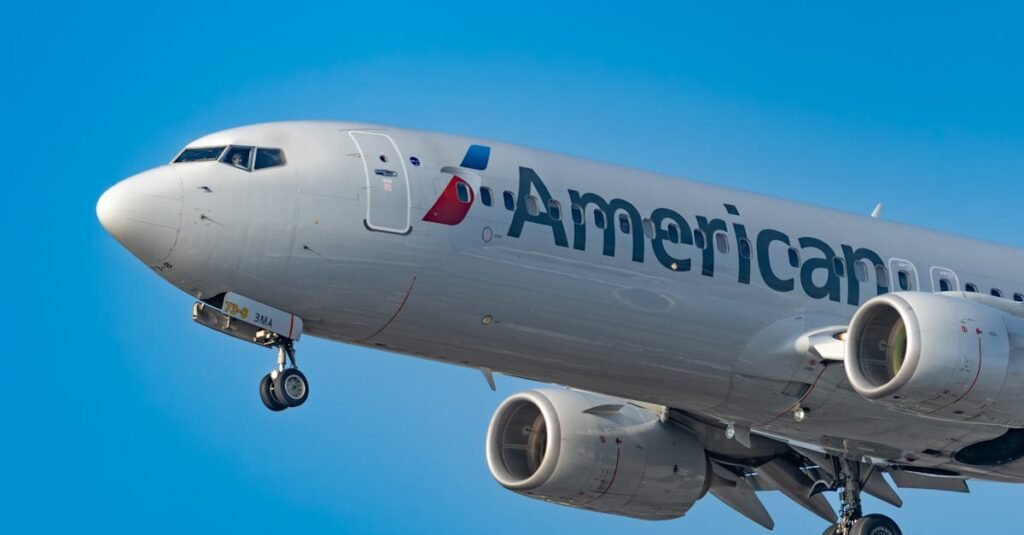
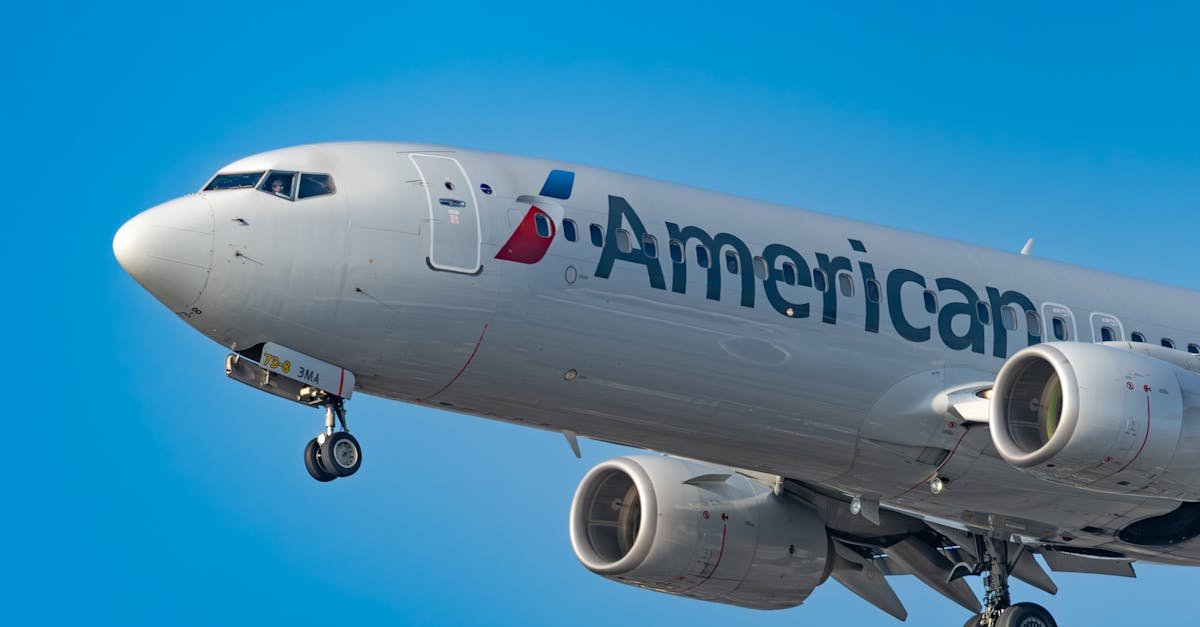
    Close-up of an American Airlines Boeing 737 during landing at Los Angeles International Airport.

    The Boeing 737 remains a workhorse for American Airlines, and this specific incident is being viewed as an external security event rather than a mechanical or design flaw of the aircraft itself. There have been no calls to ground similar aircraft, as the damage was clearly caused by an outside force.

    Airline operations to Medellín continue, though pilots have likely been briefed to remain vigilant and report any unusual sightings or sounds during their approach and departure phases. The coordination between the airline, the American government, and the Colombian civil aviation authority remains the primary channel for resolving the mystery of how a commercial jet ended up with a bullet hole in its side.

  • The $698M Resurrection: How Etihad’s Record Profits and 22M Passengers Vaulted the Airline into a New Era

    The $698M Resurrection: How Etihad’s Record Profits and 22M Passengers Vaulted the Airline into a New Era

    The aviation industry often speaks in terms of recovery, but what Etihad Airways recently achieved moves far beyond a simple return to form. On February 24, 2026, the national carrier of the United Arab Emirates pulled back the curtain on its 2025 financial results, revealing a story of growth that few predicted even three years ago. By reporting a record breaking net profit of $698 million, or 2.6 billion dirhams, Etihad has officially closed the chapter on its era of restructuring. This figure represents a massive 47 percent jump from the previous year, signaling that the airline is no longer just a participant in the global market but a dominant force once again.

    The numbers are staggering when placed in context. Not only did profits soar, but the airline also welcomed 22.4 million passengers through its cabin doors during 2025. This 21 percent increase in passenger volume highlights a fundamental shift in how the world travels through Abu Dhabi. It is a resurrection built on more than just high demand. It is the result of a calculated, aggressive expansion of the fleet and a relentless focus on making the business run with surgical precision.

    A Massive Leap in Financial Health

    Financial experts often look at margins to see if a company is truly healthy or just lucky. In 2025, Etihad achieved a profit margin of 8.4 percent. To understand why this is significant, one only needs to look at the global average for the airline industry, which the International Air Transport Association estimated at around 3.9 percent. Etihad is currently operating at more than double the industry average for profitability.

    Total revenue for the year hit 30.7 billion dirhams, which is roughly 8.4 billion dollars. This growth was not isolated to one part of the business. While passenger revenue led the way with a 24 percent increase, the cargo division also held its ground, bringing in 4.5 billion dirhams. This balance allowed the airline to generate nearly 8 billion dirhams in cash flow from operations. Having that much liquid capital meant the airline could pay for its new planes and upgrades without taking on heavy new debts, all while continuing to pay down its existing balance sheet.

    The Fleet Expansion That Fueled the Fire

    You cannot carry 22 million people without a lot of seats, and Etihad spent 2025 ensuring those seats were available. The airline added 29 aircraft to its fleet during the year, bringing the total operating fleet to 127 planes. This is the largest the airline has ever been. The mix of new arrivals included the highly efficient Airbus A321LR, more A350s, and additional Boeing 787 Dreamliners.

    Perhaps the most visible sign of this “Resurrection” was the return of the giants. Etihad reactivated more of its Airbus A380s to handle the surge in demand on high traffic routes like London and New York. While many other airlines moved away from the four engine superjumbos, Etihad found a way to make them profitable by focusing on premium experiences and high capacity. By using a mix of massive long haul planes and nimble narrow body jets like the A321LR, the airline was able to fly into 110 different destinations, up from just 94 the year before.

    Rethinking the Passenger Experience

    A profitable airline is nothing without happy travelers, and Etihad spent a significant portion of 2025 reinvesting in the people sitting in its seats. The airline reported that its Net Promoter Score, a key measure of customer satisfaction, rose by 10 percent. This was not an accident. The airline launched a new website and a much more intuitive mobile app to make the digital part of the journey less stressful.

    On the ground, the experience at Zayed International Airport in Abu Dhabi became a central part of the pitch. The airline expanded its premium services, offering private chauffeur transfers and dedicated check in areas that make the airport feel more like a luxury hotel than a transit hub. Inside the planes, the investment in the A321LR was a game changer for shorter routes. This plane features fully flat beds in business class, a luxury usually reserved for much larger aircraft flying across oceans. By offering long haul comfort on regional flights, Etihad gave travelers a reason to choose them over competitors.

    The Strategy Behind the Surge

    Chief Executive Officer Antonoaldo Neves has been the architect of this shift. His philosophy has been clear from the start. He believes that for an airline to grow, it first has to be successful and efficient. Under his leadership, the airline has focused on “Journey 2030,” a long term plan to double the number of passengers and the size of the fleet again by the end of the decade.

    The 2025 results prove that this plan is moving faster than expected. The airline is already two years ahead of its original targets for passenger growth. One of the smartest moves was focusing on point to point traffic. Historically, Abu Dhabi was mostly a place where people changed planes. In 2025, the number of people starting or ending their journey in Abu Dhabi hit 5.5 million. The airline also doubled the success of its stopover program, which encourages travelers to stay a few days in the capital. This has turned the airline into a massive engine for the local economy and tourism sector.

    A Growing Team for a Growing Brand

    Behind the $698 million profit is a massive human effort. To support 105,000 yearly landings, Etihad had to go on a hiring spree. In 2025 alone, the company hired over 3,200 new employees. This included roughly 1,600 cabin crew members and nearly 400 pilots.

    The company also focused on keeping the talent it already had. About 2,200 employees received promotions throughout the year. This internal growth created a culture of stability and pride that reflects in the service on board. With a workforce representing 152 different nationalities, the airline has built a global team that understands a global customer base. The leadership has already stated that they plan to continue this pace, aiming to hire between 2,500 and 3,000 new people every year for the next five years to keep up with the arriving planes.

    What Happens Next for Etihad

    The $698 million record is not the finish line. It is the foundation for the next phase. With two major aircraft orders placed in 2025, the pipeline for new planes is secure through the end of the decade. The airline is looking at new destinations across the United States, Africa, and Southeast Asia, aiming to provide at least two flights a day to every major city it serves.

    The rating agencies have noticed this stability as well. Fitch recently upgraded the credit rating of the airline to AA minus, which is the highest public rating any airline in the world currently holds. This financial strength gives Etihad the “vault” it needs to jump into a new era where it is no longer the underdog trying to fix its balance sheet. Instead, it is a lean, profitable, and highly competitive leader in the sky.

    As the industry looks toward 2026 and beyond, the story of Etihad serves as a masterclass in how to turn a struggling brand into a profit machine. It took a combination of strict cost control, a massive investment in the right planes, and a renewed focus on why people fly in the first place. The era of the “comeback” is officially over for Etihad. The era of dominance has begun.

  • Delta, United and American Airlines International Routes: What US Travelers Need to Know During the Mexico Crisis 2026

    Delta, United and American Airlines International Routes: What US Travelers Need to Know During the Mexico Crisis 2026

    Traveling to Mexico has long been a staple for American vacationers seeking sun, culture, and relaxation. However, the events of late February 2026 have shifted the landscape significantly. Following a major military operation on February 22 that resulted in the death of a high profile cartel leader, several regions in Mexico experienced a sudden wave of civil unrest. For those with tickets on Delta, United, or American Airlines, navigating this situation requires more than just checking a flight board. It involves understanding specific airline waivers, regional safety alerts, and the logistical reality of a country in flux.

    The Spark of the Current Crisis

    The current instability stems from a military engagement in Jalisco that targeted the leadership of the Jalisco New Generation Cartel. In the immediate aftermath, retaliatory actions including roadblocks and vehicle fires were reported across more than a dozen states. While the Mexican government has worked to clear these blockades, the ripple effect on transportation has been immense. Major tourist hubs and transit points like Guadalajara and Puerto Vallarta bore the brunt of these disruptions, leading to a cascade of flight cancellations and a heightened security presence at transportation hubs.

    The U.S. State Department and the U.S. Embassy in Mexico City issued urgent notices shortly after the violence began.For a period, government employees were ordered to shelter in place in cities like Cancun, Tijuana, and Monterrey.While some of these orders have since been scaled back, the environment remains unpredictable. Travelers are currently advised to exercise extreme caution and stay informed through official channels.

    Delta Air Lines: Flexibility and Rebooking

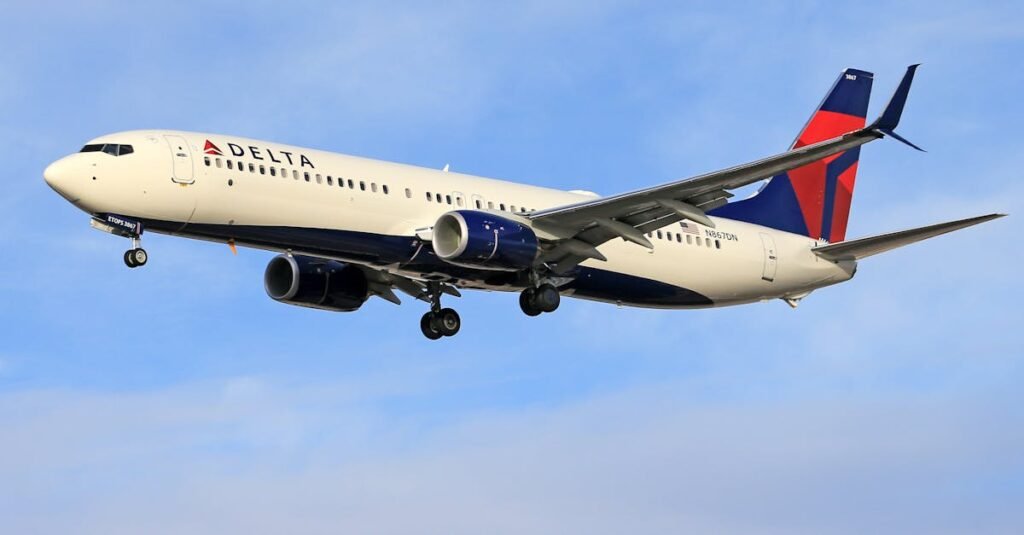
    Delta airline passenger plane flying in clear blue sky. Ideal for travel and transportation themes.

    Delta Airlines was among the first to respond to the unrest in Jalisco. The carrier recognizes that safety concerns often outweigh the desire to keep a travel date. Delta has issued specific travel waivers for passengers flying to, from, or through affected areas such as Guadalajara and Puerto Vallarta.

    If you are holding a ticket for travel through late February 2026, Delta is allowing a one time change without a fare difference, provided the new travel begins by early March. For those who cannot reschedule within that tight window, the airline is offering the option to cancel the flight and retain the value as a credit for one year. This flexibility is vital for families who may feel uncomfortable heading into a region that was recently under a shelter in place advisory. Delta continues to operate its main hubs in Atlanta, Minneapolis, and Detroit with a focus on repositioning crews that were displaced during the initial peak of the unrest.

    United Airlines: Managing the West Coast Pipeline

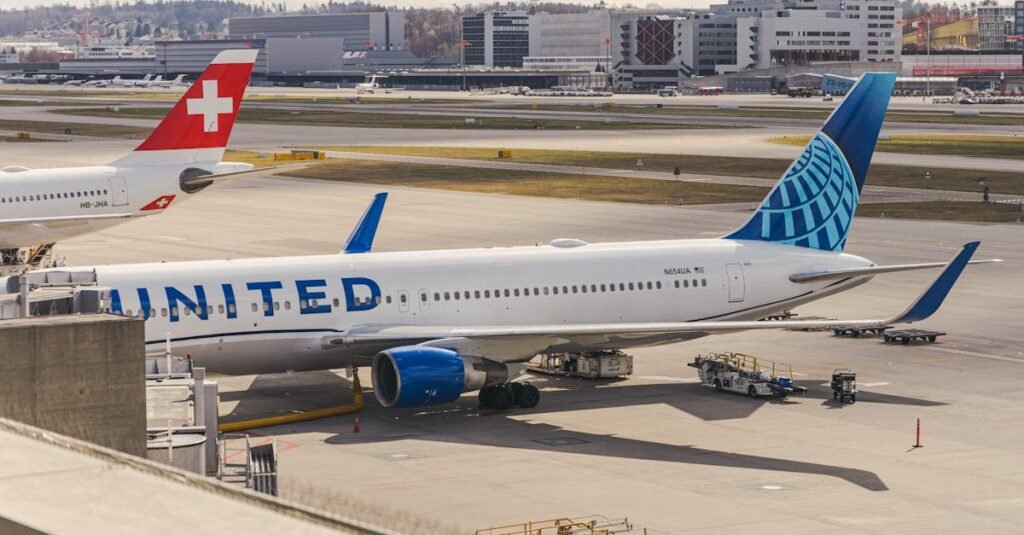
    United Airlines and Swiss planes parked at Zurich airport terminal on a clear day.

    United Airlines maintains a heavy presence in the Mexican market, particularly through its hubs in Houston, Denver, and San Francisco. Because United serves a high volume of business and leisure travelers heading to the Pacific coast of Mexico, the impact of the Guadalajara and Puerto Vallarta disruptions was significant.

    United has implemented a rebooking policy that covers original travel dates through the end of February. Passengers can shift their flights to a later date without paying a change fee or a difference in fare, as long as they stay in the same cabin and complete their travel by the first week of March. United has also utilized its “Agent on Demand” feature in its mobile app to help stranded passengers find alternative routes through less affected cities like Mexico City or Cabo San Lucas, where operations have remained relatively stable.+1

    American Airlines: Navigating a Difficult Week

    American Airlines has faced a particularly challenging week. In addition to the security crisis in Mexico, the airline dealt with separate operational hurdles in the Northeast United States. This “double hit” meant that American had to cancel a significant number of flights to Mexico on February 22 and 23.

    For travelers heading to Mexico, American Airlines has issued waivers for several key destinations, including Mazatlan, where U.S. government staff were restricted from traveling through February 25. If your flight was canceled by the airline, you are entitled to a full refund to your original form of payment. If you choose to keep your plans but want to delay them, American is waiving change fees for impacted routes. It is worth noting that some American flights actually turned around mid air when the violence first escalated, so checking the status of your specific aircraft is more important now than ever.

    Key Airports and Regional Status

    While the news often paints a broad brush, the crisis has affected different parts of Mexico in different ways. Knowing the status of your specific destination is crucial for a safe trip.

    • Puerto Vallarta (PVR) and Guadalajara (GDL): These were the epicenters of the flight disruptions. While flights have begun to resume, the availability of flight crews remains a bottleneck. Many ride share services were temporarily suspended in these cities, so traditional taxis or hotel shuttles are the more reliable choice for now.
    • Cancun and the Riviera Maya: This region saw a brief shelter in place order for government officials, but the situation has stabilized faster here than in the west. Most flights are operating on schedule, though travelers are still urged to stay within resort perimeters.
    • Tijuana and Baja California: Roadblocks impacted the areas near the border, making land crossings risky. Travelers are encouraged to fly directly into their destination rather than crossing the border by car.
    • Mexico City (MEX): The capital has remained the most stable transit point. Many travelers have successfully reached their final destinations by rerouting through Mexico City and taking domestic connections.

    Essential Safety Tips for US Travelers

    If you decide to proceed with your travel plans, you must take extra precautions to ensure your safety and your ability to return home.

    First, enroll in the Smart Traveler Enrollment Program (STEP). This is a free service provided by the U.S. government that allows the Embassy to contact you in an emergency. Second, keep a digital and physical copy of your passport and entry documents in separate locations.

    Avoid traveling on highways at night. Many of the reported incidents involved roadblocks on major toll roads. If you must travel between cities, do so during daylight hours and stick to the most frequented routes. Lastly, stay in constant contact with your airline. Use their mobile apps to receive real time notifications, as the situation on the ground can change within minutes.+2

    Looking Ahead to March 2026

    As we move toward the end of February, the frequency of violent incidents has decreased, and the Mexican military has increased its presence in tourist zones to restore confidence. Most airlines expect to return to a full schedule by the first week of March, provided no further retaliatory actions occur.

    The crisis serves as a reminder of how quickly the travel landscape can change. For now, the best strategy is a mix of flexibility and caution. If you are unsure about your safety, the generous waiver policies from Delta, United, and American provide a safety net that allows you to postpone your trip without losing your financial investment.

  • Etihad Airways Smashes Records: $698M Profit as Carrier Crushes Industry Averages

    Etihad Airways Smashes Records: $698M Profit as Carrier Crushes Industry Averages

    The global aviation landscape is often defined by thin margins and intense competition, but Etihad Airways has just rewritten the rulebook. In its latest financial disclosure for the full year of 2025, the Abu Dhabi based carrier announced a record breaking profit after tax of $698 million. This represents a massive 47 percent jump compared to the previous year, proving that the airline has firmly moved past its restructuring phase and into a period of aggressive, profitable expansion.

    A Financial Masterclass in a Tough Industry

    To understand the scale of this achievement, one has to look at the wider context of the airline business. The International Air Transport Association recently estimated that the average net profit margin for the global airline industry sits at around 3.9 percent. Etihad Airways has completely bypassed this benchmark, posting a net profit margin of 8.4 percent. This means the carrier is performing at more than double the efficiency of its global peers.

    Total revenue for the year reached $8.4 billion, a 21 percent increase that was fueled by a surge in both passenger and cargo demand. This financial health has allowed the company to generate nearly $2 billion in operating cash flow. Such a strong cash position is vital because it allows the airline to fund its massive future investments without relying heavily on outside debt. In fact, the airline has successfully reduced its debt levels while simultaneously growing its fleet at a record pace.

    Passenger Growth and the Power of Abu Dhabi

    Stunning night view of Abu Dhabi's illuminated skyline reflecting on the water.

    The year 2025 saw 22.4 million people choose to fly with Etihad. This is a 21 percent increase in passenger volume, a figure that is nearly unheard of for a full service carrier of this size. Much of this success stems from the strategic importance of Zayed International Airport. The airline now accounts for roughly half of all passenger growth in the United Arab Emirates, acting as a massive engine for the local economy.

    Interestingly, the airline is not just acting as a bridge for connecting flights. Point to point traffic to Abu Dhabi rose to 5.5 million travelers. This shows that more people are choosing the capital city as their final destination rather than just a stopover point. Additionally, the airline’s specialized stopover program more than doubled in 2025, bringing 170,000 visitors into the city to explore the local culture and attractions before heading to their next flight.

    Scaling the Fleet at Lightning Speed

    One of the most difficult tasks for any airline is growing the fleet without losing operational quality. During 2025,Etihad added 29 aircraft to its lineup, bringing the total operating fleet to 127. This was the largest single year expansion in the history of the company.

    The new additions were not just standard replacements. The airline introduced the Airbus A321LR, which brings long haul comfort to medium distance routes. These planes feature high end cabins that allow the airline to offer a premium experience on routes that were previously served by smaller, less comfortable aircraft. At the same time, the carrier reactivated more of its iconic Airbus A380 double decker jets to meet the heavy demand on popular routes like London and New York.

    By growing the fleet, the airline was able to increase its network from 94 to 110 destinations. New routes to places like Atlanta, Prague, Warsaw, and Hong Kong have opened up fresh revenue streams and strengthened the airline’s presence across North America, Europe, and Asia.

    Efficiency and the 88 Percent Load Factor

    Growth is only valuable if the planes are full, and Etihad has excelled in this area. The passenger load factor reached a high of 88.3 percent for the year. This indicates that despite adding 21 percent more capacity, the airline managed to keep its planes nearly full.

    Managing this level of growth while maintaining an 81 percent on time performance rate is a testament to the operational teams behind the scenes. It shows a level of discipline where every new flight and every new destination is carefully calculated to ensure it adds value to the overall network. CEO Antonoaldo Neves has noted that the airline no longer operates any loss making routes, a rare claim in an industry where many carriers fly certain paths just for prestige.

    Cargo as a Quiet Powerhouse

    While passengers often get the headlines, the cargo division played a crucial role in these record results. Cargo revenue rose to $1.2 billion, supported by a 9 percent increase in volumes. The airline transported over 700,000 tonnes of goods across the globe.

    A major driver of this success was a strategic partnership with SF Airlines, which helped Etihad become the largest cargo operator between mainland China and the Middle East. By using the belly hold capacity of its growing passenger fleet, the airline was able to move high value goods like electronics, pharmaceuticals, and luxury vehicles more efficiently. Specific sectors saw explosive growth, such as the transport of live animals and high value art, proving that specialized logistics are a key part of the modern Etihad business model.

    Reinvesting in the Guest Experience

    Record profits have not led to complacency. The airline has used its financial strength to reinvest heavily in the passenger experience. This includes a 10 percent increase in the Net Promoter Score, which is a key metric for measuring customer loyalty and satisfaction.

    From a brand refresh to a new mobile app and website, the digital side of the journey has been streamlined. Onboard,the investment in First and Business class cabins continues to set new standards. The introduction of the A321LR with lie flat seats in Business class has bridged the gap between short flights and long haul luxury. These efforts have earned the airline over 25 international awards in 2025 alone, ranging from safety honors to recognition for the best economy class experience.

    Etihad’s Roadmap for 2030 and Beyond

    These results are part of a larger plan known as Journey 2030. The airline is not planning to slow down anytime soon.The goal is to eventually serve 38 million passengers annually with a fleet that could reach 200 aircraft by the end of the decade.

    The strategy focuses on organic growth rather than risky acquisitions. By using its own cash to buy new planes and expand into new markets, Etihad is building a sustainable future. The recent credit rating upgrade from Fitch to AA minus confirms that the financial world sees this as one of the most stable and well managed airlines in the sky today.

    Why This Matters for the Aviation World

    Etihad’s success is a signal to the rest of the industry that a focused, disciplined strategy can overcome global economic headwinds. By balancing luxury with operational efficiency and local growth with global connectivity, the airline has found a winning formula.

    As we move further into 2026, the focus remains on delivering what the airline calls extraordinary travel experiences.With 20 new aircraft expected to arrive annually over the next few years, the carrier is well on its way to becoming a top tier global powerhouse. For travelers, this means more choices, better cabins, and a more connected world. For the competition, it means that the airline from Abu Dhabi is no longer just a participant in the market; it is setting the pace for everyone else to follow.

  • Mexico Cartel Crisis: Air Canada Announces Emergency Flight Schedule

    Mexico Cartel Crisis: Air Canada Announces Emergency Flight Schedule

    The travel landscape in Mexico took a sharp and violent turn this week following a major military operation in the state of Jalisco. After several days of uncertainty and grounded planes, Air Canada has officially stepped forward with a massive update to its rescue strategy. The airline is shifting its focus toward a high capacity repatriation mission to bring home thousands of Canadians who found themselves trapped by sudden civil unrest.

    The Events That Triggered a National Crisis

    The chaos began on Sunday, February 22, 2026, when Mexican special forces conducted a raid in the town of Tapalpa.The target was Nemesio Oseguera Cervantes, famously known as El Mencho, the top leader of the Jalisco New Generation Cartel. During the confrontation, the cartel leader was fatally wounded and died while being transported for medical care.

    As news of his death spread, his followers launched a series of coordinated retaliatory attacks across multiple states.Armed groups set up hundreds of roadblocks, torched buses, and attacked local businesses. The violence quickly reached popular tourist hubs like Puerto Vallarta and Guadalajara. Local officials were forced to issue shelter in place orders, telling visitors to stay inside their hotels and avoid the streets. For thousands of vacationing Canadians, the dream trip turned into a stressful waiting game.

    Air Canada Responds with the Boeing 787 Dreamliner

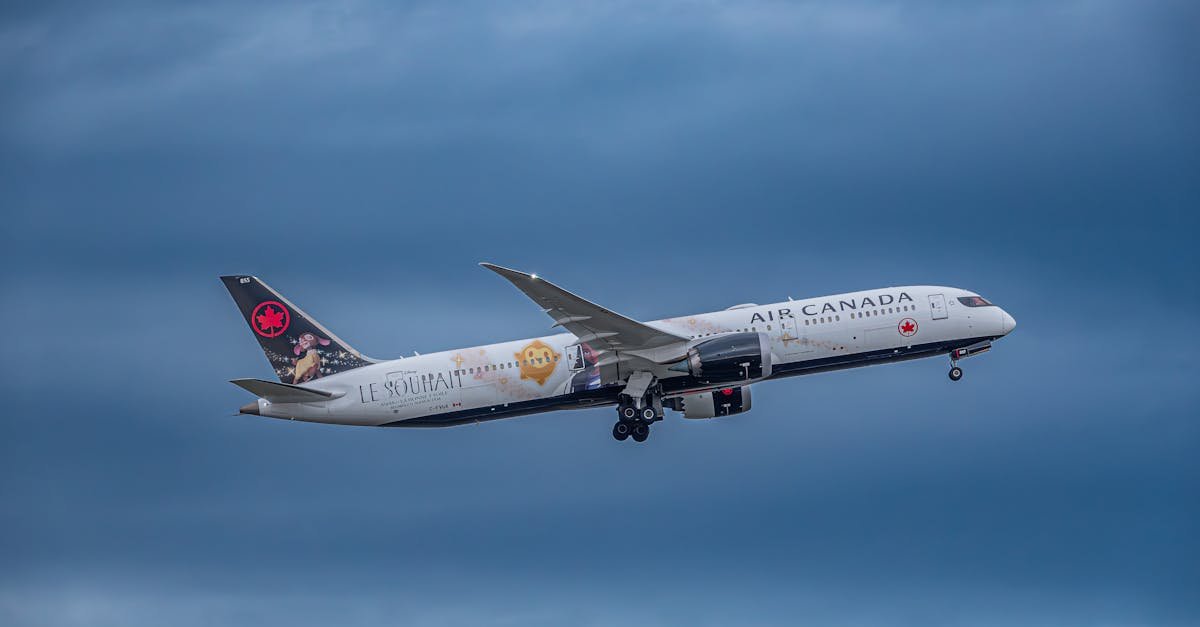
    Air Canada Boeing 787 Dreamliner on the airport tarmac during a sunny day.

    In the immediate aftermath of the violence, Air Canada joined other major carriers in suspending all flights to the affected regions. However, with the situation on the ground stabilized by a heavy military presence, the airline is now moving into a recovery phase. The centerpiece of this new emergency schedule is the deployment of the Boeing 787 Dreamliner.

    Choosing the 787 is a strategic move designed to solve a numbers problem. While regional jets and narrow body planes usually handle these routes, they simply do not have the seat count needed to move people quickly. By using these wide body, heavy lift aircraft, Air Canada can carry nearly 300 passengers per flight. This allows them to clear the massive backlog of travelers much faster than traditional schedules would allow. These planes also offer significant cargo space, which is being used to move essential supplies and equipment needed for the safe operation of flight crews in a high tension environment.

    “To help get customers home as soon as possible, we’re flying larger Boeing 787-9 Dreamliners from Toronto and Montreal to Puerto Vallarta, for 258 seats of added capacity. Operations from Toronto to Guadalajara will resume on Feb. 25,” read the official statement from Air Canada.

    Understanding the New Emergency Flight Schedule

    The airline is not just resuming normal service. Instead, they have designed a specific emergency rotation that prioritizes the areas with the highest number of stranded passengers. Following consultation with the Government of Canada and Mexican authorities, full operations resumed on Tuesday, February 24, with specific aircraft swaps.

    This specialized schedule focuses on these key rotations:

    • Montreal (YUL) to Puerto Vallarta (PVR): Flight AC999 and the return leg AC998 have been upgraded to the Boeing 787-9 to maximize capacity.
    • Toronto (YYZ) to Puerto Vallarta (PVR): Flight AC1349 and the return leg AC1348 are also now utilizing the 787-9 Dreamliner.
    • Vancouver (YVR) to Puerto Vallarta (PVR): Flights AC970 and AC971 currently remain on the 737 Max 8 schedule but are being monitored for potential future upgrades.
    • Guadalajara (GDL): Flights from Toronto to the state capital are set to resume on Wednesday, February 25, to assist those in the city for business or family visits.

    Travelers should note that these flights are operating under strict security protocols. The airline is working in tandem with the Canadian government and Mexican airport authorities to ensure that the “air bridge” remains open even if ground transportation remains spotty in certain areas.

    To manage your booking or reschedule your flight during this crisis, you should use Air Canada’s official self-service tools. These allow you to skip the long wait times on the phone lines.

    Where to Reschedule or Book

    • For General Bookings: Use the Air Canada “My Bookings” Tool. You will need your booking reference number and the passenger’s last name to access your itinerary and see available rescue flight options.
    • For Air Canada Vacations: If your trip was booked as a package, go to the Air Canada Vacations Manage Your Booking page.
    • For Aeroplan Members: Log in to your account on the Aeroplan portal to manage rewards-based rescue flights.

    Important Contact Numbers

    If you cannot access your booking online due to the emergency, use these specific lines:

    • From Mexico (Toll-Free): 011-800-514-1890
    • General Rebooking Line: 1-888-247-2262
    • Air Canada Vacations Support: 1-800-296-3408

    Note: Due to the “up-gauging” of aircraft to the Boeing 787-9, some passengers may see their flight numbers stay the same while their seat assignments change. Be sure to re-download your boarding pass once you have confirmed your spot on a rescue rotation.

    Safety First for Those Still in Destination

    Even though the planes are arriving, the journey home is not without challenges. Global Affairs Canada continues to advise a high degree of caution. If you are currently in Jalisco or surrounding areas, it is vital to follow these steps before trying to reach the airport:

    First, do not leave your hotel or rental property until you have a confirmed seat and a specific departure time. Many roads still have remnants of the blockades, and local transportation like taxis or ride shares may be inconsistent. Air Canada is urging passengers to wait for an official notification via email or text before making the trek to the terminal.

    Second, travel during daylight hours only. While the Mexican National Guard has cleared most of the main highways, security experts suggest that moving during the day provides better visibility and reduces the risk of getting caught in localized skirmishes.

    Finally, keep your documents ready. Security at the airport is significantly tighter than usual. Expect extra checkpoints and longer wait times for processing. The goal is to get everyone through as safely as possible, and that requires patience from everyone involved.

    Why This Rescue Mission is Different

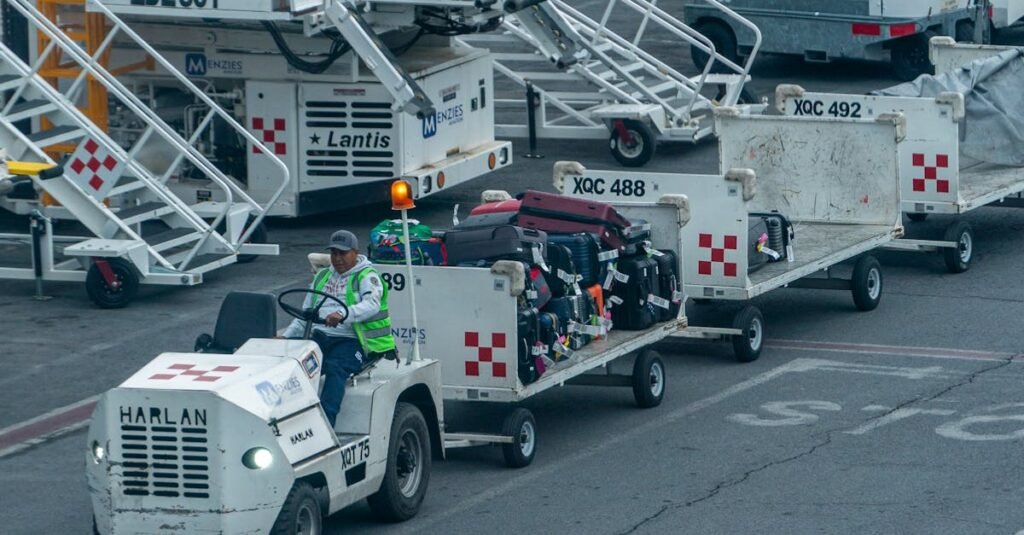
    A bustling airport scene with ground crew and baggage carts near an airplane on the tarmac.

    In past years, travel disruptions in Mexico were often caused by weather or smaller scale localized protests. The February 2026 crisis is different because it involves a direct vacuum in cartel leadership, which creates a more volatile environment.

    Air Canada’s decision to use its flagship long haul fleet for short haul rescue missions shows the seriousness of the situation. It is a costly and complex operation to reroute these massive planes from their usual international paths to Europe or Asia. However, the airline has stated that the safety of its customers and the need to bring Canadians home outweighs the logistical hurdles.

    What to Do if Your Flight Was Cancelled

    If you were scheduled to fly to or from Mexico during the peak of the unrest, you likely have questions about your ticket. Air Canada has implemented a flexible rebooking policy. This allows passengers to change their travel dates without paying the usual fees.

    For those who no longer wish to travel to Mexico this season, the airline is offering travel credits. These credits can be used for future trips once the region has fully stabilized. If you are currently in Mexico and waiting for your turn on one of the 787 rescue flights, make sure your contact information is updated in the “Manage My Booking” section of the Air Canada website. This is the fastest way for the airline to reach you with your new boarding details.

    Looking Ahead to Future Travel

    The death of a major cartel figure often leads to a period of restructuring within the criminal underworld. Because of this, travelers should expect travel advisories to remain in place for the foreseeable future. While the emergency flight schedule is designed to get people home now, the long term status of tourism in Jalisco remains a topic of discussion between the two nations.

    For now, the focus remains on the mission at hand. The sight of the Air Canada 787 on the tarmac in Puerto Vallarta has become a symbol of relief for many. As these heavy lift planes continue their rotations, the backlog of stranded tourists is expected to clear within the next few days.

    Stay tuned to official channels and keep a close eye on your airline notifications. The situation is fluid, but with the right resources and a focus on safety, the path back home is finally opening up.