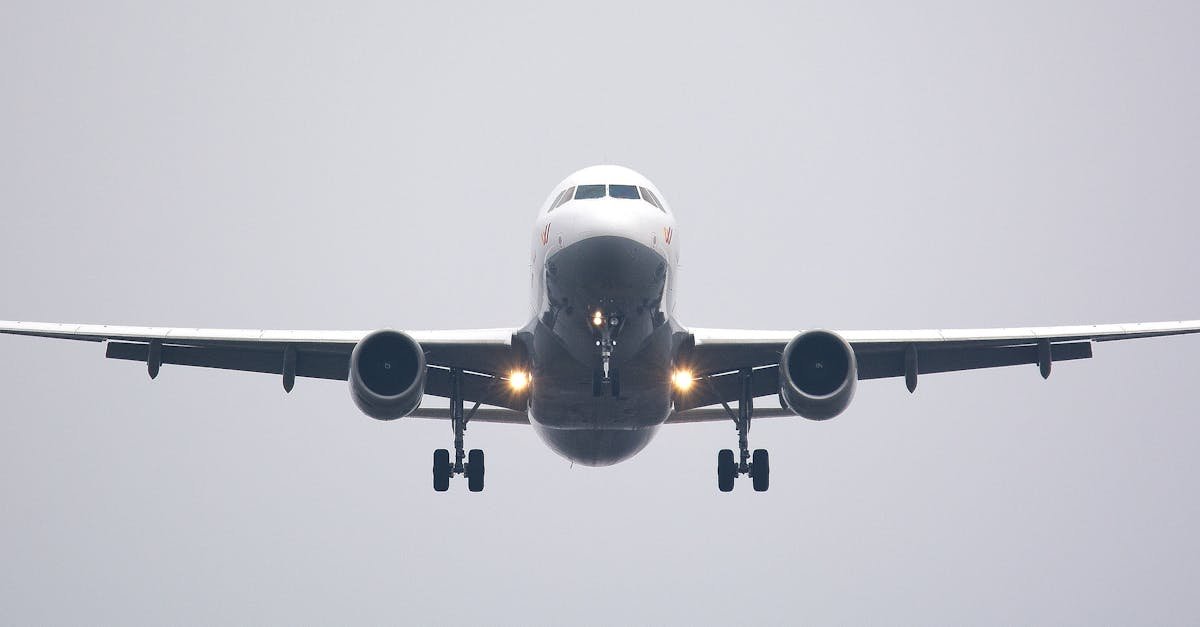
The world of aviation is built on a foundation of strict discipline, clear communication, and unwavering professionalism. Every word spoken over the airwaves is intended to serve a specific purpose, primarily ensuring the safety of hundreds of people traveling through the sky. However, a bizarre and troubling trend has recently captured public attention, leading to a situation where the FAA investigates pilots heard meowing and woofing on restricted frequencies. This behavior, while seemingly a harmless prank to those involved, represents a significant breach of protocol that can have life-threatening consequences.
The Incident at Reagan National Airport
In April 2026, a series of transmissions near Ronald Reagan Washington National Airport left air traffic controllers and the broader aviation community in a state of disbelief. While managing the complex flow of traffic at one of the busiest hubs in the United States, a controller began to hear unusual sounds interrupting the standard flow of flight numbers and altitude instructions. Instead of the typical professional banter, the radio was filled with the sounds of cats meowing and dogs barking.
The audio, which quickly went viral across social media platforms, highlights a startling lack of decorum. It was not just a one-time occurrence; the animal noises persisted for several minutes. At one point, a controller, clearly reaching the end of his patience, was heard reminding the crews that they needed to remain professional. Despite this direct warning, the noises continued. The situation became even more heated when the controller pointed out that such behavior was exactly the reason some pilots remain in regional positions rather than advancing to major carriers.
Why the Guard Frequency Is Sacred
To understand why the FAA investigates pilots for these actions, one must understand the importance of the frequency used. In aviation, 121.5 MHz is known as the international emergency frequency, or more commonly as Guard. This channel is reserved for aircraft in distress, emergency locator transmitter signals, and for controllers to reach pilots who may have accidentally switched to the wrong frequency or suffered a radio failure.
By international law and FAA regulations, Guard is meant to be kept clear of all non-emergency chatter. When a pilot keys their microphone to meow or bark, they are effectively blocking the channel. If a nearby aircraft were attempting to report an engine failure, a medical emergency on board, or a hijacking, those critical calls might never reach the ground. The airwaves can only handle one transmission at a time on a single frequency, meaning a single joke can silence a cry for help.
The Cultural Problem of Guard Trolling
While the recent events at Reagan National have made headlines, the truth is that meowing on Guard has been an underground nuisance in the aviation world for years. It is often described as a verbal meme. One pilot will make a noise, and others, thinking they are anonymous, will join in. This creates a chain reaction of unprofessionalism that can span hundreds of miles, as the VHF signal from a high-altitude jet carries a long way.
Many veteran captains and safety experts have expressed deep frustration with this culture. They argue that it reflects a dangerous level of complacency. When the FAA investigates pilots involved in these incidents, they are looking at more than just a prank; they are looking at a breakdown in the safety culture that is supposed to govern every flight. The anonymity of the radio has long protected those who engage in this behavior, but modern technology is making it much easier for authorities to track the source of these transmissions.
Safety Risks in High Pressure Environments
The timing of this particular incident added a layer of gravity to the situation. Reagan National Airport is known for its challenging approach and high-traffic volume. Adding unnecessary distractions to a controller’s workload is inherently dangerous. When a controller has to stop and reprimand a pilot for making animal noises, their focus is momentarily taken away from the vital task of separating aircraft in the sky.
Furthermore, the regional jet crews involved were operating in an area with a sensitive history. Aviation is an industry where lessons are often learned through tragedy, and the margin for error is incredibly thin. By cluttering the emergency frequency, these pilots were not just being immature; they were actively compromising the safety of the National Airspace System. This is a primary reason why the FAA investigates pilots who misuse these communication tools.
Tracking Down the Source of Interference
One might wonder how a pilot can be caught when they are speaking into a radio from miles away. While it used to be difficult to pinpoint a specific cockpit, the FAA and the Federal Communications Commission have improved their ability to monitor and locate unauthorized transmissions. Additionally, many modern aircraft are equipped with digital systems that log radio usage.
In many cases, the pilots give themselves away. Because they are often listening to multiple radios at once, they may accidentally transmit their company call sign or respond to an air traffic control instruction while still keyed into the Guard frequency. Once a specific flight is identified, the airline can check the cockpit voice recorder or interview the crew. When the FAA investigates pilots, they work closely with the airlines to ensure that those responsible are held accountable for their actions on the flight deck.
Professional and Legal Consequences
The fallout for a pilot caught participating in these antics can be career-ending. The FAA has the authority to suspend or even revoke a pilot’s license for the misuse of aviation frequencies. This is not a slap on the wrist; it is a permanent mark on a professional record that can make a pilot unhireable at major airlines.
Beyond the government level, airlines take these matters very seriously. Most major carriers have strict codes of conduct that emphasize professionalism at all times. Being part of an incident where the FAA investigates pilots for making animal noises is a major embarrassment for an airline’s brand. In the past, pilots have been terminated for such behavior, especially those who are still on probation or in training.
The Human Element of Aviation
At the heart of this issue is a question of human behavior and the psychological impact of boredom during long flights. Aviation can involve long stretches of routine activity, which sometimes leads younger or less disciplined crews to seek entertainment in inappropriate ways. However, the cockpit is an office where the lives of hundreds are in the balance, and the radio is the primary tool for maintaining that safety.
The general public’s reaction to the audio recordings has been a mix of amusement and alarm. While some see it as a silly prank, the majority of travelers expect the people flying their planes to be fully focused and professional. The contrast between the gravity of the job and the juvenile nature of the barking and meowing is what makes this story so compelling and why the FAA investigates pilots with such vigor.
Guarding the Future of Flight Safety
The goal of any investigation into radio misuse is to prevent future occurrences. By making an example of those who disrupt emergency frequencies, the authorities hope to reinforce the importance of radio discipline. Education is also a key component, as flight schools and training departments are being encouraged to emphasize the legal and safety ramifications of Guard trolling.
As technology continues to evolve, the ability to maintain a clean and reliable communication environment will only become more important. The sky is becoming more crowded with the introduction of drones and advanced air mobility vehicles, making clear radio channels a non-negotiable requirement for safety.
Maintaining Professionalism in the Skies
The incident of animal sounds on the radio serves as a stark reminder that professionalism must be maintained from takeoff to touchdown. While humor has its place in any workplace, the emergency frequency is a sacred space that must be protected. When the FAA investigates pilots, they are sending a clear message that the rules of the air apply to everyone, regardless of whether they are flying a small regional jet or a massive wide-body aircraft. The integrity of the aviation system depends on the mutual respect and discipline of every individual who keys a microphone to speak to the world below.
Leave a Reply