Tag: Aircraft safety

  • Delta Engine Blowout Ignites Runway Fire During Emergency Landing: All We Know So Far

    Delta Engine Blowout Ignites Runway Fire During Emergency Landing: All We Know So Far

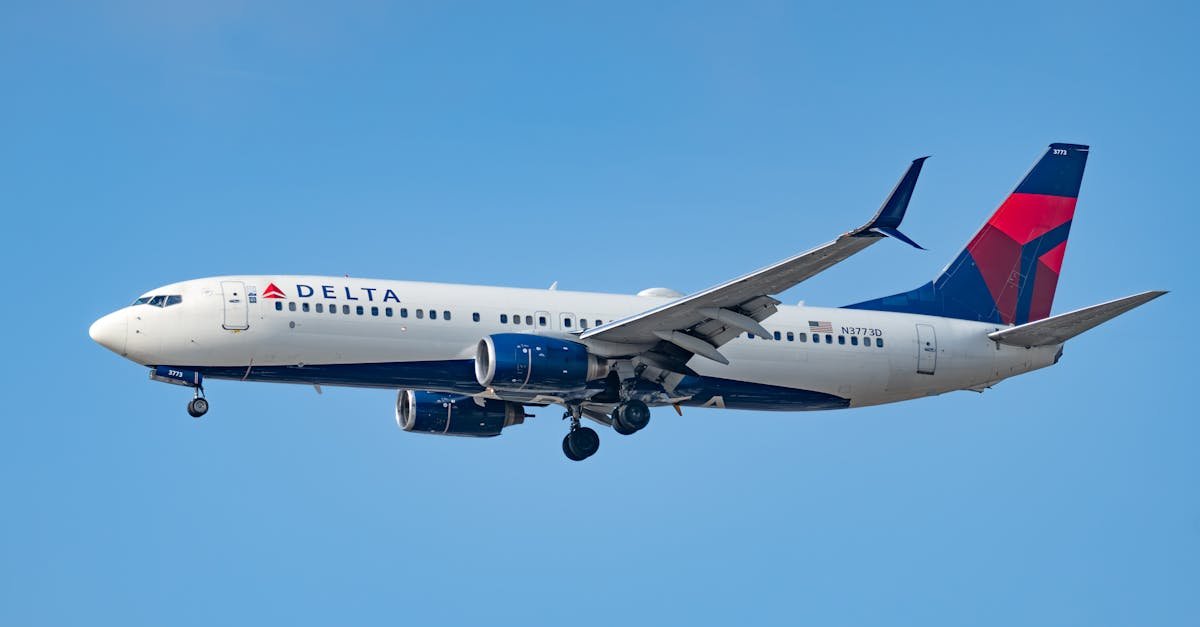
    On Sunday evening, February 22, 2026, passengers on a Delta Air Lines flight experienced a terrifying moment when an engine failure shortly after takeoff forced an emergency return to Savannah Hilton Head International Airport. The incident, involving Delta Flight 1067, did not just result in a midair scare but also sparked a massive grass fire along the airport runways. Despite the dramatic nature of the engine blowout and the secondary fires on the ground, all 185 people on board the aircraft returned to the terminal safely and without injury.

    A Sudden Bang During Ascent

    The flight was scheduled to travel from Savannah to Atlanta, a short hop that usually takes less than an hour. According to witnesses and passengers on board the Boeing 737-900, everything seemed normal until the wheels left the pavement. Within seconds of being airborne, a loud boom echoed through the cabin. Passengers reported seeing sparks and streaks of flame shooting from the left engine.

    One traveler described the sound as being similar to a car backfiring, though significantly louder and more jarring. The vibration from the engine failure was felt throughout the plane, immediately alerting the crew that something was wrong. Pilots quickly realized that the left CFM-56 turbofan engine had suffered a major mechanical failure.

    Emergency Procedures and Pilot Skill

    As soon as the engine blew, the flight crew declared an emergency. Aviation data shows that the aircraft reached a maximum altitude of roughly 3,000 feet before the pilots stopped the climb. Operating on the remaining functional engine, the pilots performed a controlled loop to bring the plane back to Savannah.

    While the situation in the cockpit was intense, passengers praised the crew for their calm demeanor. The pilots communicated clearly with the travelers, explaining that the plane could fly safely on one engine and that they were returning to the airport immediately. This transparency helped manage the fear inside the cabin as the plane made its final approach back toward the runway.

    The Ground Fire at Savannah Airport

    While the plane was still in the air, a different kind of emergency was unfolding on the ground. The flames and sparks emitted by the failing engine during takeoff had ignited the dry grass adjacent to the runway. Fed by powerful winds gusting at nearly 60 miles per hour, the small sparks quickly grew into a large brush fire.

    Air traffic controllers spotted the flames almost immediately and alerted other aircraft in the vicinity. The fire spread rapidly across a significant stretch of the airfield, specifically the area between taxiway Alpha and Charlie 1. This prompted a massive response from local emergency services. Because the fire was so large and spreading fast due to the wind, the airport fire department requested mutual aid from nearby agencies.

    A Large Scale Emergency Response

    The response to the fire and the incoming aircraft was a coordinated effort involving multiple departments. Firefighters from the Savannah Fire Department, Garden City Fire Rescue, and Pooler Fire Rescue all rushed to the scene. Additionally, the 165th Airlift Wing Fire Department provided support to help contain the blaze.

    As Flight 1067 touched down at approximately 7:12 p.m., it was met on the tarmac by a fleet of fire trucks. Emergency responders were positioned to douse the aircraft if necessary, but the primary focus of the ground crews remained on the sprawling grass fire that was threatening airport infrastructure.

    Passengers Safe but Shaken

    Once the Boeing 737 landed safely, it was towed back to the gate. The 179 passengers and six crew members deplaned normally through the jet bridge rather than using emergency slides. While everyone was physically unharmed, many described the experience as incredibly stressful.

    Travelers remained on the aircraft for about an hour after landing while officials ensured the area was safe and the fire was under control. Delta Air Lines issued an official statement shortly after the event, confirming the mechanical issue and apologizing for the disruption. The airline worked through the night to rebook passengers on alternate flights to Atlanta so they could reach their final destinations.

    Impact on Airport Operations

    The combination of a crippled aircraft on the runway and a large brush fire led to temporary ground stops at Savannah Hilton Head International Airport. Several incoming flights were held in the air or diverted, while departing flights faced significant delays.

    Fortunately, the fire did not reach the actual pavement of the runways, which allowed crews to clear the scene relatively quickly once the flames were extinguished. By later that evening, the fire was fully out, and operations at the airport began to return to a state of normalcy.

    The Role of Weather Conditions

    Weather played a significant role in how the incident unfolded. The Savannah area was experiencing high winds on Sunday, which is likely why the sparks from the engine were able to ignite the grass so easily. These same winds made the fire much harder to fight, as the flames were pushed across the dry vegetation at a high rate of speed.

    Aviation experts note that while engine failures are rare, pilots are trained extensively for this specific scenario. Modern twin engine jets like the Boeing 737 are designed to fly, climb, and land safely even if one engine completely loses power. The successful landing in Savannah is a testament to that engineering and the rigorous training of the Delta flight crew.

    What Happens Next for the Aircraft?

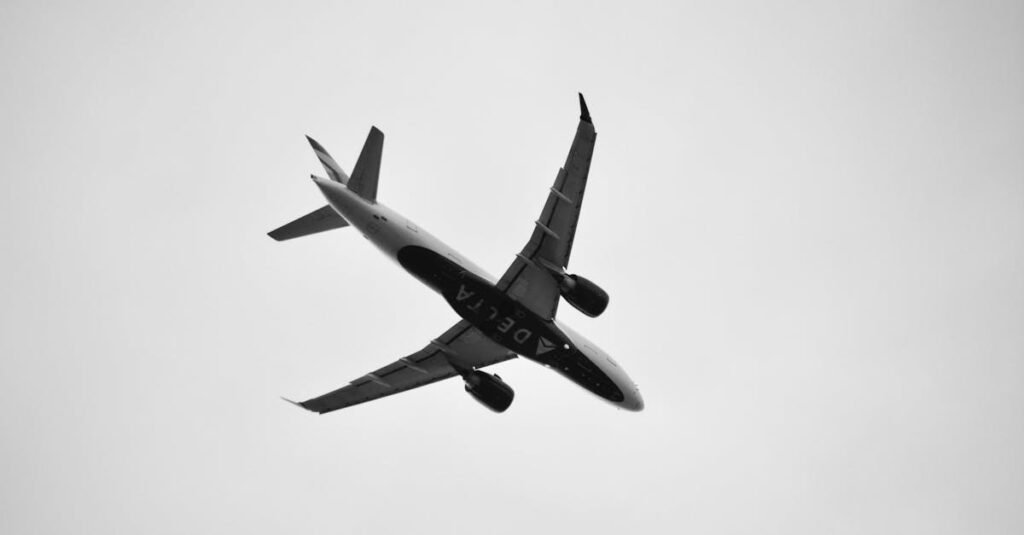
    Black and white image of a commercial airplane flying overhead, showcasing aviation in San Antonio, Texas.

    The Boeing 737-900 involved in the incident will remain on the ground in Savannah for a thorough investigation. Delta maintenance teams and federal investigators from the Federal Aviation Administration will examine the failed engine to determine exactly what caused the blowout.

    The investigation will look into whether the failure was caused by an internal mechanical part, a bird strike, or another external factor. This process often takes time, as the engine may need to be disassembled to find the root cause of the spark and subsequent power loss.

    Safety First for Travelers

    Delta Air Lines has reiterated that the safety of its customers is the top priority. While the sight of flames coming from a wing is terrifying for anyone, the airline pointed out that the systems in place worked exactly as they should. The pilots followed their emergency checklists, the aircraft remained stable, and emergency crews on the ground were ready to act before the plane even touched the ground.

    For the passengers of Flight 1067, it was a Sunday night they will never forget. Most were simply grateful to be standing on solid ground after a very close call. The quick thinking of the pilots and the rapid response of the Savannah area firefighters prevented a serious mechanical failure from turning into a much worse tragedy.

  • Fact Check: Is the Mexico Plane Fire Real? Guadalajara Airport Chaos After the Death of El Mencho

    Fact Check: Is the Mexico Plane Fire Real? Guadalajara Airport Chaos After the Death of El Mencho

    The digital landscape has been flooded with alarming images and videos claiming a commercial aircraft was set ablaze at the Guadalajara International Airport after the death of El Mencho. These reports surfaced shortly after news broke of a major military operation in the state of Jalisco. Given the high stakes of the situation and the reputation of the region for volatility, many travelers and concerned citizens are asking if the Mexico plane fire is real.

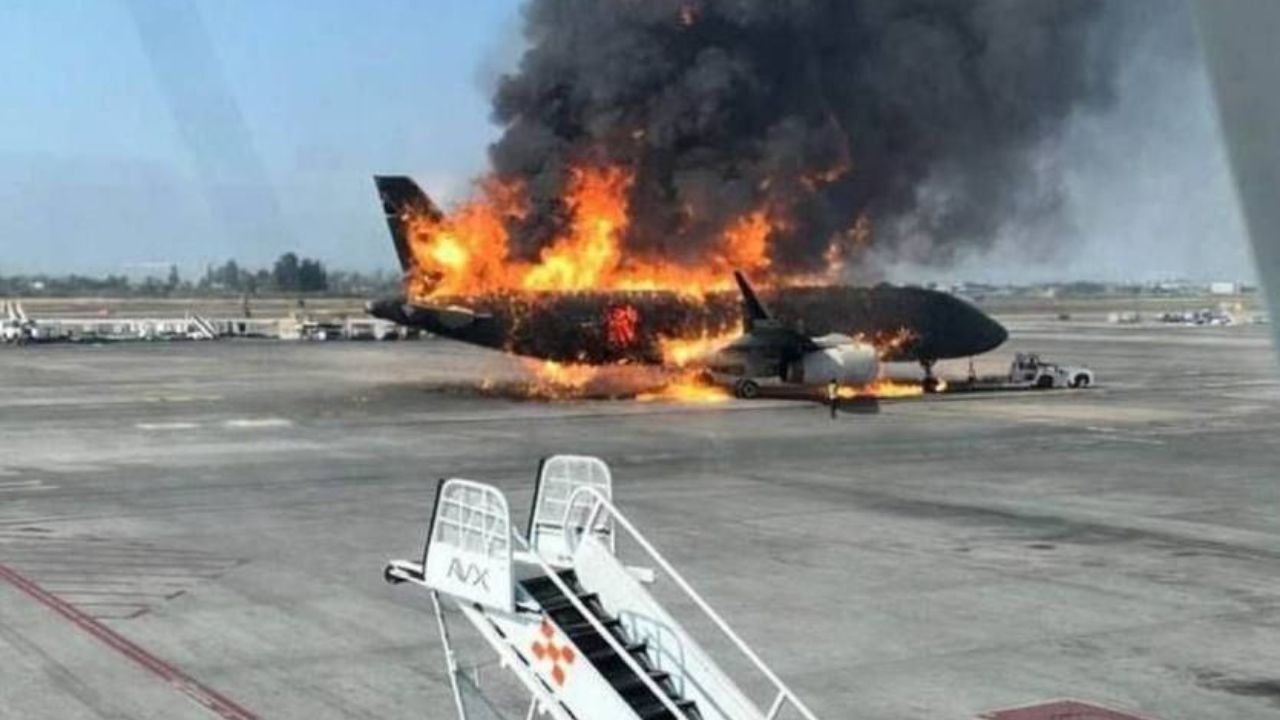
    After a thorough investigation into official statements and on the ground reports, the short answer is no. While the state of Jalisco is currently experiencing significant unrest and travel disruptions, the specific image of a burning plane is a product of modern technology rather than a physical attack on an aircraft.

    The Origins of the Viral Plane Fire Rumor

    The rumors began to gain traction on social media platforms like X and TikTok on February 22, 2026. Users shared high definition images showing what appeared to be a Volaris airlines jet engulfed in thick black smoke on a tarmac. The timing of the post coincided with a surge of genuine violence in the region, making the claim seem highly plausible to a global audience.

    However, the Embassy of Mexico in the United States and the management of the Guadalajara International Airport quickly intervened to set the record straight. Official statements confirmed that the image was entirely fake and had been generated using artificial intelligence. Authorities emphasized that no such incident occurred within the airport facilities and no Volaris aircraft had been targeted or damaged by fire.

    The Real Trigger: The Death of El Mencho

    To understand why the public was so quick to believe the hoax, one must look at the monumental event that actually took place. On Sunday, February 22, 2026, the Mexican military conducted a high stakes operation in the town of Tapalpa, Jalisco. The target was Nemesio Oseguera Cervantes, famously known as El Mencho, the supreme leader of the Jalisco New Generation Cartel (CJNG).

    During the raid, a fierce gun battle broke out between special forces and cartel members. El Mencho was critically wounded during the confrontation and reportedly died while being airlifted to Mexico City for medical treatment. As the leader of one of the most powerful and violent criminal organizations in the world, his death immediately sent shockwaves through the country, leading to a massive and coordinated retaliation by his followers.

    Retaliation and Narco Blockades Across Jalisco

    The chaos that followed the military operation was not fictional. In the hours following the announcement of the death of El Mencho, members of the CJNG implemented a tactic known as narcobloqueos or narco blockades. Gunmen seized buses, delivery trucks, and private vehicles, setting them on fire to block major highways and prevent the movement of federal troops.

    These burning blockades were reported in several key areas:

    • Guadalajara: The state capital saw multiple vehicles torched on main avenues.
    • Puerto Vallarta: This popular tourist destination was effectively cut off as entry points were blocked by flaming wreckage.
    • Guanajuato and Michoacán: The violence spilled over into neighboring states as the cartel flexed its regional influence.

    The sight of thick smoke billowing over city skylines was very real, which provided the perfect backdrop for misinformation to thrive.

    Panic at Guadalajara International Airport

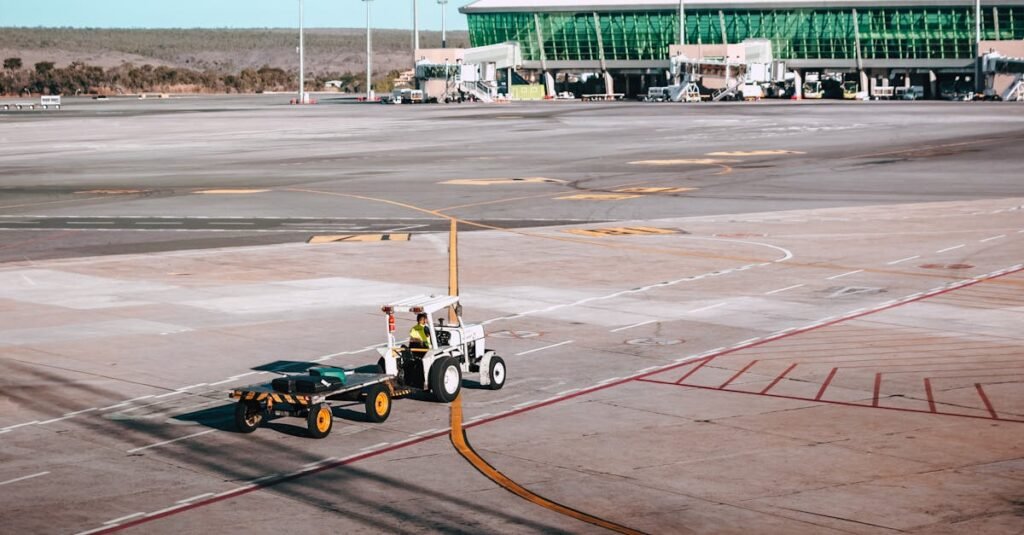
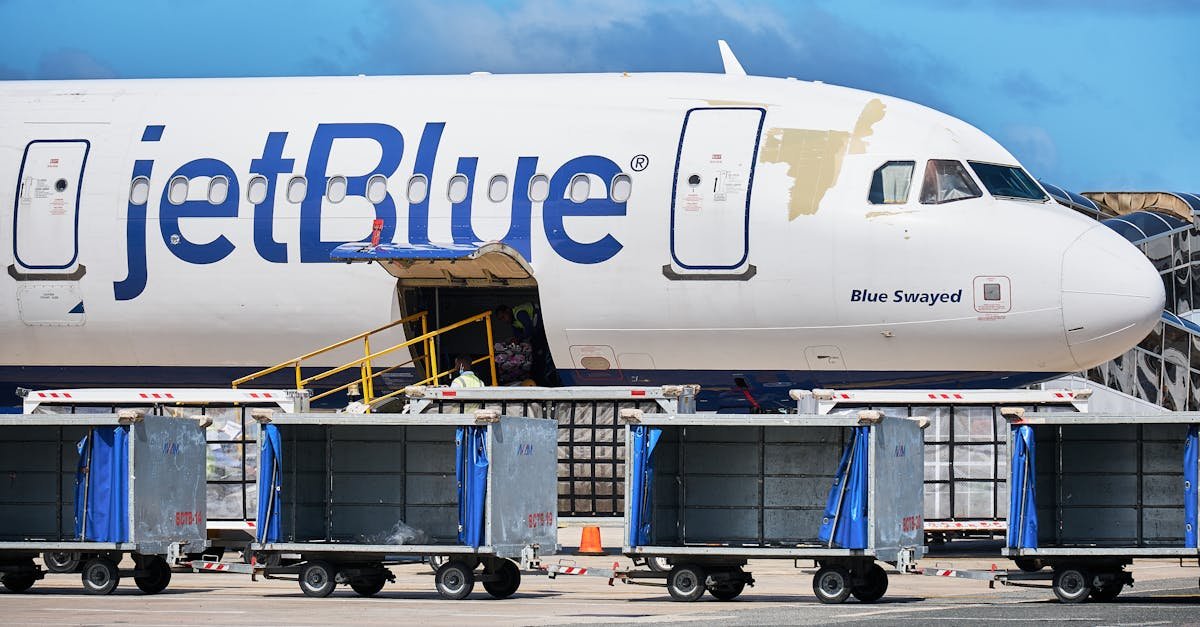
    A luggage cart on the airport tarmac near a modern terminal building under clear skies.

    While no plane was burned, the situation at the Guadalajara International Airport (GDL) was undeniably chaotic. As news of the clashes spread, panic gripped the terminal. Videos showed travelers sprinting through the concourse and ducking behind check-in counters as rumors of an active shooter circulated.

    Security forces, including the National Guard, were deployed to the airport to secure the perimeter. While there were reports of gunfire in the vicinity of the airport entrances, the interior of the facility remained under the control of authorities. Nevertheless, the psychological impact on passengers was profound, leading to a mass exodus from the terminal and a complete standstill of airport operations for several hours.

    Impact on International Flights and Travel

    The security crisis had an immediate effect on the aviation industry. Airlines from the United States and Canada were forced to make quick decisions to ensure the safety of their crews and passengers. Many flights bound for Guadalajara and Puerto Vallarta were diverted to other Mexican cities or returned to their points of origin.

    Key airline responses included:

    • Air Canada: Suspended all flights to Puerto Vallarta citing the ongoing security situation.
    • Alaska Airlines and United: Cancelled several scheduled departures and arrivals to the region.
    • Volaris: Despite being the subject of the AI hoax, the airline had to manage significant delays and cancellations due to the general unrest in Jalisco.

    The U.S. State Department issued an urgent security alert, advising American citizens in Jalisco, Michoacán, and Colima to shelter in place. Travelers were told to avoid travel to the region until the military had fully stabilized the situation.

    The Role of AI in Spreading Misinformation

    This incident serves as a stark reminder of how sophisticated AI-generated content can be used to escalate panic during a real-world crisis. The “burned plane” image was convincing enough to be picked up by several minor news outlets before being debunked. In a high-tension environment like a cartel war, the line between fact and fiction becomes dangerously thin.

    Verifying sources is now more critical than ever. During the events in Guadalajara, the most reliable information came directly from the official social media accounts of the Jalisco government and the airport authorities. They worked in real time to separate the physical reality of the road blockades from the digital fiction of the plane fire.

    Current Status of the Region

    As of February 23, 2026, the situation remains fluid but is slowly stabilizing. Federal forces have moved in to clear the burned vehicles from the highways and restore the flow of traffic. Schools in several municipalities were closed as a precaution, and many businesses chose to remain shuttered.

    The death of El Mencho represents a significant victory for the Mexican government under President Claudia Sheinbaum, as well as for U.S. intelligence agencies that had placed a 15 million dollar bounty on his head. However, experts warn that a power vacuum within the CJNG could lead to further internal infighting or external wars with rival cartels like the Sinaloa Cartel.

    Safety Advice for Those Currently in Mexico

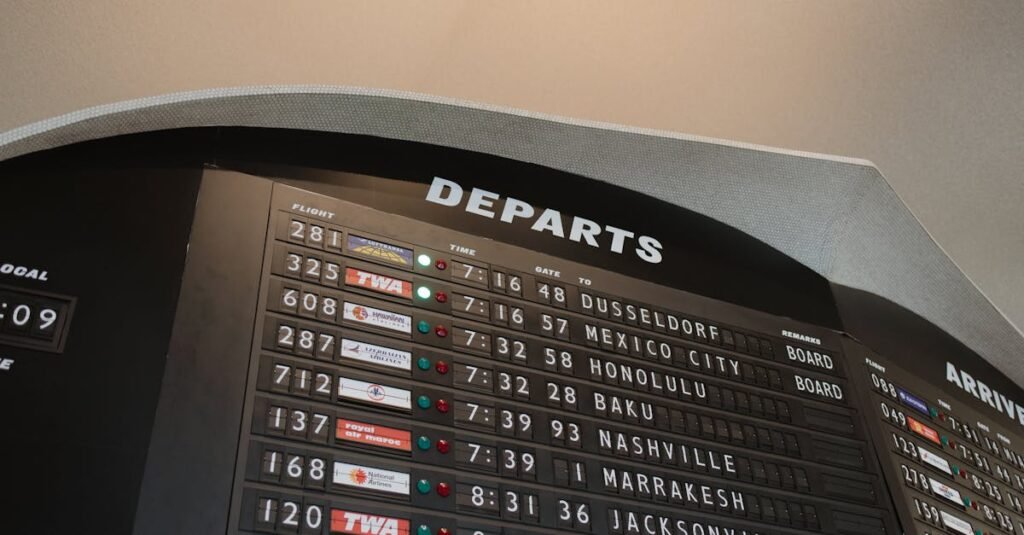
    Close-up of airport departure board displaying flight details at JFK Airport, New York.

    If you are currently in the state of Jalisco or planning to travel there soon, it is vital to stay informed through official channels. The following steps are recommended:

    • Monitor Flight Status: Check directly with your airline before heading to the airport.
    • Avoid Road Travel: Do not attempt to drive between cities in Jalisco until the blockades are confirmed to be fully cleared.
    • Stay Indoors: Follow the advice of local authorities and the U.S. Embassy to shelter in place if violence is reported in your immediate area.
    • Verify Information: Do not resharing sensationalist images or videos without confirming their authenticity through reputable news organizations.
  • Tarmac Nightmare: Lufthansa Passengers Forced to Sleep on A320neo After Copenhagen Flight Axed

    Tarmac Nightmare: Lufthansa Passengers Forced to Sleep on A320neo After Copenhagen Flight Axed

    A routine short haul flight from Munich to Copenhagen turned into a grueling ordeal for over one hundred travelers this week. What was supposed to be a quick ninety minute hop across Europe transformed into an stationary overnight marathon on the tarmac. Passengers on Lufthansa flight LH2446 found themselves trapped inside an Airbus A320neo for nearly seven hours after their flight was cancelled due to a series of logistical failures and rigid airport curfews.

    The incident highlights a growing concern in the aviation industry regarding ground handling capabilities and the lack of contingency plans at major hubs. While flight cancellations are a common part of modern travel, the decision to keep passengers confined to a narrow body aircraft overnight has sparked outrage and raised serious questions about passenger rights and airline ethics.

    A Typical Evening Turns Into a Logistic Deadlock

    The trouble began on the evening of Thursday, February 19, 2026. Lufthansa flight LH2446 was scheduled to depart from Munich Airport at 9:30 PM with a planned arrival in Copenhagen by 11:05 PM. Like many flights during the busy winter season, the service was initially hit by rolling delays. Despite the uncertainty, airline staff proceeded with the boarding process, transporting the 123 passengers by bus to a remote parking stand where the Airbus A320neo was waiting.

    By the time everyone was seated, the departure window was rapidly closing. Munich Airport operates under a strict midnight curfew to minimize noise pollution for local residents. As the clock ticked toward 12:00 AM, it became clear that the aircraft would not be taking off. The flight was officially axed, leaving a cabin full of tired travelers expecting a quick bus ride back to the terminal and a hotel voucher. However, the nightmare was only just beginning.

    The Midnight Closure and the Vanishing Ground Crew

    In most scenarios, a cancelled flight at a major hub like Munich would result in passengers being deplaned within thirty minutes. In this instance, a catastrophic breakdown in communication occurred between Lufthansa and the airport ground services. As the crew attempted to call for buses to ferry the passengers back to the terminal, they were met with a shocking reality.

    By 2:00 AM, the flight crew had to deliver the news that no one wanted to hear. They informed the passengers that the airport had effectively closed for the night. More importantly, they claimed that all authorized bus drivers had already finished their shifts and gone home. Because the aircraft was parked on a remote stand, passengers were legally forbidden from walking across the active apron to the terminal due to strict security regulations. With no drivers to operate the buses and no legal way to walk off, the passengers were effectively locked inside the plane.

    Survival on a Short Haul Aircraft

    The Airbus A320neo is a marvel of modern engineering, but it is not designed to function as a hotel. Unlike long haul wide body jets, these regional aircraft are built for efficiency on short routes. This means the seats are designed with a tight pitch of roughly thirty inches, and the cabin lacks the amenities required for a comfortable night of sleep.

    Passengers reported a lack of basic supplies. Since the flight was only intended to last ninety minutes, the galley was stocked with minimal food and beverages. There were no pillows, blankets, or amenity kits available to soften the experience of sleeping upright in economy class seats. The crew reportedly provided updates every half hour, but as the night wore on, the atmosphere in the cabin grew increasingly tense and claustrophobic.

    Legal Limbo on the Tarmac

    During the early morning hours, some passengers reportedly asked if they could simply exit the aircraft and wait on the ground or attempt the walk to the terminal building. The crew remained firm, citing international aviation law and airport safety protocols. Accessing the apron without a designated escort or vehicle is a significant security violation that could result in heavy fines or arrests for both the passengers and the airline staff.

    This legal deadlock meant that even though the terminal was visible in the distance, it might as well have been on another continent. The travelers were forced to endure the cold Munich night inside the pressurized tube, waiting for the first shift of ground staff to arrive at dawn.

    The Dawn Rescue and Rebooking Chaos

    The ordeal finally came to an end in the early morning hours of Friday when the first wave of airport workers returned to duty. Buses eventually arrived to collect the exhausted travelers and return them to the terminal. However, the end of the “tarmac prison” was merely the start of a new set of challenges.

    Many passengers were rebooked on the earliest available flight to Copenhagen, which was scheduled for 6:40 AM.Adding insult to injury, that flight was also delayed by nearly an hour. After spending the entire night in a cramped seat without proper rest or nutrition, the travelers finally reached Denmark nearly twelve hours behind schedule.

    Lufthansa and Munich Airport Under Fire

    The backlash against the German flag carrier has been swift. Critics argue that a major airline operating out of its primary hub should have the influence and resources to find at least one bus driver in an emergency. The fact that over one hundred people were forced to sleep on a plane because of a “lack of buses” at one of Europe’s busiest airports is being viewed as a systemic failure.

    Lufthansa has since attributed the incident to a combination of weather related delays and an acute shortage of apron bus drivers. However, aviation experts suggest that the strict adherence to labor hours and airport curfews may have taken precedence over basic passenger welfare.

    Passenger Rights and Compensation

    Under European law, specifically the regulation known as EC 261, passengers are entitled to significant protections during flight disruptions. In a case like this, each passenger is likely eligible for at least 250 Euros in compensation for the delay. Furthermore, the airline is legally required to provide “duty of care,” which includes meals, refreshments, and hotel accommodation.

    By failing to provide a hotel and instead keeping passengers on the aircraft, Lufthansa may face additional legal scrutiny. Legal experts suggest that the “inhumane” conditions of being trapped on a stationary plane without adequate facilities could lead to further claims beyond the standard delay payouts.

    Lessons for the Future of Aviation

    This incident serves as a stark reminder of the fragility of the global aviation network. When one link in the chain breaks be it a crew shortage, a curfew, or a lack of ground transportation then the entire system can collapse, leaving the customer to bear the brunt of the failure.

    For travelers, it underscores the importance of knowing your rights and perhaps carrying a few extra essentials even on the shortest of flights. For airlines, it is a loud wake up call that digital tools and automated systems are no substitute for effective crisis management and human empathy.

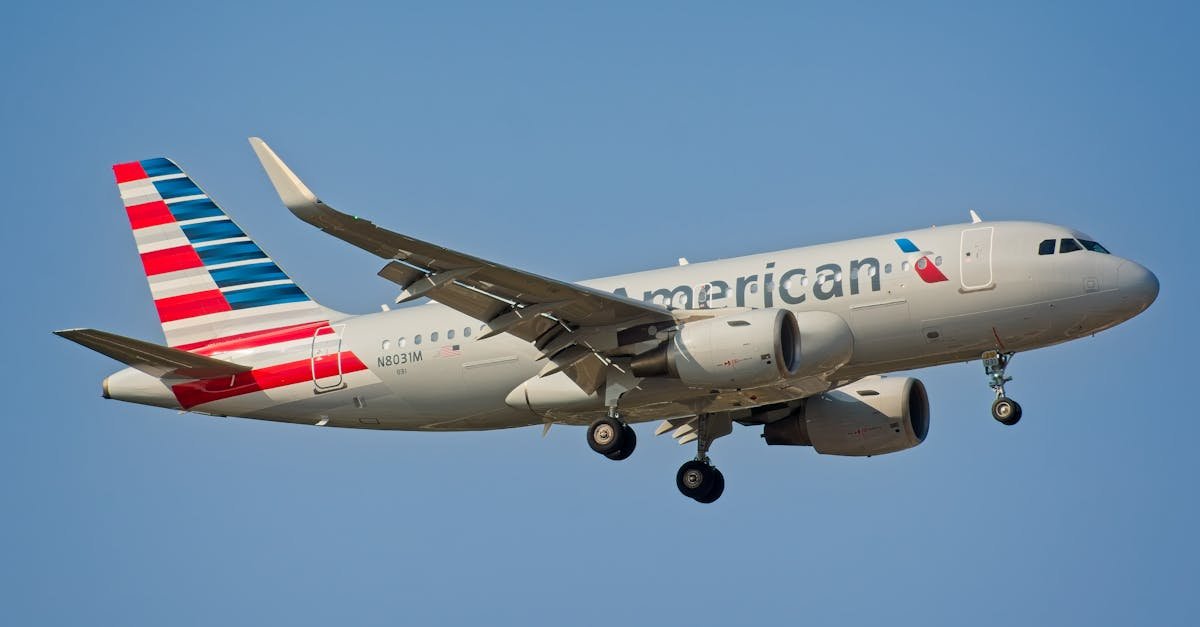
  • “Stolen” Seats? American Airlines Faces Backlash After Downgrading Paying First Class Travelers for Deadheading Pilots

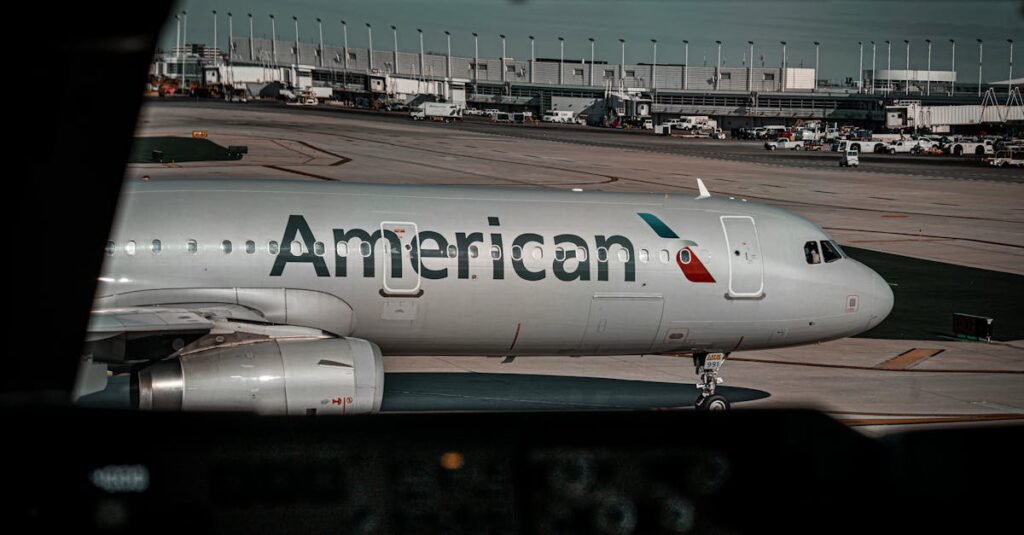
    “Stolen” Seats? American Airlines Faces Backlash After Downgrading Paying First Class Travelers for Deadheading Pilots

    The friendly skies have felt a little more turbulent recently, and it has nothing to do with the weather. A series of viral incidents has sparked a heated national conversation regarding passenger rights, airline labor contracts, and the hierarchy of the modern cabin. At the center of this storm is American Airlines, which recently made headlines after high profile passengers reported being removed from their paid first class seats to accommodate off duty crew members.

    This practice, known in the industry as deadheading, has left many travelers wondering how a confirmed, paid ticket can be overridden by an internal airline policy. To understand why this is happening and what your rights are as a consumer, one must look at the intersection of union agreements, federal regulations, and the fine print of the ticket you buy.

    The Viral American Airlines Incident That Sparked the Debate

    The conversation reached a fever pitch in February 2026 when comedian Jim Breuer shared a frustrated account of his experience on a flight from Honolulu. Breuer and his wife had purchased first class tickets, a significant expense intended to ensure comfort on a long haul journey. However, shortly before boarding, they were informed that they were being downgraded to the economy cabin.

    The reason provided at the gate was not a mechanical failure or an aircraft swap. Instead, the seats were required for two pilots who needed to be repositioned for work. While the airline offered a standard compensation package, the discrepancy between the price of a first class ticket and the refund offered sparked an outcry.

    Breuer described the experience as feeling like his seats were stolen, a sentiment that resonated with thousands of travelers online. This incident served as a catalyst for a deeper look into how often this happens and why the airline prioritizes its employees over its highest paying customers in these specific scenarios.

    What Exactly Is a Deadheading Pilot?

    To the average passenger, seeing a pilot in uniform sitting in first class might seem like a simple perk of the job. However, the term deadheading refers to a specific operational necessity. A deadheading pilot is not commuting to work on their own time; they are being moved by the airline to a different city to operate a subsequent flight.

    Operational Necessity versus Luxury

    If a pilot is scheduled to fly a plane from Phoenix to London, but they are currently in Honolulu, the airline must get them to Phoenix. If that pilot does not arrive on time and properly rested, the Phoenix flight might be canceled,affecting hundreds of other passengers. Because of this, airlines view the movement of crew as a critical operational priority.

    The Impact of the 2023 Labor Agreement

    The reason these downgrades are becoming more visible is tied to the collective bargaining agreement ratified by American Airlines pilots in 2023. This contract, valued at billions of dollars, included significant “quality of life” provisions. One of those provisions mandates that for certain long distance or transoceanic flights, deadheading pilots must be accommodated in the highest class of service available.

    Prior to this contract, pilots were often placed in whatever seat was left over. Under the new rules, their right to a first class seat is contractually guaranteed, even if it means moving a passenger who has already paid for that seat.

    Why Elite Status Does Not Always Protect You

    For years, the conventional wisdom for frequent flyers was that holding elite status, such as Executive Platinum or Concierge Key, acted as a shield against involuntary downgrades. While status still helps in many overbooking situations, the deadheading pilot policy operates on a different logic.

    In the American Airlines internal priority system, deadheading pilots on qualifying routes are often coded with a higher priority than even the most loyal frequent flyers. If a flight is full and a crew member must be moved for operational reasons, the airline looks at the last people to join the first class cabin or those without specific protections.Unfortunately, even those who paid full cash for their tickets can find themselves at the bottom of the priority list when a contractual crew requirement is triggered.

    The Legal Reality: The Contract of Carriage

    When you purchase an airline ticket, you are not just buying a seat; you are entering into a legal agreement known as the Contract of Carriage. This document is notoriously long and filled with dense terminology, but it is the ultimate authority on what an airline can and cannot do.

    What the Fine Print Says

    Most major airlines include clauses in their Contract of Carriage that allow them to change seat assignments or even downgrade passengers for operational reasons. These reasons can include:

    • Safety requirements
    • Weather conditions
    • Equipment changes (switching to a smaller plane)
    • Operational necessity (such as moving crew)

    Because the passenger agrees to these terms at the time of purchase, the airline is generally protected from breach of contract claims as long as they provide the required compensation for the downgrade.

    Is It Illegal?

    While it feels unfair to the consumer, the practice is not illegal under current United States law. The Department of Transportation (DOT) has strict rules regarding “bumping” passengers from a flight entirely, which usually requires the airline to seek volunteers first and pay significant compensation. However, the rules for involuntary downgrades are less rigid. The DOT primarily requires that the airline refund the difference in fare between the two cabins.

    Compensation: What Are You Actually Owed?

    If you find yourself standing at a gate being told your first class seat is no longer yours, the immediate concern is often financial. American Airlines typically offers a standard “customer service” gesture on the spot, such as a flight voucher or a fixed amount of cash, but this is separate from your legal right to a refund.

    The Fare Difference

    The most important thing to know is that the airline must refund the difference in price. However, calculating this difference can be tricky. Airlines often use the fare that was available at the time of your original booking. If you bought a first class ticket for $2,000 and the economy fare at that time was $500, you are owed $1,500.

    Vouchers versus Cash

    Gate agents will frequently offer travel vouchers worth $500 or $1,000 to encourage passengers to accept the downgrade quietly. It is important to remember that you can often accept the voucher and still claim the fare difference refund later. Experts suggest documenting the names of the agents you speak with and keeping all original receipts to make the claims process smoother.

    How to Protect Your Seat

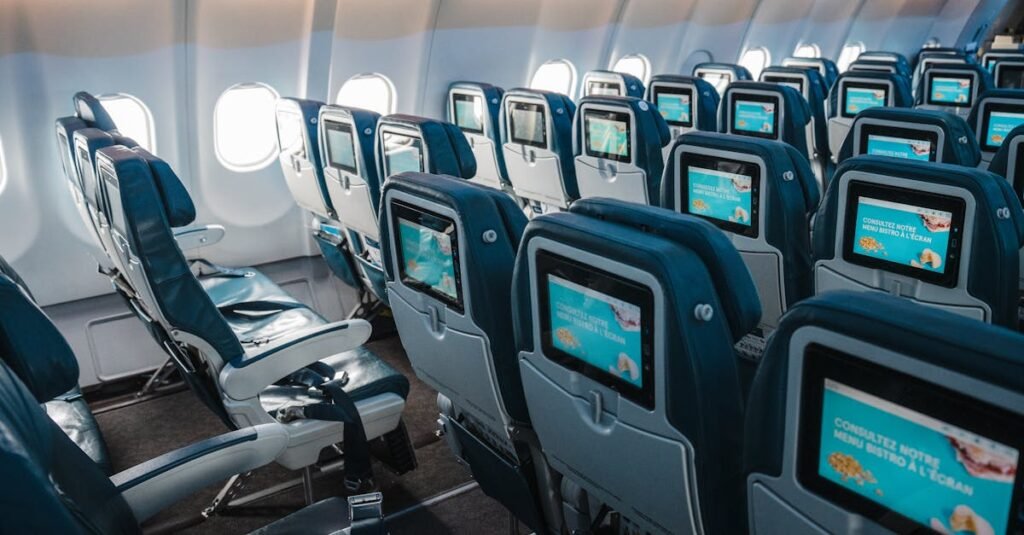
    Empty airplane interior highlighting rows of seats with touchscreens, offering a modern in-flight experience.

    While no strategy is 100% foolproof when a pilot contract is involved, there are steps you can take to minimize the risk of being the one chosen for a downgrade.

    • Check In Early: Airlines often look at the “last in, first out” rule. Passengers who check in at the 24 hour mark are less likely to be moved than those who check in at the airport.
    • Avoid “Upgrade” Scams: If you paid for your seat with cash, you generally have a stronger position than someone who was upgraded for free due to status. However, in the Jim Breuer case, even cash payers were affected.
    • Fly Non-Transoceanic Routes: The most aggressive pilot seating requirements usually apply to international flights or long hauls to places like Hawaii and Alaska. On shorter domestic hops, pilots are often assigned to economy first and only move up if seats are empty.
    • Monitor Your Reservation: Use the airline app to check your seat assignment frequently in the 24 hours leading up to your flight. If you see your seat has been changed, call the airline immediately to see if you can be moved to a different flight with first class availability.

    The Future of Passenger Rights

    The backlash from recent incidents has caught the attention of consumer advocacy groups and some lawmakers. There is a growing movement to pressure the Department of Transportation to modernize the rules regarding involuntary downgrades.

    Advocates argue that as airlines negotiate higher pay and better perks for their staff, those costs and inconveniences should not be directly offloaded onto the paying public. Until the regulations change, however, the pilot contract remains a powerful force that can override even the most expensive ticket.

    For now, travelers must remain vigilant. While American Airlines continues to navigate the PR fallout of these viral stories, the operational reality of moving crew members remains a priority. The best defense for any traveler is to know the rules, stay calm at the gate, and ensure that every dollar of the fare difference is recovered if the worst should happen.

    For now, travelers must remain vigilant. While American Airlines continues to navigate the PR fallout of these viral stories, the operational reality of moving crew members remains a priority. The best defense for any traveler is to know the rules, stay calm at the gate, and ensure that every dollar of the fare difference is recovered if the worst should happen.

  • Why Was A JetBlue Passenger Arrested At Las Vegas Airport? All About The ‘Service Dog’ Paperwork Dispute

    Why Was A JetBlue Passenger Arrested At Las Vegas Airport? All About The ‘Service Dog’ Paperwork Dispute

    In the high-stress environment of a major international airport, tensions often run high, but a recent incident at Harry Reid International Airport (LAS) has left the public and travel industry professionals alike in a state of disbelief. On the night of February 2, 2026, a routine travel dispute between a passenger and JetBlue Airways staff escalated into a criminal case involving animal abandonment and a dramatic police intervention.

    The story, which has since gone viral, centers on a 2-year-old Goldendoodle and a passenger’s refusal to comply with federal and airline-specific service animal regulations. Here is the full breakdown of what transpired, the legal consequences, and the heartwarming update on the dog now known as “JetBlue.”

    The Initial Confrontation: A Service Dog Paperwork Failure

    The trouble began shortly before midnight at the JetBlue ticket counter in Terminal 3. A 26-year-old traveler, identified in police logs as Germiran Bryson, arrived at the airport intending to fly with her Goldendoodle. Bryson claimed the animal was a trained service dog, which would typically allow the pet to fly in the cabin free of charge.

    However, airline staff quickly identified a critical issue: Bryson had not completed the mandatory online service animal documentation.

    JetBlue’s Service Animal Policy

    Under U.S. Department of Transportation (DOT) guidelines and JetBlue’s 2026 policies, passengers traveling with service animals must:

    1. Submit Documentation: Complete the DOT Service Animal Air Transportation Form at least 48 hours before the flight.
    2. Validation: The form must be submitted via the airline’s digital portal to ensure the animal is added to the reservation.
    3. Alternative Options: If paperwork is not completed, the animal is treated as a standard pet, which requires a $150 pet fee, a hard-sided carrier that fits under the seat, and a limit of one pet per passenger.

    When informed that her dog could not fly as a service animal without the pre-filed paperwork, Bryson was offered the choice to pay the fee or rebook her flight. She reportedly refused both options.

    A Shocking Decision: Abandonment at the Baggage Sizer

    What happened next was captured on airport surveillance footage and has become the focal point of public outrage. Rather than making arrangements for the dog’s care or staying behind, Bryson allegedly led the Goldendoodle to a metal carry-on baggage sizer near the ticket counter.

    Without a second glance, she tied the dog’s leash to the sizer and walked away, heading toward the Transportation Security Administration (TSA) checkpoint to catch her flight. Witnesses and airport employees watched in confusion as the dog sat alone in the middle of the busy terminal.

    The Police Intervention at Gate D1

    JetBlue employees acted immediately, notifying the Las Vegas Metropolitan Police Department (LVMPD). Officers tracked Bryson through the secure area of the airport and located her at Gate D1, waiting to board her flight.

    The “Tracking Device” Defense

    Body camera footage released by the LVMPD shows a startling exchange. When asked why she left her dog, Bryson claimed the animal had a “tracking device” and would simply “find its way home” to her. As officers attempted to escort her back, she became hostile and combative, leading to charges of animal abandonment and resisting a public officer.

    The Road to Recovery: A New Chapter for the Dog Named “JetBlue”

    While the legal proceedings against Bryson continue with a status check hearing scheduled for March 31, 2026 and the narrative has shifted toward a much more hopeful tone regarding the innocent victim of this dispute. After being abandoned at the ticket counter, the 2-year-old Goldendoodle was initially taken into custody by Animal Protective Services. Per Nevada law, a mandatory 10-day hold was placed on the dog to allow the owner a final chance to reclaim him. When the period passed with no word from Bryson, he was signed over to the Retriever Rescue of Las Vegas (RRLV).

    The rescue group, moved by the dog’s resilience and the location of his rescue, officially renamed him “JetBlue.”Since entering foster care, the pup has undergone a complete medical overhaul, including vaccinations and neutering. Despite the trauma of being tied to a metal post and left in a crowded terminal, rescuers describe him as an exceptionally “affectionate, gentle, and social” animal who holds no grudges against the humans he meets.

    An Outpouring of Community Support and Global Interest

    The story of “JetBlue” has resonated far beyond the borders of Nevada. According to Danielle Roth, founder of Retriever Rescue of Las Vegas, the organization has been overwhelmed by the public’s response. In the weeks following the viral footage, the rescue received nearly 200 adoption applications from across the country. In a poetic twist of fate, several of those applications came from the very Las Vegas police officers and TSA agents who were on the scene the night of the abandonment.

    This massive surge in interest has allowed the rescue to be incredibly selective, ensuring that “JetBlue” is placed in a “forever home” that prioritizes stability and companionship. The rescue has used this spotlight to remind the public that while “JetBlue” is a “celebrity” rescue, thousands of other animals face similar abandonment issues at airports and shelters every day. They hope his story encourages a broader movement toward responsible pet ownership and adoption.

    Lessons in Responsible Travel and Animal Welfare

    This incident serves as a crucial case study for pet owners navigating the increasingly strict world of air travel. The $150 fee Bryson refused to pay has now resulted in multiple misdemeanor charges and a permanent criminal record. Beyond the legalities, the “JetBlue” case highlights the ethical responsibility of pet owners. Experts stress that animals are not luggage; they are sentient beings that experience confusion and fear when separated from their owners in high-stress environments.

    As “JetBlue” prepares to move into his new permanent home this Saturday, the message from the LVMPD remains clear: “Please don’t abandon your dog at the airport or anywhere else.” There are always resources, rescues, and temporary boarding facilities available for those who find themselves in a bind. For the Goldendoodle once left behind at a baggage sizer, the future finally looks bright, filled with the promise of a family that will never walk away.

  • Boeing 777-9: Why This Simulator ‘Green Light’ is the Breakthrough the Program Desperately Needed

    Boeing 777-9: Why This Simulator ‘Green Light’ is the Breakthrough the Program Desperately Needed

    In the high-stakes chess game of global aerospace, Boeing has just made a move that many industry insiders believe could be the most significant turning point for the 777X program in years.

    On February 19, 2026, the aviation giant announced it had received initial qualification from both the Federal Aviation Administration (FAA) and the European Union Aviation Safety Agency (EASA) for its 777-9 training devices. At first glance, a “simulator certificate” might seem like a dry, technical checkbox. However, for a program that has been haunted by half a decade of delays, billion-dollar charges, and regulatory skepticism, this “green light” is the structural support Boeing desperately needed to keep its 2027 delivery promises.

    Beyond the Cockpit: Why This Qualification Matters Now

    The Boeing 777-9 is not just another airplane; it is a massive technological leap designed to be the world’s largest and most efficient twin-engine jet. But with great innovation comes great regulatory scrutiny. Since the grounding of the 737 MAX years ago, the “trust gap” between Boeing and global regulators has made the certification of the 777X one of the most difficult processes in aviation history.

    Securing initial qualification for the training devices means that the FAA and EASA have formally agreed that the digital representation of the 777-9 is accurate enough to train human beings. It signals that the aircraft’s flight laws, systems logic, and handling characteristics have reached a level of design stability. You cannot train a pilot on a “moving target”; the fact that regulators have put their stamp on these simulators suggests that the final version of the actual aircraft is finally coming into focus.

    The “Gatwick Gateway”: A Global Training Hub

    The qualified devices are currently housed at Boeing’s Training Campus in Gatwick, United Kingdom. Developed in a decade-long partnership with CAE, these aren’t just video games with fancy chairs. They are multi-million dollar “Full-Flight Simulators” (FFS) that use gaming-engine-powered visuals (specifically Epic Games’ Unreal Engine) to replicate every vibration, cloud, and mechanical quirk a pilot might encounter.+2

    Solving the “Pilot Bottleneck” Before it Starts

    One of the biggest risks for any new aircraft launch is “Operational Readiness.” An airline can have ten brand-new jets sitting on the tarmac, but they are expensive lawn ornaments if there are no certified pilots to fly them.

    By qualifying the simulators now roughly a year before the first expected deliveries to launch customer Lufthansa Boeing has successfully decoupled the pilot training timeline from the final aircraft certification timeline.

    • Validation of Courseware: Regulators will now use these sims to “test the test.” They will ensure the training manuals and procedures are safe before pilots ever step inside.
    • Instructor Preparation: Lead pilots from airlines like Emirates, Qatar Airways, and Cathay Pacific can begin their instructor training, ensuring a “train-the-trainer” effect is in place by 2027.
    • Reduced Risk for Airlines: This move allows airlines to plan their crew rosters with precision, removing a massive variable from their multi-billion-dollar fleet strategies.

    Inside the 777-9 Flight Deck: What’s New?

    The qualification of these devices is particularly vital because the 777-9 introduces features that have never existed in a commercial widebody before. The simulator allows pilots to master these innovations in a zero-risk environment:

    1. The Folding Wingtip Controls

    The 777X’s signature feature is its massive carbon-fiber wing with folding tips. This allows the giant to fit into standard airport gates designed for smaller planes. In the simulator, pilots must learn the specific logic of the folding mechanism—ensuring the tips are extended and locked before takeoff and folded immediately after landing.+1

    2. Touchscreen Avionics

    Following the lead of the 787 Dreamliner but taking it a step further, the 777-9 features large-format touchscreen displays. Pilots must build “muscle memory” for navigating these menus during high-pressure situations, such as engine failures or severe weather diversions.

    3. Dual Head-Up Displays (HUD)

    While many modern planes have a HUD for the captain, the 777-9 offers an option for both the pilot and co-pilot to have “eyes-out” data projection. Mastering the coordination between two pilots using HUDs requires specific, high-fidelity simulator hours.

    The Financial Stakes: Stopping the Bleeding

    To understand why this is a “desperate” breakthrough, one only needs to look at Boeing’s balance sheet. The 777X program has already incurred over $15 billion in pre-tax charges. Every month the program is delayed, Boeing loses hundreds of millions in storage costs, labor, and potential penalty payments to frustrated customers.

    By hitting this simulator milestone, Boeing is signaling to the market and its investors that the program is finally moving out of the “developmental chaos” phase and into the “operational execution” phase. It provides a tangible counter-narrative to the headlines of cracks in engine thrust links or uncommanded pitch events that have plagued the program’s past.

    The Road to 2027: What Happens Next?

    While the simulator qualification is a victory, the 777-9 still has a “mountain of work” ahead (as Boeing CEO Kelly Ortberg recently noted). Here is the expected roadmap:

    1. First Production Flight (April 2026): Boeing is currently preparing the first “production-standard” 777X (destined for Lufthansa) for its first flight. This is a critical requirement for final FAA certification.
    2. Courseware Approval: Regulators will spend the coming months flying the Gatwick simulators to approve the specific curriculum pilots will use.
    3. Global Rollout: Beyond Gatwick, CAE is already installing simulators in Frankfurt (for Lufthansa) and Singapore (to serve the Asia-Pacific market).
    4. Type Certification (Late 2026): The final stamp of approval for the actual airplane to carry passengers.

    A New Chapter for the 777X

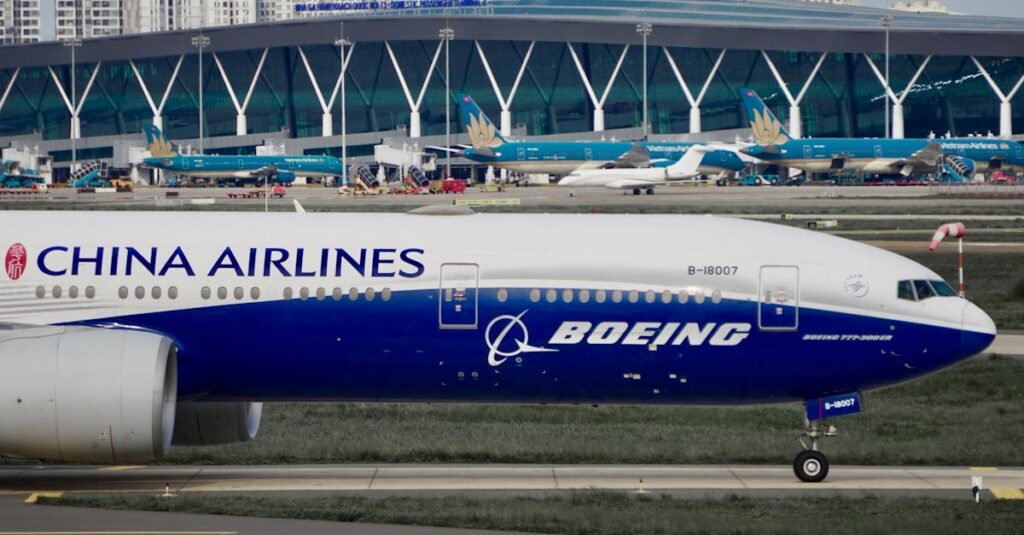
    Close-up of a Boeing 777 by China Airlines taxiing at an airport terminal.

    The “green light” for the 777-9 training devices is more than just a technical permit; it is a symbol of stability. It proves that the “digital twin” of the world’s most anticipated widebody is now a reality, even as the physical fleet continues its rigorous flight testing.

    For the pilots who will eventually command this folding-wing giant, the journey doesn’t start in the clouds it starts in a high-tech box in Gatwick. And for Boeing, that box might just be the most important tool they have to rebuild their reputation and finally deliver on the future of long-haul travel.

  • Why Was Newark Airport Shutdown? JetBlue Cockpit Smoke and Engine Issues Explained

    Why Was Newark Airport Shutdown? JetBlue Cockpit Smoke and Engine Issues Explained

    On Wednesday, February 18, 2026, Newark Liberty International Airport (EWR) was abruptly brought to a standstill.Thousands of travelers were left scanning departure boards in confusion as a “ground stop” was declared, effectively freezing one of the busiest aviation hubs in the United States. The cause? A harrowing emergency involving JetBlue Flight 543, an Airbus A320 bound for West Palm Beach, Florida.+2

    What began as a routine evening departure quickly escalated into a high-stakes emergency landing, cockpit smoke, and a full-scale tarmac evacuation that forced federal authorities to shutter the entire airport.

    The Timeline of JetBlue Flight 543: 40 Minutes of Uncertainty

    JetBlue Flight 543 was scheduled for a standard sunset departure, lifting off from Newark at approximately 5:43 PM local time. However, the flight didn’t make it far. Within minutes of reaching its initial climb, the flight crew detected a catastrophic failure in engine number one.+1

    While modern twin-engine aircraft are designed to fly perfectly well on a single engine, the situation grew more complex when smoke began to filter into the cockpit and the passenger cabin. Recognizing the immediate threat to the crew’s visibility and passenger safety, the pilots declared an emergency and requested an immediate return to Newark.+1

    The aircraft spent only about 17 to 20 minutes in the air, performing a tight loop over northern New Jersey before touching down safely on the runway just after 6:00 PM.

    The Tarmac Crisis: Why the Airport Had to Close

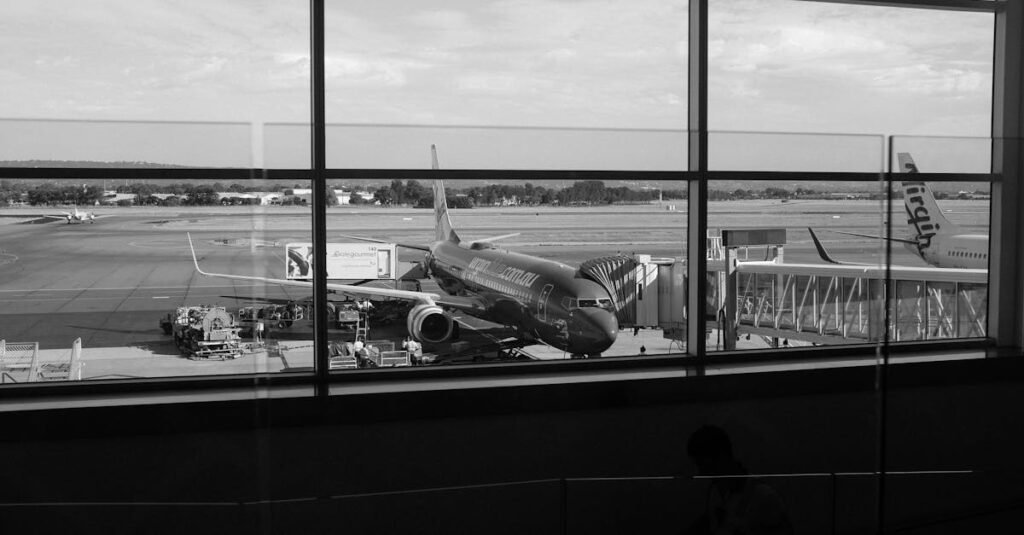
    Monochrome view of an airport runway showcasing airplanes and gates through large windows.

    Many travelers wonder why a single plane’s mechanical issue would necessitate the shutdown of an entire international airport. The answer lies in the emergency evacuation protocols.

    After landing, the crew of Flight 543 determined that the smoke levels were significant enough that they could not risk taxiing the aircraft all the way back to the gate. The pilots brought the Airbus A320 to a halt on a taxiway and made the critical call to “pull the chutes.”

    • Evacuation via Slides: All 122 passengers and crew members were forced to exit the aircraft via inflatable emergency slides directly onto the tarmac.
    • Total Ground Stop: Per FAA and Port Authority safety regulations, whenever passengers are on the actual airfield (outside of the aircraft and not in a vehicle), all aircraft movement must cease. This prevents any risk of an evacuating passenger being struck by a taxiing plane or sucked into a nearby engine.
    • Emergency Responder Influx: Dozens of fire trucks, ambulances, and Port Authority police vehicles swarmed the taxiway, further blocking the “lanes” used by other flights.

    The Anatomy of an Engine Failure: What Went Wrong?

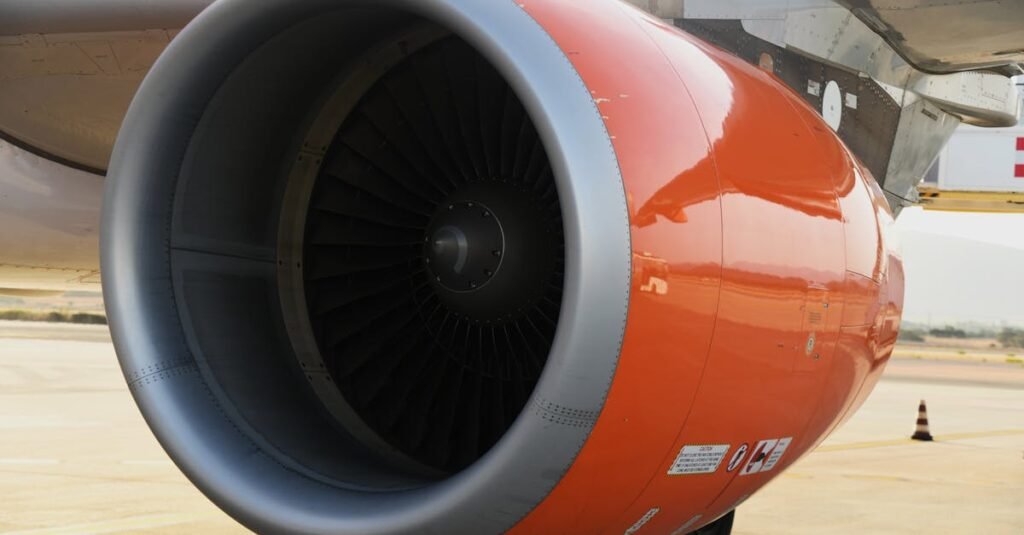
    Detailed view of an orange jet engine of a commercial airplane in Sardegna, Italy.

    While the official investigation by the Federal Aviation Administration (FAA) and the National Transportation Safety Board (NTSB) is ongoing, preliminary reports point toward a mechanical breach in the #1 engine.

    Why was there smoke in the cabin?

    In an aircraft, the air you breathe is “bleed air” drawn from the engines. If an engine suffers a mechanical failure involving an oil leak or a seal breach, atomized oil or hydraulic fluid can enter the air cycle machine. When this fluid hits the high-heat environment of the engine, it vaporizes, creating a thick, acrid smoke that is pumped directly into the cockpit and passenger cabin.

    Passenger Accounts: “A Calm but Tense Scene”

    Social media was quickly flooded with footage from the tarmac. Passengers described a distinct smell of burning plastic or chemicals followed by a visible haze in the cabin. Despite the terrifying nature of an emergency evacuation, eyewitnesses praised the JetBlue flight attendants for their professional handling of the 122 souls on board.

    One passenger, Alexandra Svokos, recounted the speed of the event, noting that once the slides were deployed, the plane was empty in under two minutes. Emergency medical teams evaluated one passenger for chest pains, but remarkably, no traumatic injuries were reported during the slide descent a testament to the effectiveness of modern aviation safety drills.

    The Ripple Effect: Newark’s Operations and Air Traffic Control

    Newark Liberty is a notoriously “compact” airport. Unlike sprawling facilities like Denver or Dallas-Fort Worth, Newark’s runways and taxiways are tightly packed. When Flight 543 came to a halt on a primary taxiway, it effectively acted as a cork in a bottle.

    • Delayed Flights: According to FlightAware data, approximately 31% of arrivals and 30% of departures were delayed.
    • Diverted Aircraft: Planes already in the air heading for Newark were forced to circle in “holding patterns” or divert to Philadelphia (PHL) and New York-JFK.
    • The Reopening: The ground stop remained in effect until roughly 7:00 PM, when the aircraft was finally towed to a maintenance hangar and the taxiway was cleared of debris and passengers.

    Safety First: The FAA and JetBlue’s Response

    In a statement released shortly after the incident, JetBlue reiterated its commitment to safety:

    “Safety is JetBlue’s top priority. We are focused on supporting our customers and crew members and will work closely with the appropriate federal authorities to investigate what occurred.”

    The FAA has confirmed that it will be performing a deep dive into the maintenance records of the specific Airbus A320 involved. Investigators will look for signs of metal fatigue, bird strikes (though none were initially reported), or component failure within the turbine assembly.

    Beyond the Chaos: Why Flight 543 is a Masterclass in Aviation Safety

    While a total shutdown of a major international hub like Newark Liberty is often viewed through the lens of frustration and missed connections, the resolution of JetBlue Flight 543 represents a triumph of modern aviation protocols. In the high-stakes environment of a cockpit filled with smoke, seconds are the only currency that matters. The decision-making process displayed by the flight crew transitioning from a standard climb to an emergency descent and a full-scale tarmac evacuation in under 40 minutes is a testament to the rigorous, simulator-driven training that defines the industry today.

    The “ground stop” that paralyzed the Tri-State area’s air traffic was not a failure of the system, but rather the system working exactly as designed. By freezing all movement at EWR, the FAA and Port Authority created a “sterile environment,” ensuring that the 122 passengers sliding onto the pavement were protected from the secondary risks of a functioning airfield. In the world of commercial flight, an “inconvenience” for thousands is always a fair trade for the lives of a few hundred.

    As investigators from the NTSB begin their “tear-down” of the failed engine to identify the root mechanical cause, the takeaway for the traveling public is one of resilience. This incident serves as a visceral reminder that while mechanical failures are an inherent risk of complex machinery, the layers of redundancy both in the aircraft’s engineering and the crew’s emergency procedures are robust enough to turn a mid-air crisis into a safe landing. For the passengers who walked away on the Newark tarmac on Wednesday night, the smell of smoke and the rush of the inflatable slide will be a lifelong memory, but thanks to a “safety-first” culture, it is a memory they are alive to share.

  • Air India Crash Safety: Why Seat 11A Isn’t a Magic Number Expert Explains The Myth

    Air India Crash Safety: Why Seat 11A Isn’t a Magic Number Expert Explains The Myth

    Aviation history is full of narrow escapes and inexplicable survival stories, but few have captured the public imagination like the legend of Seat 11A. For decades, a quiet whisper has circulated among frequent flyers and nervous travelers alike: if you want to survive the unthinkable, book the eleventh row, window seat on the left.

    This “miracle seat” folklore recently resurfaced with a vengeance following the Air India crash in Ahmedabad. As details of the wreckage emerged, one detail stood out like a beacon of hope, the sole survivor was reportedly seated in 11A. But is there a scientific basis for this, or are we simply looking for patterns in the chaos?

    Former National Transportation Safety Board (NTSB) investigator Gregory Feith and the Flight Safety Foundation argue that survival isn’t about a lucky number; it’s about physics, preparation, and a concept known as “exit accessibility.”

    The Origin of the 11A Legend: From Thailand to Air India Ahmedabad Crash

    The myth of 11A didn’t start with Air India. It actually dates back to December 1998, when Thai Airways Flight TG261 crashed during a monsoon in Surat Thani, Thailand. Among the survivors was Thai pop star James Ruangsak Loychusak. In an uncanny twist of fate, Ruangsak was seated in 11A.

    When the Air India flight crashed nearly 27 years later in June 2025, and a British national named Vishwash Kumar Ramesh emerged as the lone survivor from seat 11A, the internet went into a frenzy. Ruangsak himself posted on social media, calling the coincidence “chilling.”

    To the casual observer, it looks like a supernatural pattern. To an investigator like Gregory Feith, it’s a statistical anomaly that masks a much more practical reality.

    Why Experts Say Seat Numbers Are Deceptive

    In an interview with WIRED, Gregory Feith was quick to dismantle the “magic seat” theory. The primary reason seat numbers are irrelevant is aircraft variability.

    • Varying Layouts: Seat 11A on a Boeing 787 Dreamliner is in a completely different physical location than 11A on an Airbus A320 or a smaller regional jet. On some planes, 11A is in the front of the cabin; on others, it’s directly over the wing.
    • The “Wing Box” Factor: In the case of the Air India crash, seat 11A happened to be situated near the wing box—the structural heart of the aircraft. This area is reinforced to support the weight of the wings and engines,making it one of the most rigid parts of the fuselage.
    • Impact Dynamics: Survival often depends on how the plane breaks apart. If a plane impacts nose-first, the front (where 11A often sits) is the most dangerous. If the tail strikes first, the rear becomes the “impact zone.”

    The “Five Row Rule”: The Real Key to Survival

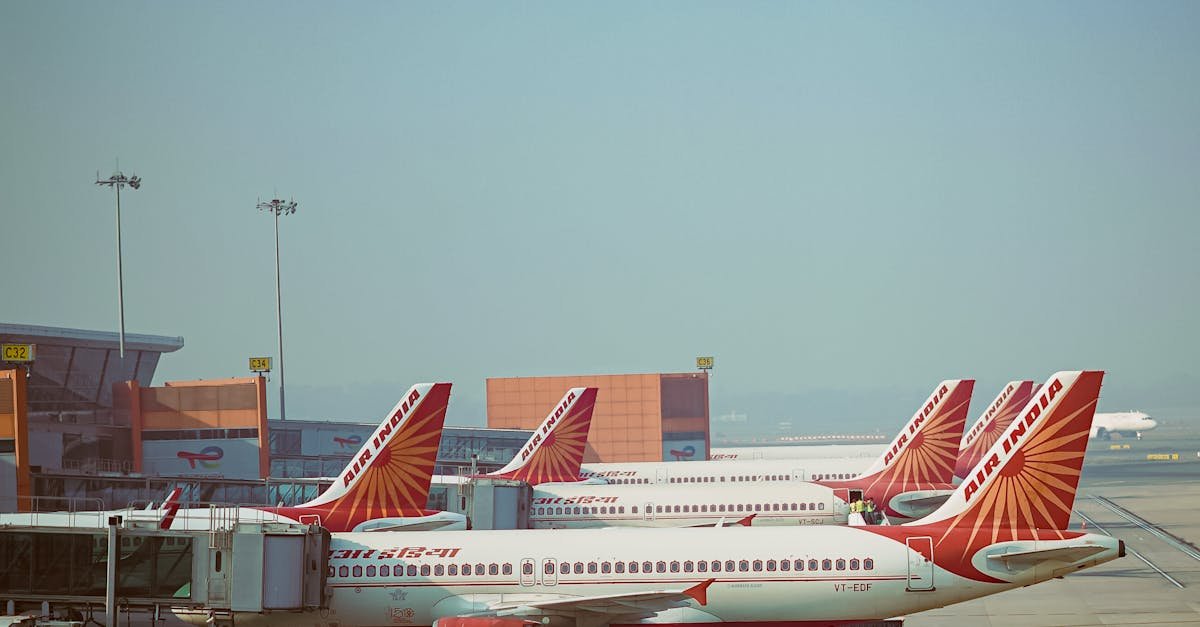
    Close-up of Air India's aircraft tail fin featuring the iconic red and orange design.

    If you ask an investigator like Feith where the safest place to sit is, he won’t give you a number. He’ll give you a distance. Research from the University of Greenwich, which analyzed over 100 plane crashes, found that passengers sitting within five rows of an emergency exit have significantly higher survival rates.

    Feith’s advice is famously simple: Count the rows.

    1. Locate your nearest exits: Find the one in front of you and the one behind you.
    2. Count the seats: Physically touch the headrests as you walk to your seat.
    3. Why it works: In a crash involving smoke or fire, visibility is often zero. If you have “muscle memory” of the exact number of rows to the door, you can feel your way to safety while others are lost in the dark.

    The Statistics: Front vs. Back vs. Middle

    While every crash is unique, historical data does suggest some general trends. According to a 35-year study of NTSB data by Popular Mechanics, survival rates vary by cabin section:

    Cabin SectionAverage Survival Rate
    Rear Third (Behind the Wing)69%
    Middle Third (Over the Wing)56%
    Front Third (First/Business Class)49%

    The tail of the plane often acts as a “crumple zone,” absorbing energy while the front takes the brunt of the initial impact. However, the Flight Safety Foundation warns that these are just averages. In a water landing (ditching), the tail may sink first, making the front more advantageous.

    Survival is a Mindset, Not a Row Number

    Gregory Feith emphasizes that the “miracle” of survival is often a combination of luck and preparedness. Passengers who survive aren’t just lucky; they are often the ones who:

    • Keep their shoes on: You cannot run across burning debris or jagged metal in socks or flip-flops.
    • Avoid synthetic fabrics: Nylon and polyester melt in high heat. Cotton, wool, and leather offer a few extra seconds of protection.
    • Watch the briefing: Knowing how to operate a specific exit door—which can weigh up to 40 pounds—is vital.

    “The best place to sit is where you can reach an exit,” Feith told WIRED. “It’s not about mythology; it’s about accessibility.”

    Beyond the Folklore: Your Real-World Survival Strategy

    While the legend of Seat 11A makes for a gripping headline and a fascinating coincidence across decades of aviation history, it serves better as a dinner party story than a safety manual. Relying on a “magic number” provides a false sense of security that can lead to complacency. In the high-stakes environment of an emergency evacuation, seconds are the only currency that matters. As Gregory Feith and the Flight Safety Foundation emphasize, survival is an active process, not a passive seat assignment.

    The true lesson of the Air India crash and the survivors who preceded it isn’t about where you sit, but how prepared you are to move. Aviation safety is an evolving science of structural engineering, cabin materials, and human behavior. By shifting your focus from “lucky” numbers to practical steps like knowing the exact row count to your nearest exit and staying mindful during taxi and takeoff you trade superstition for a tangible advantage. The next time you board, remember that the “safest” seat on the plane is the one occupied by a passenger who knows exactly where the door is, even in the dark.

  • Sudden Drop at 35,000 Feet: JetBlue Passengers Take Airbus to Court

    Sudden Drop at 35,000 Feet: JetBlue Passengers Take Airbus to Court

    What began as a routine international flight turned into a terrifying mid-air emergency, and now it has escalated into a major legal battle. Passengers aboard a JetBlue flight have filed a lawsuit against aircraft manufacturer Airbus, alleging that a sudden and unexplained loss of altitude on an Airbus A320 caused injuries, trauma, and long-term distress.

    The incident has reignited concerns about flight-control software, automation reliability, and how modern aircraft handle rare system failures. As investigations continue, the lawsuit is already drawing global attention within the aviation industry.

    What Happened on the JetBlue Flight

    View of clouds and sky from an airplane window, showcasing travel scenery.

    The incident occurred aboard a JetBlue Airbus A320 operating an international route from Cancún, Mexico, to Newark, New Jersey. According to passenger accounts and early investigative findings, the aircraft was cruising at approximately 35,000 feet when it suddenly pitched nose-down without warning.

    Passengers described the moment as violent and disorienting. Drinks flew, unsecured items hit the ceiling, and several people were thrown against their seatbelts. Flight attendants who were standing or moving through the cabin were injured as the aircraft abruptly lost altitude within seconds.

    Crucially, there were no severe weather conditions reported at the time, and the aircraft was not maneuvering to avoid turbulence or traffic. The sudden descent appeared to come out of nowhere.

    How Much Altitude Did the Plane Lose?

    While early reports suggested a dramatic “plunge,” aviation data indicates the aircraft lost roughly 100 feet of altitude in a very short span of time. In commercial aviation terms, even a brief, uncommanded altitude loss at cruising height is considered serious, especially when it occurs without pilot input or warning.

    Pilots quickly regained control of the aircraft, stabilized the flight, and declared an emergency. The plane diverted to Tampa, Florida, where it landed safely. No fatalities occurred, but multiple passengers and crew members required medical evaluation after landing.

    Allegations of a Flight Control Software Failure

    At the heart of the lawsuit is an allegation that the incident was caused by a malfunction within the aircraft’s fly-by-wire system. The Airbus A320 relies heavily on computer-controlled flight systems that interpret pilot inputs and automatically maintain safe flight parameters.

    According to the lawsuit, a fault within one of the flight control computers may have caused the aircraft to command a nose-down input without pilot instruction. Investigators are reportedly examining whether corrupted data or a software anomaly inside the Elevator and Aileron Computer played a role.

    While Airbus has not admitted fault, the company has acknowledged that it identified a potential software vulnerability affecting certain A320-family aircraft. Airlines worldwide were instructed to apply software updates or temporary mitigations as a precaution.

    Who Filed the Lawsuit and What Are They Claiming?

    Several passengers from the flight have filed a federal lawsuit in Florida naming Airbus as a primary defendant. JetBlue is also included under international aviation liability rules that govern passenger injuries on cross-border flights.

    The plaintiffs allege that:

    • The aircraft was equipped with flight-control software that was unreasonably dangerous
    • The defect was known or should have been known prior to the incident
    • Passengers suffered physical injuries, emotional trauma, and ongoing psychological effects

    The lawsuit seeks financial compensation exceeding $75,000 per plaintiff, covering medical costs, pain and suffering, and long-term emotional distress.

    JetBlue’s Role Under International Aviation Law

    Although the lawsuit focuses heavily on Airbus, JetBlue has been named under the Montreal Convention, an international treaty that governs airline liability for injuries occurring on international flights.

    Under this framework, airlines can be held financially responsible for passenger injuries regardless of fault, though they may later seek reimbursement from manufacturers or suppliers if a defect is proven.

    JetBlue has stated that safety remains its top priority and that it is cooperating fully with investigators. The airline has not publicly commented on the pending litigation.

    Regulatory Investigations and Industry Impact

    The incident is being reviewed by aviation safety authorities, including the National Transportation Safety Board. Investigators are analyzing flight data recorders, cockpit voice recordings, and software logs to determine exactly what triggered the sudden descent.

    Beyond this single flight, the case has broader implications. The Airbus A320 family is one of the most widely used aircAircraftraft types in the world, with thousands in service across major airlines. Any confirmed software flaw could have ripple effects across global aviation operations.

    In response to the incident, Airbus issued guidance recommending software updates and operational checks. While these measures were described as precautionary, they underscore the seriousness with which the manufacturer is treating the event.

    Passenger Trauma and the Human Cost

    For many passengers, the most lasting impact has not been physical but psychological. Several plaintiffs report anxiety about flying, sleep disturbances, and symptoms consistent with post-traumatic stress.

    A sudden loss of altitude, even one that lasts only seconds, can feel catastrophic to those onboard. Aviation experts note that humans are particularly sensitive to unexpected vertical motion, especially when it occurs without explanation.

    The lawsuit argues that passengers were entitled to a reasonable expectation of safety and that the incident shattered their trust in aircraft automation.

    A vibrant sunset at Copenhagen Airport with airplanes and bustling activity.

    Why This Lawsuit Matters for Aviation Safety

    This case arrives at a time when aviation safety discussions increasingly focus on software, automation, and human-machine interaction. Modern aircraft are extraordinarily safe, but when systems fail, the failures can be complex and difficult to predict.

    The lawsuit may ultimately hinge on whether the alleged software issue constitutes a design defect or an unforeseeable anomaly. Either way, it is likely to influence how manufacturers test, certify, and monitor flight-critical software going forward.

    What Happens Next?

    The legal process is still in its early stages. Investigators continue to analyze technical data, and the court will eventually determine whether the claims against Airbus and JetBlue proceed to trial or are resolved through settlement.

    For now, the incident serves as a stark reminder that even in an era of advanced automation, aviation safety depends on relentless oversight, transparency, and accountability.

    As the case unfolds, passengers, regulators, and airlines around the world will be watching closely.

  • $30.2 Million United Airlines Move: Spirit’s Final O’Hare Gates Up for Sale

    $30.2 Million United Airlines Move: Spirit’s Final O’Hare Gates Up for Sale

    United Airlines has made its next move in Chicago and it’s a costly one. Court filings tied to Spirit Airlines’ Chapter 11 bankruptcy case reveal that United is seeking to purchase Spirit’s final two preferential-use gates at Chicago O’Hare International Airport, gates G12 and G14, for $30.2 million. A bankruptcy court hearing scheduled for February 24, 2026, will determine whether the deal goes forward.

    While the transaction involves just two gates on paper, the implications stretch far beyond Concourse G. This is about leverage at one of the most congested airports in the world, the steady retreat of ultra-low-cost carriers from fortress hubs, and the growing reality that airport access and not aircraft is the most valuable currency in modern aviation.

    O’Hare: A Hub Where Gates Equal Power

    O’Hare is not short on runways, but it is chronically short on gates. Demand for access has long outpaced supply, especially during peak hours when weather delays, banked schedules, and international departures collide.

    In this environment, preferential-use gates are gold. Unlike common-use gates, which rotate between airlines, preferential gates give one carrier priority control. That means predictable scheduling, fewer ground delays, and the flexibility to recover faster when disruptions hit.

    For United Airlines, which operates one of its largest global hubs at O’Hare, adding even two more gates strengthens operational resilience. For competitors, it raises the barrier to entry even higher.

    Spirit Airlines’ Long Descent to Asset Sales

    For Spirit Airlines, this proposed sale is not a strategic expansion but it’s a financial necessity.

    Spirit spent the better part of the last decade growing aggressively, targeting large hubs traditionally dominated by legacy carriers. O’Hare was a key battleground. The airline believed that ultra-low fares paired with high passenger volumes could carve out a durable niche even in hostile territory.

    That strategy unraveled under mounting pressures:

    • Rising operating and fuel costs
    • Aircraft delivery delays that disrupted growth plans
    • Heavy debt loads
    • And the collapse of its proposed JetBlue merger after regulatory opposition

    By the time Spirit entered Chapter 11, it was forced to re-evaluate every asset it owned. Gates at O’Hare that were scarce, valuable, and immediately monetizable stood out as one of the clearest paths to raising cash for creditors.

    The G12 and G14 Deal Explained

    Under the proposed agreement, Spirit would sell its last remaining preferential-use gates at O’Hare, G12 and G14, to United for $30.2 million. The price reflects more than physical infrastructure. It captures the strategic advantage of guaranteed access at a crowded hub where expansion is slow and political.

    On a per-gate basis, the valuation is striking but not surprising. At airports like O’Hare, LaGuardia, or Reagan National, airlines have historically paid premiums for access because gates directly determine how much an airline can grow.

    For Spirit, the deal represents a clean exit from preferential control at O’Hare. For United, it is a surgical addition to an already dominant footprint.

    United Airlines’ Broader Chicago Strategy

    For United Airlines, Chicago is more than a hub but it’s a statement. United has poured billions into O’Hare over the years, from terminal redevelopment to premium lounges and international connectivity. The airline’s strategy centers on frequency, global reach, and reliability. All three depend on having enough gates in the right places at the right times.

    Adding G12 and G14 gives United Airlines:

    • More breathing room during peak departure banks
    • Greater flexibility to upgauge aircraft
    • Improved recovery options during weather disruptions
    • And tighter control over gate assignments

    Just as importantly, it limits opportunities for competitors especially low-cost carriers to re-enter the market with scale.

    The Quiet Gate War Passengers Rarely See

    To most travelers, gates are an afterthought. To airlines, they are the battlefield.

    Gate access determines whether a route can exist, whether an airline can compete on schedule frequency, and whether delays spiral into network-wide disruptions. At O’Hare, where weather regularly snarls operations, gate availability can make or break daily performance metrics.

    For years, low-cost carriers have argued that limited gate access at major hubs entrenches legacy airlines and weakens competition. Legacy carriers counter that they have invested heavily in airport infrastructure and deserve the operational stability that comes with preferential access.

    Spirit’s exit from its last O’Hare gates shifts that balance decisively toward United.

    What This Means for Competition and Airfares

    A Spirit Airlines yellow jet in flight over Atlanta, showcasing aviation and travel.

    The proposed sale raises a critical question: what happens to competition when ultra-low-cost carriers lose access to major hubs?

    Historically, Spirit’s presence, however limited helped pressure fares downward. Even when passengers didn’t fly Spirit, competing airlines often adjusted pricing to remain competitive.

    With Spirit effectively surrendering preferential control at O’Hare:

    • Fare pressure may ease on certain routes
    • Route experimentation could decline
    • Legacy carriers may gain more pricing flexibility

    While the deal is unfolding in bankruptcy court, not before antitrust regulators directly, its competitive implications are difficult to ignore.

    The February 24, 2026 Bankruptcy Hearing

    All eyes now turn to the bankruptcy court.

    At the February 24, 2026 hearing, the judge will assess whether the sale:

    • Maximizes value for Spirit’s creditors
    • Was conducted fairly and transparently
    • Raises any legal or competitive concerns significant enough to block or delay approval

    Given Spirit’s financial condition, approval is widely expected. Still, objections from creditors or interested parties could influence timelines or terms.

    A Snapshot of a Changing Airline Industry

    American Airlines Airbus A319 airplane landing under clear sky in New York City.

    This deal is not an anomaly but a signal.

    Across the U.S. airline industry, power is consolidating around infrastructure. Aircraft can be leased. Routes can be shifted. But gates at constrained airports are finite, and once absorbed by dominant carriers, they rarely return to the open market.

    For Spirit, selling G12 and G14 marks another retreat from its once-ambitious hub strategy. For United, it reinforces Chicago as a fortress hub built not just on flights, but on access.

    Conclusion: Two Gates, Outsized Consequences

    United Airlines’ $30.2 million bid for Spirit’s final O’Hare gates may look like a routine bankruptcy transaction. In reality, it’s a microcosm of the modern airline industry where survival, dominance, and competition hinge on control of the ground as much as the sky.

    If approved, the sale will quietly but decisively reshape the competitive dynamics at Chicago O’Hare. And once again, it will prove that in aviation’s most crowded hubs, the real battle isn’t for passengers, it’s for gates.