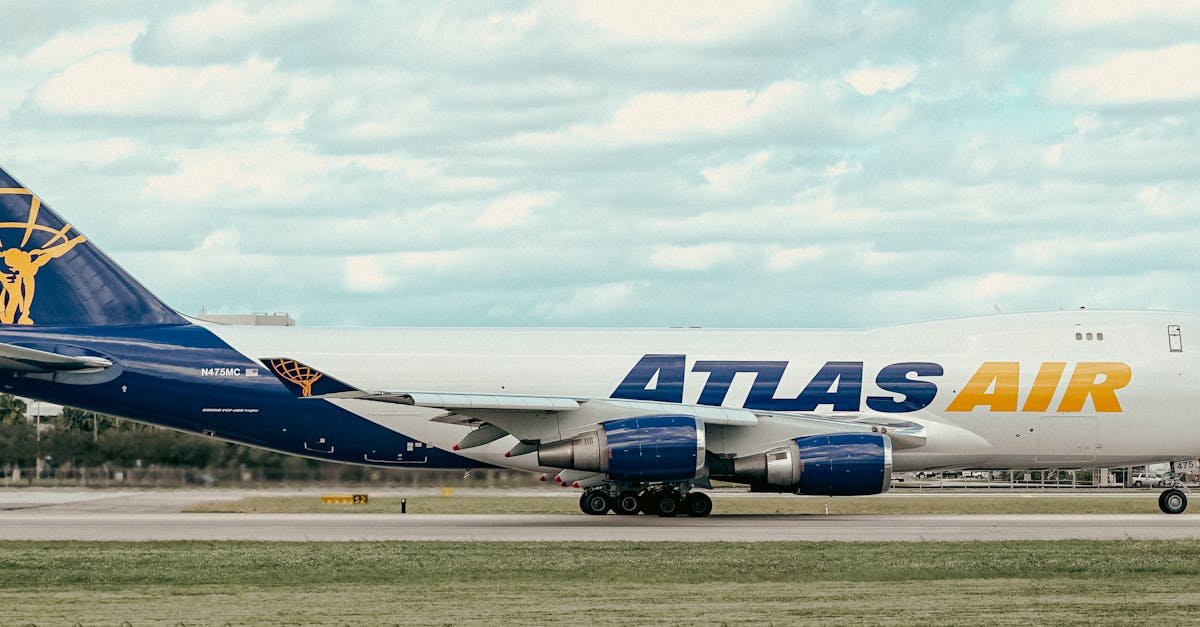
In a move that has sent ripples through the global aviation industry, Atlas Air recently finalized a massive agreement for 20 Airbus A350F freighters. This decision, announced in March 2026, represents more than just a simple purchase of new planes. It marks a historic turning point for a company that has long been synonymous with the Boeing brand. By securing this firm order along with options for 20 additional aircraft, Atlas Air has officially become the largest customer for the Airbus A350F in the world.
A New Chapter for a Cargo Giant
For decades, Atlas Air built its reputation on the back of the iconic Boeing 747, often referred to as the Queen of the Skies. However, the air cargo landscape is shifting rapidly. Newer environmental regulations and the need for better fuel economy are forcing major carriers to rethink their long term strategies. The decision to bring Airbus into the fold shows that Atlas Air is prioritizing versatility and modernization above brand loyalty.
This order is particularly significant because Atlas Air is the first major operator in the United States to select the A350F. While other global carriers like FedEx and UPS have traditionally leaned on American made aircraft, this deal suggests that the European manufacturer has finally created a freighter capable of winning over the most demanding US players.
Breaking the Boeing Tradition
The most striking part of this news is the departure from an all Boeing fleet. Atlas Air currently operates a massive lineup of Boeing 747, 777, and 767 aircraft. Adding the Airbus A350F creates a dual source supplier base. In the world of logistics, having “optionality” is a major advantage. It means the company is no longer tied to the production schedules or technical challenges of a single manufacturer.
Michael Steen, the Chief Executive of Atlas Air, noted that this move does not mean the company is turning its back on Boeing. Instead, it is about giving the airline the best tools available to serve its customers. By operating both platforms, Atlas Air can choose the right plane for the right route, whether that involves heavy machinery or lightweight e-commerce packages.
Why the Airbus A350F Stands Out
The Airbus A350F is not just a modified passenger plane. It is a purpose built freighter designed to meet the strictest carbon emission standards that will take effect in 2027. One of the main reasons Atlas Air chose this model is its incredible weight advantage. Over 70 percent of the airframe is built from advanced materials like carbon composites.
This high tech construction makes the plane significantly lighter than its predecessors. A lighter plane requires less fuel to stay in the air, which directly lowers operating costs. When compared to the older Boeing 747-400 freighters that many carriers still use, the A350F can offer up to 40 percent better fuel efficiency. For a high volume operator like Atlas Air, those savings add up to millions of dollars every year.
Capacity and Cargo Innovations
Efficiency is important, but in the world of freight, capacity is king. The Airbus A350F features the largest main deck cargo door in the industry. This is a critical detail for companies like Atlas Air that frequently transport oversized items such as aircraft engines or heavy industrial equipment.
The interior of the plane is optimized to fit standard industry pallets. While some other freighters are slightly larger, the A350F strikes a balance between volume and range. It can carry a payload of around 111 tonnes and fly nearly 4,700 nautical miles. This makes it perfect for the long haul “bridge” routes between Asia, Europe, and the United States that form the backbone of global trade.
Comparing the Major Players
When we look at the broader market, this order puts Atlas Air in a unique position compared to rivals like FedEx and UPS. FedEx currently operates the largest cargo fleet in the world, but much of their fleet consists of older aircraft that will eventually need replacing. UPS has invested heavily in the Boeing 747-8, but that production line has already closed.
By jumping into the Airbus A350F program early, Atlas Air has secured delivery slots between 2029 and 2034. This gives them a head start on modernization. While other airlines might struggle to find new planes as older ones are retired, Atlas Air will be receiving a steady stream of the most advanced freighters on the market.
The Impact on Global Supply Chains
The air cargo industry is often the first to feel the effects of changes in the global economy. With the rise of fast fashion and instant delivery, the demand for reliable air freight has never been higher. Atlas Air plays a vital role here because they often fly planes on behalf of other companies, such as DHL or Amazon.
By investing in the A350F, Atlas Air is ensuring that they can offer their partners the most reliable and environmentally friendly service possible. Many big corporations now have strict “green” goals. Being able to tell a customer that their goods are being moved on a plane with 20 percent lower emissions than a standard freighter is a powerful selling point.
Training and Logistics Challenges
Switching to a new manufacturer is not as simple as just buying the planes. Atlas Air will need to invest heavily in training for its pilots and maintenance crews. Since the cockpit and systems of an Airbus are different from those of a Boeing, this will be a major undertaking.
However, the company sees this as a long term investment in its people. Introducing a new aircraft type creates career growth opportunities for pilots and ensures that the technical teams stay at the cutting edge of aviation technology. The “commonality” of the A350 family also means that if Atlas Air ever decides to expand further into Airbus territory, the foundation will already be in place.
Preparing for a Capacity Crunch
There is a growing concern in the aviation world that there won’t be enough freighters to go around in the next decade. As older planes hit their 30 year age limit, they must be retired. At the same time, new production has faced various delays.
The leadership at Atlas Air seems to have seen this coming. By placing a firm order for 20 jets now, they have cut to the front of the line. This ensures they have the capacity to handle future growth while their competitors might be left searching for available aircraft. It is a bold move that positions Atlas Air as a forward thinking leader rather than a reactive player.
Strategic Growth Beyond the Horizon
This landmark deal is a clear signal of confidence in the future of air travel and global trade. Atlas Air is not just maintaining its current size; it is actively looking to expand its reach. The combination of the legendary Boeing fleet and the new Airbus technology will make Atlas Air one of the most flexible and capable logistics providers in the sky.
As the first A350F begins to fly in Atlas Air colors at the end of the decade, the industry will be watching closely. This choice has effectively redefined what a modern cargo airline looks like in the 21st century. It proves that even the most established companies must be willing to change and embrace new technology to stay at the top.
Leave a Reply