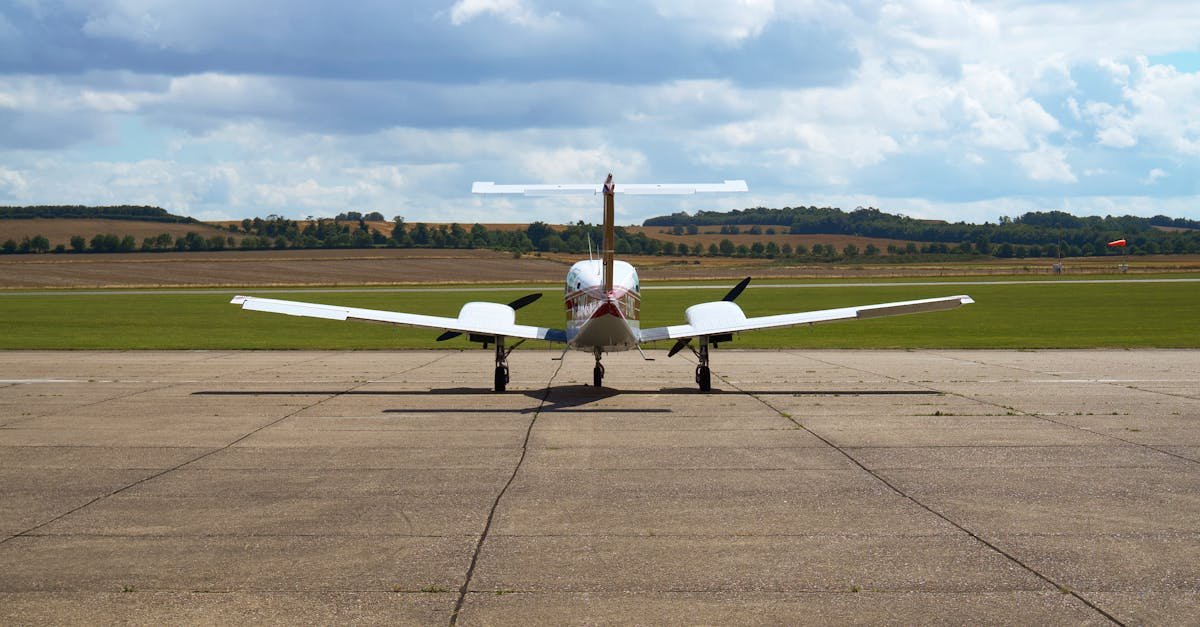
A quiet afternoon in Jefferson County took a tragic turn recently when a small aircraft went down in a field, leaving the local community in shock. The Tennessee plane crash took place on Monday, April 13, 2026, near the small town of New Market. As residents of the area try to process the loss, federal investigators are just beginning the long process of figuring out exactly what went wrong in the sky.
The incident occurred around 1:10 p.m. in a rural stretch of land near Burchell Road. Witnesses in the area reported hearing a sudden, loud boom that echoed through the trees. Shortly after the sound of the impact, smoke began to billow from a field situated between Lost Creek Road and Nances Ferry Road. First responders from the New Market Volunteer Fire Department were among the first on the scene, where they discovered the wreckage of a twin engine Beechcraft 58.
Understanding the Tennessee Plane Crash Near New Market
The aircraft involved in the Tennessee plane crash had departed earlier that afternoon from Knoxville Downtown Island Home Airport. While the flight seemed routine at the start, something went south while the plane was over Jefferson County. According to local authorities, the aircraft hit the ground with significant force, sparking a fire that burned through about an acre of the surrounding field.
The New Market Volunteer Fire Department worked quickly to contain the brush fire, which reached about 30 yards in diameter around the impact site. Tragically, officials confirmed that two people were on board the plane at the time, and neither survived the impact. While names have not been officially released to the public pending family notification, the loss has cast a heavy shadow over the region. Local residents who arrived to help search for the site described the scene as devastating, noting that the aircraft was almost unrecognizable after the fire and impact.
How the FAA Begins the Initial Inquiry
In the immediate wake of any aviation accident, the Federal Aviation Administration (FAA) is one of the first agencies to step in. Their role in the Tennessee plane crash is primarily focused on the administrative and regulatory side of the flight. The FAA keeps track of the “paper trail” that follows every registered aircraft and pilot in the country.
One of the first things FAA investigators look at is the registration of the Beechcraft 58. They check to see if the plane was up to date on its inspections and if there were any known mechanical issues reported in its recent history. They also look into the credentials of the pilot. This involves checking medical certificates, flight hours, and specific certifications for flying a twin engine aircraft. In the case of this Tennessee plane crash, the FAA will provide all these records to the lead investigators to help build a timeline of the flight.
READ MORE: Frontier Pilot Forced to “Slam on Brakes” to Avoid Trucks at LAX; FAA Investigating
The NTSB Deep Dive into Technical Failures
While the FAA handles the records, the National Transportation Safety Board (NTSB) takes the lead on the physical investigation. The NTSB is a separate agency that focuses entirely on finding the “probable cause” of an accident. They do not look to pin blame on anyone for legal reasons. Instead, they want to understand the mechanics and human factors so they can prevent similar accidents from happening in the future.
For the Tennessee plane crash near New Market, the NTSB has already dispatched investigators to the site. Their job starts with a “perishable evidence” phase. This means they need to document the wreckage exactly where it landed before it is moved. They look at the angle of the impact, the distribution of the debris, and the condition of the engines. Because this was a twin engine plane, they will be particularly interested in whether one engine failed or if both were still producing power when the plane hit the ground.
Examining Environmental and Weather Factors
Weather often plays a massive role in general aviation accidents. On the day of the Tennessee plane crash, investigators will look at the local meteorological conditions in Jefferson County. Even if the sky looked clear to the naked eye, there could have been invisible factors like wind shear, sudden gusts, or temperature inversions that affected the flight path.
The NTSB will pull data from local weather stations and the Knoxville airport to see what the pilot was dealing with. They also check for “density altitude” issues, which can affect how well a plane climbs or maintains level flight. If the air was particularly thin or turbulent, it could have made an emergency situation much harder to handle.
The Role of Air Traffic Control and Radar Data
Another critical piece of the puzzle for the Tennessee plane crash is the communication between the pilot and air traffic control. Investigators will listen to every second of the radio transmissions from the moment the plane left Knoxville. They are looking for any sign of distress, such as a “Mayday” call or a report of mechanical trouble.
Radar data is equally important. It allows investigators to see the exact path the plane took, its altitude, and its ground speed. If the plane suddenly lost altitude or began to spiral, the radar tracks will show that. Some early reports from flight tracking enthusiasts suggested the plane might have been trying to return to the airport or head toward a private landing strip nearby. The NTSB will use this data to confirm if the pilot was attempting an emergency landing when the Tennessee plane crash occurred.
MORE: United Airlines Maintenance Under Fire as FAA Relies on ‘Virtual’ Checks to Cover Vacancies
Mechanical Inspections and Engine Analysis
Once the on-site documentation is finished, the wreckage of the Beechcraft 58 will be moved to a secure facility. This is where the truly technical work begins. Mechanics and engineers will take the engines apart piece by piece. They look for “witness marks” inside the machinery that indicate if the engines were spinning at high speed during the crash.
They also check the fuel system. A lack of fuel or the presence of contaminated fuel can easily bring down a small aircraft. In the investigation of the Tennessee plane crash, they will verify if there was fuel in the tanks at the time of the impact and if the fuel lines were clear of any blockages. Even small components like spark plugs or fuel pumps are scrutinized for signs of pre-impact failure.
Human Factors and Pilot Performance
It is a difficult part of the job, but investigators must also look at the human element. This involves looking at the pilot’s recent activity to see if fatigue, illness, or distraction could have played a role. They will look at how many hours the pilot had flown in the last 30 to 90 days and if they were familiar with the specific make and model of the Beechcraft.
In the Tennessee plane crash, the NTSB will also consider the “man-machine interface.” This means looking at the cockpit layout and whether any instruments might have given the pilot false information. If a gauge was malfunctioning, it could have led the pilot to make a decision that resulted in the accident.
SEE ALSO: Corpus Christi Training Aircraft Crash Today: Cause, Injuries, and Fire Details
Looking Ahead to the Preliminary Report
The families and the local community in New Market are understandably looking for answers. However, aviation investigations are notoriously slow because they have to be incredibly thorough. The NTSB usually releases a “preliminary report” within about two to three weeks of an accident like the Tennessee plane crash. This report will give the basic facts but will not state a cause.
A final report, which includes the probable cause and any safety recommendations, can take anywhere from 12 to 24 months to complete. During this time, the wreckage is kept in a secure location, and experts from the aircraft manufacturer often join the investigation to provide technical insights.
Supporting the Community and Next Steps
The impact of the Tennessee plane crash is felt far beyond the field where the plane went down. For the residents of New Market, the sight of smoke and the sound of the crash are memories that will stick around for a long time. Local authorities have praised the quick response of the volunteer firefighters and the sheriff’s deputies who secured the area.
As the federal agencies continue their work, the focus remains on honoring the lives lost and ensuring that the lessons learned from this tragedy help make the skies safer for everyone else. While the investigation into the Tennessee plane crash is still in its early stages, the combined efforts of the FAA and NTSB will eventually provide the clarity that the families and the public deserve.
Leave a Reply