Tag: Plane Crash

  • Mystery Surrounds Fatal Frontier Airlines Runway Incident: Identity Withheld After Denver Runway Death

    Mystery Surrounds Fatal Frontier Airlines Runway Incident: Identity Withheld After Denver Runway Death

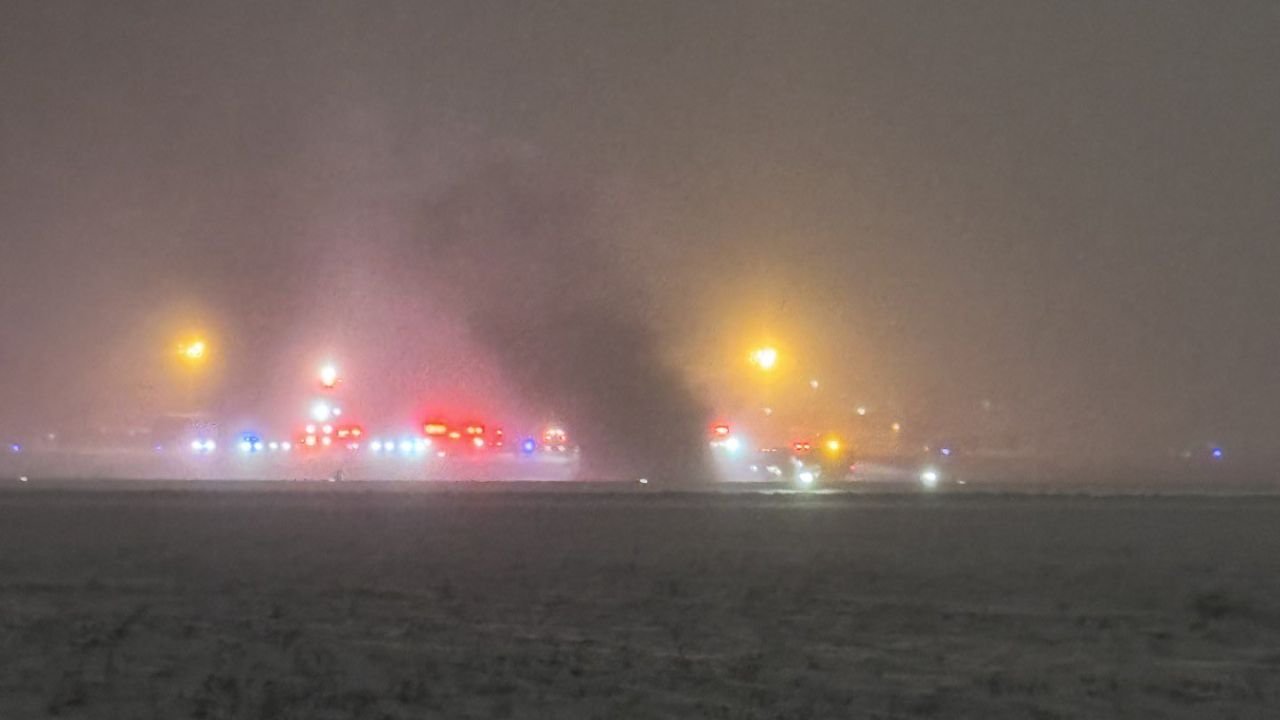
    The aviation community and the public are currently processing a deeply unsettling event that took place at Denver International Airport. Late on a Friday night, what should have been a standard departure turned into a tragic scene that has left investigators searching for answers. A person was struck and killed by a Frontier Airlines plane as it was accelerating for takeoff, leading to an emergency situation that forced over two hundred people to flee the aircraft. As the investigation enters its first full week, the mystery of who the individual was and how they managed to reach a secure runway remains the central focus of local and federal authorities.+1

    The Details of the Collision on Runway 17L

    The event occurred around 11:19 p.m. as Frontier Airlines flight 4345 was beginning its journey to Los Angeles International Airport. The aircraft, an Airbus A321, was carrying 224 passengers and seven crew members when the pilots felt a sudden, significant impact. According to reports from the flight deck, the crew realized immediately that they had struck something on the runway. The pilot quickly notified the control tower, stating that they were stopping the plane and reporting an engine fire.+2

    The collision was violent enough to be felt throughout the cabin. Passengers described a jarring sensation that felt like the plane had momentarily left the ground before slamming back down. In the moments following the impact, the cabin began to fill with smoke, and sparks were seen flying from one of the engines. This sparked immediate panic among the travelers, many of whom feared the plane might explode. The flight crew made the decision to initiate an emergency evacuation right there on the tarmac.

    Why This Unprecedented Breach Occurred

    One of the biggest questions surrounding this Frontier Airlines incident is how a pedestrian managed to get onto one of the busiest runways in the United States. Early reports from airport officials and the Department of Transportation indicate that the individual was a trespasser. This person reportedly jumped a perimeter fence and entered the airfield.Surveillance data suggests the individual was on the airport grounds for only about two minutes before being struck by the accelerating jet.+2

    Denver International Airport is a massive facility with miles of security fencing, lighting, and patrol units. Despite these measures, the trespasser was able to scale the barrier and reach the high speed takeoff zone of Runway 17L. The U.S. Transportation Secretary described the act as a deliberate breach by someone who ran directly into the path of the Frontier Airlines flight. Why this person chose to enter the airfield remains unknown, as they were not an employee and had no authorized reason to be near the active runways.+1

    Why This Tragedy Matters for Aviation Safety

    This event is more than just a localized accident; it represents a significant concern for the entire aviation industry. While most safety discussions focus on mechanical failures or pilot error, this Frontier Airlines collision highlights a vulnerability in ground security. If a single person can reach a runway in two minutes, it raises alarms about the potential for more coordinated or malicious breaches.

    Furthermore, the aftermath of the collision revealed challenges in emergency procedures. While the flight crew worked to keep everyone calm, the evacuation via emergency slides was described by some passengers as chaotic. Reports indicate that twelve people suffered minor injuries during the exit, with five requiring hospitalization. Some passengers expressed frustration at being left on the cold tarmac for an extended period after fleeing the smoke filled cabin. These details are now being scrutinized to see if current evacuation protocols are sufficient for incidents involving high speed collisions during the takeoff roll.

    What Happens Next in the Investigation

    The National Transportation Safety Board has stepped in to lead the inquiry into the operational aspects of the flight.Their team is currently gathering data from the aircraft’s flight recorders and interviewing the Frontier Airlines crew. They want to understand the exact timeline from the moment of impact to the deployment of the emergency slides. They are also looking closely at the engine fire and smoke reported by the pilots to determine if it was a direct result of the collision or a secondary mechanical failure triggered by the emergency braking.

    Simultaneously, the Denver Police Department and the Transportation Security Administration are focusing on the security lapse. They are reviewing every inch of the perimeter fence to find the exact point of entry and determine if any sensors failed to alert security personnel. The Denver Office of the Medical Examiner is also working to confirm the identity of the person killed. Once the family is notified, their name will be released, which may provide more clues about the motivation behind their presence on the runway.+1

    Understanding the Operational Impact

    From an expert perspective, this incident is a rare “black swan” event in aviation. Pilots are trained for bird strikes and mechanical issues during takeoff, but hitting a person at high speed is an incredibly traumatic and difficult scenario to manage. The pilots of the Frontier Airlines flight had to make a split second decision to abort a takeoff at a speed where stopping is often more dangerous than continuing. By choosing to stop, they likely prevented the aircraft from becoming airborne with a damaged engine and unknown structural integrity.

    The presence of smoke in the cabin suggests that debris or fluids from the collision may have been ingested into the engine or the air conditioning system. This explains why the evacuation was so urgent. For Frontier Airlines, the focus now shifts to supporting the crew and passengers while cooperating with a multi-agency probe. This case will likely lead to a nationwide review of airport perimeter security, specifically focusing on how to detect and stop trespassers before they can ever reach an active taxiway or runway.

    A Focus on Future Prevention

    As the community mourns the loss of life and the trauma experienced by those on board, the goal for the coming months will be prevention. Security experts suggest that thermal imaging and advanced ground radar might need to be expanded to cover more of the airport’s outer boundaries. While the actions of one person caused this tragedy, the industry must ensure that a single breach cannot lead to such a catastrophic outcome again. For now, the Frontier Airlines aircraft remains out of service as a piece of evidence in an investigation that has shaken the city of Denver and the wider world of travel.

  • Belo Horizonte Plane Crash in Brazil: Investigation, Casualties, What We Know

    Belo Horizonte Plane Crash in Brazil: Investigation, Casualties, What We Know

    The morning sky over Minas Gerais turned into a scene of chaos and heartbreak when a small plane came down in a residential area of Belo Horizonte. This event has sent shockwaves through the local community and the wider aviation world. It is a stark reminder of the risks that come with urban flight paths and the thin line between a routine takeoff and a sudden disaster.

    The Sequence of Events in the Belo Horizonte Plane Crash

    The flight began at Pampulha Airport, a hub well known for its proximity to densely populated neighborhoods. Shortly after the wheels left the ground, witnesses reported hearing a sputtering sound from the engine. The aircraft, a small private model, struggled to gain the necessary altitude to clear the surrounding structures. People on the ground watched in horror as the plane banked sharply, a move that many experts believe was a desperate attempt by the pilot to find a clear patch of land or a street for an emergency landing.

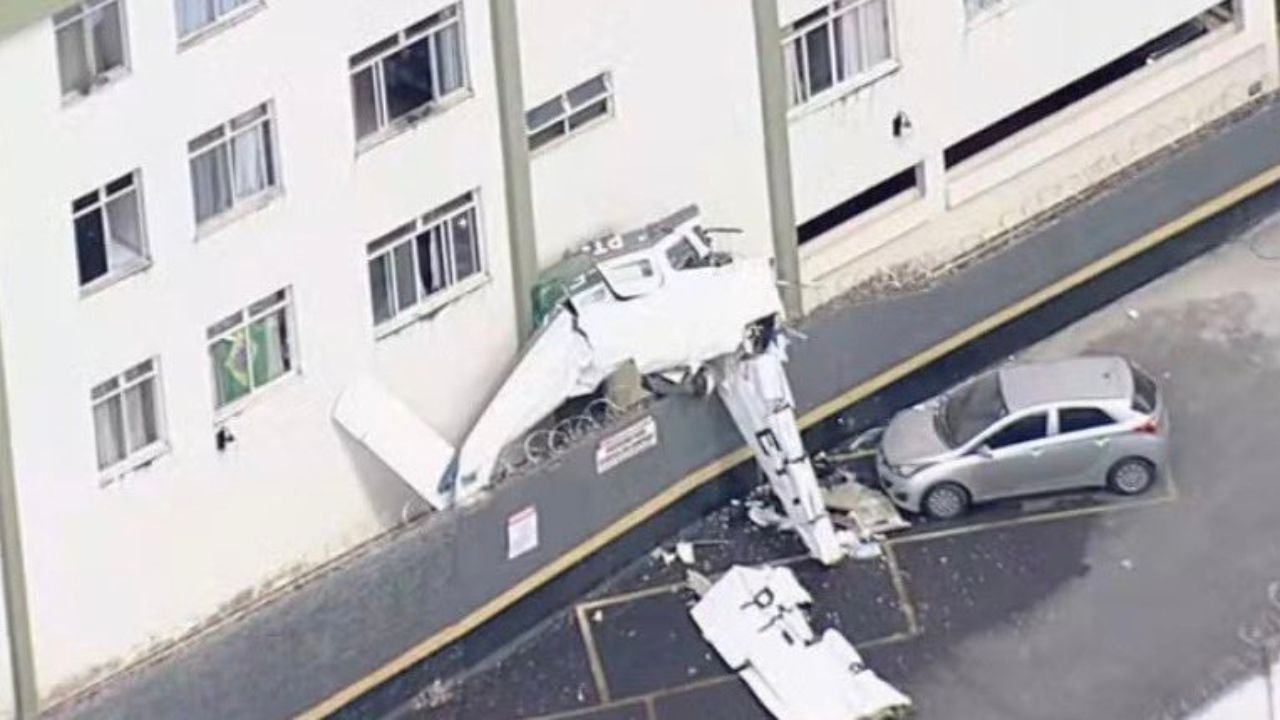
    Unfortunately, the plane did not make it to an open space. It struck a residential building, specifically hitting the area near the rooftop and the upper floor stairwell. The impact was followed by a loud explosion and a plume of thick black smoke that could be seen from miles away. Emergency responders from the local fire department and medical teams arrived within minutes to find a scene of total devastation. The wreckage was tangled with the building structure, making the rescue efforts incredibly dangerous and difficult.

    The toll of the Belo Horizonte plane crash was immediate. Two individuals on board, identified as the pilot and the co-pilot, lost their lives in the crash. Two other passengers were pulled from the burning metal in critical condition and rushed to the nearest trauma center. Residents of the building were evacuated quickly, and while many were treated for shock and minor smoke inhalation, the physical damage to their homes will take months to repair.

    Uncovering Why the Belo Horizonte Plane Crash Occurred

    Whenever an aircraft goes down, the first question everyone asks is why. Investigating the Belo Horizonte plane crash requires a meticulous look at several different factors. The primary focus for the aeronautical authorities is currently on mechanical failure. The reports of engine trouble immediately after takeoff suggest that the plane may have lost power at the most critical phase of flight, which is the initial climb.

    Weather conditions at the time were reportedly clear, which largely rules out heavy rain or wind shear as a primary cause. This leaves the maintenance history of the aircraft under the microscope. Investigators are currently sifting through logbooks to see when the engine was last serviced and if there were any recurring issues with this specific tail number. There is also the possibility of fuel contamination, a silent killer in general aviation that can cause engines to quit without warning.

    Another angle being looked at is the weight and balance of the plane. Small aircraft are very sensitive to how much fuel and cargo they carry. If the plane was even slightly over its maximum takeoff weight, it would have had a much harder time recovering from an engine sputter. The final report will take months to complete, but the early evidence points toward a catastrophic technical malfunction that left the crew with almost no time to react.

    Why the Belo Horizonte Plane Crash Matters to the Public

    This tragedy is not just a local news story; it carries significant weight for urban planning and aviation safety across Brazil. Belo Horizonte is a city where the airport is surrounded by homes, schools, and businesses. The Belo Horizonte plane crash has reignited a fierce debate about whether airports like Pampulha should continue to handle certain types of traffic or if stricter flight paths should be enforced to protect the people living below.

    For the residents of the city, this is a matter of basic safety. Living under a flight path always carries a small amount of risk, but seeing a plane actually hit a building makes that risk feel very real and very personal. It raises questions about the value of human life versus the convenience of having an airport close to the city center.

    Furthermore, the Belo Horizonte plane crash highlights the challenges faced by general aviation in Brazil. Unlike large commercial airlines that have massive budgets for maintenance and safety, smaller private operators sometimes struggle with the rising costs of parts and specialized labor. This crash serves as a wake-up call for the entire industry to double down on safety protocols and pilot training for emergency procedures in urban environments.

    Looking Ahead After the Belo Horizonte Plane Crash

    In the wake of such an event, the immediate priority is support for the victims and their families. The two survivors face a long road to recovery, and the families of the deceased pilots are searching for answers. Meanwhile, the structural integrity of the building involved must be assessed. Engineers are on site to determine if the impact caused permanent damage to the foundation or if the upper floors can be safely rebuilt.

    On the regulatory side, we can expect a temporary shift in how flights are handled at Pampulha Airport. There may be new restrictions on takeoff weights or even a temporary ban on certain types of private aircraft until the preliminary findings of the investigation are released. The Brazilian Air Force, which usually handles these investigations, will be under pressure to provide a transparent and thorough account of what went wrong.

    The local government is also likely to hold public hearings. People are angry and scared, and they want to know what is being done to prevent a repeat of the Belo Horizonte plane crash. These meetings will likely involve discussions about zoning laws and perhaps even the long term future of the airport itself.

    Professional Perspectives on the Belo Horizonte Plane Crash

    Aviation analysts often look at these incidents through the lens of a Swiss Cheese model, where multiple small failures line up to create a disaster. In the Belo Horizonte plane crash, it was likely a combination of a mechanical glitch, a low altitude environment, and a lack of emergency landing spots. Pilots are trained to always have a place to go if the engine fails, but in a dense city like this, those places are few and far between.

    One expert noted that the pilot likely did everything possible to avoid a direct hit on a more crowded part of the building. By hitting the stairwell area, the damage to the living quarters was somewhat limited compared to what could have happened if the plane had flown directly into the center of the structure. This split second decision making is what pilots are paid for, even if the outcome was still tragic.

    The focus now shifts to the black box data and the wreckage recovery. Because the plane was small, it might not have carried a flight data recorder like a large jet, so the investigation will rely heavily on physical evidence and radio transcripts. Every bolt and wire will be checked for signs of fatigue or heat damage.

    The Long Path to Safety and Recovery

    The community will eventually heal, but the memory of the Belo Horizonte plane crash will remain in the skyline of the city for a long time. It is a reminder that while flying is generally very safe, there is no room for error when things go wrong in a crowded area. The lessons learned from this crash will hopefully lead to better maintenance, smarter urban planning, and ultimately, a safer sky for everyone.

    As the investigation continues, the focus remains on the bravery of the first responders and the resilience of the neighbors who rushed to help. The stories of people helping each other during the fire show the best of the human spirit in the face of a terrible accident. Moving forward, the goal must be to ensure that no other family has to wake up to the sound of a plane coming down in their neighborhood.

  • Why U.S. Flight Delays Are Getting Worse in 2026?

    Why U.S. Flight Delays Are Getting Worse in 2026?

    Flight delays across the United States have become a regular part of travel in 2026. What used to be an occasional inconvenience now feels like a built-in part of the flying experience. Travelers are planning for extra hours at airports, and airlines are struggling to maintain schedules that once seemed routine. The situation has raised an important question: why U.S. flight delays are getting worse in 2026, and what is actually driving this shift?

    A Growing Imbalance Between Demand and Capacity

    Air travel demand in the United States has surged again in 2026. Passenger numbers have not only recovered from previous slowdowns but have exceeded earlier records in several major markets. Airports like Atlanta, Dallas, and Denver are handling more flights than ever before.

    The problem is that infrastructure has not expanded at the same pace. Runways, gates, and airspace capacity remain limited in many regions. When more flights are scheduled than the system can comfortably handle, even a small disruption can trigger a chain reaction. This imbalance is one of the clearest reasons why U.S. flight delays are getting worse in 2026.

    Air Traffic Control Staffing Challenges

    Another major factor is the ongoing shortage of air traffic controllers. The Federal Aviation Administration has been working to address staffing gaps, but training new controllers takes time, and experienced personnel are still retiring.

    In busy airspace regions like the Northeast, fewer controllers mean reduced flexibility in managing traffic. Flights are often spaced further apart for safety, which reduces overall efficiency. When traffic levels remain high, this leads to congestion and delays that ripple through the system.

    This staffing issue has quietly become one of the biggest contributors to why U.S. flight delays are getting worse in 2026.

    Weather Patterns Are Becoming Less Predictable

    Weather has always played a role in aviation delays, but recent patterns have made disruptions more frequent and harder to manage. Thunderstorms, extreme heat, and sudden weather shifts are affecting key travel corridors more often.

    In places like Florida and the Midwest, storm systems can ground flights or force reroutes that add pressure to already busy airspace. Even when weather clears quickly, the backlog of delayed flights can take hours to resolve.

    The increasing unpredictability of weather is another reason why U.S. flight delays are getting worse in 2026, especially during peak travel seasons.

    Airline Scheduling Strategies Are Under Pressure

    Airlines are trying to maximize efficiency by scheduling tightly packed flight rotations. Aircraft are often assigned multiple routes in a single day, leaving little room for delays.

    When one flight runs late, the aircraft assigned to the next route is also delayed. This creates a domino effect that spreads across multiple destinations. Crew schedules are also affected, and regulations limit how long pilots and flight attendants can work, adding another layer of complexity.

    These tight scheduling practices help airlines operate more flights, but they also make the system more fragile. This is a key piece of why U.S. flight delays are getting worse in 2026.

    Airport Congestion Is Reaching New Levels

    Major airports in the United States are facing serious congestion challenges. At peak hours, taxiways are crowded, gates are occupied, and aircraft often wait in line for takeoff clearance.

    Some airports are operating close to their maximum capacity. When delays begin to stack up, there is little room to absorb the disruption. Smaller airports are not immune either, as increased regional traffic adds pressure to facilities that were not designed for such volumes.

    This congestion plays a direct role in why U.S. flight delays are getting worse in 2026, especially in large metropolitan areas.

    Maintenance and Operational Constraints

    Aircraft maintenance is another factor that often goes unnoticed. Airlines are maintaining large fleets that are being used more intensively than before. More flights mean more wear and tear, and even minor technical issues can lead to delays.

    Supply chain challenges have also affected the availability of parts and maintenance resources. When repairs take longer than expected, flights are delayed or canceled.

    Operational constraints like these add to the growing list of reasons why U.S. flight delays are getting worse in 2026.

    The Impact of Pilot Availability

    While the pilot shortage has improved compared to earlier years, it is still a concern for some airlines, particularly regional carriers. Limited pilot availability can lead to schedule adjustments and reduced flexibility in handling disruptions.

    When delays occur, airlines may not have backup crews readily available, which can extend waiting times for passengers. This issue may not be as visible as others, but it still contributes to why U.S. flight delays are getting worse in 2026.

    Passenger Volume and Airport Experience

    Higher passenger numbers also affect how smoothly airports operate. Security lines, boarding processes, and baggage handling all take longer when more people are traveling.

    Delays can start even before passengers reach the gate. Late arrivals due to long security lines can hold up flights, especially on routes with tight turnaround times. The entire system becomes slower when passenger volume increases beyond what facilities can handle efficiently.

    This human side of the travel experience is another layer in understanding why U.S. flight delays are getting worse in 2026.

    Technology Helps but Cannot Solve Everything

    Airlines and airports have invested heavily in technology to improve operations. Real-time tracking, automated scheduling systems, and improved communication tools have made a difference.

    However, technology cannot fully overcome physical and staffing limitations. When there are too many flights and not enough capacity, even the most advanced systems can only do so much.

    This gap between technological capability and real-world constraints is part of why U.S. flight delays are getting worse in 2026.

    What Travelers Are Noticing in 2026

    Passengers are becoming more aware of these challenges. Many travelers now expect delays and plan accordingly. Airlines are also adjusting by offering more flexible rebooking options and improved communication during disruptions.

    Despite these efforts, frustration remains high. Delays affect connections, business schedules, and overall travel experiences. For frequent flyers, the change is noticeable and significant.

    What This Means for the Future of Air Travel

    Understanding why U.S. flight delays are getting worse in 2026 points to a broader issue within the aviation system. Demand continues to grow, but infrastructure, staffing, and operational strategies are struggling to keep up.

    Long-term solutions will likely involve a combination of expanded airport capacity, improved air traffic control staffing, and more balanced scheduling practices. Airlines may also need to rethink how they build resilience into their operations.

    For now, delays are likely to remain a defining feature of air travel in the United States. Travelers, airlines, and regulators are all adapting to a system that is under increasing pressure, and the changes made in the coming years will shape how efficiently the industry can handle future growth.

  • F-15E Strike Eagle Shot Down Over Iran: What We Know About the Missing Pilots and CSAR Mission

    F-15E Strike Eagle Shot Down Over Iran: What We Know About the Missing Pilots and CSAR Mission

    The sky over southern Iran became the center of global attention today as reports confirmed that a United States Air Force jet was lost during a combat sortie. This event marks a major turning point in the ongoing military conflict known as Operation Epic Fury. While initial rumors from local sources were scattered and often contradictory, it has now become clear that an F-15E Strike Eagle shot down earlier this morning has triggered one of the most dangerous search and rescue operations in recent military history.

    As the sun sets over the rugged Iranian landscape, the fate of two American aviators remains unknown. Military analysts and families alike are waiting for any scrap of information regarding the pilot and the weapons systems officer who were on board the aircraft. This incident represents the first time a crewed American fighter jet has been lost to hostile fire over Iranian territory since the start of the current war, raising the stakes for every person involved in the region.

    The Morning the F-15E Strike Eagle Shot Down Occurred

    The mission began like many others during this intense period of aerial warfare. The F-15E Strike Eagle shot down was part of a formation conducting operations deep within Iranian airspace. Early on April 3, 2026, Iranian state media began broadcasting claims that their air defense systems had successfully engaged and destroyed an advanced American stealth fighter. They initially identified the wreckage as an F-35, likely seeking a propaganda victory by claiming to have defeated a fifth generation jet.

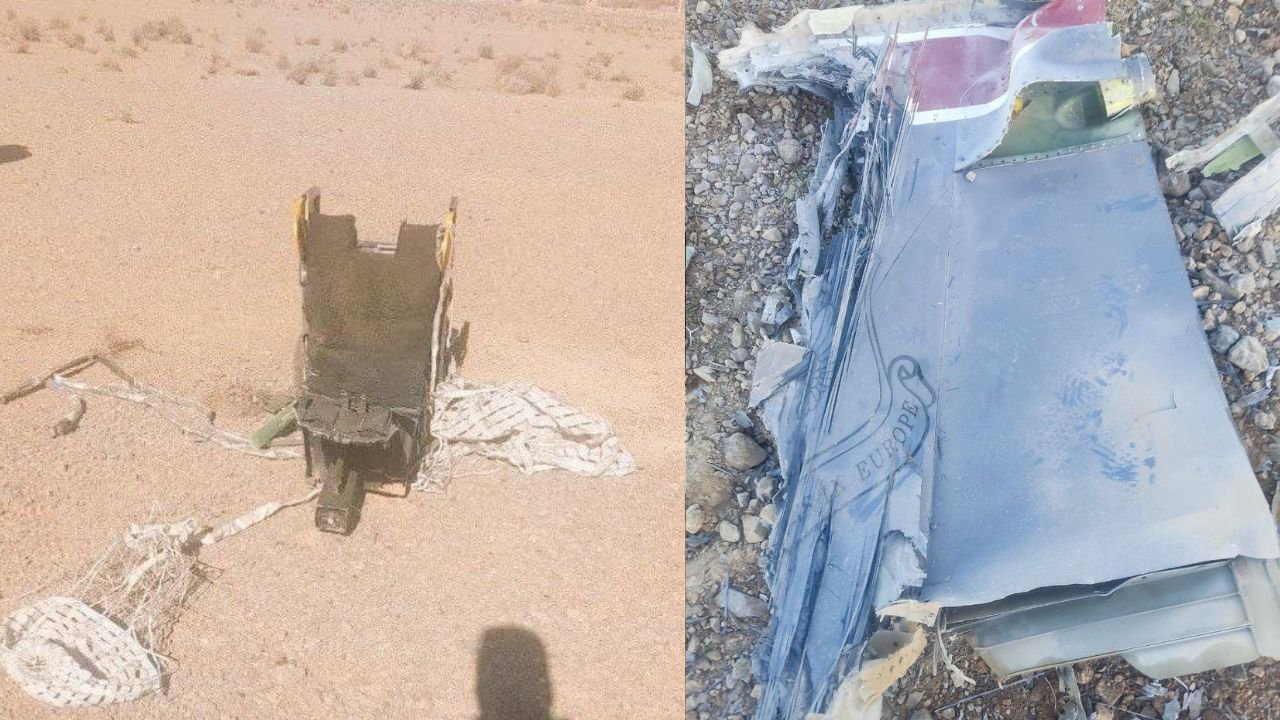
    However, as photos of the crash site began to circulate on social media and through international news agencies, aviation experts quickly corrected the narrative. The debris clearly showed a vertical stabilizer with distinct markings and a red tail flash. These identifiers belong to the 494th Fighter Squadron, famously known as the Panthers, based out of RAF Lakenheath in the United Kingdom. It was soon confirmed that the aircraft was actually a dual seat F-15E Strike Eagle shot down by what appears to be a sophisticated surface to air missile system.

    The crash site is located in a mountainous and remote region of southern Iran. This geography makes both the initial impact and any subsequent rescue attempts incredibly difficult. Eyewitnesses in nearby villages reported hearing a massive explosion followed by the sight of a burning object falling rapidly from the clouds. The crater left behind suggests a high speed impact, but there were also early reports of parachutes being spotted in the air shortly after the missile hit.

    Status of the Two Person Crew

    The most pressing concern for the Pentagon right now is the status of the two crew members. Unlike many other fighter jets, the F-15E Strike Eagle shot down today carries both a pilot in the front seat and a weapons systems officer in the back. This means two families are currently waiting for news that could change their lives forever.

    Iranian news outlets have been active in posting images that they claim show the aftermath of the shoot down. One particularly chilling image appeared to show an ACES II ejection seat lying among the rocks. If this photo is authentic, it provides a glimmer of hope. The presence of an ejection seat on the ground usually means that at least one of the crew members was able to initiate the escape sequence before the jet hit the earth.

    Despite this, the situation remains dire. Iran has reportedly offered rewards to local citizens for any information leading to the capture of the American aviators. There are also unconfirmed reports of Iranian ground forces and local militia groups scouring the hillsides near the crash site. The race is on to see who reaches the pilots first. If they are captured, they could become powerful bargaining chips in the wider geopolitical struggle, a scenario the United States military is working feverishly to avoid.

    The High Stakes CSAR Mission Underway

    As soon as the F-15E Strike Eagle shot down was confirmed missing from radar, the United States military activated its Combat Search and Rescue protocols, often referred to as CSAR. This is a highly specialized and dangerous type of mission where personnel fly into hostile territory to retrieve downed airmen.

    Video footage captured by civilians in southwestern Iran shows a very low flying C-130 Hercules tanker accompanied by HH-60 Pave Hawk helicopters. These helicopters are the backbone of the Air Force rescue teams. Seeing them operating so deep inside Iranian borders confirms that the military has a general idea of where the crew might be and is willing to risk further assets to get them back.

    A CSAR mission is a race against time. The pilots are likely equipped with survival kits, radios, and basic weapons, but they are operating in an environment where they are vastly outnumbered. They must stay hidden while trying to signal friendly aircraft without giving away their position to the Iranian search parties. The Pave Hawk crews are trained for exactly this, often flying just feet above the ground to avoid radar detection, but the density of Iranian air defenses in the area makes this a heart pounding operation for everyone involved.

    Strategic Impact on Operation Epic Fury

    The loss of this aircraft will undoubtedly have a ripple effect on how the United States conducts the rest of Operation Epic Fury. For weeks, American air power has operated with a level of confidence, but the F-15E Strike Eagle shot down today serves as a reminder that the skies are still contested.

    The F-15E is a workhorse of the Air Force, capable of carrying massive payloads and fighting its way in and out of target zones. Seeing one of these powerful machines reduced to a pile of charred metal in the Iranian desert is a visual blow to the image of American air invincibility. It may force mission planners to change their tactics, perhaps relying more on long range standoff weapons or increasing the number of electronic warfare aircraft used to jam Iranian sensors during strike missions.

    Furthermore, the domestic reaction in the United States is likely to be intense. The public has been following the developments of the 2026 war closely, and the news of missing airmen often changes the tone of national conversation from strategic goals to human survival. The pressure on the administration to bring these brave individuals home will be immense, regardless of the political cost.

    A Waiting Game for the World

    At this hour, the Pentagon has remained relatively quiet, only confirming the loss of an aircraft off the record while refusing to provide details on the identity of the crew. This silence is typical during an active rescue mission, as any information shared publicly could be used by the enemy to intercept the rescue teams.

    The F-15E Strike Eagle shot down today is more than just a lost piece of hardware worth nearly one hundred million dollars. It represents two human lives currently caught in the middle of a global flashpoint. Whether they are hiding in a rocky crevice waiting for the sound of a Pave Hawk or have already been detained by local forces is the question that defines this moment.

    As we move into the next phase of this developing story, the focus remains entirely on the rescue efforts. The specialized teams flying through the darkness of the Iranian night are the only hope for a positive end to this tragic day. The world can only watch and wait for the signal that the crew is safe and heading back to friendly lines. Every hour that passes makes the mission more difficult, but the resolve of the rescue units is legendary, and they will not stop until every effort has been exhausted to bring their comrades home.

  • Air Canada CEO Breaks Silence on Fatal AC8646 Crash at LaGuardia

    Air Canada CEO Breaks Silence on Fatal AC8646 Crash at LaGuardia

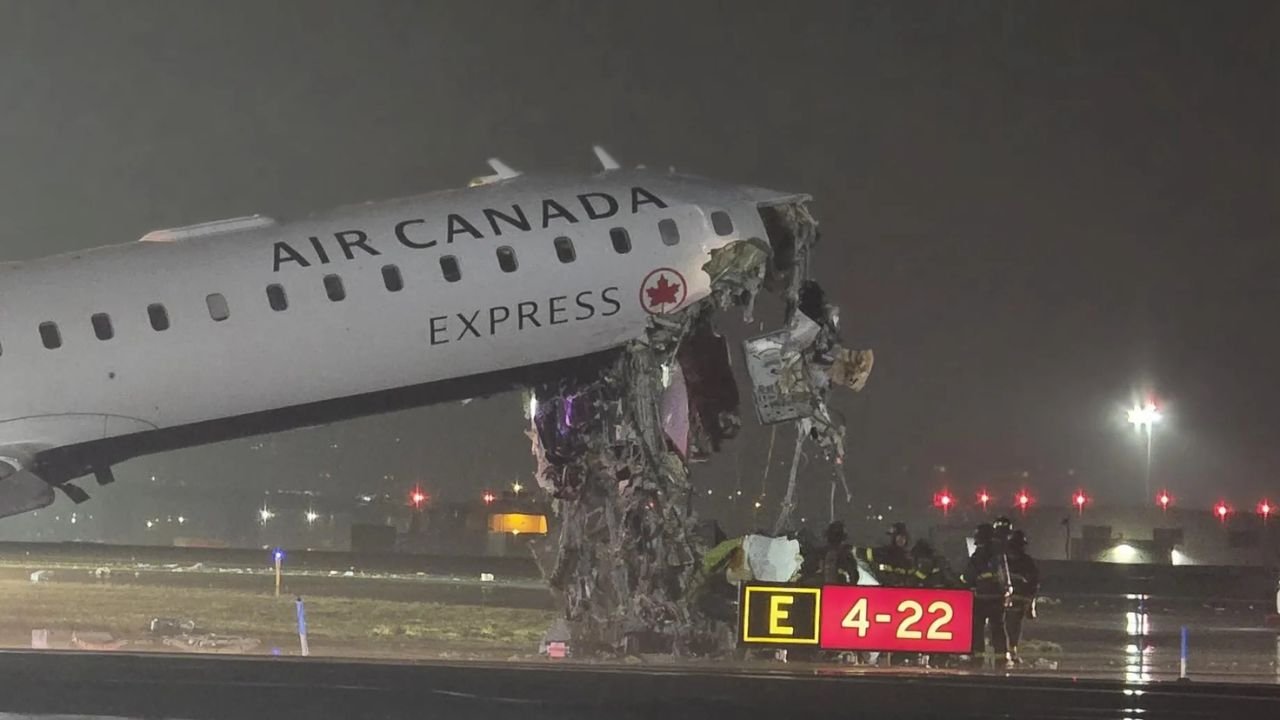
    The aviation world is mourning today following a devastating ground collision at New York’s LaGuardia Airport involving Air Canada Express Flight 8646. Late Sunday night, March 22, 2026, the Bombardier CRJ-900, arriving from Montreal, struck a Port Authority fire truck on the runway. The impact was catastrophic, claiming the lives of both pilots and leaving dozens of passengers with various injuries. As the investigation begins, Air Canada President and CEO Michael Rousseau has addressed the public, offering a somber update on the tragedy and the airline’s immediate response.

    A Somber Day for the Aviation Community

    In a heartfelt video statement released on social media, Michael Rousseau did not mince words about the gravity of the situation. He began by acknowledging the emotional weight felt across the entire company. “Today is a very somber day at Air Canada,” Rousseau stated. He went on to express the company’s collective grief, saying, “First, and most importantly, I want to express our deepest sorrow for everyone affected. Our efforts are focused on the needs of our passengers and crew members, along with their families and loved ones.”

    The accident has sent shockwaves through the industry, particularly because ground collisions of this magnitude at major hubs are exceedingly rare. Rousseau emphasized that while the aircraft was operated by Jazz Aviation LP under the Air Canada Express banner, the loss is felt as one large family. He noted that the company is “deeply saddened by the loss of two Jazz employees,” and extended condolences to the “entire Jazz community and their families.”

    Details of the Fatal Collision at LaGuardia

    Flight AC8646 originated from Montreal-Trudeau International Airport (YUL) with 72 passengers and four crew members on board. The flight was reportedly routine until the final moments of its landing at LaGuardia (LGA) at approximately 11:38 PM. As the jet decelerated on Runway 4, it collided with a Port Authority Aircraft Rescue and Fire Fighting (ARFF) vehicle.

    The impact was centered on the front of the aircraft, effectively destroying the cockpit and forward galley. Images from the scene showed the plane’s nose tilted upward with mangled metal and cables dangling from the fuselage. The fire truck, an Oshkosh Striker 1500, was found overturned on its side nearby. While the two Port Authority personnel inside the truck survived with stable injuries, the outcome for the flight deck was far more grim.

    Remembering the Fallen Crew Members

    The most painful aspect of this tragedy is the loss of the two pilots who were at the controls. Rousseau confirmed the deaths in his statement, saying, “We now know that the captain and the first officer were killed in this accident.” One of the pilots has been identified as 30-year-old Antoine Forest from Coteau-du-Lac, Quebec.

    Survivor accounts suggest that the pilots may have performed heroically in their final seconds. One passenger, Clément Lelièvre, recounted how the pilots braked with extreme force immediately upon touchdown. Many on board believe these “incredible reflexes” likely slowed the aircraft enough to prevent even more fatalities among the 72 passengers in the cabin. Despite the terrifying jolt and the destruction of the front of the plane, all 72 passengers survived, though about 40 required hospital treatment for various injuries, ranging from broken noses to severe fractures.

    Critical Breakdown in Communication

    The focus of the investigation has quickly shifted toward a potential failure in air traffic control (ATC) protocols. Audio recordings from the night of the crash provide a chilling look at the moments leading up to the impact. In the tapes, a controller is heard clearing the fire truck, known as “Truck 1,” to cross Runway 4. The truck was reportedly responding to a separate, minor emergency involving a United Airlines flight that had reported a strange odor.

    Seconds later, the tone of the recording shifts to pure panic. The controller can be heard shouting, “Stop Truck 1! Stop, stop, stop!” followed by a frantic attempt to wave off another incoming aircraft. In a haunting admission captured shortly after the crash, the same controller was heard saying, “I messed up.” The National Transportation Safety Board (NTSB) and Canadian authorities are now working to determine how a vehicle was permitted to enter an active runway while a passenger jet was in the final stages of its landing roll.

    Immediate Support for Families and Survivors

    Air Canada has moved quickly to provide resources for those impacted by the crash. Rousseau mentioned that the Air Canada Special Assistance Team was activated immediately. “Members of our specialized team will be on their way to New York,” he said, adding that “anything we can do now, we’re doing.”

    The airline has established a dedicated family assistance hotline at 1-800-961-7099 for those seeking information about loved ones who were on board. Rousseau urged the public to rely on official channels for updates, promising that information would be shared as soon as it is verified by authorities.

    The Path Forward and the NTSB Investigation

    The investigation into Flight AC8646 is expected to be lengthy and thorough. Investigators from the NTSB have already begun walking the scene, and flight recorders have been recovered from the wreckage. They will be looking at everything from airport lighting and weather conditions to the mental state and staffing levels of the air traffic control tower. At the time of the accident, heavy rain was falling in the New York area, and visibility was limited to roughly three miles, which may have played a role in the visibility of the ground vehicle.

    Furthermore, the accident occurred during a period of chronic air traffic controller shortages in the United States, a factor that safety advocates have been warning about for years. While the LaGuardia controllers were not affected by the ongoing partial government shutdown, the overall strain on the system will likely be a point of scrutiny.

    Standing Together in Times of Crisis

    As the aviation community processes this loss, the focus remains on the human element. The survival of a flight attendant, Solange Tremblay, who was reportedly thrown from the aircraft while still buckled into her seat, has been described by her family as a “total miracle.” Such stories of survival sit in stark contrast to the silence of the cockpit, reminding everyone of the thin line between safety and tragedy in the skies.

    Michael Rousseau closed his statement by reiterating the airline’s commitment to the investigation and to the people involved. “We’re fully supporting the relevant investigative authorities in their investigation to learn everything we can about these events,” he said. For now, the priority remains the care of the families who are dealing with unimaginable loss.

  • Alaska Airlines and FedEx Planes Nearly Collide at Newark Airport: What We Know

    Alaska Airlines and FedEx Planes Nearly Collide at Newark Airport: What We Know

    A Tuesday evening in New Jersey nearly turned into a national tragedy when two large commercial aircraft came within seconds of a collision at Newark Liberty International Airport. On March 17, 2026, an Alaska Airlines Boeing 737 and a FedEx Boeing 777 freighter found themselves on a converging path while attempting to land on intersecting runways.

    The incident has sparked an immediate and intensive investigation by the Federal Aviation Administration and the National Transportation Safety Board. As radar data and cockpit audio recordings emerge, the terrifying reality of how close these two planes came to each other is becoming clear. With only a few hundred feet of separation, the safety of hundreds of passengers and the integrity of one of the busiest airspaces in the world are now under the microscope.

    The Timeline of a Terrifying Descent

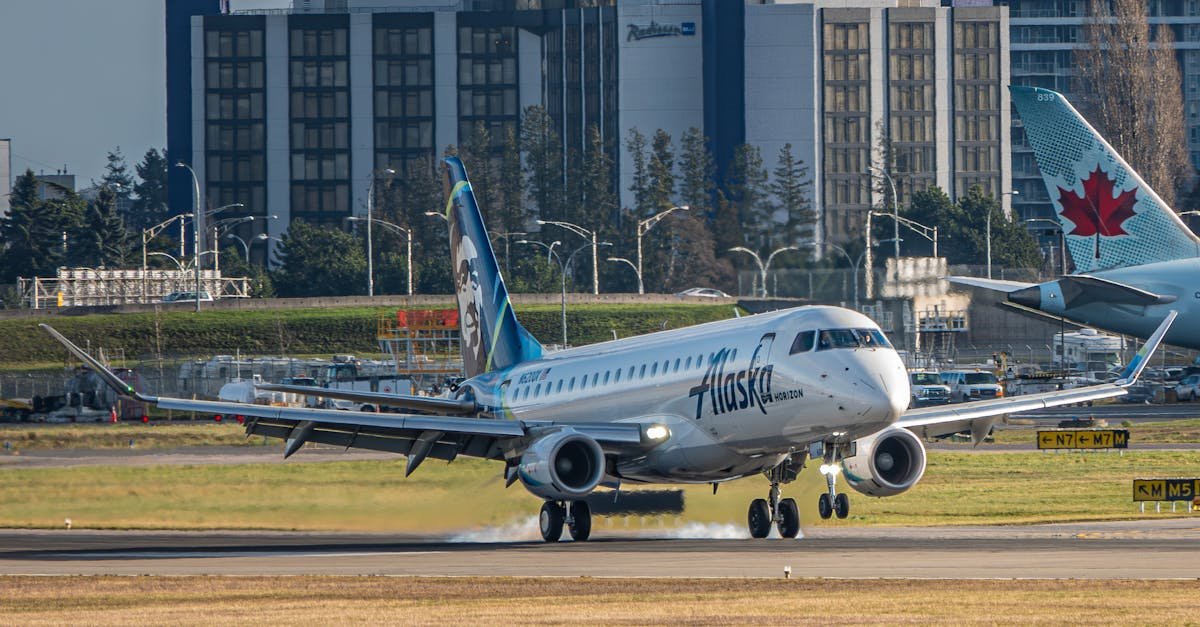
    The sequence of events began around 8:15 p.m. local time. Alaska Airlines Flight 294, a Boeing 737 arriving from Portland, Oregon, was on its final approach to one of Newark’s primary runways. Simultaneously, FedEx Flight 721, a massive Boeing 777 cargo jet arriving from the FedEx hub in Memphis, Tennessee, was cleared for landing on a runway that intersected the path of the Alaska jet.

    As the Alaska Airlines flight descended, the crew was focused on the runway ahead, unaware that the FedEx plane was closing in on a crossing trajectory. At approximately 8:17 p.m., the situation reached a critical point. The Alaska 737 was just 150 feet above the ground, seconds away from touching down, when an air traffic controller recognized the imminent danger.

    The controller issued an urgent command to the Alaska pilots to perform a go around. This maneuver requires the pilots to immediately increase engine power, retract landing gear, and climb away from the airport to reset their approach. The FedEx 777, meanwhile, continued its descent and landed safely on the intersecting runway.

    Measuring the Margin of Error

    Preliminary data analyzed by Flightradar24 paints a chilling picture of the narrow margin for error. According to their radar tracking, the Alaska Airlines jet cleared the FedEx plane by a distance estimated between 300 and 325 feet. In the world of commercial aviation, where safety buffers are usually measured in miles or thousands of feet, a gap of 300 feet is considered a hairsbreadth.

    The physical size of the aircraft involved adds to the gravity of the situation. A Boeing 777 is one of the largest twin engine jets in the world, with a wingspan of nearly 200 feet. Having a Boeing 737 fly directly over or past it at such a low altitude and high speed represents a significant breakdown in the standard separation protocols that keep the skies safe.

    Understanding the Risk of Intersecting Runways

    Newark Liberty International Airport, like many older major airports in the United States, uses a runway configuration that includes intersecting paths. While this design allows for greater flexibility in handling high volumes of traffic and adapting to changing wind conditions, it inherently introduces a higher level of complexity for air traffic controllers.

    At Newark, Runway 11/29 intersects with the primary parallel runways, 4L/22R and 4R/22L. When traffic is heavy, controllers must carefully sequence arrivals and departures to ensure that no two aircraft occupy the “box” where the runways cross at the same time. On Tuesday night, that sequencing appears to have failed, leading to the close call between Flight 294 and Flight 721.

    Industry experts note that while intersecting runways are common, they require absolute precision. A delay of just a few seconds in communication or a slight misunderstanding of a clearance can lead to a runway incursion or a near miss.

    The Human Element and Air Traffic Control Strains

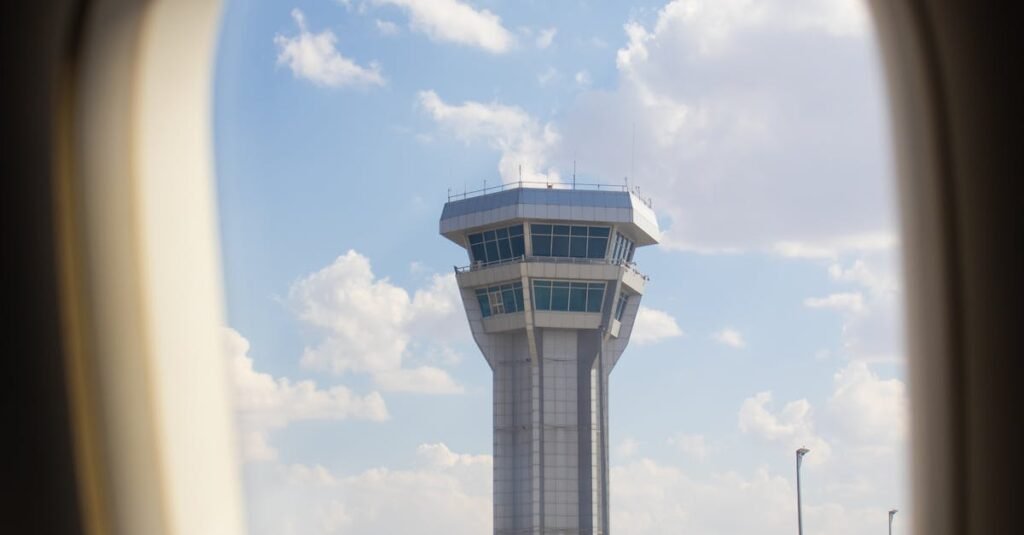
    A scenic view of an air traffic control tower through an airplane window, symbolizing travel and aviation.

    The investigation is expected to look closely at the workload and staffing levels at the Philadelphia TRACON, the facility responsible for managing the airspace around Newark. In recent years, the FAA has faced criticism over chronic staffing shortages and the aging infrastructure of the air traffic control system.

    Reports from 2025 indicated that the area handling Newark traffic was operating with significantly fewer certified controllers than the targeted goal. When controllers are overworked or facilities are understaffed, the mental fatigue can lead to errors in judgment or slower reaction times. Whether staffing played a role in this specific incident will be a primary focus for NTSB investigators.

    The “go around” command given to the Alaska flight was a successful use of a primary safety tool, but the fact that it was required at such a low altitude suggests that the conflict should have been identified much earlier in the approach sequence.

    Official Responses and Airline Statements

    In the wake of the incident, both airlines have released statements emphasizing their commitment to safety. Alaska Airlines confirmed that their crew followed standard procedures after receiving the go around instruction from the tower. The airline noted that their pilots undergo rigorous training for exactly these types of scenarios, ensuring they can react calmly and effectively when a landing must be aborted.

    FedEx also issued a brief statement, confirming that Flight 721 landed safely and that the company is cooperating fully with federal authorities. Neither airline has commented on the specific details of the separation distance, deferring all technical questions to the FAA and NTSB.

    The FAA released a statement on Thursday morning confirming the investigation. They stated that the controller instructed the Alaska flight to abort its landing because the FedEx plane had already been cleared for the intersecting runway. This suggests a potential conflict in the clearances issued to the two different flights.

    Broader Implications for Aviation Safety

    This near miss is part of a worrying trend of close calls at major U.S. airports over the last few years. High profile incidents in Austin, New York, and Boston have already prompted the FAA to hold safety summits and implement new technology designed to alert controllers of potential surface conflicts.

    While modern aircraft are equipped with sophisticated Traffic Collision Avoidance Systems (TCAS), these systems are sometimes limited during the final stages of landing when planes are very close to the ground and focused on specific runway paths. In these moments, the responsibility falls almost entirely on the shoulders of air traffic controllers and the visual awareness of the pilots.

    What Happens Next in the Investigation

    The NTSB will now begin the painstaking process of downloading data from the “black boxes” or flight data recorders of both aircraft. They will also review the digital logs from the air traffic control tower and interview the controllers and pilots involved.

    Investigators will look for “root causes.” Was there a piece of equipment that failed? Was the radio frequency congested, leading to a delayed message? Or was it a simple human error in calculating the speed and distance of the two arriving jets? The final report could take a year or more to complete, but preliminary findings and safety recommendations are often released much sooner if a systemic issue is discovered.

    A System That Worked Despite the Danger

    While the 300 foot gap is terrifying to contemplate, aviation experts often point out that the system’s redundancies actually worked in this case. The controller identified the error before a collision occurred, and the pilots responded instantly to the command.

    Every go around is a win for safety, even if the circumstances leading up to it are a cause for concern. For the passengers on Alaska Flight 294, the sudden climb and roar of the engines may have been startling, but it was the sound of a disaster being averted. As the FAA continues its probe, the focus remains on ensuring that the narrow escape at Newark leads to meaningful changes that prevent a similar situation from ever happening again.

  • C-130 Hercules Crash in El Alto: Investigation, Deaths, and All We Know So Far About the Bolivian Air Force Plane

    C-130 Hercules Crash in El Alto: Investigation, Deaths, and All We Know So Far About the Bolivian Air Force Plane

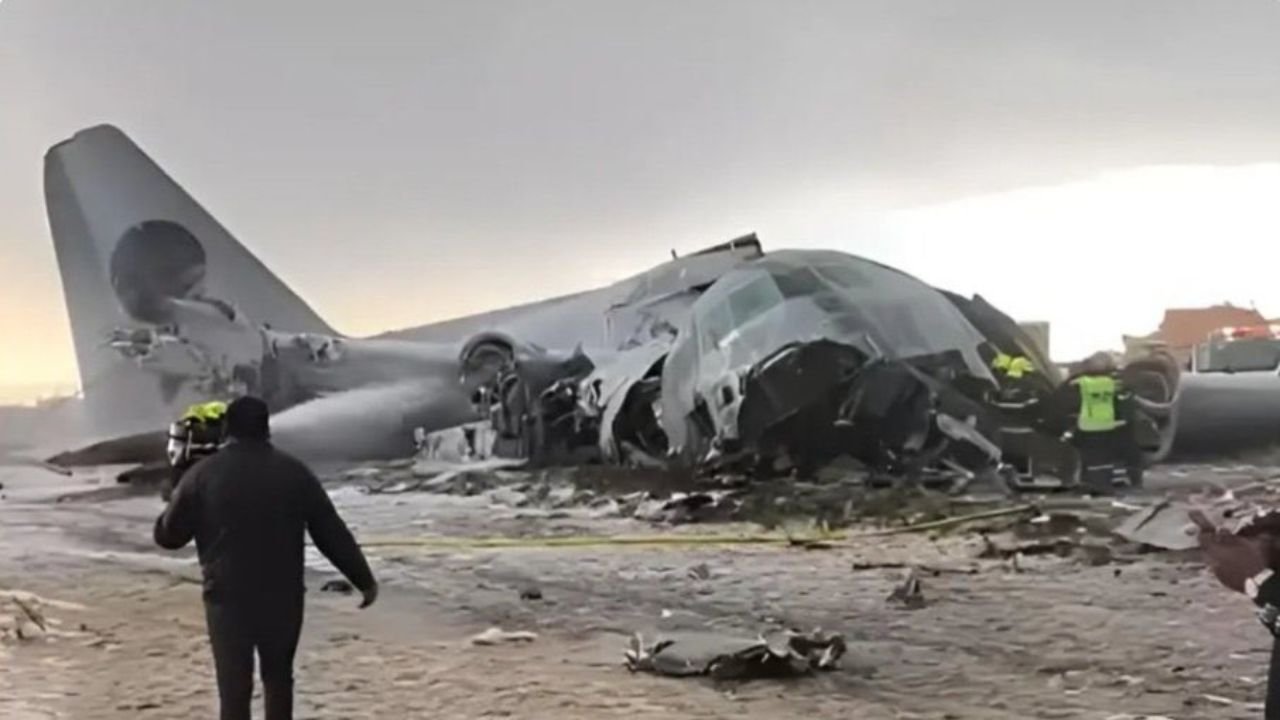
    The city of El Alto, situated on the high plateau overlooking La Paz, became the site of a horrific aviation disaster on the evening of Friday, February 27, 2026. A Lockheed C-130H Hercules transport plane belonging to the Bolivian Air Force crashed while attempting to land at El Alto International Airport. The incident resulted in a high number of casualties, significant property damage, and a surreal scene involving millions of scattered banknotes that led to a secondary crisis on the ground.

    Details of the Flight and the Crash

    The aircraft, identified by its registration FAB-81, had departed from Viru Viru International Airport in Santa Cruz de la Sierra earlier that afternoon. It was performing a routine but high-security transport mission, carrying a cargo of newly printed banknotes destined for the Central Bank of Bolivia in the capital.

    As the plane approached the runway at El Alto around 6:20 PM local time, weather conditions in the area were reported as treacherous. Eye witnesses described a severe hailstorm accompanied by frequent lightning strikes and very low visibility. During the final moments of the landing phase, the massive four-engine turboprop veered sharply off the runway.

    Instead of coming to a stop within the airport perimeter, the C-130 plowed through the boundary fence and slammed onto Costanera Avenue, a busy roadway that borders the airport. The momentum of the aircraft carried it across the street, where it crushed several civilian vehicles before finally coming to rest in an adjacent field. The impact caused a significant fire, sending plumes of black smoke into the rainy evening sky.

    Casualties and Ground Impact

    The human toll of the accident is profound. While initial reports from the La Paz Fire Department estimated 15 deaths, the figure was later revised upward as search and recovery teams combed through the wreckage of the plane and the mangled remains of cars on the road. Colonel Rene Tambo, head of the local homicide division, confirmed that at least 20 people have died in the disaster.

    The victims include individuals who were on board the military transport as well as unfortunate motorists and pedestrians who happened to be on Costanera Avenue when the plane struck. Among the injured, more than 30 people have been transported to nearby hospitals. Some of the survivors are in critical condition, suffering from severe burns and trauma.

    The physical destruction on the ground was equally staggering. Approximately 15 vehicles, including cars and delivery trucks, were hit by the aircraft. One survivor, Cristina Choque, told reporters that she and her family were inside their car when a massive tire from the plane fell directly onto them. While they survived, the incident highlights how close the plane came to causing an even larger catastrophe in the densely populated urban area.

    The Scattered Cargo of Banknotes

    One of the most chaotic aspects of the crash involved the plane’s cargo. The C-130 was carrying boxes of newly printed Bolivian currency. Upon impact, the cargo hold ruptured, and the wind from the storm scattered thousands of banknotes across the highway and the surrounding fields.

    As emergency responders arrived to help the dying and injured, they were met by a large crowd of bystanders who had rushed to the scene to collect the money. This created a major security headache for the authorities. Local media footage showed people stuffing their pockets with cash while ignoring the fires and the danger of further explosions.

    To regain control of the crash site and allow paramedics to do their work, the police had to deploy riot gear. Officers used water hoses and tear gas to push back the looters. The Ministry of Defense eventually issued a stern warning, stating that the banknotes had no legal value because they had not been officially registered or put into circulation yet.In a dramatic move to ensure the “valueless” cash did not enter the black market, officials from the Central Bank supervised the burning of recovered money boxes in a large bonfire at the site.

    The Status of the Investigation

    The Bolivian government has announced a full military and civil investigation into the cause of the crash. Several factors are currently being looked at by experts.

    Weather Conditions

    The heavy hailstorm and lightning are the primary focus of the early investigation. High-altitude airports like El Alto, which sits at over 13,000 feet, present unique challenges for pilots even in good weather. The thin air requires higher landing speeds, and a sudden storm can make a runway excursion much more likely. Investigators will look at whether the pilot suffered from a sudden loss of visibility or if the aircraft was struck by lightning.

    Mechanical Integrity

    Technical teams will examine the remains of the FAB-81 to see if there were any failures in the braking systems, the flaps, or the engines. The C-130H is a rugged aircraft, but the age and maintenance history of this specific airframe will be scrutinized to see if a mechanical fault contributed to the plane veering off the landing strip.

    Air Traffic Control Records

    Communication between the cockpit and the control tower in the minutes leading up to the crash will be analyzed. This will help determine if the crew reported any emergencies before the landing or if they were advised to divert to a different airport due to the weather.

    Current Situation at El Alto

    The El Alto International Airport was shut down immediately following the crash. All commercial flights were diverted or canceled as the runway and surrounding areas were declared a crime scene. National airline Boliviana de Aviacion (BoA) confirmed the closure and clarified that the crashed plane was a military asset, not a commercial one.

    Recovery efforts continued through the night and into Saturday morning. Large cranes have been brought in to move the heavy wreckage of the Hercules so that the avenue can eventually be cleared and reopened to traffic. For now, the area remains under heavy military guard to prevent any further attempts at looting the site.

    Conclusion and Next Steps

    This crash stands as one of the deadliest aviation incidents in recent Bolivian history. The combination of a military transport mission, a high-value cargo, and a densely populated landing zone created a perfect storm of tragedy and chaos. As the families of the victims begin the process of mourning, the nation waits for answers from the Ministry of Defense.

    The investigation is expected to take several months as the black box and flight data recorders are analyzed. In the meantime, the government is facing questions about the safety of flying heavy military cargo over the capital during peak traffic hours and severe weather cycles.

  • Arizona Police Helicopter Crash Today: Timeline, Casualties, and Ongoing Investigation

    Arizona Police Helicopter Crash Today: Timeline, Casualties, and Ongoing Investigation

    An Arizona Police Helicopter Crashed in a residential area of Flagstaff on the night of February 4, 2026. The aircraft was responding to an active-shooter call when it went down and caught fire, and nearby residents reported loud noises and shaking from the impact. 

    Who was on board? Arizona Department of Public Safety crew

    The helicopter belonged to the Arizona Department of Public Safety. Two crew members were on board: the pilot and a trooper who also served as a paramedic. Both were killed in the crash, according to official statements. Authorities have not released the victims’ names pending next of kin notifications. 

    What led up to the Arizona Police Helicopter Crash?

    Arizona Police were already on the scene for an active-shooter incident before the helicopter arrived. Witnesses described hearing multiple gunshots in the neighborhood and called 911. The helicopter was providing aerial support to officers on the ground when it went down a short time later. A suspect in the shooting was wounded and taken into custody; no ground officers were reported injured. 

    Timeline: Key moments

    • Around 8:40 p.m.: Residents reported hearing gunfire in the neighborhood north of Historic Route 66. 
    • Later that night: Law enforcement responded and the DPS helicopter was dispatched to provide tactical air support. 
    • Shortly after arrival: The Arizona Police Helicopter crashed in a residential area and ignited a fire. Emergency crews arrived on scene; the suspect was already in custody and treated for wounds. 

    Casualties and injuries

    Two members of the DPS helicopter crew died at the scene. Authorities have confirmed those fatalities but have not released the crew members’ names. The shooting suspect survived and was taken to hospital; police reported no additional injuries to officers or residents in connection with the crash. 

    The investigation : Who’s involved?

    State and federal agencies are investigating the cause of the Arizona Police Helicopter Crash. The Federal Aviation Administration (FAA) and the National Transportation Safety Board (NTSB) typically work together on incidents involving public-safety aircraft: the FAA handles regulatory and operational oversight while the NTSB conducts technical accident investigation. Both agencies have been notified and are participating in evidence collection and airframe examination. 

    What investigators will look for?

    Investigators will examine several possible factors of the Arizona Police Helicopter Crash :

    • Aircraft condition: maintenance history, recent repairs, and any mechanical failures.
    • Operational factors: flight plan, crew communications, and the helicopter’s role during the active-shooter response.
    • Environmental conditions: weather, visibility, and obstacles in the flight path.
    • Tactical circumstances: whether gunfire, debris, or other operational hazards affected the aircraft.
      This kind of investigation usually takes time; preliminary findings may appear weeks after the crash, while a complete report can take many months. 

    Response from the community and officials

    Local police urged nearby residents to shelter in place briefly after the crash while first responders secured the scene. Neighbors described fear and confusion after hearing gunfire and then an explosion. Officials have offered condolences and said they will release more details as they become available. 

    Aviation safety context

    Public-safety helicopters perform high-risk missions, including rapid aerial support during violent incidents. These flights often involve low altitudes, complex maneuvers, and dynamic environments that increase risk. When accidents happen, investigators and the aviation community study them closely to identify lessons that improve safety for crews and the public. Recent helicopter accidents in the region have already prompted renewed attention to pilot briefings and preflight notices. 

    What to expect next

    Authorities will continue to gather evidence of the Arizona Police Helicopter Crash, interview witnesses, and analyze flight data if it is available. The NTSB and FAA will issue updates when they have verified findings. Meanwhile, local agencies will likely provide victim-assistance resources and community updates. For readers, the safest action is to follow official statements from the Arizona Department of Public Safety and Flagstaff police for confirmed information. 

    Official Press Release by the Department of Public Safety Arizona

     On the evening of Wednesday, February 4, 2026, an Arizona Department of Public Safety (AZDPS) Ranger Helicopter crew responded to assist the Flagstaff Police Department and other law enforcement agencies with an active shooter incident in the Flagstaff area, providing tactical air support. Tragically, during the incident, the helicopter crashed, killing both the pilot and the trooper/paramedic on board. Their identities will not be released at this time.

    Prior to the crash, law enforcement officers were involved in a shooting with the active shooting suspect. The suspect, who suffered non-fatal gunshot wounds, has been taken into custody. No other injuries were sustained during the incident. The AZDPS Major Incident Division will be taking the lead in the investigation of the shooting. AZDPS will also be working jointly with the Federal Aviation Administration and the National Transportation Safety Board on the helicopter crash investigation. Further details will be released later.

  • Colombia’s HK-4709 Plane Crash: What Happened, Victims, Latest Updates, and Investigation Details

    Colombia’s HK-4709 Plane Crash: What Happened, Victims, Latest Updates, and Investigation Details

    On January 28, 2026, a small aircraft operated as SATENA Flight 8895 (registration HK-4709) tragically crashed in northeastern Colombia, killing all 15 people on board. The HK-4709 Plane was a routine domestic service between Cúcuta and Ocaña when it mysteriously disappeared from radar shortly before it was scheduled to land. 

    Timeline of the Tragic HK-4709 Plane Crash

    Flight 8895 took off from Camilo Daza International Airport in Cúcuta at approximately 11:42 a.m. local time, bound for Aguas Claras Airport in Ocaña, a short hop of about 20 to 25 minutes. 

    Just 12 minutes into the flight, at 11:54 a.m., the aircraft lost contact with air traffic control and vanished from radar. Authorities immediately declared the flight missing and launched a search operation. 

    After hours of searching in the remote and mountainous Catatumbo region near Colombia’s border with Venezuela, rescue teams located the wreckage in the rural area of Curasica, Playa de Belén. Sadly, all onboard had perished. 

    Details About the Aircraft and Operator

    The aircraft involved was a Beechcraft 1900D turboprop, an older model manufactured in 1994, registered as HK-4709. It was operated by SEARCA on behalf of SATENA, Colombia’s state-owned airline that connects remote regions of the country. 

    Beechcraft 1900Ds are commonly used for short regional flights and are capable of operating in rugged environments. However, they are smaller than typical commercial airliners and have a limited passenger capacity in this case, 13 passengers and 2 crew members

    Who Were on Board?

    All 15 people onboard were killed in the crash that included 13 passengers and 2 crew members. 

    Among the passengers were Diógenes Quintero, a 36-year-old Colombian congressman and human rights representative, and Carlos Salcedo, a political candidate. Their deaths prompted national mourning and tributes from public officials, including statements from President Gustavo Petro and party leaders. 

    The crew, identified as Captain Miguel Vanegas and Captain José de la Vega, were experienced pilots serving on this domestic route. 


    Search and Recovery Efforts

    Once Flight 8895 lost contact, Colombian authorities including the Aerospace Force, National Army, and Aerocivil (Civil Aviation Authority) — launched an extensive search operation. 

    The wreckage was found later in the afternoon in terrain that is mountainous, forested, and difficult to access. Local residents first alerted officials to the crash site. 

    Recovery teams worked through challenging conditions to reach the site, collect remains, and begin the painstaking task of identifying victims. Officials confirmed there were no survivors. 


    Investigation: What Do We Know So Far?

    The exact cause of the crash currently remains under investigation by a panel of experts. Colombian aviation investigators have begun gathering data from flight records, radar tracking, and witness accounts to determine what led to the sudden loss of contact. 

    Initial reports indicate the emergency locator transmitter (ELT) did not activate upon impact, complicating early search efforts — a factor that investigators are scrutinizing. 

    Weather, technical issues, terrain challenges, and human factors are all potential areas of inquiry. However, authorities have not yet released a definitive cause. 


    Reactions from Colombia and Beyond

    The crash has had a profound impact in Colombia, particularly in regions connected to the victims. Leaders across the political spectrum expressed sorrow and solidarity with the families of those lost. 

    International news outlets have also covered the tragedy, highlighting the disappearance of the flight, the harrowing search efforts, and the loss of prominent public figures. 


    Conclusion

    The HK-4709 crash remains a deeply tragic event for Colombia and the aviation community. With 15 lives lost, including public servants and local leaders, the focus now turns to uncovering the truth behind what happened and preventing future tragedies. The ongoing investigation will be key to answering critical questions about this devastating accident.