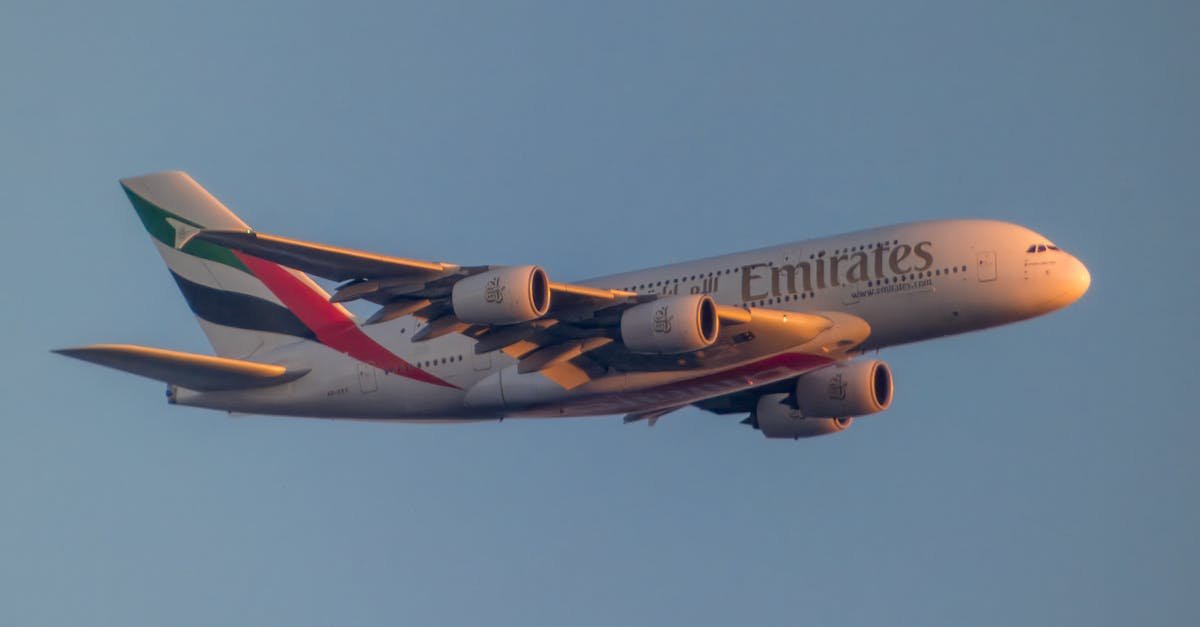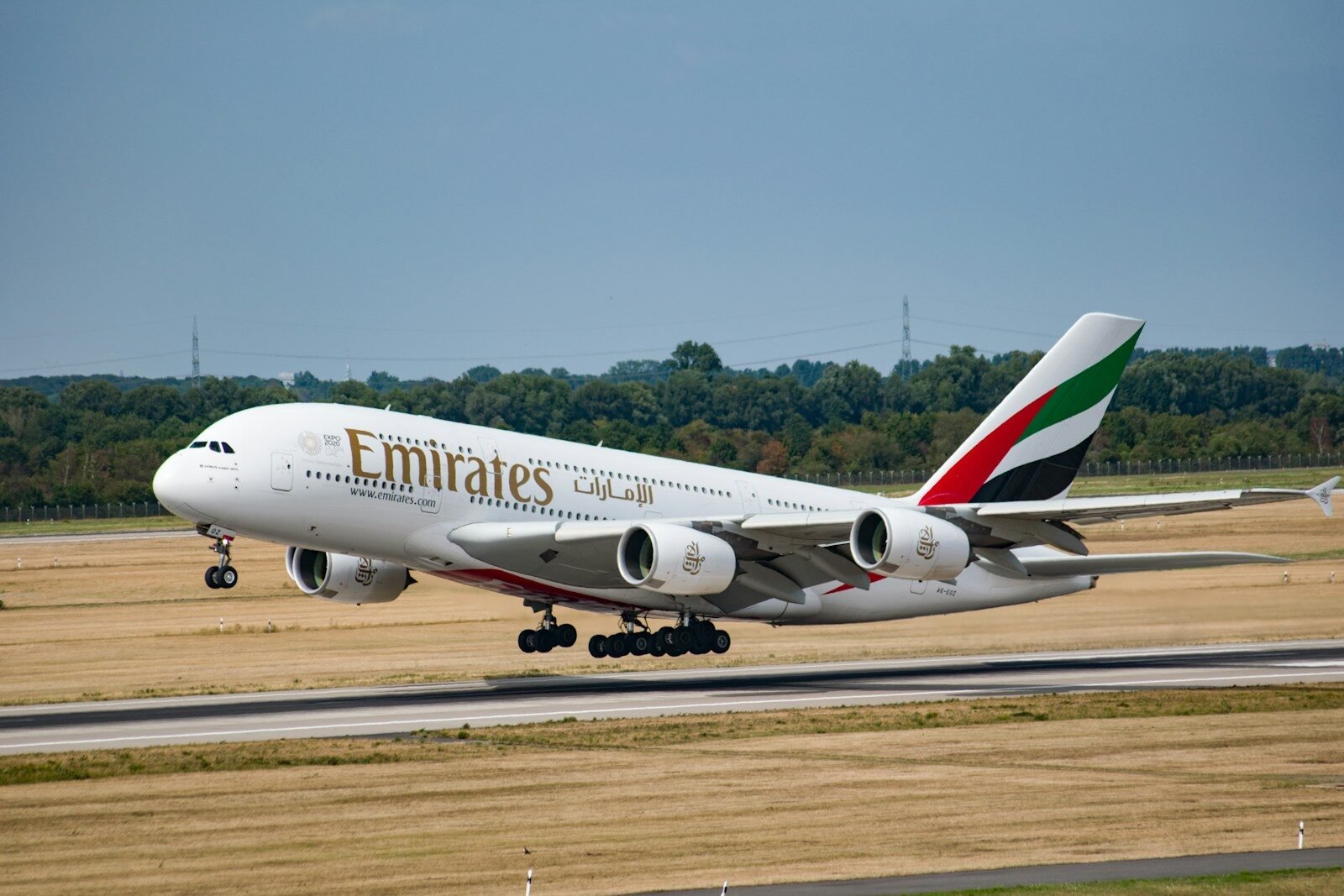
Commercial aviation watchers are turning their eyes toward Dubai as a critical milestone unfolds in the world of widebody passenger comfort. Emirates has successfully completed the first-ever cabin reconfiguration of one of its high-density, two-class Airbus A380 aircraft. This development marks a major shift in how the world’s largest passenger airliner will serve high-volume regional and international routes moving forward.
The first renovated aircraft, registered as A6-EUX, officially re-entered active service on the prominent route between Dubai International Airport and Birmingham Airport, operating flights EK39 and EK40. For frequent flyers and aviation enthusiasts, this specific airframe represents a massive engineering triumph. It is the first of 15 high-density superjumbos slated for a comprehensive cabin structural overhaul.
Instead of retiring older airframes or waiting for delayed clean-sheet aircraft deliveries from major manufacturers, Emirates chose a bold path by launching a multi-billion-dollar fleet modernization campaign. By transforming these specific high-density regional double-deckers into multi-class premium workhorses, the Gulf carrier is rewriting the playbook on how to maximize the lifespan of the iconic Airbus superjumbo.
The Massive Engineering Task Behind the Reconfiguration
To understand the scale of what took place inside the Emirates Engineering hangars in Dubai, one must look at the sheer numbers. The original configuration of these specific 15 superjumbos was designed for massive passenger volume. They carried 58 Business Class seats on the upper deck and a staggering 557 Economy Class seats spread across both the lower and upper levels, bringing the total capacity to 615 passengers.
The goal of this intensive engineering project was to fundamentally alter the cabin architecture. Technicians completely stripped the interior down to the bare metal fuselage. Over a period of two months, a specialized team of approximately 50 engineers and technicians logged around 35,000 man-hours. The crew utilized more than 2,500 distinct types of aviation components to execute the redesign.
The biggest challenge centered on the upper deck. Engineers removed 120 Economy Class seats from the rear of the top floor to install the new seating options. This was not a simple swap of seats. The structural modifications required the team to strip out, upgrade, and completely reposition heavy galley modules, crew stowage areas, overhead baggage compartments, and internal cabin partitions. Every single plumbing layout and electrical wiring loom on the upper deck had to be remapped to accommodate the new layout.
Introducing Premium Economy to the Upper Deck
As a result of this meticulous industrial effort, the superjumbo has emerged as a premium three-class aircraft with a significantly improved balance of cabin space. The newly refurbished airframe now features 76 Business Class seats, 56 Premium Economy seats, and 437 Economy Class seats.
The addition of the Premium Economy cabin to the upper deck of these high-density aircraft is a first for the carrier.Passengers stepping onto the upper deck will find the new cabin arranged in a spacious 2-3-2 layout. This stands in sharp contrast to the standard 3-4-3 layout found in the lower-deck main cabin.
The seating hardware itself represents a major upgrade over the standard long-haul flying experience. The custom-designed leather seats provide generous pitch and recline, giving travelers a mid-tier option that bridges the gap between traditional coach and premium business cabins. Passengers can look forward to six-way adjustable headrests, integrated calf and footrests, individual charging ports, and a side cocktail table built directly into the armrest console. For inflight entertainment, each passenger has access to a 13.3-inch personal high-definition screen connected to the award-winning ice platform.
Refreshed Interiors Across the Entire Aircraft
While the debut of the Premium Economy cabin is the headline story, the remaining sections of the aircraft have undergone an extensive cosmetic and structural refresh. The goal was to ensure visual consistency across the entire fleet so that a passenger stepping onto a ten-year-old aircraft enjoys the exact same aesthetic environment as someone boarding a brand-new wide-body.
In the Business Class cabin, the airline has integrated its latest generation upholstery, color palettes, and wood finishes.The design team has incorporated soft cream leather accents and polished wood paneling that mirrors the interior design language seen on the newest long-haul aircraft types entering service.
Even the main Economy Class cabin on the lower deck received significant attention. The 437 remaining seats were completely refurbished with new seat covers, upgraded cushioning, and lighter, modern materials. From nose to tail, the team replaced all carpets, side sidewall panels, and overhead ceiling tiles. The entire aircraft now features the distinctive signature aesthetic of the carrier, including subtle, integrated motifs of the Ghaf tree, which is the national tree of the United Arab Emirates.
Strategic Impact on Global Aviation Routes
The operational decisions behind where to fly these reconfigured aircraft reveal a fascinating strategy for fleet deployment. High-density aircraft were originally assigned to routes with immense seasonal demand but lower ratios of business travel. However, global passenger preferences have changed significantly, with leisure travelers increasingly willing to pay a premium for extra space and comfort.
By deploying the newly reconfigured A6-EUX to Birmingham, the airline can instantly capture premium leisure and corporate demand on an essential UK regional route. Following this initial deployment, the carrier plans to introduce these reconfigured three-class superjumbos to other key global cities. Planned destinations include regional routes like Amman and European hubs such as Prague.
As more of the 15 high-density airframes exit the engineering bays over the coming months, the airline will have much greater flexibility. The carrier will no longer have to choose between offering massive seating capacity and offering a multi-class premium product. These upgraded aircraft can seamlessly step into markets that require heavy capacity while still generating high-yield revenue from the Premium Economy and expanded Business Class cabins.
Why Airlines Are Watching Closely
The broader aviation industry is paying close attention to this project because it serves as a case study in fleet longevity. For a long time, industry analysts predicted the rapid demise of four-engine commercial airliners due to the rising efficiency of twin-engine widebodies like the Airbus A350 and the Boeing 787 Dreamliner.
However, ongoing manufacturing delays, supply chain bottlenecks, and certification holdups for new aircraft programs have forced major airlines to adapt. This multi-billion-dollar retrofit initiative proves that investing in high-quality cabin overhauls can be more economically viable than waiting for new deliveries.
The program has now successfully modernized 95 aircraft, including 42 superjumbos and 53 Boeing 777 widebodies.This represents more than one-third of the airline’s active fleet. Now that the engineering team has completed the highly complex prototyping phase on the first high-density airframe, the turnaround time for the remaining 14 two-class aircraft will drop from two months to just 30 days per aircraft. The carrier expects to complete the entire 15-aircraft sub-fleet renovation before the end of the year, providing absolute cabin product consistency for travelers worldwide.