Tag: Flight Safety

  • United Airlines Bomb Scare: Why Passengers Were Forced Down Emergency Slides Twice This Weekend

    United Airlines Bomb Scare: Why Passengers Were Forced Down Emergency Slides Twice This Weekend

    The world of commercial aviation is built on a foundation of strict protocols where even the slightest hint of a threat is handled with extreme caution. This past weekend, United Airlines found itself at the center of two separate security incidents that tested those protocols to their limits. Within a span of just forty eight hours, passengers on two different flights experienced the rare and jarring reality of an emergency evacuation. These events led to hundreds of travelers sliding down inflatable chutes onto the pavement as law enforcement teams and bomb squads raced to the scene.

    The first incident occurred on Saturday morning high above the Midwest, while the second took place on a Sunday night at one of the busiest hubs in the country. Both situations involved United Airlines aircraft and both resulted in a full scale emergency response. While the outcomes were ultimately safe, the intensity of these encounters has left many people wondering what exactly happens behind the scenes when a pilot decides to pull the emergency handles.

    A Mysterious Sound at Thirty Five Thousand Feet

    Everything started on Saturday, April 18, 2026, aboard United Airlines Flight 2092. The Boeing 737 MAX 8 was traveling from Chicago O’Hare International Airport toward New York’s LaGuardia Airport with 159 passengers and six crew members on board. For the first portion of the trip, the flight was entirely routine. However, as the aircraft cruised over Ohio, the flight crew noticed something highly unusual.

    According to audio recordings from the cockpit, the pilots reported a sequential beeping sound that seemed to be coming from a specific area near the front of the plane. The sound was steady, occurring at a rate of roughly one beep per second. In the high stakes environment of a cockpit, an unidentified electronic pulse is never ignored. The crew communicated with air traffic control, stating that they were hearing a rhythmic beeping from a suspected item and that they had to treat the situation as a potential bomb threat.

    Because the source of the noise could not be verified and was located in a sensitive part of the aircraft, the decision was made to divert immediately. The pilots set a course for Pittsburgh International Airport, which was the nearest facility equipped to handle a major security emergency. As the plane descended, the atmosphere in the cabin remained tense while the flight crew prepared the passengers for a landing that would be anything but normal.

    The Rapid Evacuation in Pittsburgh

    When United Airlines Flight 2092 touched down in Pittsburgh at approximately 11:45 a.m., it did not taxi to a gate.Instead, it was directed to a remote section of the airfield, far away from the main terminal and other aircraft. This is standard procedure for any flight involving a potential explosive, as it minimizes the risk to airport infrastructure.

    The pilots initially asked for mobile stairs to be brought to the plane to get everyone off safely. However, when it became clear that there might be a delay in getting the stairs to that remote location, the captain made a split second decision. To ensure the absolute safety of everyone on board, the order was given to evacuate using the emergency slides.

    Social media quickly filled with images of the United Airlines jet sitting alone on the tarmac with all four of its yellow slides deployed. Passengers were seen sliding down the chutes and running across the grass, directed by emergency responders. The Allegheny County Police Bomb Squad and FBI agents were already on site, using K9 units and specialized equipment to sweep the aircraft. After several hours of searching every bag and every inch of the cabin,authorities found no evidence of explosives. The mysterious beeping was eventually attributed to a non threatening electronic device, but the response showed that United Airlines takes no chances when it comes to life and limb.

    A Second Scare at Denver International

    Just as the news of the Pittsburgh diversion was beginning to settle, a second incident occurred on Sunday evening,April 19, 2026. This time, the focus shifted to Colorado. United Airlines Flight 2408 was prepared to depart from Denver International Airport for Washington Dulles International Airport. The plane was fully loaded with over 200 passengers and seven crew members.

    Unlike the Saturday incident which happened in mid air, this threat emerged while the plane was still on the ground.Reports indicate that the aircraft was taxiing toward the runway for takeoff when a security concern was raised. While the exact nature of the threat in Denver was not immediately detailed as clearly as the beeping in the first case, the reaction was just as swift.

    The aircraft was ordered to turn around on the tarmac and return to a secure holding area. For several hours, the plane sat grounded while security officials assessed the situation. Passengers reported a high level of confusion, noting that they were told not to open the overhead bins or move about the cabin. Eventually, the decision was made to evacuate this flight as well. While some passengers were able to exit via stairs later in the process, the initial panic and the heavy presence of armored police vehicles created a scene of chaos. Once again, a thorough sweep by the TSA and local police returned negative results, and the plane was cleared of any danger.

    The High Cost of Aviation Safety

    United Airlines and American Merger Update 2026: Everything We Know About the Potential Mega-Deal

    Whenever United Airlines or any other major carrier deals with a bomb scare, the financial and logistical impact is enormous. Diverting a plane, deploying emergency slides, and calling in federal bomb technicians costs hundreds of thousands of dollars. Beyond the money, the psychological toll on the passengers is significant. Using an emergency slide is not a gentle process; it is a high speed exit that can cause minor scrapes or bruises, and it is only used when the crew believes there is an immediate threat to the hull of the plane.

    The fact that two such incidents happened to United Airlines in the same weekend is statistically rare. This has led to questions about whether these were isolated coincidences or if there is a trend of heightened sensitivity in the current travel climate. Aviation experts point out that since the crew cannot know for certain if a threat is a hoax until the plane is on the ground and searched, they must act as if every threat is real.

    For the passengers on these flights, the experience was a reminder of how quickly a weekend trip can turn into a national news story. United Airlines provided food, water, and rebooking assistance to those affected, but the memory of sliding down an inflatable chute onto a cold runway is something that will likely stay with those travelers for a long time.

    Looking Ahead at Security Protocols

    The FBI continues to investigate the origins of the threats that led to these evacuations. They are looking into the possibility of a link between the two events, though currently, there is no evidence suggesting a coordinated effort. The goal of these investigations is to determine if the threats came from inside the cabin or if they were called in from an outside source.

    In the wake of these scares, United Airlines has reinforced its commitment to following the guidance of federal authorities and maintaining a zero tolerance policy for security risks. While the disruptions were massive, the primary takeaway is that the safety systems functioned exactly as they were designed to. From the moment the beeping was heard in the cockpit of Flight 2092 to the moment the Denver tarmac was cleared, the priority remained the protection of the people on board.

    The aviation industry will likely use these incidents as case studies for future training. They highlight the need for clear communication between pilots and air traffic control, as well as the importance of rapid response teams at major airports. As travelers return to the skies, they can take some comfort in knowing that despite the inconvenience and the fear, the protocols in place are robust enough to handle even the most mysterious sounds and threats.

    Reflections on a Tense Weekend

    When the dust settled on Monday morning, the two United Airlines planes involved were back in service or undergoing final inspections. The passengers had reached their destinations, albeit much later than planned. While a bomb scare is one of the most frightening things a traveler can experience, the successful evacuations in Pittsburgh and Denver prove that the industry is prepared for the worst. These events serve as a stark reminder that in the world of flight, it is always better to be safe on the ground than uncertain in the air. As investigations move forward, the focus will stay on refining these responses to ensure that the next time a mysterious sound is heard, the outcome is just as safe as it was this weekend.

  • Contract Crisis: Why the London Route Has Become a Battleground for American Airlines Crew

    Contract Crisis: Why the London Route Has Become a Battleground for American Airlines Crew

    The route between the United States and London Heathrow has long been a crown jewel for American Airlines, serving as a primary artery for transatlantic business and luxury travel. However, in recent months, this prestigious corridor has shifted from a flagship success story into a primary source of friction between the company and its frontline workers.What was once a coveted assignment for flight attendants has turned into a logistical headache that is pushing labor relations to a breaking point.

    At the heart of the issue is a complex mix of operational failures and a stagnant contract that many employees feel no longer reflects the reality of their work. While passengers might only see a few minor changes to their meal service, the people working in the aisles are dealing with a transformed environment that is significantly more taxing. This friction has led to formal grievances and a growing sense of unrest among the crew members who keep the planes moving.

    The Catering Crisis at London Heathrow

    The spark that ignited the current fire started with a sudden and mysterious breakdown in catering operations at London Heathrow. Earlier this year, American Airlines abruptly ended its relationship with a long-term catering partner at the airport. While the airline has been quiet about the specific reasons for the split, reports surfaced regarding hygiene concerns and substandard facilities.

    Without a reliable partner on the ground in London, American Airlines had to pivot quickly. The solution was a practice known as double catering. This means that a plane leaving a city like New York or Dallas carries enough food,beverages, and supplies for both the flight to London and the return flight back to the United States. While this might sound like a simple logistical fix, it has created a domino effect of problems for the staff on board.

    The Physical Strain of Double Catering

    Aircraft are marvels of engineering, but they have very limited space. Every inch of a galley is carefully planned to hold exactly what is needed for a single journey. When American Airlines requires its crews to pack two flights worth of provisions into one, the physical workspace becomes a crowded obstacle course. Flight attendants are now tasked with managing overflowing carts and finding creative ways to store heavy equipment that would normally be offloaded upon arrival.

    The workload has increased because the organization of these supplies is no longer standard. Crews must spend extra time sorting through items to ensure they do not accidentally serve food meant for the return leg. This added layer of complexity comes at a time when flight attendants are already stretched thin. The physical toll of moving heavy containers in a cramped environment for over seven hours is substantial, and many workers feel that American Airlines is asking them to perform extra labor without any additional pay.

    A Struggle for Fair Compensation

    The Association of Professional Flight Attendants, which represents the crew members at American Airlines, has been vocal about the need for a resolution. They argue that the current situation represents a material change in working conditions. In the world of airline labor, a change in duties usually requires a change in pay, but the company and the union have not yet seen eye to eye on this.

    Union leaders have filed a formal notice of dispute, claiming that the extra effort required to manage the catering mess is a violation of the spirit of their agreement. They are calling for a temporary pay override or a bonus for anyone working the London route until the catering situation is fully resolved. For many employees, this is not just about the money; it is about respect. They feel that American Airlines is prioritizing its bottom line over the well-being of the people who represent the brand to the public.

    The Impact on Passenger Service

    While the crew bears the brunt of the logistical burden, the passengers are starting to notice the cracks as well. When an American Airlines flight is double catered, the menu often becomes limited. To ensure food safety over a long period,certain items like fresh seafood or complex salads are often removed from the menu and replaced with simpler, more shelf-stable options.

    Flight attendants are the ones who have to explain these changes to frustrated passengers who have paid thousands of dollars for a premium experience. Managing customer expectations while navigating a disorganized galley adds a level of emotional labor that is hard to quantify. When a traveler cannot get their preferred meal, the flight attendant becomes the face of the failure, even though the decisions were made at a corporate level in Texas.

    Fatigue and Scheduling Challenges

    The London route is notoriously demanding because of the time zone shifts and the overnight nature of the flights.Crew members at American Airlines already battle significant fatigue when flying to Europe. The current catering crisis has exacerbated this by extending the amount of time they spend on their feet and increasing the mental load of the job.

    When a crew is exhausted, the margin for error shrinks. Safety is always the top priority in aviation, and a tired crew is a safety risk. The union has raised concerns that the added stress of the London route could lead to burnout, which would further complicate the airline’s ability to staff its flights. If the London route continues to be a battleground,American Airlines may find it increasingly difficult to convince its most experienced crew members to bid for those trips.

    The Role of Management and Leadership

    There is a growing perception among the staff that the leadership at American Airlines is out of touch with the daily realities of the cabin. The decision to cut ties with a major caterer without a seamless transition plan is seen by many as a significant oversight. While the airline has worked to find temporary solutions, such as partnering with other carriers to share catering space, the fixes have been slow to reach the frontline.

    The frustration has reached a point where some union members have expressed a lack of confidence in the current leadership. They feel that the company is more focused on competing with other major carriers than on maintaining a healthy relationship with its own workforce. For American Airlines to move past this crisis, it will need to demonstrate a willingness to listen to the concerns of its employees and take concrete steps to alleviate the pressure.

    Looking Toward a Long Term Solution

    The situation on the London route is a microcosm of a larger struggle within the airline industry. As carriers push for more efficiency and higher profits, the people responsible for delivering the service often feel left behind. At American Airlines, the London catering issue has become a symbol of a broader need for a new, modern contract that addresses the realities of flying in 2026.

    A resolution will likely require both sides to make concessions. The airline needs to stabilize its operations at Heathrow to move away from the double catering model, and the union needs to see a clear commitment to fair pay for the extra work being performed. Until then, the tension is likely to remain high, and the London route will continue to be a focal point for labor disputes.

    Navigating the Path to a Resolution

    For the passengers who rely on American Airlines to get them across the Atlantic, the hope is for a swift end to the drama. A smooth flight depends on a motivated and well-supported crew. As the dispute continues, the industry will be watching closely to see how the largest airline in the world handles this internal friction.

    The resolution of this conflict will set a precedent for how the airline handles future operational hiccups. If American Airlines can find a way to fairly compensate its workers and fix the logistical issues in London, it can restore the prestige of its flagship route. If not, the battle over the London corridor may be just the beginning of a much larger struggle for the future of the airline’s labor relations. At the end of the day, the success of the airline depends on the harmony between the people in the boardroom and the people in the sky.

  • FAA’s New SMART System: How AI is Predicting Air Traffic Before Takeoff

    FAA’s New SMART System: How AI is Predicting Air Traffic Before Takeoff

    The skies above the United States are becoming more crowded every year, making the job of managing those flight paths increasingly complex. To meet this challenge, the Federal Aviation Administration is turning to cutting-edge technology to rethink how we move planes from point A to point B. A recent report from The Air Current has shed light on a secretive project within the Federal Aviation Administration known as the SMART system. Short for Strategic Management of Airspace Routing Trajectories, this initiative is designed to move air traffic control from a reactive model to a predictive one.

    For decades, the Federal Aviation Administration has relied on the skill and quick thinking of human controllers to manage the flow of traffic. While these professionals are world-class, the current system often requires them to solve problems as they happen or just a few minutes before they become critical. The SMART system aims to change that dynamic by using artificial intelligence to look much further down the road. By analyzing massive amounts of data in real time, the Federal Aviation Administration wants to spot potential bottlenecks and flight path conflicts before a pilot even pushes back from the gate.


    The Shift from Reactive to Predictive Air Traffic Control

    Historically, the Federal Aviation Administration has operated on a timeline where controllers typically look about fifteen minutes into the future to identify potential issues. While this works for immediate safety, it does not do much to prevent the massive traffic jams that lead to hours of delays during peak travel times. The introduction of the SMART system represents a fundamental shift in philosophy for the Federal Aviation Administration.

    Instead of waiting for a conflict to appear on a radar screen, the Federal Aviation Administration will use SMART to simulate thousands of possible scenarios across the national airspace. This allows the agency to identify where too many planes are headed for the same patch of sky or which airports are about to be overwhelmed by arrivals. Secretary Sean Duffy recently noted that this new tool could give controllers a heads-up on potential issues between ninety minutes and two hours before they actually occur. This extra time allows for small, subtle adjustments to flight paths that can prevent a major backup from ever forming.


    Understanding the Strategic Management of Airspace Routing Trajectories

    The technical name for this project, Strategic Management of Airspace Routing Trajectories, tells you exactly what the Federal Aviation Administration is trying to achieve. It is about “strategic” planning rather than “tactical” reactions.Today, if a storm rolls in or a runway closes, the Federal Aviation Administration often has to hold planes on the ground or put them in circling patterns, which burns fuel and frustrates passengers.

    With SMART, the Federal Aviation Administration can model 4D trajectories, which account for latitude, longitude,altitude, and time. By looking at these four dimensions, the system can see exactly where every aircraft will be at any given moment. If the AI detects that two flight paths will get too close to each other two hours from now, it can suggest a slightly different route for one of those planes while it is still sitting on the tarmac. This proactive approach by the Federal Aviation Administration is expected to significantly reduce the “stop-and-go” nature of modern air travel.


    Key Players in the Race to Build the SMART System

    Developing a system this advanced is no small feat, and the Federal Aviation Administration is looking to the private sector to provide the underlying technology. Three major companies are currently in the running to build the SMART system for the Federal Aviation Administration: Palantir, Thales, and Airspace Intelligence. Each of these firms brings a different strength to the table.

    Palantir is well known for its work with large government agencies, specializing in “big data” and finding patterns in messy information. Thales has a long history of working with the Federal Aviation Administration on traditional air traffic control hardware and software, making them a safe and experienced choice. Airspace Intelligence is the newcomer in the group, but they have already made waves with their Flyways platform, which helps airlines optimize their routes to save fuel. The Federal Aviation Administration will have to decide which of these partners can best integrate AI into the high-stakes environment of air traffic management.


    Solving the Congestion Crisis Before Takeoff

    One of the most frustrating experiences for any traveler is sitting in a plane on the runway for an hour because of “traffic.” This happens because the Federal Aviation Administration current systems sometimes realize too late that there are more planes in the air than the destination airport can handle. By the time the issue is spotted, the only solution is to stop more planes from taking off.

    The SMART system aims to eliminate this “reactive” grounding. Because the Federal Aviation Administration will be able to see the congestion building two hours in advance, they can spread out the departures or adjust the cruising speeds of planes already in the air. This smoothing effect means that the flow of traffic remains steady. For the Federal Aviation Administration, this isn’t just about convenience; it is about safety. When the flow of traffic is predictable and steady, the workload on individual controllers is more manageable, reducing the risk of human error during busy shifts.


    Modernizing the Aging Air Traffic Infrastructure

    The push for the SMART system comes at a time when the Federal Aviation Administration is under immense pressure to modernize its entire infrastructure. Many of the systems currently in use by the Federal Aviation Administration were designed for a world with far fewer flights and much simpler technology. Secretary Duffy has been vocal about the need for the Federal Aviation Administration to move at a faster pace to keep up with the demands of the 21st century.

    The SMART system is a key part of a larger $32.5 billion modernization program led by the Federal Aviation Administration. This effort includes replacing hundreds of outdated radar systems, moving to cloud-based data storage,and hiring thousands of new air traffic controllers. By layering AI on top of these hardware upgrades, the Federal Aviation Administration hopes to create a “brand new” air traffic control system that is flexible enough to handle not just traditional airliners, but also the coming wave of drones and air taxis.


    Benefits for Airlines and the Environment

    While the Federal Aviation Administration primary focus is always safety, the SMART system offers massive benefits for the environment and airline bottom lines. When planes are forced to circle in “holding patterns” or fly longer routes because of poor planning, they burn a tremendous amount of fuel. This adds to the carbon footprint of the aviation industry and drives up ticket prices for consumers.

    By using the SMART system to find the most efficient routes, the Federal Aviation Administration can help airlines cut down on unnecessary fuel burn. Even a small one percent improvement in routing efficiency across the thousands of flights managed by the Federal Aviation Administration every day would lead to millions of gallons of saved fuel. This makes the SMART system a rare “win-win” for both the Federal Aviation Administration and the commercial aviation industry.


    Looking Ahead to Implementation and Beyond

    The timeline for this project is surprisingly aggressive. According to reports, the Federal Aviation Administration hopes to have the SMART system operational in some capacity by the end of this year. This is a much faster rollout than typical government technology projects, which can often take a decade or more to reach the field. It signals a new sense of urgency within the Federal Aviation Administration to embrace digital transformation.

    As the Federal Aviation Administration moves forward, the success of the SMART system will depend on how well the AI can work alongside human controllers. The goal is not to replace the people in the tower but to give them better tools to do their jobs. In the future, we may look back at this moment as the point when the Federal Aviation Administration officially moved the needle from managing the present to predicting the future, ensuring that the American skies remain the safest and most efficient in the world.

  • American Airlines: The Charlotte Near-Miss That Proves the LaGuardia Tragedy Wasn’t an Outlier

    American Airlines: The Charlotte Near-Miss That Proves the LaGuardia Tragedy Wasn’t an Outlier

    The sound of tires screeching against hot pavement is rarely something a passenger expects to hear before a flight even leaves the ground. For those on board an American Airlines flight at Charlotte Douglas International Airport recently,that jarring sensation became a terrifying reality. As the aircraft began its initial roll for takeoff, the pilot was forced to slam on the brakes to avoid a service truck that had suddenly darted across its path.

    This narrow escape comes at a time when the aviation world is still reeling from a devastating collision at LaGuardia Airport just a month ago. In that instance, the outcome was fatal, leaving the industry to wonder if these ground-level dangers are becoming a new norm. The incident involving American Airlines in Charlotte serves as a stark reminder that the most dangerous part of a journey might not be at thirty thousand feet, but rather the chaotic minutes spent navigating the airport tarmac.

    A High Speed Close Call in Charlotte

    The details of the event at Charlotte Douglas International Airport paint a picture of a disaster barely avoided. An American Airlines Airbus A319 was cleared for its departure to Washington D.C. when the cockpit crew noticed a white and black operations truck crossing the active taxiway directly in front of them. According to audio captured from the cockpit, the pilot expressed immediate frustration and alarm, noting that they nearly hit the vehicle and had to apply maximum braking pressure to stop the massive jet.

    The plane rocked forward as it came to a dead stop, a physical manifestation of the energy required to halt an aircraft in motion. For American Airlines, the vigilance of the crew was the only thing standing between a routine morning flight and a headline making catastrophe. While the airport later stated that the incident occurred in a gate area rather than a main runway, the proximity was enough to trigger an FAA investigation. It highlights a growing concern that ground vehicle drivers and aircraft are sharing space in ways that are increasingly unpredictable.

    The Haunting Memory of the LaGuardia Collision

    It is impossible to look at the American Airlines scare in North Carolina without reflecting on the tragedy at LaGuardia Airport just weeks prior. In that case, an Air Canada flight collided head on with a fire truck on a runway, resulting in the deaths of two pilots and dozens of injuries. That event shattered the long held belief that modern airport safety systems were virtually foolproof.

    The LaGuardia crash was a worst case scenario, but it set the stage for how the public perceives these ground incursions. When the American Airlines crew had to hit the brakes in Charlotte, they were likely acutely aware of how quickly a small vehicle can turn into a lethal obstacle. The fact that two such significant events happened within a thirty day window suggests that the safety protocols governing how trucks and planes interact on the ground are under immense strain.

    The Chaos of the Modern Airport Tarmac

    Airports have become victims of their own success. Hubs like Charlotte have seen a massive surge in traffic, meaning more planes are moving in tighter windows of time. To support these flights, a small army of ground vehicles must constantly swarm the aircraft. Fuel trucks, catering vans, baggage tugs, and maintenance vehicles are in a perpetual dance around moving jets.

    For an American Airlines pilot, the view from the cockpit is surprisingly limited. While these planes are marvels of engineering, the nose and the massive engines create significant blind spots. Pilots often rely on ground controllers to keep the path clear, but the human element remains a vulnerability. If a driver loses focus for even five seconds or misses a radio call, they can find themselves in the path of a moving American Airlines jet that weighs over one hundred thousand pounds.

    Technology Gaps on the Ground

    There is a strange irony in modern aviation technology. A jet operated by American Airlines can navigate across the ocean using satellite GPS and land itself in zero visibility conditions using automated systems. Yet, once that same plane is taxiing toward a gate, it often relies on the naked eye and basic radio communication to avoid hitting a pickup truck.

    The FAA has been working to bridge this gap with Surface Awareness Initiative technology. This system is designed to give air traffic controllers and pilots better data on where every vehicle is located on the tarmac. However, the rollout of such technology is slow and expensive. Many airports still operate with “hot spots” where visibility is poor or traffic patterns are confusing. The recent American Airlines incident suggests that until every service vehicle is equipped with tracking transponders that talk directly to the cockpit, the risk of a collision will remain uncomfortably high.

    Why Ground Safety is the New Frontier

    For decades, the focus of aviation safety was on engine reliability and mid air collisions. We have largely mastered those challenges, making commercial flight the safest way to travel. Because of this success, the focus is now shifting toward the ground. The tarmac is a high pressure environment where workers are often rushed to turn planes around quickly to maintain the American Airlines schedule.

    When speed is prioritized over space, mistakes happen. The American Airlines close call in Charlotte was a victory for pilot training and situational awareness, but it was also a failure of the broader ground safety net. It proves that the “Ghost of LaGuardia” isn’t just a memory; it is a persistent threat that exists every time a plane pushes back from the gate.

    Protecting the Future of the Runway

    The aviation industry is at a crossroads. Following the American Airlines near miss, there are louder calls for stricter licensing for ground vehicle drivers and mandatory automated braking systems for airport equipment. Some experts suggest that the ground environment needs to be as strictly regulated as the skies themselves.

    For the passengers who were sitting on that American Airlines flight in Charlotte, the event was likely a brief moment of confusion followed by relief. But for the airline and the regulators, it was a warning. If we do not address the way vehicles move around our airports, it is only a matter of time before the next “near miss” doesn’t end with a sudden stop,but with an impact.

    Staying Alert in a Busy Sky

    Safety is never a finished product in the world of flight. It is a constant process of learning from what went wrong and what almost went wrong. The American Airlines crew in Charlotte did exactly what they were trained to do, but they should never have been put in that position in the first place.

    As we look forward, the goal must be to ensure that American Airlines and other carriers can operate in an environment where the ground is as predictable as the sky. The lessons from LaGuardia and Charlotte must be turned into action.Whether it is through better lighting, advanced radar for ground vehicles, or simpler traffic patterns, the industry owes it to the traveling public to make sure that a truck crossing the road is never the reason a flight fails to reach its destination.

  • Loose Screws on Lion Air Boeing 737-800: Is It Dangerous? What Aviation Experts Say

    Loose Screws on Lion Air Boeing 737-800: Is It Dangerous? What Aviation Experts Say

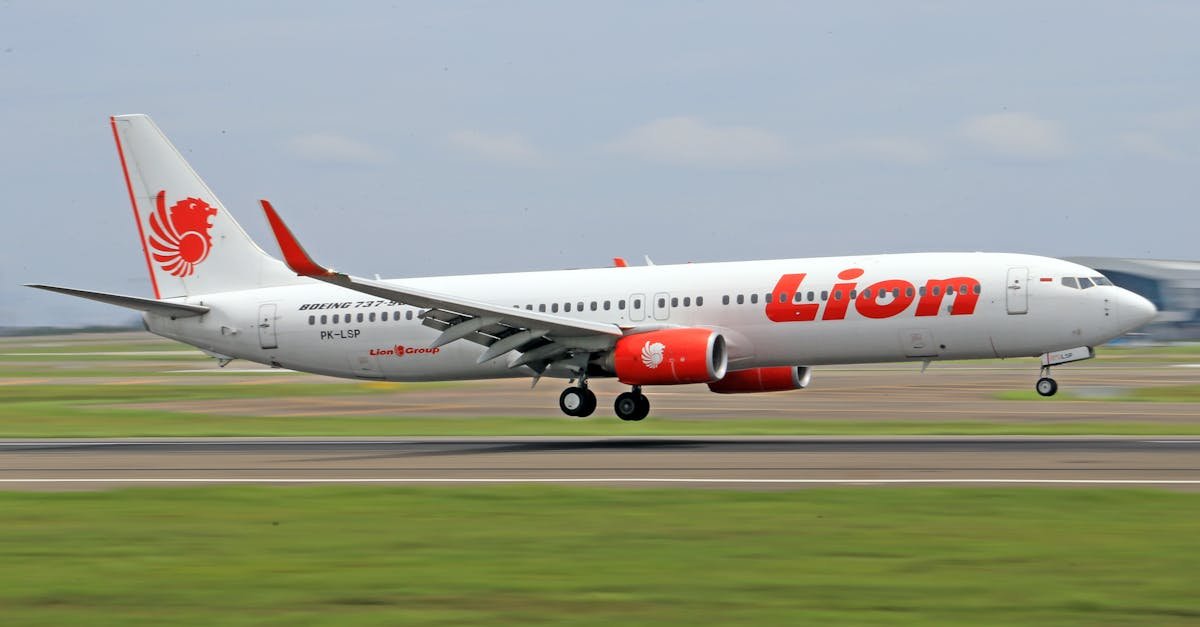
    In the world of air travel, few things trigger a passenger’s anxiety faster than seeing something out of place on an airplane wing. Recently, a video went viral showing what appeared to be loose screws or bolts on a Lion Air Boeing 737-800 during a flight from Bangkok to Chiang Mai. For the person filming, the sight of metal fasteners vibrating or protruding from the wing surface felt like a sign of an impending disaster. However, to understand if this situation is truly dangerous, one must look past the initial fear and examine the engineering reality of how modern jets are built.

    Aviation experts often point out that while any maintenance irregularity is a concern, not every loose screw represents a structural failure. To get to the bottom of the Lion Air incident, we need to explore the difference between decorative panels, aerodynamic fairings, and the actual load-bearing bones of the aircraft.

    Understanding the Role of Fasteners on the Boeing 737-800

    The Boeing 737-800 is one of the most widely used aircraft in the history of aviation. It is a workhorse for airlines like Lion Air and is designed with multiple layers of redundancy. When you look at the wing of a plane, you are not looking at a single solid piece of metal. Instead, you see a complex assembly of panels, access doors, and moving parts like flaps and slats.

    Thousands of fasteners hold these components together. On an aircraft operated by Lion Air, these fasteners fall into two main categories: structural and non-structural. Structural bolts are the heavy-duty components that keep the wing attached to the fuselage or hold the engines in place. These are rarely visible to the naked eye from a passenger window.Non-structural screws, on the other hand, are often used to secure access panels or aerodynamic “skins” that smooth out the airflow.

    When a screw appears loose on a Lion Air flight, it is almost always one of these non-structural fasteners. While they are important for efficiency and protecting internal systems, the loss of one or two usually does not compromise the ability of the aircraft to stay in the air.

    Why Do Screws Come Loose on Commercial Flights?

    It might seem impossible that a highly regulated machine could have a loose part, but the environment of flight is incredibly harsh. Aircraft owned by Lion Air fly multiple cycles a day, moving from the intense heat of the runway to the freezing temperatures of high altitudes. This constant thermal cycling causes metal to expand and contract.

    Furthermore, vibration is a constant factor. Between the roar of the engines and the buffeting of the air at 500 miles per hour, every part of the plane is under steady mechanical stress. Over time, even the most secure screw can begin to back out if the locking mechanism fails or if it was not torqued perfectly during the last maintenance check.

    In the specific case of the Lion Air video, experts noted that the screws were likely part of a fairing. A fairing is a specialized cover used to reduce drag. Even if a fairing vibrates or a screw comes loose, the underlying wing box remains solid and unaffected.

    READ MORE: Kuwait Airways Boeing 777 Tail-Strike Protection Saves Flight at Amsterdam

    The Lion Air Response and Maintenance Protocols

    After the video gained traction online, Lion Air moved quickly to address the public concern. The airline stated that the aircraft in question underwent a thorough inspection immediately after landing. According to their technical team, the plane continued to meet international safety standards and the incident did not pose a direct risk to the flight’s operation.

    Safety is the top priority for any major carrier, and Lion Air is no exception. The airline follows a strict Maintenance Steering Group (MSG-3) protocol. This involves:

    • Daily Inspections: Ground crews perform walk-around checks before every single flight to look for obvious issues like leaking fluids or loose panels.
    • A-Checks: More detailed inspections that happen every few hundred flight hours.
    • C-Checks and D-Checks: Heavy maintenance where the aircraft is essentially stripped down and rebuilt to ensure every bolt is in top condition.

    Despite these rigorous checks, small issues like a loose screw on a non-critical panel can occasionally slip through between major service intervals.

    What Aviation Experts Say About the Risk

    When asked about the danger of loose screws on a Boeing 737-800, most pilots and aeronautical engineers offer a calming perspective. They explain that aircraft are “over-engineered” by design. This means that if a panel requires ten screws to stay secure, it is likely designed to stay attached even if three or four of them are missing.

    One expert noted that while seeing a loose bolt on a Lion Air wing is “unsightly” and “unprofessional” from a maintenance standpoint, it is rarely a safety emergency. The real danger would be if a large panel detached and struck the tail of the plane or got sucked into an engine. However, the fasteners used in aviation are designed to stay captured in their holes even when loose, preventing them from becoming flying debris.

    How Passengers Should React to Visual Defects

    If you are sitting on a Lion Air flight and notice something that looks wrong, the best course of action is to stay calm and inform the cabin crew. Flight attendants are trained to relay this information to the pilots. The flight crew can then consult their Minimum Equipment List (MEL) to determine if the issue requires an immediate return to the gate or if it can be handled upon arrival at the destination.

    It is important for passengers to remember that the pilots are on the same plane. They have a vested interest in the safety of the flight and will not take off if they believe a mechanical issue puts the aircraft at risk. The visibility of a loose screw is often more frightening than the technical reality of the situation.

    Maintaining Trust in Aviation Safety

    The viral nature of social media means that a single video can quickly change the public perception of an airline. For Lion Air, incidents like these are an opportunity to reinforce their commitment to safety and transparency. While the sight of a loose screw is a reminder that maintenance must always be flawless, it also highlights the incredible resilience of modern aircraft.

    Aviation remains the safest form of long-distance travel. The systems in place on a Lion Air Boeing 737-800 are designed to handle minor wear and tear without endangering lives. By understanding the difference between a cosmetic issue and a structural one, travelers can fly with more peace of mind.

    Strengthening Oversight for the Future

    Moving forward, the aviation industry continues to adopt new technologies to prevent these minor lapses. Many airlines, including Lion Air, are looking into high-definition camera systems and AI-assisted inspections that can spot tiny defects faster than a human eye during a quick walk-around.

    Better tracking of fastener torque and the use of more advanced locking washers are also becoming standard. The goal is to reach a point where even the smallest non-structural screw stays perfectly in place for the entire life of the maintenance cycle. While no machine is perfect, the constant evolution of safety protocols ensures that Lion Air and other carriers keep improving their service.

    Final Thoughts on Aircraft Integrity

    While the headlines about loose screws on a Lion Air jet might sound alarming, the consensus among experts is clear:the aircraft is designed to handle such minor occurrences. The Boeing 737-800 is a remarkably sturdy machine, and the layers of redundancy built into its frame ensure that a few loose fasteners on an aerodynamic cover do not lead to a catastrophe. Passengers can continue to trust the rigorous engineering and the strict regulatory frameworks that keep the skies safe for everyone.

  • Mired in the Mud: American Airlines Boeing 737 Plows Into Soft Ground at Syracuse Airport

    Mired in the Mud: American Airlines Boeing 737 Plows Into Soft Ground at Syracuse Airport

    Travelers at Syracuse Hancock International Airport witnessed an unusual sight on Saturday when a massive commercial jet ended up far from its intended path. What started as a routine departure for American Airlines Flight 1235 quickly turned into a logistical headache as the aircraft slipped off the paved surface and became firmly embedded in the soft New York soil.

    The incident involved a Boeing 737-800, a workhorse of the American Airlines fleet. The plane was scheduled to transport passengers from Syracuse to Charlotte Douglas International Airport in North Carolina. Instead of soaring through the clouds, the aircraft spent its afternoon sinking into the mud, leading to a full scale ground response and a significant delay for everyone on board.

    The Mechanics of a Pushback Mishap

    To understand how a multi ton aircraft ends up off the road, one has to look at the delicate process of ground handling. Most large jets cannot reverse on their own power using jet engines because the blast could damage airport terminals or nearby equipment. Instead, they rely on a specialized vehicle known as a tug. This tug connects to the nose gear and pushes the plane backward from the gate toward the taxiway.

    During this specific pushback at Syracuse, something went wrong. Reports indicate that as the tug was maneuvering the Boeing 737-800 into position, the aircraft exited the hardened asphalt of the taxiway. Once the heavy tires of a 737 leave the reinforced concrete or asphalt designed to support their weight, they immediately encounter the soft, grassy medians of the airfield.

    In Syracuse, especially during seasons where the ground may be saturated by rain or melting snow, that soil offers almost no resistance. The sheer weight of the aircraft caused the landing gear to sink several inches into the earth, effectively anchoring the plane in place. At that point, the tug no longer had the traction or the power to pull the jet back onto the pavement without risking structural damage to the nose gear.

    Safety First for Passengers and Crew

    The immediate priority for the ground crew and the pilots was the safety of the people inside the cabin. While the event was certainly jarring for those sitting by the windows, there were no initial reports of injuries. Modern aircraft are built to withstand significant stress, and a low speed slip into the grass is generally more of an embarrassment and a logistical hurdle than a life threatening emergency.

    Flight attendants and the flight deck crew remained in constant communication with the passengers to keep them calm while airport authorities assessed the situation. Because the plane was stuck in a position where it could not simply be pulled back by the tug, the decision was made to deplane the passengers right there on the airfield.

    Deplaning on the tarmac is a complex operation. It requires mobile staircases to be brought out to the aircraft so that passengers can safely exit. From there, buses were used to shuttle the travelers back to the terminal building. While the walk down the stairs onto the windy airfield was likely not the start to the trip they expected, the process was handled in an orderly fashion to ensure no one was hurt during the transition.

    The Technical Challenge of Recovery

    Once the passengers were safely back in the terminal, the real work for the recovery teams began. Moving a Boeing 737-800 that is mired in mud is not as simple as calling a standard tow truck. The aircraft has a maximum takeoff weight that can exceed 170,000 pounds. When that much weight is concentrated on thin tires in soft dirt, the plane acts like a giant stake driven into the ground.

    Recovery teams often have to use specialized equipment such as heavy duty inflatable air bags or metal tracks. The air bags are placed under the wings or fuselage to lift the aircraft high enough so that the ground beneath the tires can be stabilized. Sometimes, crews have to dig out the mud by hand and replace it with gravel or steel plating to create a temporary road for the wheels to roll back onto the pavement.

    Every move must be calculated with extreme precision. If the recovery team pulls too hard on the landing gear while it is stuck in the mud, they could snap a high pressure hydraulic line or cause a structural failure in the gear itself. This would turn a minor ground incident into a multi million dollar repair job.

    Impact on Syracuse Hancock International Airport Operations

    Syracuse Hancock International is a busy hub for Central New York, and having a large jet blocking a taxiway or sitting near a runway can cause a ripple effect of delays. Air traffic controllers had to manage the flow of other arriving and departing flights to ensure they stayed clear of the recovery zone.

    While the airport remained open, the presence of emergency vehicles and recovery equipment meant that certain paths on the airfield were restricted. This required pilots of other aircraft to take longer routes to their gates, adding minutes to their taxi times. Fortunately, the incident occurred in a location that did not necessitate a total shutdown of the primary runways, which spared the traveling public from a total collapse of the day’s schedule.

    For American Airlines, the incident meant finding a replacement aircraft for the Charlotte leg of the trip. Airlines usually try to swap in a new plane from a nearby hub or rebook passengers on later flights. However, with a busy weekend schedule, finding nearly 160 empty seats on other flights can be a massive challenge for gate agents and customer service representatives.

    Investigating the Root Cause

    Whenever an aircraft leaves the paved surface, the Federal Aviation Administration and the airline itself launch an investigation. They want to know if the mishap was caused by mechanical failure in the tug, a lapse in communication between the ground crew and the cockpit, or perhaps a patch of ice or oil that caused the tires to lose grip.

    Investigators will look at the flight data recorders and the logs of the ground handling company. They will also interview the tug operator and the pilots. The goal is not just to assign blame but to update safety protocols to ensure that a similar slip does not happen again. Ground handling is one of the most dangerous and precise parts of aviation, and even a small mistake can lead to a very expensive result.

    Looking Ahead for Flight 1235 Travelers

    For the passengers of Flight 1235, the day will be remembered as the trip that never quite got off the ground. Most travelers understand that safety is the most important factor, but the frustration of a long delay is unavoidable. American Airlines typically provides vouchers for food and future travel in these scenarios to maintain goodwill with their customers.

    As the Boeing 737-800 is eventually pulled from the mud, it will be taken to a hangar for a thorough inspection. Mechanics will check the tires, the brakes, and the landing gear for any signs of stress or debris ingestion. Only after a rigorous series of tests will the plane be cleared to return to the skies.

    This incident serves as a reminder of the complex dance that happens on the ground at every major airport. While we focus on the marvel of flight, the simple task of moving a plane from a gate to a runway requires perfect coordination. When the ground turns soft and a wheel slips, it reminds everyone that even the most advanced machines are still at the mercy of the earth beneath them.

    Final Steps for the Stranded Boeing

    The recovery of the aircraft is only the beginning of the journey back to service. Once the jet is back on solid ground, the airport must also inspect the area where the incident occurred. The grass and soil will need to be repaired, and the pavement edge will be checked for any cracking or damage caused by the weight of the aircraft during the slide.

    The aviation industry thrives on learning from these moments. Within weeks, the findings from the Syracuse incident will likely be shared across the industry as a case study for ground crews. Whether it was a matter of timing, equipment, or environmental factors, the data gathered will help keep the next pushback on the right path.

  • Airbus A320 Pilot Passes Out Mid-Flight: How Food Poisoning Led to Cockpit Chaos

    Airbus A320 Pilot Passes Out Mid-Flight: How Food Poisoning Led to Cockpit Chaos

    The safety of modern aviation relies on a complex web of technology and human performance. While we often focus on engine reliability or weather conditions, one of the most unpredictable variables in the cockpit is the health of the crew. A recent safety report involving a SWISS International Air Lines flight has brought this reality into sharp focus. On a routine flight to Nice, France, the captain of an Airbus A320 became incapacitated due to a sudden and severe bout of food poisoning. This was not just a medical emergency; it became a flight control challenge when the captain’s physical collapse caused unintended inputs to the aircraft’s sensitive controls.

    The Routine Flight That Turned Critical

    The flight began like any other short haul journey from Zurich. The Airbus A320 is the workhorse of the European skies, known for its fly by wire technology and high levels of automation. For the passengers on board, the descent into Nice is usually one of the most scenic approaches in the world. However, as the aircraft began its final transition toward the runway, the atmosphere in the cockpit shifted from professional calm to high stakes crisis management.

    The captain began feeling unwell shortly before the descent. What started as mild discomfort rapidly escalated into a full blown physiological failure. Food poisoning can strike with little warning, and in this instance, it led to a complete loss of consciousness. As the captain slumped forward, his body weight pressed against the side stick, which is the primary control interface for the Airbus A320.

    Understanding the Airbus A320 Side Stick System

    To understand why this caused cockpit chaos, one must understand how the Airbus A320 differs from traditional Boeing aircraft. In older planes, the two control columns are physically linked. If one moves, the other moves. In an Airbus, the side sticks are independent. Under normal conditions, the computer averages the inputs from both sticks if both pilots move them at once.

    When the captain passed out, his hand remained on the stick. His unconscious movements sent erratic signals to the flight computers. The aircraft responded to these “ghost” inputs, causing the plane to bank ten degrees in one direction and then eight degrees in another. For the first officer, this created a terrifying scenario where the plane seemed to be fighting against his own manual inputs to stay level and on course.

    The First Officer Takes Command

    In any dual pilot cockpit, the transition of power is governed by strict protocols. When the captain became unresponsive, the first officer had to initiate incapacitated pilot procedures immediately. This involves more than just flying the plane. The first officer had to physically move the captain’s body away from the controls while simultaneously pressing the take over button on his own side stick.

    This red button is a critical safety feature. When held down, it deactivates the other side stick entirely. In this specific incident, the first officer had to maintain constant pressure on this button to ensure the captain’s slumped weight did not continue to bank the plane toward the ground. Operating an Airbus A320 with one hand while managing a medical emergency with the other is a feat of coordination that pilots practice in simulators but rarely hope to experience in real life.

    The Hidden Danger of the Shared Meal

    Aviation has a long standing tradition, and often a formal rule, that the pilot and the co-pilot must not eat the same meal before or during a flight. This is specifically designed to prevent a situation where both pilots are struck by food poisoning at the same time. While this rule was followed, it highlights the vulnerability of the crew to common illnesses.

    In this case, the captain had consumed a meal prior to the flight that contained toxins or bacteria that took hours to manifest. The timing could not have been worse. The approach to Nice is a high workload phase of flight. It requires constant communication with air traffic control and precise adjustments to speed and altitude. Having the senior pilot lose consciousness at this moment forced the first officer into a solo operation during the most dangerous part of the trip.

    Sensory Overload and Secondary Risks

    When a pilot passes out and hits the controls, it creates a cascade of secondary alarms. The Airbus A320 flight deck is designed to alert the crew to any deviation from the flight path. As the plane banked unexpectedly, various “cavalry charge” audio warnings and visual master cautions would have filled the small space.

    For the first officer, the challenge was filtering out the noise to focus on the primary task: fly the airplane. He also had to communicate with the cabin crew. A flight attendant was called to the cockpit to help pull the captain back into his seat and secure him with the five point harness so that he would not fall onto the controls again. This teamwork is what prevented a serious accident from becoming a catastrophe.

    Fly By Wire as a Double Edged Sword

    The technology of the Airbus A320 played a fascinating role in this event. Because the plane is governed by flight envelope protection, it prevented the pilot’s unconscious weight from putting the plane into an irrecoverable dive or a stall. The computers are programmed to ignore inputs that would lead to structural failure.

    However, the “priority logic” of the sticks meant the first officer had to be proactive. If he had not pressed the priority button, the computer would have added his “up” input to the captain’s “down” input, resulting in a neutral or unpredictable flight path. This incident serves as a case study for why pilots must be masters of their aircraft’s logic systems.

    The Recovery and the Aftermath

    Miraculously, as the aircraft reached the very final stages of the landing, the captain began to regain a small degree of consciousness. The sudden rush of oxygen or the change in cabin pressure during the descent may have helped. By the time the wheels touched the runway in Nice, the captain was awake, though severely weakened and disoriented.

    The plane landed safely, and medical teams were waiting on the tarmac to transport the captain to a local hospital. While the passengers were largely unaware of the life and death struggle happening just behind the cockpit door, the aviation world took immediate notice. This was a rare example of a “dual input” event caused by medical distress rather than mechanical failure.

    Lessons Learned for Future Flight Safety

    The investigation into this SWISS flight led to several recommendations for airlines worldwide. One major takeaway was the importance of physical fitness and the monitoring of pre flight nutrition. It also reinforced the need for “incapacitation training” in simulators. Most pilots spend their training time practicing for engine fires or hydraulic leaks, but many now spend more time practicing how to physically wrestle a slumped colleague off the controls.

    The Airbus A320 remains one of the safest aircraft in history, but this event reminds us that the human element is the most fragile part of the system. Even with the best computers in the world, the quick thinking of a junior officer and the design of a single red button were the only things standing between a safe landing and a tragic headline.

    Beyond the Cockpit Door

    This incident also sparked a conversation about the pressure pilots feel to fly even when they might be feeling slightly unwell. In a high pressure industry with tight schedules, admitting to a stomach ache might feel like a nuisance. However, as this flight proved, a minor digestive issue on the ground can become a total system failure at thirty thousand feet.

    Moving forward, airlines are looking at more advanced biometric sensors that could be integrated into the pilot’s headset or seat. These sensors could detect a drop in heart rate or a change in skin temperature and alert the other pilot before a total loss of consciousness occurs. Until then, the safety of the skies relies on the vigilance of the crew and the robust design of the flight deck.

  • EasyJet Passenger Arrested for Allegedly Sexually Assaulting Child on Paris-Belfast Flight

    EasyJet Passenger Arrested for Allegedly Sexually Assaulting Child on Paris-Belfast Flight

    The arrival of EasyJet flight EZY3954 from Paris Charles de Gaulle to Belfast International Airport is usually a routine hop across the channel. However, a recent journey was marred by a series of events that left passengers in a state of shock and disbelief. As the aircraft touched down on the runway in Northern Ireland, it was met not just by the usual ground crew, but by a fleet of police vehicles. The reason for this high-profile reception was a report of a deeply distressing nature involving an intoxicated male passenger and a young child.

    An Unfolding Crisis Mid-Air

    The flight started like any other short-haul journey. Families were returning home and tourists were looking forward to exploring Belfast. Yet, as the plane reached its cruising altitude, the atmosphere began to shift. According to witnesses on board, a man who appeared to be heavily under the influence of alcohol began to display erratic and concerning behavior. While “disruptive passengers” are an unfortunate reality for many airlines, the nature of this particular incident quickly escalated beyond simple loud talking or non-compliance.

    Staff members on the EasyJet flight were alerted to a situation in the cabin where the man was allegedly making inappropriate and unwanted contact with a minor. In the confined space of an airplane, there is nowhere to run and nowhere to hide. This creates an environment of intense vulnerability for victims. The cabin crew, trained to handle a variety of emergencies, had to step in while simultaneously maintaining the safety of the entire flight. The challenge of managing a potentially violent and intoxicated individual at thirty thousand feet is immense, especially when criminal allegations of this severity are involved.

    The Role of Alcohol in Aviation Safety

    This incident has once again ignited a fierce debate regarding the sale and consumption of alcohol within the aviation industry. Many travelers enjoy a drink at the airport lounge or during their flight as a way to relax. However, when that consumption leads to the alleged sexual assault of a child, the conversation shifts from personal freedom to public safety.

    The EasyJet crew has a responsibility to monitor the “intoxication levels” of those on board, but much of the damage is often done before a passenger even steps onto the jet bridge. Airports are filled with bars and duty-free shops where high-strength spirits are readily available. By the time a passenger is seated, they may already be well past the point of rational behavior. In this case, the suspect’s state of mind reportedly made the situation significantly harder for staff to de-escalate, leading to a tense environment for every traveler in the surrounding rows.

    Police Intervention at Belfast International

    As the aircraft descended toward Belfast, the pilot coordinated with air traffic control to ensure that the Police Service of Northern Ireland (PSNI) was ready and waiting. There was no ambiguity in the response. As soon as the doors opened, officers boarded the EasyJet plane to remove the suspect.

    The arrest was witnessed by many of the passengers, some of whom described the scene as “quietly intense.” The priority for the authorities was to secure the suspect while ensuring the victim and their family were shielded from further trauma. In the aftermath of such an event, the legal process begins immediately. Statements are taken from the crew, forensic evidence is gathered where possible, and the victim is provided with specialist support services.

    Legal Jurisdictions and In-Flight Crimes

    One of the most complex aspects of crimes committed on international flights is determining which country has the right to prosecute. Because the flight originated in France and landed in the United Kingdom, both jurisdictions could technically have an interest. However, under international aviation law, the country where the aircraft lands usually takes the lead in the immediate criminal investigation.

    The suspect now faces serious charges that carry heavy prison sentences. Because the victim is a child, the legal system provides additional layers of anonymity and protection, but the gravity of the “alleged sexual assault” means this case will likely be handled by high-level detectives within the PSNI’s Public Protection Branch. They are tasked with pieceing together exactly what happened during those hours in the sky.

    The Impact on Fellow Passengers

    We often focus on the suspect and the victim, but an incident like this leaves a lasting mark on everyone on the plane. For the other passengers on this EasyJet flight, what was supposed to be a simple commute became a front-row seat to a criminal investigation. Many parents traveling with their own children expressed a sense of heightened anxiety.

    The “trauma of witnessing” such an event cannot be understated. Airlines often have to provide follow-up support or information to passengers who were seated in the immediate vicinity. The psychological weight of knowing that a child was potentially harmed just inches away is something that many will carry with them for a long time. It highlights the need for more rigorous “passenger vetting” and perhaps more stringent rules on who is allowed to board a plane if they show signs of heavy intoxication.

    Airline Responsibility and Training

    For its part, EasyJet has maintained a firm stance on passenger conduct. The airline industry generally operates on a zero-tolerance policy regarding physical or sexual abuse. Crew members undergo specific training to identify “vulnerable passengers” and to spot the signs of grooming or assault.

    In this specific instance, the crew’s ability to remain professional while dealing with an intoxicated and allegedly dangerous individual was crucial. However, critics argue that airlines and airports need to do more to prevent these individuals from flying in the first place. The “pre-boarding process” is the first line of defense. If a passenger is too drunk to stand straight or is behaving inappropriately in the departure lounge, they should never be allowed to set foot on the aircraft.

    Support for the Victim and Family

    The most important part of this story is the well-being of the young child involved. Navigating the aftermath of an assault is an incredibly difficult journey, and doing so after it happened in such a public and confined space adds another layer of difficulty. Support organizations in Northern Ireland are often brought in to provide “child-centered” counseling and legal advocacy.

    The family of the victim will also require significant support. They trusted the “travel environment” to be safe. When that trust is shattered by the actions of a stranger, the recovery process involves both emotional healing and a long legal battle to ensure justice is served.

    Moving Forward with Heightened Vigilance

    While the legal proceedings against the arrested man continue, the aviation industry must look inward. This is not just a one-off story about a “bad passenger.” It is a reminder of the unique vulnerabilities present in air travel. The combination of high-altitude stress, alcohol availability, and close quarters can be a dangerous mix if not managed correctly.

    Travelers are now calling for better communication between airport security and airline gate staff. There is a growing movement to implement a “national database” for disruptive passengers to ensure that those who pose a risk to others are barred from flying across all carriers, not just one.

    A Community Seeking Justice

    The people of Belfast and the wider traveling public are watching this case closely. It serves as a grim reminder that safety is not just about the mechanics of the plane or the skill of the pilot. It is about the “social contract” between passengers to treat one another with respect and to protect those who cannot protect themselves.

    As the investigation by the PSNI moves into the next phase, the focus remains on the evidence gathered from the cabin of that EasyJet flight. Justice in these cases is often slow, but it is necessary to send a clear message that the sky is not a lawless space. Every passenger, regardless of age, deserves to reach their destination without fear of harm.

  • Why Were JetBlue Flights Grounded Nationwide in March 2026?

    Why Were JetBlue Flights Grounded Nationwide in March 2026?

    Early Tuesday morning on March 10, 2026, travelers across the United States woke up to a sudden and puzzling disruption. The Federal Aviation Administration issued a nationwide ground stop for all JetBlue flights at the request of the airline. While the pause was relatively brief, it sent ripples through the aviation industry and left thousands of passengers wondering what went wrong. To understand why such a drastic measure was taken, it is necessary to look at the mechanics of airline operations and the specific events that unfolded during those early morning hours.

    The Timeline of the March 10 Grounding

    The event began in the predawn hours when most of the country was still asleep. At approximately 5:30 AM EST, the FAA posted an official advisory noting that all JetBlue departures were being halted. Unlike many ground stops that are weather related or initiated by air traffic control, this specific order came because JetBlue itself asked for it.

    The ground stop lasted roughly 40 minutes, with the FAA lifting the restriction around 6:10 AM EST. While 40 minutes might seem like a small window of time, in the world of commercial aviation, even a short pause can be incredibly expensive and logistically difficult. Flights already in the air were allowed to continue to their destinations and land safely, but any aircraft sitting at a gate or on a taxiway was forced to wait until the “all clear” was given.

    The Core Cause A Brief System Outage

    Following the resumption of flights, JetBlue issued a statement clarifying the situation. The airline attributed the grounding to a brief internal system outage. In the modern era, airlines are essentially massive technology companies that happen to fly planes. Every aspect of a flight is managed through interconnected software systems.

    When a “system outage” occurs, it usually involves one of the following critical pillars:

    • Weight and Balance Systems: Pilots need precise calculations on fuel, baggage, and passenger weight to determine takeoff speeds and flap settings. If the software that calculates this data goes down, a plane cannot legally or safely take off.
    • Flight Dispatch Communication: Dispatchers on the ground must be able to send flight plans and weather updates to the cockpit. A break in this digital link effectively freezes the fleet.
    • Passenger Manifests: For security and operational reasons, the airline must have an accurate, real-time list of every person on board. If the check-in or boarding software fails, the airline loses its ability to track who is on which plane.

    While JetBlue did not specify which exact program failed, the fact that they requested a nationwide stop suggests the issue was at a central server level rather than a localized problem at a single airport like JFK or Boston Logan.

    Why Airlines Request Their Own Grounding

    It is quite rare for an airline to ask the FAA to ground its entire fleet. Usually, the FAA takes the lead during hardware failures in air traffic control towers or severe weather events. However, when an airline makes this request, it is an act of proactive safety management.

    By freezing all departures, JetBlue prevented a situation where dozens of planes might be stuck on taxiways with no way to receive their necessary flight data. It is much easier to manage a delay at the gate than it is to manage a line of twenty planes burning fuel on a runway while technicians in a data center try to reboot a server. This move allowed JetBlue to “pause” the clock, fix the technical glitch, and then resume in a controlled manner.

    The Impact on Passengers and Operations

    Even though the grounding was lifted before many people had even finished their first cup of coffee, the effects were felt throughout the day. Aviation operates on a “hub and spoke” model where planes and crews are scheduled to fly multiple legs in a single day. A 40-minute delay for a 6:00 AM flight out of New York might result in a two-hour delay for a 4:00 PM flight out of Los Angeles because the aircraft or the pilots arrived late from their previous journey.

    On the morning of the outage, flight tracking services reported roughly 150 delays across the JetBlue network.Fortunately, because the outage happened so early and was resolved quickly, the airline avoided the kind of multi-day “meltdown” that has plagued other carriers in recent years. Most passengers saw delays of under an hour, though those with tight connections in major hubs faced a more stressful experience.

    Technical Resilience in Modern Aviation

    The March 2026 JetBlue incident highlights a growing concern in the travel industry: the fragility of digital infrastructure. As airlines move toward more automated and paperless cockpits, their reliance on 100% uptime for their internal networks becomes absolute.

    In years past, a computer failure might have been managed with manual paperwork and radio communication. Today,the complexity of modern flight planning makes manual work nearly impossible for a fleet of hundreds of aircraft. This event serves as a reminder that while technology makes flying more efficient and often safer, it also creates a single point of failure that can halt an entire nation’s travel in an instant.

    Comparing This Event to Past Outages

    JetBlue is not the first airline to face this challenge. In late 2024 and throughout 2025, other major carriers like United and American Airlines experienced similar “connectivity malfunctions” that required nationwide pauses. These incidents often stem from “vendor technology issues” where a third-party software provider pushes an update that contains a bug, or an internal server experiences a hardware failure.

    The aviation industry is currently under pressure to modernize these legacy systems. Many airlines still use code bases that are decades old, layered with newer web-based interfaces. When these layers don’t communicate perfectly, a system outage is the result.

    How Travelers Can Prepare for Future Disruptions

    While you cannot predict when an airline might have a technical hiccup, there are ways to mitigate the frustration.

    1. Monitor the FAA Command Center: The FAA maintains a public website that lists active ground stops in real-time. If you see your airline listed there, you know the delay is systemic rather than just a problem with your specific plane.
    2. Use the Airline App: During a ground stop, airport gate agents are often overwhelmed. The JetBlue app usually receives updates on flight status and rebooking options faster than the physical monitors at the airport.
    3. Know Your Rights: Because this was an internal “system outage” and not a weather event, it is considered a “controllable” delay. This means the airline is generally responsible for rebooking you and, in the case of long delays, providing meal vouchers or other assistance.

    Navigating the Aftermath of a Flight Pause

    If your flight was one of those caught in the March 10 shuffle, the best course of action is to stay patient but proactive.Once the FAA lifts a ground stop, the “ramp up” period begins. This involves re-sequencing departures and ensuring that crews have not timed out of their legal working hours.

    The airline’s priority is always to get the network back on schedule as quickly as possible. For most travelers, this means a slightly later arrival. For the airline, it means a day spent playing a massive game of logistical chess to ensure that every plane ends up where it needs to be for the following morning’s schedule.

  • New United Airlines Rule: Use Headphones or Risk a Lifetime Travel Ban

    New United Airlines Rule: Use Headphones or Risk a Lifetime Travel Ban

    Air travel has changed quite a bit over the last few years. While flying used to be a quiet time to read or sleep, the rise of smartphones and tablets has turned many cabins into a chorus of TikTok videos, loud mobile games, and Netflix shows. Up until now, flight attendants usually relied on the kindness of passengers to keep the volume down. However, United Airlines has decided that polite requests are no longer enough.

    As of late February 2026, United Airlines officially updated its legal agreement with passengers to include a strict new rule. If you are caught playing audio out loud through your device speakers and refuse to put on headphones, you could be kicked off the plane. In some cases, the airline is even threatening to ban people for life.

    The Legal Change in the Fine Print

    Most people do not read the long document known as the Contract of Carriage when they buy a flight ticket. This is the legal bond between you and the airline that says what you can and cannot do on a plane. On February 27, 2026, United Airlines added a very specific line to this contract under Rule 21, which covers the Refusal of Transport.

    The new rule, listed as item number 22, clearly states that the airline has the right to remove any passenger who fails to use headphones while listening to audio or video content. By putting this in the official contract, United has moved headphone use from a matter of “being nice” to a matter of “following the rules.” It gives the flight crew much more power to handle travelers who ignore requests to be quiet.

    Why United Airlines is Taking Such a Hard Stand

    You might wonder why an airline would go to such extremes over a little bit of noise. The answer lies in the massive technology upgrade United is currently rolling out. The airline is in the middle of installing Starlink high speed internet on its entire fleet of planes.

    Unlike older satellite internet that was slow and expensive, Starlink allows everyone on the plane to stream high quality video at the same time for free. While this is great news for entertainment, the airline realized it could lead to a nightmare of noise. If hundreds of people are suddenly streaming movies or hopping on video calls without headphones, the cabin would become unbearable for anyone trying to rest.

    United is trying to get ahead of the problem. They want to make sure that the better internet access does not lead to a drop in passenger comfort. By making headphones mandatory now, they are setting a standard for the future of high speed flying.

    The Possible Consequences for Loud Passengers

    A gavel striking a sound block, symbolizing justice and legal authority in a courtroom setting.

    The penalties for breaking this new rule are surprisingly stiff. If a passenger is caught playing audio out loud, a flight attendant will first ask them to use headphones or mute the device. If the passenger refuses, things can escalate quickly.

    Under the new policy, the airline can deny you boarding at the gate if they see you using speakers. If you are already on the plane, they can remove you before takeoff. For the most stubborn offenders or those who become aggressive when asked to plug in, United has stated they may refuse transport on a permanent basis. This means a single flight where you refuse to wear earbuds could result in a lifetime ban from the entire airline.

    Beyond just being banned, the updated contract mentions that passengers who cause delays or financial loss to the airline because of their behavior might be held responsible for those costs. A flight diversion is an expensive event, and United is making it clear they are willing to play hardball.

    What Happens if You Forget Your Earbuds

    United Airlines knows that people sometimes leave their gear at home or lose a pair of earbuds in the seat cushions. To keep the peace and help people follow the new rules, the airline has promised to help out.

    If you find yourself without headphones, you can ask a member of the flight crew for a complimentary pair. These are usually basic wired earbuds, but they are enough to keep you in compliance with the rules. However, these are subject to availability. If the plane runs out of free earbuds and you still refuse to mute your device, you are still at risk of being penalized. It is always a good idea to double check your bag for your own pair before you head to the airport.

    A Growing Trend in Airline Etiquette

    United is currently the only major carrier in the United States to put this rule in such a legally binding way, but they are not the only ones thinking about it. For years, travelers have complained about the “speakerphone culture” on planes.Videos of pilots giving speeches about using AirPods or headphones have gone viral, often receiving cheers from the rest of the passengers.

    Other airlines like Delta and Southwest currently encourage headphone use, but they do not have the same “ban for life” language in their contracts yet. Now that United has taken the first step, many industry experts believe other airlines will follow suit. As in flight Wi-Fi gets faster across the board, the need for quiet zones will only grow.

    Maintaining Order in the Skies

    This rule is not just about noise; it is also about safety. When a passenger refuses to follow a crew member’s instructions, it can lead to a confrontation. Flight attendants are there primarily to ensure the safety of the cabin, and having to argue with someone over a YouTube video takes their attention away from more important tasks.

    By making the headphone rule part of the safety section of the contract, United is categorizing loud audio as a potential disruption. This puts it in the same league as other prohibited behaviors like smoking or being disorderly. It sends a message that the airline is prioritizing the collective comfort of the group over the individual desire to use a speaker.

    Looking Forward to a Quieter Cabin

    United Airlines Aircraft on the runway at Newark Airport with city skyline in the background.

    For the majority of flyers who already use headphones, this change is a welcome relief. The days of having to listen to a stranger’s video game or a nearby toddler’s loud cartoon may finally be coming to an end on United flights.

    The success of this policy will depend on how consistently it is enforced. If flight attendants feel supported by the new contract language, they will be more likely to step in and stop noise issues before they bother the whole row. For travelers, the takeaway is simple: if you want to fly with United, make sure your headphones are the first thing you pack.