The safety of modern air travel depends on a rigorous system of checks and balances where federal regulators serve as the ultimate line of defense. However, a startling new federal audit has revealed that the shield protecting millions of passengers may be thinning. United Airlines, one of the largest carriers in the world, is currently at the center of a controversy involving the Federal Aviation Administration and its ability to provide adequate maintenance oversight.
The Department of Transportation Office of Inspector General recently released a report detailing significant systemic failures within the FAA office responsible for United Airlines. The findings suggest that a combination of severe staffing shortages and a controversial reliance on virtual inspections has created a safety oversight gap that could have long term implications for the aviation industry.
The Surge of Maintenance Concerns at United Airlines
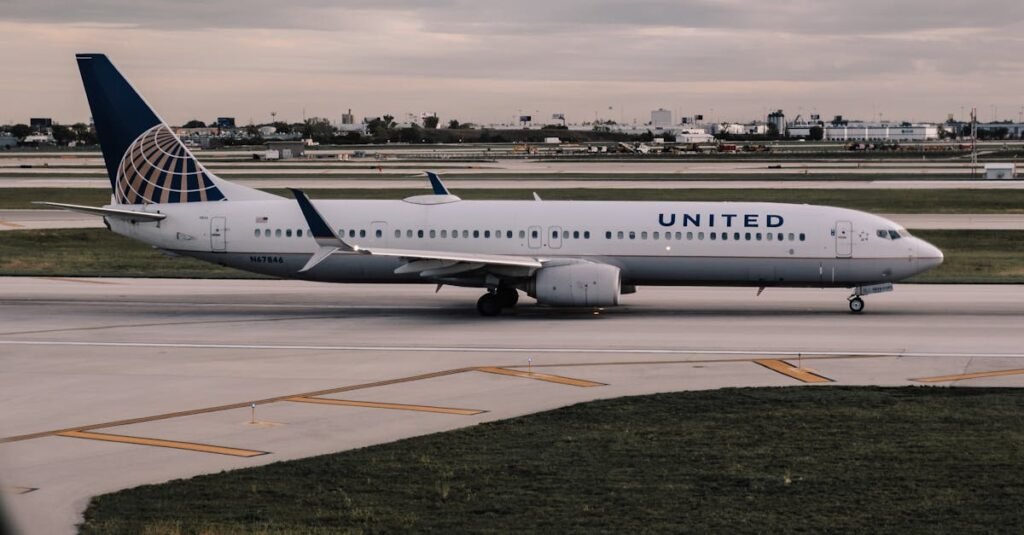
This federal probe did not emerge in a vacuum. It follows a string of high profile maintenance incidents that occurred throughout 2024 and 2025. Passengers and industry analysts alike were rattled by a series of events including an external panel falling off a Boeing 737 mid flight, a tire detaching from a jet during takeoff, and a plane rolling off a runway in Houston.
While these incidents resulted in no major injuries, they prompted the FAA to initiate a period of enhanced oversight for United Airlines. The goal was to ensure the carrier was adhering to strict safety protocols. However, the new audit by the Inspector General suggests that the FAA itself was struggling to keep up with the very oversight it promised to provide. The report argues that the agency lacks the resources to effectively monitor the technical complexities of United’s massive and growing fleet.
A Critical Shortage of Federal Inspectors
The core of the problem lies in the FAA Certificate Management Office dedicated to United Airlines. According to the audit, this office has been plagued by a vacancy rate as high as 33 percent. This means that one out of every three authorized inspector positions has remained unfilled.
This personnel shortage has had a domino effect on the quality of oversight. Existing inspectors are reportedly overwhelmed by massive workloads, leading to high turnover and a steady loss of institutional knowledge. When experienced inspectors leave the agency, they take with them years of specialized understanding of United’s specific maintenance culture and history. The report notes that the FAA has failed to implement effective workforce planning to address these retirements and departures, leaving the remaining staff ill equipped to fulfill their surveillance responsibilities.
The Rise of the Virtual Inspection
Perhaps the most controversial finding in the report is the revelation that the FAA has been frequently conducting maintenance checks virtually. When the agency lacked the staff or the travel budget to send an inspector to a maintenance facility in person, managers reportedly instructed inspectors to perform reviews via video calls or by reviewing photographs.
FAA internal policies generally require that if an inspection cannot be performed on site, it should be postponed.Instead, the audit found that roughly 40 percent of inspections intended to be on site were conducted virtually in 2024.The Inspector General warned that this practice is fundamentally flawed. In nearly half of the virtual reports reviewed by investigators, at least 50 percent of the required safety questions were marked as not observable.
A virtual camera cannot replace the tactile and 360 degree perspective of a physical inspector. Remote checks can easily miss subtle signs of corrosion, hairline fractures, or improper tool markings that would be obvious to a person standing in the hangar. By opting for “surveillance continuity” over physical presence, the FAA may have inadvertently weakened the very safety net it is meant to uphold.
Disproportionate Oversight for the Boeing 737 Fleet
The audit highlighted a particularly concerning disparity in how the FAA manages different aircraft programs. United Airlines operates more than 520 Boeing 737 aircraft, which constitutes over half of its total fleet. Despite the size and complexity of this sub fleet, the FAA has had only four inspectors specifically assigned to oversee it.
To compensate for this extreme imbalance, the agency has been forced to pull inspectors from other aircraft programs to help fill the gaps. While this cross training technically meets minimum regulatory requirements, the Inspector General concluded that it is not sufficient to perform the depth of surveillance required for such a massive number of planes.This “thinning of the ranks” means that specialized problems unique to the 737 might not receive the dedicated attention they deserve.
Barriers to Accessing Vital Safety Data
Effective oversight is not just about physical inspections; it is also about data. Modern airlines use a Safety Management System to track risks and maintenance trends. However, the audit found that FAA inspectors often face significant hurdles when trying to access United’s internal safety data.
Inspectors reported that they were often denied remote access to these digital records. Instead, they were frequently limited to viewing “snippets” of data during virtual meetings where they were forbidden from taking screenshots or photos. Furthermore, the report noted that many federal inspectors had not been adequately trained on how to navigate or demand access to these systems. Without a transparent view of an airline’s internal safety trends, regulators are essentially flying blind, unable to identify the root causes of recurring maintenance issues.
The Response from United Airlines and the FAA
In the wake of the report, both United Airlines and the FAA have moved to address the concerns. United Airlines issued a statement emphasizing that it has long advocated for the FAA to receive more resources. The carrier maintained that it works closely with regulators every day and operates its own robust internal safety protocols that exceed federal minimums.
For its part, the FAA has agreed with five of the six recommendations made by the Inspector General. The agency has pledged to implement a more systemic approach to workforce planning and to improve the training of its inspectors.However, the FAA only partially concurred with the recommendation to create a stricter policy for postponing virtual inspections, arguing that current guidance is sufficient but acknowledging that better communication from management is needed.
The Path Forward for Aviation Safety
The findings of this audit serve as a wake up call for the aviation industry and federal lawmakers. As airlines continue to expand their fleets and adopt more complex technologies, the regulatory bodies charged with overseeing them must be given the resources to keep pace.
Ensuring the safety of the flying public requires more than just high tech sensors and digital logs; it requires a physical presence in the hangars and a well staffed core of experienced professionals. The shift toward virtual oversight may offer a convenient temporary fix for staffing shortages, but as the Inspector General has made clear, there is no substitute for the eyes and ears of a federal inspector on the ground.