Tag: Flight Safety

  • Unruly Passenger Escorted Off American Airlines Flight In Miami Over “No Headphone” Policy

    Unruly Passenger Escorted Off American Airlines Flight In Miami Over “No Headphone” Policy

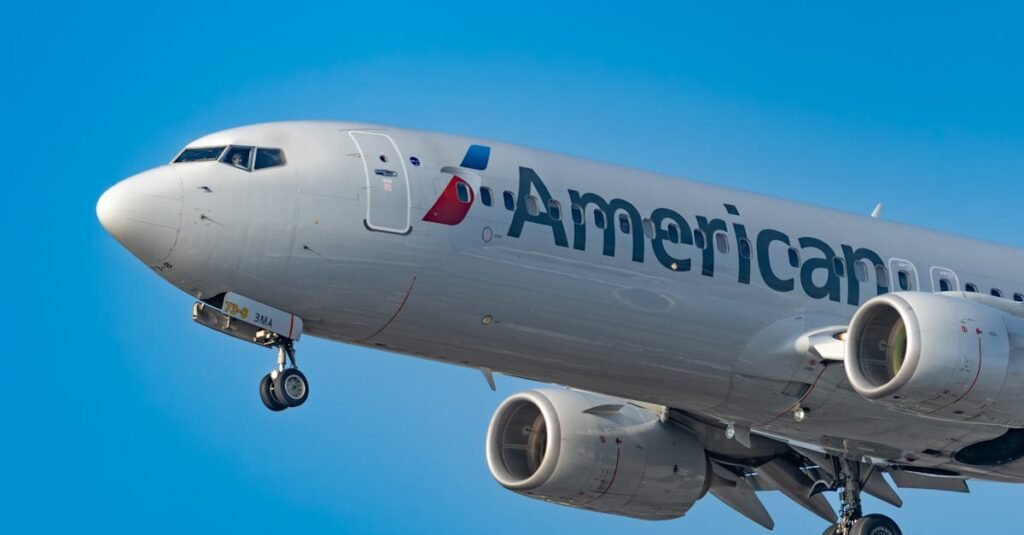
    Travelers at Miami International Airport recently witnessed a scene that has become all too common in the era of viral videos and shrinking personal space. What started as a short, forty minute hop from Miami to Tampa turned into a legal and logistical headache for one woman who refused to follow the basic rules of modern flight. The incident, which led to her being escorted off an American Airlines aircraft by law enforcement, highlights a growing tension in the skies: the battle over personal digital space versus public courtesy.

    While flight delays are usually caused by weather or mechanical issues, this particular delay was entirely human. The confrontation began before the plane even left the gate, centered on a piece of technology almost everyone carries but not everyone uses responsibly. As the story spread across social media, it sparked a massive debate about airplane etiquette and the right of airline crews to remove passengers who disrupt the peace of the cabin.

    The Spark That Ignored the Quiet Cabin Policy

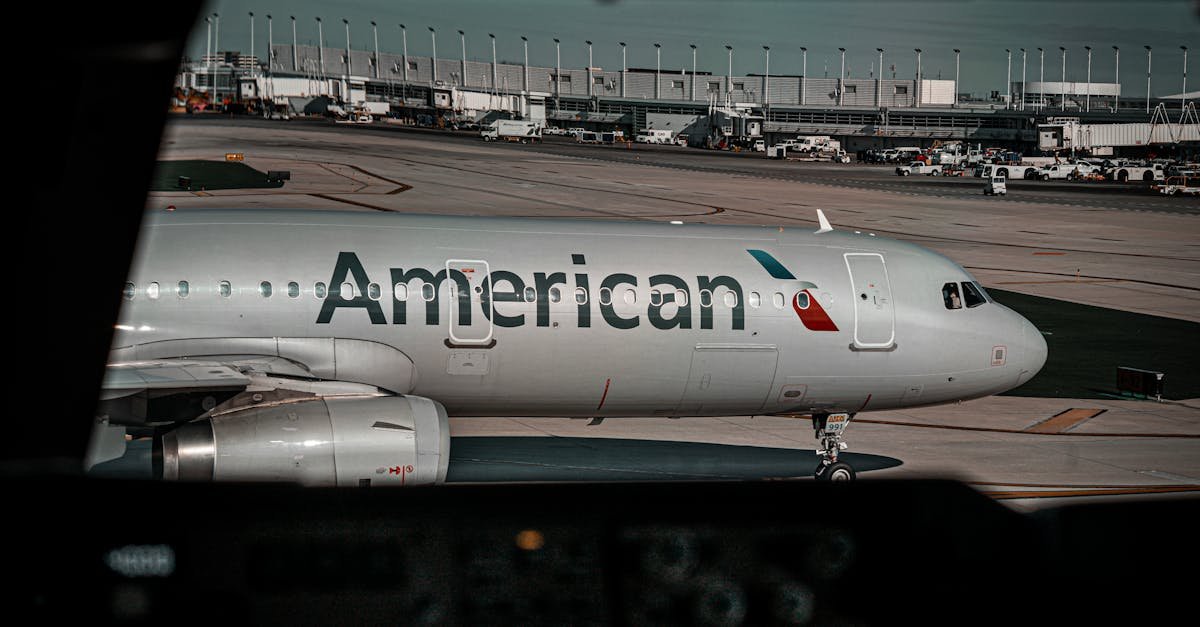
    The trouble began when a female passenger decided to catch up on videos using her mobile device. While this is standard behavior for millions of travelers, she chose to play the audio through her phone speakers at a high volume. In the cramped quarters of an Airbus or Boeing jet, sound travels quickly. Neighbors in her row and several rows back were immediately subjected to the noise of her social media feed or movie.

    Most travelers understand the unwritten rule of flying: if you want to listen to something, you wear headphones. American Airlines, like almost every major carrier in the world, actually has written policies regarding this. Their “Quiet Cabin” expectations require that all personal electronic devices be used with headsets or kept on silent. When other passengers politely asked the woman to turn down the volume or put on earbuds, she reportedly refused, claiming she did not have any and had every right to watch her content.

    A Refusal to Comply With Flight Crew Instructions

    When a passenger ignores the requests of their fellow travelers, the flight attendants must step in. This is not just about being a “hall monitor” for noise. It is about maintaining a controlled and safe environment. On this Miami to Tampa flight, the crew approached the woman multiple times. They explained the policy and asked her to silence the device so the safety briefings could continue without distraction.

    The situation escalated when the passenger became combative. Instead of simply turning off the video, she began to argue with the crew members about her rights. In the eyes of the Federal Aviation Administration, once a flight attendant gives a lawful instruction regarding cabin safety or policy, a passenger is legally required to comply. Failing to do so moves the situation from a minor annoyance to a “refusal to follow crew instructions.” This is a serious classification that gives the pilot the authority to remove someone from the manifest.

    The Moment the Pilot Made the Final Call

    After several minutes of back and forth, the lead flight attendant informed the cockpit of the disruption. Safety is the primary concern of any captain. If a passenger is already showing signs of being “unruly” or “noncompliant” while the plane is still at the gate, there is a high risk that the behavior will worsen once the plane is at thirty thousand feet. At that altitude, a disruptive passenger becomes a security threat that cannot be easily managed.

    The American Airlines pilot made the decision to return to the gate or hold the aircraft so that the passenger could be removed. At this point, the woman was told she would have to leave the plane. Despite her protests and her insistence that she had paid for her ticket, the airline was firm. When a passenger creates an environment that interferes with the duties of the crew, their contract of carriage is effectively terminated.

    Cheering from the Cabin as Law Enforcement Arrived

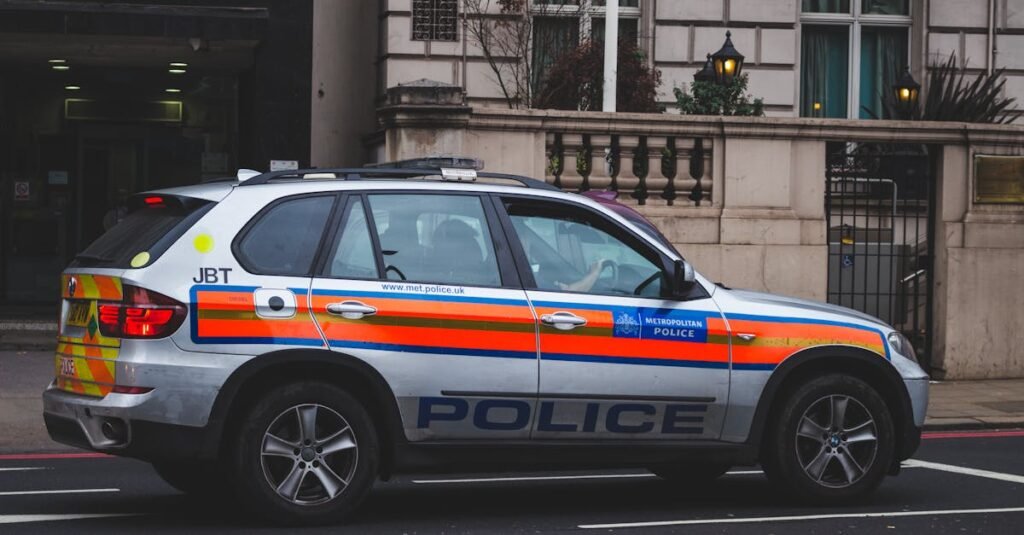
    Police vehicle parked on an urban street outside a London building

    One of the most striking aspects of the videos captured by other passengers was the collective reaction of the cabin. Usually, when a flight is delayed, people are frustrated and angry at the airline. However, as Miami Dade Police officers walked down the aisle to escort the woman off, the plane erupted in applause and cheers.

    This reaction speaks to a broader “traveler fatigue” regarding public behavior. Many people feel that flying has become increasingly stressful due to individuals who disregard the comfort of others. The cheering was a sign of relief that the disruption was over and that the flight could finally proceed to Tampa. For the woman being removed, it was a public moment of “justice served” that quickly trended across TikTok and X.

    The Legal Consequences of a Short Video

    Being kicked off a flight is more than just an embarrassing moment. It carries real world consequences that can last for years. When a passenger is removed for being unruly, they are often placed on an internal “no fly” list for that specific airline. This means the woman might never be allowed to board an American Airlines flight again.

    Furthermore, the FAA has a zero tolerance policy for interference with flight crews. Depending on the severity of the confrontation and whether it was deemed a safety risk, the passenger could face civil penalties or fines reaching into the thousands of dollars. What started as a refusal to buy a five dollar pair of earbuds ended up costing significantly more in potential legal fees and the price of a new ticket on a different airline.

    The Growing Trend of Main Character Energy in Travel

    Social media experts have pointed to this incident as a prime example of “Main Character Syndrome.” This is a term used to describe people who act as if they are the only person who matters in a public space, ignoring how their actions impact the hundreds of people around them. In the context of a flight, this manifests as playing loud music, reclining seats aggressively during meal service, or blocking aisles.

    The Miami incident serves as a warning that airlines are no longer willing to tolerate this behavior. In the past, a crew might have tried to “work around” a difficult passenger to stay on schedule. Today, with the rise in air rage incidents, the protocol is to remove the problem early. Airlines are prioritizing the collective experience of the group over the demands of a single disruptive individual.

    Practical Tips for Avoiding In-Flight Conflict

    The easiest way to avoid finding yourself in a viral video or a police escort is to follow basic travel etiquette. It is always a good idea to pack two sets of headphones: one wired and one wireless. Bluetooth headphones are convenient, but if the battery dies during a flight, you need a backup to ensure you can continue your entertainment without bothering your neighbor.

    If you find yourself near a passenger who is being disruptive, the best course of action is to notify a flight attendant quietly rather than engaging in a shouting match. Professional crews are trained in de-escalation techniques. As seen in the Miami to Tampa case, the crew handled the situation by following their internal chain of command, which eventually resolved the issue without the situation turning into a physical fight between passengers.

    A New Standard for Digital Courtesy in the Air

    This event will likely be cited in future discussions about airline policy updates. There is a growing movement among frequent flyers to ban the use of speakers entirely on all forms of public transit. While most people have common sense, the small percentage of travelers who do not are forcing airlines to be more aggressive with their enforcement.

    The woman who was removed from the flight to Tampa learned a very expensive and public lesson about the importance of being a considerate traveler. The sky is a shared resource, and the rules that govern it are designed to make the experience bearable for everyone. When those rules are ignored, the system is designed to protect the many from the few.

    Looking Ahead to a More Respectful Flying Experience

    As we move forward, it is likely that we will see more signs at gates and announcements during boarding specifically mentioning the use of headphones. This Miami incident has highlighted a specific loophole in passenger behavior that crews are now being trained to close immediately. The goal for every airline is to get passengers from point A to point B safely and quietly.

    For those who plan to fly soon, the message is clear. Your right to watch a video ends where your neighbor’s right to a peaceful flight begins. By being mindful of our digital footprint, we can all contribute to a travel environment that is less about conflict and more about the journey itself. The cheers heard on that American Airlines flight were not just for the removal of one person, but for the return of order and respect in the sky.

  • United 787 Engine Fire at LAX: Terrifying Video Shows Passengers Flee in Slides, All We Know So Far

    United 787 Engine Fire at LAX: Terrifying Video Shows Passengers Flee in Slides, All We Know So Far

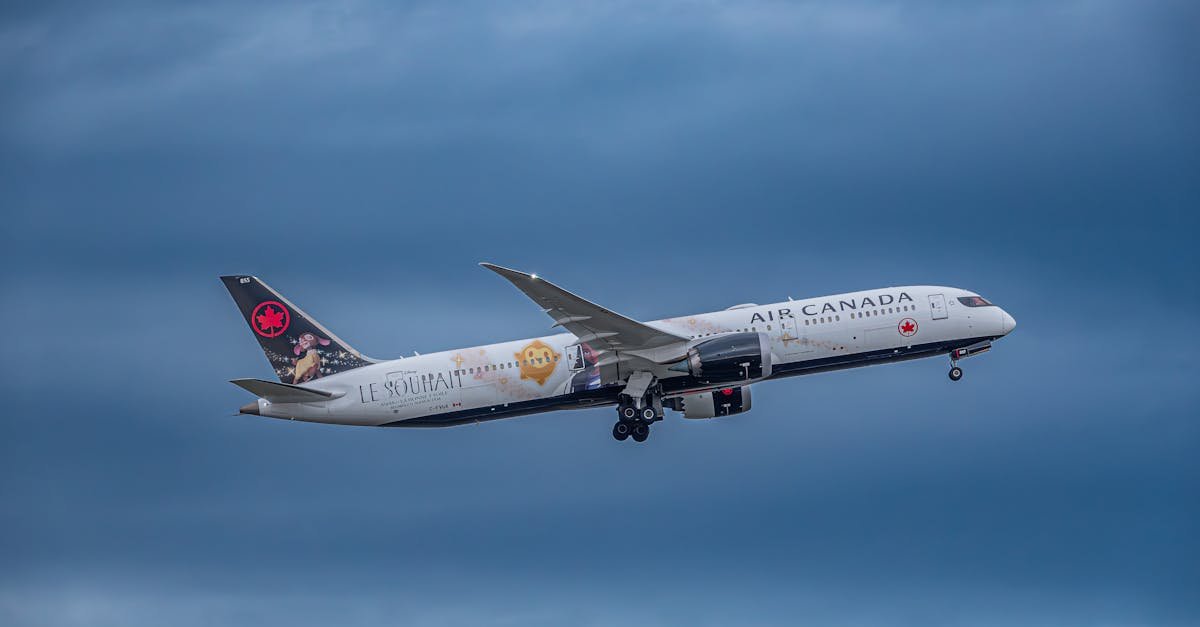
    A routine Monday morning at Los Angeles International Airport turned into a scene of panic and adrenaline when a United Airlines flight was forced to make a desperate return. Passengers aboard United Flight 2127 were settled in for a cross-country journey to Newark, New Jersey, when a mechanical failure transformed their trip into a survival situation. The aircraft, a modern Boeing 787-9 Dreamliner, suffered a significant engine issue shortly after takeoff that led to a full scale emergency response on the tarmac of one of the busiest airports in the world.

    Moments of Terror in the Sky

    The flight departed from LAX around 10:43 AM local time. For the first few minutes, everything seemed normal as the wide-body jet climbed over the Pacific Ocean. However, as the plane reached an altitude of approximately 18,000 feet, the situation changed rapidly. Crew members and passengers on the left side of the aircraft noticed something was wrong with the General Electric GEnx engine.

    Reports from inside the cabin describe a series of thuds followed by the sight of smoke. The flight crew acted immediately by declaring a “Mayday” and requesting an urgent return to Los Angeles. Air traffic controllers cleared a path, grounding other departing flights to ensure the crippled Dreamliner could get back to the ground as quickly as possible. The tension inside the cabin was palpable as the pilots performed a steep turn to align with the runway, all while dealing with a fire indication in the cockpit.

    The Landing and Sudden Evacuation

    By 11:20 AM, the United 787 touched down on Runway 25L. While the landing was technically successful, the danger was far from over. As the plane slowed down on the taxiway, black smoke began to billow from the left engine. Ground crews and Los Angeles Fire Department units were already in position, having been alerted during the plane’s descent.

    Initially, the plan appeared to involve a controlled deplaning using mobile stairs. One set of stairs was even positioned at the front door. But as the smoke thickened and the threat of an active fire grew, the captain made the call for a full emergency evacuation. This is the moment that has captured the attention of the world through viral video footage.

    Sprinting for Safety on the Tarmac

    In the footage captured by onlookers and aviation enthusiasts, the emergency slides on the right side of the aircraft can be seen deploying in rapid succession. The crew specifically chose not to use the left side exits to keep passengers away from the smoking engine.

    The video shows a stream of people sliding down the inflatable chutes. Unlike many recent aviation incidents where passengers have been criticized for grabbing their luggage, the people on Flight 2127 seemed to understand the gravity of the situation. They left everything behind. Once their feet hit the pavement, they didn’t look back. Passengers were seen sprinting across the taxiway, driven by the sight of smoke and the fear of a potential explosion.

    The evacuation was a textbook example of efficiency. Reports indicate that over 250 people cleared the aircraft in less than sixty seconds. This speed is critical in aviation safety, as fire can compromise the fuselage in a very short amount of time.

    A Miracle of Zero Major Injuries

    Despite the chaotic nature of the exit and the speed at which people were running, the outcome was remarkably positive. United Airlines confirmed that 256 passengers and 12 crew members were on board. Out of all those people, only one minor injury was reported, a small cut to a passenger’s finger.

    The lack of injuries is a testament to the training of the United Airlines flight attendants. They are trained to shout commands and push people toward the slides to prevent a bottleneck at the doors. In a situation where every second counts, their ability to maintain order saved lives and prevented the kind of trampling accidents that often occur during mass panics.

    Federal Investigation into the Boeing 787

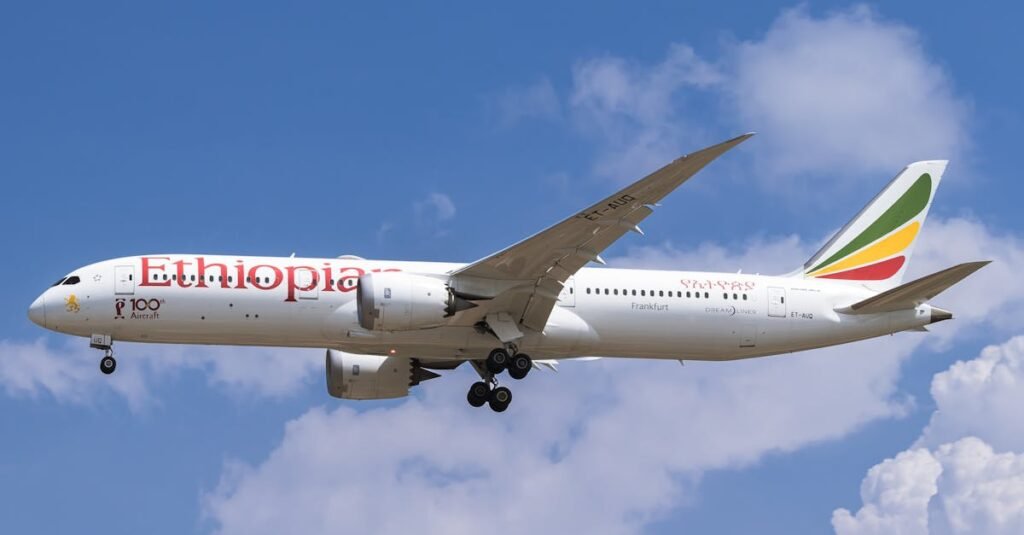
    Side view of Ethiopian Airlines Boeing 787 flying against a blue sky with clouds.

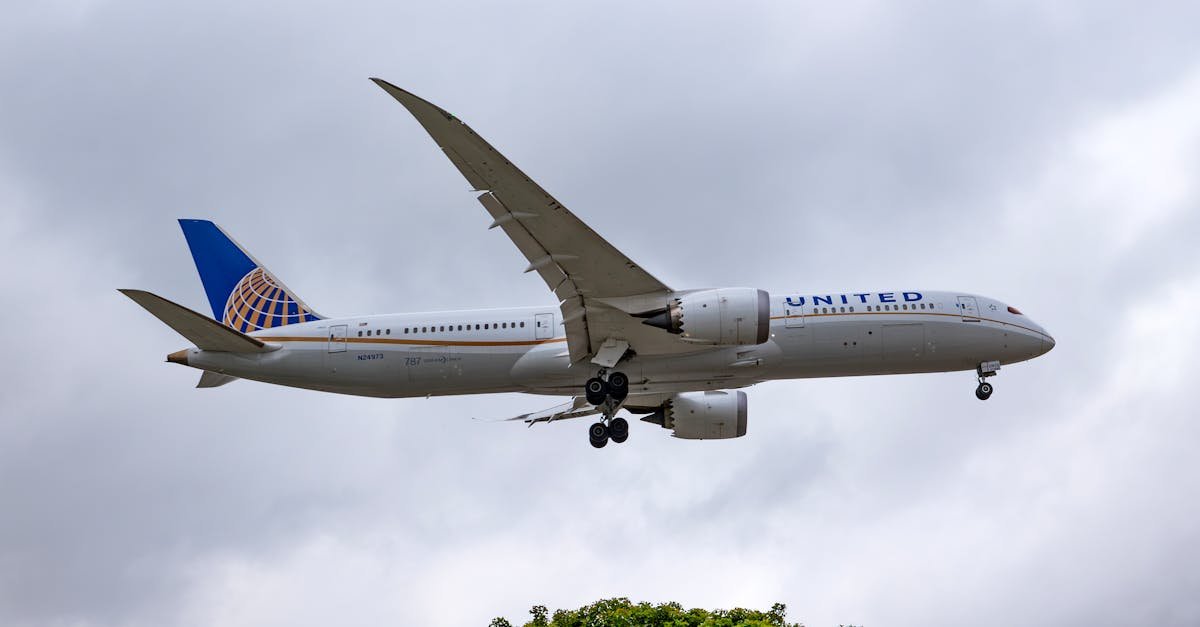
    The Federal Aviation Administration and the National Transportation Safety Board are now looking into the cause of the United 787 engine fire. The aircraft involved, registered as N24972, is a relatively modern piece of equipment. Investigators will focus on whether the fire was caused by a bird strike, a mechanical fatigue failure, or a maintenance oversight.

    The left engine remained the focus of fire crews for over an hour after the landing. Firefighters continued to douse the engine housing with water and foam to ensure that hidden hot spots did not reignite the fuel lines. The plane will likely remain grounded at LAX for an extensive period as investigators dismantle the engine to find the root cause of the failure.

    Impact on LAX Operations

    The emergency landing caused significant ripples through the air travel network. The FAA issued a temporary ground stop for all flights heading into LAX while the taxiway was cleared and the emergency was managed. This resulted in delays for thousands of travelers across the country.

    While the ground stop was lifted by early afternoon, Runway 25L remained closed for several hours. This particular runway is a primary artery for the airport, and its closure forced controllers to reroute traffic, leading to a backlog of departures. United Airlines worked quickly to bus the evacuated passengers back to the terminal, where they were provided with food, water, and eventually, seats on a replacement aircraft to finish their journey to Newark.

    Safety Lessons from Flight 2127

    Aviation experts are already pointing to this incident as a success story in terms of safety protocol. The decision to evacuate on the side opposite the fire is a standard but vital procedure. Furthermore, the fact that passengers followed instructions and abandoned their carry on bags played a massive role in the high speed of the evacuation.

    When people stop to grab laptops or suitcases from overhead bins, they block the aisles. In a real fire, those extra seconds can be the difference between life and death due to smoke inhalation. The imagery of passengers running away from the United 787 serves as a stark reminder of why these rules exist.

    What Happens Next for the Passengers

    For the 256 people who were on that flight, the day will be remembered as a brush with disaster. United Airlines has stated that it is cooperating with all authorities and taking care of the needs of the affected travelers. Most of the passengers were eventually placed on a different plane to continue to the East Coast, though some opted to stay in Los Angeles or find alternative travel arrangements after the traumatic experience.

    The airline will also have to deal with the logistical nightmare of returning the luggage left on the original plane. Because the aircraft is now part of an active federal investigation, it may be some time before passengers are reunited with their personal belongings.

    Looking Toward the Investigation Results

    In the coming weeks, the data from the flight data recorder and the cockpit voice recorder will be analyzed. This information will tell the story of exactly what the pilots saw and felt in the moments leading up to the landing. For now, the focus remains on the bravery of the crew and the quick thinking of the first responders who prevented a bad situation from becoming a tragedy.

    The aviation community will be watching closely to see if there are any fleet wide implications for the Boeing 787 or the GEnx engines. Until then, the dramatic footage of the evacuation stands as a powerful visual of a crisis managed with professional precision.

  • Qatar Airways Flight Suspension After Middle East Conflict Escalation: What Travelers Need to Know

    Qatar Airways Flight Suspension After Middle East Conflict Escalation: What Travelers Need to Know

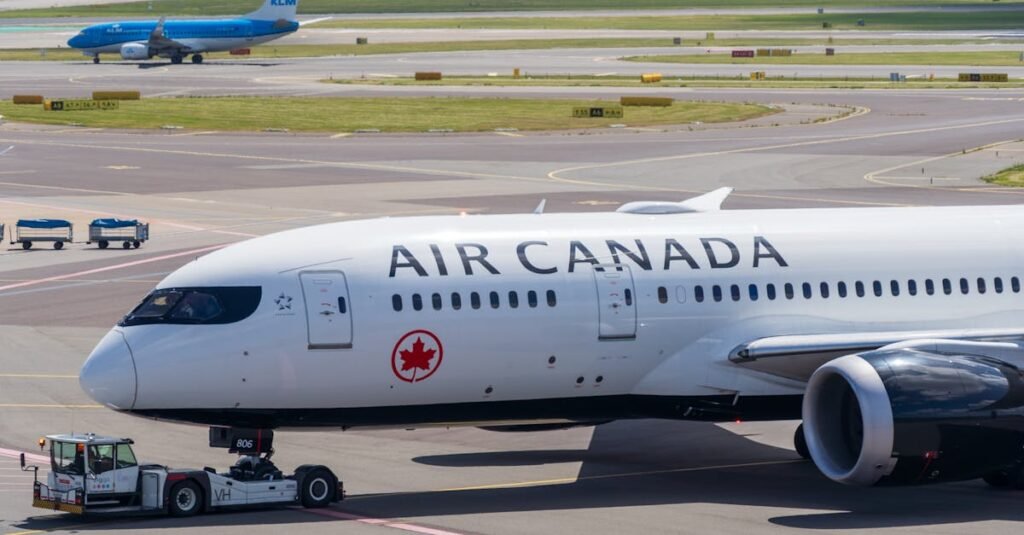
    The global aviation landscape shifted rapidly on February 28, 2026, as Qatar Airways announced a total suspension of its flight operations. This decision came shortly after the closure of Qatari airspace, a move triggered by a sharp and sudden escalation in regional military activity. For many travelers, the news arrived while they were already at the airport or even mid-flight, leading to a wave of diversions and cancellations that has rippled across every continent.

    As one of the world’s most vital transit points, Doha serves as a bridge between the East and the West. The halting of flights at Hamad International Airport is not just a local issue but a massive hurdle for international travel. If you have a flight booked or are currently transit through the region, understanding the current state of affairs is essential for navigating the weeks ahead.

    Why Has Qatar Airways Stopped All Flights?

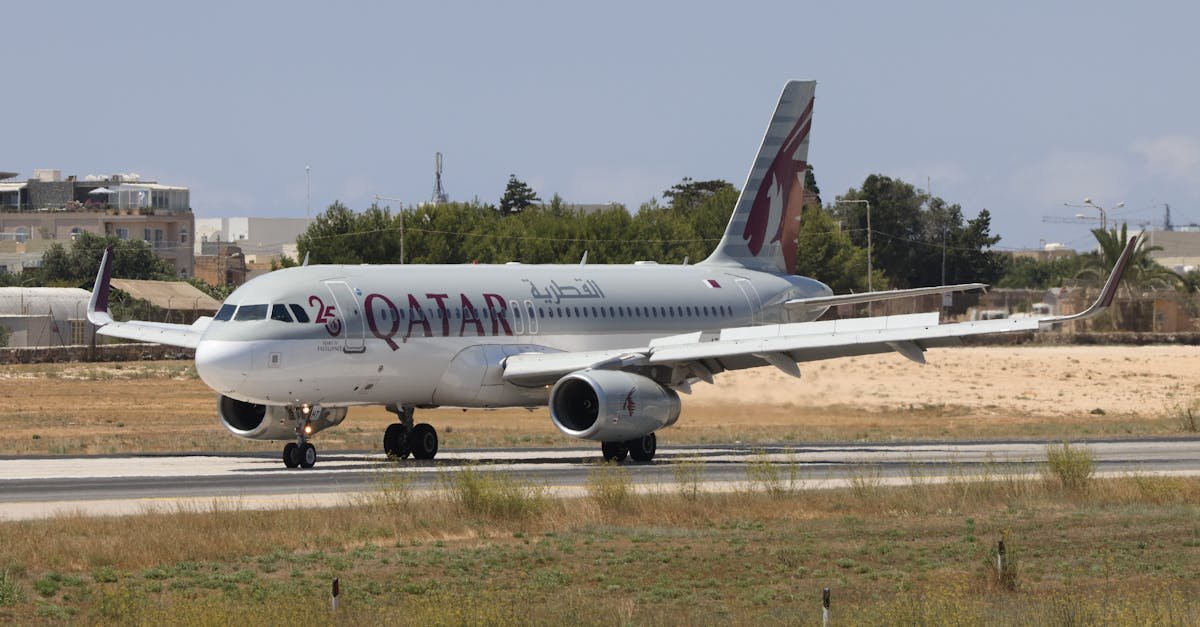
    Qatar Airways aircraft taxiing at airport with cityscape in the background.

    The primary reason for the grounding of the fleet is the safety of the passengers and the crew. Early on Saturday,February 28, the United States and Israel launched coordinated military strikes against targets in Iran. This event led to an immediate retaliation from Tehran, which fired a series of missiles toward various locations. Because Qatar sits in a geographically sensitive area, the local authorities decided that the risk to civilian aircraft was too high to continue normal operations.

    Explosions were heard near the Al Udeid Air Base, and Qatari air defenses were active in intercepting projectiles.Under these conditions, the Civil Aviation Authority determined that the sky was no longer a safe environment for commercial planes. This led to the temporary but indefinite closure of the country’s airspace, forcing Qatar Airways to pull all its planes from the sky.

    The Immediate Impact on Travelers

    The scale of the disruption is difficult to overstate. Because Qatar Airways operates a hub and spoke model, a closure in Doha stops the entire machine from working. Passengers flying from London to Sydney, or New York to Mumbai, find themselves stuck in a state of limbo.

    Some planes were forced to perform dramatic U-turns. For instance, a flight from Perth to Doha had to turn back about ninety minutes into its journey, returning to Australia after it became clear that landing in Qatar was no longer possible.Similar stories are emerging from Europe and Asia, where flights were diverted to secondary airports in neighboring countries that still had open runways.

    For those already at Hamad International Airport, the situation is one of waiting. The airline has sent extra staff to the terminals to help people with their next steps, but with the airspace closed, there are very few immediate options for flying out.

    How the Regional Airspace Closure Affects Other Airlines

    It is not just Qatar Airways that is feeling the pressure. The conflict has forced several other nations to shutter their skies or restrict traffic. The United Arab Emirates, Kuwait, Iraq, and Bahrain have all implemented similar measures.This has created a massive “no-fly” block in the middle of some of the busiest air corridors on earth.

    Global carriers like Air India, Lufthansa, and British Airways have also cancelled or rerouted their services to avoid the conflict zone. Many flights that usually pass over the Middle East to get from Europe to Southeast Asia are now taking much longer paths, often flying over Africa or through northern routes. This adds hours to travel times and increases fuel costs, which may eventually lead to higher ticket prices for everyone.

    What to Do if You Have a Flight Booked

    If you have a ticket with Qatar Airways in the coming days, the most important thing you can do is stay informed through official channels. The situation is changing by the hour, and what is true in the morning might be different by the evening.

    • Check Flight Status Frequently: Do not rely on old emails or schedules. Use the Qatar Airways mobile app or their official website to see the live status of your flight number.
    • Monitor Travel Advisories: Governments are updating their travel warnings. Many countries have now placed Israel, Iran, and Lebanon on “Do Not Travel” lists.
    • Contact Your Travel Agent: If you booked through a third party, they will be responsible for helping you find an alternative or processing a refund.
    • Keep Your Essentials Ready: If you are currently traveling, ensure you have your chargers, medications, and travel documents in your carry-on bag in case you are grounded for an extended period.

    The airline has stated that they are working with government stakeholders to support everyone who is impacted.However, they have also warned that even when the sky reopens, it will take a long time for the schedule to return to normal.

    Understanding Your Rights to Refunds and Rebookings

    In a situation like this, which is considered an “extraordinary circumstance” beyond the control of the airline, the rules can be a bit different than a typical delay. However, Qatar Airways is generally known for its robust customer service during crises.

    Most passengers will be offered the choice between a full refund or a rebooking at a later date once it is safe to fly.Some travelers might be able to change their destination to a nearby city that is not affected by the closure, though this is difficult given how many countries in the region have restricted their airspaces.

    If you are stranded at an airport, the airline is expected to provide assistance with meals and, where possible,accommodation. However, because the number of stranded people is so high, local hotels are filling up fast. It is wise to keep all receipts for any expenses you incur, as you may need them for insurance claims later.

    The Role of Travel Insurance

    Now more than ever, the fine print of your travel insurance policy matters. Most comprehensive policies cover trip cancellations or interruptions due to war or civil unrest, but there are often specific clauses about when the policy must have been purchased.

    If you bought your insurance before the strikes on February 28, you are likely covered for many of your out-of-pocket costs. If you try to buy insurance now to cover this specific event, it will likely be excluded as a “known event.” If you are stuck, call your insurance provider’s emergency line to see what level of support they can offer for food, lodging,and alternative transport.

    Looking at the Long Term Recovery

    Even if the military tension eases tomorrow, the aviation world will feel the aftershocks for weeks. Planes are currently in the wrong places, and flight crews have exceeded their legal working hours. Organizing the “re-start” of a global airline is a massive logistical puzzle.

    Travelers should expect a high volume of traffic once the flights resume. Every seat on every plane will be in high demand as the airline tries to clear the backlog of thousands of people. Patience will be the most valuable tool for anyone trying to navigate the Middle East in the early parts of 2026.

    Staying Prepared for Future Travel

    The events of this week serve as a reminder of how quickly global travel can be disrupted. For those who need to travel for work or family reasons, having a backup plan is becoming a necessity rather than a luxury.

    The closure of the Doha hub is a significant moment in aviation history. As the world watches the geopolitical situation unfold, the priority remains the safety of those in the air and on the ground. For now, the best advice for any traveler is to remain calm, stay updated, and wait for the official word that the skies are once again open for business.

  • Alleged Midair Assault Forces Alaska Airlines Flight to Divert

    Alleged Midair Assault Forces Alaska Airlines Flight to Divert

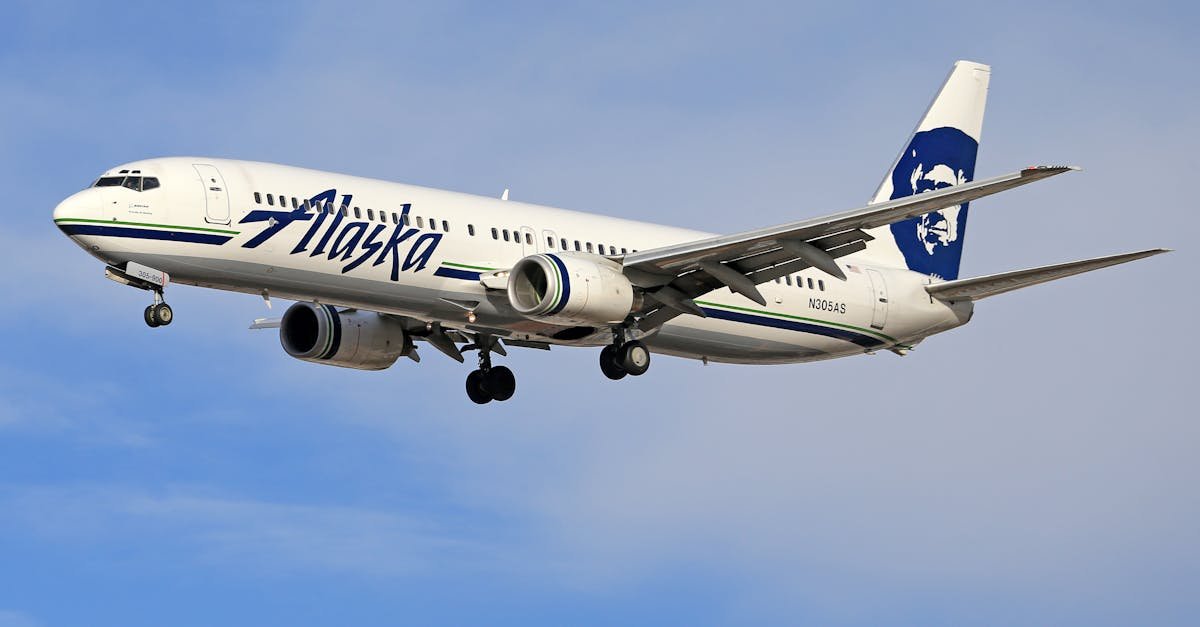
    In a shocking turn of events during a late night journey through the skies, Alaska Airlines Flight 733 found itself at the center of a federal investigation following an alleged midair assault. The flight, which was traveling from Portland International Airport in Oregon to Ted Stevens Anchorage International Airport in Alaska, became the stage for a deeply unsettling encounter between two passengers. While the aircraft eventually reached its intended destination, the severity of the incident has sparked national conversations about passenger safety, the legal consequences of in-flight misconduct, and the vital role that fellow travelers play in maintaining a secure environment.

    The Details of the Flight and the Initial Departure

    Alaska Airlines Flight 733 took off from Portland on February 22, 2026, under normal conditions. The flight was scheduled as a routine late night service to Anchorage, a route that many travelers use for both business and leisure. For most people on board the Alaska Airlines flight, the expectation was a quiet few hours spent resting or reading. However, for one female passenger, the flight turned into a nightmare shortly after she took her seat.

    According to federal court documents and witness statements, the trouble began almost immediately upon boarding. A 44 year old man named Timothy Hobson occupied the seat next to the victim. Reports indicate that his behavior was predatory from the start. He reportedly turned his entire body toward the woman and stared at her while smiling, yet he did not say a single word. This initial behavior created an immediate sense of unease for the victim, setting a grim tone for the hours to follow.

    Escalation of Misconduct During the Journey

    As the Boeing 737 reached its cruising altitude, the situation quickly moved from uncomfortable to dangerous. Investigators allege that Hobson used various tactics to invade the personal space of his seatmate. At one point, he reportedly pretended to drop an item on the floor so that he could reach across the victim’s legs. This maneuver was followed by him spreading his legs into her seating area and pressing against her body.

    The victim attempted to defend herself by swatting his hands away and maintaining her boundaries, but the suspect did not stop. The behavior escalated further when Hobson allegedly leaned his head onto her shoulder. When she pushed him away and suggested he use his tray table to rest his head, he instead leaned his entire upper body against her. This action pinned the woman against the window of the aircraft, leaving her physically trapped and unable to move or reach the call button for assistance.

    A Crucial Intervention by a Fellow Passenger

    In many cases of in-flight assault, victims find themselves isolated and unable to signal for help. In this instance, the victim was being physically restrained by the weight of the suspect, which prevented her from alerting the flight crew. The situation might have continued to worsen if not for the vigilance of another passenger seated in the aisle across from them.

    This witness noticed the victim’s distress and the aggressive positioning of the suspect. Recognizing that something was deeply wrong, the fellow traveler signaled for a flight attendant. The Alaska Airlines crew responded with speed and professionalism, immediately assessing the situation and moving the victim to a different part of the aircraft. This intervention provided the victim with safety for the remainder of the flight, though the suspect reportedly continued to act erratically by moaning and grabbing the seats in front of him.

    Law Enforcement Response and the Arrest

    While the Alaska Airlines flight crew managed to stabilize the cabin environment, the legal process was already in motion. The pilots and airline staff coordinated with authorities on the ground to ensure that law enforcement was ready the moment the wheels touched the tarmac in Anchorage. Upon arrival, officers from the Anchorage Police Department and agents from the FBI met the Alaska Airlines plane at the gate.

    Timothy Hobson was taken into custody without further incident. Because the alleged crime took place on a commercial aircraft in U.S. airspace, it falls under federal jurisdiction. He was transported to the Anchorage Correctional Complex, where he remained held pending his initial court appearances. The rapid response from both the airline staff and law enforcement highlights the zero tolerance policy that is increasingly being enforced across the aviation industry.

    Federal Charges and Potential Legal Consequences

    The legal ramifications for this type of behavior are severe. Hobson has been charged with a federal felony of abusive sexual contact. This is not a simple misdemeanor; it is a serious charge that carries the potential for significant prison time. If convicted, the consequences extend far beyond a jail sentence. Individuals found guilty of such crimes are often required to register as sex offenders, which has lifelong impacts on their employment, housing, and social standing.

    Federal prosecutors are using the evidence gathered from the victim’s testimony, witness statements from other passengers, and reports from the flight crew to build their case. The inclusion of the FBI in the investigation underscores the fact that the government views the safety of the skies as a matter of national security and public welfare.

    The Physical and Psychological Impact on Victims

    While the physical assault is the primary focus of the legal case, the psychological toll on the victim cannot be overlooked. Being trapped at 30,000 feet next to a predatory individual is a uniquely terrifying experience. Unlike a situation on the ground, there is no exit and no place to run. This feeling of helplessness can lead to long term trauma, including anxiety and a fear of flying.

    Aviation experts and victim advocates emphasize that the safety of a flight is not just about the mechanics of the airplane. It is about the human environment inside the cabin. When that environment is compromised by violence or harassment, it affects every person on board. The victim in this case did everything she could to protect herself, but the physical restraint used by the suspect made it impossible for her to solve the problem alone.

    Airline Policies and the Role of Flight Crews

    Alaska Airlines has a reputation for prioritizing safety, and their response to this incident has been cited as an example of proper protocol. Flight attendants are trained to handle various types of disruptions, ranging from medical emergencies to unruly or dangerous passengers. In this case, the crew moved the victim to a secure area and monitored the suspect until the plane landed.

    However, the incident has also reopened discussions about whether airlines should have more robust systems for reporting harassment in real time. Some advocates suggest that if the victim cannot reach the call button, there should be other ways for passengers to discreetly alert the crew. For now, the reliance on the “eyes and ears” of other passengers remains a critical component of in-flight security.

    The Growing Trend of In-Flight Misconduct

    This incident is part of a larger, more troubling trend of passenger misconduct that has been on the rise over the last few years. While many stories focus on passengers who are upset about delays or mask mandates, cases of physical and sexual assault are particularly heinous. Data from the Federal Aviation Administration shows that while the total number of unruly passenger reports has fluctuated, the severity of the incidents has often increased.

    The aviation industry is pushing for stricter penalties and more consistent prosecution to act as a deterrent. The goal is to send a clear message: if you choose to behave this way on a flight, you will be arrested, you will face federal charges, and you will likely be banned from flying with that airline for life.

    Looking Ahead at Passenger Safety and Accountability

    The alleged assault on Alaska Airlines Flight 733 serves as a sobering reminder of the challenges that still exist in the world of air travel. It took the combined efforts of a brave victim, an observant bystander, a professional flight crew, and federal law enforcement to bring the situation to a resolution. As the legal case against Timothy Hobson moves forward, the industry will continue to look for ways to protect travelers from predatory behavior.

    For the traveling public, the lesson is one of vigilance. Paying attention to those around you and being willing to speak up when something looks wrong can make a world of difference. No person should ever feel unsafe while traveling to their destination, and the justice system is working to ensure that those who violate that safety are held fully accountable for their actions in the sky.

  • Dramatic Security Breach at Phoenix Airport as Man Chases American Airlines Plane on Runway

    Dramatic Security Breach at Phoenix Airport as Man Chases American Airlines Plane on Runway

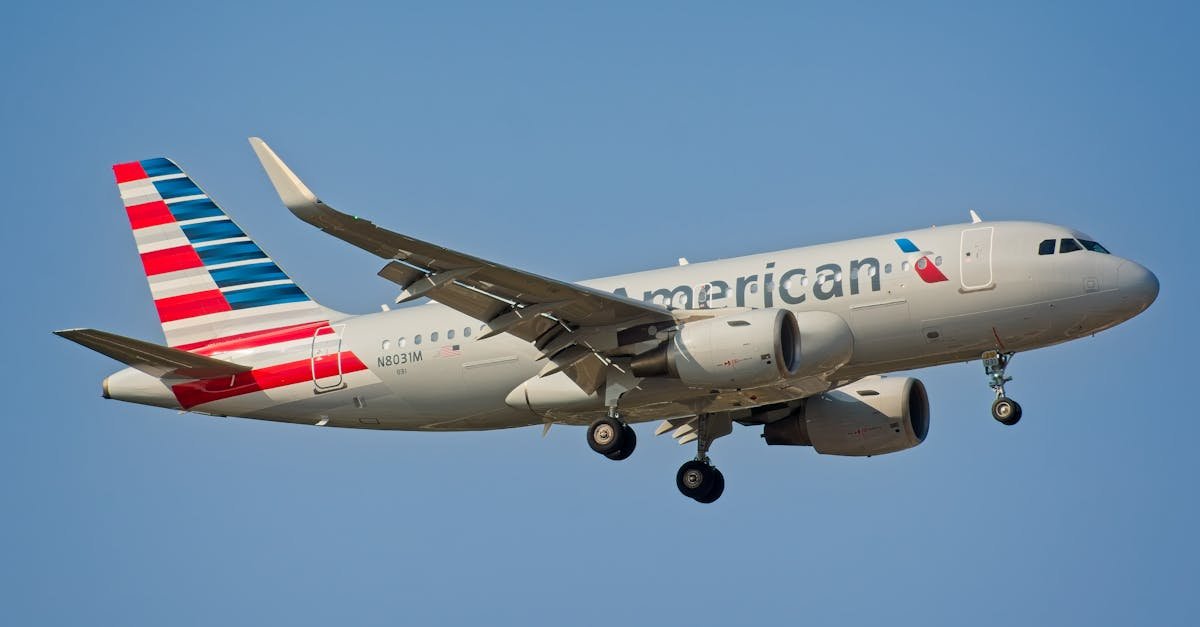
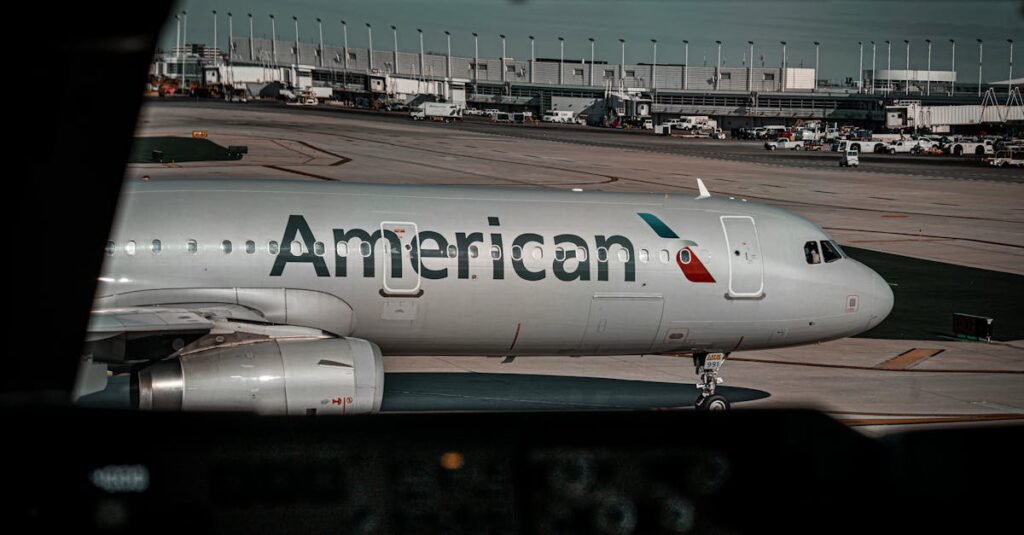
    Phoenix Sky Harbor International Airport witnessed a startling security incident on Monday evening when an unauthorized individual managed to access the active airfield. The breach occurred during one of the busiest travel periods of the day, causing immediate alarm for pilots and air traffic controllers alike. As flight crews prepared for departures, they were met with the sight of a man running across the pavement toward an American Airlines Airbus A321 that was taxiing for takeoff.

    The event took place around 5:15 PM local time, a period when the airport is typically buzzing with evening rush hour traffic. The aircraft involved was American Airlines flight 1804, scheduled to depart from Phoenix and head to Tampa,Florida. While the situation was resolved quickly by law enforcement and airport operations teams, the ease with which the perimeter was compromised has sparked new discussions regarding airport safety protocols and perimeter security.

    Discovery on the Tarmac

    The first signs that something was wrong came not from security sensors or ground patrols, but from the cockpit of the American Airlines jet. As the pilots of American Airlines flight 1804 were navigating the taxiways toward their designated runway, they spotted a figure where no person should be. Initially, the man was seen walking near a taxiway intersection known as Golf One. This area is located on the south side of the airfield, situated between major runways.

    According to audio recordings from air traffic control, the pilots radioed the tower to ask if controllers could see the person walking near the runway. The tower responded with surprise, indicating that they did not have the individual in their sight at that moment. The pilots then clarified that the man had already cleared one runway that was being used for landing traffic and was moving toward their specific position.

    Chasing the American Airlines Airbus A321

    Commercial airplane from American Airlines positioned on airport tarmac, ready for departure or arrival.

    The situation escalated rapidly from a simple trespass to a more aggressive encounter. The man began waving his arms frantically at the American Airlines aircraft. As the jet continued its taxiing sequence, the individual started running toward the plane. Pilots from other nearby aircraft also joined the radio frequency to report the bizarre behavior. One pilot noted that the man had stopped to remove his shoes, leaving them behind on the active runway surface before continuing his pursuit of the jet.

    Eyewitness accounts from passengers on board nearby planes described a scene of confusion and fear. People looking out of their cabin windows of the American Airlines flight saw a man in a white shirt running wildly across the asphalt, seemingly trying to flag down the massive passenger jet as if it were a city bus. The sheer size and power of an Airbus A321 make such an approach incredibly dangerous, as the suction from the engines or the heat from the exhaust can be fatal to anyone in close proximity.

    Immediate Emergency Response

    Air traffic controllers acted swiftly once the gravity of the breach was confirmed. They immediately ordered all aircraft in the vicinity to hold their positions. This included not only the American Airlines flight but also several Southwest Airlines jets that were lined up for departure. By freezing ground movement, the tower ensured that no aircraft would inadvertently strike the man or be forced into a dangerous maneuver to avoid him.

    Airport operations teams and the Phoenix Police Department were dispatched to the south side of the airfield within seconds. Ground crews used their vehicles to intercept the individual and create a barrier between him and the taxiing aircraft. Officers were able to subdue the man on the pavement without further incident. Video footage captured by a passenger on a nearby plane shows at least two officers pinning the man to the ground as they worked to secure him for transport.

    Mental Health Concerns and Hospitalization

    Following the arrest, authorities began to piece together the circumstances leading up to the breach. Preliminary reports from the Phoenix Police Department suggested that the individual was experiencing a severe mental health crisis.Rather than being a person with malicious intent toward the aircraft or passengers, he appeared to be in a state of deep personal distress.

    Due to the nature of the behavior observed on the runway, the man was not immediately taken to a local jail. Instead,emergency medical services transported him to a nearby hospital for a full psychiatric and medical evaluation. Officials have stated that while the investigation into the criminal aspect of the trespass continues, the immediate priority was ensuring the man received the necessary mental health care.

    Investigation into the Security Gap

    Laguna Beach police vehicle patrols the street at night, showcasing law enforcement presence.

    One of the most pressing questions following the incident is how the man managed to get onto the airfield in the first place. Phoenix Sky Harbor is a massive facility with layered security, including high fencing, cameras, and regular patrols. Early evidence suggests the man may have bypassed the perimeter from a street outside the airport grounds.

    Investigators found a suspicious vehicle abandoned on a road just outside the airport fence shortly after the breach was reported. It is believed that the man drove to this location, left his car, and then found a way over or through the fencing. Unlike many previous airport security incidents involving ticketed passengers who sneak through fire doors,this individual appears to have entered from the “outside in,” which highlights potential vulnerabilities in the physical boundaries of the airport.

    Comparisons to Past Incidents

    This event in Phoenix brings back memories of other tragic runway breaches. In early 2024, a similar situation occurred at Salt Lake City International Airport. In that case, a man who was also believed to be suffering from a mental health episode managed to run onto the tarmac and approach a taxiing Delta Air Lines jet. Unfortunately, that incident ended in tragedy when the man was pulled into the aircraft’s engine.

    The fact that the Phoenix incident ended without injury is being credited to the quick eyes of the American Airlines pilots and the rapid response of the air traffic control team. Modern jet engines are designed with immense power, and the area around a moving aircraft is a “no go” zone for a reason. The pilots of flight 1804 stopped their aircraft well before the man could reach a hazardous area, likely preventing a fatal outcome.

    Impact on Airport Operations

    Despite the dramatic nature of the chase, the actual impact on airport operations was surprisingly minimal. Because the response was so fast and the man was detained quickly, the airport did not have to initiate a full ground stop for an extended period. Most flights experienced only minor delays of ten to fifteen minutes as the airfield was swept for any debris, such as the shoes the man had left behind.

    American Airlines flight 1804 was eventually cleared to resume its journey. After a brief wait to ensure the runway was clear and the crew was ready, the Airbus A321 took off for Tampa only a few minutes behind its original schedule. The passengers on board arrived in Florida safely, though many likely had quite a story to tell about their departure from Arizona.

    Future Security Measures

    The Federal Aviation Administration and the Transportation Security Administration are expected to conduct a joint review of the incident alongside local Phoenix authorities. These reviews typically look at whether current fencing is adequate or if additional technology, such as motion sensors or enhanced thermal imaging, is needed to monitor the miles of perimeter at Sky Harbor.

    Airports across the country are constantly balancing the need for accessibility with the absolute necessity of safety.While total prevention of every possible breach is a difficult goal, the lessons learned from this man’s run toward a moving plane will likely lead to changes in how the outer edges of the airport are watched. For now, the focus remains on the investigation into the perimeter breach and the recovery of the individual involved.

  • How Did a Bullet Hole End Up in an American Airlines Boeing 737? What We Know So Far

    How Did a Bullet Hole End Up in an American Airlines Boeing 737? What We Know So Far

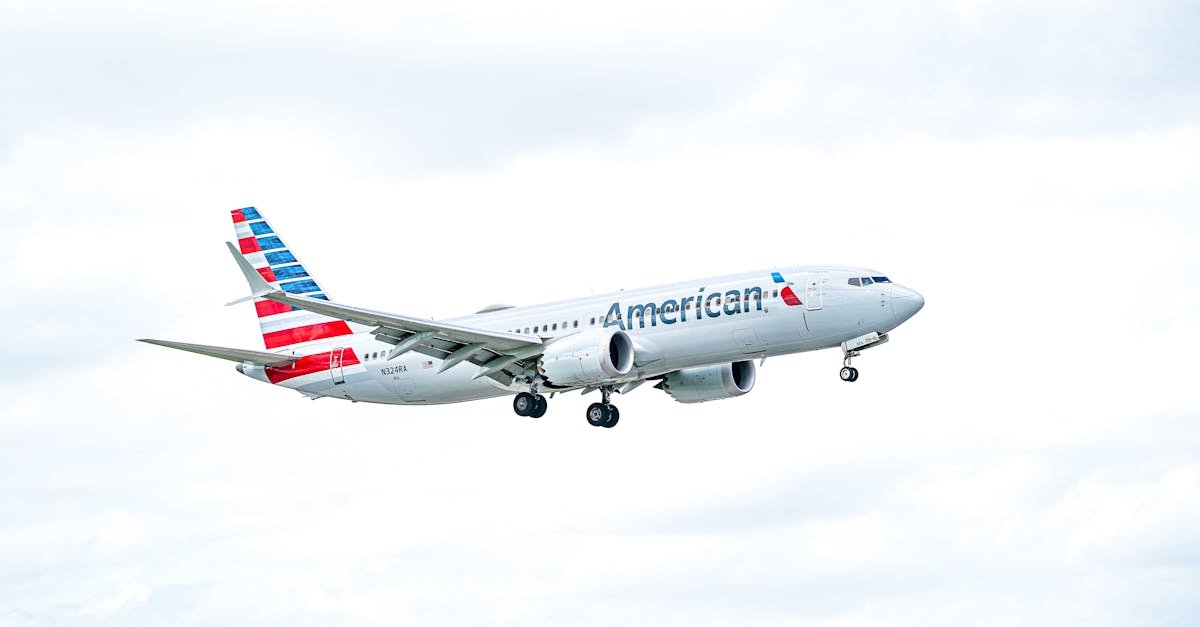
    A routine international flight transformed into a complex forensic investigation this week after ground technicians at José María Córdova International Airport in Medellín, Colombia, identified a puncture on an American Airlines Boeing 737. The damage, discovered during a standard post flight walkaround, appears consistent with a projectile strike.

    While the aircraft landed without incident and all passengers disembarked safely, the discovery has triggered an urgent review by aviation security officials and local law enforcement. The focus of the inquiry sits on identifying the exact moment the metal skin of the American Airlines jet was breached and whether the aircraft was specifically targeted or caught in a random trajectory of gunfire.

    The Post Flight Inspection Discovery

    The breach was found during the transition period between the arrival of the American Airlines flight from the United States and its scheduled departure back to the mainland. Ground crews performing the mandatory exterior check noticed a small, clean hole in the lower section of the fuselage. This specific type of damage is immediately categorized as a high priority safety event because it involves the structural integrity of the pressurized cabin.

    Upon closer inspection, the puncture showed characteristics typically associated with a small arms bullet. The entry point did not cause any immediate system failures during the flight, which explains why the flight crew did not report any cockpit warnings or loss of hydraulic pressure during the descent. The American Airlines aircraft was pulled from the active rotation and moved to a maintenance hangar where it remains under guard for further analysis.

    Analysis of the Descent Path

    Investigating an aerial strike requires a detailed look at the flight data recorder and the specific geography of the approach into Medellín. The airport serves as a major gateway but is situated in a high altitude valley surrounded by varied terrain. Aircraft on final approach are often flying at lower altitudes over rural and semi urban districts where ground activity is less controlled than the immediate airport perimeter.

    Safety experts are currently mapping the GPS coordinates of the flight path to determine the most likely window for the strike. If the projectile hit the plane while it was at several thousand feet, the ballistics would suggest a high powered rifle or a lucky shot from a significant distance. If the strike occurred during the final seconds before touchdown, the perimeter security of the airport itself comes into question.

    What Do the Unconfirmed Reports on Local Accounts Say?

    There are several unconfirmed reports circulating within the Rionegro region regarding the origin of the shot. It is critical to note that Colombian authorities have not officially verified any of these claims. Some local witnesses have suggested that sporadic gunfire was heard in a district several miles from the runway threshold around the time of the landing.

    Other speculative reports mention the possibility of celebratory gunfire or a local conflict occurring on the ground that accidentally intersected with the flight path of the American Airlines Boeing 737. Until ballistic recovery is complete and the metal fragments are analyzed, these accounts remain strictly anecdotal. The Colombian National Police are conducting a ground sweep of the areas beneath the arrival corridor to search for any evidence of recent firearm discharges.

    American Airlines Released an official statement to New York Post and said:
    “The aircraft was immediately removed from service for further inspection and repair. We will work closely with all relevant authorities to investigate this incident.”

    Engineering Perspectives on Hull Integrity

    Commercial aircraft like the Boeing 737 are manufactured using high grade aluminum alloys. While these materials are exceptionally strong and designed to handle the massive pressure changes of high altitude flight, they are not bulletproof. The skin is thin to save weight, relying on the internal skeletal structure for its primary strength.

    A small caliber bullet hitting the fuselage at a shallow angle might ricochet, but a direct hit will almost always penetrate the outer skin. The fact that the cabin did not experience an explosive decompression suggests one of two things. Either the strike occurred at a low enough altitude where the pressure differential was minimal, or the projectile was stopped by internal insulation or secondary structures before it could breach the interior pressure seal where the passengers sit.

    Procedural Response by American Airlines

    American Airlines has maintained a standard protocol in response to the incident, prioritizing the safety of the subsequent flight by canceling the return leg. The carrier is working in tandem with the Federal Aviation Administration and the Transportation Security Administration to evaluate the risk levels associated with the Medellín route.

    The airline has sent a specialized team of structural engineers to Colombia to assess whether the airframe can be repaired on site or if a specialized ferry flight is required. A ferry flight involves flying the aircraft at a low altitude without passengers to a major maintenance base in the United States, such as the one located in Tulsa or Miami. This ensures that the hull is not subjected to high pressure cycles until a permanent, certified patch is applied.

    Security Context at José María Córdova International

    The airport in Medellín is one of the busiest in South America and adheres to international security standards set by the International Civil Aviation Organization. However, controlling the vast tracts of land surrounding any major airport is a logistical challenge. Most modern aviation security focuses on preventing threats from boarding the aircraft, but ground to air incidents represent a different category of risk.

    If the investigation concludes that the aircraft was hit while in the air, it may prompt a review of the minimum vectoring altitudes for the region. Air traffic control may be required to keep planes at higher altitudes for longer periods to minimize exposure to potential ground hazards.

    Examining Historical Precedents

    Ground to air strikes involving civilian hardware are rare in commercial aviation but not entirely unheard of. Most documented cases involve stray bullets from hunting accidents or celebratory events near the flight path. In rare instances, aircraft have been hit by projectiles during periods of civil unrest in various parts of the world.

    The Medellín incident is being treated with heightened scrutiny because of the importance of the US-Colombia travel corridor. Authorities are looking for patterns to see if any other carriers have reported similar fuselage damage in recent months that may have been misidentified as bird strikes or debris damage during takeoff.

    Technical Forensics and Ballistics

    The next phase of the investigation involves extracting the projectile if it is still lodged within the airframe of the American Airlines flight. Ballistic forensics can determine the caliber of the bullet and, in some cases, the type of firearm used. This data is essential for the Colombian National Police as they attempt to narrow down the search area on the ground.

    Metallurgical tests will also be conducted on the entry hole. The way the metal peeled back at the point of impact can tell investigators the velocity and the angle of the shot. This helps distinguish between a bullet falling back to earth after being fired into the air and a shot fired directly at the moving target.

    Operational Status of the Boeing 737 Fleet

    Close-up of an American Airlines Boeing 737 during landing at Los Angeles International Airport.

    The Boeing 737 remains a workhorse for American Airlines, and this specific incident is being viewed as an external security event rather than a mechanical or design flaw of the aircraft itself. There have been no calls to ground similar aircraft, as the damage was clearly caused by an outside force.

    Airline operations to Medellín continue, though pilots have likely been briefed to remain vigilant and report any unusual sightings or sounds during their approach and departure phases. The coordination between the airline, the American government, and the Colombian civil aviation authority remains the primary channel for resolving the mystery of how a commercial jet ended up with a bullet hole in its side.

  • Iranian Army Helicopter Crash Today: Latest Updates, Casualties, and Location Details

    Iranian Army Helicopter Crash Today: Latest Updates, Casualties, and Location Details

    The central province of Isfahan in Iran became the site of a tragic aviation accident on Tuesday morning, February 24, 2026. An Iranian Army training helicopter went down in a populated area, leading to the loss of four lives. This event has drawn significant attention due to the location of the impact and the current state of military aviation in the region.Emergency crews and investigators spent much of the day securing the site and beginning the difficult task of determining exactly what went wrong during a routine flight.

    Detailed Account of the Incident in Isfahan

    The crash took place at approximately 9:09 a.m. local time. Residents of Dorcheh, a town located in the Khomeynishahr county of Isfahan province, reported hearing the sound of an aircraft in distress before a loud impact.The helicopter was part of a scheduled training exercise conducted by the Iranian Army. According to reports from the Army Aviation Training Centre, the flight was intended to be a standard instruction mission.

    Instead of returning to its base, the aircraft lost altitude rapidly and struck a wholesale fruit and vegetable market compound. This market is a central hub for local commerce, and at the time of the crash, it was active with vendors and buyers. The force of the impact caused an immediate fire to break out among the stalls and crates of produce. Thick black smoke could be seen rising from the marketplace for several miles, signaling the severity of the situation to nearby residents and authorities.

    Official Identification of the Victims

    The tragedy claimed the lives of everyone on board the aircraft as well as individuals on the ground. The Iranian military has officially released the names of the flight crew who died in the line of duty. The pilot was identified as Colonel Hamed Sarvazad, a seasoned officer within the Army Aviation division. Serving alongside him was the co-pilot, Major Mojtaba Kiani. Both men were described as dedicated members of the training program.

    In addition to the military losses, two civilians were killed when the helicopter struck the market stalls. These individuals were local merchants who were working at their booths when the accident occurred. While their names have not been widely publicized in initial international reports, local news agencies confirmed that they were vendors within the Dorcheh wholesale market. No other significant injuries were reported among the bystanders, although many were treated for shock at the scene.

    Emergency Response and Site Security

    Following the impact, the Isfahan crisis management department mobilized immediately. Mansour Shishehforoush, the director general of the department, oversaw the deployment of several fire engines and four ambulances to the Dorcheh market. Firefighters worked quickly to prevent the flames from spreading to adjacent buildings and storage areas filled with flammable packaging materials.

    The fire was brought under control within an hour, allowing recovery teams to access the wreckage. The local judiciary chief, Asadollah Jafari, confirmed that a legal case has been opened to oversee the aftermath. Security forces cordoned off the market to preserve evidence and ensure the safety of the public. Debris from the helicopter was scattered across a wide area of the market floor, requiring a meticulous cleanup operation that lasted well into the afternoon.

    Possible Causes and Technical Investigations

    While the final report will take time to compile, initial findings from the provincial crisis management team point toward a technical malfunction. Preliminary evidence suggests that the pilot may have struggled with mechanical issues shortly before the descent. Investigators are currently examining the remains of the engine and the flight control systems to identify the specific failure that led to the crash.

    The Iranian military operates a variety of aircraft for training, including older models that require intensive maintenance. Although the specific model of this helicopter has been referred to generally as an army training craft, many aviation experts note that these fleets often consist of platforms such as the Bell 214 or similar utility helicopters. Maintaining these aging machines is a constant challenge for the ground crews, as getting specialized parts can be difficult under current international trade restrictions.

    Context of Aviation Safety in the Region

    This incident marks the second major military aviation accident in Iran within a single week. Just days prior, an F-4 Phantom II fighter jet crashed near the city of Hamedan during a separate training mission. In that instance, one pilot was killed while the other managed to survive after ejecting from the aircraft. The back-to-back nature of these accidents has sparked a broader conversation about the safety and reliability of the country’s military hardware.

    Experts who follow Iranian defense developments often highlight the age of the equipment as a primary risk factor.Much of the hardware currently in use was acquired decades ago. Without a steady supply of original manufacturer parts, technicians must rely on domestically produced components or refurbished equipment. This situation puts a heavy burden on pilots and maintenance teams to ensure that every flight is safe for both the crew and the people living near military flight paths.

    Impact on the Local Community in Dorcheh

    The town of Dorcheh is mourning the loss of the two local merchants who were simply going about their workday. The wholesale market is not just a place of business but a community center where many people gather daily. The suddenness of the crash has left many in the area shaken. Local officials have expressed their condolences to the families of the victims and have promised a transparent investigation into why a training flight was over a densely populated marketplace.

    Business at the market was suspended following the crash to allow for the investigation and the removal of the wreckage. For the people of Isfahan, this event serves as a somber reminder of the risks associated with living near active military training zones. The provincial government is expected to review flight corridors to see if changes are needed to prevent future accidents in residential or commercial districts.

    The Path Forward for Investigators

    In the coming days, the Iranian Army Aviation Training Centre will lead a comprehensive review of the incident. This will involve analyzing communication logs between the pilot and the control tower, as well as inspecting the maintenance history of the specific helicopter involved. The goal is to determine if the technical failure was an isolated incident or if it indicates a wider problem within the training fleet.

    As the investigation continues, the focus remains on supporting the grieving families and ensuring that such a tragedy does not happen again. The bravery of the first responders who rushed into a burning marketplace to help their fellow citizens has been a small light in an otherwise dark day for the province of Isfahan. For now, the town of Dorcheh begins the process of cleaning up and moving forward while waiting for definitive answers from the military authorities.

  • Mexico Cartel Crisis: Air Canada Announces Emergency Flight Schedule

    Mexico Cartel Crisis: Air Canada Announces Emergency Flight Schedule

    The travel landscape in Mexico took a sharp and violent turn this week following a major military operation in the state of Jalisco. After several days of uncertainty and grounded planes, Air Canada has officially stepped forward with a massive update to its rescue strategy. The airline is shifting its focus toward a high capacity repatriation mission to bring home thousands of Canadians who found themselves trapped by sudden civil unrest.

    The Events That Triggered a National Crisis

    The chaos began on Sunday, February 22, 2026, when Mexican special forces conducted a raid in the town of Tapalpa.The target was Nemesio Oseguera Cervantes, famously known as El Mencho, the top leader of the Jalisco New Generation Cartel. During the confrontation, the cartel leader was fatally wounded and died while being transported for medical care.

    As news of his death spread, his followers launched a series of coordinated retaliatory attacks across multiple states.Armed groups set up hundreds of roadblocks, torched buses, and attacked local businesses. The violence quickly reached popular tourist hubs like Puerto Vallarta and Guadalajara. Local officials were forced to issue shelter in place orders, telling visitors to stay inside their hotels and avoid the streets. For thousands of vacationing Canadians, the dream trip turned into a stressful waiting game.

    Air Canada Responds with the Boeing 787 Dreamliner

    Air Canada Boeing 787 Dreamliner on the airport tarmac during a sunny day.

    In the immediate aftermath of the violence, Air Canada joined other major carriers in suspending all flights to the affected regions. However, with the situation on the ground stabilized by a heavy military presence, the airline is now moving into a recovery phase. The centerpiece of this new emergency schedule is the deployment of the Boeing 787 Dreamliner.

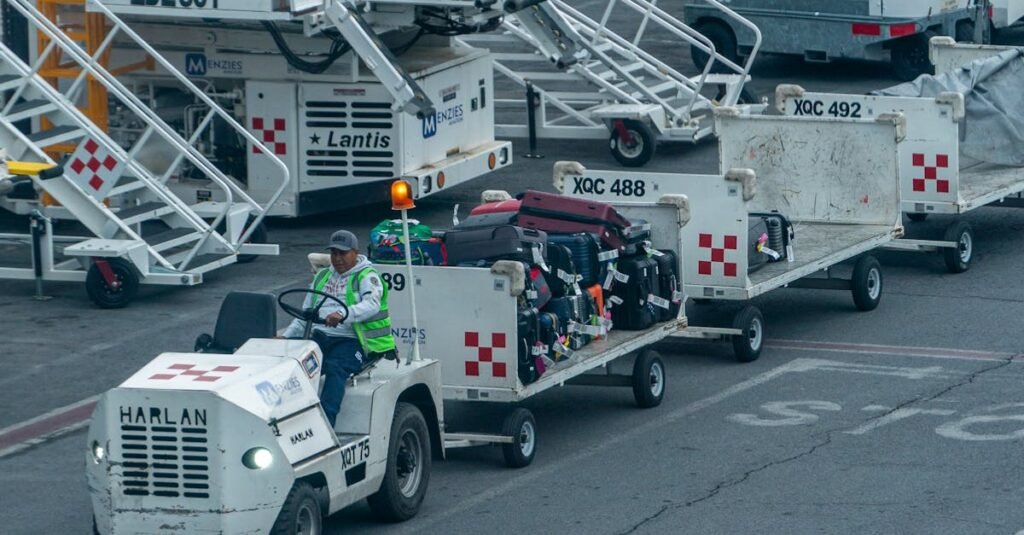
    Choosing the 787 is a strategic move designed to solve a numbers problem. While regional jets and narrow body planes usually handle these routes, they simply do not have the seat count needed to move people quickly. By using these wide body, heavy lift aircraft, Air Canada can carry nearly 300 passengers per flight. This allows them to clear the massive backlog of travelers much faster than traditional schedules would allow. These planes also offer significant cargo space, which is being used to move essential supplies and equipment needed for the safe operation of flight crews in a high tension environment.

    “To help get customers home as soon as possible, we’re flying larger Boeing 787-9 Dreamliners from Toronto and Montreal to Puerto Vallarta, for 258 seats of added capacity. Operations from Toronto to Guadalajara will resume on Feb. 25,” read the official statement from Air Canada.

    Understanding the New Emergency Flight Schedule

    The airline is not just resuming normal service. Instead, they have designed a specific emergency rotation that prioritizes the areas with the highest number of stranded passengers. Following consultation with the Government of Canada and Mexican authorities, full operations resumed on Tuesday, February 24, with specific aircraft swaps.

    This specialized schedule focuses on these key rotations:

    • Montreal (YUL) to Puerto Vallarta (PVR): Flight AC999 and the return leg AC998 have been upgraded to the Boeing 787-9 to maximize capacity.
    • Toronto (YYZ) to Puerto Vallarta (PVR): Flight AC1349 and the return leg AC1348 are also now utilizing the 787-9 Dreamliner.
    • Vancouver (YVR) to Puerto Vallarta (PVR): Flights AC970 and AC971 currently remain on the 737 Max 8 schedule but are being monitored for potential future upgrades.
    • Guadalajara (GDL): Flights from Toronto to the state capital are set to resume on Wednesday, February 25, to assist those in the city for business or family visits.

    Travelers should note that these flights are operating under strict security protocols. The airline is working in tandem with the Canadian government and Mexican airport authorities to ensure that the “air bridge” remains open even if ground transportation remains spotty in certain areas.

    To manage your booking or reschedule your flight during this crisis, you should use Air Canada’s official self-service tools. These allow you to skip the long wait times on the phone lines.

    Where to Reschedule or Book

    • For General Bookings: Use the Air Canada “My Bookings” Tool. You will need your booking reference number and the passenger’s last name to access your itinerary and see available rescue flight options.
    • For Air Canada Vacations: If your trip was booked as a package, go to the Air Canada Vacations Manage Your Booking page.
    • For Aeroplan Members: Log in to your account on the Aeroplan portal to manage rewards-based rescue flights.

    Important Contact Numbers

    If you cannot access your booking online due to the emergency, use these specific lines:

    • From Mexico (Toll-Free): 011-800-514-1890
    • General Rebooking Line: 1-888-247-2262
    • Air Canada Vacations Support: 1-800-296-3408

    Note: Due to the “up-gauging” of aircraft to the Boeing 787-9, some passengers may see their flight numbers stay the same while their seat assignments change. Be sure to re-download your boarding pass once you have confirmed your spot on a rescue rotation.

    Safety First for Those Still in Destination

    Even though the planes are arriving, the journey home is not without challenges. Global Affairs Canada continues to advise a high degree of caution. If you are currently in Jalisco or surrounding areas, it is vital to follow these steps before trying to reach the airport:

    First, do not leave your hotel or rental property until you have a confirmed seat and a specific departure time. Many roads still have remnants of the blockades, and local transportation like taxis or ride shares may be inconsistent. Air Canada is urging passengers to wait for an official notification via email or text before making the trek to the terminal.

    Second, travel during daylight hours only. While the Mexican National Guard has cleared most of the main highways, security experts suggest that moving during the day provides better visibility and reduces the risk of getting caught in localized skirmishes.

    Finally, keep your documents ready. Security at the airport is significantly tighter than usual. Expect extra checkpoints and longer wait times for processing. The goal is to get everyone through as safely as possible, and that requires patience from everyone involved.

    Why This Rescue Mission is Different

    A bustling airport scene with ground crew and baggage carts near an airplane on the tarmac.

    In past years, travel disruptions in Mexico were often caused by weather or smaller scale localized protests. The February 2026 crisis is different because it involves a direct vacuum in cartel leadership, which creates a more volatile environment.

    Air Canada’s decision to use its flagship long haul fleet for short haul rescue missions shows the seriousness of the situation. It is a costly and complex operation to reroute these massive planes from their usual international paths to Europe or Asia. However, the airline has stated that the safety of its customers and the need to bring Canadians home outweighs the logistical hurdles.

    What to Do if Your Flight Was Cancelled

    If you were scheduled to fly to or from Mexico during the peak of the unrest, you likely have questions about your ticket. Air Canada has implemented a flexible rebooking policy. This allows passengers to change their travel dates without paying the usual fees.

    For those who no longer wish to travel to Mexico this season, the airline is offering travel credits. These credits can be used for future trips once the region has fully stabilized. If you are currently in Mexico and waiting for your turn on one of the 787 rescue flights, make sure your contact information is updated in the “Manage My Booking” section of the Air Canada website. This is the fastest way for the airline to reach you with your new boarding details.

    Looking Ahead to Future Travel

    The death of a major cartel figure often leads to a period of restructuring within the criminal underworld. Because of this, travelers should expect travel advisories to remain in place for the foreseeable future. While the emergency flight schedule is designed to get people home now, the long term status of tourism in Jalisco remains a topic of discussion between the two nations.

    For now, the focus remains on the mission at hand. The sight of the Air Canada 787 on the tarmac in Puerto Vallarta has become a symbol of relief for many. As these heavy lift planes continue their rotations, the backlog of stranded tourists is expected to clear within the next few days.

    Stay tuned to official channels and keep a close eye on your airline notifications. The situation is fluid, but with the right resources and a focus on safety, the path back home is finally opening up.

  • United Airlines Maintenance Under Fire as FAA Relies on ‘Virtual’ Checks to Cover Vacancies

    United Airlines Maintenance Under Fire as FAA Relies on ‘Virtual’ Checks to Cover Vacancies

    The safety of modern air travel depends on a rigorous system of checks and balances where federal regulators serve as the ultimate line of defense. However, a startling new federal audit has revealed that the shield protecting millions of passengers may be thinning. United Airlines, one of the largest carriers in the world, is currently at the center of a controversy involving the Federal Aviation Administration and its ability to provide adequate maintenance oversight.

    The Department of Transportation Office of Inspector General recently released a report detailing significant systemic failures within the FAA office responsible for United Airlines. The findings suggest that a combination of severe staffing shortages and a controversial reliance on virtual inspections has created a safety oversight gap that could have long term implications for the aviation industry.

    The Surge of Maintenance Concerns at United Airlines

    United Airlines aircraft taxiing on runway at an overcast airport.

    This federal probe did not emerge in a vacuum. It follows a string of high profile maintenance incidents that occurred throughout 2024 and 2025. Passengers and industry analysts alike were rattled by a series of events including an external panel falling off a Boeing 737 mid flight, a tire detaching from a jet during takeoff, and a plane rolling off a runway in Houston.

    While these incidents resulted in no major injuries, they prompted the FAA to initiate a period of enhanced oversight for United Airlines. The goal was to ensure the carrier was adhering to strict safety protocols. However, the new audit by the Inspector General suggests that the FAA itself was struggling to keep up with the very oversight it promised to provide. The report argues that the agency lacks the resources to effectively monitor the technical complexities of United’s massive and growing fleet.

    A Critical Shortage of Federal Inspectors

    The core of the problem lies in the FAA Certificate Management Office dedicated to United Airlines. According to the audit, this office has been plagued by a vacancy rate as high as 33 percent. This means that one out of every three authorized inspector positions has remained unfilled.

    This personnel shortage has had a domino effect on the quality of oversight. Existing inspectors are reportedly overwhelmed by massive workloads, leading to high turnover and a steady loss of institutional knowledge. When experienced inspectors leave the agency, they take with them years of specialized understanding of United’s specific maintenance culture and history. The report notes that the FAA has failed to implement effective workforce planning to address these retirements and departures, leaving the remaining staff ill equipped to fulfill their surveillance responsibilities.

    The Rise of the Virtual Inspection

    Perhaps the most controversial finding in the report is the revelation that the FAA has been frequently conducting maintenance checks virtually. When the agency lacked the staff or the travel budget to send an inspector to a maintenance facility in person, managers reportedly instructed inspectors to perform reviews via video calls or by reviewing photographs.

    FAA internal policies generally require that if an inspection cannot be performed on site, it should be postponed.Instead, the audit found that roughly 40 percent of inspections intended to be on site were conducted virtually in 2024.The Inspector General warned that this practice is fundamentally flawed. In nearly half of the virtual reports reviewed by investigators, at least 50 percent of the required safety questions were marked as not observable.

    A virtual camera cannot replace the tactile and 360 degree perspective of a physical inspector. Remote checks can easily miss subtle signs of corrosion, hairline fractures, or improper tool markings that would be obvious to a person standing in the hangar. By opting for “surveillance continuity” over physical presence, the FAA may have inadvertently weakened the very safety net it is meant to uphold.

    Disproportionate Oversight for the Boeing 737 Fleet

    The audit highlighted a particularly concerning disparity in how the FAA manages different aircraft programs. United Airlines operates more than 520 Boeing 737 aircraft, which constitutes over half of its total fleet. Despite the size and complexity of this sub fleet, the FAA has had only four inspectors specifically assigned to oversee it.

    To compensate for this extreme imbalance, the agency has been forced to pull inspectors from other aircraft programs to help fill the gaps. While this cross training technically meets minimum regulatory requirements, the Inspector General concluded that it is not sufficient to perform the depth of surveillance required for such a massive number of planes.This “thinning of the ranks” means that specialized problems unique to the 737 might not receive the dedicated attention they deserve.

    Barriers to Accessing Vital Safety Data

    Effective oversight is not just about physical inspections; it is also about data. Modern airlines use a Safety Management System to track risks and maintenance trends. However, the audit found that FAA inspectors often face significant hurdles when trying to access United’s internal safety data.

    Inspectors reported that they were often denied remote access to these digital records. Instead, they were frequently limited to viewing “snippets” of data during virtual meetings where they were forbidden from taking screenshots or photos. Furthermore, the report noted that many federal inspectors had not been adequately trained on how to navigate or demand access to these systems. Without a transparent view of an airline’s internal safety trends, regulators are essentially flying blind, unable to identify the root causes of recurring maintenance issues.

    The Response from United Airlines and the FAA

    United Airlines aircraft being towed on the runway at Taoyuan City Airport, Taiwan.

    In the wake of the report, both United Airlines and the FAA have moved to address the concerns. United Airlines issued a statement emphasizing that it has long advocated for the FAA to receive more resources. The carrier maintained that it works closely with regulators every day and operates its own robust internal safety protocols that exceed federal minimums.

    For its part, the FAA has agreed with five of the six recommendations made by the Inspector General. The agency has pledged to implement a more systemic approach to workforce planning and to improve the training of its inspectors.However, the FAA only partially concurred with the recommendation to create a stricter policy for postponing virtual inspections, arguing that current guidance is sufficient but acknowledging that better communication from management is needed.

    The Path Forward for Aviation Safety

    The findings of this audit serve as a wake up call for the aviation industry and federal lawmakers. As airlines continue to expand their fleets and adopt more complex technologies, the regulatory bodies charged with overseeing them must be given the resources to keep pace.

    Ensuring the safety of the flying public requires more than just high tech sensors and digital logs; it requires a physical presence in the hangars and a well staffed core of experienced professionals. The shift toward virtual oversight may offer a convenient temporary fix for staffing shortages, but as the Inspector General has made clear, there is no substitute for the eyes and ears of a federal inspector on the ground.

  • Kolkata Airport IndiGo Flight Bomb Threat: What Happened, Flight Details, and Security Response

    Kolkata Airport IndiGo Flight Bomb Threat: What Happened, Flight Details, and Security Response

    The serenity of travel was abruptly shattered at Netaji Subhas Chandra Bose International (NSCBI) Airport in Kolkata on Saturday, February 14, 2026. In a bizarre and unsettling turn of events, not one, but two separate IndiGo flights were targeted by bomb threats within a single day. What started as a standard weekend for thousands of travelers quickly devolved into a high-stakes security operation involving bomb squads, sniffer dogs, and the evacuation of dozens of passengers.

    This detailed report breaks down exactly what happened, the specific flights involved, and the rigorous security protocols that follow such “specific” threats in the modern aviation landscape.

    The Morning Crisis: Flight 6E 7304 (Kolkata to Shillong)

    The first incident of the day began just as passengers were settling into their seats for a morning flight to the hills of Meghalaya.

    The Discovery

    Around 9:15 AM, roughly fifteen minutes before the scheduled departure of IndiGo flight 6E 7304, a member of the cabin crew conducted a routine check of the aircraft’s lavatory. Inside, they discovered a chilling sight: a small, handwritten note on a slip of paper claiming that an explosive device had been placed on the aircraft.

    IndiGo aircraft being serviced on the airport tarmac with ground staff present.

    Immediate Evacuation

    The crew followed emergency protocols instantly. The pilot-in-command alerted Air Traffic Control (ATC), and the “Bomb Threat Assessment Committee” (BTAC) was convened within minutes. The aircraft, an ATR-72 turboprop, was carrying 60 passengers and 4 crew members.+2

    To ensure maximum safety, all passengers were deboarded and moved to a secure waiting area inside the terminal. The aircraft was then towed to a designated isolation bay, located at a safe distance from the main terminal buildings and other taxiing aircraft.

    The Security Sweep

    For the next four hours, the Kolkata airport became a hive of security activity. The Central Industrial Security Force (CISF) and the local police bomb disposal squad meticulously searched every inch of the plane.

    • Luggage Screening: Every piece of checked-in and carry-on baggage was offloaded and passed through X-ray scanners again.
    • K9 Units: Sniffer dogs were deployed to detect any trace of volatile organic compounds or explosive residues.
    • Result: After a grueling search, the aircraft was declared “clean” at approximately 1:00 PM. The flight finally departed for Shillong at 1:33 PM, over four hours behind schedule.

    The Evening Escalation: Indigo Flight 6E 6894 (Dibrugarh to Kolkata)

    Just as the airport authorities were breathing a sigh of relief, a second, even more unusual threat emerged as the sun set over the city.

    The “Lipstick” Threat

    Around 7:30 PM, as IndiGo flight 6E 6894 from Dibrugarh, Assam, was preparing for its descent into Kolkata, a second bomb threat was reported. This time, the medium was different. A passenger or crew member found a message written in red lipstick on the toilet mirror, indicating the presence of a bomb.

    Priority Landing and Isolation

    The captain immediately notified Kolkata ATC of a “specific threat” on board. The aircraft was given priority for landing and touched down safely at 7:37 PM. Following the same protocol as the morning incident, the plane was taxied to the isolation bay.

    Passengers were once again deboarded under heavy security presence. While the “lipstick note” seemed like the work of a prankster, security agencies cannot afford to take risks. A secondary search operation was launched, involving the same rigorous BDDS (Bomb Detection and Disposal Squad) protocols used earlier in the day.

    Understanding the Security Response: The BTAC Protocol

    Indian soldiers in uniform walking with a patrol dog during a border security parade in India.

    When a bomb threat is reported in India, it isn’t just a matter of “checking the plane.” There is a highly structured legal and security framework that must be followed.

    1. The Bomb Threat Assessment Committee (BTAC)

    The BTAC is the first line of decision-making. It consists of the Airport Director, members of the CISF, representatives from the airline, and local intelligence officials. They categorize threats into two types:

    • Non-Specific: Often vague calls or emails that lack detail. These are monitored but may not lead to evacuations.
    • Specific: Threats that provide flight numbers, locations (like the lavatory), or physical notes. Both of Saturday’s incidents were classified as Specific, triggering full-scale evacuations.

    2. The Role of the Isolation Bay

    Every major airport like Kolkata has a designated “Isolation Bay.” This is a parking spot located at the furthest possible point from fuel depots, terminal glass, and other aircraft. If an explosion were to occur, the isolation bay minimizes the “blast radius” impact on the rest of the airport’s infrastructure.

    3. Secondary Frisking (SLPC)

    Even after a plane is cleared, passengers often undergo Secondary Ladder Point Check (SLPC). This is a final manual frisking of passengers and their hand bags at the base of the aircraft stairs before they are allowed to re-board.

    The Growing Menace of Hoax Threats in 2026

    The twin incidents at Kolkata are part of a worrying trend in the Indian aviation sector. Since late 2024 and through 2025, Indian airlines particularly IndiGo, Air India, and Vistara have been hit by a staggering number of hoax threats.

    YearNumber of Reported Hoax Threats (Approx.)
    202371
    2024728
    2025836+
    2026 (To Date)On track to exceed 2025 levels

    Why is this happening?

    Security experts suggest that the motives vary from “social media clout” to disgruntled passengers attempting to delay flights they are running late for. However, the cost is real. A single hoax threat can cost an airline between ₹50 lakh to ₹3 crore depending on fuel jettisoning, passenger compensation, and operational delays.

    Legal Consequences: What Happens to the Culprits?

    The Bidhannagar Police have registered cases against “unknown persons” for both the paper note and the lipstick message found on February 14.

    The Indian government has recently tightened the Civil Aviation Act to deal with such offenders. Those caught making hoax threats now face:

    • No-Fly List: A lifetime ban from flying on any Indian carrier.
    • Non-Bailable Charges: Under the Suppression of Unlawful Acts against Safety of Civil Aviation Act, offenders can face up to life imprisonment.
    • Financial Recovery: Airlines are increasingly suing individuals for the massive financial losses incurred during the grounding of aircraft.

    Conclusion: A Day of Vigilance

    While both threats at Kolkata Airport were ultimately proven to be hoaxes, the events of February 14, 2026, serve as a stark reminder of the “new normal” in air travel. The seamless coordination between IndiGo’s crew and the Kolkata airport security team ensured that despite the 120+ passengers affected across both flights, not a single person was harmed.

    For travelers, the message is clear: expect delays and cooperate with security. In an era of digital and physical hoaxes, “better safe than sorry” remains the gold standard of the skies.