Category: News

  • Air Canada CEO Breaks Silence on Fatal AC8646 Crash at LaGuardia

    Air Canada CEO Breaks Silence on Fatal AC8646 Crash at LaGuardia

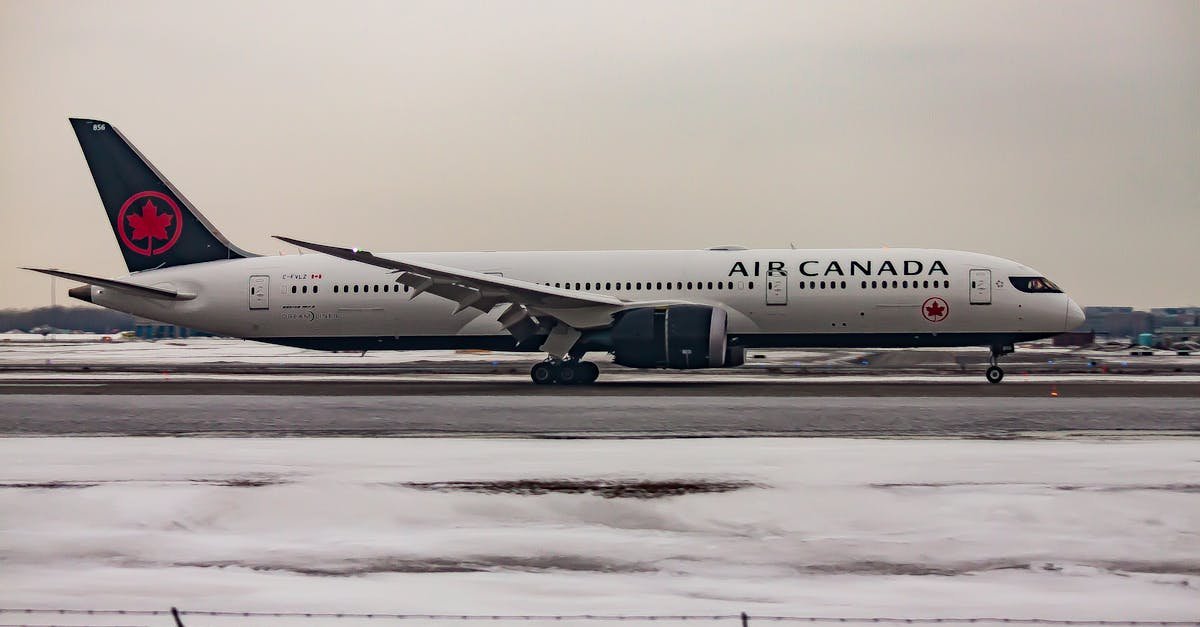
    The aviation world is mourning today following a devastating ground collision at New York’s LaGuardia Airport involving Air Canada Express Flight 8646. Late Sunday night, March 22, 2026, the Bombardier CRJ-900, arriving from Montreal, struck a Port Authority fire truck on the runway. The impact was catastrophic, claiming the lives of both pilots and leaving dozens of passengers with various injuries. As the investigation begins, Air Canada President and CEO Michael Rousseau has addressed the public, offering a somber update on the tragedy and the airline’s immediate response.

    A Somber Day for the Aviation Community

    In a heartfelt video statement released on social media, Michael Rousseau did not mince words about the gravity of the situation. He began by acknowledging the emotional weight felt across the entire company. “Today is a very somber day at Air Canada,” Rousseau stated. He went on to express the company’s collective grief, saying, “First, and most importantly, I want to express our deepest sorrow for everyone affected. Our efforts are focused on the needs of our passengers and crew members, along with their families and loved ones.”

    The accident has sent shockwaves through the industry, particularly because ground collisions of this magnitude at major hubs are exceedingly rare. Rousseau emphasized that while the aircraft was operated by Jazz Aviation LP under the Air Canada Express banner, the loss is felt as one large family. He noted that the company is “deeply saddened by the loss of two Jazz employees,” and extended condolences to the “entire Jazz community and their families.”

    Details of the Fatal Collision at LaGuardia

    Flight AC8646 originated from Montreal-Trudeau International Airport (YUL) with 72 passengers and four crew members on board. The flight was reportedly routine until the final moments of its landing at LaGuardia (LGA) at approximately 11:38 PM. As the jet decelerated on Runway 4, it collided with a Port Authority Aircraft Rescue and Fire Fighting (ARFF) vehicle.

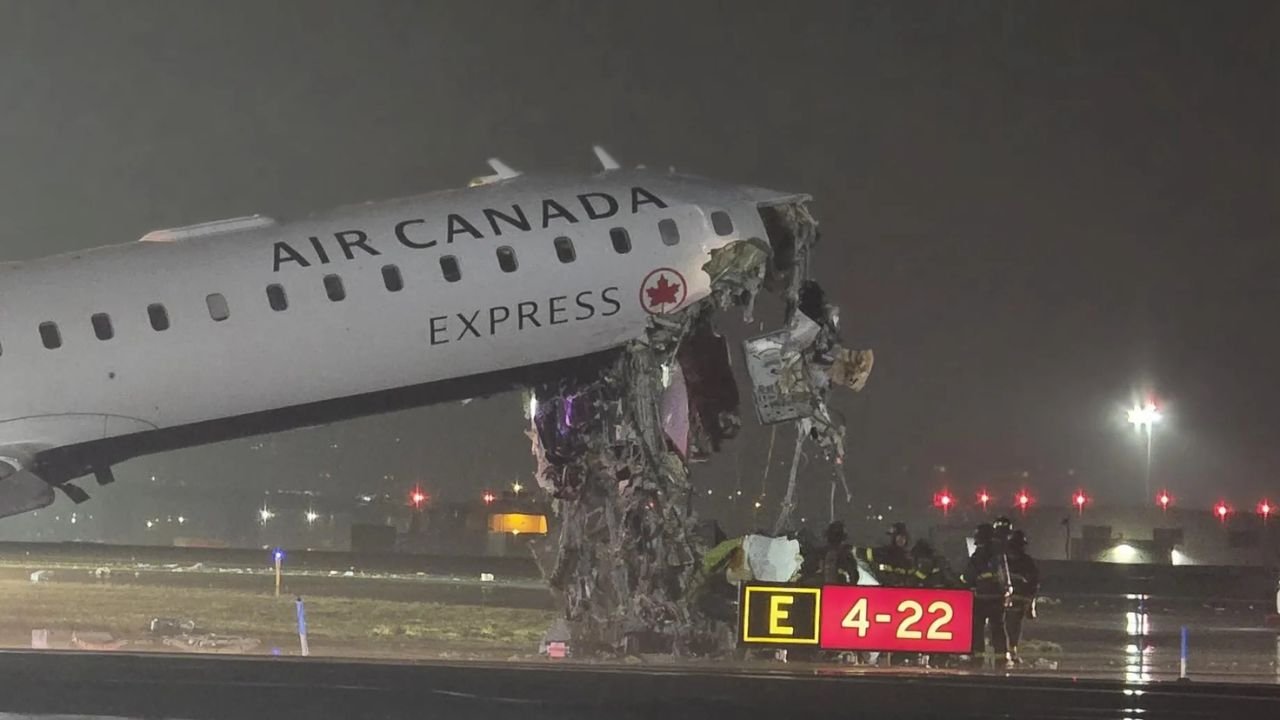
    The impact was centered on the front of the aircraft, effectively destroying the cockpit and forward galley. Images from the scene showed the plane’s nose tilted upward with mangled metal and cables dangling from the fuselage. The fire truck, an Oshkosh Striker 1500, was found overturned on its side nearby. While the two Port Authority personnel inside the truck survived with stable injuries, the outcome for the flight deck was far more grim.

    Remembering the Fallen Crew Members

    The most painful aspect of this tragedy is the loss of the two pilots who were at the controls. Rousseau confirmed the deaths in his statement, saying, “We now know that the captain and the first officer were killed in this accident.” One of the pilots has been identified as 30-year-old Antoine Forest from Coteau-du-Lac, Quebec.

    Survivor accounts suggest that the pilots may have performed heroically in their final seconds. One passenger, Clément Lelièvre, recounted how the pilots braked with extreme force immediately upon touchdown. Many on board believe these “incredible reflexes” likely slowed the aircraft enough to prevent even more fatalities among the 72 passengers in the cabin. Despite the terrifying jolt and the destruction of the front of the plane, all 72 passengers survived, though about 40 required hospital treatment for various injuries, ranging from broken noses to severe fractures.

    Critical Breakdown in Communication

    The focus of the investigation has quickly shifted toward a potential failure in air traffic control (ATC) protocols. Audio recordings from the night of the crash provide a chilling look at the moments leading up to the impact. In the tapes, a controller is heard clearing the fire truck, known as “Truck 1,” to cross Runway 4. The truck was reportedly responding to a separate, minor emergency involving a United Airlines flight that had reported a strange odor.

    Seconds later, the tone of the recording shifts to pure panic. The controller can be heard shouting, “Stop Truck 1! Stop, stop, stop!” followed by a frantic attempt to wave off another incoming aircraft. In a haunting admission captured shortly after the crash, the same controller was heard saying, “I messed up.” The National Transportation Safety Board (NTSB) and Canadian authorities are now working to determine how a vehicle was permitted to enter an active runway while a passenger jet was in the final stages of its landing roll.

    Immediate Support for Families and Survivors

    Air Canada has moved quickly to provide resources for those impacted by the crash. Rousseau mentioned that the Air Canada Special Assistance Team was activated immediately. “Members of our specialized team will be on their way to New York,” he said, adding that “anything we can do now, we’re doing.”

    The airline has established a dedicated family assistance hotline at 1-800-961-7099 for those seeking information about loved ones who were on board. Rousseau urged the public to rely on official channels for updates, promising that information would be shared as soon as it is verified by authorities.

    The Path Forward and the NTSB Investigation

    The investigation into Flight AC8646 is expected to be lengthy and thorough. Investigators from the NTSB have already begun walking the scene, and flight recorders have been recovered from the wreckage. They will be looking at everything from airport lighting and weather conditions to the mental state and staffing levels of the air traffic control tower. At the time of the accident, heavy rain was falling in the New York area, and visibility was limited to roughly three miles, which may have played a role in the visibility of the ground vehicle.

    Furthermore, the accident occurred during a period of chronic air traffic controller shortages in the United States, a factor that safety advocates have been warning about for years. While the LaGuardia controllers were not affected by the ongoing partial government shutdown, the overall strain on the system will likely be a point of scrutiny.

    Standing Together in Times of Crisis

    As the aviation community processes this loss, the focus remains on the human element. The survival of a flight attendant, Solange Tremblay, who was reportedly thrown from the aircraft while still buckled into her seat, has been described by her family as a “total miracle.” Such stories of survival sit in stark contrast to the silence of the cockpit, reminding everyone of the thin line between safety and tragedy in the skies.

    Michael Rousseau closed his statement by reiterating the airline’s commitment to the investigation and to the people involved. “We’re fully supporting the relevant investigative authorities in their investigation to learn everything we can about these events,” he said. For now, the priority remains the care of the families who are dealing with unimaginable loss.

  • ‘Stop Truck 1!’: Chilling ATC Audio Precedes Fatal Air Canada Collision at LaGuardia; FAA Launches Probe

    ‘Stop Truck 1!’: Chilling ATC Audio Precedes Fatal Air Canada Collision at LaGuardia; FAA Launches Probe

    The quiet of a Sunday night at LaGuardia Airport was shattered by a catastrophic runway collision that has left the aviation community in a state of shock. Late on March 22, 2026, an Air Canada Express flight arriving from Montreal struck a Port Authority fire truck on the tarmac. The incident has resulted in a tragic loss of life and dozens of injuries, prompting the Federal Aviation Administration to shut down the airport and launch a high level investigation. As the sun rises over Queens on Monday, the focus remains on the survivors and the harrowing final seconds captured on air traffic control recordings.

    The Final Moments on Runway 4

    The sequence of events began just before 11:40 PM as Air Canada flight AC8646, a Bombardier CRJ-900LR, was completing its landing roll. According to flight tracking data and initial reports, the aircraft was decelerating when it encountered an Airport Rescue and Fire Fighting vehicle, identified in communications as Truck 1.

    Audio from the control tower provides a terrifying look at the confusion that led to the impact. In the recordings, air traffic controllers can be heard frantically yelling for the ground vehicle to halt. The commands were direct and desperate, with one controller shouting for the truck to stop at least three times in quick succession. Despite these urgent warnings, the collision was unavoidable. The Air Canada jet, still moving at a significant speed, slammed into the heavy fire engine near taxiway Delta.

    Fatalities and a Growing List of Injuries

    The human toll of this accident is heart-wrenching. While official counts are still being finalized by the Port Authority and local medical examiners, early reports indicate that at least two people have lost their lives. These fatalities are believed to be members of the ground crew who were inside the fire truck at the moment of impact.

    In addition to the deaths, approximately 70 people have been reported injured. The New York Fire Department and emergency medical teams rushed to the scene to establish a triage area right on the runway. Four firefighters were transported to nearby hospitals in critical condition, fighting for their lives after the massive vehicle they were in was struck by the Air Canada plane.

    On board the aircraft, the scene was one of pure terror. More than 100 passengers and crew members felt a massive jolt as the nose of the plane crumpled. While most passengers were able to evacuate using the emergency slides, many suffered from minor injuries, smoke inhalation, and extreme psychological trauma. The sight of the aircraft nose smashed and tilted upward served as a grim reminder of how much worse the situation could have been for those in the cabin.

    A Massive Ground Stop at LaGuardia

    Immediately following the collision, the Federal Aviation Administration took the unprecedented step of halting all traffic at LaGuardia. A ground stop was issued for all departing and arriving flights, effectively freezing one of the busiest airports in the country. Incoming flights were told to abort their landings and circle back or divert to other regional hubs like JFK and Newark.

    The impact on Monday morning commuters has been severe. The airport website shows a wall of cancellations and diversions as the primary runways remain closed for the investigation. Authorities have signaled that the closure could last through the afternoon of March 23, 2026. This shutdown is necessary not only for the federal probe but also to clear the significant debris field left by the Air Canada jet and the destroyed fire truck.

    Details of the Air Canada Aircraft

    The aircraft involved in the tragedy, registered as C-GNJZ, is a veteran of the Air Canada Express fleet. Operated by Jazz Aviation, the CRJ-900 is a workhorse for short routes between major North American cities. It had just completed a routine flight from Montreal when the disaster occurred.

    Visuals from the scene show that the cockpit area of the Air Canada plane bore the brunt of the impact. The underside of the nose was sheared away, and the landing gear appeared to be heavily damaged. This specific jet has been a reliable part of the fleet for over two decades, but the extent of the structural damage suggests it may never fly again. Investigators will be looking into whether any technical issues with the plane contributed to the pilots being unable to avoid the truck in the darkness.

    The Scope of the FAA and NTSB Probe

    The investigation into the Air Canada crash will be exhaustive. The FAA and the National Transportation Safety Board are already on the ground to begin their work. Their primary goal is to understand why a fire truck was crossing an active runway while a commercial jet was landing.

    Communication logs will be the first point of interest. Investigators will examine the specific instructions given to Truck 1 and whether the driver acknowledged the clearance to cross. They will also look at the lighting on the runway and whether the Air Canada pilots had sufficient visibility to see the obstacle in their path. The “Stop Truck 1” audio suggests a lapse in ground safety protocols that will likely result in sweeping changes to how vehicles move across the tarmac at LaGuardia.

    Emergency Response and On-Site Triage

    The response from New York City emergency services was a massive display of coordination. Within minutes of the Air Canada collision, dozens of ambulances and specialized rescue units lined the perimeter of the airport. Because the incident involved an airport fire truck, the remaining fire crews had to manage the emotional weight of rescuing their own colleagues while also ensuring the safety of the plane passengers.

    The evacuation of the Air Canada flight was described as orderly but frantic. Flight attendants worked quickly to get people off the plane as the smell of fuel and burning rubber filled the air. Many passengers left their belongings behind, focusing only on getting as far away from the damaged jet as possible. The triage center remained active through the night as medics worked to stabilize the most severely injured before they were rushed to trauma centers.

    Navigating the Travel Disruption

    For those scheduled to fly today, the situation remains fluid. Air Canada has released statements expressing their concern for those involved and is working to assist passengers who were on flight AC8646. Travelers are being told not to head to LaGuardia without a confirmed flight, as the terminal areas are overcrowded and the ground stop remains in place.

    The ripple effect of this crash is being felt across the entire East Coast. Flights as far away as Boston and Washington D.C. are seeing delays because of the blockage at LaGuardia. The removal of the Air Canada aircraft will be a delicate process that requires heavy machinery, meaning the runway could be out of commission for longer than initially expected.

    Moving Forward After the Runway Tragedy

    The collision between the Air Canada flight and the emergency vehicle is a rare and devastating event that will leave a lasting mark on aviation safety. As the community mourns the loss of the first responders and hopes for the recovery of the injured, the search for answers continues.

    Safety experts will use the data from the flight recorders and the air traffic control tapes to build a minute by minute reconstruction of the accident. This tragedy at LaGuardia serves as a stark reminder of the complexities of airport ground operations. While the investigation is just beginning, the impact of the Air Canada crash will be discussed for years to come as the industry strives to ensure such a collision never happens again.

  • Air Canada Crash At LaGuardia Airport: Investigation, Casualties, Injuries and All We Know So Far

    Air Canada Crash At LaGuardia Airport: Investigation, Casualties, Injuries and All We Know So Far

    A major emergency at LaGuardia Airport has sent shockwaves through the aviation world after an Air Canada flight collided with a fire truck on the runway. The incident occurred late Sunday night, March 22, 2026, leading to a massive response from emergency services and the immediate closure of one of the busiest travel hubs in the United States. As families wait for news and investigators begin the grueling task of pieceing together the timeline, the details emerging paint a picture of a terrifying close call that turned into a tragic reality.

    The Midnight Collision on Runway 4

    The event unfolded at approximately 11:37 PM as Air Canada flight AC8646 was finishing its journey from Montreal. The aircraft, a Bombardier CRJ-900LR operated by Jazz Aviation for Air Canada, was in the process of landing on Runway 4 when it struck a Port Authority rescue and fire fighting vehicle. Reports from flight tracking data indicate that the Air Canada plane was moving at roughly 24 miles per hour when the impact occurred.+1

    Eyewitnesses at the scene and passengers on board described a sudden, violent jolt that sent the aircraft tilting forward. Images from the aftermath show the nose of the Air Canada jet sustained significant structural damage, appearing smashed where it made contact with the heavy fire engine. The collision happened near the Delta terminal area, turning a routine Sunday night arrival into a scene of absolute chaos as sparks flew and sirens began to wail across the airfield.

    Assessing the Casualties and Injuries

    The human cost of the Air Canada accident is still being tallied, but the initial numbers are sobering. Local authorities have declared a mass casualty incident due to the number of people requiring medical attention. At the center of the tragedy are the first responders who were inside the fire truck, often referred to as Truck 1.

    There are unconfirmed reports of fatalities among the ground crew, while at least four or five firefighters are currently in critical condition at local trauma centers. On board the Air Canada flight, there were approximately 100 passengers and crew members. While many were able to evacuate the plane using emergency slides or the main cabin door, nearly 70 people have been treated for various injuries. Most of the passenger injuries are being described as minor, ranging from bruises and scrapes to the psychological shock of the impact, but several individuals were transported to hospitals for more thorough evaluations.

    Chaos at LaGuardia and Ground Stop Orders

    Immediately following the collision involving Air Canada, the Federal Aviation Administration took the drastic step of halting all operations at the airport. A full ground stop was issued, preventing any planes from taking off or landing at the Queens facility. This move was essential to allow emergency vehicles clear access to the runway and to ensure that no further accidents occurred in the confusion.

    The impact on travel has been massive. Thousands of passengers found themselves stranded as flights were diverted to Newark Liberty International or John F. Kennedy International airports. The airport authorities have suggested that the closure could remain in place until at least 2:00 PM on Monday, March 23. Travelers are being urged to stay away from the airport and check their flight status online, as the backlog of canceled and delayed trips will likely take days to resolve.

    Audio Evidence and the Investigation Process

    Investigators are now looking closely at the communication between the control tower and the vehicles on the ground. Audio recordings from air traffic control have surfaced, providing a haunting glimpse into the seconds before the Air Canada jet struck the truck. In the recordings, a controller can be heard frantically calling out to Truck 1, telling the driver to stop multiple times.

    The National Transportation Safety Board and the Federal Aviation Administration have both launched formal probes into the matter. They will be looking at why the fire truck was on an active runway while the Air Canada flight was landing. Key questions remain about whether there was a lapse in communication, a mechanical failure in the truck, or if poor visibility played a role in the disaster. The flight data recorder and cockpit voice recorder from the Air Canada aircraft will be vital in determining exactly what the pilots saw and felt as they touched down.

    Technical Details of the Aircraft Involved

    The plane at the center of this investigation is a Bombardier CRJ-900LR, registered as C-GNJZ. This specific Air Canada jet has been in service since 2005 and is a staple of regional routes between Canada and the United States. With a capacity of about 76 passengers, these planes are known for their reliability on short haul corridors like the Montreal to New York route.

    While the aircraft itself is over 20 years old, it had a consistent maintenance record within the Air Canada fleet. The damage to the nose and the landing gear area is extensive, and experts suggest it may be some time before the plane is moved from the runway. This delay adds to the difficulty of reopening the airport, as the heavy jet must be stabilized and inspected before it can be towed away for further forensic analysis.

    Emergency Response and Public Safety

    The response from New York City emergency services was swift. Within minutes of the Air Canada collision, dozens of FDNY units and ambulances arrived at the perimeter of the airport. A triage center was set up on the tarmac to assess passengers as they deplaned. The coordination between the Port Authority and local hospitals was crucial in managing the high number of injured people in a short period.

    Local officials have asked the public to avoid the roads surrounding LaGuardia to keep the paths clear for emergency personnel. The Queens community has seen a surge in traffic as travelers try to find alternative ways home or to hotels. Despite the fear and the heavy presence of police and fire officials, the evacuation of the Air Canada flight was handled in an orderly fashion, preventing further injuries that often occur during a panicked exit.

    Looking Ahead at Airport Security Protocols

    This incident will undoubtedly lead to a rigorous review of how ground vehicles and aircraft share the runway space. Runway incursions have been a top concern for aviation safety experts for years, and the collision of an Air Canada jet with a fire engine highlights the dangers that exist even when a plane is moving at relatively slow speeds on the ground.

    In the coming weeks, the industry will look for answers regarding the safety technology used at LaGuardia. Questions about ground radar systems and automated alerts for drivers will be at the forefront of the discussion. For now, the focus remains on the recovery of those injured and the support of the families affected by the crash. The Air Canada brand, which is usually associated with a strong safety culture, is now part of a complex investigation that will likely change the way airports operate across the country.

    Current Status of Air Travel and Updates

    As of Monday morning, the scene at the airport remains active with investigators and clean up crews. The Air Canada flight remains on Runway 4, surrounded by portable lights and security cordons. Airlines are working to rebook passengers, but the sheer volume of travelers affected by the LaGuardia shutdown is creating a ripple effect across the East Coast.

    People with scheduled trips involving Air Canada or any other carrier at this location should prepare for significant delays. The recovery of the two deceased officers and the treatment of the critically injured firefighters remain the priority for local leaders. More information is expected to be released during a press conference later today as the Port Authority and federal agencies provide more clarity on the tragedy.

  • Atlanta Airport Travel Chaos: TSA Lines Hit 3 Hours Amid Government Shutdown

    Atlanta Airport Travel Chaos: TSA Lines Hit 3 Hours Amid Government Shutdown

    The scene at Hartsfield-Jackson Atlanta International Airport this Sunday morning looks more like a crowded stadium entrance than a functional travel hub. Passengers arriving for their flights are being met with a sea of people that stretches far beyond the usual security checkpoints. In a sight that has become increasingly common over the last few days, the queue for screening now winds through the baggage claim carousels and spills out toward the ground transportation zones. For many travelers, the wait time has officially crossed the three hour mark.

    While Atlanta is known for being the busiest airport in the world, this level of congestion is not due to a holiday rush or a sudden spike in ticket sales. Instead, it is the direct result of a political stalemate hundreds of miles away in Washington D.C. As the partial government shutdown enters its second month, the infrastructure of American travel is beginning to show deep cracks.

    The Breaking Point for TSA Staff

    At the heart of the chaos is a simple and painful reality for the people tasked with keeping the skies safe. Transportation Security Administration agents are among the federal employees required to work without a paycheck during the shutdown. On Friday, these workers missed their first full pay cycle since the funding lapse began. By this morning, the financial pressure reached a tipping point.

    Airport officials in Atlanta have confirmed that daily callout rates among TSA staff have reached a staggering 40 percent. While some might view these absences as a form of protest, for many workers, it is a matter of basic survival. Without a steady income, many employees can no longer afford the fuel to drive to work or the cost of childcare required to cover their shifts. When nearly half of the workforce is unable to show up, the remaining staff members are left to manage thousands of passengers with a fraction of the necessary resources.

    A Massive Bottleneck at Hartsfield-Jackson

    Hartsfield-Jackson is a unique beast in the aviation world. Because it serves as a primary hub for Delta Air Lines and a major connecting point for international travel, even a minor delay in security can ripple across the entire global flight network. With security lines reaching three hours, the ripple has become a tidal wave.

    Travelers who arrived two hours early for their domestic flights are finding themselves missing their departures before they even reach the metal detectors. The airport has deployed additional staff to help manage the crowds and provide water to those standing in line, but there is very little anyone can do to speed up the actual screening process. Each bag must still be scanned and each passenger must still be vetted, and there are simply not enough open lanes to handle the volume.

    The Financial Reality of February 14

    The timeline of this crisis is particularly bleak for federal workers. TSA employees have not seen a deposit in their bank accounts since February 14. For a workforce that often starts at a modest salary, missing even one paycheck can be a catastrophic event. Many of these individuals live paycheck to paycheck, and the uncertainty of when the next one will arrive is causing immense mental and financial strain.

    The Department of Homeland Security, which oversees the TSA, remains caught in the middle of a fierce funding battle between Democrats and Republicans. The primary point of contention continues to be the allocation of funds for border security and a physical wall. As the two sides remain locked in a cycle of blame, the people who show up every day to secure our borders and airports are the ones paying the price.

    Passenger Frustration and Safety Concerns

    While the focus is often on the length of the lines, there are growing concerns about the safety and security of the airport environment itself. A three hour wait in a cramped, indoor space creates a high stress atmosphere. Tempers are short, and the sheer density of the crowd makes it difficult for airport police to move through the terminal if an emergency were to occur.

    Furthermore, aviation experts are raising alarms about the long term impact of the shutdown on the TSA workforce. If the shutdown continues, many of the most experienced agents may choose to leave the agency entirely for jobs in the private sector that offer guaranteed pay. Losing a significant portion of trained security professionals would lead to safety gaps that could take years to fill.

    Navigating the Terminal During the Crisis

    For those who must travel through Atlanta during this period, the experience is nothing short of exhausting. Frequent flyers who typically breeze through PreCheck lanes are finding that even those expedited services are being consolidated or closed due to staffing shortages. The usual perks of travel status have effectively vanished under the weight of the shutdown.

    Airport management is urging passengers to check their flight status and security wait times before leaving for the airport. However, the wait time apps are often struggling to keep up with the rapid changes on the ground. Some travelers have reported that the wait jumped from sixty minutes to two hours in the time it took them to park their cars. The best advice currently being offered is to arrive at least four to five hours before a scheduled departure, though even that may not be enough if callout rates continue to climb.

    The Political Gridlock in Washington

    The standoff in the Capitol shows no immediate signs of a resolution. Democrats have maintained that they will not negotiate on border funding until the government is fully reopened. Conversely, Republican leadership has stated that they will not support a funding bill that does not include the requested billions for a border wall.

    This legislative game of chicken has left the Department of Homeland Security in a state of limbo. While the TSA is the most visible agency affected at the airport, other vital services are also feeling the pinch. Customs and Border Protection officers are in the same boat, working long hours at international gates without knowing when they will be compensated for their labor.

    Looking Ahead to the Coming Week

    As the sun sets on Sunday, there is a sense of dread regarding the Monday morning rush. Traditionally, Monday is one of the busiest days for business travel. If the callout rates remain at 40 percent or increase as workers look for alternative temporary employment, the scenes of chaos at Hartsfield-Jackson will likely intensify.

    The situation in Atlanta is a localized symptom of a national problem. While other airports like Chicago O’Hare and New York JFK are also reporting increased wait times, Atlanta remains the focal point of the crisis due to its sheer scale. It serves as a reminder of how quickly our modern infrastructure can grind to a halt when the human element of the system is neglected.

    Moving Toward a Resolution

    The only clear path out of this travel nightmare is a legislative agreement that restores funding to the TSA and the wider Department of Homeland Security. Until the workers are paid, the incentive to show up for a high stress, high stakes job will continue to dwindle. The patience of the traveling public is wearing thin, and the financial losses for airlines and local businesses are mounting by the hour.

    For now, the hallways of the world’s busiest airport remain filled with the sound of rolling suitcases and the frustrated murmurs of thousands of people waiting for a solution that remains out of reach. The coming days will determine if the aviation system can hold together or if this Sunday was just the beginning of a much larger collapse in national travel.

  • SKY-HIGH COSTS: United Airlines Prunes Schedule to Dodge $11B Fuel Bill; Fares Surge 20%

    SKY-HIGH COSTS: United Airlines Prunes Schedule to Dodge $11B Fuel Bill; Fares Surge 20%

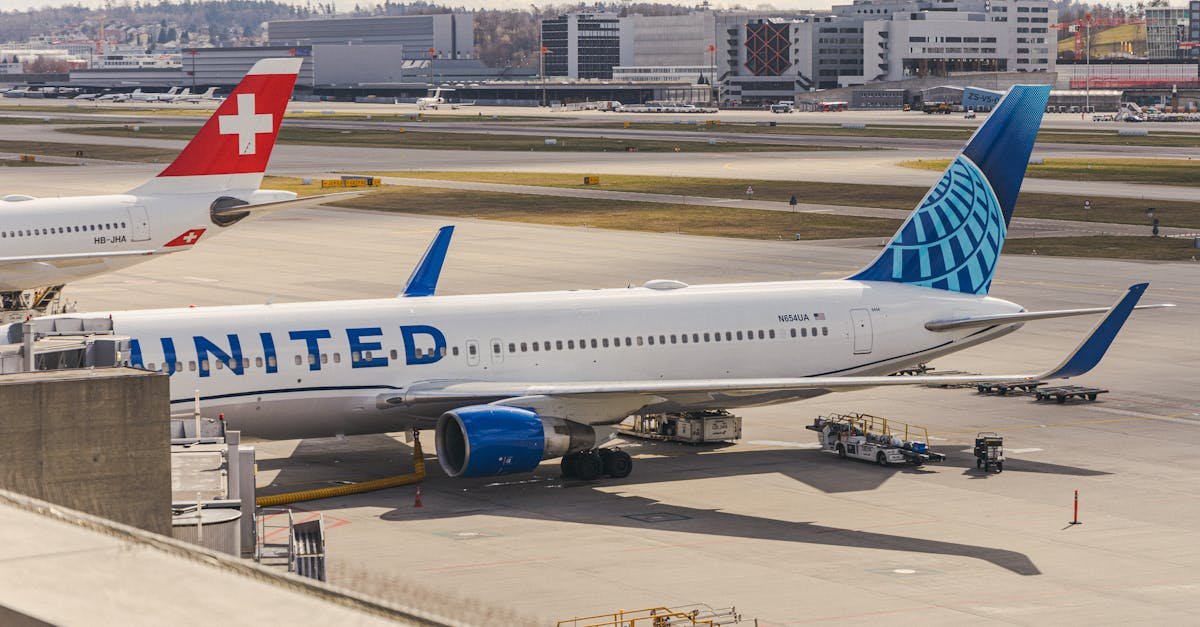
    The global aviation industry is currently facing a massive financial earthquake, and United Airlines is the first major carrier to start making cuts. In a recent memo to employees, CEO Scott Kirby made it clear that the company will not fly routes that lose money due to the staggering rise in jet fuel prices. With the 2026 Iran Crisis causing oil markets to spin out of control, the airline has decided to cut 5% of its total flight schedule for the second and third quarters of this year.

    This decision marks a significant shift in the travel landscape. While demand for flights is at an all-time high, the cost of keeping planes in the air has reached a breaking point. Kirby’s message was simple: there is no reason to burn cash on flights that cannot pay for their own fuel. As a result, travelers are looking at fewer options and much higher ticket prices as the industry tries to survive an $11 billion spike in annual expenses.

    The Economic Reality of $175 Oil

    The numbers behind this decision are eye-opening. United is preparing for a world where crude oil hits $175 per barrel. Even more concerning is the projection that prices might stay above $100 until the end of 2027. For a company like United, this isn’t just a minor budget tweak. An $11 billion increase in fuel costs is more than double the profit the airline made in its most successful year ever.

    Most large U.S. airlines do not use fuel hedging, which is a financial strategy to lock in lower prices ahead of time. Instead, they operate at the mercy of the current market. When fuel prices nearly doubled in less than a month following the start of hostilities in the Middle East, the business model for thousands of flights changed overnight. What was a profitable route in January became a money-losing venture by March.

    Where the Flight Cuts are Happening

    United is being very specific about which flights are getting the axe. The goal is to minimize the impact on most travelers while removing the least efficient operations. The cuts focus on three main areas.

    First, the airline is trimming 3% of its off-peak schedule. This includes red-eye flights that take off late at night and midweek services on Tuesdays and Wednesdays when fewer people travel. Saturday flights, which often have lower demand than Friday or Sunday, are also on the chopping block. By removing these flights, United can save massive amounts of fuel without disappointing the bulk of its weekday business or weekend leisure travelers.

    Second, the airline is pulling back slightly at its massive hub at Chicago O’Hare. About 1% of the capacity there will be reduced as the airline coordinates with the FAA. Finally, international travel is taking a hit. Service to Tel Aviv and Dubai remains suspended indefinitely due to the regional conflict and the risks associated with flying in that airspace. Together, these tactical moves add up to the 5% reduction in total capacity.

    The Impact on Your Next Vacation

    For the average traveler, the most immediate effect won’t be a canceled flight, but rather the cost of booking a new one. Airfares have already surged by about 20% in just a few weeks. Because United and other carriers are reducing the number of available seats while people are still desperate to travel, the remaining tickets are becoming much more expensive.

    Industry experts suggest that if you are planning to travel this summer, booking immediately is the only way to avoid even higher spikes. The supply of seats is shrinking exactly when summer vacation demand is peaking. This creates a perfect storm where only those willing to pay a premium will be able to secure a spot on the most popular routes.

    Why Demand Remains Record Breaking

    Interestingly, despite the high prices, United is seeing some of its strongest business in history. Over the last ten weeks, the airline recorded its ten highest booking revenue weeks ever. People seem determined to travel regardless of the cost, a trend often called “revenge travel” that has persisted long after the pandemic.

    Scott Kirby noted that while the fuel situation is scary, the sheer volume of people wanting to fly is a massive safety net. The airline is betting that it can raise prices enough to cover most of the fuel spike because travelers have shown they are willing to pay. However, there is a limit to this strategy. If fares keep climbing, many families may eventually be priced out of the market, leading to a potential drop in demand later in the year.

    Looking Toward the Future of Flying

    Despite the immediate cuts, United is not stopping its long-term growth plans. The airline still expects to take delivery of 120 new aircraft this year, including fuel-efficient Boeing 787s. These newer planes burn significantly less fuel than older models, which will be a key advantage if oil prices stay high for the next several years.

    The company’s leadership is trying to project confidence. Kirby told employees that the airline has the financial strength to weather this storm without resorting to the drastic measures seen in decades past, such as furloughs or canceling new plane orders. The strategy for now is to be “tactical” by pruning the schedule today to ensure the company remains healthy tomorrow.

    Navigating the New Travel Environment

    The current situation is a reminder of how quickly global events can change our daily lives. For now, the “new normal” for flying involves checking for schedule changes more frequently and budgeting significantly more for tickets. While United hopes to restore its full schedule by the fall of 2026, that plan depends entirely on whether the geopolitical situation stabilizes and oil prices begin to cool.

    If you have a flight already booked, it is a good idea to keep a close eye on your email. While United is focusing its cuts on flights that haven’t sold many tickets yet, some passengers will inevitably be rebooked on different times or days. Staying flexible and booking as far in advance as possible are currently the best tools a traveler has in a sky-high market.

  • China Southern A330 Loses Nose Cone in Severe Bird Strike over Shanghai

    China Southern A330 Loses Nose Cone in Severe Bird Strike over Shanghai

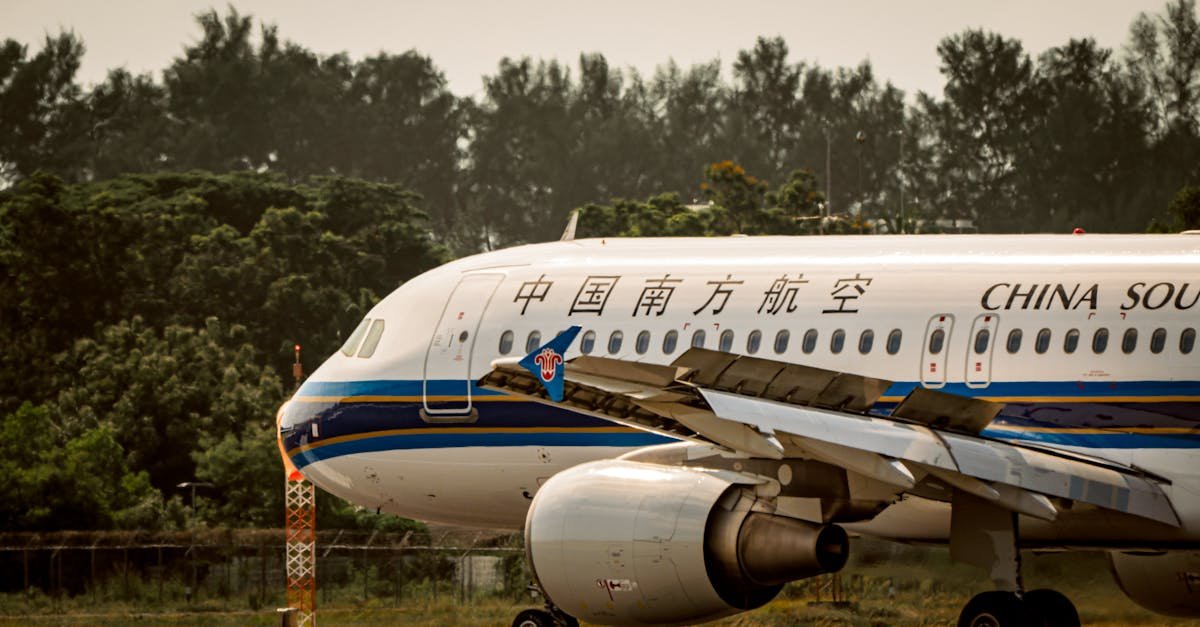
    The routine nature of a domestic hop from Shanghai to Shenzhen was shattered on Saturday, March 21, 2026, when a China Southern Airlines Airbus A330 encountered a mid-air nightmare. Shortly after lifting off from the tarmac at Shanghai Hongqiao International Airport, flight CZ3554 was met by a flock of birds that turned a standard climb into a high-stakes emergency.

    While bird strikes are a common occurrence in the world of aviation, the sheer scale of the damage to this particular wide-body jet was anything but ordinary. Photographs surfacing from the scene showed a sight that looked more like a Hollywood special effect than a commercial airliner: the entire nose cone, or radome, was missing.

    A Routine Departure Turns into a Crisis

    The flight began like any other at one of China’s busiest aviation hubs. The Airbus A330-300, a workhorse of the China Southern fleet, taxied to runway 18R and began its takeoff roll at approximately 12:43 p.m. local time. On board were hundreds of passengers bound for the southern tech hub of Shenzhen, settled in for what should have been a two-hour journey.

    As the aircraft climbed through 4,600 feet, the crew and passengers heard a series of loud thuds. This was the moment the aircraft collided with multiple birds. In an instant, the aerodynamic integrity of the plane was compromised. The impact was focused directly on the nose, where the composite radome bore the brunt of the kinetic energy. The force was so immense that the protective shell did not just crack; it was completely torn away from its hinges and fasteners.

    Understanding the Role of the Radome

    To those standing on the ground, seeing a plane land without its “nose” is a terrifying image. However, understanding what that part actually does helps explain why the plane remained flyable. The nose cone of an airplane is officially called a radome, a portmanteau of “radar” and “dome.”

    Unlike the rest of the fuselage, which is made of heavy-duty aluminum or high-strength carbon fiber to hold cabin pressure, the radome is made of lightweight, electromagnetically transparent materials like fiberglass or quartz composite. This allows the weather radar dish located inside to “see” through the nose to detect storms and turbulence.

    Because the radome is not a pressurized part of the aircraft, losing it does not cause a sudden drop in cabin oxygen. However, it does create a massive amount of aerodynamic drag and noise. In the case of flight CZ3554, the loss of the cone exposed the delicate radar equipment and the internal bulkhead to the 250-knot winds, making the aircraft much harder to handle and significantly louder for the pilots in the cockpit.

    The Pilot Response and Emergency Landing

    The flight crew on flight CZ3554 acted with the precision that comes from years of simulator training. As soon as the impact occurred and the aerodynamic noise increased, the pilots stopped their climb. They immediately notified air traffic control of the bird strike and their intention to return to Shanghai.

    Maintaining a stable altitude is critical in these situations because the missing nose can affect the accuracy of the Pitot tubes, the small sensors that tell the pilots how fast they are flying. If the airflow around the nose is turbulent, the speed readings can become unreliable.

    The pilots performed a holding pattern to run through their checklists and ensure the landing gear and flaps would operate correctly despite the structural damage at the front. Just 20 minutes after the initial incident, the A330 touched down safely on runway 18L at Hongqiao Airport. Ground crews were waiting as the “nose-less” jet taxied off the runway under its own power.

    Why Birds Pose Such a Threat to Modern Jets

    Modern jet engines and airframes are marvels of engineering, but they are still vulnerable to the laws of physics. When a ten-pound bird hits an airplane traveling at 250 miles per hour, the impact force is equivalent to a weight of several tons hitting a single point.

    Most bird strikes result in minor dents or blood smears, but a “multiple strike” scenario, where a plane flies through a flock, increases the risk of catastrophic failure. If birds are ingested into the engines, they can cause the fan blades to shatter, leading to a total loss of power. In this Shanghai incident, while the engines remained operational, the structural failure of the radome suggests the birds involved were likely large species, possibly migratory geese or ducks, which are common in the Yangtze River Delta region during the spring.

    The Aftermath for Passengers and the Fleet

    Once the aircraft was safely at the gate, the true extent of the damage became clear to everyone on board. Passengers deplaning at Hongqiao took photos of the exposed, circular radar dish and the jagged remains of the composite shell.

    China Southern Airlines quickly moved to minimize the disruption. They activated an emergency response plan, providing meals and assistance to the stranded travelers. A replacement aircraft, a Boeing 777-300ER, was brought in to pick up the passengers and complete the flight to Shenzhen later that afternoon.

    The damaged Airbus A330, registration B-1062, was moved to a maintenance hangar. Repairing such damage is a complex process. Beyond just bolting on a new radome, engineers must inspect the internal radar assembly, the forward pressure bulkhead, and the electrical wiring to ensure nothing was shifted or damaged by the wind blast or the initial impact.

    Looking Ahead at Aviation Safety Measures

    This incident serves as a stark reminder of the constant battle between aviation and nature. Airports like Shanghai Hongqiao use various methods to keep birds away from runways, including sonic cannons, trained hawks, and even laser systems. However, as urban areas expand and bird migration patterns shift due to changing climates, these encounters remain a persistent challenge.

    Aviation authorities in China have already begun a preliminary investigation into the incident. They will look at the flight data recordings and the biological remains found on the aircraft to identify the species of bird involved. This data is used to help airports refine their wildlife management programs and to help manufacturers like Airbus design even more resilient nose structures for the future.

    Moving Forward After the Shanghai Incident

    The safe return of flight CZ3554 is a testament to the safety systems built into modern aircraft and the professionalism of the crews who fly them. While the images of the damaged plane were startling, the fact that the incident ended without a single scratch on a passenger is the most important takeaway.

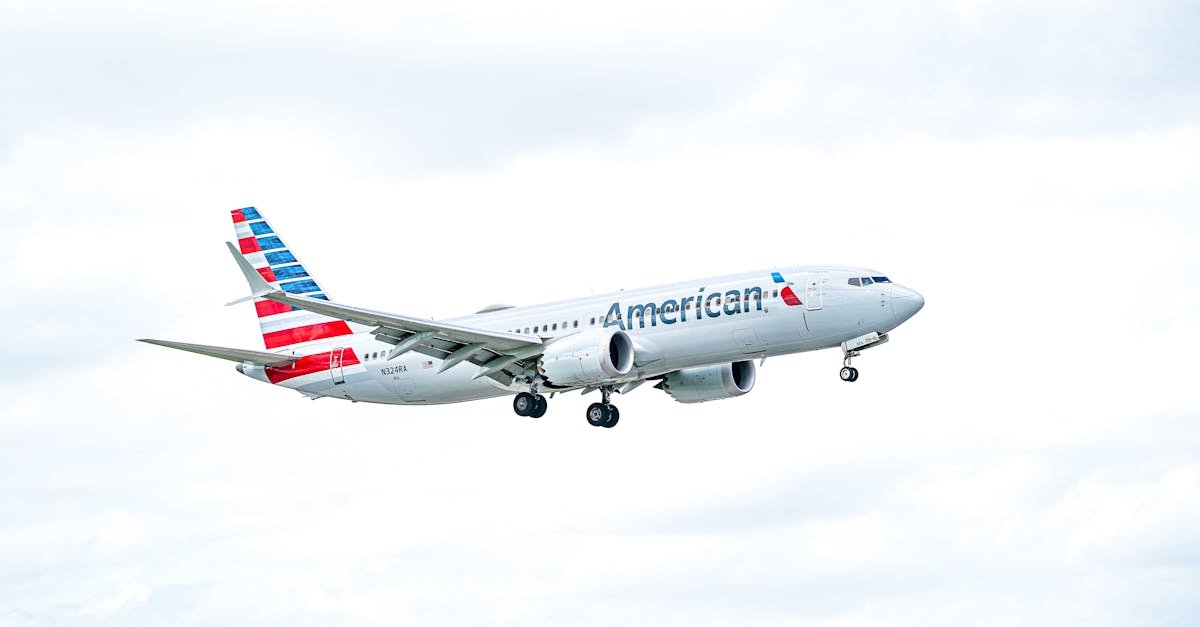
  • Mired in the Mud: American Airlines Boeing 737 Plows Into Soft Ground at Syracuse Airport

    Mired in the Mud: American Airlines Boeing 737 Plows Into Soft Ground at Syracuse Airport

    Travelers at Syracuse Hancock International Airport witnessed an unusual sight on Saturday when a massive commercial jet ended up far from its intended path. What started as a routine departure for American Airlines Flight 1235 quickly turned into a logistical headache as the aircraft slipped off the paved surface and became firmly embedded in the soft New York soil.

    The incident involved a Boeing 737-800, a workhorse of the American Airlines fleet. The plane was scheduled to transport passengers from Syracuse to Charlotte Douglas International Airport in North Carolina. Instead of soaring through the clouds, the aircraft spent its afternoon sinking into the mud, leading to a full scale ground response and a significant delay for everyone on board.

    The Mechanics of a Pushback Mishap

    To understand how a multi ton aircraft ends up off the road, one has to look at the delicate process of ground handling. Most large jets cannot reverse on their own power using jet engines because the blast could damage airport terminals or nearby equipment. Instead, they rely on a specialized vehicle known as a tug. This tug connects to the nose gear and pushes the plane backward from the gate toward the taxiway.

    During this specific pushback at Syracuse, something went wrong. Reports indicate that as the tug was maneuvering the Boeing 737-800 into position, the aircraft exited the hardened asphalt of the taxiway. Once the heavy tires of a 737 leave the reinforced concrete or asphalt designed to support their weight, they immediately encounter the soft, grassy medians of the airfield.

    In Syracuse, especially during seasons where the ground may be saturated by rain or melting snow, that soil offers almost no resistance. The sheer weight of the aircraft caused the landing gear to sink several inches into the earth, effectively anchoring the plane in place. At that point, the tug no longer had the traction or the power to pull the jet back onto the pavement without risking structural damage to the nose gear.

    Safety First for Passengers and Crew

    The immediate priority for the ground crew and the pilots was the safety of the people inside the cabin. While the event was certainly jarring for those sitting by the windows, there were no initial reports of injuries. Modern aircraft are built to withstand significant stress, and a low speed slip into the grass is generally more of an embarrassment and a logistical hurdle than a life threatening emergency.

    Flight attendants and the flight deck crew remained in constant communication with the passengers to keep them calm while airport authorities assessed the situation. Because the plane was stuck in a position where it could not simply be pulled back by the tug, the decision was made to deplane the passengers right there on the airfield.

    Deplaning on the tarmac is a complex operation. It requires mobile staircases to be brought out to the aircraft so that passengers can safely exit. From there, buses were used to shuttle the travelers back to the terminal building. While the walk down the stairs onto the windy airfield was likely not the start to the trip they expected, the process was handled in an orderly fashion to ensure no one was hurt during the transition.

    The Technical Challenge of Recovery

    Once the passengers were safely back in the terminal, the real work for the recovery teams began. Moving a Boeing 737-800 that is mired in mud is not as simple as calling a standard tow truck. The aircraft has a maximum takeoff weight that can exceed 170,000 pounds. When that much weight is concentrated on thin tires in soft dirt, the plane acts like a giant stake driven into the ground.

    Recovery teams often have to use specialized equipment such as heavy duty inflatable air bags or metal tracks. The air bags are placed under the wings or fuselage to lift the aircraft high enough so that the ground beneath the tires can be stabilized. Sometimes, crews have to dig out the mud by hand and replace it with gravel or steel plating to create a temporary road for the wheels to roll back onto the pavement.

    Every move must be calculated with extreme precision. If the recovery team pulls too hard on the landing gear while it is stuck in the mud, they could snap a high pressure hydraulic line or cause a structural failure in the gear itself. This would turn a minor ground incident into a multi million dollar repair job.

    Impact on Syracuse Hancock International Airport Operations

    Syracuse Hancock International is a busy hub for Central New York, and having a large jet blocking a taxiway or sitting near a runway can cause a ripple effect of delays. Air traffic controllers had to manage the flow of other arriving and departing flights to ensure they stayed clear of the recovery zone.

    While the airport remained open, the presence of emergency vehicles and recovery equipment meant that certain paths on the airfield were restricted. This required pilots of other aircraft to take longer routes to their gates, adding minutes to their taxi times. Fortunately, the incident occurred in a location that did not necessitate a total shutdown of the primary runways, which spared the traveling public from a total collapse of the day’s schedule.

    For American Airlines, the incident meant finding a replacement aircraft for the Charlotte leg of the trip. Airlines usually try to swap in a new plane from a nearby hub or rebook passengers on later flights. However, with a busy weekend schedule, finding nearly 160 empty seats on other flights can be a massive challenge for gate agents and customer service representatives.

    Investigating the Root Cause

    Whenever an aircraft leaves the paved surface, the Federal Aviation Administration and the airline itself launch an investigation. They want to know if the mishap was caused by mechanical failure in the tug, a lapse in communication between the ground crew and the cockpit, or perhaps a patch of ice or oil that caused the tires to lose grip.

    Investigators will look at the flight data recorders and the logs of the ground handling company. They will also interview the tug operator and the pilots. The goal is not just to assign blame but to update safety protocols to ensure that a similar slip does not happen again. Ground handling is one of the most dangerous and precise parts of aviation, and even a small mistake can lead to a very expensive result.

    Looking Ahead for Flight 1235 Travelers

    For the passengers of Flight 1235, the day will be remembered as the trip that never quite got off the ground. Most travelers understand that safety is the most important factor, but the frustration of a long delay is unavoidable. American Airlines typically provides vouchers for food and future travel in these scenarios to maintain goodwill with their customers.

    As the Boeing 737-800 is eventually pulled from the mud, it will be taken to a hangar for a thorough inspection. Mechanics will check the tires, the brakes, and the landing gear for any signs of stress or debris ingestion. Only after a rigorous series of tests will the plane be cleared to return to the skies.

    This incident serves as a reminder of the complex dance that happens on the ground at every major airport. While we focus on the marvel of flight, the simple task of moving a plane from a gate to a runway requires perfect coordination. When the ground turns soft and a wheel slips, it reminds everyone that even the most advanced machines are still at the mercy of the earth beneath them.

    Final Steps for the Stranded Boeing

    The recovery of the aircraft is only the beginning of the journey back to service. Once the jet is back on solid ground, the airport must also inspect the area where the incident occurred. The grass and soil will need to be repaired, and the pavement edge will be checked for any cracking or damage caused by the weight of the aircraft during the slide.

    The aviation industry thrives on learning from these moments. Within weeks, the findings from the Syracuse incident will likely be shared across the industry as a case study for ground crews. Whether it was a matter of timing, equipment, or environmental factors, the data gathered will help keep the next pushback on the right path.

  • Aviation Crisis: Qatar Airways A380s and A350s Diverted to Teruel Storage Hub

    Aviation Crisis: Qatar Airways A380s and A350s Diverted to Teruel Storage Hub

    The quiet plains of eastern Spain are once again echoing with the roar of massive jet engines, but not for the reason local tourism boards might hope. Teruel Airport, a facility that famously became a ghost ward for the world’s grounded airliners during the pandemic, is seeing a sudden and dramatic influx of wide body aircraft. This time, the culprit is not a global health crisis but the escalating geopolitical conflict involving Iran. As nations scramble to shutter their airspace and airlines desperately redraw their flight maps, Teruel has reclaimed its title as the premier parking lot for the world’s most expensive stranded assets.

    A Mass Exodus from the Middle East

    The movement began in earnest on Friday when a fleet of nearly a dozen wide body jets descended upon the tarmac at Teruel. The majority of these aircraft wear the distinctive burgundy and white livery of Qatar Airways. Among the arrivals was the crown jewel of the fleet: an Airbus A380 superjumbo. The double decker giant touched down mid morning after a ferry flight from London, where it had been effectively cut off from its home base in Doha.

    The A380 was followed closely by two Airbus A350s and a Boeing 787 Dreamliner by the late afternoon. For an airport that typically handles maintenance and long term storage at a measured pace, this sudden wave of high capacity arrivals feels like a flashback to the spring of 2020. By the end of Saturday, officials expect to have sheltered roughly 20 aircraft, with 17 of those belonging to Qatar Airways alone.

    Why Teruel is the Chosen Sanctuary

    It might seem strange to fly a multi million dollar jet thousands of miles to a remote part of Spain just to let it sit, but Teruel offers a very specific set of advantages that few other airports can match. Known formally as the Teruel Airport (TEV), it was never designed for passengers. There are no duty free shops or boarding gates here. Instead, it is a dedicated industrial hub for maintenance, repair, and overhaul (MRO).

    The primary draw is the climate. Located at a high altitude in a semi arid region, Teruel provides an environment with very low humidity and almost no salt in the air. For an aircraft, moisture is the enemy, leading to corrosion in delicate engine parts and airframes. By parking in the dry Spanish interior, airlines can preserve their planes in a “ready to fly” state with far less intensive preservation work than would be required in a humid coastal city.

    The Strategic Impact of Airspace Closures

    The reason these planes are being moved is purely operational. The conflict with Iran has turned the Middle East into a patchwork of “no fly” zones. For a “super connector” airline like Qatar Airways, which relies on a hub and spoke model centered in Doha, these closures are catastrophic. When the corridors to the north and east are blocked, the airline is forced to fly massive detours, often adding hours to flight times and burning thousands of gallons of extra fuel.

    In many cases, it simply becomes more cost effective to ground the largest, most fuel hungry aircraft and wait for the situation to stabilize. The A380, while a passenger favorite, is notoriously expensive to operate when routes are inefficient. By moving these jets to Teruel, Qatar Airways is essentially hitting the pause button on its most expensive assets while it waits for a safe path home to open up.

    Reviving the Pandemic Boneyard

    This isn’t the first time Teruel has stepped up during a global emergency. During the height of the COVID pandemic, the airport hosted approximately 140 aircraft at once. It became a viral sensation, with drone footage showing rows upon rows of Lufthansa, British Airways, and Air France jets parked wingtip to wingtip on the reddish soil.

    While the numbers today are not yet at pandemic levels, the speed of the arrivals is what has caught industry observers off guard. During the pandemic, the grounding was a slow, agonizing process that lasted months. This time, the shift has happened in a matter of days. It highlights how vulnerable the global aviation network remains to regional instability. A single conflict can essentially sever the artery between Europe and Asia, leaving the world’s most advanced machines with nowhere to go.

    Technical Challenges of Sudden Storage

    Parking a plane isn’t as simple as turning off the ignition and walking away. Even in the ideal climate of Teruel, the aircraft require constant attention. Teams from Tarmac Aerosave, the company that manages the storage site, must perform rigorous “active storage” protocols. This includes:

    • Sealing Openings: Every gap, from the massive engine intakes to the tiny pitot tubes that measure airspeed, must be covered to prevent birds or insects from nesting inside.
    • Fluid Management: Fuel tanks must be kept at specific levels to prevent microbial growth, and hydraulic systems must be cycled periodically to keep seals from drying out.
    • Tire Rotation: Because these planes weigh hundreds of tons, they cannot sit in one spot for too long or the tires will develop “flat spots.” Maintenance crews must occasionally tow the aircraft a few feet forward or backward to distribute the weight.

    The Economic Ripple Effects

    The arrival of these planes is a bittersweet boost for the local economy in the Aragon region. While it brings specialized jobs and maintenance revenue to the airport, it serves as a somber reminder of the volatility in the Middle East. For the airlines, every day a Boeing 787 or an Airbus A350 sits on the ground in Spain is a day it isn’t generating revenue. The lease payments, insurance, and maintenance costs continue regardless of whether the plane is carrying passengers or sitting in the desert sun.

    Industry analysts are watching the situation closely. If more airlines begin to follow the lead of Qatar Airways and ferry their fleets to European storage hubs, it could signal that the industry expects the conflict to be a long term disruption rather than a brief skirmish.

    Looking Toward the Horizon in Aragon

    As the sun sets over the Teruel tarmac, the sight of 17 Qatari jets lined up against the Spanish hills is a powerful image of a world in flux. The airport has proven itself once again to be the world’s safety valve, a place where the giants of the sky can find refuge when the world below becomes too dangerous. For now, the crews at Teruel will keep the engines covered and the systems primed, waiting for the day when the skies over the Middle East are clear enough for these “big white birds” to finally head home

  • Alaska Airlines and FedEx Planes Nearly Collide at Newark Airport: What We Know

    Alaska Airlines and FedEx Planes Nearly Collide at Newark Airport: What We Know

    A Tuesday evening in New Jersey nearly turned into a national tragedy when two large commercial aircraft came within seconds of a collision at Newark Liberty International Airport. On March 17, 2026, an Alaska Airlines Boeing 737 and a FedEx Boeing 777 freighter found themselves on a converging path while attempting to land on intersecting runways.

    The incident has sparked an immediate and intensive investigation by the Federal Aviation Administration and the National Transportation Safety Board. As radar data and cockpit audio recordings emerge, the terrifying reality of how close these two planes came to each other is becoming clear. With only a few hundred feet of separation, the safety of hundreds of passengers and the integrity of one of the busiest airspaces in the world are now under the microscope.

    The Timeline of a Terrifying Descent

    The sequence of events began around 8:15 p.m. local time. Alaska Airlines Flight 294, a Boeing 737 arriving from Portland, Oregon, was on its final approach to one of Newark’s primary runways. Simultaneously, FedEx Flight 721, a massive Boeing 777 cargo jet arriving from the FedEx hub in Memphis, Tennessee, was cleared for landing on a runway that intersected the path of the Alaska jet.

    As the Alaska Airlines flight descended, the crew was focused on the runway ahead, unaware that the FedEx plane was closing in on a crossing trajectory. At approximately 8:17 p.m., the situation reached a critical point. The Alaska 737 was just 150 feet above the ground, seconds away from touching down, when an air traffic controller recognized the imminent danger.

    The controller issued an urgent command to the Alaska pilots to perform a go around. This maneuver requires the pilots to immediately increase engine power, retract landing gear, and climb away from the airport to reset their approach. The FedEx 777, meanwhile, continued its descent and landed safely on the intersecting runway.

    Measuring the Margin of Error

    Preliminary data analyzed by Flightradar24 paints a chilling picture of the narrow margin for error. According to their radar tracking, the Alaska Airlines jet cleared the FedEx plane by a distance estimated between 300 and 325 feet. In the world of commercial aviation, where safety buffers are usually measured in miles or thousands of feet, a gap of 300 feet is considered a hairsbreadth.

    The physical size of the aircraft involved adds to the gravity of the situation. A Boeing 777 is one of the largest twin engine jets in the world, with a wingspan of nearly 200 feet. Having a Boeing 737 fly directly over or past it at such a low altitude and high speed represents a significant breakdown in the standard separation protocols that keep the skies safe.

    Understanding the Risk of Intersecting Runways

    Newark Liberty International Airport, like many older major airports in the United States, uses a runway configuration that includes intersecting paths. While this design allows for greater flexibility in handling high volumes of traffic and adapting to changing wind conditions, it inherently introduces a higher level of complexity for air traffic controllers.

    At Newark, Runway 11/29 intersects with the primary parallel runways, 4L/22R and 4R/22L. When traffic is heavy, controllers must carefully sequence arrivals and departures to ensure that no two aircraft occupy the “box” where the runways cross at the same time. On Tuesday night, that sequencing appears to have failed, leading to the close call between Flight 294 and Flight 721.

    Industry experts note that while intersecting runways are common, they require absolute precision. A delay of just a few seconds in communication or a slight misunderstanding of a clearance can lead to a runway incursion or a near miss.

    The Human Element and Air Traffic Control Strains

    A scenic view of an air traffic control tower through an airplane window, symbolizing travel and aviation.

    The investigation is expected to look closely at the workload and staffing levels at the Philadelphia TRACON, the facility responsible for managing the airspace around Newark. In recent years, the FAA has faced criticism over chronic staffing shortages and the aging infrastructure of the air traffic control system.

    Reports from 2025 indicated that the area handling Newark traffic was operating with significantly fewer certified controllers than the targeted goal. When controllers are overworked or facilities are understaffed, the mental fatigue can lead to errors in judgment or slower reaction times. Whether staffing played a role in this specific incident will be a primary focus for NTSB investigators.

    The “go around” command given to the Alaska flight was a successful use of a primary safety tool, but the fact that it was required at such a low altitude suggests that the conflict should have been identified much earlier in the approach sequence.

    Official Responses and Airline Statements

    In the wake of the incident, both airlines have released statements emphasizing their commitment to safety. Alaska Airlines confirmed that their crew followed standard procedures after receiving the go around instruction from the tower. The airline noted that their pilots undergo rigorous training for exactly these types of scenarios, ensuring they can react calmly and effectively when a landing must be aborted.

    FedEx also issued a brief statement, confirming that Flight 721 landed safely and that the company is cooperating fully with federal authorities. Neither airline has commented on the specific details of the separation distance, deferring all technical questions to the FAA and NTSB.

    The FAA released a statement on Thursday morning confirming the investigation. They stated that the controller instructed the Alaska flight to abort its landing because the FedEx plane had already been cleared for the intersecting runway. This suggests a potential conflict in the clearances issued to the two different flights.

    Broader Implications for Aviation Safety

    This near miss is part of a worrying trend of close calls at major U.S. airports over the last few years. High profile incidents in Austin, New York, and Boston have already prompted the FAA to hold safety summits and implement new technology designed to alert controllers of potential surface conflicts.

    While modern aircraft are equipped with sophisticated Traffic Collision Avoidance Systems (TCAS), these systems are sometimes limited during the final stages of landing when planes are very close to the ground and focused on specific runway paths. In these moments, the responsibility falls almost entirely on the shoulders of air traffic controllers and the visual awareness of the pilots.

    What Happens Next in the Investigation

    The NTSB will now begin the painstaking process of downloading data from the “black boxes” or flight data recorders of both aircraft. They will also review the digital logs from the air traffic control tower and interview the controllers and pilots involved.

    Investigators will look for “root causes.” Was there a piece of equipment that failed? Was the radio frequency congested, leading to a delayed message? Or was it a simple human error in calculating the speed and distance of the two arriving jets? The final report could take a year or more to complete, but preliminary findings and safety recommendations are often released much sooner if a systemic issue is discovered.

    A System That Worked Despite the Danger

    While the 300 foot gap is terrifying to contemplate, aviation experts often point out that the system’s redundancies actually worked in this case. The controller identified the error before a collision occurred, and the pilots responded instantly to the command.

    Every go around is a win for safety, even if the circumstances leading up to it are a cause for concern. For the passengers on Alaska Flight 294, the sudden climb and roar of the engines may have been startling, but it was the sound of a disaster being averted. As the FAA continues its probe, the focus remains on ensuring that the narrow escape at Newark leads to meaningful changes that prevent a similar situation from ever happening again.

  • Airbus A320 Pilot Passes Out Mid-Flight: How Food Poisoning Led to Cockpit Chaos

    Airbus A320 Pilot Passes Out Mid-Flight: How Food Poisoning Led to Cockpit Chaos

    The safety of modern aviation relies on a complex web of technology and human performance. While we often focus on engine reliability or weather conditions, one of the most unpredictable variables in the cockpit is the health of the crew. A recent safety report involving a SWISS International Air Lines flight has brought this reality into sharp focus. On a routine flight to Nice, France, the captain of an Airbus A320 became incapacitated due to a sudden and severe bout of food poisoning. This was not just a medical emergency; it became a flight control challenge when the captain’s physical collapse caused unintended inputs to the aircraft’s sensitive controls.

    The Routine Flight That Turned Critical

    The flight began like any other short haul journey from Zurich. The Airbus A320 is the workhorse of the European skies, known for its fly by wire technology and high levels of automation. For the passengers on board, the descent into Nice is usually one of the most scenic approaches in the world. However, as the aircraft began its final transition toward the runway, the atmosphere in the cockpit shifted from professional calm to high stakes crisis management.

    The captain began feeling unwell shortly before the descent. What started as mild discomfort rapidly escalated into a full blown physiological failure. Food poisoning can strike with little warning, and in this instance, it led to a complete loss of consciousness. As the captain slumped forward, his body weight pressed against the side stick, which is the primary control interface for the Airbus A320.

    Understanding the Airbus A320 Side Stick System

    To understand why this caused cockpit chaos, one must understand how the Airbus A320 differs from traditional Boeing aircraft. In older planes, the two control columns are physically linked. If one moves, the other moves. In an Airbus, the side sticks are independent. Under normal conditions, the computer averages the inputs from both sticks if both pilots move them at once.

    When the captain passed out, his hand remained on the stick. His unconscious movements sent erratic signals to the flight computers. The aircraft responded to these “ghost” inputs, causing the plane to bank ten degrees in one direction and then eight degrees in another. For the first officer, this created a terrifying scenario where the plane seemed to be fighting against his own manual inputs to stay level and on course.

    The First Officer Takes Command

    In any dual pilot cockpit, the transition of power is governed by strict protocols. When the captain became unresponsive, the first officer had to initiate incapacitated pilot procedures immediately. This involves more than just flying the plane. The first officer had to physically move the captain’s body away from the controls while simultaneously pressing the take over button on his own side stick.

    This red button is a critical safety feature. When held down, it deactivates the other side stick entirely. In this specific incident, the first officer had to maintain constant pressure on this button to ensure the captain’s slumped weight did not continue to bank the plane toward the ground. Operating an Airbus A320 with one hand while managing a medical emergency with the other is a feat of coordination that pilots practice in simulators but rarely hope to experience in real life.

    The Hidden Danger of the Shared Meal

    Aviation has a long standing tradition, and often a formal rule, that the pilot and the co-pilot must not eat the same meal before or during a flight. This is specifically designed to prevent a situation where both pilots are struck by food poisoning at the same time. While this rule was followed, it highlights the vulnerability of the crew to common illnesses.

    In this case, the captain had consumed a meal prior to the flight that contained toxins or bacteria that took hours to manifest. The timing could not have been worse. The approach to Nice is a high workload phase of flight. It requires constant communication with air traffic control and precise adjustments to speed and altitude. Having the senior pilot lose consciousness at this moment forced the first officer into a solo operation during the most dangerous part of the trip.

    Sensory Overload and Secondary Risks

    When a pilot passes out and hits the controls, it creates a cascade of secondary alarms. The Airbus A320 flight deck is designed to alert the crew to any deviation from the flight path. As the plane banked unexpectedly, various “cavalry charge” audio warnings and visual master cautions would have filled the small space.

    For the first officer, the challenge was filtering out the noise to focus on the primary task: fly the airplane. He also had to communicate with the cabin crew. A flight attendant was called to the cockpit to help pull the captain back into his seat and secure him with the five point harness so that he would not fall onto the controls again. This teamwork is what prevented a serious accident from becoming a catastrophe.

    Fly By Wire as a Double Edged Sword

    The technology of the Airbus A320 played a fascinating role in this event. Because the plane is governed by flight envelope protection, it prevented the pilot’s unconscious weight from putting the plane into an irrecoverable dive or a stall. The computers are programmed to ignore inputs that would lead to structural failure.

    However, the “priority logic” of the sticks meant the first officer had to be proactive. If he had not pressed the priority button, the computer would have added his “up” input to the captain’s “down” input, resulting in a neutral or unpredictable flight path. This incident serves as a case study for why pilots must be masters of their aircraft’s logic systems.

    The Recovery and the Aftermath

    Miraculously, as the aircraft reached the very final stages of the landing, the captain began to regain a small degree of consciousness. The sudden rush of oxygen or the change in cabin pressure during the descent may have helped. By the time the wheels touched the runway in Nice, the captain was awake, though severely weakened and disoriented.

    The plane landed safely, and medical teams were waiting on the tarmac to transport the captain to a local hospital. While the passengers were largely unaware of the life and death struggle happening just behind the cockpit door, the aviation world took immediate notice. This was a rare example of a “dual input” event caused by medical distress rather than mechanical failure.

    Lessons Learned for Future Flight Safety

    The investigation into this SWISS flight led to several recommendations for airlines worldwide. One major takeaway was the importance of physical fitness and the monitoring of pre flight nutrition. It also reinforced the need for “incapacitation training” in simulators. Most pilots spend their training time practicing for engine fires or hydraulic leaks, but many now spend more time practicing how to physically wrestle a slumped colleague off the controls.

    The Airbus A320 remains one of the safest aircraft in history, but this event reminds us that the human element is the most fragile part of the system. Even with the best computers in the world, the quick thinking of a junior officer and the design of a single red button were the only things standing between a safe landing and a tragic headline.

    Beyond the Cockpit Door

    This incident also sparked a conversation about the pressure pilots feel to fly even when they might be feeling slightly unwell. In a high pressure industry with tight schedules, admitting to a stomach ache might feel like a nuisance. However, as this flight proved, a minor digestive issue on the ground can become a total system failure at thirty thousand feet.

    Moving forward, airlines are looking at more advanced biometric sensors that could be integrated into the pilot’s headset or seat. These sensors could detect a drop in heart rate or a change in skin temperature and alert the other pilot before a total loss of consciousness occurs. Until then, the safety of the skies relies on the vigilance of the crew and the robust design of the flight deck.