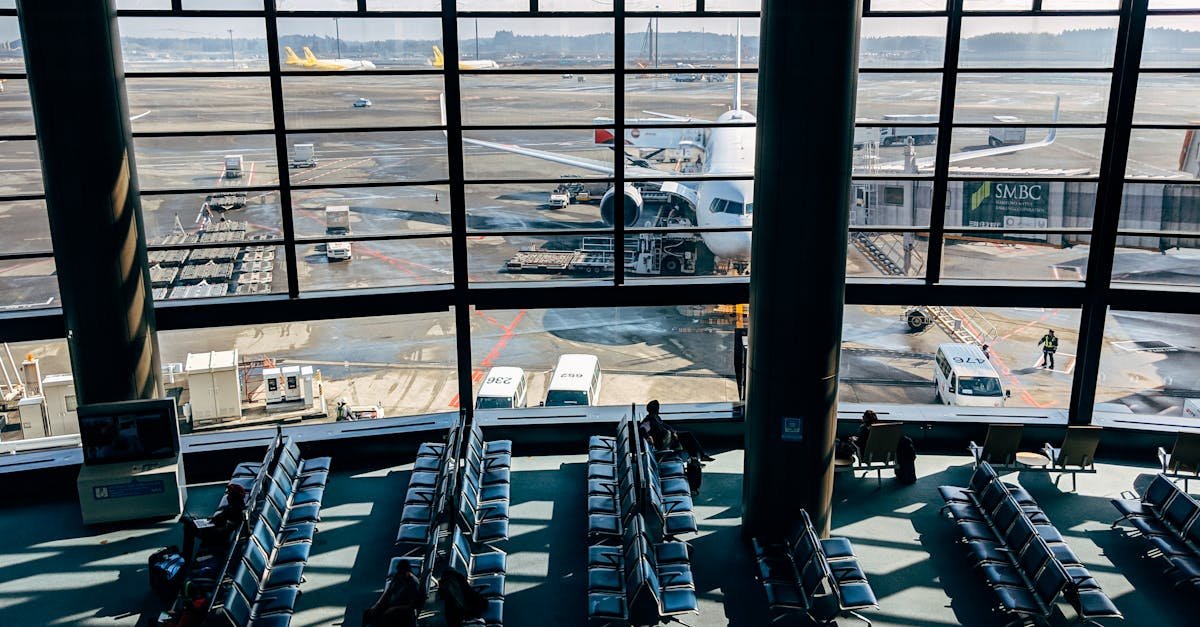
The scene at Hartsfield-Jackson Atlanta International Airport this Sunday morning looks more like a crowded stadium entrance than a functional travel hub. Passengers arriving for their flights are being met with a sea of people that stretches far beyond the usual security checkpoints. In a sight that has become increasingly common over the last few days, the queue for screening now winds through the baggage claim carousels and spills out toward the ground transportation zones. For many travelers, the wait time has officially crossed the three hour mark.
While Atlanta is known for being the busiest airport in the world, this level of congestion is not due to a holiday rush or a sudden spike in ticket sales. Instead, it is the direct result of a political stalemate hundreds of miles away in Washington D.C. As the partial government shutdown enters its second month, the infrastructure of American travel is beginning to show deep cracks.
The Breaking Point for TSA Staff
At the heart of the chaos is a simple and painful reality for the people tasked with keeping the skies safe. Transportation Security Administration agents are among the federal employees required to work without a paycheck during the shutdown. On Friday, these workers missed their first full pay cycle since the funding lapse began. By this morning, the financial pressure reached a tipping point.
Airport officials in Atlanta have confirmed that daily callout rates among TSA staff have reached a staggering 40 percent. While some might view these absences as a form of protest, for many workers, it is a matter of basic survival. Without a steady income, many employees can no longer afford the fuel to drive to work or the cost of childcare required to cover their shifts. When nearly half of the workforce is unable to show up, the remaining staff members are left to manage thousands of passengers with a fraction of the necessary resources.
A Massive Bottleneck at Hartsfield-Jackson
Hartsfield-Jackson is a unique beast in the aviation world. Because it serves as a primary hub for Delta Air Lines and a major connecting point for international travel, even a minor delay in security can ripple across the entire global flight network. With security lines reaching three hours, the ripple has become a tidal wave.
Travelers who arrived two hours early for their domestic flights are finding themselves missing their departures before they even reach the metal detectors. The airport has deployed additional staff to help manage the crowds and provide water to those standing in line, but there is very little anyone can do to speed up the actual screening process. Each bag must still be scanned and each passenger must still be vetted, and there are simply not enough open lanes to handle the volume.
The Financial Reality of February 14
The timeline of this crisis is particularly bleak for federal workers. TSA employees have not seen a deposit in their bank accounts since February 14. For a workforce that often starts at a modest salary, missing even one paycheck can be a catastrophic event. Many of these individuals live paycheck to paycheck, and the uncertainty of when the next one will arrive is causing immense mental and financial strain.
The Department of Homeland Security, which oversees the TSA, remains caught in the middle of a fierce funding battle between Democrats and Republicans. The primary point of contention continues to be the allocation of funds for border security and a physical wall. As the two sides remain locked in a cycle of blame, the people who show up every day to secure our borders and airports are the ones paying the price.
Passenger Frustration and Safety Concerns
While the focus is often on the length of the lines, there are growing concerns about the safety and security of the airport environment itself. A three hour wait in a cramped, indoor space creates a high stress atmosphere. Tempers are short, and the sheer density of the crowd makes it difficult for airport police to move through the terminal if an emergency were to occur.
Furthermore, aviation experts are raising alarms about the long term impact of the shutdown on the TSA workforce. If the shutdown continues, many of the most experienced agents may choose to leave the agency entirely for jobs in the private sector that offer guaranteed pay. Losing a significant portion of trained security professionals would lead to safety gaps that could take years to fill.
Navigating the Terminal During the Crisis
For those who must travel through Atlanta during this period, the experience is nothing short of exhausting. Frequent flyers who typically breeze through PreCheck lanes are finding that even those expedited services are being consolidated or closed due to staffing shortages. The usual perks of travel status have effectively vanished under the weight of the shutdown.
Airport management is urging passengers to check their flight status and security wait times before leaving for the airport. However, the wait time apps are often struggling to keep up with the rapid changes on the ground. Some travelers have reported that the wait jumped from sixty minutes to two hours in the time it took them to park their cars. The best advice currently being offered is to arrive at least four to five hours before a scheduled departure, though even that may not be enough if callout rates continue to climb.
The Political Gridlock in Washington
The standoff in the Capitol shows no immediate signs of a resolution. Democrats have maintained that they will not negotiate on border funding until the government is fully reopened. Conversely, Republican leadership has stated that they will not support a funding bill that does not include the requested billions for a border wall.
This legislative game of chicken has left the Department of Homeland Security in a state of limbo. While the TSA is the most visible agency affected at the airport, other vital services are also feeling the pinch. Customs and Border Protection officers are in the same boat, working long hours at international gates without knowing when they will be compensated for their labor.
Looking Ahead to the Coming Week
As the sun sets on Sunday, there is a sense of dread regarding the Monday morning rush. Traditionally, Monday is one of the busiest days for business travel. If the callout rates remain at 40 percent or increase as workers look for alternative temporary employment, the scenes of chaos at Hartsfield-Jackson will likely intensify.
The situation in Atlanta is a localized symptom of a national problem. While other airports like Chicago O’Hare and New York JFK are also reporting increased wait times, Atlanta remains the focal point of the crisis due to its sheer scale. It serves as a reminder of how quickly our modern infrastructure can grind to a halt when the human element of the system is neglected.
Moving Toward a Resolution
The only clear path out of this travel nightmare is a legislative agreement that restores funding to the TSA and the wider Department of Homeland Security. Until the workers are paid, the incentive to show up for a high stress, high stakes job will continue to dwindle. The patience of the traveling public is wearing thin, and the financial losses for airlines and local businesses are mounting by the hour.
For now, the hallways of the world’s busiest airport remain filled with the sound of rolling suitcases and the frustrated murmurs of thousands of people waiting for a solution that remains out of reach. The coming days will determine if the aviation system can hold together or if this Sunday was just the beginning of a much larger collapse in national travel.
Leave a Reply