Category: News

  • “Give Me My Money Back” – The Viral Spirit Airlines Video and the Truth About ‘Duct Tape’ on Planes

    “Give Me My Money Back” – The Viral Spirit Airlines Video and the Truth About ‘Duct Tape’ on Planes

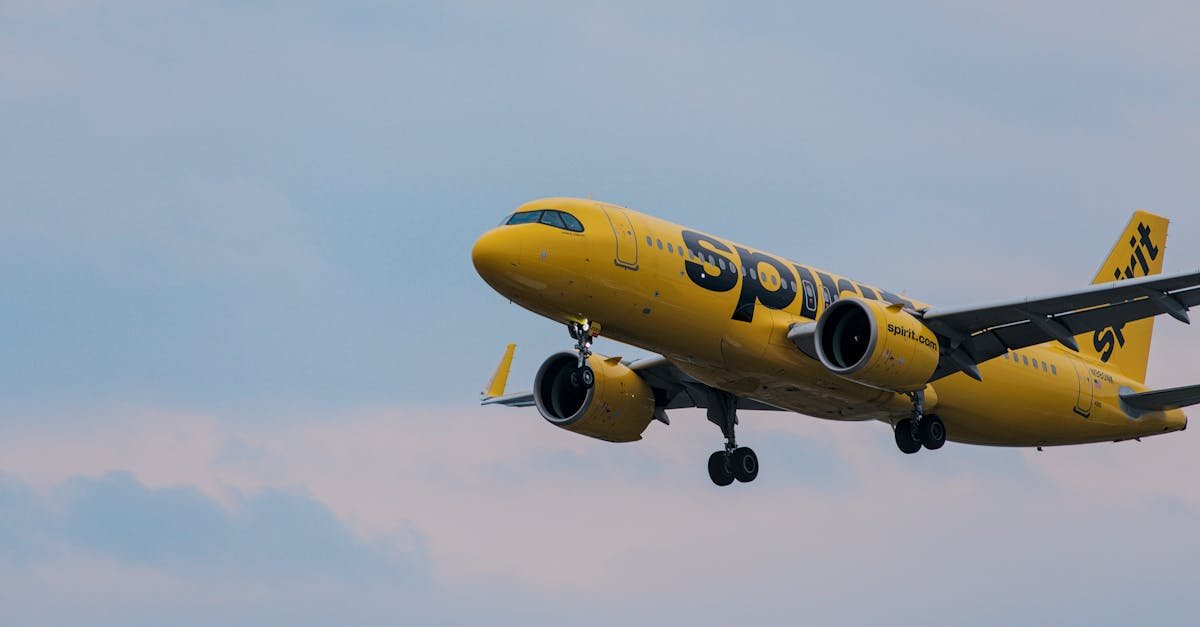
    The internet has a unique way of turning a routine maintenance procedure into a global safety panic. Recently, a video featuring a Spirit Airlines ground crew member went viral, showing what appeared to be a worker applying household duct tape to the exterior of a jet engine. In the background, a passenger can be heard shouting, “Just give me my money back!” while expressing total disbelief that a multi-million dollar aircraft was being held together by something you might find under a kitchen sink.

    While the visual is admittedly jarring for anyone sitting in a window seat, the reality behind the tape is far more sophisticated than a quick DIY fix. What passengers are actually seeing is a specialized tool used by every major carrier in the world. It is not about cutting costs or being cheap. It is about aerodynamics and temporary protection.

    Understanding the Difference Between Duct Tape and Speed Tape

    To the untrained eye, the silver rolls used on an airplane wing look exactly like the duct tape used to fix a broken bumper or a leaky pipe. However, using actual duct tape on a jet would be catastrophic. Standard adhesive tapes are made of cloth and plastic. They melt at high temperatures and peel off at speeds exceeding 60 miles per hour.

    The material seen in the Spirit Airlines video is actually called speed tape. This is a heavy duty, aluminum pressure sensitive tape that is specifically engineered for the aviation industry. A single roll of this material can cost between 500 and 800 dollars. It is made of thick aluminum foil with a high grade silicone or acrylic adhesive. Unlike the tape in your garage, speed tape is designed to stay perfectly intact while an airplane travels at 500 miles per hour through freezing rain and intense solar radiation.

    Why Do Airlines Use Tape in the First Place

    When people see tape on a plane, their first thought is usually that the wing is falling off. This is a common misunderstanding of how aircraft maintenance works. Speed tape is never used for structural repairs. It is not holding the engine to the wing, and it is not sealing a giant hole in the pressurized cabin.

    Instead, Spirit Airlines and other carriers use it for non critical cosmetic or aerodynamic issues. The most common use is to cover peeling paint. At high speeds, even a small chip in the paint can create wind resistance or lead to further erosion of the aircraft skin. By smoothing over the area with speed tape, mechanics ensure that the airflow remains consistent. It also protects the underlying metal from moisture and corrosion until the plane can be taken into a hangar for a permanent paint job.

    The High Standards of Aviation Regulations

    Aviation is one of the most strictly regulated industries on the planet. No mechanic at Spirit Airlines can simply walk up to a plane and decide to slap some tape on it. Every repair, no matter how small it looks, must follow the Structural Repair Manual provided by the aircraft manufacturer, such as Boeing or Airbus.

    The Federal Aviation Administration has very specific rules about where speed tape can be applied and for how long it can stay there. Every piece of tape has a logged entry. Pilots and inspectors must sign off on its use before the flight is cleared for takeoff. If the tape were truly a safety hazard, the plane would be legally grounded. The fact that the flight departed shows that the repair met every safety threshold required by international law.

    The Viral Outrage and the Budget Spirit Airlines Reputation

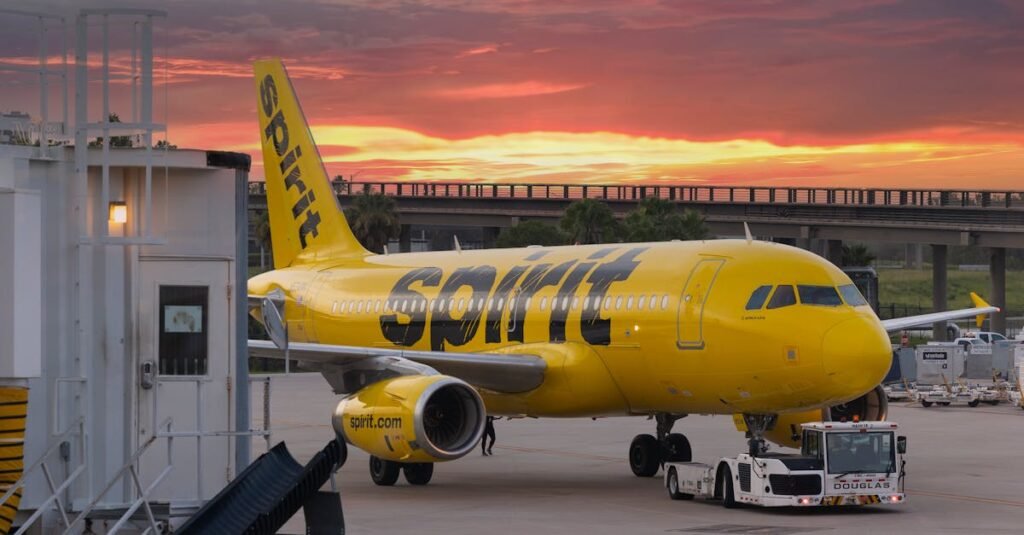
    A Spirit Airlines plane at Manchester Airport during a stunning sunset sky, showcasing travel ambiance.

    The reason this specific video gained so much traction is largely due to the reputation of Spirit Airlines as a low cost carrier. Because the airline is known for its budget friendly fares and unbundled services, passengers are often primed to look for signs of “cheapness.” When a traveler sees a mechanic using tape, they immediately associate it with the airline’s low prices, assuming that safety is being sacrificed for profit.

    In reality, if you were to walk the tarmac at a major hub for high end international carriers, you would see the exact same silver tape on their planes too. Speed tape is a universal tool. It is used because it is the most efficient way to keep a plane in service for minor issues without causing massive delays for hundreds of passengers. Replacing a fairing or repainting a wing section can take days. Applying speed tape takes minutes and is just as safe for the short term.

    The Incredible Engineering of Aluminum Foil Tape

    To appreciate why this tape is used, you have to look at the science of the material. Speed tape is capable of expanding and contracting at the same rate as the airplane’s aluminum skin. As a plane climbs to 35,000 feet, the air becomes extremely cold, causing the metal to shrink. When it lands in a hot climate like Florida or Nevada, the metal expands.

    Standard tapes would crack or lose their grip under these stresses. Speed tape remains flexible. It is also resistant to jet fuel, UV rays, and fire. When applied correctly, it becomes a temporary part of the aircraft’s skin, effectively smoothing out the surface so that the engines don’t have to work harder to overcome drag. This actually helps with fuel efficiency during the flight.

    Why Passenger Perception Matters

    Even though the tape is safe, the optics are undeniably poor for the airline. For a passenger who has paid for a ticket and is trusting their life to a machine, seeing a “band-aid” on the engine is terrifying. This highlights a gap in communication between the technical world of aviation maintenance and the general public.

    Airlines often struggle to explain these procedures because the explanations are technical and boring, while a viral video is fast and emotional. The phrase “give me my money back” resonates because it taps into a universal fear of flying and a lack of control. However, the aviation industry relies on data and engineering rather than appearances. If tape were dangerous, the insurance liabilities alone would prevent any airline from ever using it.

    Safety Measures You Can Trust

    Next time you see a silver patch on a wing, remember that it is backed by decades of engineering. Before that tape was applied, a certified mechanic had to inspect the area to ensure the damage was only surface level. They had to clean the surface with specific solvents to ensure a perfect bond. They then had to apply the tape in a specific overlapping pattern to ensure the wind would not catch the edges.

    Spirit Airlines, like all commercial carriers, operates under a microscope of safety checks. The technicians working on these planes go through years of schooling and must maintain licenses that are difficult to earn. They are not looking for the easiest way out. They are looking for the approved way to keep the flight schedule moving while maintaining a hundred percent safety record for the equipment.

    A New Perspective on Aircraft Maintenance

    It is easy to let a viral video shape your view of an airline. However, the presence of speed tape is actually a sign that the airline is performing active maintenance. It means they noticed a minor defect and took the steps to fix it according to the manual before it could turn into a larger issue.

    The passenger in the video might have wanted their money back, but they were actually flying on a plane that had been inspected and cleared by professionals using the highest quality materials available. While it might not look pretty for a social media post, speed tape is a hero of the aviation world, keeping flights on time and keeping the skies safe for everyone on board.

  • Atlas Air Beats UPS & Delta to the Future with Record-Breaking A350F Mega-Deal

    Atlas Air Beats UPS & Delta to the Future with Record-Breaking A350F Mega-Deal

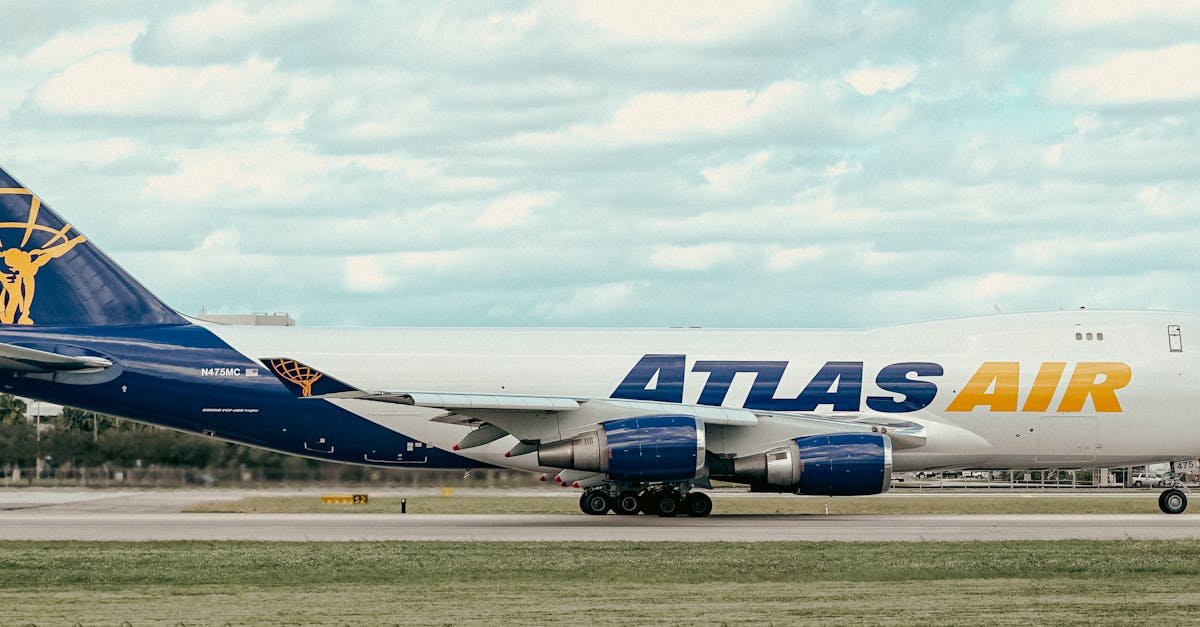
    In a move that has sent ripples through the global aviation industry, Atlas Air recently finalized a massive agreement for 20 Airbus A350F freighters. This decision, announced in March 2026, represents more than just a simple purchase of new planes. It marks a historic turning point for a company that has long been synonymous with the Boeing brand. By securing this firm order along with options for 20 additional aircraft, Atlas Air has officially become the largest customer for the Airbus A350F in the world.

    A New Chapter for a Cargo Giant

    For decades, Atlas Air built its reputation on the back of the iconic Boeing 747, often referred to as the Queen of the Skies. However, the air cargo landscape is shifting rapidly. Newer environmental regulations and the need for better fuel economy are forcing major carriers to rethink their long term strategies. The decision to bring Airbus into the fold shows that Atlas Air is prioritizing versatility and modernization above brand loyalty.

    This order is particularly significant because Atlas Air is the first major operator in the United States to select the A350F. While other global carriers like FedEx and UPS have traditionally leaned on American made aircraft, this deal suggests that the European manufacturer has finally created a freighter capable of winning over the most demanding US players.

    Breaking the Boeing Tradition

    The most striking part of this news is the departure from an all Boeing fleet. Atlas Air currently operates a massive lineup of Boeing 747, 777, and 767 aircraft. Adding the Airbus A350F creates a dual source supplier base. In the world of logistics, having “optionality” is a major advantage. It means the company is no longer tied to the production schedules or technical challenges of a single manufacturer.

    Michael Steen, the Chief Executive of Atlas Air, noted that this move does not mean the company is turning its back on Boeing. Instead, it is about giving the airline the best tools available to serve its customers. By operating both platforms, Atlas Air can choose the right plane for the right route, whether that involves heavy machinery or lightweight e-commerce packages.

    Why the Airbus A350F Stands Out

    The Airbus A350F is not just a modified passenger plane. It is a purpose built freighter designed to meet the strictest carbon emission standards that will take effect in 2027. One of the main reasons Atlas Air chose this model is its incredible weight advantage. Over 70 percent of the airframe is built from advanced materials like carbon composites.

    This high tech construction makes the plane significantly lighter than its predecessors. A lighter plane requires less fuel to stay in the air, which directly lowers operating costs. When compared to the older Boeing 747-400 freighters that many carriers still use, the A350F can offer up to 40 percent better fuel efficiency. For a high volume operator like Atlas Air, those savings add up to millions of dollars every year.

    Capacity and Cargo Innovations

    Efficiency is important, but in the world of freight, capacity is king. The Airbus A350F features the largest main deck cargo door in the industry. This is a critical detail for companies like Atlas Air that frequently transport oversized items such as aircraft engines or heavy industrial equipment.

    The interior of the plane is optimized to fit standard industry pallets. While some other freighters are slightly larger, the A350F strikes a balance between volume and range. It can carry a payload of around 111 tonnes and fly nearly 4,700 nautical miles. This makes it perfect for the long haul “bridge” routes between Asia, Europe, and the United States that form the backbone of global trade.

    Comparing the Major Players

    When we look at the broader market, this order puts Atlas Air in a unique position compared to rivals like FedEx and UPS. FedEx currently operates the largest cargo fleet in the world, but much of their fleet consists of older aircraft that will eventually need replacing. UPS has invested heavily in the Boeing 747-8, but that production line has already closed.

    By jumping into the Airbus A350F program early, Atlas Air has secured delivery slots between 2029 and 2034. This gives them a head start on modernization. While other airlines might struggle to find new planes as older ones are retired, Atlas Air will be receiving a steady stream of the most advanced freighters on the market.

    The Impact on Global Supply Chains

    The air cargo industry is often the first to feel the effects of changes in the global economy. With the rise of fast fashion and instant delivery, the demand for reliable air freight has never been higher. Atlas Air plays a vital role here because they often fly planes on behalf of other companies, such as DHL or Amazon.

    By investing in the A350F, Atlas Air is ensuring that they can offer their partners the most reliable and environmentally friendly service possible. Many big corporations now have strict “green” goals. Being able to tell a customer that their goods are being moved on a plane with 20 percent lower emissions than a standard freighter is a powerful selling point.

    Training and Logistics Challenges

    Switching to a new manufacturer is not as simple as just buying the planes. Atlas Air will need to invest heavily in training for its pilots and maintenance crews. Since the cockpit and systems of an Airbus are different from those of a Boeing, this will be a major undertaking.

    However, the company sees this as a long term investment in its people. Introducing a new aircraft type creates career growth opportunities for pilots and ensures that the technical teams stay at the cutting edge of aviation technology. The “commonality” of the A350 family also means that if Atlas Air ever decides to expand further into Airbus territory, the foundation will already be in place.

    Preparing for a Capacity Crunch

    There is a growing concern in the aviation world that there won’t be enough freighters to go around in the next decade. As older planes hit their 30 year age limit, they must be retired. At the same time, new production has faced various delays.

    The leadership at Atlas Air seems to have seen this coming. By placing a firm order for 20 jets now, they have cut to the front of the line. This ensures they have the capacity to handle future growth while their competitors might be left searching for available aircraft. It is a bold move that positions Atlas Air as a forward thinking leader rather than a reactive player.

    Strategic Growth Beyond the Horizon

    This landmark deal is a clear signal of confidence in the future of air travel and global trade. Atlas Air is not just maintaining its current size; it is actively looking to expand its reach. The combination of the legendary Boeing fleet and the new Airbus technology will make Atlas Air one of the most flexible and capable logistics providers in the sky.

    As the first A350F begins to fly in Atlas Air colors at the end of the decade, the industry will be watching closely. This choice has effectively redefined what a modern cargo airline looks like in the 21st century. It proves that even the most established companies must be willing to change and embrace new technology to stay at the top.

  • Delta Air Lines Cancels 300+ Midwest Flights as Massive Winter Storm Hits MSP Hub

    Delta Air Lines Cancels 300+ Midwest Flights as Massive Winter Storm Hits MSP Hub

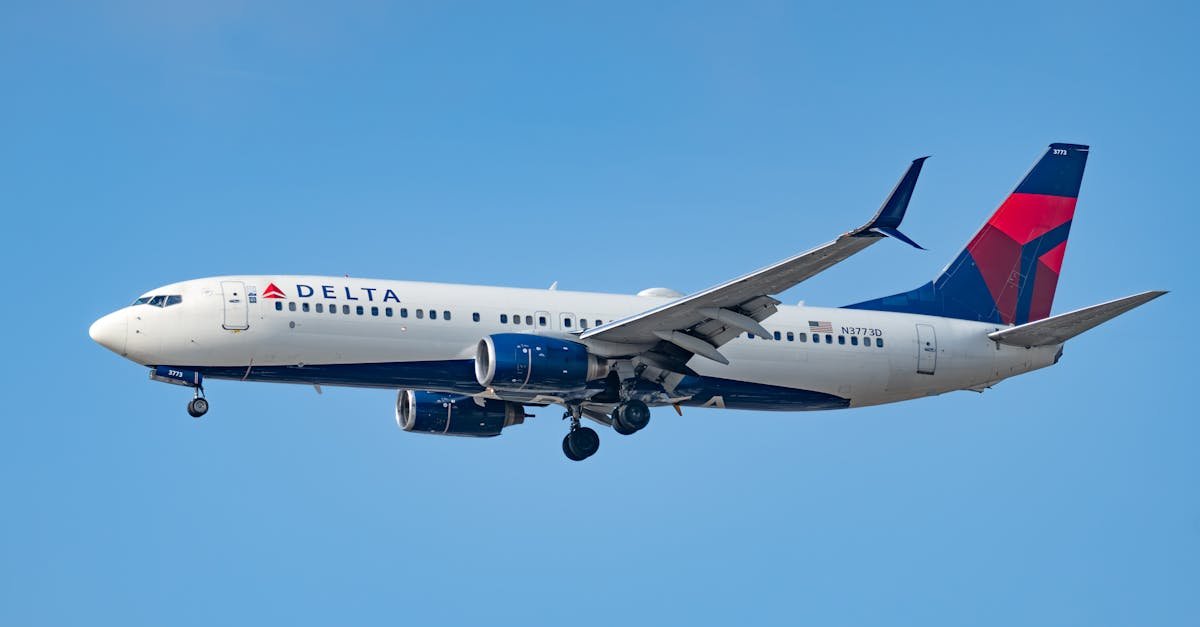
    The middle of the country is bracing for a powerful weather system that has forced major changes for travelers this weekend. As a massive winter storm moves through the region, Delta Air Lines has already started calling off hundreds of flights to keep passengers safe and prevent a complete gridlock at busy terminals. This late winter blast is expected to bring heavy snow and dangerous winds, making it impossible for many planes to take off or land.

    For anyone planning to fly through the Midwest over the next few days, the situation is changing quickly. Delta Air Lines is working hard to manage the fallout from the weather, but the sheer scale of the storm means that disruptions are unavoidable. By making proactive cuts to the schedule, the company hopes to avoid the long lines and stranded crowds that often happen when a storm catches an airline by surprise.

    Massive Snowfall Totals Forecast for Minneapolis and Beyond

    The heart of the disruption is centered around Minneapolis St. Paul International Airport, which serves as a major base of operations for the carrier. Forecasters are warning that this could be one of the biggest snow events of the season for the Twin Cities. Some estimates suggest that as much as 18 to 20 inches of snow could fall in parts of Minnesota and Wisconsin before the system finally moves out.

    It is not just the snow that is causing headaches for Delta Air Lines and its customers. Strong wind gusts are expected to create whiteout conditions, making it dangerous for ground crews to operate and for pilots to see the runway. These conditions are a recipe for delays, and the airline decided that canceling flights ahead of time was the most responsible way to handle the risk.

    How Delta Air Lines is Managing Flight Cancellations

    When a storm of this magnitude is on the horizon, airlines use data and weather models to decide which flights to cut. Delta Air Lines has already pulled more than 300 flights from its weekend schedule, with the majority of those impacts happening on Sunday. By canceling these flights early, the airline can stop passengers from heading to the airport only to find out their plane isn’t leaving.

    This proactive approach also helps the airline keep its staff and equipment in the right places. If too many planes get stuck in a snowy hub like Minneapolis, it can cause a ripple effect that delays flights in sunny places like Florida or California. Delta Air Lines is trying to keep its global network moving by sacrificing these specific regional routes that are directly in the path of the blizzard.

    Understanding the Reach of the Travel Waivers

    To help people deal with the stress of a canceled trip, Delta Air Lines has issued a special travel waiver. This is essentially a hall pass that lets you change your flight without paying the usual fees. If you were scheduled to fly to, from, or through the affected areas on March 14 or March 15, you can move your trip to a later date.

    The airline is allowing customers to rebook their travel for any time through March 22 without a fare difference, as long as they stay in the same cabin. This gives people about a week to wait for the snow to clear and for airport operations to return to normal. Delta Air Lines also offers the option to cancel the trip entirely and keep the value of the ticket as a credit for a future flight, which is valid for one year.

    The Impact on Regional Airports Across Seven States

    While the hub in Minneapolis is seeing the most trouble, the reach of this storm is much wider. Delta Air Lines has flagged 26 different airports across seven states as being at risk. This includes smaller cities in Michigan, Iowa, and South Dakota where snow removal might take longer and where regional jets are more susceptible to high winds.

    Travelers in cities like Milwaukee, Des Moines, and Green Bay are seeing their options dwindle as the storm moves closer. Because many of these smaller locations rely on flights connecting through larger hubs, a cancellation in Minneapolis often means the regional flight is canceled too. Delta Air Lines is keeping a close eye on these smaller markets to ensure that safety remains the top priority for everyone involved.

    Tips for Travelers Navigating the Storm

    If you have a ticket with Delta Air Lines this weekend, the most important thing you can do is stay informed. Checking your flight status through the mobile app is usually faster than calling a customer service representative, as phone lines tend to get very busy during weather events. The app will provide real time updates on whether your plane is delayed, canceled, or still on track.

    It is also a good idea to pack some extra patience and perhaps some snacks if you do decide to go to the airport. Even if your flight is still scheduled to depart, there could be long lines for de icing or delays on the tarmac while crews clear the runways. Delta Air Lines suggests that passengers sign up for text alerts so they can get instant notifications about any changes to their itinerary.

    Why Proactive Cancellations Save Time in the Long Run

    It might seem frustrating when Delta Air Lines cancels a flight before the first snowflake has even fallen, but this strategy actually helps everyone get home sooner. When an airline waits until the last minute to cancel, thousands of people end up stuck in the terminal at the same time. This creates a massive backlog that can take days to clear.

    By thinning out the schedule now, Delta Air Lines ensures that they have empty seats available on Monday and Tuesday to accommodate the people who couldn’t fly on Sunday. It also prevents flight crews from reaching their maximum work hours while sitting on a plane that isn’t moving, which keeps them available to fly once the skies clear up.

    Looking Ahead to Recovery Efforts

    Once the peak of the storm passes on Sunday morning, the focus will shift to digging out. Delta Air Lines will be working closely with airport authorities to clear runways and get the gates ready for arrivals. Depending on how much snow actually piles up, it could take 24 to 48 hours for the schedule to get back to 100 percent.

    The airline has stated that they will continue to monitor the weather and make further adjustments if the storm lingers longer than expected. For now, the best advice for anyone in the Midwest is to stay off the roads and keep an eye on their inbox for updates from Delta Air Lines regarding their travel plans.

    Keeping Your Travel Plans Flexible

    The reality of spring travel in the Midwest is that winter isn’t always finished with us. This latest storm is a reminder that weather can change in an instant, and being flexible is the best way to handle the situation. Delta Air Lines has made it clear that they want to help their customers get where they need to go, even if it means a slight delay in the arrival time.

    By using the tools provided by the airline, such as the mobile app and the flexible rebooking options, you can take control of your trip despite the snow. While nobody likes a canceled flight, knowing that Delta Air Lines is prioritizing safety over schedule provides some peace of mind during a chaotic weather event.

  • US Air Force KC-135 Tanker Crash in Iraq: Casualties and Operation Epic Fury Updates

    US Air Force KC-135 Tanker Crash in Iraq: Casualties and Operation Epic Fury Updates

    The sky over western Iraq became the site of a profound military tragedy on March 12, 2026, when a United States Air Force KC-135 Stratotanker went down during a high-stakes mission. This loss occurred in the heat of Operation Epic Fury, the ongoing joint campaign involving the United States and Israel against Iranian targets. While the conflict has seen intense aerial combat and missile exchanges, this specific US Air Force KC-135 tanker crash stands out as one of the deadliest non-combat events since the war began on February 28.

    As the families of the fallen receive the news that no one ever wants to hear, the military community is grappling with the loss of six dedicated airmen. This event has raised urgent questions about the safety of refueling operations in active war zones and the physical toll on the aging fleet of tankers that keep American fighter jets in the air.

    Tragedy in Friendly Airspace

    According to official statements from U.S. Central Command (CENTCOM), the US Air Force KC-135 tanker crash took place around 9:00 PM local time in western Iraq. The location of the incident was identified near Turaibil, a desert region close to the border with Jordan. Unlike many other incidents in this conflict, the plane was not in contested airspace at the moment of the disaster. CENTCOM was quick to clarify that the aircraft was flying through friendly territory when the incident occurred.

    The mission was part of the broader logistics chain for Operation Epic Fury. In a war where long-range strikes are constant, refueling tankers like the KC-135 are the lifeblood of the mission. They allow bombers and fighter jets to stay airborne for hours, reaching deep into Iranian territory without needing to land at vulnerable forward bases.

    The Human Toll and Casualty Reports

    Early reports from the Pentagon were cautious, initially confirming four deaths while search and rescue teams combed the desert for the remaining two crew members. However, by Friday morning, the grim reality was confirmed. All six airmen on board the aircraft perished in the US Air Force KC-135 tanker crash.

    This loss brings the total American death toll in the conflict to 13. While seven other service members were killed by hostile Iranian drone and missile strikes in Kuwait and Saudi Arabia earlier in the month, these six airmen represent the first Air Force fatalities of the war. The names of the deceased are being withheld for at least 24 hours following the notification of their next of kin, a standard but painful protocol that ensures families hear the news from the military before they see it on the news.

    Investigating a Possible Mid Air Collision

    Perhaps the most significant detail emerging from the investigation of the US Air Force KC-135 tanker crash is that a second aircraft was involved. While early rumors suggested a shoot-down by militia groups, U.S. officials have firmly rejected those claims. Instead, evidence points toward a catastrophic mid-air collision between two KC-135 tankers.

    The second aircraft involved in the incident managed to stay airborne and performed an emergency landing at Ben Gurion Airport in Israel. Flight tracking data showed this second tanker squawking a 7700 emergency code before circling off the coast to burn fuel and landing safely. Photos circulating among aviation enthusiasts appear to show the surviving plane with a massive portion of its vertical stabilizer missing.

    Such a collision during a night mission suggests a failure in coordination or a mechanical glitch during a high-pressure refueling orbit. Aerial refueling is a delicate dance where planes fly within feet of each other at hundreds of miles per hour. Even a small error in judgment or a sudden bout of turbulence can lead to a collision that few aircraft can survive.

    The Role of Operation Epic Fury

    The US Air Force KC-135 tanker crash has cast a shadow over Operation Epic Fury, a campaign that has seen unprecedented levels of military activity in the Middle East. Since the opening strikes on February 28, which resulted in the death of Iran’s Supreme Leader Ali Khamenei, the region has been a tinderbox. The U.S. military has conducted thousands of strikes against Iranian missile sites, drone factories, and command centers.

    Logistically, the burden on the tanker fleet has been immense. Tankers are currently operating out of bases in Jordan, Qatar, and Israel, flying round-the-clock missions to support the B-52s and F-15s that are carrying out the bulk of the offensive. The KC-135, a platform that first entered service in the 1950s, remains the backbone of this effort despite its age.

    Reliability of the Aging KC-135 Fleet

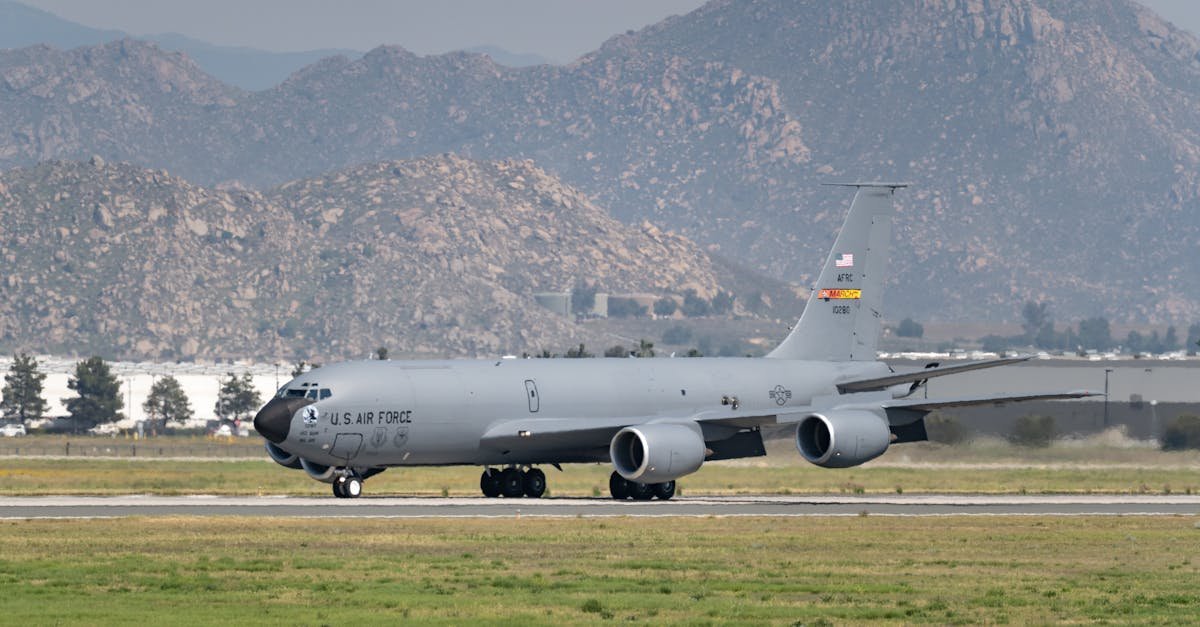
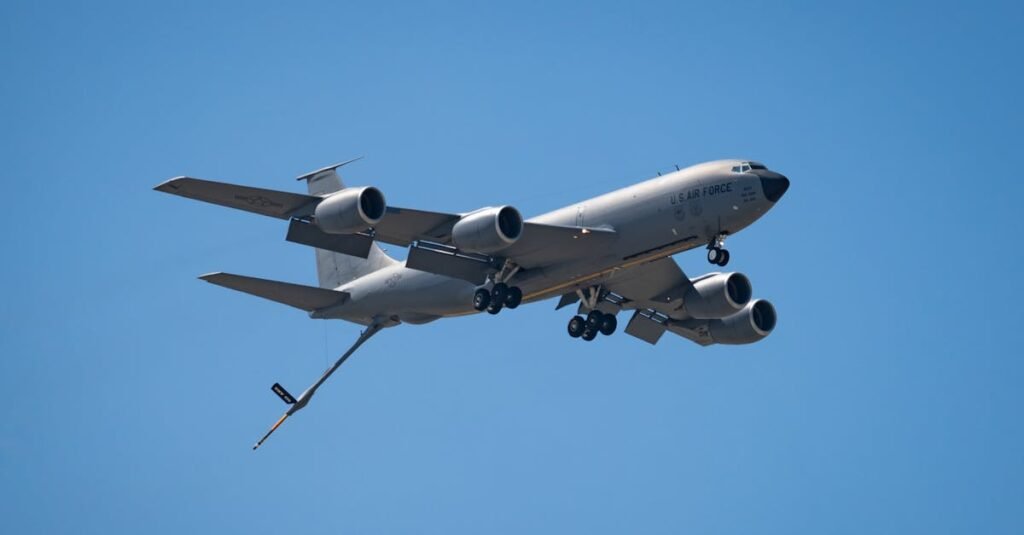
    US Air Force KC-135 Stratotanker flying over March Air Reserve Base, CA.

    This tragedy has reignited a debate about the longevity of the Stratotanker. While the Air Force has been slowly introducing the newer KC-46 Pegasus, the majority of refueling work still falls on the KC-135. Many of these airframes were built in the 1960s. Although they have been upgraded with modern engines and digital cockpits, the physical airframes are under immense stress during active combat operations.

    Experts note that as the war enters its third week, the operational tempo is likely pushing both the crews and the machines to their absolute limits. Fatigue is a major factor in aviation safety, and in a combat environment where pilots are flying long, grueling missions, the margin for error becomes razor thin. The US Air Force KC-135 tanker crash highlights the extreme pressure put on these legacy systems.

    Looking Toward the Investigation Results

    Military investigators are now tasked with recovering the flight data recorders from the US Air Force KC-135 tanker crash site in western Iraq. They will be looking at everything from communication logs between the two tankers to the maintenance history of the downed aircraft. The surviving crew of the second KC-135 will be instrumental in providing a firsthand account of the moments leading up to the impact.

    While the loss of six airmen is a devastating blow, the mission of Operation Epic Fury continues. The Pentagon has indicated that there will be no pause in aerial operations, citing the need to maintain pressure on Iranian military assets to prevent further retaliatory strikes on U.S. allies in the region.

    Honoring the Fallen Airmen

    As the investigation into the US Air Force KC-135 tanker crash continues, the focus remains on the six individuals who gave their lives in service. These airmen were not just numbers in a casualty report; they were highly trained professionals whose role was essential to every pilot flying over the Persian Gulf. Refueling is often called a thankless job because it happens far away from the glamour of the front lines, yet no mission happens without it.

    The coming days will likely see a dignified transfer of remains at Dover Air Force Base, where the nation will pay its respects. This event serves as a stark reminder that even in friendly airspace, the risks of military service are ever present. The sacrifice of these six airmen will be remembered as a somber chapter in the history of this unfolding regional conflict.

  • Why US Carriers Like Delta and United Airlines Could Be Hardest Hit by Today’s Fuel Surcharge Surge

    Why US Carriers Like Delta and United Airlines Could Be Hardest Hit by Today’s Fuel Surcharge Surge

    The global aviation landscape shifted dramatically this morning as oil prices breached significant thresholds due to escalating tensions in West Asia. For travelers and industry analysts alike, the primary focus has landed on how domestic carriers will absorb these massive operational spikes. While global airlines often have safety nets in place to handle energy volatility, many American companies are entering this crisis with far less protection. Specifically, the focus remains on why major players like United Airlines find themselves in a particularly sensitive position as jet fuel costs climb toward record levels.

    The Abandonment of Fuel Hedging

    To understand why the current surge hits so hard, one has to look at the financial strategies adopted by domestic carriers over the last decade. In the past, it was common practice for airlines to engage in fuel hedging. This process involves buying fuel at a set price for future use, essentially creating an insurance policy against sudden market jumps. However, many US companies, including United Airlines, moved away from this practice after several years of relatively stable oil prices.

    The logic at the time was simple. Hedging is expensive and requires significant fees paid to banks and brokers. If fuel prices remain low or drop further, the airline ends up paying more than the market rate, which hurts their competitive edge. Because of this, United Airlines and its domestic peers decided to face the market directly. While this saved money during the quiet years, it leaves them completely exposed to the 60% increase in jet fuel prices witnessed this month. Without those locked-in rates, every extra cent at the pump translates into a multi-million dollar hit to the quarterly earnings of United Airlines.

    Comparing Global Safety Nets

    The vulnerability of the American market becomes even more apparent when compared to international counterparts. Carriers in Europe and Asia have largely maintained their hedging portfolios. For instance, some European groups have already secured up to 80% of their fuel needs for the first half of 2026 at much lower prices. This allows them to keep ticket prices relatively stable even as the world around them grows more expensive.

    In contrast, United Airlines has to purchase fuel at current spot prices, which are reacting in real time to the closure of shipping lanes like the Strait of Hormuz. When a foreign carrier can fly the same route with fuel bought at 2025 prices, the pressure on United Airlines to raise fares just to break even becomes immense. This creates a disparity where US based travelers might see surcharges appear much faster and more aggressively than those flying on international flagship carriers.

    The Weight of Long Haul Networks

    The structure of an airline’s route map also dictates how much pain it feels from a fuel crisis. United Airlines operates one of the most extensive international networks of any carrier in the world. While short domestic hops are expensive, long haul flights across the Atlantic and Pacific oceans consume massive amounts of kerosene.

    As jet fuel prices soar, the cost of operating a ten hour flight increases by tens of thousands of dollars almost overnight. For a company like United Airlines, which relies heavily on these high mileage routes for its premium revenue, the math becomes difficult. Unlike smaller low cost carriers that can cut a few regional flights, United Airlines must maintain its global connectivity, even if the fuel burn on those routes is currently eating through their profit margins. This “long haul trap” is a major reason why the big three US carriers are watching the tickers with more anxiety than regional players.

    Operational Adjustments and Rerouting

    It is not just the price of the fuel itself that is causing headaches. The geopolitical situation has forced many flight paths to change. Avoiding certain airspaces means planes are staying in the air longer, sometimes adding two hours to a single journey. Longer flight times mean more fuel burned, and more fuel burned at higher prices creates a compounding financial problem.

    United Airlines is currently navigating these logistical hurdles daily. Every detour required for safety adds a layer of expense that was not budgeted for at the start of the year. When you combine higher prices per gallon with a higher number of gallons required per trip, the resulting surcharge is almost inevitable. United Airlines management has already noted that these shifts will have a meaningful impact on their financial outlook, signaling that the era of “cheap” international travel may be on a temporary hiatus.

    Impact on the Summer Travel Season

    As we approach the busy summer months, the timing of this fuel spike could not be worse for the consumer. Most people book their summer vacations in March and April. With United Airlines facing these sudden cost increases today, those booking today will likely see a different price tag than those who secured seats just two weeks ago.

    The industry is watching to see how much of this cost can be passed on to the flyer. There is a delicate balance between raising fares to cover costs and pricing out the average family. If United Airlines raises prices too much, travelers might opt for staycations or alternative transport. However, with fuel representing nearly 30% of their total expenses, United Airlines has very little room to absorb the blow without adjusting the cost of a seat.

    The Role of Refining Margins

    Another technical factor at play is the “crack spread,” which is the difference between the price of crude oil and the price of refined jet fuel. Right now, refining capacity is tight, making jet fuel even more expensive than the crude oil it comes from. While some competitors have small stakes in refineries to help offset this, United Airlines remains largely a buyer of the finished product. This means they are hit twice, once by the rising price of oil and again by the rising cost of turning that oil into usable airplane fuel.

    Strategies for the Modern Traveler

    For those looking to fly United Airlines in the coming weeks, the advice from experts is to move quickly. Surcharges are often implemented in waves. As the airline realizes the full extent of the daily fuel bill, they may increase the surcharge multiple times. Locking in a fare today might save a traveler several hundred dollars compared to waiting until next month when the full weight of the energy crisis is reflected in the booking systems.

    Looking Toward Future Market Stability

    The aviation industry has survived fuel shocks before, but the speed of this particular rise is historic. The coming months will test the resilience of the unhedged model favored by US companies. Whether United Airlines decides to return to hedging in the future remains to be seen, but for now, the focus is purely on managing the immediate turbulence. The industry will likely see a shift toward more fuel efficient aircraft and perhaps a reduction in flight frequencies on less profitable routes as a way to conserve resources.

  • Alaska Airlines in 2026: What Flyers Really Need to Know Before Booking

    Flying with Alaska Airlines in 2026 feels quite different than it did just a few years ago. The carrier has undergone a massive transformation, moving from a beloved West Coast regional favorite to a major global player. Between its completed merger with Hawaiian Airlines and a rapid expansion into Europe and Asia, the airline is redefining what travelers should expect. If you are planning to book a trip soon, there are several key updates regarding routes, loyalty perks, and onboard technology that you should keep in mind to get the most value for your money.

    A New Era of Global Travel from Seattle

    For a long time, if you wanted to fly across the Atlantic or Pacific, you likely had to look toward the giant legacy carriers. In 2026, Alaska Airlines has changed that narrative by establishing Seattle as a true international gateway. The airline now operates its own long-haul flights to iconic destinations like London Heathrow and Rome. This is a significant shift for a company that once focused almost entirely on North America.

    The introduction of the Boeing 787 Dreamliner into the fleet has made these long journeys possible. Unlike the smaller jets used for domestic hops, these wide-body planes offer a much more spacious environment. If you are booking one of these new international routes, you will find a premium service that includes lie-flat business class suites. This expansion means that Alaska Airlines is no longer just for getting you to Portland or Anchorage; it is a legitimate contender for your next European vacation or business trip to Tokyo.

    The Merger with Hawaiian Airlines and What It Means

    One of the biggest stories for flyers in 2026 is the full integration of Hawaiian Airlines into the Alaska Airlines family. While you will still see the iconic Hawaiian branding and hospitality on flights to the islands, the two companies now operate as a single entity behind the scenes. This is great news for travelers because it creates a massive, seamless network covering the mainland, the Pacific, and beyond.

    If you are a frequent flyer, the most important takeaway is that you can now book a trip that starts in a small town in Alaska and ends on a beach in Maui all on a single ticket. The schedules have been aligned to reduce layover times, and the customer service teams are now unified. Even though the planes might look different on the outside, the “care” and “performance” standards that Alaska Airlines is known for are being applied across the entire combined network.

    Introducing Atmos Rewards: The New Loyalty Standard

    The old Mileage Plan has evolved into a more flexible and comprehensive program called Atmos Rewards. In 2026, Alaska Airlines has given its members more control over how they earn and spend their points than almost any other carrier. Instead of being locked into a single way of earning, you can often choose whether you want to rack up points based on the distance you fly, the price you paid for the ticket, or simply the number of segments you completed.

    This flexibility is a huge win for different types of travelers. If you are a budget-conscious flyer taking long-distance trips, the distance-based option remains a fantastic way to build status quickly. On the other hand, business travelers who book last-minute, expensive tickets might find the spend-based model more lucrative. Furthermore, the new “milestone perks” allow you to unlock rewards like lounge passes or Wi-Fi credits even before you hit a major elite tier. It makes the experience of flying with Alaska Airlines feel much more rewarding for the casual traveler, not just the road warrior.

    Better Connectivity with Starlink Wi-Fi

    Staying connected at thirty thousand feet has historically been a frustrating and expensive experience. However, in 2026, Alaska Airlines has set a new industry standard by rolling out Starlink Wi-Fi across its fleet. This is not the slow, laggy internet of the past. It is high-speed, low-latency connectivity that actually allows you to stream videos, participate in video calls, or play games just as you would at home.

    For many Atmos Rewards members, this service is now included as a complimentary perk. Even for those in the main cabin, the pricing has become much more reasonable. By choosing a satellite provider known for global coverage, Alaska Airlines ensures that you stay online even when flying over remote areas or the middle of the ocean. This is a game-changer for anyone who needs to stay productive during a cross-country flight or simply wants to stay entertained without pre-downloading movies.

    Expanding Regional Hubs Beyond the West Coast

    While Seattle remains the heart of the operation, Alaska Airlines has significantly bolstered its presence in other key cities like San Diego and Portland in 2026. The airline has added dozens of new nonstop routes to “heartland” cities that were previously underserved. This means fewer connections through massive, crowded hubs and more direct flights to places like Tulsa, Oklahoma, or various spots in the Midwest.

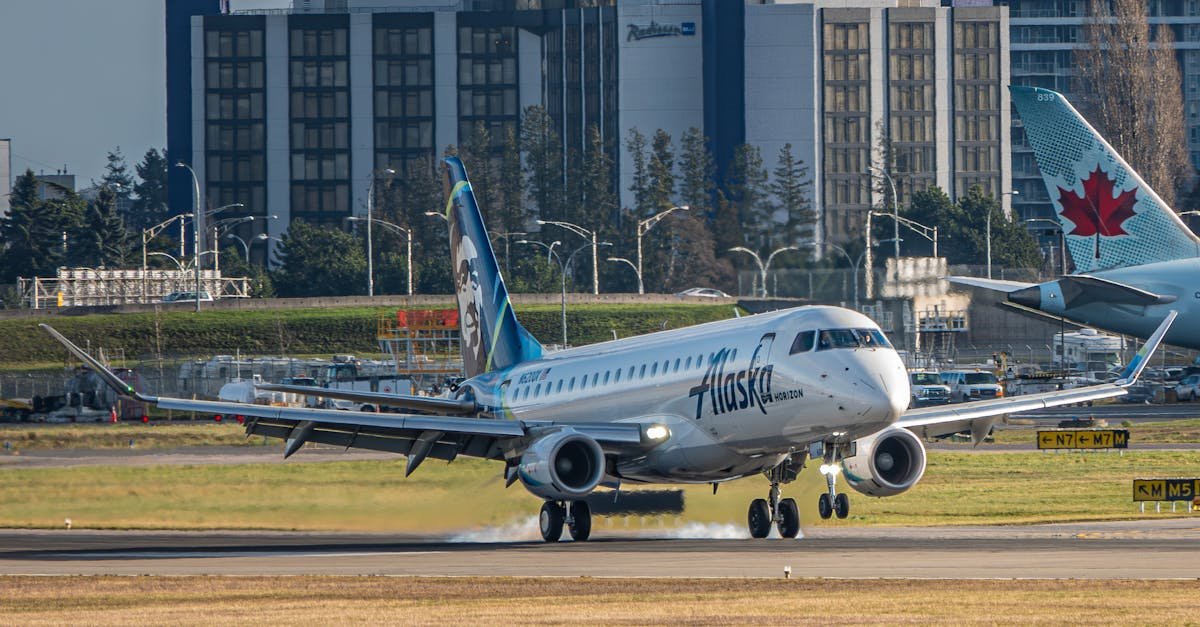
    This regional expansion is powered by a growing fleet of Embraer E175 jets. These planes are a favorite among passengers because they do not have middle seats. Whether you are in First Class or the Main Cabin, you are guaranteed either a window or an aisle. For flyers who value personal space and a quicker boarding process, these regional flights offered by Alaska Airlines are often much more comfortable than the larger narrow-body planes used by competitors.

    Fresh Menus and West Coast Flavors

    The onboard experience has also seen a refresh in 2026. Alaska Airlines continues to lean into its West Coast roots by partnering with local brands for its food and beverage service. When you fly, you are likely to find craft beers from Pacific Northwest breweries and meals inspired by seasonal ingredients from the region.

    The airline has also made it easier to plan your meal through its mobile app. You can pre-order your food up to two weeks before your flight, ensuring that your first choice is available once you are in the air. For those in the Main Cabin, the “Fruit and Cheese Platter” remains a legendary staple, but the 2026 menu has expanded to include more hot meal options on longer flights. It is a small touch, but it shows that Alaska Airlines is paying attention to the details that make a long day of travel more pleasant.

    Smart Booking Strategies for 2026

    If you want to find the best deals on Alaska Airlines, the low-fare calendar on their website is still your best friend. In 2026, the airline has integrated more “Saver” fare options that provide great value if you are sure of your travel dates. Just keep in mind that these tickets are more restrictive regarding changes and seat assignments.

    Another tip for 2026 is to look at “multi-city” bookings if you are heading to Hawaii or international destinations. With the new combined network, you can often find unique routing options that might save you money or allow for an interesting stopover. Always check your Atmos Rewards account before booking, as there are frequently targeted “status boost” promotions that can help you reach the next level of elite benefits faster than usual.

    Getting the Most Out of Your Next Journey

    The landscape of American aviation is constantly shifting, but Alaska Airlines has managed to grow while keeping its reputation for friendly service intact. By embracing new technology like Starlink and expanding its reach through the Hawaiian merger, the carrier offers a very compelling package for both domestic and international travelers. Whether you are looking for the luxury of a 787 Business Class suite or the simple convenience of a nonstop regional flight, the airline has positioned itself to meet those needs in 2026.

  • EasyJet Passenger Arrested for Allegedly Sexually Assaulting Child on Paris-Belfast Flight

    EasyJet Passenger Arrested for Allegedly Sexually Assaulting Child on Paris-Belfast Flight

    The arrival of EasyJet flight EZY3954 from Paris Charles de Gaulle to Belfast International Airport is usually a routine hop across the channel. However, a recent journey was marred by a series of events that left passengers in a state of shock and disbelief. As the aircraft touched down on the runway in Northern Ireland, it was met not just by the usual ground crew, but by a fleet of police vehicles. The reason for this high-profile reception was a report of a deeply distressing nature involving an intoxicated male passenger and a young child.

    An Unfolding Crisis Mid-Air

    The flight started like any other short-haul journey. Families were returning home and tourists were looking forward to exploring Belfast. Yet, as the plane reached its cruising altitude, the atmosphere began to shift. According to witnesses on board, a man who appeared to be heavily under the influence of alcohol began to display erratic and concerning behavior. While “disruptive passengers” are an unfortunate reality for many airlines, the nature of this particular incident quickly escalated beyond simple loud talking or non-compliance.

    Staff members on the EasyJet flight were alerted to a situation in the cabin where the man was allegedly making inappropriate and unwanted contact with a minor. In the confined space of an airplane, there is nowhere to run and nowhere to hide. This creates an environment of intense vulnerability for victims. The cabin crew, trained to handle a variety of emergencies, had to step in while simultaneously maintaining the safety of the entire flight. The challenge of managing a potentially violent and intoxicated individual at thirty thousand feet is immense, especially when criminal allegations of this severity are involved.

    The Role of Alcohol in Aviation Safety

    This incident has once again ignited a fierce debate regarding the sale and consumption of alcohol within the aviation industry. Many travelers enjoy a drink at the airport lounge or during their flight as a way to relax. However, when that consumption leads to the alleged sexual assault of a child, the conversation shifts from personal freedom to public safety.

    The EasyJet crew has a responsibility to monitor the “intoxication levels” of those on board, but much of the damage is often done before a passenger even steps onto the jet bridge. Airports are filled with bars and duty-free shops where high-strength spirits are readily available. By the time a passenger is seated, they may already be well past the point of rational behavior. In this case, the suspect’s state of mind reportedly made the situation significantly harder for staff to de-escalate, leading to a tense environment for every traveler in the surrounding rows.

    Police Intervention at Belfast International

    As the aircraft descended toward Belfast, the pilot coordinated with air traffic control to ensure that the Police Service of Northern Ireland (PSNI) was ready and waiting. There was no ambiguity in the response. As soon as the doors opened, officers boarded the EasyJet plane to remove the suspect.

    The arrest was witnessed by many of the passengers, some of whom described the scene as “quietly intense.” The priority for the authorities was to secure the suspect while ensuring the victim and their family were shielded from further trauma. In the aftermath of such an event, the legal process begins immediately. Statements are taken from the crew, forensic evidence is gathered where possible, and the victim is provided with specialist support services.

    Legal Jurisdictions and In-Flight Crimes

    One of the most complex aspects of crimes committed on international flights is determining which country has the right to prosecute. Because the flight originated in France and landed in the United Kingdom, both jurisdictions could technically have an interest. However, under international aviation law, the country where the aircraft lands usually takes the lead in the immediate criminal investigation.

    The suspect now faces serious charges that carry heavy prison sentences. Because the victim is a child, the legal system provides additional layers of anonymity and protection, but the gravity of the “alleged sexual assault” means this case will likely be handled by high-level detectives within the PSNI’s Public Protection Branch. They are tasked with pieceing together exactly what happened during those hours in the sky.

    The Impact on Fellow Passengers

    We often focus on the suspect and the victim, but an incident like this leaves a lasting mark on everyone on the plane. For the other passengers on this EasyJet flight, what was supposed to be a simple commute became a front-row seat to a criminal investigation. Many parents traveling with their own children expressed a sense of heightened anxiety.

    The “trauma of witnessing” such an event cannot be understated. Airlines often have to provide follow-up support or information to passengers who were seated in the immediate vicinity. The psychological weight of knowing that a child was potentially harmed just inches away is something that many will carry with them for a long time. It highlights the need for more rigorous “passenger vetting” and perhaps more stringent rules on who is allowed to board a plane if they show signs of heavy intoxication.

    Airline Responsibility and Training

    For its part, EasyJet has maintained a firm stance on passenger conduct. The airline industry generally operates on a zero-tolerance policy regarding physical or sexual abuse. Crew members undergo specific training to identify “vulnerable passengers” and to spot the signs of grooming or assault.

    In this specific instance, the crew’s ability to remain professional while dealing with an intoxicated and allegedly dangerous individual was crucial. However, critics argue that airlines and airports need to do more to prevent these individuals from flying in the first place. The “pre-boarding process” is the first line of defense. If a passenger is too drunk to stand straight or is behaving inappropriately in the departure lounge, they should never be allowed to set foot on the aircraft.

    Support for the Victim and Family

    The most important part of this story is the well-being of the young child involved. Navigating the aftermath of an assault is an incredibly difficult journey, and doing so after it happened in such a public and confined space adds another layer of difficulty. Support organizations in Northern Ireland are often brought in to provide “child-centered” counseling and legal advocacy.

    The family of the victim will also require significant support. They trusted the “travel environment” to be safe. When that trust is shattered by the actions of a stranger, the recovery process involves both emotional healing and a long legal battle to ensure justice is served.

    Moving Forward with Heightened Vigilance

    While the legal proceedings against the arrested man continue, the aviation industry must look inward. This is not just a one-off story about a “bad passenger.” It is a reminder of the unique vulnerabilities present in air travel. The combination of high-altitude stress, alcohol availability, and close quarters can be a dangerous mix if not managed correctly.

    Travelers are now calling for better communication between airport security and airline gate staff. There is a growing movement to implement a “national database” for disruptive passengers to ensure that those who pose a risk to others are barred from flying across all carriers, not just one.

    A Community Seeking Justice

    The people of Belfast and the wider traveling public are watching this case closely. It serves as a grim reminder that safety is not just about the mechanics of the plane or the skill of the pilot. It is about the “social contract” between passengers to treat one another with respect and to protect those who cannot protect themselves.

    As the investigation by the PSNI moves into the next phase, the focus remains on the evidence gathered from the cabin of that EasyJet flight. Justice in these cases is often slow, but it is necessary to send a clear message that the sky is not a lawless space. Every passenger, regardless of age, deserves to reach their destination without fear of harm.

  • Why Were JetBlue Flights Grounded Nationwide in March 2026?

    Why Were JetBlue Flights Grounded Nationwide in March 2026?

    Early Tuesday morning on March 10, 2026, travelers across the United States woke up to a sudden and puzzling disruption. The Federal Aviation Administration issued a nationwide ground stop for all JetBlue flights at the request of the airline. While the pause was relatively brief, it sent ripples through the aviation industry and left thousands of passengers wondering what went wrong. To understand why such a drastic measure was taken, it is necessary to look at the mechanics of airline operations and the specific events that unfolded during those early morning hours.

    The Timeline of the March 10 Grounding

    The event began in the predawn hours when most of the country was still asleep. At approximately 5:30 AM EST, the FAA posted an official advisory noting that all JetBlue departures were being halted. Unlike many ground stops that are weather related or initiated by air traffic control, this specific order came because JetBlue itself asked for it.

    The ground stop lasted roughly 40 minutes, with the FAA lifting the restriction around 6:10 AM EST. While 40 minutes might seem like a small window of time, in the world of commercial aviation, even a short pause can be incredibly expensive and logistically difficult. Flights already in the air were allowed to continue to their destinations and land safely, but any aircraft sitting at a gate or on a taxiway was forced to wait until the “all clear” was given.

    The Core Cause A Brief System Outage

    Following the resumption of flights, JetBlue issued a statement clarifying the situation. The airline attributed the grounding to a brief internal system outage. In the modern era, airlines are essentially massive technology companies that happen to fly planes. Every aspect of a flight is managed through interconnected software systems.

    When a “system outage” occurs, it usually involves one of the following critical pillars:

    • Weight and Balance Systems: Pilots need precise calculations on fuel, baggage, and passenger weight to determine takeoff speeds and flap settings. If the software that calculates this data goes down, a plane cannot legally or safely take off.
    • Flight Dispatch Communication: Dispatchers on the ground must be able to send flight plans and weather updates to the cockpit. A break in this digital link effectively freezes the fleet.
    • Passenger Manifests: For security and operational reasons, the airline must have an accurate, real-time list of every person on board. If the check-in or boarding software fails, the airline loses its ability to track who is on which plane.

    While JetBlue did not specify which exact program failed, the fact that they requested a nationwide stop suggests the issue was at a central server level rather than a localized problem at a single airport like JFK or Boston Logan.

    Why Airlines Request Their Own Grounding

    It is quite rare for an airline to ask the FAA to ground its entire fleet. Usually, the FAA takes the lead during hardware failures in air traffic control towers or severe weather events. However, when an airline makes this request, it is an act of proactive safety management.

    By freezing all departures, JetBlue prevented a situation where dozens of planes might be stuck on taxiways with no way to receive their necessary flight data. It is much easier to manage a delay at the gate than it is to manage a line of twenty planes burning fuel on a runway while technicians in a data center try to reboot a server. This move allowed JetBlue to “pause” the clock, fix the technical glitch, and then resume in a controlled manner.

    The Impact on Passengers and Operations

    Even though the grounding was lifted before many people had even finished their first cup of coffee, the effects were felt throughout the day. Aviation operates on a “hub and spoke” model where planes and crews are scheduled to fly multiple legs in a single day. A 40-minute delay for a 6:00 AM flight out of New York might result in a two-hour delay for a 4:00 PM flight out of Los Angeles because the aircraft or the pilots arrived late from their previous journey.

    On the morning of the outage, flight tracking services reported roughly 150 delays across the JetBlue network.Fortunately, because the outage happened so early and was resolved quickly, the airline avoided the kind of multi-day “meltdown” that has plagued other carriers in recent years. Most passengers saw delays of under an hour, though those with tight connections in major hubs faced a more stressful experience.

    Technical Resilience in Modern Aviation

    The March 2026 JetBlue incident highlights a growing concern in the travel industry: the fragility of digital infrastructure. As airlines move toward more automated and paperless cockpits, their reliance on 100% uptime for their internal networks becomes absolute.

    In years past, a computer failure might have been managed with manual paperwork and radio communication. Today,the complexity of modern flight planning makes manual work nearly impossible for a fleet of hundreds of aircraft. This event serves as a reminder that while technology makes flying more efficient and often safer, it also creates a single point of failure that can halt an entire nation’s travel in an instant.

    Comparing This Event to Past Outages

    JetBlue is not the first airline to face this challenge. In late 2024 and throughout 2025, other major carriers like United and American Airlines experienced similar “connectivity malfunctions” that required nationwide pauses. These incidents often stem from “vendor technology issues” where a third-party software provider pushes an update that contains a bug, or an internal server experiences a hardware failure.

    The aviation industry is currently under pressure to modernize these legacy systems. Many airlines still use code bases that are decades old, layered with newer web-based interfaces. When these layers don’t communicate perfectly, a system outage is the result.

    How Travelers Can Prepare for Future Disruptions

    While you cannot predict when an airline might have a technical hiccup, there are ways to mitigate the frustration.

    1. Monitor the FAA Command Center: The FAA maintains a public website that lists active ground stops in real-time. If you see your airline listed there, you know the delay is systemic rather than just a problem with your specific plane.
    2. Use the Airline App: During a ground stop, airport gate agents are often overwhelmed. The JetBlue app usually receives updates on flight status and rebooking options faster than the physical monitors at the airport.
    3. Know Your Rights: Because this was an internal “system outage” and not a weather event, it is considered a “controllable” delay. This means the airline is generally responsible for rebooking you and, in the case of long delays, providing meal vouchers or other assistance.

    Navigating the Aftermath of a Flight Pause

    If your flight was one of those caught in the March 10 shuffle, the best course of action is to stay patient but proactive.Once the FAA lifts a ground stop, the “ramp up” period begins. This involves re-sequencing departures and ensuring that crews have not timed out of their legal working hours.

    The airline’s priority is always to get the network back on schedule as quickly as possible. For most travelers, this means a slightly later arrival. For the airline, it means a day spent playing a massive game of logistical chess to ensure that every plane ends up where it needs to be for the following morning’s schedule.

  • American Airlines Adds Nonstop Miami to South Bend Flights for Hurricanes vs. Notre Dame 2026

    American Airlines Adds Nonstop Miami to South Bend Flights for Hurricanes vs. Notre Dame 2026

    College football fans often face a logistical puzzle when their favorite team travels to a legendary stadium in a smaller city. For those following the Miami Hurricanes to South Bend to face the Notre Dame Fighting Irish on November 7, 2026, that puzzle just got a lot simpler. American Airlines has stepped in to bridge the gap between South Florida and Northern Indiana by adding special nonstop service specifically for this high profile matchup.

    This move acknowledges the massive demand for a game that many are already calling a highlight of the 2026 season. Usually, flying from Miami to South Bend requires a stop in a hub like Charlotte or Chicago. For one weekend only, fans can skip the layovers and fly directly into the heart of the action.

    Why This Specific Matchup is Driving Travel Demand

    The history between the Hurricanes and the Fighting Irish is one of the most storied in all of sports. While they do not play every year, every time they meet, the stakes feel incredibly high. The 2026 meeting is particularly significant because of how the 2025 season unfolded. Miami enters this year with a target on its back after a deep run in the previous playoffs, and Notre Dame is looking to reclaim its spot at the top of the college football hierarchy.

    Because this game is set for early November, it carries heavy implications for the post season. Fans realize that a win in South Bend could be the deciding factor for a playoff berth. This anticipation has led to a surge in ticket sales and hotel bookings, prompting American Airlines to adjust its typical flight schedules to accommodate the influx of travelers from Miami.

    Navigating the Special Flight Schedule

    The beauty of these added flights lies in their convenience. American Airlines has tailored the timing to fit the needs of a typical football fan. Most of these nonstop routes are scheduled to depart Miami International Airport on Friday, November 6, giving travelers plenty of time to reach South Bend, check into their hotels, and perhaps even catch a Friday night pep rally or visit a local spot like Linebacker Lounge.

    Return flights are generally set for Sunday, November 8. This allows fans to experience the full game day atmosphere without rushing to the airport immediately after the final whistle. By offering a direct path, the airline is saving travelers anywhere from three to six hours of total travel time compared to traditional connecting routes.

    What to Expect at South Bend International Airport

    South Bend International Airport is a smaller facility that prides itself on being easy to navigate. However, during a major Notre Dame home game weekend, the airport transforms. Travelers should expect a sea of green and orange in the terminal. Despite the smaller size, the airport is well equipped to handle the increased volume that comes with the American Airlines special service.

    Once you land, the proximity to the university is a major perk. The airport is only about fifteen minutes away from the Notre Dame campus. This makes it easy to grab a ride share or a rental car and get straight to the tailgating lots. For those used to the sprawling nature of Miami International, the efficiency of South Bend will be a refreshing change of pace.

    Exploring the Traditions of a Notre Dame Home Game

    Flying in for the game is only half the experience. Being at Notre Dame Stadium is a bucket list item for many sports enthusiasts. If you are taking the direct flight from Miami, you will want to make the most of your time in South Bend. The university is home to iconic landmarks like the Golden Dome, the Basilica of the Sacred Heart, and the Grotto of Our Lady of Lourdes.

    On game day, the campus comes alive hours before kickoff. Fans gather to watch the Player Walk, where the team enters the stadium through a corridor of cheering supporters. The Victory March, performed by the oldest marching band in the country, provides the soundtrack for the afternoon. These traditions are part of what makes the trip worth the effort, and the direct flight ensures you arrive with plenty of energy to take it all in.

    Booking Your Seat on the Hurricanes Special

    Because these flights are part of a limited time schedule, they tend to fill up quickly. American Airlines uses a dynamic pricing model, meaning the earlier you book, the more likely you are to secure a reasonable fare. These special routes are often labeled in booking systems as gameday flights or added service.

    When searching for these tickets, make sure to look specifically for the nonstop option between MIA and SBN. If you wait too long, you might find yourself back on a connecting flight through North Carolina. For the ultimate fan experience, booking the direct route is the way to go. It turns a long day of travel into a quick three hour hop, keeping the focus on the football rather than the airport terminal.

    Preparing for Northern Indiana Weather in November

    One thing Miami residents should keep in mind is the dramatic shift in climate. While Miami stays warm and humid in November, South Bend can be quite unpredictable. It is not uncommon for early November games to feature biting winds, rain, or even the first dusting of snow.

    Packing for this trip requires a different strategy than a typical home game at Hard Rock Stadium. Layers are essential. You will want a heavy jacket, gloves, and perhaps a scarf in team colors. The direct flight makes it easier to bring a larger suitcase without worrying about your gear getting lost during a tight connection in a hub city.

    Strategic Benefits of Direct Travel for Fans

    Beyond just the time saved, there is a psychological benefit to direct travel. Anyone who has dealt with a missed connection or a delayed flight in Chicago knows the stress it can add to a weekend. By choosing the American Airlines nonstop option, you eliminate the risk of being stranded in a midwest hub while your team is taking the field.

    This reliability is why many alumni groups and fan clubs coordinate their travel around these specific flights. It creates a shared atmosphere from the moment you board the plane. You are surrounded by fellow fans, and the excitement begins at the gate in Miami rather than at the stadium gate in Indiana.

    Enhancing the South Florida to South Bend Connection

    This special service from American Airlines is a testament to the power of college football in the United States. It shows how an airline can respond to the cultural pulse of a city. Miami is a town that loves its sports, and the willingness to travel thousands of miles to support the Hurricanes is a defining trait of the local culture.

    The connection between these two iconic programs is stronger than ever, and the ease of travel provided by these nonstop flights only serves to deepen that bond. It allows a new generation of fans to witness a rivalry that has defined decades of college football history.

    Making the Most of the Gameday Weekend

    When you land in South Bend, remember that the city itself has much to offer beyond the stadium walls. The downtown area has seen significant growth, with new restaurants and shops that cater to the visiting crowds. Whether you are looking for a high end steakhouse or a classic college dive bar, you will find it in the blocks surrounding the campus.

    Since you saved so much time by flying direct, you might consider extending your trip to see more of the region. The shores of Lake Michigan are only a short drive away, offering beautiful views and hiking trails. However, for most people on the American Airlines flight, the focus will remain squarely on the grass of Notre Dame Stadium.

    Planning Your Path to the Kickoff

    As the date approaches, keep a close eye on the American Airlines website for any updates to the flight times. Occasionally, the network will add even more seats if the game is flexed to a different television time slot. Being proactive is the best way to ensure your travel remains seamless.

    The 2026 clash between Miami and Notre Dame is more than just a game. It is an event that requires careful planning and a bit of travel savvy. By taking advantage of the special nonstop service, you are setting yourself up for a weekend of memories that will last long after the final score is recorded. Grab your tickets, pack your orange and green gear, and prepare for a direct journey to one of the greatest venues in the history of the sport.

  • United CEO Warns Ticket Prices to Rise ‘Quickly’ as Jet Fuel Spikes 58% Amid Middle East Conflict

    United CEO Warns Ticket Prices to Rise ‘Quickly’ as Jet Fuel Spikes 58% Amid Middle East Conflict

    In early March 2026, air travelers received a sobering message from the top of the aviation industry. Scott Kirby, the Chief Executive Officer of United Airlines, revealed that flight costs are on a path to increase rapidly. This shift is not just a minor seasonal adjustment but a direct response to a massive jump in fuel prices triggered by intense military conflict in the Middle East. With jet fuel costs climbing by more than fifty percent in a single week, the era of stable ticket pricing appears to be hitting a significant wall.

    The Immediate Impact of the Middle East Crisis

    The current volatility stems from the military escalation involving the United States, Israel, and Iran that began in late February 2026. This conflict has placed the world’s most vital energy artery, the Strait of Hormuz, in a state of effective paralysis. Because this narrow waterway carries about twenty percent of the global oil supply, any threat to shipping there sends shockwaves through the energy market.

    For the aviation sector, the result has been a brutal spike in the price of jet fuel. In just seven days, costs rose by roughly 58 percent, reaching levels around $3.95 per gallon. Since fuel is the second largest expense for any airline after labor, a jump of this magnitude cannot be absorbed by the companies alone. Kirby explained during a recent talk at Harvard University that if these prices stay high, the impact on travelers will be felt almost immediately.

    Why United Airlines Is Particularly Vulnerable

    While all airlines are struggling with the current energy shock, United Airlines finds itself in a particularly sensitive spot. For years, major U.S. carriers have largely moved away from fuel hedging. Hedging is a financial strategy where a company locks in fuel prices months or years in advance to protect itself against sudden price spikes.

    United, along with American Airlines, currently operates without these financial safety nets. This means they are paying the market spot price for every gallon of fuel they pump into their planes today. When the price of oil surges overnight,their operating costs rise in real time. Without hedges to cushion the blow, the only way for these companies to protect their financial health is to pass those costs directly to the person buying the ticket.

    Timing the Price Hikes for Travelers

    One question on every traveler’s mind is exactly when these higher fares will show up in search results. Airlines typically sell tickets months before a flight takes off. This means that if you already have a ticket for a trip next week,your price is locked in. However, for anyone looking to book a vacation for the summer of 2026, the window of affordability is closing.

    Kirby noted that the pricing adjustments will probably start quickly. Revenue management systems at major airlines are already recalibrating their algorithms to account for the new cost of fuel. Travelers can expect to see the most significant changes for flights scheduled in the second quarter of the year. This suggests that the busy summer travel season could be one of the most expensive in recent memory.

    High Demand Meets Higher Costs

    Usually, when prices go up, demand for a product goes down. In the current travel market, however, that basic economic rule is not yet applying. United Airlines reported that even with the news of rising fares, consumer interest in flying remains incredibly strong. In fact, booked revenue is up about twenty percent compared to this time last year.

    This resilient demand gives airlines more confidence to raise prices. If planes were half empty, carriers might try to eat the extra fuel costs to keep people flying. But with travelers eager to explore the world after years of various disruptions, airlines know they can likely raise fares without seeing a drop in passenger numbers. This creates a “perfect storm” for airfare inflation: record high fuel costs meeting record high demand.

    Routes Most Likely to See Fare Increases

    The impact of the Middle East conflict is not spread evenly across every flight path. Long haul international routes are expected to bear the brunt of the price increases. Flights that cross the Atlantic or Pacific require massive amounts of fuel, making them highly sensitive to even small changes in oil prices.

    Furthermore, the physical closure of certain airspaces in the Middle East has forced airlines to fly longer, more circuitous routes to get between Europe and Asia. These longer flight times mean more fuel is burned per trip, adding another layer of expense. Some regional carriers have already started adding formal fuel surcharges to their tickets, and it is likely that U.S. carriers will follow suit through general fare increases.

    Comparing the Global Airline Response

    While U.S. carriers like United are facing the full force of the market, some international competitors are better shielded. Airlines such as Air France, KLM, and British Airways often maintain active hedging portfolios. Because they locked in lower fuel prices months ago, they may not feel the need to hike fares as aggressively or as quickly as their American counterparts.

    This creates a competitive gap in the market. Travelers may find that for a limited time, European carriers offer more stable pricing for international trips than U.S. based airlines. However, even the best hedging strategies eventually expire. If the conflict in the Middle East lasts for several months, every airline in the world will eventually have to reconcile with the new, higher cost of energy.

    Financial Stability and Industry Pressures

    The financial pressure on the airline industry is immense. Analysts have estimated that for a carrier like Delta, every one cent increase in the price of fuel adds $40 million to their annual expenses. When you consider that prices have jumped by more than a dollar in some regions, the scale of the financial challenge becomes clear.

    United’s leadership is focusing on maintaining a balance between remaining profitable and keeping seats filled. While the company has shown strong revenue growth recently, its high level of debt and the current energy crisis have put investors on edge. The stock market has reflected this anxiety, with airline shares seeing significant volatility since the military strikes began in late February.

    What This Means for Your Next Trip

    For the average person, the takeaway is simple: the time for “wait and see” has passed. If you are planning to travel during the summer of 2026, experts suggest booking as soon as possible. The current prices available on most websites likely do not yet fully reflect the 58 percent jump in fuel costs, but they will soon.

    Locking in a refundable or changeable fare now could save hundreds of dollars per person. Once the airlines fully integrate the new fuel costs into their pricing structures, those lower fares will disappear. In an environment where global supply chains are being tested and energy routes are under threat, the cost of moving from one side of the planet to the other is becoming a premium luxury once again.

    Smart Strategies for Future Bookings

    To navigate this period of rising costs, travelers should consider a few specific tactics. First, looking at smaller regional airports might reveal lower fares than major hubs that are dominated by a single unhedged carrier. Second, using airline miles or reward points can be a great way to bypass cash price hikes, though some programs may eventually adjust their point requirements or add surcharges.

    Staying flexible with travel dates and being willing to take flights with connections rather than nonstop options can also help mitigate the rising costs. While the news from United’s CEO is a difficult pill to swallow for vacationers, being informed about why prices are moving allows for better planning and smarter financial decisions in a volatile world.