Category: News

  • New United Airlines Rule: Use Headphones or Risk a Lifetime Travel Ban

    New United Airlines Rule: Use Headphones or Risk a Lifetime Travel Ban

    Air travel has changed quite a bit over the last few years. While flying used to be a quiet time to read or sleep, the rise of smartphones and tablets has turned many cabins into a chorus of TikTok videos, loud mobile games, and Netflix shows. Up until now, flight attendants usually relied on the kindness of passengers to keep the volume down. However, United Airlines has decided that polite requests are no longer enough.

    As of late February 2026, United Airlines officially updated its legal agreement with passengers to include a strict new rule. If you are caught playing audio out loud through your device speakers and refuse to put on headphones, you could be kicked off the plane. In some cases, the airline is even threatening to ban people for life.

    The Legal Change in the Fine Print

    Most people do not read the long document known as the Contract of Carriage when they buy a flight ticket. This is the legal bond between you and the airline that says what you can and cannot do on a plane. On February 27, 2026, United Airlines added a very specific line to this contract under Rule 21, which covers the Refusal of Transport.

    The new rule, listed as item number 22, clearly states that the airline has the right to remove any passenger who fails to use headphones while listening to audio or video content. By putting this in the official contract, United has moved headphone use from a matter of “being nice” to a matter of “following the rules.” It gives the flight crew much more power to handle travelers who ignore requests to be quiet.

    Why United Airlines is Taking Such a Hard Stand

    You might wonder why an airline would go to such extremes over a little bit of noise. The answer lies in the massive technology upgrade United is currently rolling out. The airline is in the middle of installing Starlink high speed internet on its entire fleet of planes.

    Unlike older satellite internet that was slow and expensive, Starlink allows everyone on the plane to stream high quality video at the same time for free. While this is great news for entertainment, the airline realized it could lead to a nightmare of noise. If hundreds of people are suddenly streaming movies or hopping on video calls without headphones, the cabin would become unbearable for anyone trying to rest.

    United is trying to get ahead of the problem. They want to make sure that the better internet access does not lead to a drop in passenger comfort. By making headphones mandatory now, they are setting a standard for the future of high speed flying.

    The Possible Consequences for Loud Passengers

    A gavel striking a sound block, symbolizing justice and legal authority in a courtroom setting.

    The penalties for breaking this new rule are surprisingly stiff. If a passenger is caught playing audio out loud, a flight attendant will first ask them to use headphones or mute the device. If the passenger refuses, things can escalate quickly.

    Under the new policy, the airline can deny you boarding at the gate if they see you using speakers. If you are already on the plane, they can remove you before takeoff. For the most stubborn offenders or those who become aggressive when asked to plug in, United has stated they may refuse transport on a permanent basis. This means a single flight where you refuse to wear earbuds could result in a lifetime ban from the entire airline.

    Beyond just being banned, the updated contract mentions that passengers who cause delays or financial loss to the airline because of their behavior might be held responsible for those costs. A flight diversion is an expensive event, and United is making it clear they are willing to play hardball.

    What Happens if You Forget Your Earbuds

    United Airlines knows that people sometimes leave their gear at home or lose a pair of earbuds in the seat cushions. To keep the peace and help people follow the new rules, the airline has promised to help out.

    If you find yourself without headphones, you can ask a member of the flight crew for a complimentary pair. These are usually basic wired earbuds, but they are enough to keep you in compliance with the rules. However, these are subject to availability. If the plane runs out of free earbuds and you still refuse to mute your device, you are still at risk of being penalized. It is always a good idea to double check your bag for your own pair before you head to the airport.

    A Growing Trend in Airline Etiquette

    United is currently the only major carrier in the United States to put this rule in such a legally binding way, but they are not the only ones thinking about it. For years, travelers have complained about the “speakerphone culture” on planes.Videos of pilots giving speeches about using AirPods or headphones have gone viral, often receiving cheers from the rest of the passengers.

    Other airlines like Delta and Southwest currently encourage headphone use, but they do not have the same “ban for life” language in their contracts yet. Now that United has taken the first step, many industry experts believe other airlines will follow suit. As in flight Wi-Fi gets faster across the board, the need for quiet zones will only grow.

    Maintaining Order in the Skies

    This rule is not just about noise; it is also about safety. When a passenger refuses to follow a crew member’s instructions, it can lead to a confrontation. Flight attendants are there primarily to ensure the safety of the cabin, and having to argue with someone over a YouTube video takes their attention away from more important tasks.

    By making the headphone rule part of the safety section of the contract, United is categorizing loud audio as a potential disruption. This puts it in the same league as other prohibited behaviors like smoking or being disorderly. It sends a message that the airline is prioritizing the collective comfort of the group over the individual desire to use a speaker.

    Looking Forward to a Quieter Cabin

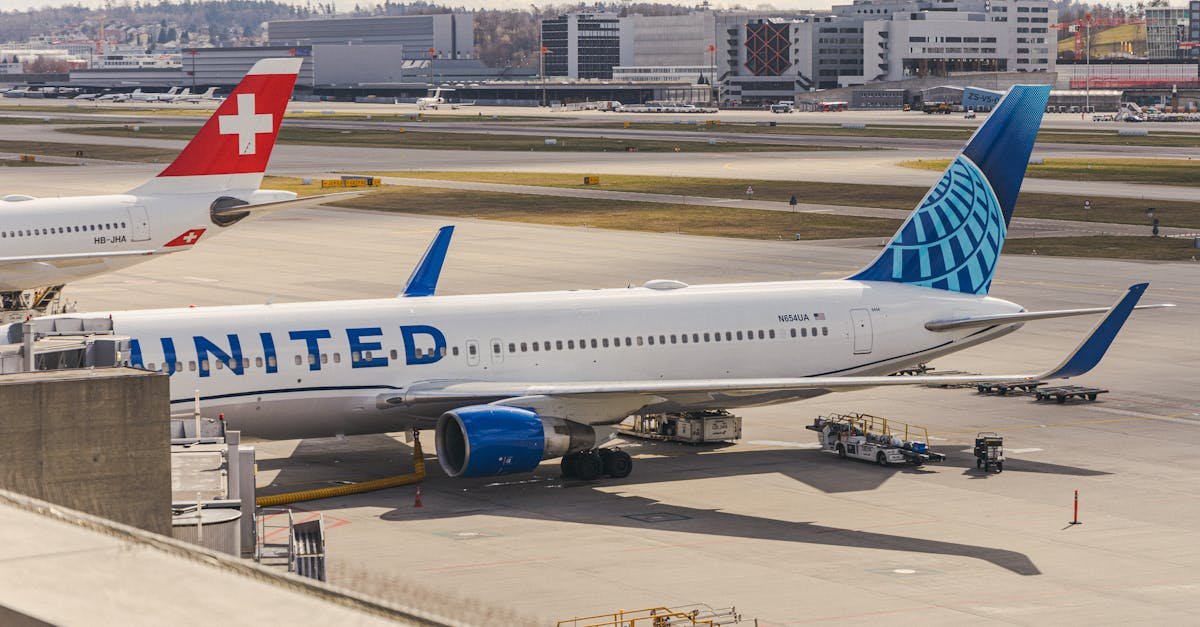
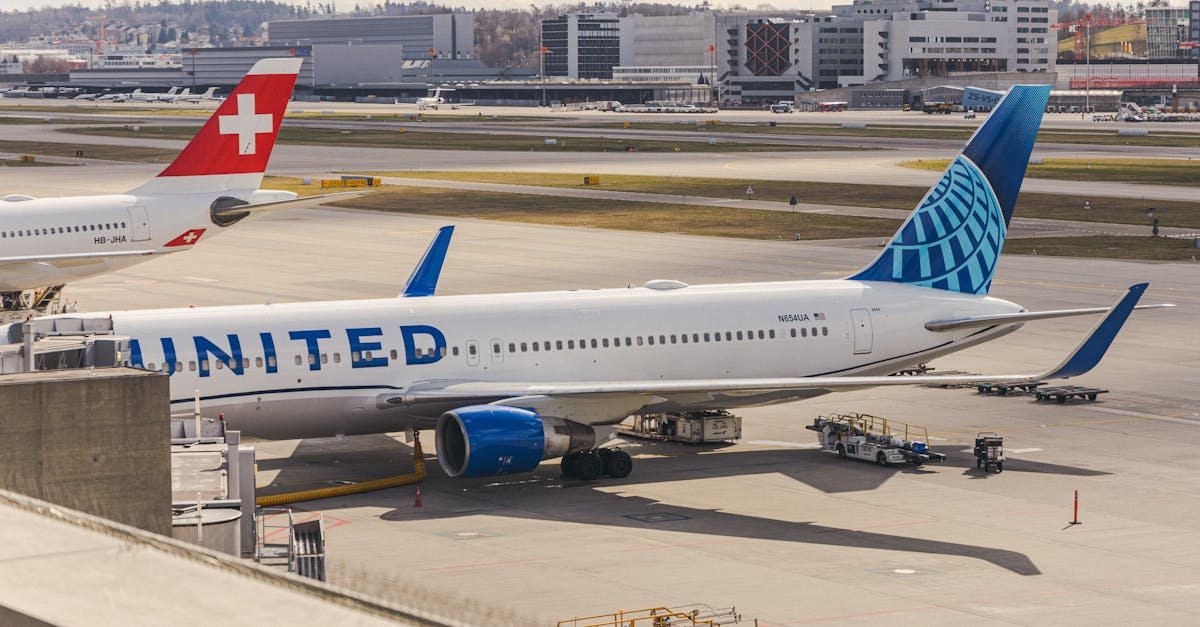
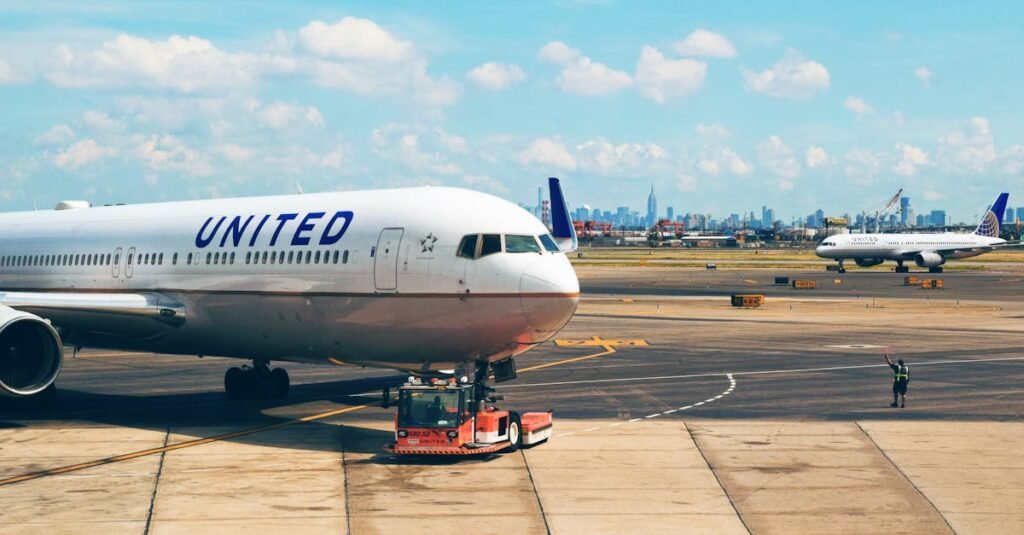
    United Airlines Aircraft on the runway at Newark Airport with city skyline in the background.

    For the majority of flyers who already use headphones, this change is a welcome relief. The days of having to listen to a stranger’s video game or a nearby toddler’s loud cartoon may finally be coming to an end on United flights.

    The success of this policy will depend on how consistently it is enforced. If flight attendants feel supported by the new contract language, they will be more likely to step in and stop noise issues before they bother the whole row. For travelers, the takeaway is simple: if you want to fly with United, make sure your headphones are the first thing you pack.

  • Unruly Passenger Escorted Off American Airlines Flight In Miami Over “No Headphone” Policy

    Unruly Passenger Escorted Off American Airlines Flight In Miami Over “No Headphone” Policy

    Travelers at Miami International Airport recently witnessed a scene that has become all too common in the era of viral videos and shrinking personal space. What started as a short, forty minute hop from Miami to Tampa turned into a legal and logistical headache for one woman who refused to follow the basic rules of modern flight. The incident, which led to her being escorted off an American Airlines aircraft by law enforcement, highlights a growing tension in the skies: the battle over personal digital space versus public courtesy.

    While flight delays are usually caused by weather or mechanical issues, this particular delay was entirely human. The confrontation began before the plane even left the gate, centered on a piece of technology almost everyone carries but not everyone uses responsibly. As the story spread across social media, it sparked a massive debate about airplane etiquette and the right of airline crews to remove passengers who disrupt the peace of the cabin.

    The Spark That Ignored the Quiet Cabin Policy

    The trouble began when a female passenger decided to catch up on videos using her mobile device. While this is standard behavior for millions of travelers, she chose to play the audio through her phone speakers at a high volume. In the cramped quarters of an Airbus or Boeing jet, sound travels quickly. Neighbors in her row and several rows back were immediately subjected to the noise of her social media feed or movie.

    Most travelers understand the unwritten rule of flying: if you want to listen to something, you wear headphones. American Airlines, like almost every major carrier in the world, actually has written policies regarding this. Their “Quiet Cabin” expectations require that all personal electronic devices be used with headsets or kept on silent. When other passengers politely asked the woman to turn down the volume or put on earbuds, she reportedly refused, claiming she did not have any and had every right to watch her content.

    A Refusal to Comply With Flight Crew Instructions

    When a passenger ignores the requests of their fellow travelers, the flight attendants must step in. This is not just about being a “hall monitor” for noise. It is about maintaining a controlled and safe environment. On this Miami to Tampa flight, the crew approached the woman multiple times. They explained the policy and asked her to silence the device so the safety briefings could continue without distraction.

    The situation escalated when the passenger became combative. Instead of simply turning off the video, she began to argue with the crew members about her rights. In the eyes of the Federal Aviation Administration, once a flight attendant gives a lawful instruction regarding cabin safety or policy, a passenger is legally required to comply. Failing to do so moves the situation from a minor annoyance to a “refusal to follow crew instructions.” This is a serious classification that gives the pilot the authority to remove someone from the manifest.

    The Moment the Pilot Made the Final Call

    After several minutes of back and forth, the lead flight attendant informed the cockpit of the disruption. Safety is the primary concern of any captain. If a passenger is already showing signs of being “unruly” or “noncompliant” while the plane is still at the gate, there is a high risk that the behavior will worsen once the plane is at thirty thousand feet. At that altitude, a disruptive passenger becomes a security threat that cannot be easily managed.

    The American Airlines pilot made the decision to return to the gate or hold the aircraft so that the passenger could be removed. At this point, the woman was told she would have to leave the plane. Despite her protests and her insistence that she had paid for her ticket, the airline was firm. When a passenger creates an environment that interferes with the duties of the crew, their contract of carriage is effectively terminated.

    Cheering from the Cabin as Law Enforcement Arrived

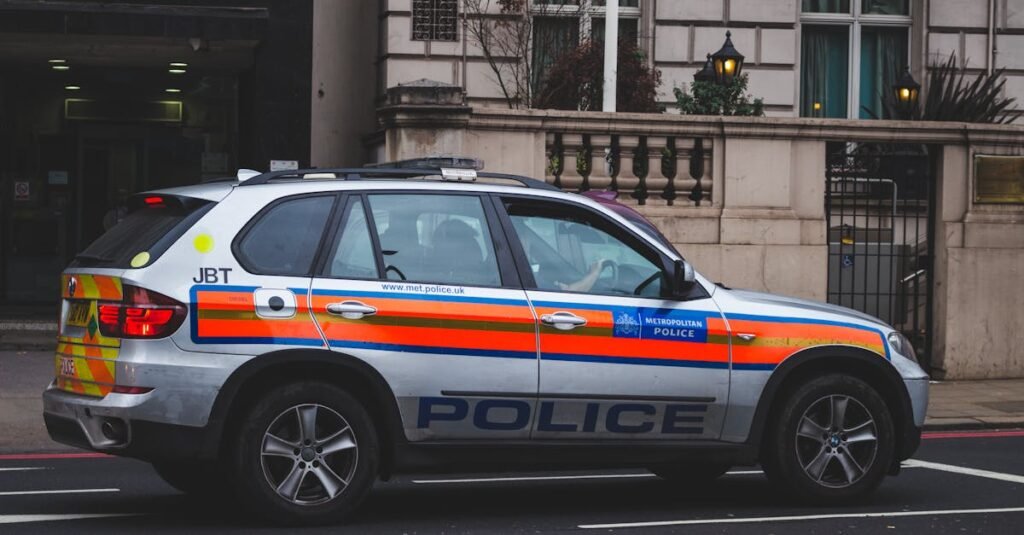
    Police vehicle parked on an urban street outside a London building

    One of the most striking aspects of the videos captured by other passengers was the collective reaction of the cabin. Usually, when a flight is delayed, people are frustrated and angry at the airline. However, as Miami Dade Police officers walked down the aisle to escort the woman off, the plane erupted in applause and cheers.

    This reaction speaks to a broader “traveler fatigue” regarding public behavior. Many people feel that flying has become increasingly stressful due to individuals who disregard the comfort of others. The cheering was a sign of relief that the disruption was over and that the flight could finally proceed to Tampa. For the woman being removed, it was a public moment of “justice served” that quickly trended across TikTok and X.

    The Legal Consequences of a Short Video

    Being kicked off a flight is more than just an embarrassing moment. It carries real world consequences that can last for years. When a passenger is removed for being unruly, they are often placed on an internal “no fly” list for that specific airline. This means the woman might never be allowed to board an American Airlines flight again.

    Furthermore, the FAA has a zero tolerance policy for interference with flight crews. Depending on the severity of the confrontation and whether it was deemed a safety risk, the passenger could face civil penalties or fines reaching into the thousands of dollars. What started as a refusal to buy a five dollar pair of earbuds ended up costing significantly more in potential legal fees and the price of a new ticket on a different airline.

    The Growing Trend of Main Character Energy in Travel

    Social media experts have pointed to this incident as a prime example of “Main Character Syndrome.” This is a term used to describe people who act as if they are the only person who matters in a public space, ignoring how their actions impact the hundreds of people around them. In the context of a flight, this manifests as playing loud music, reclining seats aggressively during meal service, or blocking aisles.

    The Miami incident serves as a warning that airlines are no longer willing to tolerate this behavior. In the past, a crew might have tried to “work around” a difficult passenger to stay on schedule. Today, with the rise in air rage incidents, the protocol is to remove the problem early. Airlines are prioritizing the collective experience of the group over the demands of a single disruptive individual.

    Practical Tips for Avoiding In-Flight Conflict

    The easiest way to avoid finding yourself in a viral video or a police escort is to follow basic travel etiquette. It is always a good idea to pack two sets of headphones: one wired and one wireless. Bluetooth headphones are convenient, but if the battery dies during a flight, you need a backup to ensure you can continue your entertainment without bothering your neighbor.

    If you find yourself near a passenger who is being disruptive, the best course of action is to notify a flight attendant quietly rather than engaging in a shouting match. Professional crews are trained in de-escalation techniques. As seen in the Miami to Tampa case, the crew handled the situation by following their internal chain of command, which eventually resolved the issue without the situation turning into a physical fight between passengers.

    A New Standard for Digital Courtesy in the Air

    This event will likely be cited in future discussions about airline policy updates. There is a growing movement among frequent flyers to ban the use of speakers entirely on all forms of public transit. While most people have common sense, the small percentage of travelers who do not are forcing airlines to be more aggressive with their enforcement.

    The woman who was removed from the flight to Tampa learned a very expensive and public lesson about the importance of being a considerate traveler. The sky is a shared resource, and the rules that govern it are designed to make the experience bearable for everyone. When those rules are ignored, the system is designed to protect the many from the few.

    Looking Ahead to a More Respectful Flying Experience

    As we move forward, it is likely that we will see more signs at gates and announcements during boarding specifically mentioning the use of headphones. This Miami incident has highlighted a specific loophole in passenger behavior that crews are now being trained to close immediately. The goal for every airline is to get passengers from point A to point B safely and quietly.

    For those who plan to fly soon, the message is clear. Your right to watch a video ends where your neighbor’s right to a peaceful flight begins. By being mindful of our digital footprint, we can all contribute to a travel environment that is less about conflict and more about the journey itself. The cheers heard on that American Airlines flight were not just for the removal of one person, but for the return of order and respect in the sky.

  • Panic at 30,000 Feet? FBI Investigates After Southwest Flight Makes Emergency Landing

    Panic at 30,000 Feet? FBI Investigates After Southwest Flight Makes Emergency Landing

    A routine flight across the country turned into a scene of intense scrutiny and high-stakes decision-making this week. For the passengers aboard Southwest Airlines Flight 2094, the journey did not end at their intended destination. Instead, they found themselves on the tarmac in Atlanta, surrounded by law enforcement and federal agents.

    When an aircraft makes an unscheduled landing, the first priority is always safety. However, when the Federal Bureau of Investigation (FBI) gets involved, the narrative shifts from a simple mechanical glitch to a potential security matter. This incident has sparked a massive conversation regarding airline safety protocols and the thin line between a misunderstood comment and a genuine mid-air threat.

    The Timeline of the Mid-Air Security Alert

    The flight began like any other morning departure. Passengers were settled in, the beverage service was underway, and the Boeing 737 was cruising at its standard altitude. Everything changed when the flight crew received information regarding a potential security concern.

    While the airline has been careful with the specific details to protect the integrity of the investigation, reports from those on board suggest that the tension became palpable the moment the captain announced the diversion. Pilots are trained to handle a variety of emergencies, but a security-related diversion requires a specific set of maneuvers. The descent was rapid but controlled, as the cockpit sought to get the plane on the ground as quickly as possible.

    Upon landing at Hartsfield-Jackson Atlanta International Airport, the aircraft was directed to a remote area of the airfield. This is a standard procedure for security threats, designed to keep the plane away from busy terminals and other parked aircraft.

    Why the FBI Leads These Investigations

    A police officer in uniform holds open handcuffs outdoors, clear authority symbol.

    Many people wonder why the FBI steps in instead of local police during an airline incident. The answer lies in federal jurisdiction. Once the cabin door of an aircraft closes and the plane is in flight, it enters federal territory. Crimes or threats committed on an airplane fall under the authority of the United States government.

    In this specific Southwest case, the FBI’s presence was immediate. Agents interviewed passengers, spoke with the flight crew, and conducted a thorough sweep of the cabin and cargo hold. Their goal is to determine if there was a “credible threat” or if the situation was a result of a misunderstanding or a mental health crisis.

    In many modern cases, these investigations center around “unruly passenger” behavior or suspicious comments made to crew members. In a post-9/11 world, there is no such thing as a small joke or an insignificant threat when you are seven miles above the earth.

    The Protocol for Diversions and Emergency Landings

    Every pilot has a thick manual of Quick Reference Handbooks that dictate exactly what to do when things go wrong. An emergency landing for a security threat involves more than just flying the plane. It requires constant communication with Air Traffic Control and the airline’s dispatch center.

    When Flight 2094 declared an emergency, they were given priority over every other plane in the sky. Other flights were held in patterns or redirected to make a “hole” in the sky for the Southwest jet. This coordination is a marvel of modern aviation safety, ensuring that a plane in trouble has a clear path to the nearest suitable runway.

    Managing Passenger Anxiety in a High Pressure Cabin

    For the people sitting in seats 12A or 24F, the technical protocols matter less than the fear of the unknown. When a plane suddenly changes course and the flight attendants stop their service to secure the cabin, panic can spread quickly.

    Social media has changed how these events unfold in real-time. Passengers often post videos or tweets from their phones while the plane is still on the taxiway. In this instance, snippets of the atmosphere inside the cabin leaked out almost immediately. You could see the concern on the faces of travelers as they watched federal agents board the plane with tactical gear.

    The psychological impact of such an event stays with a traveler long after they reach their home. Many of the passengers on this flight had to be rebooked on later departures, but the stress of the FBI interrogation and the sudden landing left many feeling rattled.

    The Role of Technology in Detecting Threats

    Modern aviation relies heavily on technology to keep the skies safe. From advanced screening at the gate to onboard sensors, the layers of security are deep. However, the human element remains the most unpredictable variable.

    In the case of this Southwest flight, it appears that human observation triggered the alarm. Whether it was a piece of luggage that looked out of place or a conversation that sounded threatening, the crew took the “better safe than sorry” approach. Airlines have moved toward a zero-tolerance policy regarding safety. If a flight attendant feels that the safety of the flight is compromised, they are empowered to tell the captain, and the captain has the final word on whether to land the plane.

    The Financial and Operational Cost of a Diversion

    While safety is the primary focus, the logistical nightmare of a diverted flight is significant. A single emergency landing can cost an airline tens of thousands of dollars. This includes extra fuel costs, landing fees at the diversion airport, and the cost of rebooking hundreds of passengers.

    Furthermore, the aircraft itself is often taken out of service for a period of time while it is inspected. This creates a “domino effect” across the airline’s schedule. If that plane was supposed to fly from Atlanta to Denver and then to Los Angeles, those later flights are now delayed or canceled. For Southwest, which operates a “point-to-point” network, a single diversion in the morning can affect flights across the entire country by the evening.

    Legal Consequences for Sparking a Federal Investigation

    If the FBI determines that a passenger intentionally caused a disruption or made a false threat, the legal consequences are severe. Federal charges for interfering with a flight crew can lead to years in prison and massive fines.

    In recent years, the FAA has also started levying civil fines against passengers who cause diversions. These fines can exceed $30,000. This is on top of any criminal charges the Department of Justice might pursue. The message from the government is clear: the safety of the national airspace is not something to be trifled with.

    Lessons Learned from the Atlanta Incident

    Every time a plane makes an emergency landing, the aviation industry learns something new. Federal agencies and airlines will sit down to review the tapes, the cockpit voice recorders, and the witness statements. They look for ways to improve communication and see if the situation could have been de-escalated without a diversion.

    In the 2026 landscape of travel, where flights are more crowded than ever, these incidents serve as a reminder of the vigilance required to keep millions of people moving safely every day. The Southwest pilots involved in this landing are being praised for their professional handling of a tense situation, ensuring that despite the “panic,” the plane landed without a scratch.

    Moving Forward After a Travel Scare

    The investigation into Flight 2094 will likely conclude with a detailed report that clarifies exactly what was said or found on that aircraft. For the general public, it is a reminder to always be aware of your surroundings and to follow crew instructions without hesitation.

    Aviation remains the safest form of long-distance travel in history. While headlines about FBI investigations and emergency landings are frightening, they actually prove that the system is working. The moment a potential problem was identified, the entire machinery of federal law enforcement and aviation safety swung into action to protect the lives of those on board.

    If you are a frequent flier, it is helpful to understand these processes. Knowing that there is a plan for every scenario can actually reduce the anxiety of flying. The next time you buckle your seatbelt, you can do so with the knowledge that thousands of professionals are watching over your flight, ready to act the moment anything out of the ordinary occurs.

  • Spirit Airlines in 2026: What Flyers Really Need to Know Before Booking

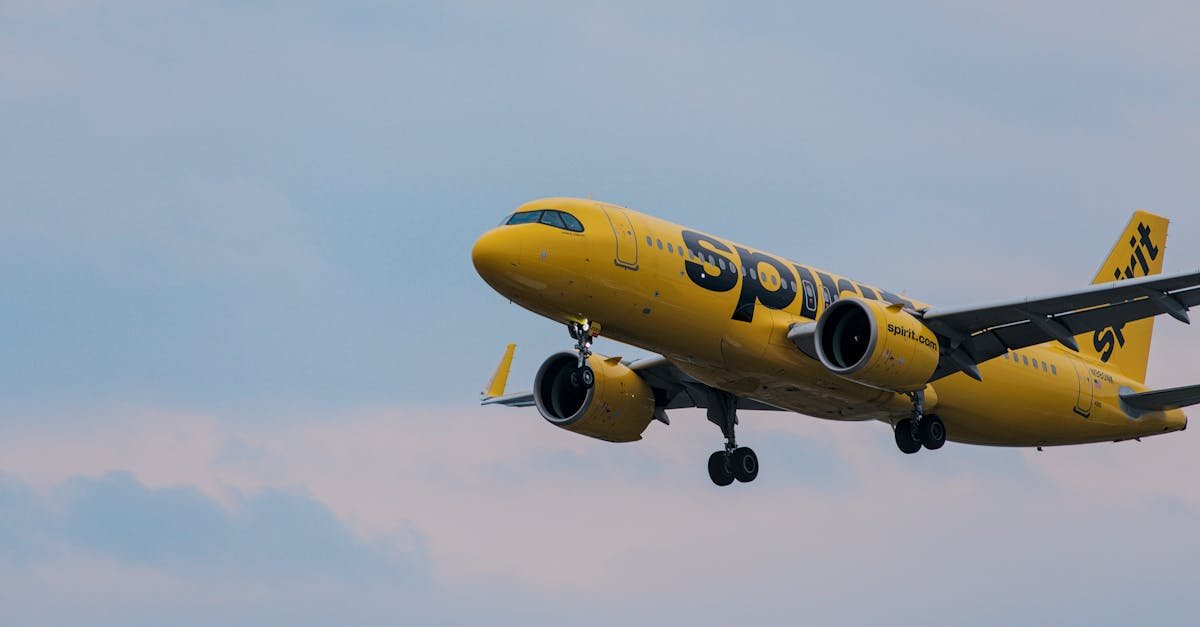
    Spirit Airlines in 2026: What Flyers Really Need to Know Before Booking

    When you think of Spirit Airlines, you likely picture bright yellow planes and the promise of a flight that costs less than a fancy dinner. In 2026, that image is still mostly true, but the way the airline operates has shifted significantly. After a period of restructuring and some very public financial changes, the airline is trying to find a middle ground between being the cheapest option and being an airline people actually enjoy flying.

    If you are planning a trip this year, the old rules of thumb for budget travel might not apply anymore. From new seating categories that feel surprisingly like a major carrier to stricter rules on baggage and changes in how you earn points, there is a lot to catch up on before you click that buy button.

    The New Way to Fly: Understanding the Three Fare Classes

    For years, Spirit Airlines was known for the unbundled fare. You bought a seat and literally everything else was an extra charge. In 2026, they have moved toward a tiered system that looks a lot more like what you would find on United or Delta. While you can still book a bare-bones ticket, most travelers are now choosing between three main options.

    The first is the Value fare. This is the classic Spirit experience. You get a seat and one small personal item. If you want to bring a carry-on or pick where you sit, you will pay for those things separately. It is still the best way to save money if you are just going away for a weekend with a backpack.

    The second tier is Premium Economy. This is where things get interesting. This fare usually includes a carry-on bag and what Spirit calls a Comfy Seat. These seats offer about four inches of extra legroom compared to the standard rows. In many of these rows, the middle seat is intentionally left empty to give you more shoulder room. It is a massive step up from the cramped quarters of the past.

    Finally, there is Spirit First. This has replaced the old Go Big bundle. It includes the famous Big Front Seat, which is essentially a first-class seat without the luxury meal service. With this ticket, you get a checked bag, a carry-on, priority boarding, and even snacks and drinks included.

    Navigating the Baggage Maze in 2026

    Baggage remains the biggest hurdle for most Spirit Airlines passengers. The rules haven’t necessarily become more relaxed, but the pricing has become more dynamic. One thing that has stayed the same is the size limit for your free personal item. It must be 18 by 14 by 8 inches or smaller. If it doesn’t fit in the sizer at the gate, you will be hit with a fee that can sometimes cost more than the flight itself.

    Wait until the last minute to pay for bags and you will pay a premium. The cheapest time to add a bag is during the initial booking. If you wait until you check in online, the price goes up. If you wait until you get to the airport counter, it goes up again. And if the gate agent stops you because your bag is too big, you are looking at the highest possible price.

    One positive change in 2026 is for those who hold the Spirit credit card. Many cardholders now get two free checked bags as a standard benefit. If you fly Spirit more than twice a year, this perk alone often covers the annual fee of the card.

    What to Expect Inside the Cabin

    The interior of the planes has seen some updates. Most of the Spirit Airlines fleet now features the newer, slimmer seats that are designed to provide a bit more knee room even if the actual space hasn’t increased much. The seats are still pre-reclined, meaning you cannot tilt your seat back. This is actually a blessing for the person sitting behind you, as it prevents any mid-flight laptop crushing incidents.

    Wi-Fi is now available on almost every flight in the network. It is not free unless you are flying on a Spirit First ticket, but the speeds have improved. You can usually stream movies or take care of work emails without too much lag. Just keep in mind that you have to pay per device, so if you want to use both your phone and a tablet, you will be paying double.

    There is still no free water or snacks in the main cabin. Everything on the menu has a price tag. In 2026, the airline has moved almost entirely to digital payments, so make sure you have a card or a mobile wallet ready if you think you will get thirsty.

    Reliability and What Happens When Things Go Wrong

    Spirit Airlines has worked hard to improve its on-time performance, and in early 2026, they actually ranked quite high compared to other North American carriers. However, the nature of a low-cost airline means they don’t have as many extra planes sitting around. If a flight is canceled because of a mechanical issue or weather, it can be harder for them to find you a seat on a different flight the same day.

    Unlike the bigger airlines, Spirit Airlines doesn’t always have agreements to put you on a flight with a competitor like American or JetBlue. If you are traveling for something that cannot be missed, like a wedding or a cruise, it is always a good idea to fly in a day early. This gives you a buffer in case of a delay.

    The customer service experience has moved largely to chat-based systems. You can reach them through their app or via WhatsApp. While this can be faster than waiting on hold, it can be frustrating if you have a complex problem that requires a human touch.

    Loyalty and the Free Spirit Program

    The loyalty program has been revamped to reward people who spend money, not just those who fly long distances. You earn points for every dollar spent on fares and even on the extra fees like bags and seats.

    In 2026, points don’t expire as long as you have some kind of account activity within a twelve-month window. This makes it much easier for occasional flyers to actually use their points for a free trip. You can also now use a mix of points and cash to book a flight, which is helpful if you are just a few hundred points short of a “free” ticket.

    Is Booking a Flight the Right Move for You

    Deciding whether to fly Spirit Airlines in 2026 comes down to your priorities. If you are a light traveler who doesn’t mind a basic seat and a tight schedule, you can still find incredible deals that the major airlines can’t match. The key is to know exactly what you are paying for.

    If you start adding on a checked bag, a carry-on, and a specific seat selection, you might find that the total price is very close to a traditional airline. Always do the math on the total cost, not just the base fare shown on the search results.

    Spirit Airlines has evolved into a much more predictable airline than it was a decade ago. It is no longer just a “bus in the sky.” With the new seating options and a better loyalty program, it is a viable choice for a lot more people, provided you read the fine print and pack light.

  • US Iran Strikes: Were B-2 Stealth Bombers Used in Operation Epic Fury?

    US Iran Strikes: Were B-2 Stealth Bombers Used in Operation Epic Fury?

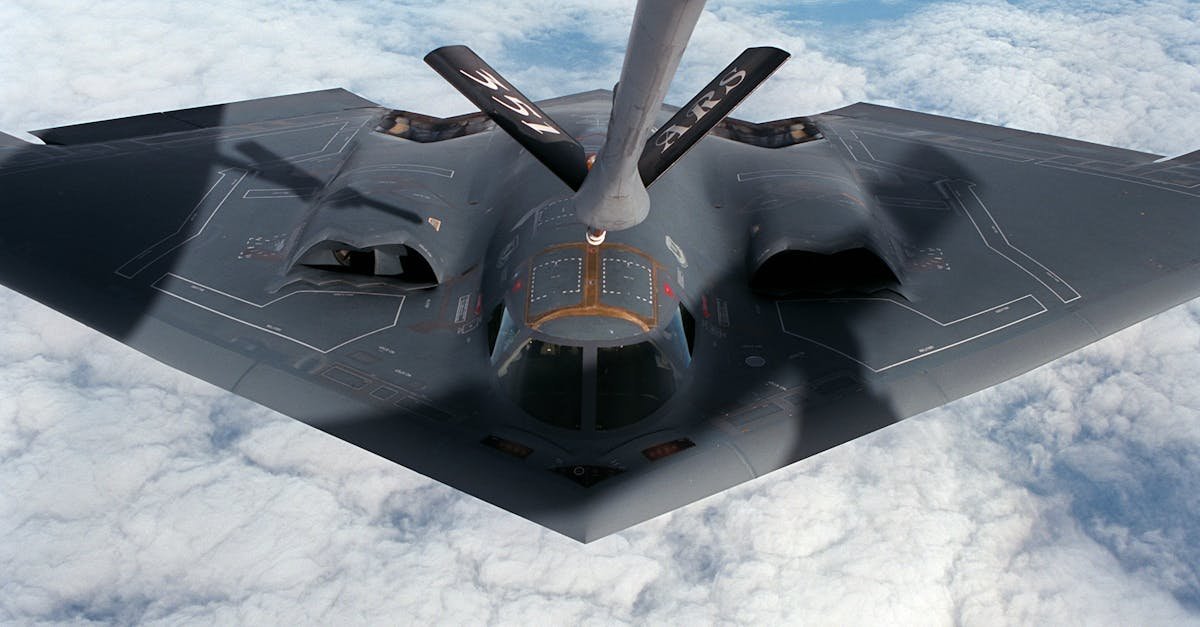
    The geopolitical landscape of the Middle East has always been a chessboard of high stakes maneuvers and strategic signaling. Recently, rumors and reports surrounding a mission dubbed Operation Epic Fury have set the defense community and the general public ablaze with questions. At the center of this speculation is the Northrop Grumman B-2 Spirit, the world’s most formidable stealth bomber.

    Public interest piqued when whispers of precision strikes against hardened Iranian targets began to circulate. The primary question on everyone’s mind remains: Did the United States actually deploy its most expensive and secretive aerial assets to carry out these strikes? To understand the likelihood of B-2 involvement, we have to look at the tactical requirements of such a mission and the unique capabilities that only a flying wing can provide.

    The Strategic Context of Operation Epic Fury

    Operation Epic Fury was reportedly designed as a response to escalating tensions and specific threats identified by intelligence agencies. Unlike standard retaliatory strikes that might use sea-launched cruise missiles or standard fighter jets like the F-15E Strike Eagle, this operation appeared to target infrastructure that was either heavily defended or buried deep underground.

    Iran has spent decades fortifying its most sensitive sites. From the Natanz enrichment complex to various missile silos hidden within mountain ranges, these locations are shielded by hundreds of feet of rock and reinforced concrete.Attacking such facilities requires more than just luck. It requires a combination of extreme stealth to bypass advanced S-300 or S-400 surface to air missile batteries and the ability to carry massive, bunker busting munitions.

    The Unique Role of the B-2 Spirit

    The B-2 Spirit is not just another plane in the inventory. With only 19 aircraft currently in service, it is a low density, high value asset that the Pentagon saves for the most “day one” of war scenarios. Its primary selling point is its stealth profile, which allows it to penetrate sophisticated integrated air defense systems without being detected.+2

    While the F-35 Lightning II and the F-22 Raptor are also stealthy, they lack the payload capacity to carry the GBU-57A/B Massive Ordnance Penetrator. This 30,000 pound bomb is the only conventional weapon in the American arsenal capable of reaching deeply buried targets. Since the B-2 is the only platform certified to carry and drop this weapon, its presence in any operation targeting underground facilities is almost a mathematical certainty.

    Analyzing the Evidence of the Strikes

    When we look at the aftermath of the reported strikes under the Epic Fury banner, the precision of the damage is telling. Standard Tomahawk missiles are excellent for taking out surface radars or command centers, but they lack the kinetic energy to collapse a mountain tunnel.

    Eyewitness reports and satellite imagery from the region suggested seismic activity that coincided with the timing of the strikes. This type of “man made earthquake” is a hallmark of the Massive Ordnance Penetrator. If the goal of Operation Epic Fury was to neutralize deep state assets, the B-2 Spirit is the only tool in the box that fits the job description. Furthermore, flight tracking enthusiasts noted unusual activity around Whiteman Air Force Base in Missouri, which is the sole home of the B-2 fleet, during the window of the operation.

    Why Stealth Was Non-Negotiable

    Iran possesses one of the most dense air defense networks in the region. Their reliance on domestic versions of Russian technology means that any non-stealthy aircraft would be detected long before reaching the heart of the country. A standard strike package involving dozens of support aircraft, tankers, and electronic warfare planes would be a massive “signature” on a radar screen.

    The B-2 operates differently. It often flies halfway around the world from the United States, refuels in mid air, and enters enemy airspace as a lone wolf. By operating at high altitudes and utilizing its specialized coating and shape to deflect radar waves, it can loiter over a target and wait for the perfect moment to strike. In Operation Epic Fury, the element of surprise was likely the highest priority to ensure that the targets could not be moved or further protected.

    Potential Diplomatic and Military Fallout

    Using a B-2 bomber is a massive statement of intent. It tells an adversary that their most protected secrets are not safe. However, the use of such a high profile weapon also carries risks. If a B-2 were ever shot down or suffered a mechanical failure over hostile territory, the loss of technology would be a generational catastrophe for the United States military.

    The decision to use these bombers in Operation Epic Fury suggests that the perceived threat from the Iranian targets outweighed the risk of losing a two billion dollar aircraft. It also serves as a deterrent to other global powers, demonstrating that the United States maintains the reach to strike any point on the globe with total impunity.

    Logistics of a Long Range Strike

    One of the most incredible aspects of a B-2 mission is the sheer endurance required. These missions often last over 30 hours. The pilots, usually only two in number, must manage complex systems, navigate through contested airspace, and maintain focus for over a day in a cramped cockpit.

    For Operation Epic Fury, a strike would involve multiple aerial refuelings over the Atlantic and perhaps the Indian Ocean. This requires a massive logistical tail of KC-135 or KC-46 tankers staged at various friendly bases. While the bomber remains hidden, the support network around it is a masterpiece of military planning. The coordination required to get a B-2 from Missouri to a target in the Middle East and back again is perhaps the most difficult task in modern aviation.

    Debunking the Myths of the Mission

    In the age of social media, rumors often outpace the facts. Some reports claimed that a fleet of B-2s was seen over the Persian Gulf in broad daylight. This is highly unlikely, as the B-2 is a creature of the night. Its dark “ferrite” paint is specifically designed to blend into the night sky, and its missions are almost always timed to maximize the cover of darkness.

    Other theories suggested that the new B-21 Raider might have seen its first combat under Operation Epic Fury. However, the B-21 is still in its testing phase and is not yet ready for high risk combat sorties. For now, the venerable B-2 Spirit remains the king of the shadows. Any major strike on hardened Iranian infrastructure almost certainly relied on the older, battle proven stealth veteran.

    FeatureB-2 SpiritF-15E Strike Eagle
    Stealth LevelVery HighLow
    Max Payload40,000 lbs23,000 lbs
    Primary WeaponGBU-57 MOPGBU-31 JDAM
    RangeIntercontinentalRegional (with tanks)
    Crew22

    The Final Assessment on the B-2 Involvement

    While the Pentagon rarely confirms the specific platforms used in ongoing or sensitive operations, the circumstantial evidence regarding Operation Epic Fury points directly toward the B-2. The nature of the targets, the need for extreme stealth, and the specific requirement for heavy, earth penetrating munitions create a scenario where no other aircraft would suffice.

    The B-2 Spirit remains a symbol of American military might and a silent guardian that can reach out and touch an opponent anywhere, at any time. If Operation Epic Fury was intended to send a clear and devastating message to the Iranian leadership, the “Flying Wing” was undoubtedly the messenger chosen for the task.

  • United 787 Engine Fire at LAX: Terrifying Video Shows Passengers Flee in Slides, All We Know So Far

    United 787 Engine Fire at LAX: Terrifying Video Shows Passengers Flee in Slides, All We Know So Far

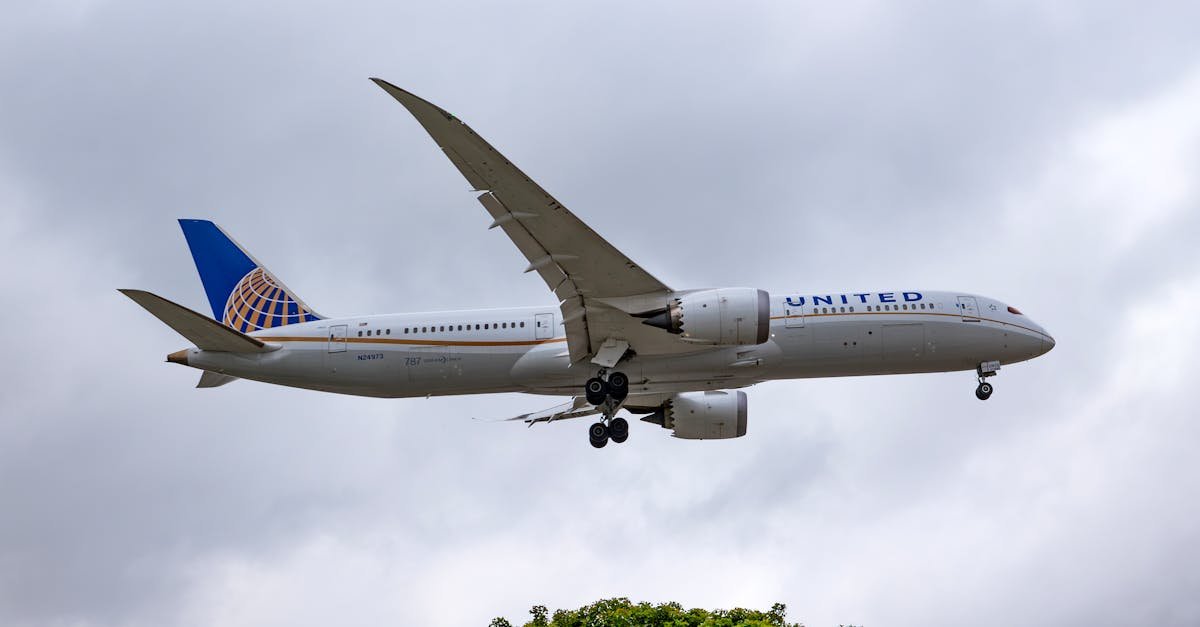
    A routine Monday morning at Los Angeles International Airport turned into a scene of panic and adrenaline when a United Airlines flight was forced to make a desperate return. Passengers aboard United Flight 2127 were settled in for a cross-country journey to Newark, New Jersey, when a mechanical failure transformed their trip into a survival situation. The aircraft, a modern Boeing 787-9 Dreamliner, suffered a significant engine issue shortly after takeoff that led to a full scale emergency response on the tarmac of one of the busiest airports in the world.

    Moments of Terror in the Sky

    The flight departed from LAX around 10:43 AM local time. For the first few minutes, everything seemed normal as the wide-body jet climbed over the Pacific Ocean. However, as the plane reached an altitude of approximately 18,000 feet, the situation changed rapidly. Crew members and passengers on the left side of the aircraft noticed something was wrong with the General Electric GEnx engine.

    Reports from inside the cabin describe a series of thuds followed by the sight of smoke. The flight crew acted immediately by declaring a “Mayday” and requesting an urgent return to Los Angeles. Air traffic controllers cleared a path, grounding other departing flights to ensure the crippled Dreamliner could get back to the ground as quickly as possible. The tension inside the cabin was palpable as the pilots performed a steep turn to align with the runway, all while dealing with a fire indication in the cockpit.

    The Landing and Sudden Evacuation

    By 11:20 AM, the United 787 touched down on Runway 25L. While the landing was technically successful, the danger was far from over. As the plane slowed down on the taxiway, black smoke began to billow from the left engine. Ground crews and Los Angeles Fire Department units were already in position, having been alerted during the plane’s descent.

    Initially, the plan appeared to involve a controlled deplaning using mobile stairs. One set of stairs was even positioned at the front door. But as the smoke thickened and the threat of an active fire grew, the captain made the call for a full emergency evacuation. This is the moment that has captured the attention of the world through viral video footage.

    Sprinting for Safety on the Tarmac

    In the footage captured by onlookers and aviation enthusiasts, the emergency slides on the right side of the aircraft can be seen deploying in rapid succession. The crew specifically chose not to use the left side exits to keep passengers away from the smoking engine.

    The video shows a stream of people sliding down the inflatable chutes. Unlike many recent aviation incidents where passengers have been criticized for grabbing their luggage, the people on Flight 2127 seemed to understand the gravity of the situation. They left everything behind. Once their feet hit the pavement, they didn’t look back. Passengers were seen sprinting across the taxiway, driven by the sight of smoke and the fear of a potential explosion.

    The evacuation was a textbook example of efficiency. Reports indicate that over 250 people cleared the aircraft in less than sixty seconds. This speed is critical in aviation safety, as fire can compromise the fuselage in a very short amount of time.

    A Miracle of Zero Major Injuries

    Despite the chaotic nature of the exit and the speed at which people were running, the outcome was remarkably positive. United Airlines confirmed that 256 passengers and 12 crew members were on board. Out of all those people, only one minor injury was reported, a small cut to a passenger’s finger.

    The lack of injuries is a testament to the training of the United Airlines flight attendants. They are trained to shout commands and push people toward the slides to prevent a bottleneck at the doors. In a situation where every second counts, their ability to maintain order saved lives and prevented the kind of trampling accidents that often occur during mass panics.

    Federal Investigation into the Boeing 787

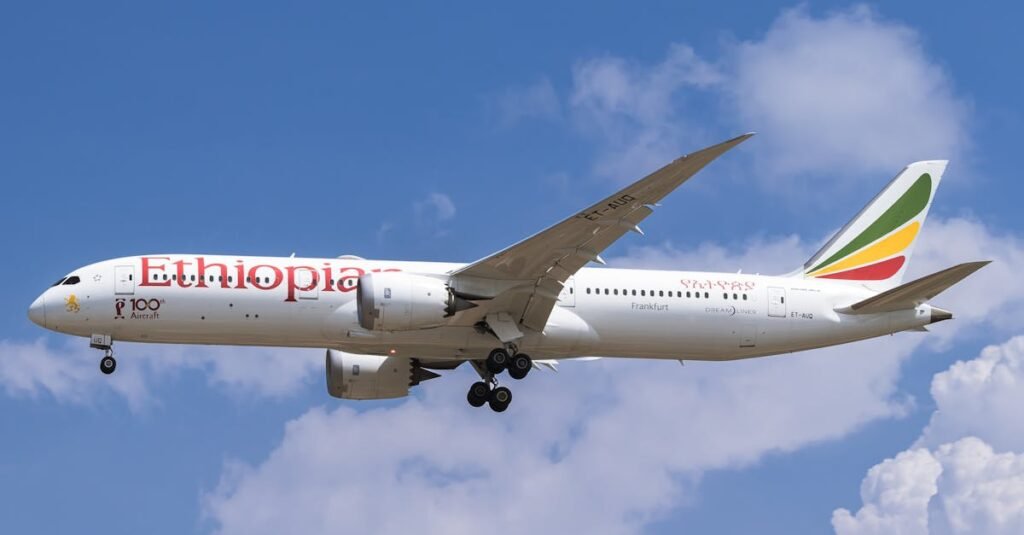
    Side view of Ethiopian Airlines Boeing 787 flying against a blue sky with clouds.

    The Federal Aviation Administration and the National Transportation Safety Board are now looking into the cause of the United 787 engine fire. The aircraft involved, registered as N24972, is a relatively modern piece of equipment. Investigators will focus on whether the fire was caused by a bird strike, a mechanical fatigue failure, or a maintenance oversight.

    The left engine remained the focus of fire crews for over an hour after the landing. Firefighters continued to douse the engine housing with water and foam to ensure that hidden hot spots did not reignite the fuel lines. The plane will likely remain grounded at LAX for an extensive period as investigators dismantle the engine to find the root cause of the failure.

    Impact on LAX Operations

    The emergency landing caused significant ripples through the air travel network. The FAA issued a temporary ground stop for all flights heading into LAX while the taxiway was cleared and the emergency was managed. This resulted in delays for thousands of travelers across the country.

    While the ground stop was lifted by early afternoon, Runway 25L remained closed for several hours. This particular runway is a primary artery for the airport, and its closure forced controllers to reroute traffic, leading to a backlog of departures. United Airlines worked quickly to bus the evacuated passengers back to the terminal, where they were provided with food, water, and eventually, seats on a replacement aircraft to finish their journey to Newark.

    Safety Lessons from Flight 2127

    Aviation experts are already pointing to this incident as a success story in terms of safety protocol. The decision to evacuate on the side opposite the fire is a standard but vital procedure. Furthermore, the fact that passengers followed instructions and abandoned their carry on bags played a massive role in the high speed of the evacuation.

    When people stop to grab laptops or suitcases from overhead bins, they block the aisles. In a real fire, those extra seconds can be the difference between life and death due to smoke inhalation. The imagery of passengers running away from the United 787 serves as a stark reminder of why these rules exist.

    What Happens Next for the Passengers

    For the 256 people who were on that flight, the day will be remembered as a brush with disaster. United Airlines has stated that it is cooperating with all authorities and taking care of the needs of the affected travelers. Most of the passengers were eventually placed on a different plane to continue to the East Coast, though some opted to stay in Los Angeles or find alternative travel arrangements after the traumatic experience.

    The airline will also have to deal with the logistical nightmare of returning the luggage left on the original plane. Because the aircraft is now part of an active federal investigation, it may be some time before passengers are reunited with their personal belongings.

    Looking Toward the Investigation Results

    In the coming weeks, the data from the flight data recorder and the cockpit voice recorder will be analyzed. This information will tell the story of exactly what the pilots saw and felt in the moments leading up to the landing. For now, the focus remains on the bravery of the crew and the quick thinking of the first responders who prevented a bad situation from becoming a tragedy.

    The aviation community will be watching closely to see if there are any fleet wide implications for the Boeing 787 or the GEnx engines. Until then, the dramatic footage of the evacuation stands as a powerful visual of a crisis managed with professional precision.

  • How Much Does an F-15 Cost? A 2026 Breakdown of the USAF Inventory amid the loss of 3 Fighter Jets

    How Much Does an F-15 Cost? A 2026 Breakdown of the USAF Inventory amid the loss of 3 Fighter Jets

    The recent loss of three F-15E Strike Eagles over Kuwait on March 2, 2026, has sparked a massive wave of questions regarding the financial health of the American fighter fleet. While the safety of the aircrews remains the top priority, the sudden disappearance of nearly 150 million dollars in aerial hardware from the active inventory is a significant blow to the defense budget. This incident during Operation Epic Fury comes at a time when the Air Force is already navigating a complex and expensive transition toward newer technology.

    To understand the true F-15 cost in today’s landscape, you have to look beyond a single sticker price. The fleet is currently a mix of aging air superiority legends, versatile ground attack workhorses, and a brand new digital version that is rolling off the assembly line with a price tag that surprises many.

    The High Financial Stakes of Recent Combat Losses

    When three Strike Eagles were downed in the friendly fire incident earlier today, the immediate impact was more than just operational. Each of those jets represented a massive previous investment in upgrades. While an F-15 cost much less when it was first manufactured in the 1990s, the modern value of a fully mission-capable Strike Eagle is roughly 50 million dollars.

    These lost aircraft were equipped with modern AESA radars and advanced electronic warfare suites that cost millions to install. Replacing that capability isn’t as simple as buying a used plane. The Air Force must now decide whether to pull older jets out of storage or accelerate the purchase of new models to fill the gap. This 150 million dollar loss in a single afternoon highlights why the F-15 cost is such a volatile and trending topic in 2026.

    Breaking Down the F-15 Cost for the New Eagle II

    The biggest driver of the F-15 cost narrative right now is the F-15EX Eagle II. This is the newest version of the jet, and its price has been a point of contention in the latest Pentagon budget. For the 2026 fiscal year, the flyaway F-15 cost for one Eagle II is between 90 million and 97 million dollars.

    If you want a jet that is actually ready for a high-end fight, the price goes up. Once you add in the Eagle Passive Active Warning Survivability System (EPAWSS) and various targeting pods, the F-15 cost for a combat-ready unit reaches approximately 117 million dollars. This puts the fourth-generation Eagle II in the strange position of being more expensive to buy than the stealthy F-35A, which currently carries a price tag of around 82.5 million dollars for the airframe alone.

    A Look at the Total U.S. Air Force Inventory

    The U.S. Air Force manages a fleet of about 360 Eagles, but they are far from identical. The total F-15 cost for the taxpayer depends heavily on which version of the plane is being maintained or replaced.

    The Strike Eagle Inventory (F-15E)

    The F-15E is the heavy hitter of the group. Before the losses in Kuwait, there were 218 of these in the active inventory. The Air Force is currently trying to decide the fate of about 119 of these jets that use older engines. Retiring them would save billions in maintenance, but it would also shrink the number of available planes during a time of global tension. The remaining jets with newer engines are being kept for the long haul.

    The New Eagle II Inventory (F-15EX)

    The Air Force currently has about 45 of these new jets, but the goal is to reach 129. In the 2026 budget, 3.1 billion dollars was requested to buy 21 additional aircraft. The F-15 cost here is seen as an investment in a “missile truck” that can carry massive amounts of weapons that stealth jets simply cannot fit inside their internal bays.

    The Aging Interceptors (F-15C/D)

    The oldest part of the family consists of about 100 jets used primarily for defending U.S. airspace. Most of these are being retired this year because their wings are literally wearing out. A few of the best ones, known as Platinum Eagles, will stay in service for another few years. Their F-15 cost is mostly tied to the expensive structural repairs needed to keep them safe to fly.

    Comparing the F-15 Cost to Other Modern Fighters

    US Airforce Pilot Salary: Close-up of an F-35 fighter jet on a runway with a visible pilot, clear sky background.

    One of the most common questions is why the Air Force would buy a 100 million dollar F-15 when they could buy a stealthy F-35 for less. The answer lies in the long-term F-15 cost of ownership.

    While the F-15EX is expensive to buy, it is significantly cheaper to fly. The F-15 cost per flight hour is roughly 29,000 dollars. In comparison, an F-35 can cost 35,000 dollars or more for every hour it spends in the air. Over twenty or thirty years of service, the Eagle II ends up being the more economical choice for many missions. Additionally, the F-15EX has a massive service life of 20,000 hours, which is more than double what most other fighters can handle before they need to be scrapped.

    Why Location and Packages Change the Price

    The F-15 cost also changes based on who is buying it. For example, recent deals with international partners show much higher numbers. Israel recently signed a deal for 25 new F-15IA jets that could be worth up to 8.5 billion dollars when you include training, spare engines, and weapons.

    When you see a headline saying an F-15 cost 300 million dollars, it usually means the total package price for an export customer. For the U.S. Air Force, the price stays lower because the infrastructure, training schools, and supply chains are already in place. They are just buying the planes, not the entire ecosystem required to run an air force.

    Factors Driving the Increase in F-15 Cost

    Several things have made the F-15 cost rise over the last few years. Inflation has hit the aerospace industry hard, making raw materials and specialized parts more expensive. There is also the issue of the industrial base. Since Boeing is the only company making the F-15, the government pays a premium to keep that production line open and the workers employed.

    The complexity of modern technology also plays a role. The F-15EX is essentially a flying supercomputer. It has the world’s fastest mission computer and a digital backbone that allows it to be updated with new software in weeks rather than years. You are not just paying for metal and engines; you are paying for the code and the sensors that allow the jet to see enemies from hundreds of miles away.

    The Future Value of the F-15 Fleet

    Despite the high F-15 cost, the Air Force sees these jets as essential for the next two decades. The loss of three aircraft today is a major setback, but the plan to modernize the fleet continues. By pairing the heavy-hitting F-15 with stealthy fighters and new autonomous drones, the military hopes to create a force that is both capable and affordable in the long run.

    The era of the 30 million dollar fighter jet is over. Whether it is a brand new Eagle II or an upgraded Strike Eagle, the F-15 cost reflects its status as one of the most capable and durable machines ever built. As the Pentagon works to replace the aircraft lost in Kuwait, the debate over the price of air power will only get louder.

    The Economic Reality of Modern Air Power

    Close-up of an F-35 fighter jet capturing the essence of aviation prowess against a clear blue sky.

    Every time an aircraft is lost or a new budget is released, we get a clearer picture of what it takes to stay ahead in the skies. The F-15 remains a centerpiece of that strategy, even as the price tag continues to climb into the hundreds of millions.

  • FACT CHECK: Did Iran Shoot Down US Fighter Jets in Kuwait?

    FACT CHECK: Did Iran Shoot Down US Fighter Jets in Kuwait?

    As the sun rose over the Persian Gulf on Monday, March 2, 2026, the global community was hit with a barrage of conflicting reports regarding the status of American military assets in the region. Following a weekend of unprecedented escalation between the United States and Iran, multiple videos began circulating on social media showing military aircraft spiraling toward the desert floor in Kuwait.

    Initial claims from Iranian state-linked media suggested a major victory for their air defense systems. However, as more information became available from official sources, a much more complex and tragic picture of modern warfare began to emerge. This article breaks down the facts surrounding the loss of US fighter jets and addresses the claims of who was responsible for the downing of these advanced warplanes.

    The Iranian Claim of Responsibility

    Shortly after the first reports of crashes emerged, the Iranian Revolutionary Guard Corps, through outlets like Press TV and IRNA, issued statements claiming that their forces had successfully intercepted and destroyed American planes.These reports were paired with dramatic footage showing at least one twin-engine jet engulfed in flames over the Al Jahra region of Kuwait.

    According to these claims, the aircraft were hit by Iranian long-range surface-to-air missiles during a retaliatory wave of strikes dubbed Operation True Promise III. For several hours, these reports dominated the digital landscape, creating a narrative that Iranian military technology had overcome American air superiority in a direct engagement.

    Official Clarification from US Central Command

    By Monday afternoon, United States Central Command, or CENTCOM, released a formal statement to provide clarity on the situation. The military confirmed that while US fighter jets were indeed lost, the cause was not an Iranian missile strike.

    According to the official briefing, three US F-15E Strike Eagle aircraft went down over Kuwaiti territory. The military explicitly stated that these planes were mistakenly shot down by Kuwaiti air defenses in an apparent friendly fire incident. The crashes occurred during a window of intense active combat where the sky was filled with a mix of Iranian ballistic missiles, suicide drones, and allied interceptor aircraft.

    The statement explained that the US fighter jets were misidentified by local defense batteries. In the high-pressure environment of defending against a massive drone swarm, the Kuwaiti units engaged the F-15Es, believing they were incoming hostile threats. This admission shifted the narrative from a story of enemy success to one of a devastating coordination failure between close allies.

    The Condition of the Six Aircrew Members

    One of the most critical aspects of the reporting involves the fate of the personnel on board. Each F-15E Strike Eagle is a two-seat aircraft, meaning six individuals were in the air when the missiles struck.

    Video evidence verified by news agencies showed multiple parachutes descending over the Kuwaiti desert. CENTCOM and the Kuwaiti Ministry of Defense have since confirmed that all six aircrew members successfully ejected from their planes. Local residents in Al Jahra and Kuwaiti security forces were the first to reach the downed airmen.

    The survivors were transported to a medical facility for evaluation. Reports indicate that while they are being treated for the physical toll of high-speed ejections, all six are in stable condition. The swift recovery of these airmen has been one of the few positive developments in a weekend defined by heavy losses and regional instability.

    Technical Failures and the Fog of War

    A central question in the investigation is how such a sophisticated network of allies could fail to recognize their own aircraft. The F-15E Strike Eagle is equipped with Identification Friend or Foe (IFF) systems designed to prevent exactly this type of accident.

    Military analysts suggest that the environment over Kuwait on March 2 was one of the most electronically “noisy” in history. With hundreds of Iranian drones and missiles in the air, combined with intense electronic warfare and jamming from both sides, it is possible that the IFF signals were either blocked or simply lost in the clutter of the radar screens.

    The Kuwaiti Ministry of Defense has acknowledged the incident and is reportedly working in close coordination with US technical teams to download data from the air defense batteries. The goal is to determine if the error was purely technical, or if human operators bypassed safety protocols to engage what they perceived as a rapidly approaching threat to Kuwaiti infrastructure.

    Impact on Local Infrastructure and the Public

    The physical debris from the three US fighter jets did not just land in empty desert. One significant piece of wreckage fell near the Mina Al-Ahmadi refinery, which is a cornerstone of the Kuwaiti economy.

    While the refinery itself did not suffer a major fire or shutdown, the falling metal caused minor injuries to two workers on the site. In Kuwait City, a separate but simultaneous scare occurred near the US Embassy compound, where smoke was seen rising during the morning hours. While the embassy incident prompted a shelter-in-place order for American citizens, it highlighted the general state of chaos as the conflict between the United States and Iran spilled over into neighboring host nations.

    The Reality of Operation Epic Fury

    The presence of these US fighter jets in the area was part of a larger campaign known as Operation Epic Fury. This operation was launched by the United States and Israel on February 28, following the failure of nuclear negotiations and a perceived imminent threat from the Iranian regime.

    The campaign has involved massive strikes against Iranian military infrastructure, including missile production sites and command centers. In response, Iran has targeted countries that host US bases, such as Kuwait, Qatar, and the United Arab Emirates. This cycle of strike and counter-strike created the volatile conditions that led to the accidental downing of the three American planes.

    Moving Toward a Verified Narrative

    The investigation into the loss of the US fighter jets is ongoing, but the primary facts are now well-established by both US and Kuwaiti authorities. The claim that Iran shot down these specific planes appears to be a misattribution of the chaos on the ground. While Iran was indeed launching missiles into the area, the specific projectiles that hit the F-15Es came from allied defense systems.

    Kuwait has expressed regret over the incident and has reaffirmed its commitment to the defense partnership with the United States. Military leaders from both nations are now tasked with ensuring that the air defense protocols are updated to prevent a repeat of this friendly fire tragedy as the regional conflict continues to evolve.

  • How Many US Fighter Aircraft Crashed in Kuwait? All About the Accidental Strike During Iran-US Escalation

    How Many US Fighter Aircraft Crashed in Kuwait? All About the Accidental Strike During Iran-US Escalation

    The skies over the Persian Gulf turned into a chaotic corridor of fire and steel on March 2, 2026. As the long-simmering tensions between the United States and Iran boiled over into a full-scale regional conflict, a tragic and confusing incident unfolded in the airspace above Kuwait. While the world watched news of missile barrages and drone swarms, reports began to surface of American warplanes falling from the sky.

    For those following the live updates, the central question remains: how many planes were lost, and how did this happen? This article looks into the specifics of the triple crash that shook the coalition forces and the technical failures that led to a significant friendly fire event.

    The Confirmed Number of US Fighter Aircraft Crashed

    United States Central Command, often referred to as CENTCOM, released an official statement to clear up the early confusion surrounding the event. According to the military briefing, a total of three US F-15E Strike Eagle fighter jets crashed in Kuwait.

    Initially, social media was flooded with fragmented video clips showing a single jet spiraling toward the desert floor in a flat spin with its engines engulfed in flames. However, as the morning progressed, it became clear that this was not an isolated mechanical failure or a lucky shot from an enemy. Instead, three separate multi-million dollar airframes were lost within a very short window of time.

    The aircraft involved were F-15E Strike Eagles, which are dual-role fighters designed for both air-to-air combat and deep-strike missions. These planes were operating as part of Operation Epic Fury, a massive military campaign launched by the United States and its allies in response to escalating threats from the Iranian government.

    What Caused the Triple Crash in Kuwait?

    In the immediate aftermath of the crashes, Iranian state media was quick to claim that their forces had successfully intercepted and shot down the American planes. These claims were widely circulated on Telegram and other platforms. However, the reality of the situation was far more complicated and, for the coalition, much more frustrating.

    US Air Force F-15E Strike Eagle Crashes in Kuwait: Pilot, WSO Status and What We Know The US military confirmed that the three F-15E jets were mistakenly shot down by Kuwaiti air defenses. This was a classic and devastating case of friendly fire. During the time of the incident, Kuwaiti forces were in a state of maximum alert, frantically trying to intercept a massive wave of Iranian suicide drones and ballistic missiles targeting local infrastructure.

    In the heat of the battle, the Kuwaiti air defense batteries, likely using Patriot missile systems or similar high-altitude interceptors, misidentified the American fighters as incoming hostile threats. Despite the advanced communication links that usually exist between allied nations, the sheer volume of targets in the sky created a “fog of war” that proved fatal for the three Strike Eagles.

    The Fate of the Aircrew Members

    One piece of good news emerged from the wreckage: there were no fatalities among the US service members involved in the crashes. Each F-15E Strike Eagle carries a crew of two, consisting of a pilot and a Weapons Systems Officer.With three planes going down, a total of six airmen were forced to eject.

    Viral videos captured the moments of their escape, showing parachutes drifting over the Al Jahra region and other parts of Kuwait. Local residents and Kuwaiti security forces were the first to reach the downed airmen. Reports indicate that the pilots and officers were recovered quickly and transported to a nearby medical facility.

    While some of the crew members suffered minor injuries typical of high-speed ejections, such as bruising or strained muscles, all six were listed in stable condition. CENTCOM expressed gratitude toward the Kuwaiti citizens and military personnel who assisted in the search and rescue operations, highlighting that the partnership between the two nations remained intact despite the tragic error.

    Impact on the Ground and Local Infrastructure

    The crashes did more than just deplete the US air inventory; they also brought the war home to the civilian and industrial sectors of Kuwait. One of the aircraft reportedly went down near the Al Jahra area, while debris from another fell dangerously close to the Mina Al-Ahmadi refinery.

    The refinery is a vital piece of Kuwait’s petroleum infrastructure, and the falling wreckage caused a significant scare.Emergency teams from the Kuwait Integrated Petroleum Industries Company were deployed to manage the situation.While the refinery did not suffer a catastrophic fire, two workers were treated for minor injuries caused by the falling metal fragments.

    Additionally, the chaos in the sky coincided with a security alert at the US Embassy in Kuwait City. Black smoke was seen rising near the diplomatic compound, and personnel were ordered to shelter in place. Although it was initially unclear if the smoke was related to the jet crashes or a separate drone strike, the combined events created a sense of siege within the capital.

    Why Did the Identification Systems Fail?

    A major point of investigation for both US and Kuwaiti authorities is why the Identification Friend or Foe (IFF) systems did not prevent this tragedy. IFF is a sophisticated electronic pulse system designed to tell a radar operator whether a target is a “friend” or a “foe.”

    There are several theories being looked at by technical teams:

    • System Overload: The sheer number of Iranian drones and missiles may have overwhelmed the radar processors, causing them to lag or miscategorize fast-moving objects.
    • Electronic Warfare: Iran has made significant strides in jamming and electronic deception. It is possible that signal interference made it difficult for the Kuwaiti batteries to receive the “friendly” transponder signals from the F-15Es.
    • Human Error: Under the intense pressure of a multi-front missile attack, operators may have bypassed certain verification steps to engage what they believed were high-threat targets before they could reach Kuwaiti cities.

    The Broader Context of Operation Epic Fury

    To understand why these planes were in the air, one must look at the larger conflict known as Operation Epic Fury. This operation was triggered after a series of high-stakes military strikes that led to the death of several top Iranian leaders. In response, Iran launched a scorched-earth retaliatory campaign against US bases and allied nations across the Gulf, including the UAE, Qatar, and Bahrain.

    Kuwait, which hosts thousands of American troops and serves as a major logistical hub, found itself on the front lines. The three F-15Es were likely flying defensive patrols or returning from strike missions when they were engaged by the very people they were there to protect.

    Moving Forward After the Incident

    While the loss of three advanced fighter jets is a significant blow to the US Air Force’s regional strength, the primary focus for leadership is ensuring it does not happen again. Joint technical teams are currently working to synchronize the air defense networks of the Gulf Cooperation Council (GCC) countries with US military assets.

    The goal is to create a seamless “sky shield” where a Kuwaiti or Saudi missile battery can instantly recognize a US or British jet, even in the middle of a massive drone swarm. Until these technical gaps are closed, the risk of accidental strikes remains a haunting reality of modern, high-speed warfare.

    The survival of all six crew members is being hailed as a testament to the reliability of modern ejection systems and the quick thinking of the pilots. As the conflict with Iran continues to evolve, the lessons learned from the “friendly fire” in Kuwait will likely change how coalition air power is managed in contested environments.

  • US Air Force F-15E Strike Eagle Crashes in Kuwait: Pilot, WSO Status and What We Know

    US Air Force F-15E Strike Eagle Crashes in Kuwait: Pilot, WSO Status and What We Know

    A high performance U.S. Air Force F-15E Strike Eagle went down in Kuwait on Monday morning, marking a significant loss of coalition hardware during a period of extreme regional volatility. The incident occurred as the broader conflict between the United States and Iran entered its third day of intensive operations. While the sight of a multi-million dollar fighter jet spiraling toward the desert floor is jarring, the focus remains on the survival of the crew and the murky circumstances that led to the crash.

    Immediate Condition of the Pilot and WSO

    The most critical update involves the two crew members on board: the Pilot and the Weapons Systems Officer (WSO).Reports from the Kuwaiti Ministry of Defense and local eyewitnesses confirm that both individuals successfully initiated their ejection sequence before the aircraft impacted the ground.

    Video footage circulating on social media platforms shows at least one parachute drifting toward the desert terrain west of Al Jahra. In a rare show of civilian involvement during active hostilities, local Kuwaiti residents were among the first to reach the downed airmen. Clips show the crew being assisted by bystanders and placed into a civilian vehicle for transport to a safe location.

    The Kuwaiti military has since confirmed that the airmen are in stable condition. They were moved to a local medical facility for evaluation, suffering from what appear to be minor injuries consistent with the physical toll of a high speed ejection.

    Geographic Details of the Crash Site

    The F-15E, a mainstay of American air power, reportedly went down in western Kuwait, with some analysts pinpointing the coordinates near the Khor Abdullah waterway close to the Iraqi border. This region is currently a high traffic corridor for coalition aircraft moving toward targets in the east.

    Debris from the stricken jet did not just land in empty sand. Fragments of the aircraft reportedly fell within the perimeter of the Mina Al Ahmadi refinery, a vital piece of Kuwaiti infrastructure operated by the Kuwait Integrated Petroleum Industries Company (KIPIC). Early reports indicate that two refinery workers sustained minor injuries from falling debris, though the facility itself remains operational under heightened security protocols.

    The Mystery of the Cause: Friendly Fire or Mechanical Failure?

    The most controversial aspect of this incident is the “why.” While the Pentagon has yet to release a formal accident investigation report, several theories are gaining traction among defense analysts and on the ground observers.

    • The Friendly Fire Theory: There is significant speculation that the Strike Eagle was mistakenly targeted by a Patriot air defense battery. In the chaotic, “target rich” environment of the current Gulf conflict, where hundreds of Iranian drones and missiles are being intercepted simultaneously, the risk of a technical glitch in the Identification Friend or Foe (IFF) system is at its highest.
    • Iranian Engagement: State media in Tehran has been quick to claim credit for the downing, releasing footage they allege shows the aircraft being struck. However, U.S. officials have cautioned against taking these claims at face value, noting that the aircraft appeared to be in a flat spin with fire trailing from its empennage before the final descent.
    • Catastrophic Mechanical Issues: Even without enemy action, the high tempo of combat operations puts immense strain on airframes. A dual engine failure or a flight control malfunction cannot be ruled out until the flight data recorders are recovered and analyzed.

    Strategic Context of the Mission

    This F-15E was reportedly part of the 335th Fighter Squadron, often identified by its distinctive “Chiefs” helmet markings. The squadron is known for its precision deep strike capabilities, which have been heavily utilized in the ongoing “Operation Epic Fury.”

    At the time of the crash, the airspace over Kuwait was under a “shelter in place” order for U.S. personnel. The U.S.Embassy in Kuwait City had issued urgent warnings for citizens to stay indoors due to the continuous threat of incoming UAVs and ballistic missiles. The fact that several other U.S. military aircraft were reported as “crashed” or “downed” on the same morning suggests a massive, coordinated air defense struggle was occurring in the skies above the Gulf.

    Technical Profile of the F-15E Strike Eagle

    To understand the gravity of this loss, one must look at the aircraft itself. The Strike Eagle is not just a fighter; it is a dual role platform designed for long range, high speed interdiction without relying on escort aircraft.

    1. Crew: Two (Pilot and WSO)
    2. Engines: Two Pratt & Whitney F100-PW-220 or -229 turbofans with afterburners
    3. Role: All weather deep strike and air superiority
    4. Cost: Approximately $31 million to $50 million per unit, depending on the variant and avionics suite

    The loss of even a single airframe represents a hit to the tactical depth of U.S. Central Command, especially when the crew is forced into a survival situation in a region where ground lines are rapidly shifting.

    Current Tensions in the Kuwaiti Air Corridor

    Kuwait has long served as a stable hub for American military logistics, but the events of March 2 have proven that no location in the region is truly “behind the lines” anymore. With drone strikes targeting the Kuwait International Airport and reports of explosions near the U.S. Embassy, the crash of the F-15E is a symptom of a much larger escalatory cycle.

    The Kuwaiti Air Defense Force has been working overtime to intercept “hostile aerial targets” at dawn, according to their own Ministry of Defense. This high pressure environment creates a “fog of war” where split second decisions by radar operators can lead to tragic mistakes or heroic saves.

    Looking Toward the Official Investigation

    In the coming days, the United States Air Force will likely convene a formal Safety Investigation Board (SIB) and an Accident Investigation Board (AIB). These teams will look at everything from maintenance logs at the home base to the electronic signals recorded by the Patriot batteries in the vicinity.

    The recovery of the wreckage from the refinery and the surrounding desert will be the first step. For now, the successful rescue of the crew remains the only bright spot in a morning defined by fire and falling metal.

    Ongoing Recovery and Security Efforts

    As the sun sets over the Kuwaiti desert, the area around Al Jahra remains cordoned off by security forces. The priority has shifted from rescue to recovery and intelligence protection. Military officials are working to ensure that sensitive technology within the Strike Eagle’s cockpit does not fall into the wrong hands.

    The U.S. and Kuwaiti governments continue to coordinate closely. While the geopolitical ripples of this crash will be felt in Washington and Tehran, the immediate concern for the families of the Pilot and WSO is simply that they are safe,accounted for, and receiving the medical care they need after a harrowing morning in the sky.