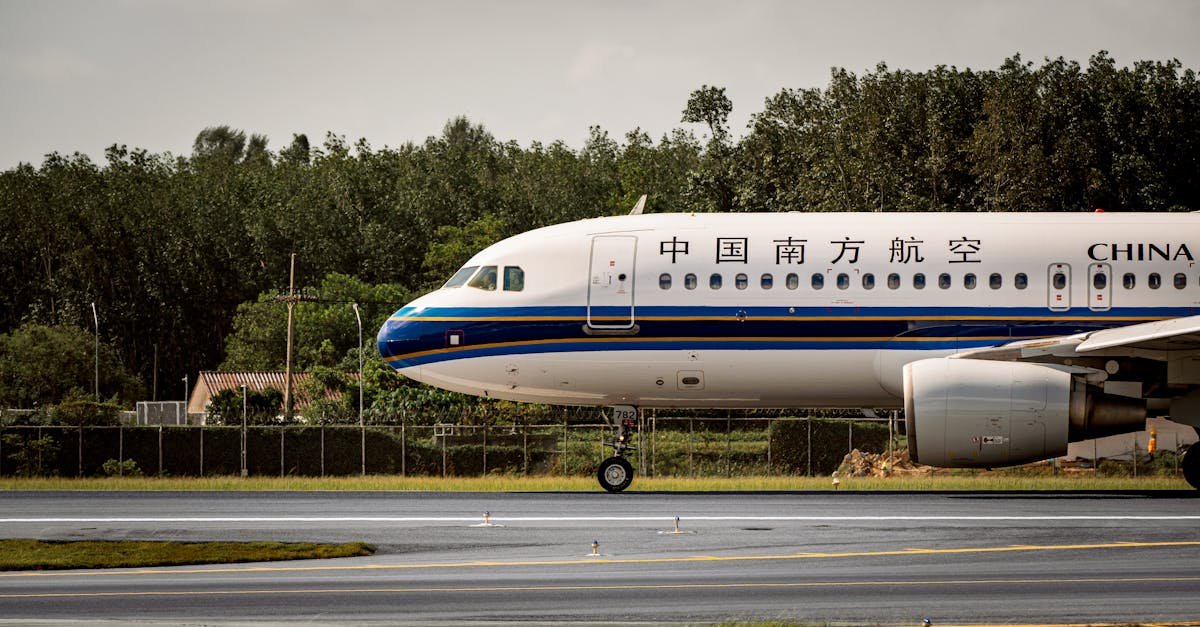
A significant ground incident at Melbourne Airport has left a China Airlines Airbus A350 with substantial structural damage. The event occurred on April 14, 2026, when the advanced long haul jet unexpectedly rolled away from its gate. During this movement, the passenger door made violent contact with the terminal boarding bridge, resulting in a scene that quickly captured the attention of the aviation world.
The aircraft involved in the mishap is an Airbus A350-941, one of the most sophisticated commercial planes currently in service. It was scheduled to operate as Flight CI58, a direct service from Melbourne to Taipei. However, the flight never made it to the runway. Instead, ground crews and airport officials spent the afternoon assessing a jagged tear in the side of the fuselage where the boarding bridge had essentially acted as a giant metal lever against the aircraft frame.
The Sequence of Events at the Gate
According to early reports from ground personnel and airport authorities, the Airbus A350 was positioned at the gate and connected to the aerobridge for standard pre departure operations. For reasons that are still being investigated, the aircraft began to move backward while the bridge was still firmly attached to the L1 door.
In many ground incidents, a few inches of movement can be manageable, but in this case, the Airbus A350 shifted enough to put immense pressure on the hinges and the surrounding skin of the plane. Because the boarding bridge is a massive, semi rigid structure, it did not give way. Instead, the door of the Airbus A350 bore the brunt of the force. Images from the scene show the door bent outward, with the metal around the door frame visibly buckled.
Fortunately, no passengers were on board the Airbus A350 when the rolling occurred. The ground crew members working in the immediate vicinity were also unharmed, which is the most important takeaway from a safety perspective. However, the mechanical state of the Airbus A350 is a different story entirely.
Technical Impact on the Airbus A350 Frame
The Airbus A350 is built primarily from carbon fiber reinforced plastic and other advanced composite materials. While these materials make the Airbus A350 incredibly fuel efficient and strong during flight, they require specialized repair techniques when structural damage occurs. A simple dent on an older aluminum plane might be a straightforward fix, but a rip in the composite fuselage of an Airbus A350 requires deep ultrasonic inspections to ensure there is no delamination of the material.
The damage to this specific Airbus A350 appears to involve the door hinges, the pressure seal area, and potentially the internal frame of the fuselage. If the frame itself is warped, the repair process could involve fly in teams from the manufacturer to restore the aircraft to its original airworthiness standards. For an airline like China Airlines, having a flagship Airbus A350 out of service for an extended period represents a significant loss of passenger capacity and revenue.
Immediate Disruptions for China Airlines Passengers
Flight CI58 is a critical link for travelers moving between Australia and Taiwan. When the Airbus A350 was declared grounded, China Airlines had to officially cancel the service. This left hundreds of travelers stranded at Melbourne Airport while the airline worked to find alternative flights or provide hotel accommodations.
Because the Airbus A350 is such a large capacity aircraft, rebooking an entire planeload of people on short notice is a logistical puzzle. Some passengers were moved to later flights, while others had to wait for a replacement aircraft to be ferried in from another hub. The cancellation highlights how a single ground error can ripple through an airline schedule, causing delays that last for days across an entire network.
Investigating the Root Cause of the Movement
The aviation industry is built on a foundation of rigorous investigation, and this Melbourne incident will be no different. Investigators will look into several factors to determine why the Airbus A350 moved. One primary focus will be on the parking brake settings. On a modern jet like the Airbus A350, there are multiple failsafes, but human error or a rare mechanical glitch can still lead to unintended movement.
Another area of interest is the use of chocks. These are the heavy blocks placed against the wheels to prevent a plane from rolling. If the chocks were removed prematurely or not placed correctly, the slight incline of a tarmac can be enough to start a heavy Airbus A350 moving. Ground handling procedures at Melbourne Airport will be scrutinized to see if all safety protocols were followed during the turnaround of the Airbus A350.
READ MORE: Air Canada Confirms Airbus A350-1000 Order to Modernize Long-Haul Fleet Starting 2030
Historical Context of Ground Incidents in Melbourne
This is not the first time Melbourne Airport has seen drama on the tarmac. In recent years, there have been several instances of ground vehicles or equipment coming into contact with aircraft. Just last year, a towing incident damaged a domestic jet, and there have been previous reports of close calls during runway construction.
However, an incident involving a high profile international jet like the Airbus A350 tends to draw more scrutiny. The sheer size of the Airbus A350 and the cost associated with its repairs make this a high stakes event for both the airport and the airline. It serves as a reminder that even when a plane is stationary and on the ground, the environment remains high risk.
The Path to Repair and Return to Service
So, what happens next for this damaged Airbus A350? The aircraft will likely be moved to a maintenance hangar at Melbourne Airport, away from the active gates. There, engineers will strip back the interior lining near the door to look at the “bones” of the plane.
The Airbus A350 will stay on the ground until every inch of the affected area is certified safe. This is not a process that can be rushed. Because the door is part of the pressurized hull, it must be able to withstand the massive pressure changes that occur at 35,000 feet. Any weakness in the door of an Airbus A350 could lead to a catastrophic failure in flight, so the standards for the repair are incredibly high.
Current Status of Flight CI58 Operations
China Airlines has expressed regret for the inconvenience caused to its customers. The airline is known for its modern fleet, and the Airbus A350 is the pride of its long distance operations. For now, the airline will likely use other aircraft in its fleet to cover the Melbourne route while the damaged Airbus A350 undergoes its long recovery process.
Travelers scheduled to fly with China Airlines from Melbourne in the coming days are encouraged to check their flight status regularly. While the airline tries to minimize the impact, the loss of one Airbus A350 from the rotation can lead to minor timing changes for other flights in the region.
Final Thoughts on Tarmac Safety Procedures
This incident serves as a wake up call for ground handling teams worldwide. The sight of a torn door on a nearly new Airbus A350 is a visual testament to the power and weight of these machines. It only takes a second of inattention for a routine gate stay to turn into a multimillion dollar repair job.
As the investigation continues, the aviation community will be watching for the final report. The goal will be to learn exactly what went wrong in Melbourne to ensure that no other Airbus A350 suffers a similar fate at a terminal gate. Safety on the ground is just as vital as safety in the air, and this event proves that even a plane that isn’t flying can still find itself in the middle of a major emergency.
Leave a Reply