Author: Adityan Pillai

  • What Happened at Denver Airport? United Airlines Jet Strikes Two De-Icing Rigs After Miscommunication

    What Happened at Denver Airport? United Airlines Jet Strikes Two De-Icing Rigs After Miscommunication

    The aviation world is closely watching the unfolding details of a ground collision at Denver International Airport involving a United Airlines Boeing 737-800. According to the preliminary findings from the National Transportation Safety Board, known as the NTSB, a routine winter departure turned into a significant safety incident. The core of the problem appears to be a breakdown in communication that led a flight crew to move their massive aircraft while de-icing equipment and personnel were still actively working on the wings.

    This event serves as a stark reminder of how quickly a high pressure environment like a busy airport can lead to physical damage and safety risks when protocols are not perfectly synchronized.

    The Morning of the Incident at Denver International Airport

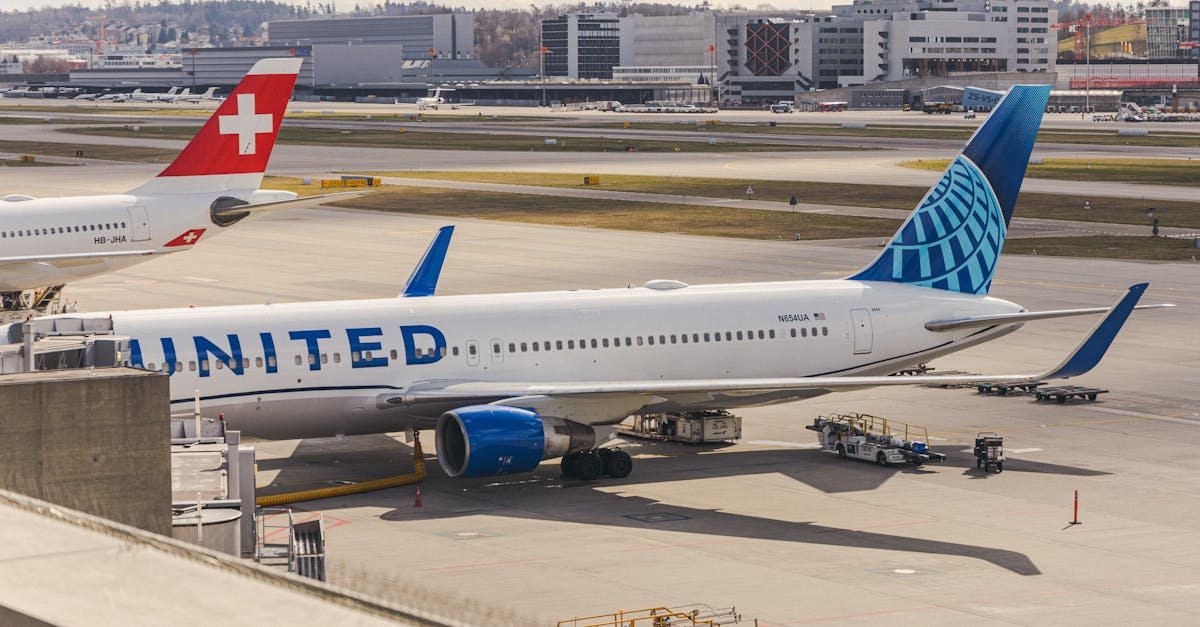
    On March 6, United Airlines flight 605 was preparing for a scheduled trip from Denver to Nashville. Denver is a major hub for United, and winter weather frequently necessitates de-icing procedures to ensure flight safety. For this specific flight, the crew taxied the Boeing 737-800 to a designated area known as de-ice pad C, specifically spot C5.

    At this location, the aircraft was met by a team from Aeromag, a company specializing in aircraft de-icing services. The goal was simple: remove any ice or frost and apply a protective layer of fluid to prevent further buildup before takeoff. The aircraft was being treated with Type 4 fluid, which is a thickened green liquid designed to stay on the wings during taxiing and only blow off once the plane reaches high speeds on the runway.

    Inside the Cockpit: A Critical Misunderstanding

    While the ground crews were busy outside, the flight crew remained inside the cockpit. According to statements provided to investigators, the captain and the first officer were engaged in a conversation while the de-icing was underway. This is a common time for pilots to review paperwork or discuss flight plans, but it also requires them to keep an ear out for specific radio calls.

    The first officer reported hearing what they believed was the de-ice team giving the post-de-ice briefing. This briefing is the final confirmation that the work is done, the equipment is clear, and the plane is safe to move. While the captain expressed a moment of uncertainty about whether that specific clearance was meant for their flight, the first officer acknowledged the brief. The first officer even read back details, stating that all de-icing vehicles were behind the safety clearance lines.

    Believing they were clear to go, the crew performed their post-de-ice checklists. They then contacted Air Traffic Control and received official clearance to begin taxiing toward the runway.

    The Impact on the De-Ice Pad

    As the engines throttled up and the Boeing 737 began to roll forward, the reality outside was very different from what the pilots believed. The de-icing process was not actually finished. Four trucks were still positioned around the aircraft. Two trucks, identified as MAG 94 and MAG 95, were located toward the front of the wings. Two other trucks, MAG 28 and MAG 30, were positioned behind the wings.

    The ground agents saw the plane start to move and realized immediately that a collision was imminent. In the fast moving environment of a de-ice pad, there was no way for the ground crew to stop the momentum of the jet.

    The left wing of the Boeing 737 struck truck MAG 94. Simultaneously, the right wing slammed into truck MAG 95. The force of the impact was significant enough to push MAG 95 onto its side. Inside the cockpit, the pilots felt the jolt of the collision and immediately brought the aircraft to a halt. When they reached out to the de-ice team over the radio, they were informed of the devastating truth: they had never been cleared to leave, and they had just run over their support equipment.

    Examining the Damage to the Boeing 737-800

    A Boeing 737-800 is a sturdy machine, but it is not built to withstand lateral impacts with heavy machinery. After the passengers were deplaned and the aircraft was moved to a maintenance hangar, the full extent of the damage became clear.

    The left side of the aircraft took a heavy hit. Specifically, the left winglet, which is the upward curving tip of the wing, was damaged. Investigators also found damage to the lower skin of the left wing. More concerning was the damage to the slats. Slats are the aerodynamic surfaces on the leading edge of the wing that allow the plane to fly at slower speeds during takeoff and landing. On this aircraft, slats number 1, 5, 6, 7, and 8 were all affected.

    On the right side, the lower skin of the wing was also damaged, along with the right aileron. The aileron is a hinged flight control surface that allows the pilot to bank or roll the aircraft. Damage to these primary flight controls meant the aircraft was grounded for extensive, costly repairs.

    Lessons in Aviation Communication

    The primary takeaway from this NTSB report involves the concept of “hear back” errors and cockpit distractions. Aviation safety relies on a closed loop communication system. When a ground crew gives an instruction, the pilot repeats it back, and the ground crew confirms the readback was correct.

    In this instance, it appears that a conversation in the cockpit may have led to a lapse in situational awareness. The fact that the captain was unsure if the clearance was for them, yet the first officer proceeded with the acknowledgement, highlights a breakdown in Crew Resource Management. This is the practice of pilots working together to cross check each other and ensure that no single person makes a mistake that goes unnoticed.

    The NTSB will likely look into the radio frequencies used at the Denver de-ice pads. Sometimes, multiple flights are on the same channel, and a crew might hear a briefing meant for a plane in a neighboring spot and mistakenly apply it to themselves.

    The Path Forward for Flight Safety

    While the investigation is still ongoing, this incident has already prompted discussions about how de-icing zones are managed. Some airports use physical barriers or visual signals, like stoplights, to tell a pilot when it is safe to move, rather than relying solely on voice communication over a busy radio.

    United Airlines and Aeromag will likely review their internal training procedures to ensure that “all clear” signals are unmistakable. For passengers, this event is a reminder of why ground safety is just as complex and vital as the safety of the flight itself.

    Final Observations on the Denver Incident

    This collision was a lucky escape in many ways. While the equipment was destroyed and the plane was heavily damaged, there were no reported fatalities. The focus now shifts to the final NTSB report, which will provide specific recommendations to prevent a repeat of this event. Until then, the industry will look at this Denver mishap as a textbook example of why every word spoken over a radio and every check on a list matters. Safety in the air begins with total coordination on the ground.

  • American Airlines Stock Jumps as TD Cowen Hikes Price Target on Fuel Outlook

    American Airlines Stock Jumps as TD Cowen Hikes Price Target on Fuel Outlook

    Airlines run on tight margins and heavy overhead. When one of the biggest expenses for these companies starts to drop,the market pays attention. American Airlines recently saw a welcome bump in its stock price after equity research firm TD Cowen raised its price target for the carrier. The driving force behind this optimistic update is a more favorable outlook on jet fuel costs.

    Investors who have watched the airline sector struggle with volatile energy prices are finally getting some good news.The updated forecast suggests that American Airlines is in a prime position to capitalize on cheaper fuel. This change gives the company a bit more breathing room to improve profitability, pay down debt, and reward shareholders. Let us break down exactly what this price target hike means and why fuel costs play such a massive role in the financial health of American Airlines.

    Unpacking the TD Cowen Price Target Increase When an investment bank like TD Cowen adjusts a price target,retail and institutional investors take notes. The firm raised its expectation for American Airlines shares, indicating a strong belief that the stock has room to run. The analysts maintained their buy rating, which tells the market that the stock is currently undervalued compared to its potential earnings.

    This upgrade is not based on blind optimism. The analysts looked at the raw data surrounding crude oil prices and the specific crack spread. The crack spread is the price difference between crude oil and the refined jet fuel airlines actually purchase. As those spreads narrow and crude oil stabilizes, airlines spend less cash just to keep their planes in the sky.TD Cowen sees this creating a direct path to higher earnings per share for American Airlines in the coming quarters.

    Wall Street often uses these price target hikes as a signal to buy. As soon as the report went public, American Airlines stock experienced a noticeable jump. This upward momentum reflects a collective sigh of relief from investors who were previously worried that stubborn energy prices would eat away at the profits generated by strong ticket sales.

    How Jet Fuel Dictates Airline Profitability To understand why a fuel outlook can move a massive stock like American Airlines, you have to look at the basic business model of a commercial airline. Jet fuel is usually the second largest operating expense for any carrier, right behind labor costs. Even a drop of a few cents per gallon can save an airline tens of millions of dollars over the course of a fiscal year.

    Unlike some of its main competitors, American Airlines does not heavily use fuel hedging strategies. Fuel hedging is a financial tool where an airline locks in a specific price for fuel months or years in advance. While hedging can protect a company if oil prices skyrocket, it can also backfire if prices plummet. Because American Airlines generally buys fuel at current market rates, the company benefits immediately when oil prices drop.

    This direct exposure to market prices is a double edged sword. In times of energy crisis, the stock takes a heavy hit. But right now, with the fuel outlook improving, American Airlines gets to reap the rewards instantly. Every dollar saved at the pump falls straight to the bottom line, boosting net income and making the financial statements look much more attractive to potential buyers.

    The Role of Fleet Modernization Fuel prices are only half of the equation. The other half is how efficiently an airline burns that fuel. Over the past decade, American Airlines has spent billions of dollars updating its fleet. The company retired older, gas guzzling aircraft and replaced them with newer models from Boeing and Airbus.

    These next generation planes are significantly lighter and feature advanced aerodynamics. They also use modern engine technology that requires less fuel to travel the same distance. Because American Airlines operates one of the youngest fleets among the legacy carriers, it gets a better return on every gallon of jet fuel it purchases.

    This efficiency amplifies the positive effects of falling fuel costs. The TD Cowen analysts factored this modern fleet into their updated price target. They know that even if fuel prices remain moderately high, American Airlines has the hardware required to keep operating costs under control. This structural advantage sets the company apart from competitors flying older planes that require more maintenance and burn more fuel.

    Strong Passenger Demand and Booking Trends Cheaper fuel only helps if people are actually buying tickets.Fortunately for American Airlines, consumer demand for travel remains incredibly resilient. The post pandemic travel surge has evolved into a steady, reliable stream of passengers booking both domestic and international flights.

    The TD Cowen report highlighted solid booking trends as a secondary reason for the price target hike. Vacationers are still prioritizing experiences over physical goods, leading to packed planes during peak holiday seasons. At the same time, corporate travel is making a slow but steady comeback. Business travelers are highly lucrative for airlines because they tend to book last minute tickets at higher prices and fill up the premium cabins.

    American Airlines has successfully optimized its route network to capture this demand. By focusing on highly profitable hubs like Dallas Fort Worth and Charlotte, the airline maximizes the number of passengers on every flight.When you combine full planes, high ticket prices, and falling fuel costs, you get a recipe for strong financial performance.

    Tackling the Debt Burden One of the main reasons American Airlines stock has historically traded at a discount compared to Delta and United is its debt load. The company took on massive amounts of debt to survive previous industry downturns and to fund its aggressive fleet renewal program. Wall Street has always kept a close eye on this balance sheet, waiting to see how management plans to pay it down.

    This is where the improved fuel outlook becomes a game changer. The extra cash generated from lower fuel expenses gives management the exact tool they need to accelerate debt repayment. American Airlines has publicly committed to reducing its total debt by billions of dollars over the next few years.

    Every time the company retires a chunk of debt, its interest expenses go down. This creates a positive feedback loop.Lower interest payments mean more free cash flow, which can be used to pay down even more debt or eventually be returned to shareholders through stock buybacks and dividends. TD Cowen recognized this improving financial flexibility when they issued their bullish report. As the balance sheet gets cleaner, the perceived risk of investing in the stock drops, paving the way for a higher valuation.

    Navigating Future Industry Risks While the current outlook is highly positive, the airline industry is famous for its unpredictability. Investors jumping into American Airlines stock based on the TD Cowen upgrade still need to monitor potential roadblocks.

    The energy market is sensitive to global events. Any sudden shifts in foreign policy, supply chain disruptions, or changes in production quotas by major oil producing nations could cause crude oil prices to spike again. Because American Airlines is directly exposed to spot prices, a rapid increase in fuel costs would squeeze margins and potentially reverse the recent stock gains.

    Labor relations also play a massive role in airline profitability. Pilots, flight attendants, and mechanics have all negotiated higher pay rates across the industry in recent years. These elevated labor costs raise the baseline expense of operating the airline. American Airlines must maintain strong pricing power to cover these wages. If a broader economic slowdown causes consumers to stop buying plane tickets, the company will have a harder time absorbing those fixed labor costs, even if fuel remains cheap.

    The Road Ahead for AAL Shareholders The recent upgrade from TD Cowen provides a clear roadmap for why American Airlines is catching the attention of institutional buyers. The combination of a modern fleet, strong consumer demand, and a very friendly fuel environment creates a compelling case for the stock.

    Management now faces the task of executing their financial plan. If they can continue to fill premium seats, manage their capacity effectively, and use their surplus cash to aggressively pay down debt, the stock has a strong chance of reaching and surpassing the new price target.

    For retail investors, the key is to watch the upcoming quarterly earnings reports. The actual numbers will show exactly how much money the airline is saving on fuel and how much of that savings is reaching the bottom line. The current market reaction shows a lot of confidence in the company. If American Airlines delivers on this potential, shareholders could see sustained growth well beyond this initial jump.

  • F-15E Strike Eagle Shot Down Over Iran: What We Know About the Missing Pilots and CSAR Mission

    F-15E Strike Eagle Shot Down Over Iran: What We Know About the Missing Pilots and CSAR Mission

    The sky over southern Iran became the center of global attention today as reports confirmed that a United States Air Force jet was lost during a combat sortie. This event marks a major turning point in the ongoing military conflict known as Operation Epic Fury. While initial rumors from local sources were scattered and often contradictory, it has now become clear that an F-15E Strike Eagle shot down earlier this morning has triggered one of the most dangerous search and rescue operations in recent military history.

    As the sun sets over the rugged Iranian landscape, the fate of two American aviators remains unknown. Military analysts and families alike are waiting for any scrap of information regarding the pilot and the weapons systems officer who were on board the aircraft. This incident represents the first time a crewed American fighter jet has been lost to hostile fire over Iranian territory since the start of the current war, raising the stakes for every person involved in the region.

    The Morning the F-15E Strike Eagle Shot Down Occurred

    The mission began like many others during this intense period of aerial warfare. The F-15E Strike Eagle shot down was part of a formation conducting operations deep within Iranian airspace. Early on April 3, 2026, Iranian state media began broadcasting claims that their air defense systems had successfully engaged and destroyed an advanced American stealth fighter. They initially identified the wreckage as an F-35, likely seeking a propaganda victory by claiming to have defeated a fifth generation jet.

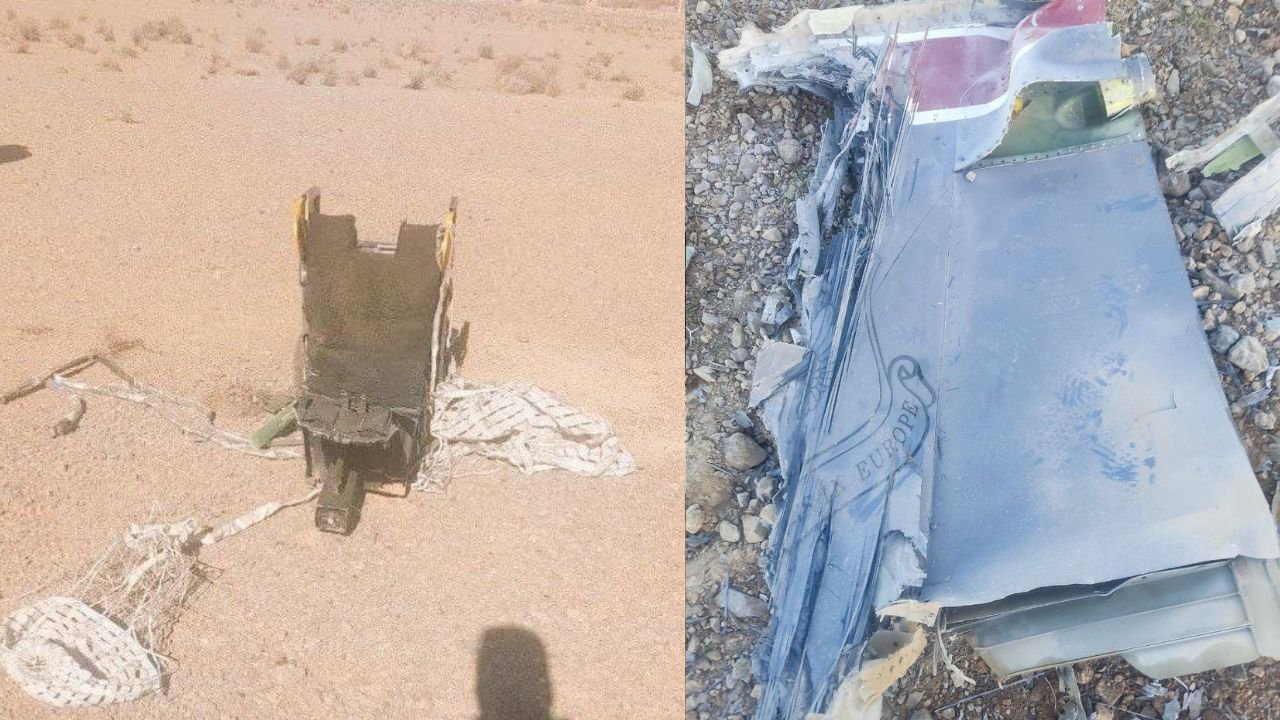
    However, as photos of the crash site began to circulate on social media and through international news agencies, aviation experts quickly corrected the narrative. The debris clearly showed a vertical stabilizer with distinct markings and a red tail flash. These identifiers belong to the 494th Fighter Squadron, famously known as the Panthers, based out of RAF Lakenheath in the United Kingdom. It was soon confirmed that the aircraft was actually a dual seat F-15E Strike Eagle shot down by what appears to be a sophisticated surface to air missile system.

    The crash site is located in a mountainous and remote region of southern Iran. This geography makes both the initial impact and any subsequent rescue attempts incredibly difficult. Eyewitnesses in nearby villages reported hearing a massive explosion followed by the sight of a burning object falling rapidly from the clouds. The crater left behind suggests a high speed impact, but there were also early reports of parachutes being spotted in the air shortly after the missile hit.

    Status of the Two Person Crew

    The most pressing concern for the Pentagon right now is the status of the two crew members. Unlike many other fighter jets, the F-15E Strike Eagle shot down today carries both a pilot in the front seat and a weapons systems officer in the back. This means two families are currently waiting for news that could change their lives forever.

    Iranian news outlets have been active in posting images that they claim show the aftermath of the shoot down. One particularly chilling image appeared to show an ACES II ejection seat lying among the rocks. If this photo is authentic, it provides a glimmer of hope. The presence of an ejection seat on the ground usually means that at least one of the crew members was able to initiate the escape sequence before the jet hit the earth.

    Despite this, the situation remains dire. Iran has reportedly offered rewards to local citizens for any information leading to the capture of the American aviators. There are also unconfirmed reports of Iranian ground forces and local militia groups scouring the hillsides near the crash site. The race is on to see who reaches the pilots first. If they are captured, they could become powerful bargaining chips in the wider geopolitical struggle, a scenario the United States military is working feverishly to avoid.

    The High Stakes CSAR Mission Underway

    As soon as the F-15E Strike Eagle shot down was confirmed missing from radar, the United States military activated its Combat Search and Rescue protocols, often referred to as CSAR. This is a highly specialized and dangerous type of mission where personnel fly into hostile territory to retrieve downed airmen.

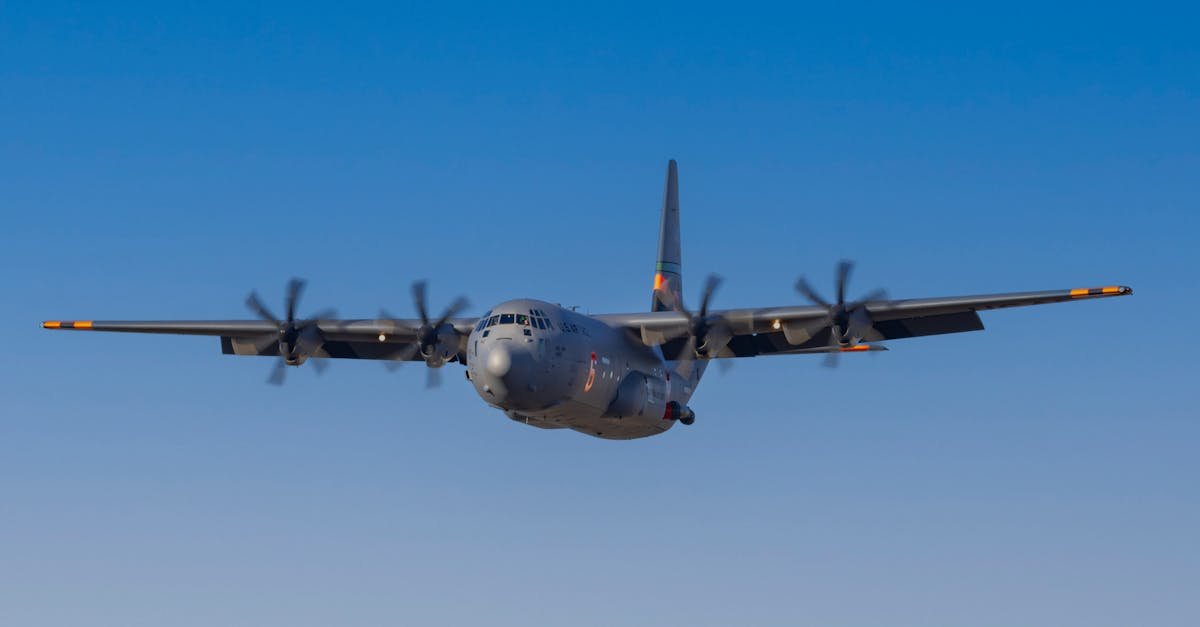
    Video footage captured by civilians in southwestern Iran shows a very low flying C-130 Hercules tanker accompanied by HH-60 Pave Hawk helicopters. These helicopters are the backbone of the Air Force rescue teams. Seeing them operating so deep inside Iranian borders confirms that the military has a general idea of where the crew might be and is willing to risk further assets to get them back.

    A CSAR mission is a race against time. The pilots are likely equipped with survival kits, radios, and basic weapons, but they are operating in an environment where they are vastly outnumbered. They must stay hidden while trying to signal friendly aircraft without giving away their position to the Iranian search parties. The Pave Hawk crews are trained for exactly this, often flying just feet above the ground to avoid radar detection, but the density of Iranian air defenses in the area makes this a heart pounding operation for everyone involved.

    Strategic Impact on Operation Epic Fury

    The loss of this aircraft will undoubtedly have a ripple effect on how the United States conducts the rest of Operation Epic Fury. For weeks, American air power has operated with a level of confidence, but the F-15E Strike Eagle shot down today serves as a reminder that the skies are still contested.

    The F-15E is a workhorse of the Air Force, capable of carrying massive payloads and fighting its way in and out of target zones. Seeing one of these powerful machines reduced to a pile of charred metal in the Iranian desert is a visual blow to the image of American air invincibility. It may force mission planners to change their tactics, perhaps relying more on long range standoff weapons or increasing the number of electronic warfare aircraft used to jam Iranian sensors during strike missions.

    Furthermore, the domestic reaction in the United States is likely to be intense. The public has been following the developments of the 2026 war closely, and the news of missing airmen often changes the tone of national conversation from strategic goals to human survival. The pressure on the administration to bring these brave individuals home will be immense, regardless of the political cost.

    A Waiting Game for the World

    At this hour, the Pentagon has remained relatively quiet, only confirming the loss of an aircraft off the record while refusing to provide details on the identity of the crew. This silence is typical during an active rescue mission, as any information shared publicly could be used by the enemy to intercept the rescue teams.

    The F-15E Strike Eagle shot down today is more than just a lost piece of hardware worth nearly one hundred million dollars. It represents two human lives currently caught in the middle of a global flashpoint. Whether they are hiding in a rocky crevice waiting for the sound of a Pave Hawk or have already been detained by local forces is the question that defines this moment.

    As we move into the next phase of this developing story, the focus remains entirely on the rescue efforts. The specialized teams flying through the darkness of the Iranian night are the only hope for a positive end to this tragic day. The world can only watch and wait for the signal that the crew is safe and heading back to friendly lines. Every hour that passes makes the mission more difficult, but the resolve of the rescue units is legendary, and they will not stop until every effort has been exhausted to bring their comrades home.

  • RAW FOOTAGE: Watch the Exact Moment an Airliner Crosses Paths with the Artemis II Moon Mission

    RAW FOOTAGE: Watch the Exact Moment an Airliner Crosses Paths with the Artemis II Moon Mission

    The evening sky over Florida usually belongs to the steady hum of commercial jetliners and the occasional coastal breeze. However, on April 1, 2026, the atmosphere transformed into a stage for the most significant event in modern space exploration. While millions watched the official NASA broadcast from their living rooms, a group of unsuspecting travelers on a commercial flight had the best seats in the house. As their airliner cruised at 35,000 feet, the Artemis II mission roared into the sky, creating a visual spectacle that few human beings have ever witnessed from such a unique vantage point.

    Passengers peering through the small, thick glass of their window seats were treated to more than just a sunset. They saw the Space Launch System, or SLS, the most powerful rocket ever built by NASA, piercing through the clouds like a pillar of fire. The raw footage captured on their mobile phones shows the massive orange and white booster leave a glowing trail against the darkening sky, a sight that turned a routine flight into a front row seat for history.

    A Surprise Encounter at Thirty Thousand Feet

    For the people on board that flight, the journey began as any other trip across the Sunshine State. Flight attendants were likely beginning their initial cabin service, and passengers were settling into their books or movies. That all changed when a bright, flickering light appeared on the horizon. Because the Kennedy Space Center sits right on the coast, flight paths often bring aircraft within a safe but visible distance of the launch pads.

    The video footage currently circulating online shows the sheer scale of the SLS rocket. Even from miles away and at a high altitude, the glare from the four RS-25 engines is unmistakable. You can hear the gasps of excitement from the passengers as they realize they are not looking at another airplane or a strange weather phenomenon. They are watching four astronauts, Reid Wiseman, Victor Glover, Christina Koch, and Jeremy Hansen, begin a ten day journey that will take them around the far side of the moon.

    The Power of the SLS from an Aerial Perspective

    Seeing a rocket launch from the ground is an earth-shaking experience, but seeing it from the air offers a completely different sense of physics. From the window of the airliner, you can clearly see the rocket fighting against the thickest parts of the atmosphere. The footage shows the plume of the rocket expanding as it reaches thinner air, creating a beautiful, glowing “jellyfish” effect that occurs when sunlight hits the exhaust gases at high altitudes.

    In the video, the airliner seems to be standing still while the Artemis II rocket streaks upward at thousands of miles per hour. This contrast highlights the incredible speed required to escape Earth’s gravity. While the commercial jet cruises at about 500 miles per hour, the Orion capsule and its boosters are accelerating toward a target over 230,000 miles away. The perspective from the plane helps the viewer understand just how much energy is packed into that 32 story tall vehicle.

    Who Is On Board the Orion Capsule?

    This launch is not just about the machinery; it is about the four individuals inside the small capsule at the very top of that flame. The crew of Artemis II is the most diverse group of people ever sent to the moon. Commander Reid Wiseman leads the team, joined by Pilot Victor Glover, who is making history as the first person of color to fly beyond low Earth orbit. Mission Specialist Christina Koch is the first woman to head toward the moon, and Jeremy Hansen represents the first Canadian to ever make such a trip.

    When the passengers on the airplane looked out their windows, they were looking at the pioneers of the “Artemis Generation.” This mission is a vital test of the life support systems and communication arrays that will eventually allow humans to land on the lunar surface once again. The fact that ordinary citizens captured this moment from a regular passenger jet makes the event feel more connected to the rest of humanity. It shows that space travel is no longer a distant, abstract concept but something that is happening right in our own backyard.

    Why This Launch Caught Everyone Off Guard

    While space enthusiasts knew the launch window opened at 6:35 p.m. local time on April 1, many travelers were not checking the NASA schedule before boarding their flights. Florida is a busy hub for aviation, and the airspace around Cape Canaveral is strictly managed during launch windows. However, the “keep out” zones for aircraft are designed for safety, not for hiding the view.

    Pilots are often the first to notice these launches. On this particular flight, the captain reportedly keyed the intercom to tell passengers to look out the right side of the aircraft. For the next two minutes, every person with a window seat was glued to the glass. The footage is shaky, as people scrambled to grab their phones, but that shakiness only adds to the authenticity of the moment. It captures the raw, unedited emotion of discovering something miraculous during a mundane moment of travel.

    The Path to the Moon and Beyond

    The Artemis II mission is following a “free return” trajectory. This means that after the crew orbits the Earth to check their systems, they will use the moon’s gravity to slingshot them back home. They will not be landing this time, but they will be traveling further into deep space than any human has gone since the Apollo 17 mission in 1972.

    The footage from the airliner captures the very beginning of this ten day saga. As the rocket disappears into the blackness of the upper atmosphere, it leaves behind a lingering trail of smoke that stays visible for several minutes. For the passengers, the flight continued on to its destination, but the memory of that sight will likely last a lifetime. It is a reminder that we are living in a new era of exploration where the line between daily life and the final frontier is getting thinner every day.

    A New Era for Aviation and Space Fans

    This viral video has sparked a lot of conversation among aviation fans. It highlights how Florida has become a unique place where the world of commercial flying and the world of space travel constantly intersect. In the past, rocket launches were rare events that required months of planning and often faced long delays. Now, with the Artemis program and various private space companies operating out of the Kennedy Space Center, these sights are becoming more frequent.

    For those who love airplanes, seeing a massive rocket launch from a window seat is the “holy grail” of sightings. It combines the beauty of flight with the raw power of space exploration. As more missions head to the moon and eventually to Mars, we can expect to see more of these incredible “crossover” moments where the travelers of today watch the explorers of tomorrow take flight.

    Witnessing the Future Through a Plane Window

    The images and videos from this flight serve as a powerful symbol of progress. We are no longer just looking up at the stars from the ground; we are meeting them halfway in the sky. The Artemis II mission is a bridge between the moon landings of the past and the sustainable lunar bases of the future. By capturing this moment, the passengers on that airliner have provided the world with a perspective that official NASA cameras simply cannot replicate.

    There is something deeply human about a blurry, vertical video of a rocket launch. It shows that despite all our advanced technology, we are still capable of being moved to silence by the sight of our fellow humans leaving the planet. As the Artemis II crew continues their journey toward the lunar far side, this footage remains a testament to the day the moon felt just a little bit closer to everyone on Earth.

  • Former British Airways CEO Willie Walsh Takes the Helm at India’s Biggest Airline

    Former British Airways CEO Willie Walsh Takes the Helm at India’s Biggest Airline

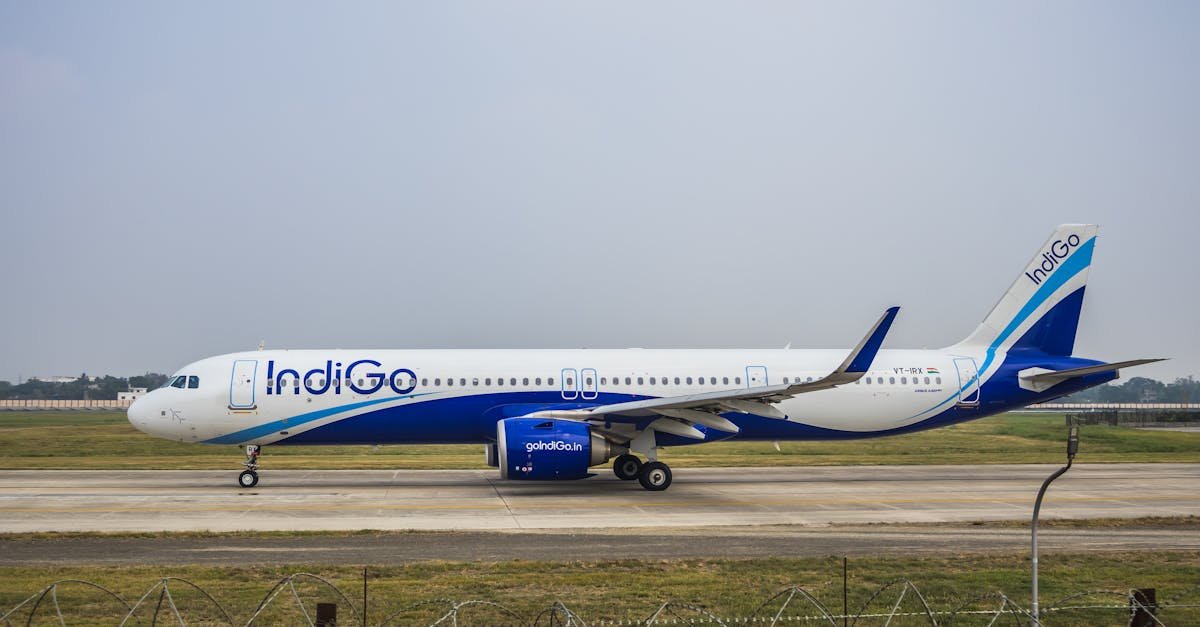
    The Indian aviation sector has just witnessed one of its most significant leadership shifts in recent years. IndiGo, the country’s dominant low cost carrier, has officially announced the appointment of William Walsh as its new Chief Executive Officer. Better known as Willie Walsh in the industry, the former head of British Airways and the International Airlines Group (IAG) is set to lead the airline into a new era of global expansion and operational stabilization.

    The news comes at a critical juncture for InterGlobe Aviation, the parent company of IndiGo. Following a period of leadership transition and intense competition in the domestic market, the board has looked toward a seasoned veteran with a proven track record of navigating complex global markets. Walsh, who is currently serving as the Director General of the International Air Transport Association (IATA), will step into his new role in August 2026.

    A Career Built on High Altitude Decisions

    To understand why this appointment is such a major story, one must look at the career trajectory of Willie Walsh. He is not just another executive; he is a pilot who worked his way to the very top of the corporate ladder. Starting his career as a cadet pilot at Aer Lingus in 1979, Walsh spent years in the cockpit before moving into management. This background gives him a unique perspective that many other airline CEOs lack. He understands the technical realities of flying just as well as he understands a balance sheet.

    His rise at Aer Lingus eventually led him to the CEO position, where he was credited with a radical turnaround of the Irish carrier. However, it was his tenure at British Airways that solidified his reputation as a tough and effective leader.Between 2005 and 2011, he steered the airline through the turbulent waters of the global financial crisis. He was later the driving force behind the creation of IAG, a massive holding company that brought together British Airways and Iberia, later adding Aer Lingus and Vueling to the fold.

    Why IndiGo Needs a Leader Like Walsh Right Now

    IndiGo holds a commanding share of nearly 64 percent of the Indian domestic market. With a fleet of over 400 aircraft and thousands of daily flights, it is the undisputed heavyweight of Indian skies. Yet, being the biggest comes with its own set of challenges. The airline recently faced operational hurdles, including significant domestic schedule disruptions that left passengers frustrated.

    The exit of the previous CEO, Pieter Elbers, created a vacuum that required a leader with immediate global credibility.By bringing in Walsh, IndiGo is sending a clear signal to investors and competitors. They are no longer just focused on being a domestic powerhouse. They want to be a formidable player on the international stage. Walsh’s experience in managing large scale mergers and international operations is exactly what IndiGo needs as it looks to connect more Indian cities to Europe, Africa, and the rest of Asia.

    Navigating the Complexities of the Indian Aviation Market

    The Indian market is notoriously difficult to master. It is a high volume but low margin environment where fuel costs,taxes, and price sensitivity can make or break an airline. While IndiGo has remained profitable when others have failed,the competition is heating up. A revitalized Air India under the Tata Group and the emergence of newer players mean that IndiGo cannot afford to be complacent.

    Walsh is known for his disciplined approach to costs. During his time at British Airways and IAG, he earned a reputation for being a “no nonsense” negotiator, particularly with labor unions and suppliers. In the world of low cost carriers, where every cent counts, this level of fiscal discipline is vital. He will likely focus on streamlining operations and ensuring that the airline’s rapid growth does not come at the expense of its famous on-time performance.

    The Transition from IATA to the Boardroom

    Currently, Walsh is the voice of the global airline industry in his role at IATA. Since 2021, he has been advocating for airlines on the world stage, dealing with everything from post pandemic recovery to sustainability and carbon emissions. This role has given him an unparalleled view of the global aviation landscape. He has spent the last few years talking to governments, regulators, and manufacturers about the future of flight.

    His tenure at IATA will end on July 31, 2026. He is expected to join IndiGo no later than August 3, 2026. This quick transition suggests that the airline is eager to get his feet on the ground. The timing is also strategic, as the airline industry globally is shifting focus toward sustainable aviation fuels and more efficient fleet management. Walsh’s recent work at IATA puts him at the forefront of these discussions, which will be beneficial as IndiGo updates its fleet with more fuel efficient Neo aircraft.

    International Ambitions and the Wide Body Future

    One of the most exciting aspects of this appointment is what it suggests for IndiGo’s international strategy. For years,IndiGo was strictly a short haul, narrow body operator. However, the airline has recently started exploring long haul flights, even leasing wide body aircraft to test the waters on routes to places like Istanbul.

    With Walsh at the helm, we can expect a more aggressive and polished international rollout. He knows the European and North American markets better than almost anyone in the industry. If IndiGo plans to fly its own wide body jets to London or Paris in the future, Walsh is perhaps the best person to design that network and ensure it can compete with established full service carriers.

    The Human Element and Corporate Culture

    While Walsh is often described in the media through the lens of his tough negotiations, those who work closely with him often speak of his deep commitment to the business of flying. In his initial comments regarding the appointment, he highlighted that the people and their passion at IndiGo were what stood out to him most.

    For the thousands of employees at IndiGo, a change in leadership can be a period of uncertainty. However, having a CEO who started as a pilot can be a point of inspiration for the operational staff. It suggests a leadership style that values the frontline experience. Walsh will need to balance his reputation for cost cutting with the need to maintain high morale in a service-oriented industry.

    Looking Ahead to the August Takeover

    The period between now and August will be one of preparation. The board at InterGlobe Aviation has expressed immense confidence in this choice. Vikram Singh Mehta, the Chairman of IndiGo, noted that Walsh’s track record across several airlines makes him ideally suited to lead the carrier through the next phase of its evolution.

    The aviation world will be watching closely when Walsh officially takes the seat. Will he maintain the low cost DNA that made IndiGo a success, or will he pivot the airline toward a hybrid model that can better serve international travelers? Given his history, it is likely that he will find a way to do both without losing the efficiency that is the hallmark of the IndiGo brand.

    The Road Toward Global Recognition

    This appointment is a landmark moment for Indian business. It shows that Indian companies are now at a stage where they can attract the absolute top tier of global executive talent. For IndiGo, the goal is clear: move beyond being the leader in India and become a recognized name in global aviation.

    As the airline prepares for this transition, the focus remains on delivering value to the millions of passengers who fly with them every month. With a veteran like Willie Walsh preparing to take the controls, the flight path for India’s largest airline looks set for some very interesting developments in the second half of 2026. The journey from a domestic startup to a global powerhouse is far from over, and the next chapter is about to begin.

  • Delta Flight 104 Forced into Emergency U-Turn After Left Engine Failure at Takeoff: What Happened?

    Delta Flight 104 Forced into Emergency U-Turn After Left Engine Failure at Takeoff: What Happened?

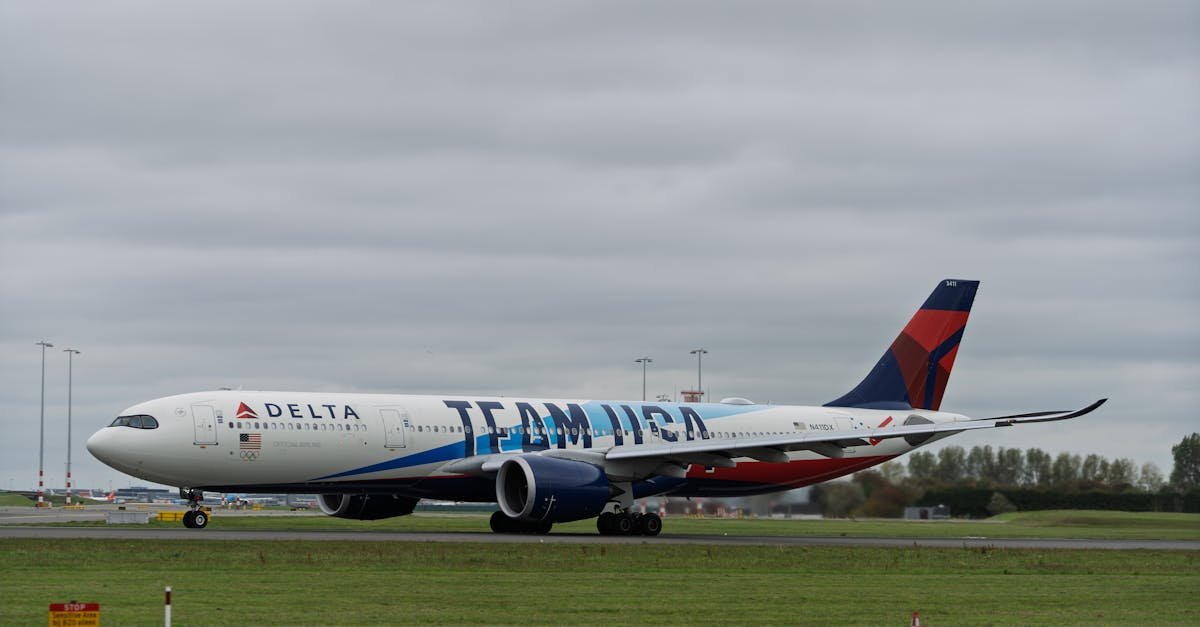
    What began as a standard Sunday night journey from Brazil to the United States quickly transformed into a high-stakes emergency for the crew and passengers of Delta Air Lines Flight 104. On March 29, 2026, an Airbus A330-300 was scheduled to fly from São Paulo Guarulhos International Airport to Hartsfield-Jackson Atlanta International Airport.However, just moments after the wheels left the tarmac, a major mechanical failure in the left engine forced the pilots to make a split-second decision to return to the ground.

    The incident was caught on various airport cameras and witnessed by those on the ground, showing sparks and flames trailing from the aircraft. While the event was undoubtedly frightening for the nearly 300 people on board, the outcome serves as a testament to modern aviation safety protocols and the intense training of international flight crews.


    Timeline of the Engine Failure

    The flight departed São Paulo at approximately 11:49 pm local time. As the aircraft reached the “rotation” point—the moment it lifts off the runway—eyewitnesses and passengers reported hearing loud bangs and seeing flashes of light coming from the left-hand engine.

    Data from flight tracking services shows that the plane only reached an altitude of about 4,500 feet before the climb was halted. In the cockpit, the pilots were likely dealing with a barrage of alerts from the Electronic Centralized Aircraft Monitor (ECAM), a system designed to identify and help manage onboard failures. Air traffic controllers in the São Paulo tower also played a vital role, reportedly radioing the pilots to inform them that they could see visible fire on the wing.

    Faced with an “uncontained” engine failure, where debris can potentially exit the engine casing, the crew immediately declared a “Mayday” and began the process of bringing the heavy wide-body jet back to the airport.


    The Challenges of an Immediate Return

    Landing an Airbus A330 shortly after takeoff is not as simple as turning a car around. When a long-haul flight like Flight 104 departs for a 10-hour journey to Atlanta, it is heavily loaded with fuel. This makes the aircraft significantly heavier than its maximum structural landing weight.

    In many emergency scenarios, pilots might choose to dump fuel over a safe area to lighten the load. However, given the reports of fire and the urgency of the mechanical issue, the crew opted for an “expedited return.” This means they prioritized getting the plane on the ground quickly rather than spending time circling to burn or dump fuel.

    Adding to the complexity was the operational status of the airport. Guarulhos was undergoing maintenance on one of its two main runways at the time. This meant the Delta jet had to land on the only active strip, which was also the same one it had just departed from. All other inbound and outbound traffic had to be suspended or diverted to ensure the Delta crew had a clear path home.


    Chaos on the Ground: Falling Debris and Brush Fires

    As the engine suffered its failure, it did more than just lose power. Reports indicate that molten debris and metallic fragments fell from the sky onto the airport grounds. This hot material ignited the dry grass alongside the runway, creating a secondary emergency for airport staff.

    The São Paulo airport firefighting team (ARFF) was already on high alert for the incoming aircraft, but they also had to manage the brush fires that were spreading near the active runway. Despite these distractions, the ground teams were positioned and ready by the time the A330 touched down at 11:59 pm, exactly ten minutes after its initial departure.


    Inside the Cabin: The Passenger Experience

    For the 272 passengers on board, the ten-minute flight felt much longer. Those seated on the left side of the aircraft, particularly toward the rear, had a direct view of the engine as it emitted flames and loud “thumping” sounds.

    One passenger, Desmond Spencer, shared his experience on social media, describing the atmosphere as one of heightened anxiety. He noted that while many people remained calm, others began to lose their cool as the reality of the fire became visible through the windows. The cabin crew worked to keep everyone seated and prepared for a potential emergency evacuation, though fortunately, a full slide evacuation was not required once the plane came to a stop.

    After the landing, the aircraft was met by emergency vehicles and inspected for further fire risks. Once the situation was deemed stable, the passengers were not let off on the taxiway; instead, they were safely transported by bus back to the terminal to begin the process of rebooking.


    The Airbus A330-300: A Reliable Workhorse

    The aircraft involved, registered as N813NW, is a 19-year-old Airbus A330-300. While 19 years might sound old for a vehicle, in the world of aviation, this is middle-aged. Aircraft are subject to incredibly rigorous maintenance schedules where parts are replaced long before they are expected to fail.

    The A330 is known for its “ETOPS” rating, which means it is certified to fly long distances over oceans even if one engine fails. It is designed to fly, climb, and land safely on a single engine. The training pilots undergo involves hundreds of hours in simulators specifically practicing for the exact scenario that happened in São Paulo: a “V1 cut,” or an engine failure at the most critical moment of takeoff.


    The Importance of ARFF Teams

    The “ARFF” (Aircraft Rescue and Firefighting) team mentioned in Delta’s statement is the unsung hero of airport safety. These units are specialized firefighters who deal exclusively with aviation incidents. Their vehicles carry massive amounts of foam and water and are designed to reach any point on the airport grounds within minutes.

    In the case of Flight 104, their presence was not just a precaution. They had to ensure the overheated brakes of the heavy aircraft didn’t catch fire after the high-energy landing and manage the grass fires caused by the falling engine parts. Their swift action allowed the airport to eventually reopen and resume normal operations after a period of significant disruption.


    Next Steps for the Aircraft and Investigation

    Following an incident of this magnitude, the aircraft is grounded for a thorough investigation. Aviation authorities, likely including Brazil’s CENIPA and the U.S. National Transportation Safety Board (NTSB), will examine the engine to determine the root cause.

    They will look at whether the failure was caused by:

    • Foreign Object Debris (FOD): Something sucked into the engine on the runway.
    • Material Fatigue: A specific component within the turbine failing over time.
    • Maintenance Issues: Whether a recent service missed a developing problem.

    The findings from these investigations are shared globally, ensuring that if a specific part is found to be faulty, every other airline flying the same engine type can inspect and replace it, preventing a repeat occurrence.


    A Smooth Return to Safety

    Delta Air Lines issued a formal apology to the passengers, acknowledging the major delay in their travel plans. While an engine fire is a terrifying ordeal, the safe return of Flight 104 is a success story in terms of safety. The combination of clear communication from air traffic control, the calm execution of emergency checklists by the pilots, and the rapid response from ground crews ensured that 288 people walked away without a scratch.

    Events like this remind us that while technology can fail, the layers of safety built into modern travel are designed to handle the unexpected.

  • Why the Destruction of an E-3 Sentry Is a Permanent Blow to U.S. Defense

    Why the Destruction of an E-3 Sentry Is a Permanent Blow to U.S. Defense

    The recent strike on a U.S. E-3 Sentry Airborne Warning and Control System (AWACS) is not just another headline in a long string of Middle Eastern skirmishes. It represents a fundamental shift in the regional balance of power. For decades, the United States has relied on its “eyes in the sky” to maintain absolute air supremacy. That veil of invincibility has been pierced. When an E-3 Sentry goes down, it is not merely the loss of an airframe; it is the loss of a command center, a massive tactical advantage, and a piece of history that cannot be rebuilt.

    A Fleet on the Brink of Extinction

    To understand why this single event is so catastrophic, one must look at the numbers. The U.S. Air Force does not have hundreds of these planes sitting in hangars. After years of budget cuts and retirements, the total active fleet of E-3 Sentries has dwindled to roughly 17 aircraft. These are the workhorses of every major conflict, providing the long range radar and communication relay needed for modern warfare.

    When you lose one aircraft out of 17, you aren’t just losing a plane. You are losing a massive percentage of your global capability. Currently, six of these aircraft were deployed to the Gulf region. That represented nearly 40 percent of the entire American inventory concentrated in one theater. With one plane destroyed, the “rotation” of crews and maintenance becomes nearly impossible to sustain over a long period. The stress on the remaining five aircraft will be immense, likely leading to more mechanical failures and gaps in coverage.

    The Brain of the Air War

    The E-3 Sentry is easily recognizable by the massive rotating radar dome perched atop its fuselage. This dome allows the crew inside to see aircraft, cruise missiles, and even small drones from hundreds of kilometers away. While fighter jets have their own radars, they are limited by their size and the curvature of the earth. The E-3 flies high enough to look down over the horizon, spotting threats long before they can reach friendly forces.

    Beyond just seeing the enemy, the E-3 acts as the quarterback of the sky. The controllers on board manage hundreds of targets at once. They tell fighter pilots where to go, notify tankers where they are needed for refueling, and coordinate with ground based air defenses like the Patriot and THAAD systems. Without the Sentry, the air war becomes a series of disjointed, chaotic dogfights rather than a synchronized symphony of military precision.

    Shadows of External Support

    One of the most concerning aspects of this strike is the technical proficiency required to pull it off. The E-3 Sentry does not fly near the front lines. It operates deep within friendly or protected airspace, usually surrounded by a “high value airborne asset” (HVAA) protection cap of fighter jets. For Iran to successfully target and hit such a prize suggests they had help.

    Military analysts widely believe that Russian intelligence may have provided the specific tracking data or electronic warfare support needed to bypass the Sentry’s defensive suites. If Iran is now capable of reaching out and touching the “untouchable” assets of the U.S. military, it means no base or aircraft in the region is truly safe. This strike also confirms that these planes were operating out of Prince Sultan Air Base in Saudi Arabia. As U.S. options for staging bases shrink due to political pressure and Iranian missile reach, the remaining hubs become predictable and vulnerable targets.

    Systematic Dismantling of the Sensor Layer

    This was not a random act of aggression. It appears to be part of a calculated Iranian strategy to “blind” the U.S. and its allies. Before the strike on the E-3, several other radar systems and THAAD (Terminal High Altitude Area Defense) components were targeted across the Gulf.

    By systematically removing the sensors that form the backbone of missile defense, Iran is clearing a path for its own ballistic missiles and drone swarms. If the U.S. cannot see the threats coming, it cannot intercept them. Striking the AWACS is the crown jewel of this strategy. It forces the U.S. to fly its fighter jets more often just to maintain a basic level of situational awareness, which wears out engines and exhausts pilots.

    The Psychology of an Empty Sky

    There is a significant psychological component to this loss. The AWACS has long been a symbol of American technological dominance. It represents the “High Ground.” Seeing one of these giants brought down is a massive blow to morale and a huge public relations win for Tehran.

    Historically, these aircraft have operated with a sense of near-total security. They are the protected assets that everyone else dies to defend. Now that this aura of safety is gone, every pilot flying a tanker or a transport plane in the region has to wonder if they are next. It erodes the confidence of regional allies who rely on the American “security umbrella” to keep their own borders safe.

    A Ghost from the Past with No Future

    The most practical problem facing the U.S. military right now is that the E-3 Sentry is a dinosaur. It is based on the Boeing 707 airframe, a commercial jet design that first flew in the 1950s. Boeing stopped producing the 707 decades ago. There is no factory to call for a replacement. There is no “spare” airframe sitting in a warehouse that can be easily converted.

    Every time an E-3 is lost, it is a permanent reduction in the strength of the United States. While the crews are elite and the electronics inside have been updated over the years, the “bones” of the plane are old. Maintenance is already a nightmare, with parts often being scavenged from museum pieces or “boneyards” in the desert. You cannot simply “buy” your way out of this loss.

    The Wedgetail Waiting Game

    The U.S. does have a plan for a successor, known as the E-7 Wedgetail. This newer aircraft is based on the modern Boeing 737 and features a more advanced, stationary radar. However, the E-7 program has been caught in a web of political delays, budget debates, and slow production timelines.

    As it stands, the U.S. does not have a fleet of E-7s ready to take over. It will be years before the Wedgetail is available in numbers that matter. This leaves a “capability gap” that is now being exploited. Iran has realized that the U.S. is at its most vulnerable point in decades, stuck between an aging fleet it cannot replace and a new fleet that hasn’t arrived yet.

    A New Reality for Gulf Operations

    The destruction of the E-3 Sentry signals the end of the era where the U.S. could operate with impunity. The “reach” demonstrated by Iran means that even the most sophisticated electronic warfare platforms are at risk. Moving forward, the U.S. will likely have to pull its remaining assets further back, which reduces their radar effectiveness and increases the time it takes to respond to threats.

    This single strike has forced a total re evaluation of how air power is projected in the Middle East. It has exposed the fragility of a fleet that is too small, too old, and too difficult to replace. In the game of high stakes military chess, Iran didn’t just take a pawn; they took a queen.

  • Kauai Helicopter Crash: Timeline, Victims, and Everything We Know So Far

    Kauai Helicopter Crash: Timeline, Victims, and Everything We Know So Far

    The natural majesty of the Garden Isle was met with tragedy on Thursday, March 26, 2026, when a sightseeing tour ended in a devastating accident. At approximately 3:45 p.m., a Kauai helicopter crash occurred just off the shores of Kalalau Beach, a remote and iconic stretch of the Nā Pali Coast. This incident has sent shockwaves through the local community and raised urgent questions about the safety of air tours in one of the world’s most challenging aviation environments.

    The flight was operated by Airborne Aviation, a company well known for its “doors-off” thrill seeker tours. Carrying one pilot and four passengers, the aircraft went down in the water about 100 yards from the sandbar. While the island of Kauai is famous for its dramatic cliffs and emerald valleys, this Kauai helicopter crash serves as a somber reminder of the risks inherent in exploring such rugged terrain from the air.

    Immediate Response to the Kauai Helicopter Crash

    The emergency began when the Kauai Police Department received a text to 911 message reporting that a helicopter had plunged into the ocean. Because Kalalau Beach is only accessible by boat or by the strenuous 11 mile Kalalau Trail, the rescue operation required an immediate and coordinated air and sea response. Multiple agencies, including the Kauai Fire Department, the U.S. Coast Guard, and Ocean Safety lifeguards, mobilized to reach the site before sunset.

    Witnesses on the beach described a harrowing scene as waves began to crash over the fuselage of the downed Hughes 500 helicopter. Good Samaritans who were already at the remote beach joined first responders in pulling individuals from the surf. Despite the rapid arrival of rescue crews, the Kauai helicopter crash resulted in three confirmed fatalities.Two survivors were successfully recovered from the water and stabilized on the sand before being airlifted to Wilcox Medical Center in Lihue for urgent treatment.

    Details on the Aircraft and Airborne Aviation

    The helicopter involved in this Kauai helicopter crash was a Hughes 500, a model frequently chosen for tour operations due to its agility and excellent visibility for passengers. Airborne Aviation, the operator, has been a fixture on the island since 2009. Prior to this week, the company maintained a strong reputation, often utilized for government contracts, fire response, and search and rescue missions.

    This specific tour was part of their popular adventure package, designed to give tourists an unobstructed view of the island’s hidden waterfalls and deep canyons. However, the “doors-off” configuration, while popular for photography, has been a point of discussion in previous aviation safety reviews. Following the Kauai helicopter crash, Airborne Aviation has grounded its fleet to cooperate fully with federal investigators who are looking into the mechanical history of the aircraft and the specific flight conditions on Thursday afternoon.

    Understanding the Hazards of the Nā Pali Coast

    The location of this Kauai helicopter crash is one of the most beautiful but dangerous flight corridors in Hawaii. The Nā Pali Coast is defined by 3,000 foot cliffs that create unpredictable weather patterns. Even when the weather in Lihue or Princeville appears calm, the wind currents near Kalalau can shift violently.

    Pilots navigating this area must contend with “microbursts” and sudden downdrafts that can push a light aircraft toward the ocean with very little warning. History shows that the Nā Pali Coast has been the site of several incidents over the years. The sheer geography leaves almost no room for error if a mechanical failure or a sudden change in visibility occurs. Investigators will likely examine whether these environmental factors played a primary role in the recent Kauai helicopter crash.

    The Victims and the Search for Answers

    While authorities have confirmed that three people died in the Kauai helicopter crash, the names of the deceased have not been released to the public as officials work to notify their families. The three victims include passengers who had come to the island to enjoy its world class scenery. At the same time, the two survivors remain under medical care at Wilcox Medical Center. Their identities and the full extent of their injuries are currently being protected for privacy.

    For the families of those lost, the wait for answers will be a long process. The National Transportation Safety Board (NTSB) and the Federal Aviation Administration (FAA) have already arrived on the island to begin their probe. Their goal is to piece together the final moments of the flight by analyzing GPS data, witness statements, and any available maintenance records. Recovering the wreckage from the ocean floor is a top priority, as it may hold the key to understanding if an engine malfunction led to the Kauai helicopter crash.

    A History of Aviation Safety on the Garden Isle

    The Kauai helicopter crash on March 26 is unfortunately not an isolated event. Over the last decade, there have been several high profile accidents along the same coastline. In December 2019, a tragic crash claimed the lives of seven people in the same general area, and more recently, in July 2024, another tour helicopter went down near Hanakoa Valley

    These repeated incidents have led to a growing debate among residents and lawmakers. Many are calling for stricter regulations on tour flight paths and frequencies. While the tour industry is a major driver of the local economy, the safety of both visitors and pilots is now being scrutinized more than ever. This latest Kauai helicopter crash is expected to accelerate discussions regarding mandatory safety equipment and pilot training specific to the unique topography of the North Shore.

    The Impact on the Local Kauai Community

    Kauaʻi is an island built on the concept of “ohana” or family. When a Kauai helicopter crash occurs, the impact is felt far beyond the tourism sector. The first responders who fly the rescue missions are often friends or neighbors of the tour pilots. The community has already begun to show its support, with local businesses and residents offering help to the families of the victims.

    Mayor Derek Kawakami expressed his gratitude to the Coast Guard and local teams who worked tirelessly in the wake of the accident. The island remains in a state of mourning as it waits for more details to emerge. For many residents, the sound of helicopter rotors overhead, once a symbol of the island’s vibrant tourism, now brings a sense of unease following this latest tragedy.

    Moving Toward a Safer Future in the Skies

    The investigation into the Kauai helicopter crash will eventually result in a final report that identifies the probable cause. This document is vital for the entire aviation industry, as it often leads to new safety mandates that can prevent future loss of life. Whether the cause is determined to be mechanical failure, pilot error, or environmental factors, the findings will be used to update protocols for all operators in Hawaii.

    In the meantime, the recovery of the Hughes 500 fuselage will provide physical evidence for the NTSB. The process of lifting an aircraft from the Pacific is complex and depends heavily on ocean conditions. Until that work is finished and the survivors are able to provide their accounts, the full story of the Kauai helicopter crash remains incomplete. The focus for now remains on the victims, their families, and the two individuals fighting to recover from a day that was supposed to be the highlight of their Hawaiian vacation.

    Looking Ahead to the Official Investigation Findings

    As the debris is cleared and the investigation moves into its next phase, the NTSB will release a preliminary report within a few weeks. This document will outline the basic facts of the Kauai helicopter crash without assigning a definitive cause. For those seeking closure, this will be the first step in a long legal and emotional journey. The people of Kauai and the thousands of tourists who visit each year are hopeful that these findings will lead to a safer era for island aviation.

  • Mustang Madness: Man Storms Runway to Hijack Embry-Riddle Plane at Daytona Airport

    Mustang Madness: Man Storms Runway to Hijack Embry-Riddle Plane at Daytona Airport

    Wednesday afternoon at Daytona Beach International Airport is usually defined by the steady hum of flight school engines and the routine departure of commercial jets. However, March 25, 2026, took a turn for the bizarre when a blue Ford Mustang transformed the secure airfield into a high speed pursuit zone. What started as a standard day for student pilots and travelers quickly spiraled into a security crisis as an intoxicated driver breached the perimeter and attempted to board multiple aircraft.

    Smashed Gates and a High Speed Entry

    The chaos began around 4:23 p.m. at the international terminal. Witnesses and airport staff were stunned when a blue Ford Mustang suddenly accelerated, crashing through a secure perimeter gate. Security gates at major airports like Daytona Beach are designed to withstand significant impact, but the momentum of the vehicle allowed the driver to break through and enter the restricted taxiway system.

    Once inside the fence, the driver did not slow down. He steered the car across active taxiways and even crossed an active runway. This area of the airport is typically restricted to licensed pilots, ground crews, and air traffic control vehicles. The presence of a civilian sports car weaving through the pavement created an immediate life safety threat for any planes in the process of taking off or landing.

    A Near Miss with Embry Riddle Students

    One of the most terrifying moments of the afternoon involved a plane belonging to Embry Riddle Aeronautical University. The university, which is world famous for its flight training programs, operates a large fleet of small Cessnas and Pipers. These planes are often piloted by students gaining their necessary flight hours.

    As the Mustang sped across the airfield, it nearly collided with an Embry Riddle aircraft that was taxiing toward a runway. Ground observers reported that the car came within feet of the small plane. For the students inside the cockpit,seeing a car racing toward them on a secure taxiway was likely a surreal and frightening experience. The quick reflexes of ground crews and the pilots prevented a ground collision that could have been fatal given the speed of the Mustang.

    The Hijacking Attempt on the Tarmac

    After nearly hitting the taxiing plane, the driver abandoned his vehicle in the middle of the airfield. Instead of surrendering, he began a frantic sprint toward the parked aircraft. His first target was a plane that was currently occupied and had its engine running.

    The man reached the door of the occupied aircraft and began pulling on the handle, desperately trying to force his way inside. Fortunately, the pilot had the doors secured. In the world of aviation, “hijacking” is a heavy word that triggers immediate federal response. While the driver did not appear to have a complex plan or weapons, his intent to enter a running aircraft created a “hijack” scenario that put the entire airport on lockdown.

    When he failed to enter the first plane, the suspect did not stop. He ran toward two other unoccupied planes. According to local law enforcement, he actually managed to briefly enter one of the empty aircraft before he was physically confronted.

    Security and Staff Spring Into Action

    The breach was short lived thanks to the rapid response of airport personnel. An airport operations technician was among the first to reach the suspect. The technician managed to pull the man out of the empty aircraft and physically restrain him. At one point, the suspect was sat on the tailgate of a ground vehicle, but his erratic behavior continued as he tried to jump off and run toward yet another plane.

    Security teams from Embry Riddle Aeronautical University and Daytona Beach International Airport arrived on the scene within seconds. They were joined by deputies from the Volusia Sheriff’s Office. The coordinated effort between university security and local police allowed for a quick apprehension without any shots being fired or injuries reported.

    Identifying the Driver and the Motive

    The Volusia Sheriff’s Office later identified the driver as 58 year old Bryan Parker from nearby Holly Hill. When deputies took him into custody, the reason for his erratic behavior became clearer. Parker appeared to be highly intoxicated.

    During initial questioning, Parker reportedly told investigators that he had been using a combination of alcohol and drugs. He claimed that he had no memory of how he ended up on the airport grounds or why he was trying to get into the planes. This state of total disorientation made him an unpredictable threat to everyone on the tarmac. While his lack of memory might be a legal defense strategy, the physical evidence of the smashed gate and the dashcam footage from the airport tells a very clear story of a dangerous security breach.

    Legal Fallout and Federal Involvement

    Because the incident involved a breach of a commercial airport and an attempted entry into aircraft, the legal consequences are severe. Bryan Parker is facing a long list of charges, including:

    • Trespass on an operational area of an airport.
    • Burglary of an occupied conveyance.
    • Attempted grand theft of an aircraft.
    • Criminal mischief for the destruction of the airport gate.
    • Driving under the influence.

    In addition to local charges, the FBI and the Domestic Security Unit have been involved in the investigation. Any time a person tries to seize control of an airplane, even if they are intoxicated and unsuccessful, it falls under federal aviation security laws. The FAA is also expected to review the incident to determine if any changes are needed for the physical security of the Daytona Beach terminal gates.

    Staying Safe in the Skies and on the Ground

    Despite the dramatic nature of the event, airport officials confirmed that operations were not permanently crippled.While the specific area of the breach was cordoned off for investigation, commercial flights were able to continue with minimal delays once the suspect was in custody.

    The incident serves as a stark reminder of the importance of airport “ramp” security. While passengers go through intense screening at TSA checkpoints, the exterior gates of an airport must also be strong enough to keep out ground level threats. The fact that the suspect was able to drive a car onto an active runway is a major point of concern for aviation safety experts.

    For the students and staff at Embry Riddle, it was a day they won’t soon forget. Training to be a pilot involves learning how to handle engine failures and bad weather, but “Mustang on the runway” is a scenario that isn’t usually in the handbook.

    Looking Ahead at Airport Security Upgrades

    In the wake of this breach, there is already talk among Volusia County officials about upgrading the perimeter fencing and gates at the airport. While the response from security was fast, the goal is to prevent the entry from happening in the first place. Enhanced barriers and better surveillance might be the legacy of this strange March afternoon.

    As for Bryan Parker, he remains in the Volusia County Branch Jail. His blue Mustang, once a symbol of American muscle, is now evidence in a case that highlights just how dangerous the combination of intoxication and a high performance vehicle can be. The community is thankful that the only things broken were a metal gate and a few aircraft door handles, rather than lives.

  • Close Call at Newark: Inside the American Airlines Boeing 737 MAX Emergency Landing

    Close Call at Newark: Inside the American Airlines Boeing 737 MAX Emergency Landing

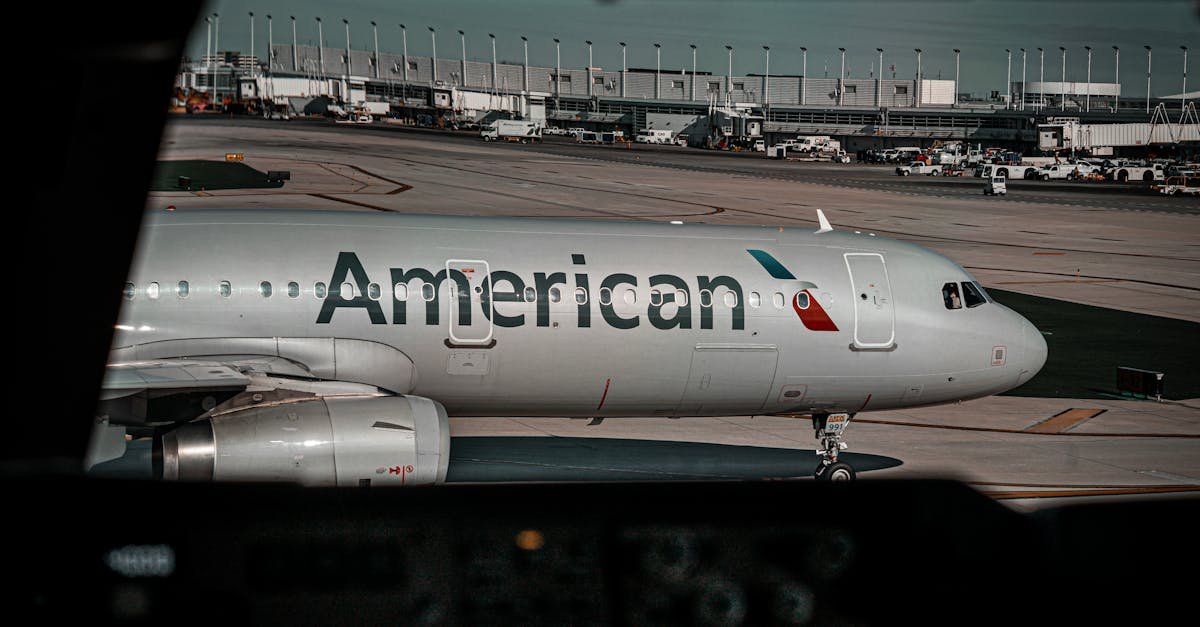
    The evening sky over New Jersey was the backdrop for a tense aviation moment on Wednesday, March 25, 2026. For the passengers on American Airlines Flight 1461, what started as a short hop from the South turned into a high stakes emergency. The Boeing 737 MAX aircraft was making its final approach to Newark Liberty International Airport when a mechanical failure forced the pilots into a critical decision making process. This incident serves as a stark reminder of the unpredictable nature of air travel and the rigorous training that keeps the skies safe.

    A Routine Departure Turns Tense

    The journey began at Charlotte Douglas International Airport in North Carolina. Flight 1461 is a frequent and usually quiet route, whisking travelers between two major East Coast hubs. The aircraft, a Boeing 737 MAX, departed at approximately 7:14 PM, climbing into the clear night air for its two hour trek north. For most of the flight, there was no indication that anything was wrong. Passengers settled into their seats, likely expecting a standard arrival in Newark around 9:00 PM.

    The situation changed as the plane began its descent toward the New York metropolitan area. Modern aircraft are equipped with a vast array of sensors designed to monitor every moving part. As the crew prepared for landing, an alert triggered in the cockpit. The pilots received a notification regarding the landing gear system. Specifically, the data suggested a drop in pressure or a mechanical anomaly with the nose gear, which is the set of wheels located directly under the front of the plane.

    The Emergency Declaration Over New Jersey

    In the world of aviation, “declaring an emergency” is a formal process that gives a flight immediate priority over all other traffic. As the Boeing 737 MAX approached Newark, the captain made the call to air traffic control. They reported a blown tire on the nose gear. This was not a minor inconvenience. The nose tire is essential for steering the aircraft once it touches the ground. If the tire is shredded or missing, the metal wheel assembly can spark against the runway, or worse, the plane can become difficult to control during the high speed rollout after landing.

    Newark Liberty International Airport immediately went into a high alert status. Other flights were held in patterns or diverted to ensure the runway was completely clear for Flight 1461. On the ground, the sight was dramatic. Flashing red and blue lights from dozens of emergency vehicles began to line the edges of the tarmac. Fire trucks, ambulances, and Port Authority police prepared for the worst case scenario as the jet lined up with the runway.

    Touching Down with a Blown Tire

    Landing a massive jet with a compromised nose gear requires a delicate touch. Pilots are trained to keep the nose of the aircraft off the ground for as long as possible during the landing roll, using the rear main gear to take the brunt of the impact and the initial braking. When the nose finally touches down, the crew must work quickly to maintain the center line of the runway.

    At approximately 9:00 PM, the Boeing 737 MAX made contact with the pavement. The sound of the landing was reportedly louder than usual for those sitting in the front of the cabin. As the front gear touched the ground, the remaining rubber on the blown tire likely disintegrated. The smell of burning rubber began to waft into the cabin through the air filtration system, a common but unsettling occurrence during tire failures.+1

    Despite the mechanical failure, the aircraft stayed on the runway. The dual tire configuration of the 737 MAX nose gear proved to be a vital safety feature. Because there are two tires on the front assembly, the intact tire helped stabilize the plane even as the other one failed completely. The aircraft eventually slowed to a stop, surrounded by a ring of emergency responders.

    Ground Operations and Passenger Safety

    Once the plane was stationary, the focus shifted to the 160 passengers and crew members on board. In many emergency landings, the first instinct is to use the inflatable slides for a rapid evacuation. However, since there was no active fire and the aircraft was stable, the decision was made to keep everyone on board for a short period. This is often a safer route to prevent injuries that can occur during a frantic slide evacuation.

    Engineers and fire crews inspected the landing gear while the passengers waited. They had to ensure that the heat from the friction had not ignited any hydraulic fluid or caused structural damage that would make moving the plane dangerous. After the “all clear” was given, the aircraft was towed off the active runway. Passengers eventually deplaned via mobile stairs and were bussed to the terminal. Remarkably, there were no reported injuries, a testament to the calm handling of the situation by the flight crew.

    The Cleanup and Investigation

    The impact of such an incident ripples through the entire airport. After Flight 1461 was cleared, the runway remained closed for an inspection. When a tire blows at high speed, it often leaves behind “FOD” or foreign object debris. Small chunks of reinforced rubber and wire can be scattered across the concrete. If another plane were to vacuum this debris into an engine during takeoff, it could cause a catastrophic failure. Ground crews spent significant time sweeping the area to ensure it was safe for the next arrival.

    American Airlines and the Federal Aviation Administration have already begun looking into why the tire failed. Tires on commercial jets are designed to withstand incredible pressures and temperatures, but they are not invincible. Investigators will look at maintenance logs, the age of the tire, and whether any debris on the runway in Charlotte might have caused an initial nick that led to the blowout in Newark.

    Context of Recent Boeing Incidents

    It is impossible to discuss this event without mentioning the intense scrutiny currently facing Boeing. Over the last year, various issues ranging from door plugs to landing gear fires have kept the manufacturer in the headlines. While a blown tire is often a maintenance or operational issue rather than a design flaw, the fact that it occurred on a 737 MAX model ensures that the investigation will be thorough.

    Aviation experts point out that tire blowouts, while frightening, are a known variable in flight operations. Modern jets are over engineered to handle these exact moments. The success of Flight 1461 in landing without a single scratch to a passenger highlights that the safety systems in place both mechanical and human worked exactly as they were supposed to.

    Moving Forward After the Scare

    For the travelers who were on board, the memory of the flashing lights and the smell of smoke will likely linger. For the rest of the traveling public, the incident is a reminder of the importance of the “silent” work done by ground crews, mechanics, and air traffic controllers. Every day, thousands of flights land without issue, but it is the preparation for the one that doesn’t that defines the industry.

    The aircraft involved has been taken out of service for a full inspection and repair of the nose gear assembly. It will likely return to the skies once it passes a series of rigorous safety checks. In the meantime, the data from this landing will be shared across the industry to help other pilots and maintenance teams recognize the early warning signs of gear failure.