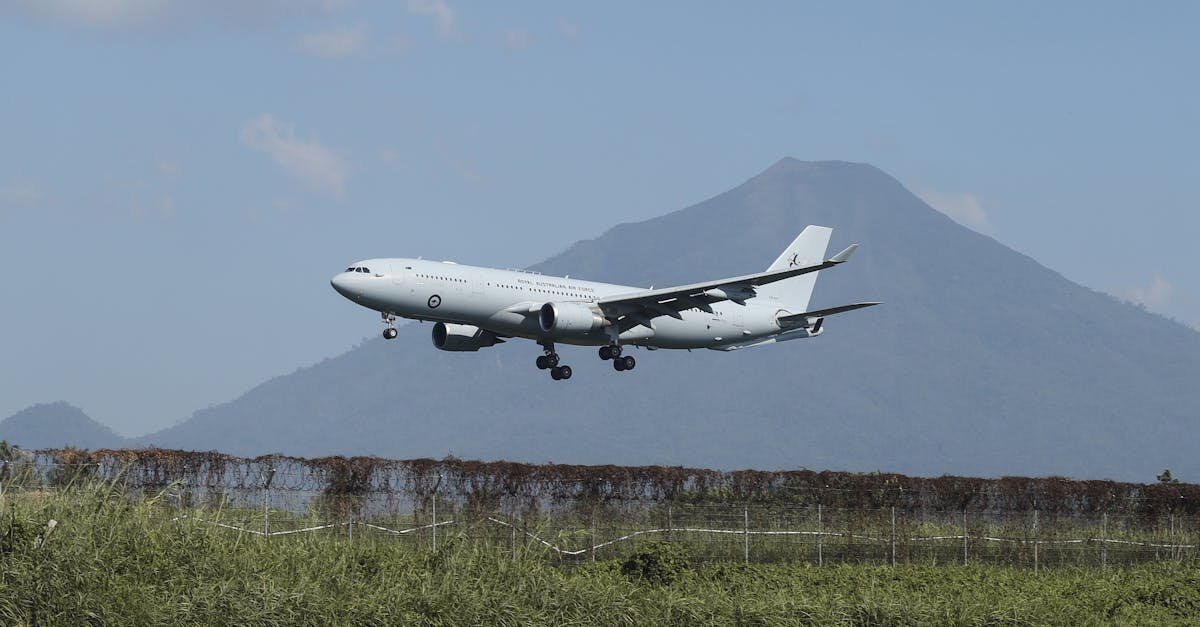
The aviation world is constantly changing, and Air France is currently at the heart of one of the most significant fleet shifts in its modern history. For years, the Airbus A330-200 has been a reliable workhorse for the French flag carrier, bridging the gap between medium and long-haul destinations. However, as technology advances and the push for environmental sustainability grows stronger, the time has come for this classic jet to retire. Air France recently confirmed that the remaining aircraft of this type will be phased out by the first quarter of 2027. This decision is not just about getting rid of old planes; it is a vital part of a massive multi-billion euro investment into the future of flight.
The Long Legacy of the Airbus A330 at Air France
The Airbus A330 has served Air France with distinction for over two decades. Known for its versatility, the A330-200 allowed Air France to open routes that were too small for the massive Boeing 747 but too far for short-range jets. With its twin-engine efficiency and comfortable wide-body layout, it became a favorite for flights to Africa, the Middle East, and parts of North America.
Currently, the average age of the Air France A330 fleet is roughly 23 years. While these planes have been maintained to the highest standards, they belong to a different generation of aviation technology. The interiors, though retrofitted over the years to keep up with modern expectations, cannot compete with the cutting-edge cabins found on newer jets. By retiring these planes in 2027, Air France is ensuring that its fleet remains one of the youngest and most efficient in the sky.
Why the First Quarter of 2027 Matters
Timing in the airline industry is everything. Air France has chosen the first quarter of 2027 as the final chapter for the A330-200 to align with the delivery schedules of its newer aircraft. By the end of March 2027, the winter flight schedule concludes, making it the perfect operational break to transition fully to newer models.
This date is significant because it marks the completion of a long-term strategy. For several years, Air France has been gradually reducing the number of A330s in its hangars. What started as a large fleet of fifteen aircraft has slowly dwindled as newer Airbus A350s arrive from the factory. The final exit in 2027 will represent a clean break from the older technology, allowing Air France to streamline its maintenance, crew training, and spare parts inventory.
The Successors Taking Over the Skies
When a legendary plane like the A330 leaves the fleet, something even better must take its place. Air France is putting its faith in two primary successors: the Airbus A350-900 and the Boeing 787-9 Dreamliner.
The Airbus A350-900 is the new flagship for Air France. This aircraft is a marvel of modern engineering, built with carbon-fiber reinforced plastic that makes it much lighter and more fuel-efficient than the A330. For passengers, the A350 offers a much quieter cabin, larger windows, and better air pressure levels, which help reduce jet lag. Air France has placed massive orders for this type, ensuring that as the A330s leave, the A350s are ready to step in without any disruption to the flight schedule.
The Boeing 787-9 Dreamliner also plays a crucial role. Air France uses the Dreamliner on routes where the capacity of the A350 might be too much, but the efficiency of a modern jet is still required. Together, these two aircraft types will form the backbone of the Air France long-haul network for the next twenty years.
A Major Leap in Environmental Sustainability
One of the biggest drivers behind the Air France fleet renewal plan is the environment. The aviation industry is under immense pressure to reduce its carbon footprint, and Air France has set ambitious goals to cut its CO2 emissions significantly by 2030.
The older Airbus A330-200 engines consume significantly more fuel than the engines on the A350 or the 787. By switching to these newer models, Air France can reduce fuel consumption and CO2 emissions by up to 25 percent per seat. This is a massive improvement that helps Air France meet its “Air France ACT” sustainability targets. Additionally, these newer planes are much quieter, which is a major benefit for people living near airports like Paris Charles de Gaulle.
What This Means for the Passenger Experience
If you are a frequent flyer with Air France, the retirement of the A330 is great news for your comfort. While the A330 provided a solid service, its cabin technology is dated. The new wide-body jets that Air France is bringing in feature the latest cabin designs.
In Business Class, Air France is rolling out new sliding doors for total privacy, something the old A330s simply could not accommodate due to their cabin width and floor configuration. The entertainment systems on the newer planes feature 4K high-definition screens and Bluetooth connectivity, allowing you to use your own wireless headphones. Even in Economy, the seats are more ergonomic and offer better charging options for your devices. Air France is focusing heavily on “premiumization,” ensuring that every traveler feels a sense of French elegance and modern luxury.
Operational Benefits and Simplified Maintenance
Running an airline is a logistical puzzle. Operating too many different types of planes can be incredibly expensive. Each aircraft type requires its own set of pilots, flight attendants, and mechanics who are specifically trained and certified for that model.
By removing the A330-200, Air France simplifies its operations. Instead of managing four or five different long-haul aircraft types, the airline can focus on a more unified fleet of Boeing 777s, Boeing 787s, and Airbus A350s. This helps Air France save money on maintenance and training. When a fleet is simplified, it is also easier for the airline to swap planes if there is a mechanical issue, leading to fewer delays and cancellations for the passengers.
The Strategic Shift to Africa and the Caribbean
The Airbus A330-200 has traditionally been the go-to plane for Air France routes to West Africa and the Caribbean. Locations like Douala, Luanda, and St. Maarten have seen the A330 on a daily basis for years.
As Air France moves toward 2027, these routes will see a significant upgrade in capacity. The A330-200 usually carries around 224 passengers. The Airbus A350-900 can carry nearly 300 passengers in a typical Air France layout. This means that Air France can fly more people to these popular destinations while using less fuel. It is a win-win for the airline’s profitability and for travelers who want more flight options.
Looking Toward the Future of French Aviation
The retirement of the A330 is just one piece of the puzzle. Air France is also modernizing its short-haul fleet with the Airbus A220, which is replacing older A318 and A319 models. This total fleet transformation shows that Air France is serious about being a leader in the global aviation market.
By the time the final A330 leaves the fleet in early 2027, Air France will have one of the most modern and environmentally friendly long-haul operations in Europe. This transition proves that the airline is not just reacting to the market but actively shaping its future. The sky is looking bright for the French carrier as it prepares to enter this new era.
Final Thoughts on the Air France Fleet Evolution
Saying goodbye to an aircraft is always a sentimental moment for the people who fly them and the crews who work on them. The A330 has been a symbol of reliability for Air France for decades. However, the benefits of moving to newer, cleaner, and more comfortable planes are far too great to ignore.
As we approach the first quarter of 2027, we can expect to see various farewell flights and celebrations as Air France honors the service of the A330. While it may be the end of the road for this specific model, it is the beginning of a much more sustainable and luxurious journey for everyone who chooses to fly with Air France. The modernization journey is well underway, and the results are already visible in the improved service and reduced environmental impact that Air France delivers every single day.
Leave a Reply